Neutral summaries of your favorite news sources — just the facts.
Your favorite news sources, one neutral feed — we distill their reporting into fact-first
summaries and always link to the original story. How it works
US News
Latest developments and key stories from across the United States
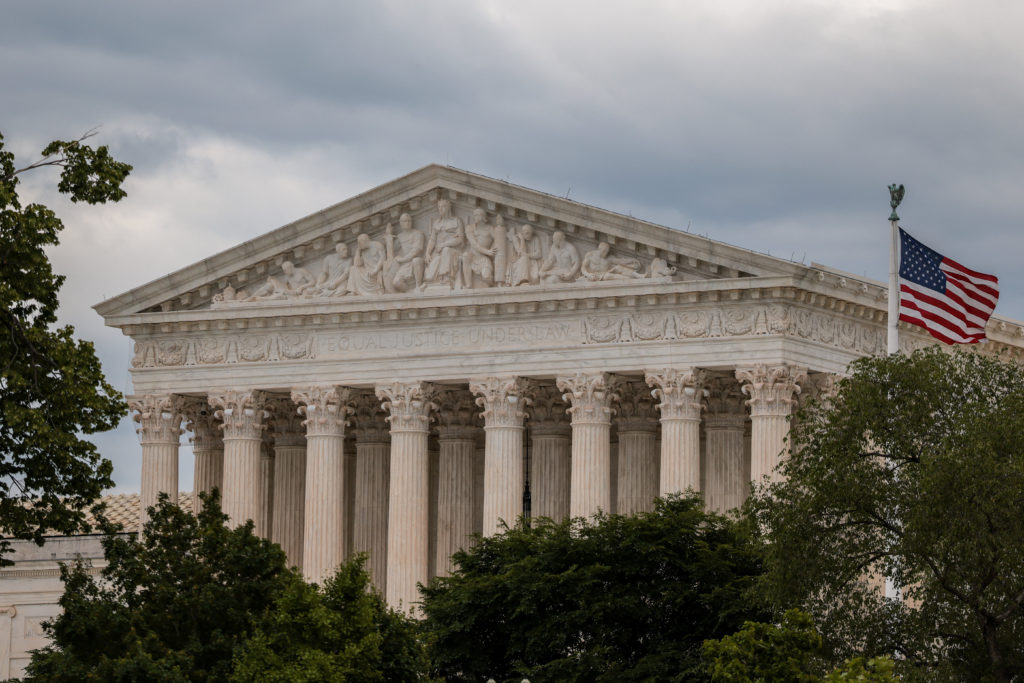
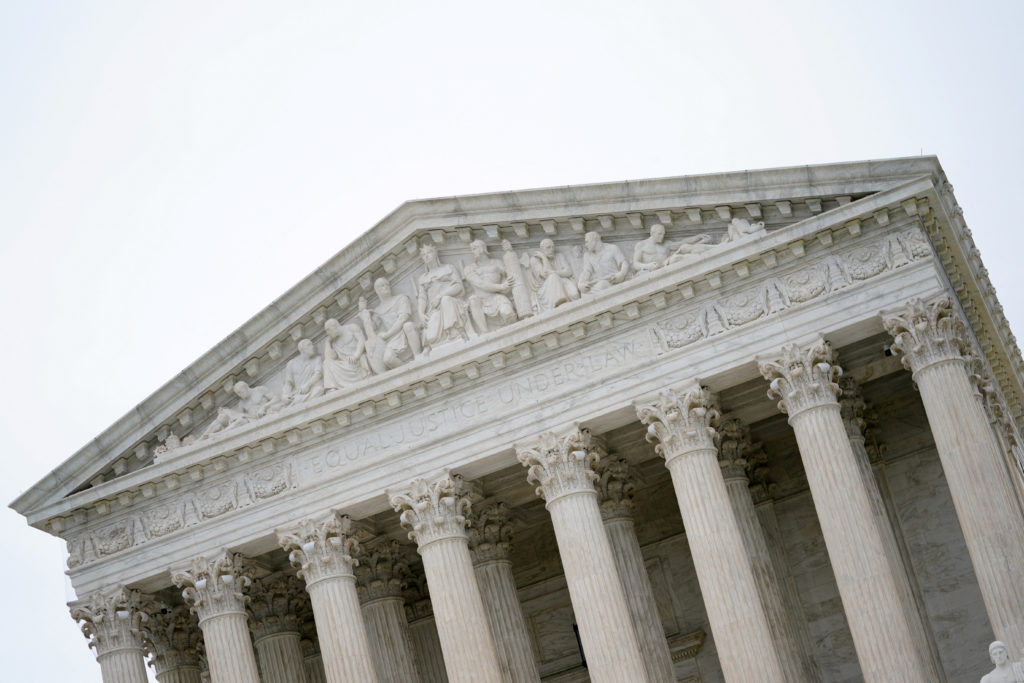
The article argues that adding four new seats to the Supreme Court under a future Democratic government would actually be reversing previous changes, not packing the court. It suggests that expanding the court in this way is a way to restore balance.
Key Facts
The proposal is to add four new seats to the Supreme Court.
This would happen under the next Democratic-led government.
The current Supreme Court has fewer justices than it did in the past.
Adding seats can change the court’s balance.
The article says this expansion is "unpacking" the court, meaning restoring it.
The term "court-packing" usually means adding seats to influence decisions.
Here, the article argues this is not court-packing but correcting past changes.
Read the Original
Want the full story? Tap a source to open the original
article.
Nine Texas protesters were sentenced to long prison terms after being found guilty of terrorism and other charges related to a July 4 protest at an immigrant detention center. The protest involved vandalism and a gunshot that injured a police officer, leading prosecutors to label the group as part of a planned conspiracy linked to antifa.
Key Facts
The protest occurred on July 4 at an immigrant detention facility in Alvarado, Texas.
Some protesters damaged property, including cars, a guard shack, a government van, and a security camera.
One activist fired an AR-15 at a police officer, injuring him in the shoulder; the officer survived.
Sentences ranged from 50 to 100 years in prison for the convicted defendants.
Prosecutors described the group as a "North Texas antifa cell" and said the attack was planned.
Eight defendants were convicted of providing support for terrorists, while one was convicted of hiding documents.
Evidence included the activists’ membership in a book club and gun group, reading leftwing zines, possession of legally purchased guns, and using encrypted messaging.
Similar government prosecutions against activists interfering with ICE agents have taken place in other cities recently.
Read the Original
Want the full story? Tap a source to open the original
article.
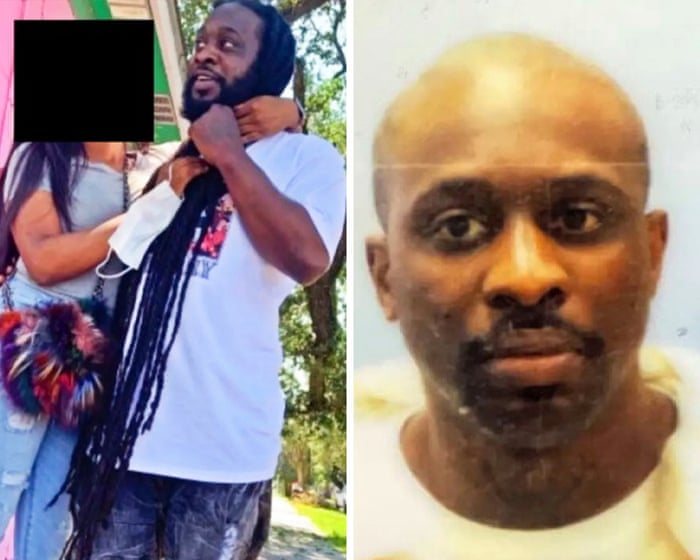
The US Supreme Court ruled 6-3 that a Rastafarian man, Damon Landor, cannot sue Louisiana prison officials for monetary damages after they forcibly shaved his hair, which violated his religious beliefs. The court said the law protecting religious rights of prisoners does not allow individuals to be sued for money damages in this case.
Key Facts
Damon Landor is a Rastafarian whose religion requires growing uncut hair.
Prison guards in Louisiana held Landor down and shaved his hair despite his religious beliefs.
Landor’s lawsuit was based on the Religious Land Use and Institutionalized Persons Act of 2000, which protects religious rights of people in institutions like prisons.
Lower courts dismissed his case because the law does not let him sue individual officials for money damages.
The Supreme Court’s decision was 6-3, with three liberal justices disagreeing.
The Trump administration supported Landor’s case, asking the court to allow the lawsuit to proceed.
Landor had reminded officials of a past court ruling that found Louisiana’s hair-cutting policy violated the law, but it was ignored.
The court has expanded religious rights protections in past cases but limited monetary claims in this one.
Read the Original
Want the full story? Tap a source to open the original
article.
Senator Rand Paul has officially subpoenaed Dr. Anthony Fauci to appear before the Senate Homeland Security Committee in July. Fauci had previously agreed to testify voluntarily this month but later decided not to.
Key Facts
Senator Rand Paul is the chairman of the Senate Homeland Security Committee.
Dr. Anthony Fauci was initially set to testify voluntarily this month.
Fauci later canceled his planned testimony.
Due to this, Senator Paul issued a subpoena to require Fauci’s appearance.
The subpoena demands Fauci attend the committee hearing in July.
The issue relates to Fauci’s role and actions regarding government public health matters.
The exchange highlights tensions between Fauci and some Senate members.
Read the Original
Want the full story? Tap a source to open the original
article.
Richard Glossip, who was on Oklahoma’s death row for nearly 30 years for a 1997 murder, is back in court as his case moves toward a retrial. The U.S. Supreme Court overturned his conviction last year because of false testimony, and he was recently released on bond while waiting for the next step.
Key Facts
Richard Glossip was convicted for the 1997 murder of Barry Van Treese, his former boss.
Prosecutors said the murder was part of a murder-for-hire plan, involving a baseball bat death.
The U.S. Supreme Court found that prosecutors let a key witness give false testimony, violating Glossip’s rights.
Glossip spent almost 30 years on death row and had nine scheduled execution dates.
He was released on bond last month while awaiting retrial.
Oklahoma plans to retry him but will not seek the death penalty again.
Glossip has said he is innocent and has received support from public figures, including Kim Kardashian.
Van Treese’s family wanted the original conviction and sentence to remain as decided by the courts.
Read the Original
Want the full story? Tap a source to open the original
article.
The National Action Network (NAN), led by Rev. Al Sharpton, has bought a building in Harlem to make its headquarters permanent after more than 20 years of renting. The new home is a renovated former community theater called the Faison Firehouse Theater.
Key Facts
NAN has been based in Harlem for over two decades but was previously renting its space.
The new headquarters is located at the former Faison Firehouse Theater on Hancock Place near 124th Street and Manhattan Avenue.
The theater was converted from an old firehouse by Tony Award-winning choreographer George Faison in 1999.
Faison chose to sell the building to NAN rather than a large developer.
Rev. Al Sharpton, aged 71, plans for NAN to be a lasting institution beyond his leadership.
The renovation of the new headquarters is complete and functional.
NAN’s regular Saturday rallies are expected to resume there in the summer.
NAN was founded in 1991 and previously met in rented spaces, including an elementary school and locations on 125th Street.
Read the Original
Want the full story? Tap a source to open the original
article.
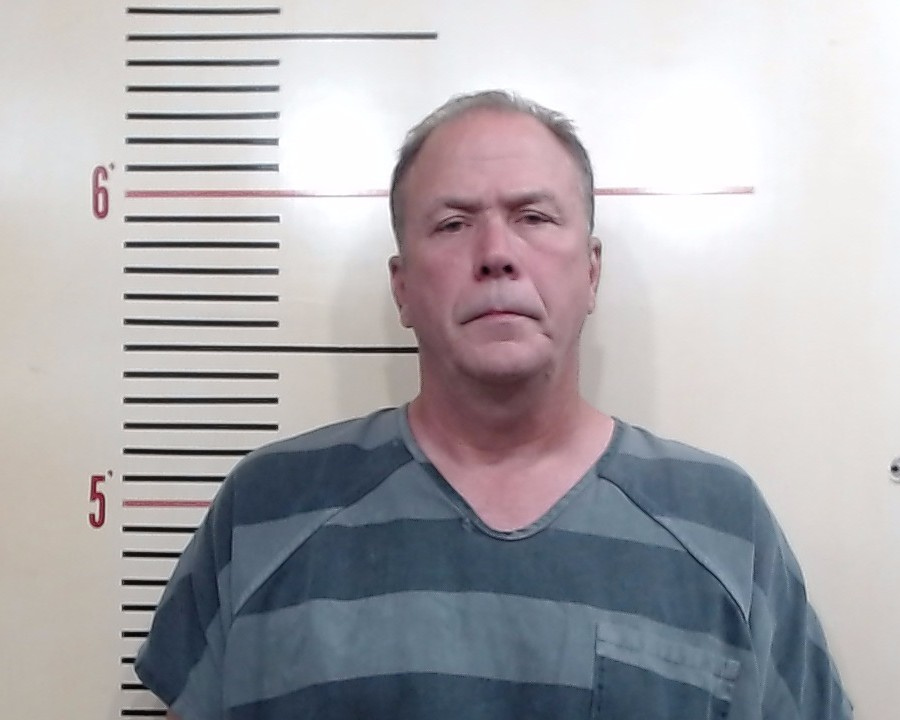
A Texas man, Charles Tod Brooks, shot and killed his daughter, Rebekah Bailey Brooks, during a fight between her and her mother on Father's Day. He is charged with first-degree murder and is in jail awaiting further investigation.
Key Facts
The incident happened in Azle, Texas, at the family home.
Charles Tod Brooks, 61, confessed to shooting his 25-year-old daughter.
The shooting occurred while trying to separate a fight between the daughter and her mother.
Rebekah Bailey Brooks was found with a gunshot wound and died at the scene despite medical efforts.
Charles Brooks was charged with first-degree murder and held on a $2 million bond.
The Texas Rangers are helping with the investigation.
The reason for the fight between the daughter and her mother is not known.
Authorities have expressed condolences to the family.
Read the Original
Want the full story? Tap a source to open the original
article.
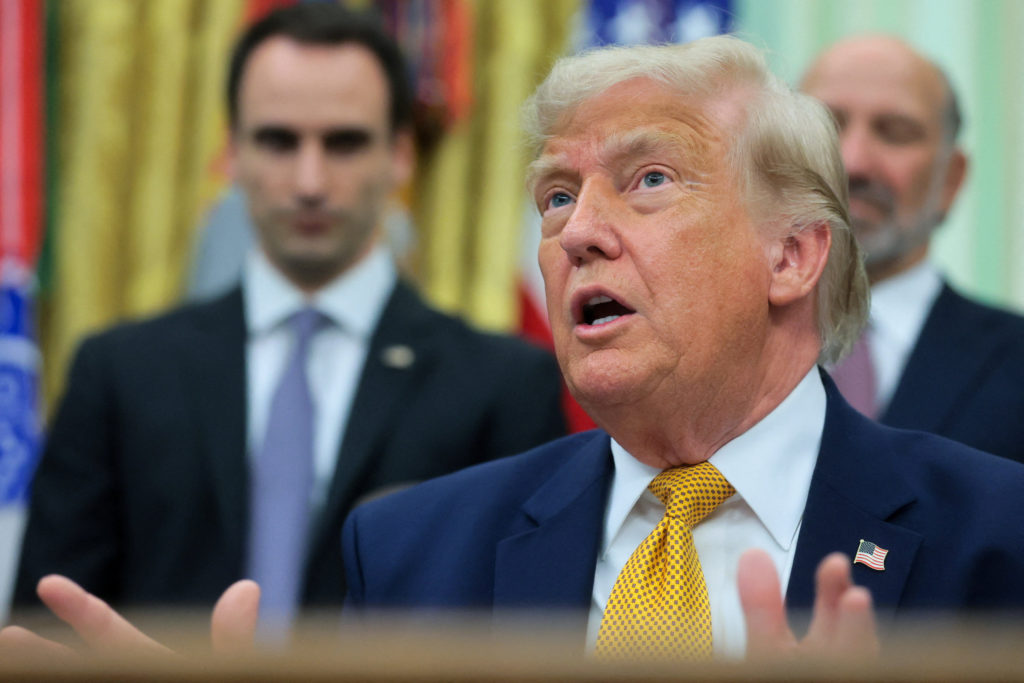
President Donald Trump visited a Mack Truck factory in Pennsylvania to talk about the U.S. economy and move attention away from the conflict with Iran. His visit comes ahead of the November midterm elections and focuses on a key swing district where Republicans are trying to keep control.
Key Facts
President Trump spoke at a Mack Truck facility in Pennsylvania’s 7th Congressional District.
The visit aims to highlight the economy and downplay the Iran conflict after an interim agreement was signed.
Pennsylvania is a crucial swing state that helped Trump win the presidency in 2016 and 2024.
Rising prices and economic concerns are important issues for voters this fall.
About one-third of U.S. adults approve of Trump’s handling of the economy, according to a recent poll.
Nearly two-thirds of Americans disapprove of Trump’s handling of the Iran situation.
The Mack Truck plant had layoffs in 2025 but has since rehired most workers.
The district Trump visited is contested by Republican Ryan Mackenzie and Democrat Bob Brooks ahead of the midterms.
Read the Original
Want the full story? Tap a source to open the original
article.
The U.S. Supreme Court decided that ExxonMobil can sue Cuban government companies in U.S. courts over property taken by Cuba after Fidel Castro came to power. The Court’s 6-3 ruling supports U.S. owners trying to reclaim property seized more than 65 years ago.
Key Facts
The Supreme Court ruled in favor of ExxonMobil on Tuesday.
ExxonMobil can sue Cuban state-owned companies in U.S. courts.
The lawsuit concerns property seized by Cuba’s government after Fidel Castro’s rise.
The decision was made by a 6-3 vote.
This is the second recent Supreme Court ruling supporting U.S. owners of Cuban property.
The property was confiscated by the Communist government over 65 years ago.
The case involves American legal rights to challenge foreign state actions in U.S. courts.
Read the Original
Want the full story? Tap a source to open the original
article.
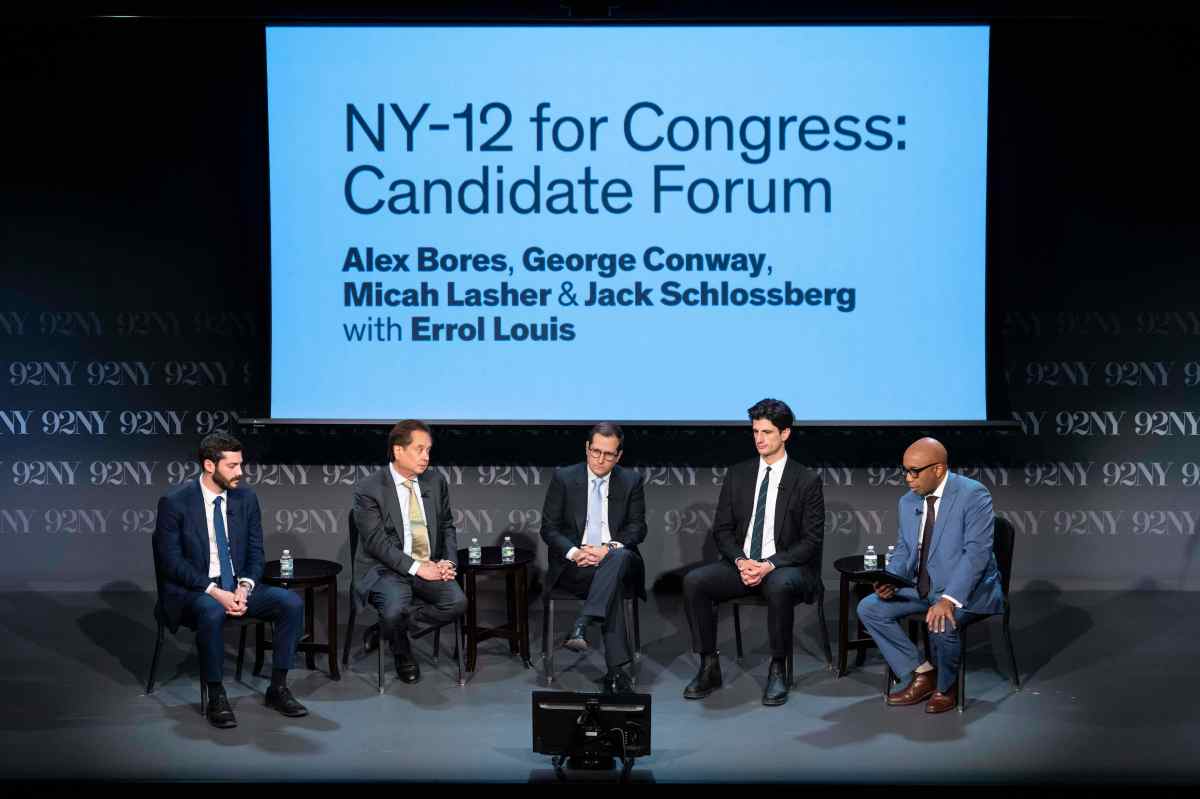
New York’s 12th Congressional District is holding a Democratic primary to replace Representative Jerry Nadler. Key candidates include Micah Lasher, Alex Bores, and Jack Schlossberg. Polls show a close race with many voters still undecided.
Key Facts
The district is strongly Democratic and rated as "Solid Democrat" by the Cook Political Report.
The seat is open because longtime Representative Jerry Nadler is not running again.
Candidates include Assemblymembers Micah Lasher and Alex Bores, attorney George Conway, health researcher Nina Schwalbe, and Jack Schlossberg, grandson of John F. Kennedy.
Polls show Lasher and Bores have recently gained support, while Schlossberg has lost some ground.
About one-third of voters are undecided according to recent surveys.
Roughly 172,700 people voted early, with over 67,000 from Manhattan.
The race has attracted approximately $26 million in advertising spending.
Voting preferences vary by gender, with men favoring Bores and women favoring Lasher.
Read the Original
Want the full story? Tap a source to open the original
article.
Treasury Secretary Scott Bessent reportedly called Commerce Secretary Howard Lutnick “an idiot” during a discussion about a minerals deal with Ukraine. This information comes from a new book written by two New York Times journalists.
Key Facts
Scott Bessent is the U.S. Treasury Secretary.
Howard Lutnick is the U.S. Commerce Secretary.
Bessent called Lutnick “an idiot” to his face.
The comment was about a deal involving minerals and Ukraine.
The information is from a book called "Regime Change."
Two journalists from The New York Times wrote the book.
A TV host named Lawrence O’Donnell read parts of the book on a show.
The show was MS NOW’s “The Last Word.”
Read the Original
Want the full story? Tap a source to open the original
article.
The U.S. Supreme Court decided that a Rastafarian inmate who had his dreadlocks shaved by prison guards cannot claim money for violating his religious rights. The court ruled 6-3 that the inmate cannot seek damages for this treatment.
Key Facts
The Supreme Court ruled 6-3 in the case involving a Rastafarian inmate.
The inmate, Damon Landor, had his dreadlocks shaved by Louisiana prison guards.
This happened just weeks before Landor was going to be released from prison.
Landor says the shaving violated his religious rights.
The court said he cannot sue the guards for damages over this issue.
The decision was split along ideological lines, reflecting different judicial views.
The case concerns the balance between prisoners' religious rights and prison policies.
Read the Original
Want the full story? Tap a source to open the original
article.
The U.S. Supreme Court ruled that a former Louisiana prisoner cannot sue prison officials for cutting his dreadlocks, which violated his Rastafari religious beliefs. The court said that the federal law protecting inmates' religious rights does not allow lawsuits for money damages even when those rights are violated.
Key Facts
The Supreme Court blocked Damon Landor from suing over prison officials cutting his dreadlocks.
Landor’s dreadlocks were cut in violation of his Rastafari faith while in a Louisiana prison in 2020.
The court ruled that the Religious Land Use and Institutionalized Persons Act does not allow inmates to sue for money damages.
Lower courts had previously dismissed Landor’s case for the same reason.
The prison changed its grooming policy after this incident to prevent similar cases.
The Rastafari religion started in 1930s Jamaica and mixes Old Testament beliefs with a call to return to Africa.
The court did not apply a different law used in 2020 that allowed lawsuits over religious discrimination in a no-fly list case.
The Justice Department supported Landor’s position in this case.
Read the Original
Want the full story? Tap a source to open the original
article.
The U.S. Supreme Court ruled that ExxonMobil can sue Cuban government companies in U.S. courts over property seized after Fidel Castro took power. This decision supports the 1996 Helms-Burton law, which allows Americans to sue businesses that use property confiscated by Cuba.
Key Facts
The Supreme Court voted 6-3 to allow ExxonMobil's lawsuit against Cuban state-owned companies.
The property was originally owned by Standard Oil, ExxonMobil’s predecessor, and included over 100 gas stations and a refinery.
The Helms-Burton Act of 1996 lets U.S. citizens sue companies benefiting from property confiscated by Cuba’s government.
President Trump lifted the suspension of this law in 2019, enabling ExxonMobil to file the lawsuit.
The court reversed a lower court ruling that had protected Cuban companies from such lawsuits.
The U.S. Foreign Claims Settlement Commission valued ExxonMobil’s lost property at $71.6 million in 1969, now worth over $1 billion with interest.
A similar recent Supreme Court case revived claims against cruise lines operating in Cuba during the Obama administration’s policy thaw.
Justice Brett Kavanaugh wrote the majority opinion, while Justice Elena Kagan dissented, disagreeing on legal interpretation regarding sovereign immunity.
Read the Original
Want the full story? Tap a source to open the original
article.
The U.S. Supreme Court decided that a man who had his dreadlocks cut while in a Louisiana prison cannot sue the prison officials for money. The court said a law meant to protect inmates' religious rights does not allow lawsuits for financial compensation even if those rights are broken.
Key Facts
Damon Landor, a former Louisiana inmate, had his dreadlocks cut in prison.
Landor follows the Rastafari religion, which considers dreadlocks important.
The Supreme Court called the act of cutting the dreadlocks wrong.
The Court ruled that the law protecting inmates' religious rights does not let them sue for money damages.
This decision stops Landor from seeking financial compensation from prison officials.
The ruling came on Tuesday in Washington, D.C.
The case involved interpreting a federal law about religious freedom for prisoners.
Read the Original
Want the full story? Tap a source to open the original
article.
The U.S. Justice Department is investigating a coffee shop in New York City that said it would have refused service to Representative Daniel Goldman, who supports Israel. The coffee shop made this statement in a social media post, which has since been deleted.
Key Facts
The investigation is being conducted by the DOJ's Civil Rights Division.
The coffee shop is called Poetica Coffee and is located in New York City.
Poetica Coffee posted on Instagram that it would refuse service to Rep. Daniel Goldman if it recognized him.
Rep. Daniel Goldman is a member of Congress who supports Israel.
The Instagram post from the coffee shop was deleted after the incident gained attention.
Harmeet Dhillon, U.S. Attorney General for the Civil Rights Division, announced the investigation.
The refusal of service is being examined for potential civil rights violations.
Read the Original
Want the full story? Tap a source to open the original
article.
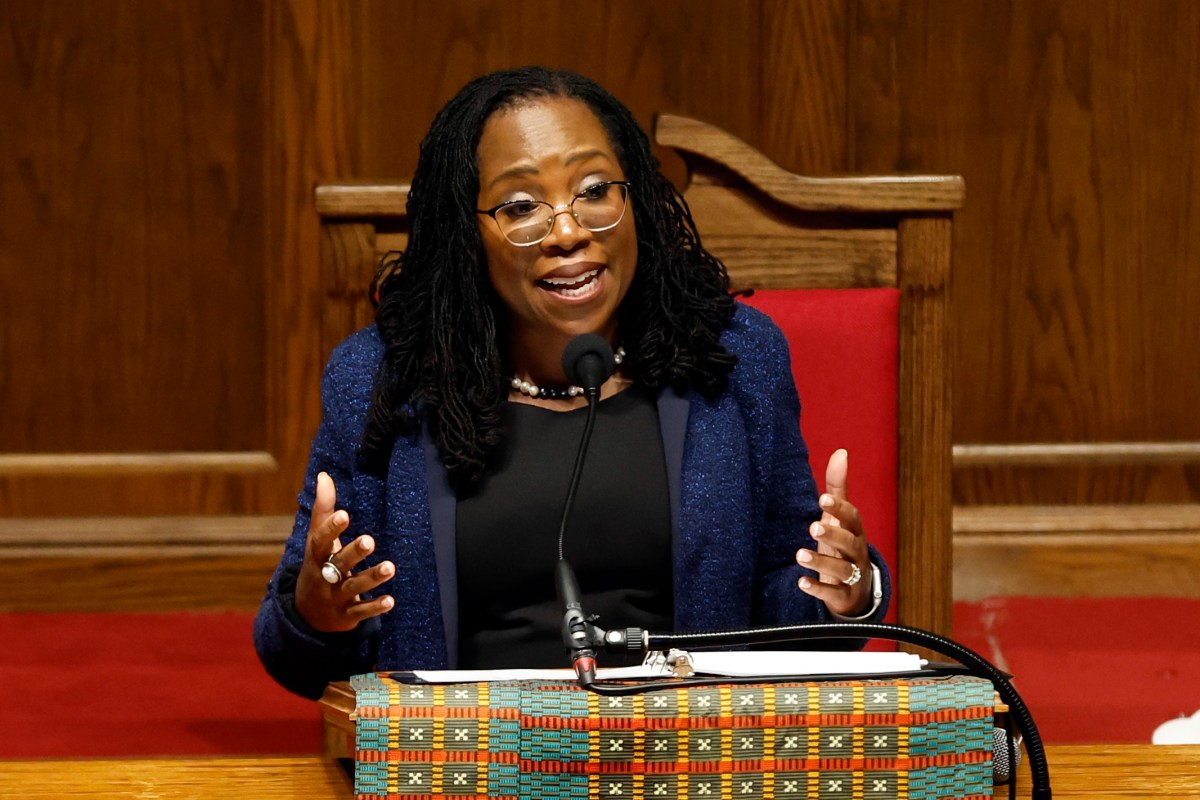
The Supreme Court ruled 6-3 that the federal government can take away green card holders’ usual legal status if they travel abroad while facing unresolved criminal charges. Justice Ketanji Brown Jackson disagreed, warning this gives too much power to the government and could hurt many permanent residents.
Key Facts
The Supreme Court decision allows the government to remove green card protections from residents who travel abroad with pending criminal accusations.
The ruling was 6-3, with a conservative majority supporting the government’s power.
Justice Ketanji Brown Jackson wrote a dissent, calling the decision a "blank check" for executive overreach.
The case involved Muk Choi Lau, a lawful permanent resident accused of trademark counterfeiting when reentering the U.S. in 2012.
Lau’s argument was that the government needed strong evidence of a crime at reentry, not just an accusation, but the Supreme Court disagreed.
Justice Clarence Thomas, writing for the majority, said border officials must make fast decisions and suspicion is enough to block reentry.
The ruling supports President Donald Trump’s previous immigration policies that give more power to the executive branch.
The Supreme Court is also reviewing other immigration cases, including those on birthright citizenship and asylum rules.
Read the Original
Want the full story? Tap a source to open the original
article.
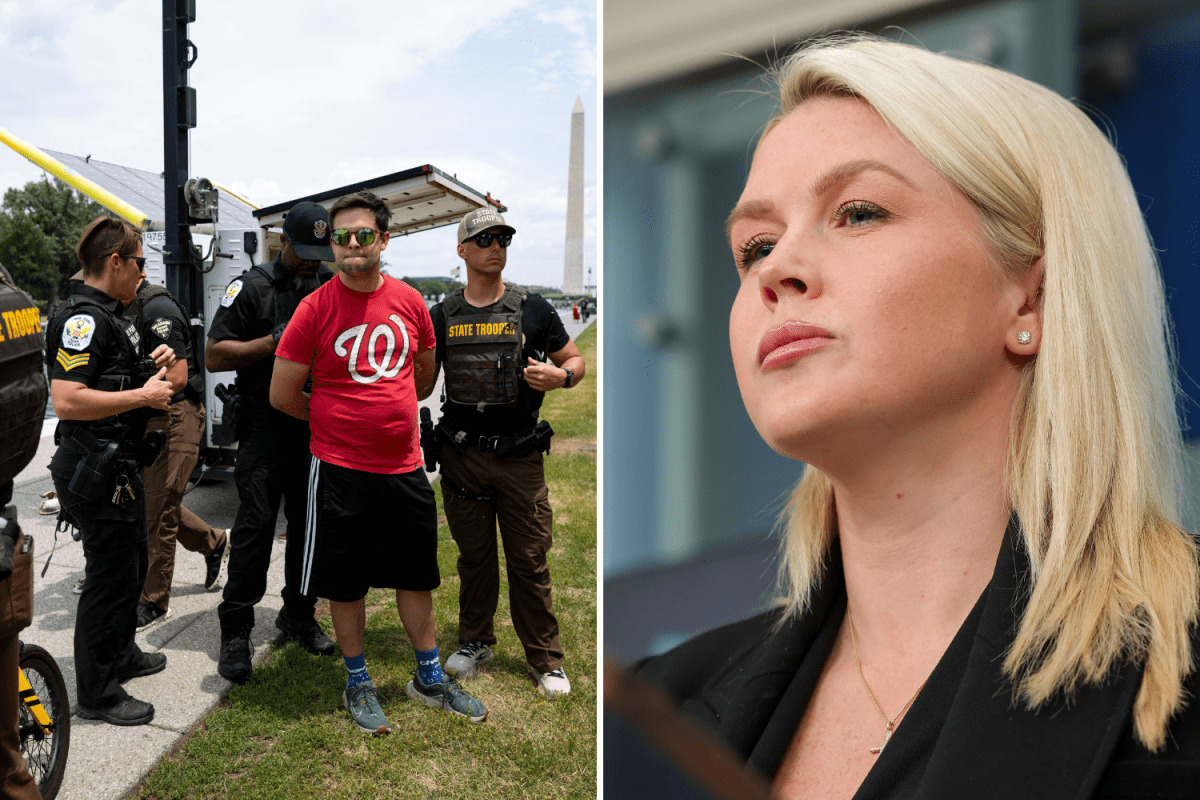
The White House and President Donald Trump have responded to recent incidents of vandalism and protests at the Lincoln Memorial Reflecting Pool in Washington, D.C. Officials report multiple arrests and police reports linked to the site, and describe opposition to the pool’s algae-cleaning project as politically motivated.
Key Facts
There have been 17 police reports and six arrests related to incidents at the Reflecting Pool.
Protesters have dressed in algae costumes and carry signs supporting algae at the pool.
Press Secretary Karoline Leavitt called the protesters "deranged leftists" and framed opposition as political resistance.
President Trump posted on Truth Social blaming "multiple individuals" for vandalism and mentioned possible prison sentences of up to 10 years.
Trump and administration allies say the protests are politically motivated, using the term “pro-algae” demonstrators.
The Interior Department accused the media of covering for those damaging the monument.
Law enforcement presence has increased, with visitors being stopped or detained near the Reflecting Pool.
Officials claim there is a 300-foot-long cut in the pool’s perimeter, but have not provided detailed public evidence.
Read the Original
Want the full story? Tap a source to open the original
article.
The U.S. Supreme Court ruled 6-3 that federal courts cannot create new types of lawsuits under the Alien Tort Statute, a law used to sue for human rights abuses abroad. The case involved Chinese Falun Gong practitioners suing Cisco Systems, accusing the company of helping the Chinese government track and persecute them.
Key Facts
The Supreme Court decision limits the use of the Alien Tort Statute (ATS), a law from the 18th century, to bring cases about international human rights abuses.
The court ruled that only Congress can create new legal claims under the ATS, not judges.
Justice Amy Coney Barrett wrote the majority opinion supporting this view.
The ruling stopped most future lawsuits using the ATS to seek justice for foreign human rights violations.
The court also ruled against lawsuits under the Torture Victim Protection Act (TVPA) unless Congress clearly allows such claims.
Cisco Systems was sued for allegedly helping the Chinese government identify and persecute Falun Gong practitioners through surveillance technology.
Justice Sonia Sotomayor dissented, warning the decision harms victims seeking accountability and breaks with past court precedents.
The case highlights limits on holding companies responsible in U.S. courts for alleged abuses overseas.
Read the Original
Want the full story? Tap a source to open the original
article.
JD Vance, the Vice President of the United States, recently published a memoir called Communion about his spiritual journey. While promoting the book, Vance faced criticism and questions about his focus on his political role during sensitive negotiations with Iran.
Key Facts
JD Vance is the U.S. Vice President and has three young children with a baby expected soon.
He authored a new book, Communion, which is about his path back to faith.
The book has received mostly negative reviews, causing platforms like Amazon and Goodreads to limit or suspend reader feedback.
Vance appeared on TV shows such as The View and Fox News to promote the book but was also questioned about political matters.
He admitted to not fully understanding diplomatic protocols during delicate talks with Iran.
President Donald Trump warned about a potential economic crisis linked to global conflicts during this time.
Critics have expressed concern about Vance focusing on book tours while important political negotiations are ongoing.
Vance’s writing includes personal reflections, such as regretting past comments about women without children and focusing heavily on birthrates and parenting.
Read the Original
Want the full story? Tap a source to open the original
article.