Neutral summaries of your favorite news sources — just the facts.
Your favorite news sources, one neutral feed — we distill their reporting into fact-first
summaries and always link to the original story. How it works
US News
Latest developments and key stories from across the United States
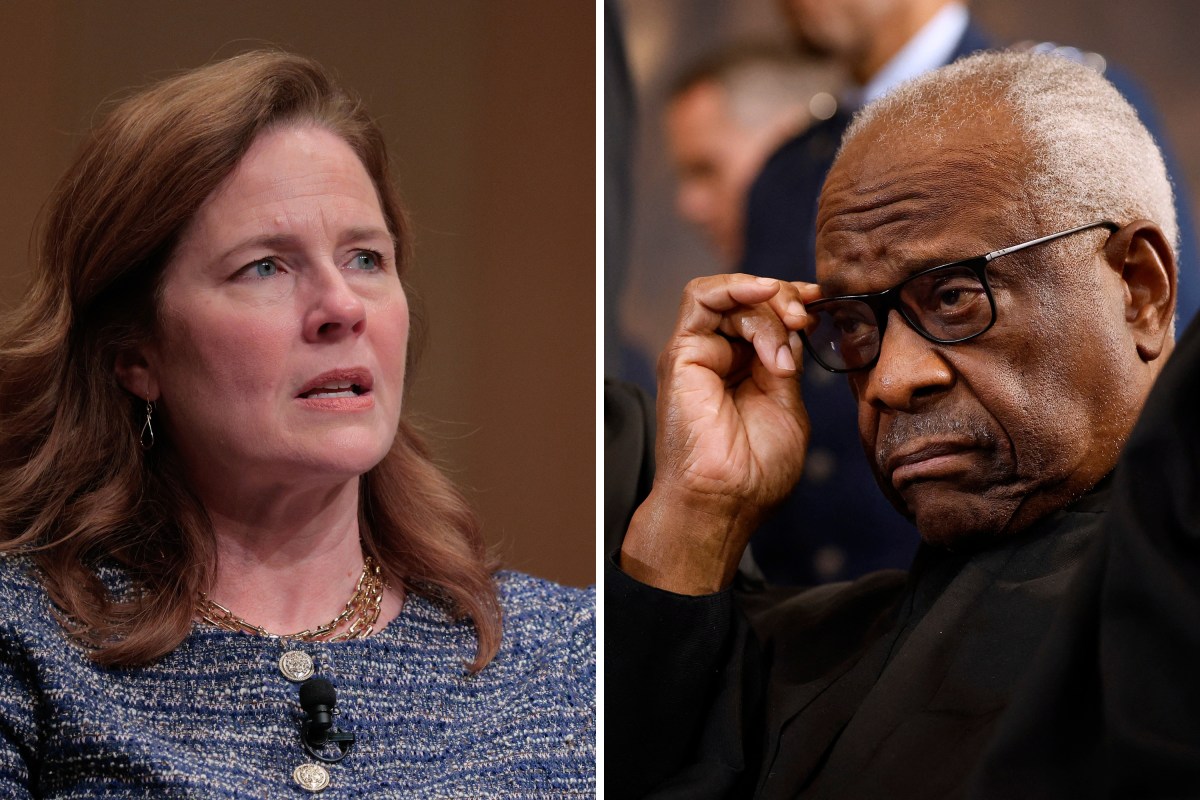
The Supreme Court ruled on a criminal case about whether people who accept plea deals and give up the right to appeal can still challenge some parts of their sentences. Justice Amy Coney Barrett wrote separately to disagree with Justice Clarence Thomas, showing a rare split among conservative justices.
Key Facts
The case, Hunter v. United States, involved a man who pleaded guilty to fraud and gave up his right to appeal his sentence.
He wanted to challenge a court order requiring him to take mental health medication during supervised release.
Lower courts said the appeal waiver stopped him from challenging the sentence, but the Supreme Court asked whether there should be limits.
The Court decided that appeal waivers usually hold, but not if enforcing them would cause a serious injustice.
Justice Barrett agreed with the ruling but wrote separately to reject Justice Thomas’ strict view that waivers should always be enforced.
Barrett said courts have long recognized that some rights cannot be waived if it damages the justice system’s credibility.
Thomas disagreed, saying defendants must stick to their plea deal promises, or it could weaken the legal system.
Barrett’s separate opinion shows a split in conservative justices on how the court should handle criminal justice rules.
Read the Original
Want the full story? Tap a source to open the original
article.
A federal appeals court ruled that the Trump administration can replace the slavery exhibit at the President's House in Philadelphia. The court said the lower court did not have the authority to order the National Parks Service to restore the original panels that honor enslaved people held by President George Washington.
Key Facts
The Trump administration removed an outdoor slavery memorial at the President's House site in January.
The memorial honored nine enslaved Africans who lived there with President George Washington.
A lower court ordered the National Parks Service to restore the removed panels.
The appeals court overturned this order, saying the lower court lacked jurisdiction over the case.
The National Parks Service proposed new panels with updated historical context in April.
The new panels highlight important events at the President’s House and nearby historical sites.
The city of Philadelphia fought against the removal of the exhibit.
The story is ongoing and subject to updates.
Read the Original
Want the full story? Tap a source to open the original
article.
U.S. officials interviewing H-1B visa applicants have recently been asking why U.S. workers cannot fill the jobs instead of foreign workers. This line of questioning aims to better understand the employer’s reasons for hiring a foreign worker and to review applicants’ specialized skills.
Key Facts
H-1B visas allow U.S. employers to hire foreign workers for specialized jobs requiring at least a bachelor’s degree.
Consular officers at U.S. embassies have been asking H-1B visa applicants questions like "Why can't an American do this job?" more frequently.
This questioning focuses on the employer’s rationale and the applicant’s unique qualifications.
The H-1B program is limited to 85,000 new visas per year, including 20,000 for those with advanced U.S. degrees.
Immigration lawyers say this type of question has been asked before but is now more common and direct.
Applicants are advised to answer clearly and focus on why they were chosen for the position instead of comparing themselves to American workers.
The increased scrutiny is part of broader government efforts to oversee the H-1B program closely.
In 2024, President Donald Trump imposed a $100,000 fee on new H-1B visa petitions to prioritize highly skilled and highly paid applicants.
Read the Original
Want the full story? Tap a source to open the original
article.
Vice President JD Vance said he is not worried that President Donald Trump will blame him if the Iran deal does not work out. Vance spoke about this during a press briefing at the White House.
Key Facts
Vice President JD Vance expressed no concern about being blamed by President Trump.
The topic came up during questions about the Iran deal.
Vance made these remarks at a White House press briefing.
The conversation focused on potential fallout if the Iran deal fails.
President Trump is involved in discussions about the Iran deal.
Vance appeared confident about his standing with President Trump.
Read the Original
Want the full story? Tap a source to open the original
article.
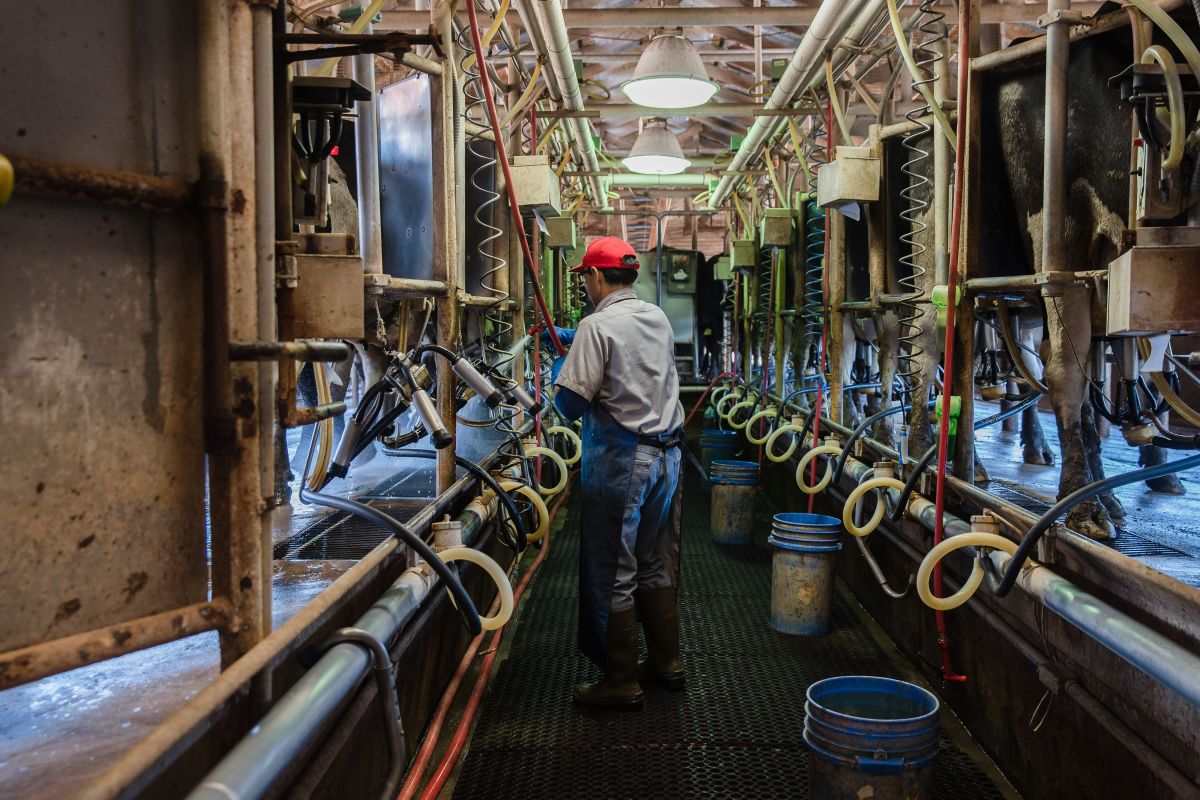
The Trump administration has changed rules to let dairy farms use the H-2A visa program to hire foreign workers. This program is for temporary farm jobs, and the new policy makes it easier for dairy farms, which usually need workers year-round, to qualify.
Key Facts
The H-2A visa allows U.S. farmers to hire foreign workers when they cannot find enough American workers.
Previously, the H-2A program required jobs to be only temporary or seasonal.
Dairy farms often have year-round labor needs, so they struggled to use the H-2A visa before.
The new policy lets dairy farms show their temporary or limited labor needs to qualify case-by-case.
This change does not create a new visa type or change the law but guides how current rules apply.
Employers must still try to hire U.S. workers first and meet all existing H-2A rules.
The U.S. Department of Agriculture supports the change, saying it helps dairies while protecting American workers.
Each visa application will be reviewed individually to ensure rules are followed.
Read the Original
Want the full story? Tap a source to open the original
article.
Juneteenth is a holiday on June 19 that honors the end of slavery in the United States. In 2026, many businesses and government offices may be closed on this day.
Key Facts
Juneteenth celebrates the freedom of enslaved people in the U.S.
It is observed every year on June 19.
In 2026, Juneteenth falls on a Friday.
Some stores, banks, and government offices close on Juneteenth.
People may have difficulty running errands if places are closed on that day.
Read the Original
Want the full story? Tap a source to open the original
article.
The Senate Commerce, Science and Transportation Committee approved a bipartisan bill to regulate college sports. The Protect College Sports Act passed the committee with a vote of 19-9 and will now go to the full Senate for consideration.
Key Facts
The bill is called the Protect College Sports Act (PCSA).
The committee vote was 19 in favor and 9 against.
Supporters included 12 Republicans and 7 Democrats.
Opponents included 7 Democrats and 2 Republicans.
The bill aims to regulate college sports, though details were not provided in the article.
The next step is for the full Senate to vote on the bill.
The Senate Commerce, Science and Transportation Committee handled the bill.
Senators Roger Wicker (Republican from Mississippi) was mentioned as opposing the bill.
Read the Original
Want the full story? Tap a source to open the original
article.
UFC fighter Sean O’Malley told President Donald Trump a joke on his 80th birthday after winning a fight against a Canadian opponent. The fight took place at an event held on the White House South Lawn on June 14.
Key Facts
Sean O’Malley is an American mixed martial arts fighter.
He won by knockout against Canadian fighter Aiemann Zahabi.
The fight happened during the Freedom 250 UFC event.
The event was held on June 14 at the White House South Lawn.
O’Malley joked to President Trump, "Happy birthday, I knocked out a Canadian for you."
The occasion was President Donald Trump’s 80th birthday celebration.
Read the Original
Want the full story? Tap a source to open the original
article.
President Donald Trump has signed a 14-point Iran peace deal that pauses military actions and reopens the Strait of Hormuz for 60 days while the two countries negotiate a longer-term agreement on Iran’s nuclear program. Many Republican lawmakers and conservative commentators strongly criticize the deal, saying it gives too many concessions to Iran and risks U.S. security and leverage in the region.
Key Facts
The U.S. and Iran signed a memorandum of understanding with 14 points to pause conflict and negotiate over 60 days.
The deal reopens the Strait of Hormuz for free commercial shipping.
The U.S. will lift its naval blockade and ease sanctions on Iran as part of the agreement.
Iran promises not to develop nuclear weapons, but details will be worked out later.
The deal includes economic incentives like access to frozen Iranian funds and a possible $300 billion reconstruction plan.
Conservative politicians and commentators call the deal a major mistake and say it rewards Iran without sufficient guarantees.
Supporters, including some international leaders, say the deal helps reduce tensions and opens dialogue.
President Trump and the White House describe the agreement as a significant success for U.S. foreign policy.
Read the Original
Want the full story? Tap a source to open the original
article.
Federal Reserve governor Lisa Cook faced over $1.3 million in legal and security costs after the Trump administration tried to remove her from her position. Cook denies accusations of mortgage fraud, and a court temporarily reinstated her while the Supreme Court reviews the legality of her firing, which raises questions about the Fed’s independence from the White House.
Key Facts
Lisa Cook is a Federal Reserve governor appointed by President Biden in 2022 and the first Black woman on the Federal Open Market Committee (FOMC).
The Trump administration accused Cook of mortgage fraud and tried to fire her from the Fed.
A federal court temporarily reinstated Cook, but the Supreme Court is still deciding if Trump’s firing of her was legal.
Two nonprofit groups reimbursed Cook more than $1 million for legal and security fees related to this dispute.
The case will test how much independence the Federal Reserve has from political influence by the president.
The Federal Reserve sets US interest rates and is designed to operate without political pressure, with long terms for its officials.
Trump criticized the Fed for not lowering interest rates and supported his own nominee for Fed chair, Kevin Warsh.
The Fed recently kept interest rates steady but suggested they might increase rates later this year to address inflation.
Read the Original
Want the full story? Tap a source to open the original
article.
President Donald Trump’s approval rating among rural voters has dropped by 32 points since he returned to office, reaching a net negative score of -10. While rural voters remain his strongest group, his overall approval rating is 36 percent, with concerns about the economy and the Iran war affecting public opinion.
Key Facts
Trump’s net approval rating among rural voters is now -10 points, down from +22 points in February 2025.
43 percent of rural Americans approve of Trump’s job, while 53 percent disapprove.
Trump won 64 percent of the rural vote in the 2024 presidential election.
His approval rating is lower in other areas: -37 in big cities, -18 in small cities, -26 in suburbs, and -19 in small towns.
Overall, Trump’s national approval rating is 36 percent, with 59 percent disapproving.
Economic issues, including inflation and living costs, are reducing support, especially among rural voters.
The Iran war and rising gas prices have also impacted public views of Trump’s handling of the economy.
Midterm elections in 2026 will be influenced by Trump’s support levels, affecting key House and Senate races.
Read the Original
Want the full story? Tap a source to open the original
article.
The Trump administration removed many signs, exhibits, and films from at least 37 National Park Service sites. This was done as part of an effort to eliminate materials that were seen as critical or negative toward Americans.
Key Facts
Dozens of items were taken out from national parks across the country.
The removals happened at 37 different National Park Service locations.
The materials included signs, displays, and films.
The reason given for removal was that these items “disparage Americans.”
Details about exactly what was removed are not clear from the court documents.
This action was part of policies during President Donald Trump’s administration.
Read the Original
Want the full story? Tap a source to open the original
article.
Senator Chris Van Hollen from Maryland said he is considering running for president in 2028. He made this comment during a podcast interview while discussing a recent visit to New Hampshire, a state important for early presidential elections.
Key Facts
Chris Van Hollen is a Democratic senator from Maryland.
He mentioned he is "kicking the tires," meaning considering or exploring, a run for president in 2028.
This statement was made during an interview on the "On NOTUS" podcast.
Van Hollen visited New Hampshire recently, a key state for early voting in presidential races.
His potential presidential run is gaining attention during President Donald Trump's second term.
Van Hollen has become more active in politics during the current presidency.
Read the Original
Want the full story? Tap a source to open the original
article.
The number of deaths in US immigration detention centers has more than doubled during President Donald Trump’s second term, according to a Reuters analysis. The increase is linked to overcrowding and limited medical care as the number of detainees rose sharply under the administration’s expanded immigration enforcement.
Key Facts
Since January 2025, 50 people have died in US immigration detention under President Trump’s mass deportation campaign.
The death rate increased to about one death per 1,630 detainees, more than double the previous rate of one per 3,848.
The detainee population grew from about 14,000 in early 2021 to a peak of 70,000 in January 2026, then fell to around 57,000 by June 2026.
Many deaths involved health issues like heart attacks, alcohol withdrawal, or suicide.
21 of the deaths were found after the person was already unresponsive, raising concerns about health oversight.
Experts say the rise in deaths suggests problems with medical care and supervision in overcrowded facilities.
ICE facilities included re-purposed prisons and detention centers in several states such as Indiana, Pennsylvania, and New York.
The data came from ICE records, obtained through public requests and analyzed by independent organizations.
Read the Original
Want the full story? Tap a source to open the original
article.
President Trump’s administration has redirected $352 million in federal funds meant for the Secret Service to build a new White House ballroom. This move goes against promises that the ballroom would be paid for only by private donations and has sparked concerns among lawmakers about the use of taxpayer money.
Key Facts
$352 million was shifted from Secret Service funds to the White House ballroom project.
The funds came from a tax law that allows spending only on Secret Service needs, not building construction.
The ballroom project is officially called the East Wing Modernization Project.
Congress refused to give $1 billion for the ballroom, so the administration used Secret Service money instead.
The administration says the ballroom is needed for security upgrades against threats to President Trump.
Lawmakers from both parties have expressed concerns about using Secret Service funds for the ballroom.
Internal records show the project is funded by a mix of public money and private donations.
Some private donors are large companies with government interests, raising corruption worries.
Construction faces legal challenges for demolishing part of the White House without Congress approval.
Read the Original
Want the full story? Tap a source to open the original
article.
A record number of young adults aged 25 to 35 in the US are living with their parents, mainly due to high housing costs. Even though most have jobs and many have degrees, rising rents and home prices make independent living difficult.
Key Facts
In 2025, about one-third of US young adults aged 25-35 (25.2 million people) lived with their parents.
70% of these young adults had jobs, and many held college degrees.
Median rents are 18% higher, and median home prices are 34% higher than before the pandemic.
Inflation reached 4.2% in May 2025, reducing wage gains and adding financial pressure.
Many recent college graduates are underemployed or unemployed at higher rates than in previous years.
The average age for first-time homebuyers has risen to 40 years old.
Parents may delay retirement or reduce savings due to their children living at home longer.
Fewer young adults buying starter homes leads to less turnover and worsens affordable housing availability.
Read the Original
Want the full story? Tap a source to open the original
article.
The New York Knicks accepted an invitation to visit the White House after winning the NBA championship, which would be the first such visit under President Donald Trump’s terms. White House visits by NBA champions were common in the past but became less so during Trump’s first term, while they resumed mostly under President Joe Biden.
Key Facts
The New York Knicks won the NBA championship for the first time in 53 years on June 13, 2024.
Knicks owner James Dolan confirmed they accepted a White House invitation from President Trump.
If the visit happens, the Knicks will be the first NBA team to visit the White House during Trump’s presidencies.
NBA championship visits to the White House were routine before, but stopped during Trump’s first term due to political disagreements.
The Golden State Warriors, 2017 and 2018 champions, did not visit after Trump withdrew the invitation following Stephen Curry’s hesitance.
The Toronto Raptors skipped a visit in 2019, and the Lakers’ planned 2020 visit was canceled because of COVID-19.
Under President Joe Biden, the Milwaukee Bucks, Warriors, and Boston Celtics visited the White House after their titles.
The Oklahoma City Thunder did not visit the White House in 2025 during Trump’s second term due to scheduling issues, not politics.
Read the Original
Want the full story? Tap a source to open the original
article.
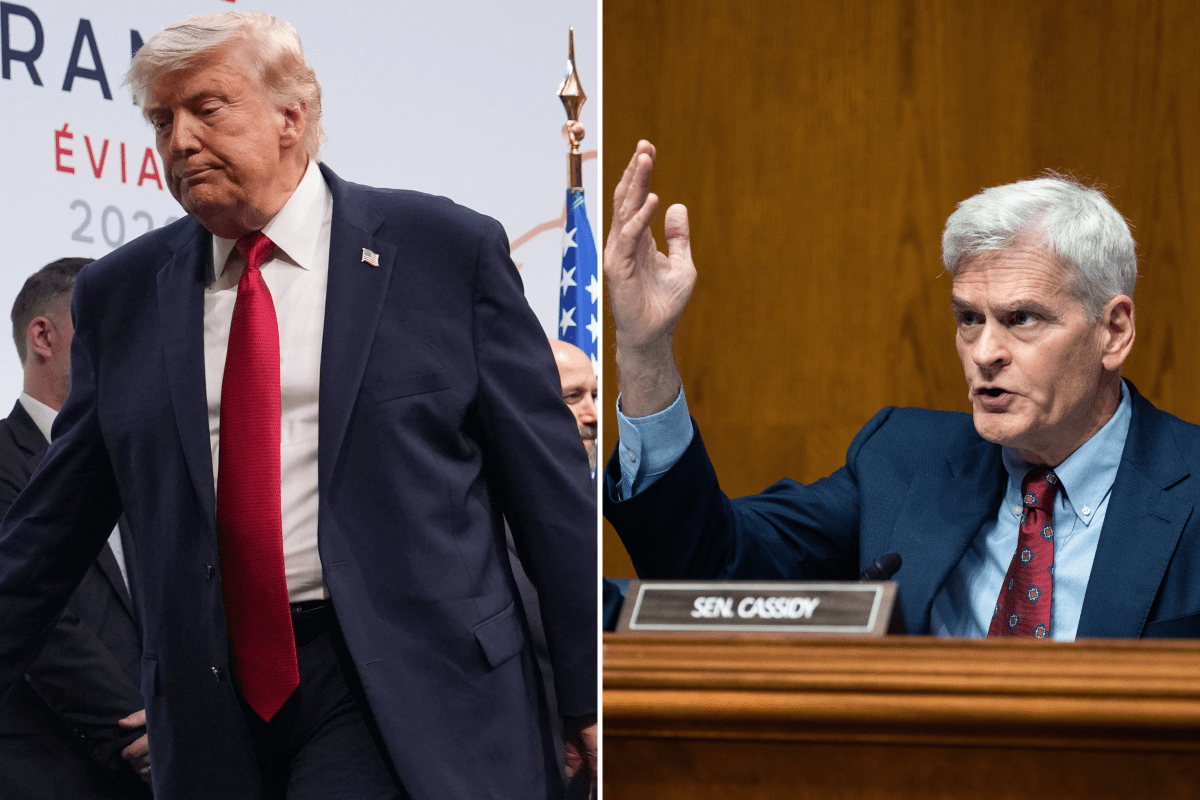
President Donald Trump criticized Republicans who oppose the new U.S.-Iran memorandum of understanding, calling them "fools." Several Republican senators, including Bill Cassidy and Ted Cruz, expressed strong opposition to the deal, while others like Lindsey Graham offered cautious support.
Key Facts
President Trump called critics of the U.S.-Iran deal "either jealous, bad people, or stupid."
Senator Bill Cassidy said the deal fails to stop Iran’s nuclear ambitions and called it a major foreign policy mistake.
Cassidy lost his primary race to candidates supported by President Trump.
Senator Ted Cruz warned that the deal would send billions of dollars to Iran, potentially funding terrorism.
Senator Lindsey Graham gave a cautious approval, saying the deal might help open the Strait of Hormuz and reduce hostilities.
Senator Thom Tillis asked for more details about the deal before making a judgment.
Senate Majority Leader John Thune said senators expect a briefing on the Iran agreement soon.
The deal caused debate among Republicans, showing a split in opinions about the administration’s foreign policy.
Read the Original
Want the full story? Tap a source to open the original
article.
The UK government added a 20% VAT tax to private school fees starting in 2025. Recent data shows this tax has not caused many students to leave private schools for state schools. Applications to state schools have actually decreased slightly, and most families still get their top school choices.
Key Facts
VAT of 20% was added to private school fees in England from the start of 2025.
New data shows no large movement of pupils from private to state schools since the tax began.
Overall applications for state primary and secondary schools have slightly dropped this year.
Nearly 85% of families got their first choice of secondary school, a higher rate than in 2024 and 2025.
Some London areas with many private school students saw no increase in public school applications.
The number of pupils in independent schools fell by 3.8% in England, but the number of private schools increased by 41.
VAT on private school fees is expected to raise £1.8 billion annually by 2029-30.
The raised money is planned to hire 6,500 more teachers, though some doubt remain about meeting this goal.
Read the Original
Want the full story? Tap a source to open the original
article.
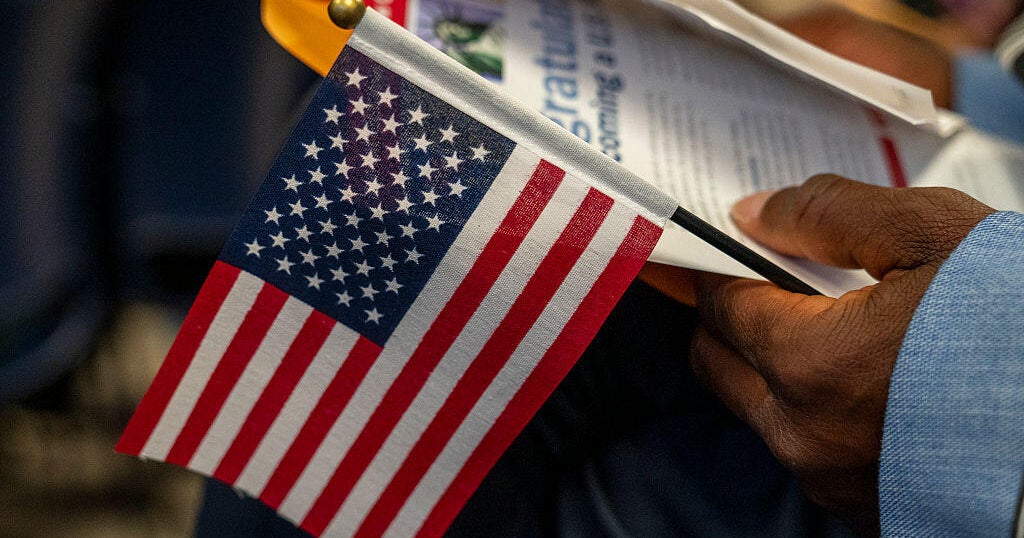
The Justice Department under President Donald Trump plans to file at least 250 cases to revoke citizenship from naturalized U.S. citizens accused of getting it illegally or by fraud by the end of fiscal year 2026. This move is a significant increase compared to past years, when only about 11 cases were filed annually.
Key Facts
The Justice Department can take away citizenship from naturalized citizens who obtained it through illegal means or fraud.
By September 30, 2026, they aim to file 250 denaturalization cases.
This is a big rise from the average of 11 cases filed per year between 1990 and 2017.
The process to revoke citizenship is long and requires federal judges to agree with the government.
Historically, denaturalization targeted serious offenders like human rights violators and violent criminals.
The Trump administration expanded the types of cases prioritized for denaturalization starting last year.
If citizenship is revoked, the person loses their U.S. rights and faces deportation to their birth country.
People facing denaturalization can defend themselves in court before a decision is made.
Read the Original
Want the full story? Tap a source to open the original
article.