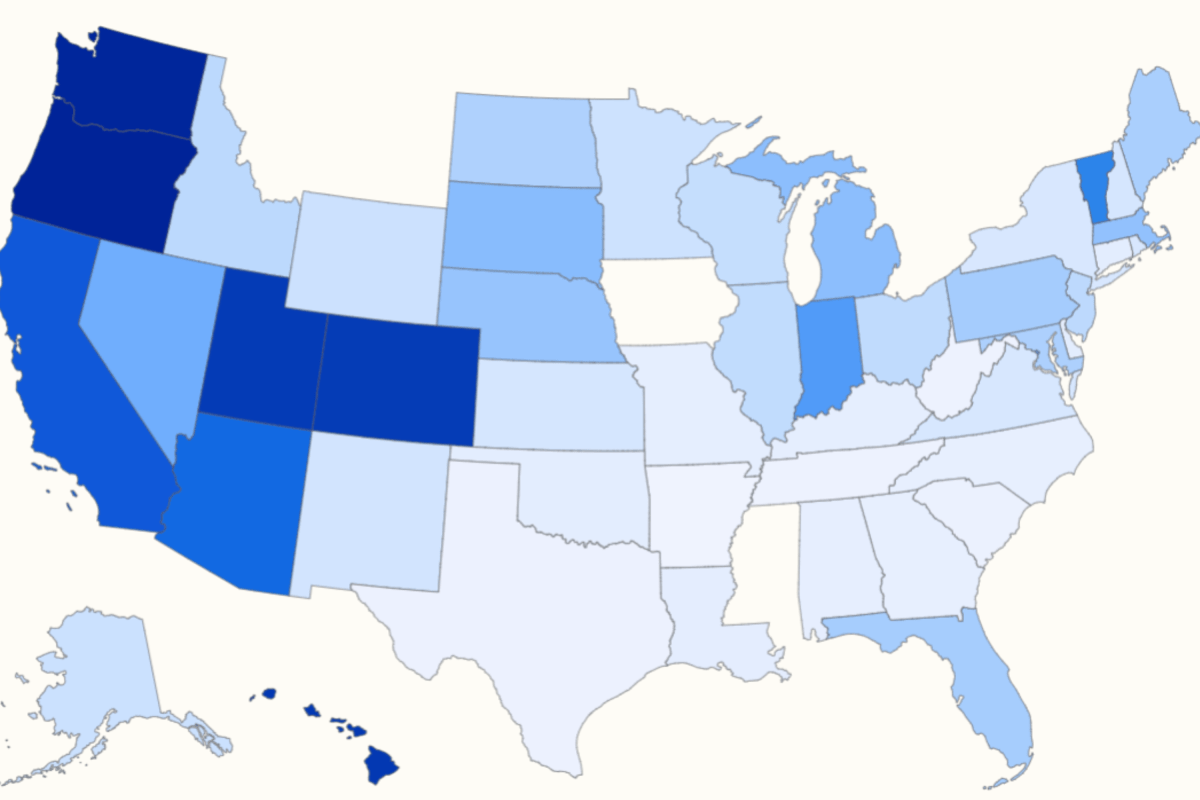
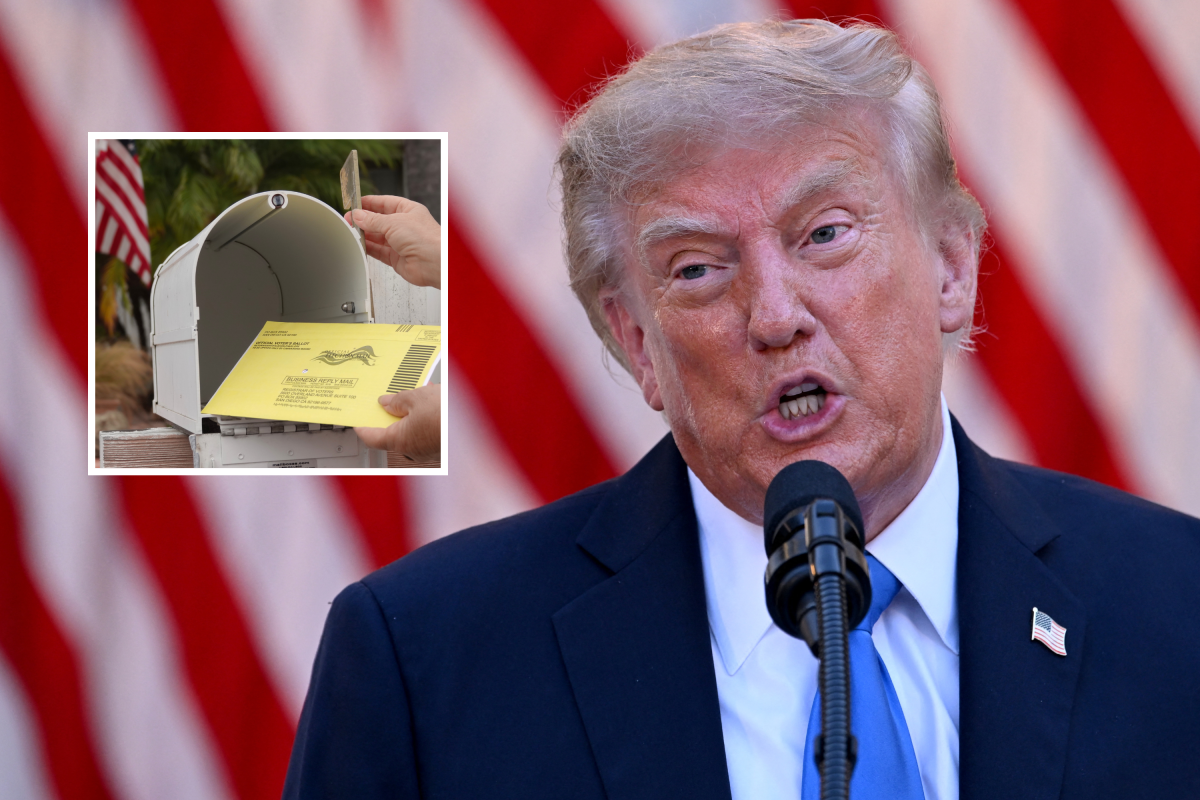
States that use mail-in ballots the most could face challenges if new mail voting rules from President Trump's administration are allowed before the November midterm elections. These rules require election officials to send voter information through a federal system and use special mail envelopes, and states in the West rely most heavily on mail voting.
Key Facts
Oregon had the highest mail-in voting rate in 2024, with 99.3% of voters casting ballots by mail.
Washington had 98.5% mail voting, followed by Hawaii (92.5%), Utah (91.5%), and Colorado (91.3%).
California had over 13 million mail ballots counted, with mail voting making up 80.8% of turnout.
Nationally, 30.3% of votes in 2024 were cast by mail, below the 2020 peak but above pre-pandemic levels.
New rules from the U.S. Postal Service (USPS) would require election officials to use a federal portal and specific mail ballot envelopes with special bar codes.
The USPS says these rules aim to enforce federal law and reduce fraud risk, but some opponents say the federal government should not impose these rules.
The new mail voting rules are currently blocked by courts, with a Supreme Court decision pending before the November 3 midterms.
States with a high percentage of mail voters face a bigger impact from these potential changes.
Read the Original
Want the full story? Tap a source to open the original
article.
U.S. employers added 162,000 jobs in August, which is much higher than experts expected. The unemployment rate stayed the same at 4.1%. Most new jobs were in food services, bars, and local government education.
Key Facts
Economists predicted 65,000 jobs would be added in August.
Actual job growth in August was 162,000, more than double the forecast.
The unemployment rate was steady at 4.1% from the previous month.
Food services and bars added 59,000 jobs in August.
Local government education added 42,000 jobs in August.
The monthly job gain was over five times the average of the last year’s monthly gains (31,000).
The Labor Department revised earlier months’ job gains upward: 11,000 more jobs in June and 21,000 in July.
These numbers show stronger hiring and suggest the job market is adjusting but still stable.
Read the Original
Want the full story? Tap a source to open the original
article.
North Carolina will start sending out absentee ballots for the general election despite the Trump administration’s effort to limit mail voting. The administration is appealing a court decision that temporarily blocks these voting restrictions.
Key Facts
North Carolina plans to mail absentee ballots starting Friday.
The Trump administration wants to limit voting by mail.
A federal judge stopped the administration from enforcing these voting limits for at least one week.
The Justice Department is appealing the judge’s ruling.
The restrictions were created by an executive order from President Trump.
This legal fight affects how voters can use mail-in ballots in the upcoming election.
Read the Original
Want the full story? Tap a source to open the original
article.
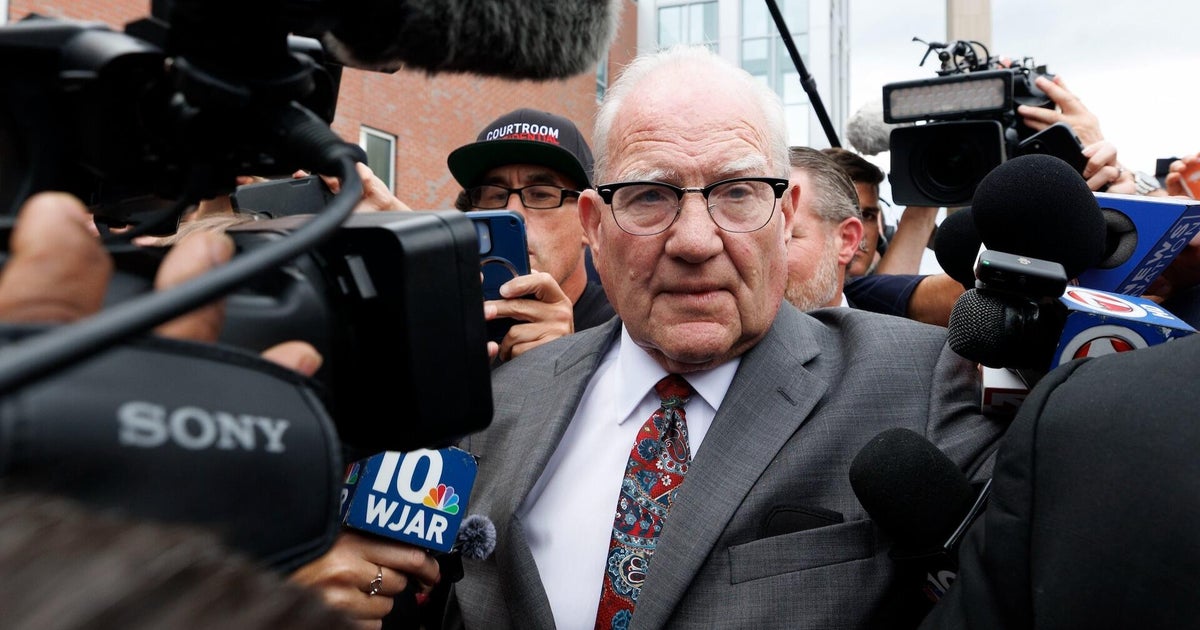
Lindsay Clancy's lawyer told the court that a juror did not follow the judge's instructions on how to decide the verdict. This happened during a long private discussion between the judge and the lawyers.
Key Facts
Lindsay Clancy is involved in a legal case with a jury deciding the outcome.
A lawyer for Lindsay Clancy said a juror did not follow the judge's directions.
The judge held a lengthy private discussion, called a sidebar, with the lawyers.
The issue focused on how the juror was handling instructions about the verdict.
CBS News legal expert Rebecca Roiphe reported on this event.
The case and jury situation are still ongoing.
Read the Original
Want the full story? Tap a source to open the original
article.
The US added 162,000 jobs in August, showing some improvement after slower growth in the summer. The unemployment rate stayed at 4.1%, and inflation and bond market changes are raising concerns about the economy's future.
Key Facts
The US economy gained 162,000 jobs in August, up from 21,000 in July.
The unemployment rate remained steady at 4.1%, lower than last November's 4.5%.
Job growth numbers for June and July were revised upward by the Bureau of Labor Statistics.
Private companies added 38,000 jobs in August, according to payroll firm ADP, below expectations.
Layoffs have decreased by 41% compared to last year.
Inflation rose from 2.4% in February to 3.4% in July, reaching 4.2% in May.
US Treasury bond yields have increased since the start of the war with Iran, leading to higher loan costs.
The Federal Reserve plans at least one interest rate increase before the end of the year to control inflation.
Read the Original
Want the full story? Tap a source to open the original
article.
The US military has turned off ad tracking features on phones and computers used by troops to stop location data from being sold to outside companies. This move came after reports showed that enemies used commercial location data to find American forces in war zones. Lawmakers are now asking the Pentagon to investigate how well the military is protecting its troops from this risk.
Key Facts
The US Air Force disabled advertising trackers on their devices about two months ago.
US Special Operations Command recently turned off trackers on Windows devices.
The Army stopped using ad trackers on mobile devices earlier this year and on Windows computers before 2021.
Mobile advertising IDs (MAIDs) are unique codes that help track device activity and location across apps.
Location data is collected by advertising companies and sold by data brokers, which can be used to track military personnel.
Some troops in the Middle East might have to give up their phones due to security concerns over location sharing.
Senators Ron Wyden and Representative Pat Harrigan have asked the Pentagon to check if the military is handling location data risks properly.
Disabling these trackers reduces but does not completely stop all ways troops can be tracked through their devices.
Read the Original
Want the full story? Tap a source to open the original
article.
The Supreme Court recently made a decision that benefits President Donald Trump related to voting by mail. This decision changes how mail voting is allowed or managed.
Key Facts
The Supreme Court made a ruling that supports President Trump.
The ruling affects rules about voting by mail.
Voting by mail means sending ballots through the postal service instead of voting in person.
Some people see the court's decisions as favoring one political side.
The decision may impact how easy or difficult it is for people to vote by mail.
Read the Original
Want the full story? Tap a source to open the original
article.
The White House added five classic-style video games to its website that highlight policies from President Trump’s time in office. These games were launched shortly before the 2026 midterm elections and focus on themes like immigration and financial policies from that period.
Key Facts
The White House introduced an online arcade with five new video games.
The games are designed in a style similar to classic arcade games.
The games highlight policies from President Trump’s administration.
Themes include building a border wall, deporting immigrants, and managing a "Trump Account."
The game launch was announced on White House social media accounts.
This release comes ahead of the 2026 U.S. midterm elections.
Read the Original
Want the full story? Tap a source to open the original
article.
Lindsay Clancy’s lawyer has asked the court to stop holding sidebars in future hearings. The lawyer wants all discussions to happen openly in the courtroom instead of privately at the side.
Key Facts
Lindsay Clancy’s defense attorney is Kevin Reddington.
Reddington filed an emergency motion regarding court procedures.
The motion asks the court to stop using sidebars.
Sidebars are private conversations between lawyers and the judge during a trial.
The lawyer requests all matters be discussed in open court.
The request applies to any future court proceedings in this case.
Read the Original
Want the full story? Tap a source to open the original
article.
Chantal Alejandra Morales Rojas, an Ecuadorian woman arrested by ICE at Denver Airport, is legally challenging ICE’s decision to make her wear an ankle monitor after an immigration judge ordered her release on bond without extra conditions. She argues that ICE does not have the right to impose these restrictions after her court-approved release.
Key Facts
Morales Rojas was arrested by ICE on July 20 at Denver International Airport while trying to board a flight.
She entered the U.S. in early 2023 on a J-1 visa for an au pair program and claims she legally remained in the country.
An immigration judge released her on bond on July 28 with no added restrictions.
Despite this, ICE required her to wear an ankle monitor and enroll in a supervision program after release.
Her lawyers say ICE’s ankle monitor and supervision rules are not allowed under the judge’s order and limit her freedom unlawfully.
Morales Rojas was charged with overstaying her visa, which she disputes, saying her J-1 visa did not have a set expiration date.
The case may test how much control immigration authorities can have over people released from detention.
A fundraiser raised over $137,000 to support Morales Rojas after her arrest.
Read the Original
Want the full story? Tap a source to open the original
article.
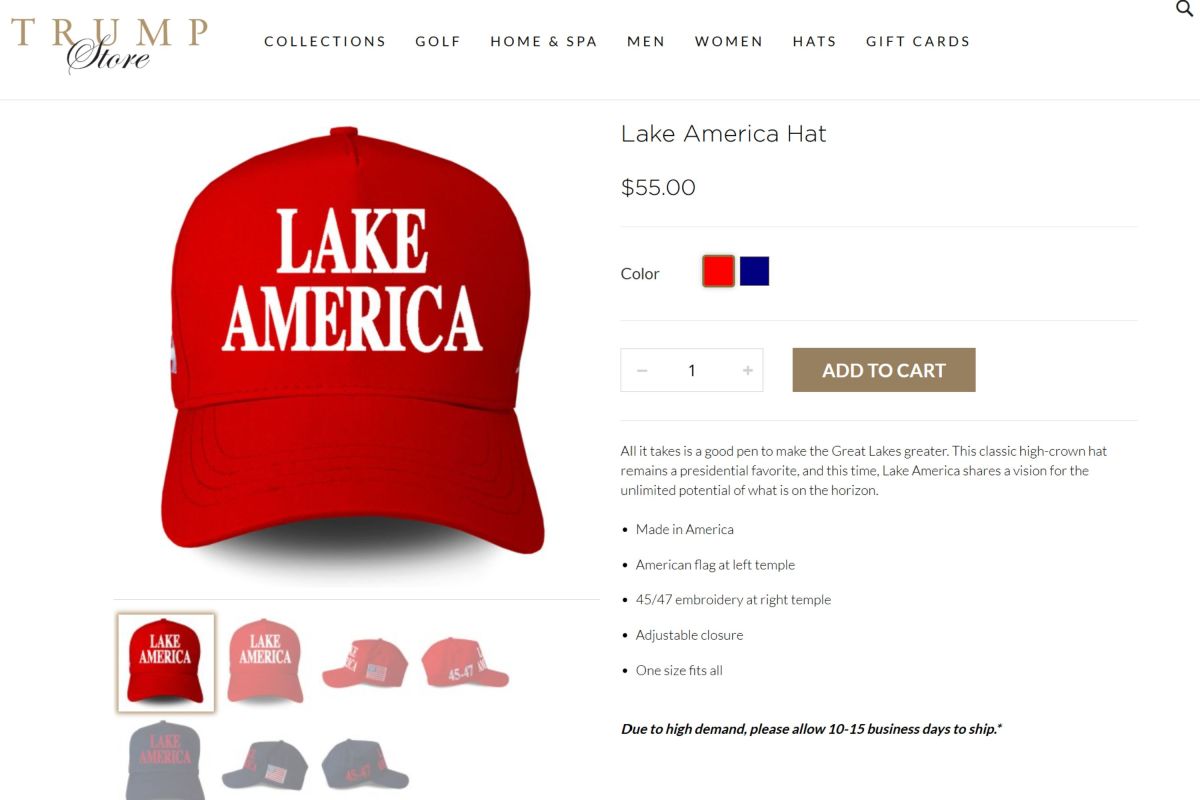
President Donald Trump renamed Lake Ontario as "Lake America" for U.S. government use and began selling hats with the new name through his official store. The order has caused tension with Canada, which continues to use the original name and has dismissed the U.S. name change.
Key Facts
President Trump signed Executive Order 14422 on August 27, instructing U.S. agencies to use "Lake America" instead of Lake Ontario.
The executive order directs the Interior Secretary and U.S. Board on Geographic Names to apply the new name within 30 days.
The Trump Store started selling hats labeled "Lake America" for $55, promoting them as a "presidential favorite."
The hats include U.S. flag designs and embroidery referencing Trump’s presidential terms.
Canadian officials reject the name change and continue to call it Lake Ontario.
A Canadian company also sells hats with Canadian slogans, and its sales have increased after the renaming announcement.
The renaming is part of a broader dispute between the U.S. and Canada over control and recognition of the Great Lakes.
President Trump compared this action to his earlier renaming of the Gulf of Mexico to "Gulf of America" for federal use.
Read the Original
Want the full story? Tap a source to open the original
article.
The US Supreme Court struck down Louisiana’s 2024 electoral map that created a second majority-Black voting district. Louisiana lawmakers quickly created a new map that reduces Black voting power and likely helps Republicans win more seats in the upcoming midterm elections.
Key Facts
The Supreme Court ruled 6-3 that drawing election districts based on race is illegal.
The removed district was a Black-majority area between Shreveport and Baton Rouge.
Louisiana’s legislature adopted a new map that spreads the Black population into mostly White districts.
This change is expected to give Republicans an additional seat in the November midterms.
The case raises questions about racial equality in voting more than 60 years after the Voting Rights Act.
Republicans argue districts should not be based on race, while Democrats say racial discrimination still exists and needs to be addressed.
The dispute highlights ongoing tensions over how to ensure fair representation for Black voters.
Read the Original
Want the full story? Tap a source to open the original
article.
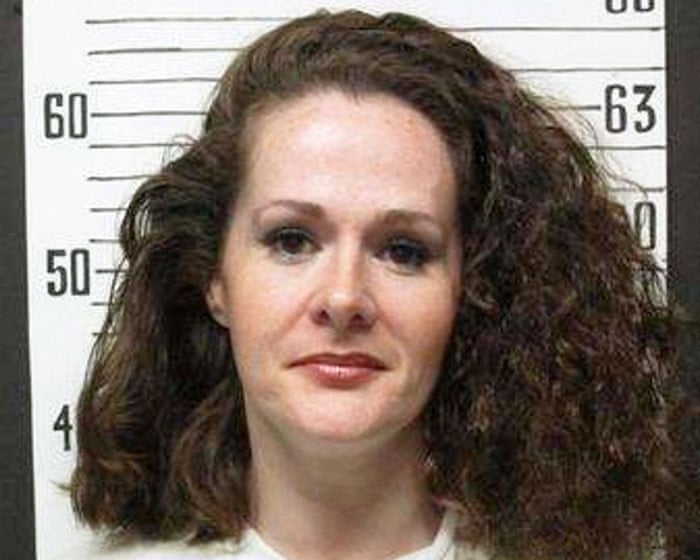
Tennessee plans to execute Christa Pike on September 30, making her the first woman executed in the state since 1819. Pike’s case highlights issues in the U.S. death penalty system, including her traumatic background, lack of proper legal defense, and concerns about the execution process.
Key Facts
Christa Pike is set to be executed in Tennessee on September 30, 2024.
She would be the first woman executed in Tennessee since 1819 and one of few women executed in U.S. history.
Only about 3% of executed people in the U.S. have been women.
Pike’s troubled childhood involved abuse, neglect, and trauma that affected her mental health.
Her lawyer did not present important evidence about her background during her trial.
Pike and two others committed a violent murder when she was a teenager.
Courts have so far ignored her concerns about a potentially cruel execution due to her medical and emotional issues.
Female killers rarely receive the death penalty because their crimes often differ from those considered the worst by courts.
Read the Original
Want the full story? Tap a source to open the original
article.
The United States struggles to track certain dangerous diseases properly, even those it eliminated a long time ago. This shows that the country is not fully ready to handle outbreaks of some serious illnesses.
Key Facts
The U.S. requires a minimum number of disease cases and deaths before officially recognizing an outbreak.
Some diseases that were previously eliminated are now hard to monitor.
Current tracking systems may not be enough to quickly identify dangerous health threats.
This situation suggests gaps in the country's disease surveillance and public health readiness.
Improving how the U.S. tracks diseases could help prevent future health crises.
The article focuses on the challenges of disease monitoring in America.
Read the Original
Want the full story? Tap a source to open the original
article.
Several states in the U.S. have issued rabies warnings after finding rabid bats, raccoons, foxes, goats, and a pet dog. Health officials are concerned about higher chances of exposure to rabies for people and animals in these areas.
Key Facts
Idaho has found 24 rabid bats this year, more than in the past three years combined.
San Antonio, Texas, reported 22 rabies cases in wild animals in June and July, compared to just 2-3 cases in previous years.
A pet dog in San Antonio tested positive for rabies after contact with a skunk.
North Carolina is tracking people who handled infected baby goats from a petting zoo.
Florida issued a 60-day rabies alert in Brevard County after a raccoon tested positive.
Rabies can spread through bites, scratches, or saliva entering broken skin or membranes.
Rabies is rare in the U.S. but deadly if not treated before symptoms start.
Officials advise not touching bats and keeping pets vaccinated and indoors to prevent exposure.
Read the Original
Want the full story? Tap a source to open the original
article.
Kemi Badenoch reshuffled the Conservative shadow cabinet, including appointing Tom Tugendhat as shadow foreign secretary and Andrew Griffith as shadow chancellor. Meanwhile, Keir Starmer announced he is stepping down as an MP and will not be returning to Westminster for the new parliamentary session.
Key Facts
Kemi Badenoch changed members of the Conservative shadow cabinet after summer.
Tom Tugendhat replaced Priti Patel as shadow foreign secretary.
Andrew Griffith became the new shadow chancellor.
James Cleverly plans to run for London mayor in two years.
Katie Lam took over as shadow housing secretary.
Keir Starmer announced he is leaving his position as a Member of Parliament.
Theresa May was noted as an example of a former prime minister staying active in Parliament.
The reshuffle reflects challenges within the Conservative party in preparing for future elections.
Read the Original
Want the full story? Tap a source to open the original
article.
President Donald Trump’s administration has asked the Supreme Court to allow new postal rules for mail-in ballots to take effect before the November midterm elections. These rules would require special USPS-approved envelopes with barcodes and federal review of voter information, which could disrupt voting in states that rely heavily on mail ballots, including key races in Arizona, Nevada, Colorado, and California.
Key Facts
The Trump administration wants the Supreme Court to lift a block on new postal service rules for mail ballots.
The rules include using USPS-approved envelopes with unique barcodes and sharing voter info through a federal system before sending ballots.
A federal judge temporarily stopped these rules while deciding on a permanent decision.
The final USPS rule was published 69 days before the election, causing concerns about quick implementation.
States like Arizona and Nevada have many voters who use mail ballots (74.7% in Arizona, 44.1% in Nevada).
Eight important midterm races, including two governors’ races and six House contests in four states, could be affected.
Polls show Democrats leading in many of these races, so effects may be administrative disruption rather than big political changes.
The Supreme Court asked for responses on the case by September 8, so a decision is pending.
Read the Original
Want the full story? Tap a source to open the original
article.
The US and Iran have exchanged attacks, but President Donald Trump’s advisers want to avoid a wider war before the November 3 midterm elections. Instead, the US is increasing economic pressure on Iran through sanctions and a naval blockade, while keeping the option of military action open.
Key Facts
The US midterm elections on November 3 could influence how the Trump administration handles the conflict with Iran.
President Trump’s team aims to prevent the war from expanding before voters go to the polls.
The US has imposed sanctions on 60 groups linked to Iran’s oil trade, trying to cut off Iran’s revenue.
The US navy continues to block Iranian ports near the Strait of Hormuz, limiting Iran’s oil exports.
Vice President JD Vance said all options, including military and covert actions, are possible.
Public support for the war is low, with 63% of Americans opposing it, and Trump’s approval rating has dropped.
Higher fuel prices caused by the conflict are raising costs for Americans and affecting the economy.
The Trump administration originally expected the conflict to last only a few weeks but it continues without a clear end.
Read the Original
Want the full story? Tap a source to open the original
article.
A new study found that prescriptions for weight-loss drugs called GLP-1 receptor agonists have increased rapidly among U.S. children aged 8 to 11 with obesity, even though no such drugs are officially approved for this age group. Doctors mostly prescribe these drugs to children with severe obesity and related health problems, while lifestyle changes are still the recommended first step.
Key Facts
The study tracked prescriptions from 2019 to 2026 for children aged 8 to 11 with obesity but no diabetes.
Prescriptions for GLP-1 drugs rose from 0.03% in 2019 to 9.3% in 2026 among eligible children.
Only 0.6% of the 3.52 million children studied had ever received a GLP-1 drug prescription.
No obesity medications are FDA-approved for children under 12, though doctors can consider them in some cases.
Nearly 94% of children prescribed these drugs had severe obesity, compared to 52% of those not prescribed.
Children with complications like prediabetes and high blood pressure were more likely to receive these prescriptions.
Girls and older children were prescribed these drugs more often than boys and younger children.
Children from less vulnerable, more advantaged communities were more likely to get prescriptions, showing possible access differences.
Lifestyle changes such as diet and exercise remain the primary treatment; medications are considered an additional option.
Read the Original
Want the full story? Tap a source to open the original
article.