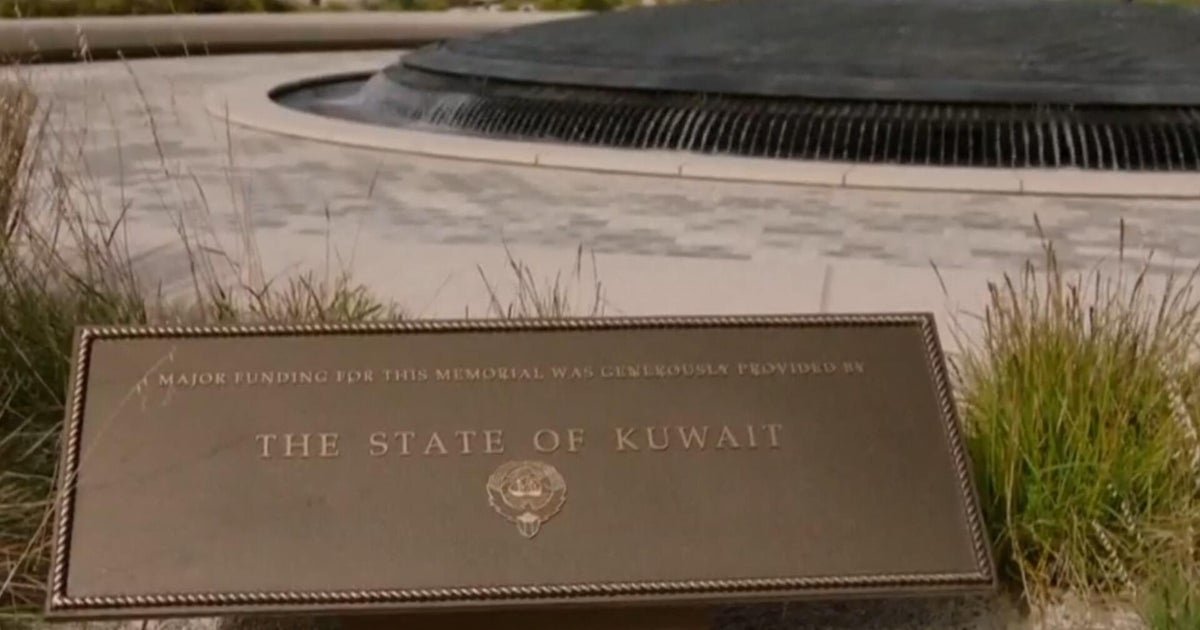
A new memorial honors veterans of the Gulf War, who helped liberate Kuwait from Saddam Hussein’s forces. CBS News correspondent Eleanor Watson reported on the memorial.
Key Facts
The memorial honors Gulf War veterans.
The veterans served in the conflict that liberated Kuwait from Saddam Hussein’s forces.
Eleanor Watson reported the story for CBS News.
Read the Original
Want the full story? Tap a source to open the original
article.
In Doral, Florida, some Latino voters who previously supported President Donald Trump are reconsidering their support for the Republican Party amid heightened activity by U.S. Immigration and Customs Enforcement (ICE). CBS News reported on the potential effect of the immigration crackdown on the community’s voting choices.
Key Facts
The report focuses on Doral, Florida.
Some Latino voters in Doral previously supported Trump.
Some of those voters are now turning away from the Republican Party or hesitating to vote Republican.
The report links their changing views to strong ICE activity.
Cristian Benavides reported the story for CBS News.
Read the Original
Want the full story? Tap a source to open the original
article.
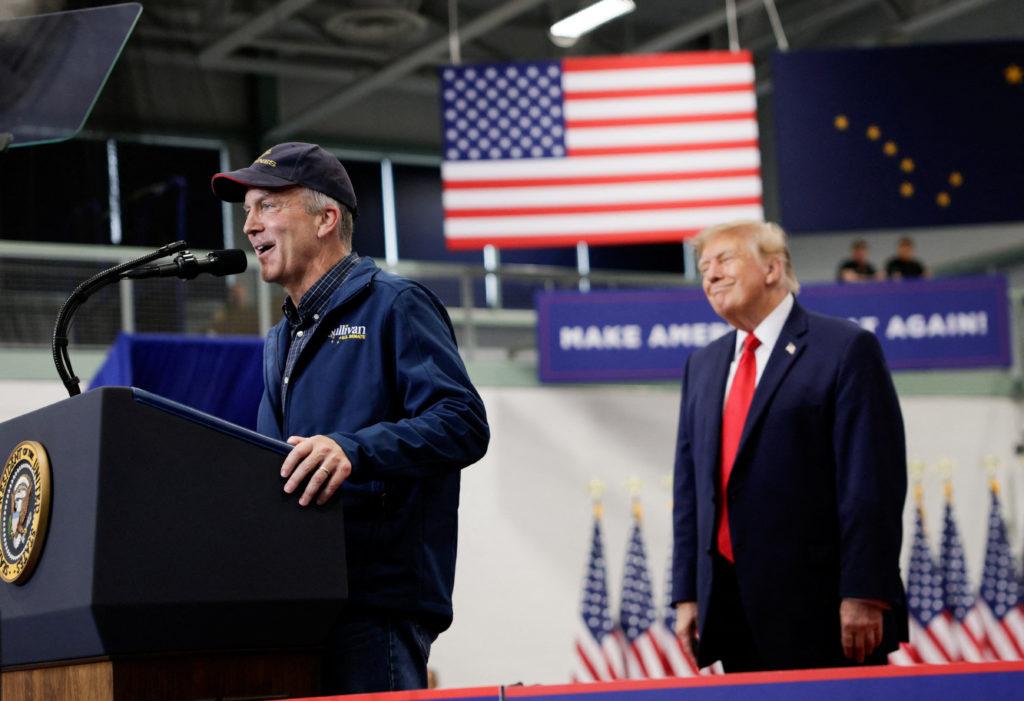
President Donald Trump's administration has filed a federal lawsuit to challenge the results of a close Alaska Senate race where two candidates named Dan Sullivan are running. The lawsuit aims to block certification of the election if Senator Dan Sullivan loses, arguing that voters might be confused by the presence of another similarly named candidate.
Key Facts
Two candidates named Dan Sullivan appeared on the Alaska Senate ballot: the incumbent Republican Senator Dan Sullivan and Daniel J. Sullivan, a retired schoolteacher with no party affiliation.
Republicans claim Daniel J. Sullivan is a Democratic plant intended to split votes and confuse voters.
The Alaska Supreme Court refused to remove Daniel J. Sullivan from the ballot after months of Republican efforts.
President Trump directed the Justice Department to file a lawsuit to block election certification if Senator Sullivan loses.
The lawsuit argues that the election is "tainted" by having two candidates with similar names, claiming it threatens the election’s integrity.
Legal experts say the lawsuit is unlikely to succeed because election results and certification are state responsibilities under the constitution.
The lawsuit requests a hold on certification until an investigation can determine if voter confusion changed the election outcome, though it does not explain how that would be measured.
This is the first time the Justice Department has tried to block certification of a midterm election result under President Trump.
Read the Original
Want the full story? Tap a source to open the original
article.
Six Flags will add seat belts to some of its rollercoasters after a man died falling from the Goliath ride in Georgia. The park is reviewing safety procedures and has temporarily closed several rides while investigations continue.
Key Facts
A 42-year-old man named Hassan Jihad Ibn Kariem died after falling from the Goliath rollercoaster at Six Flags Over Georgia on October 12.
Four other riders were injured in the same incident.
Six Flags’ CEO John Reilly said the company will add seat belts to Goliath and similar rides that currently use lap bars.
Goliath and eight other rides at five different parks remain closed for safety checks.
Independent engineers and ride inspectors have been hired to review safety at all Six Flags parks.
Goliath is a high-speed rollercoaster that opened in 2006, with a top speed of 70 mph and steep drops.
Six Flags has had other fatal incidents in the past, including deaths in 2011, 2013, and 2022.
The company serves over 28 million visitors annually across 34 parks in North America.
Read the Original
Want the full story? Tap a source to open the original
article.
The article urges the Senate to confirm John Coale as President Donald Trump’s nominee for Special Presidential Envoy for Hostage Affairs. It argues that Coale’s use of transactional diplomacy has helped secure detainees’ release.
Key Facts
John Coale is President Trump’s nominee for Special Presidential Envoy for Hostage Affairs.
The article calls on the Senate to confirm Coale.
The article says Coale has used transactional diplomacy.
The article credits Coale’s approach with helping secure the release of detainees.
The article focuses on efforts to bring detained Americans home.
Read the Original
Want the full story? Tap a source to open the original
article.
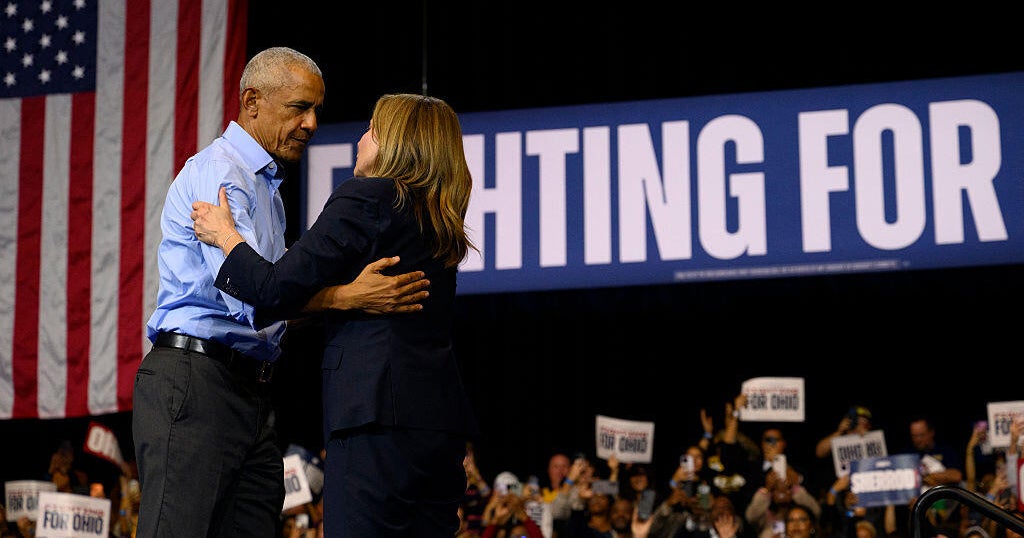
Former President Barack Obama criticized President Donald Trump and Defense Secretary Pete Hegseth over the Iran conflict at a campaign rally in Cleveland. Obama said the administration had abandoned diplomacy and called its leaders “not serious people,” while citing reported U.S. deaths, injuries, attacks on bases and allies, and depleted missile supplies.
Key Facts
Obama spoke at a Cleveland rally alongside Ohio Democratic candidates Amy Acton and Sherrod Brown.
Obama said the original rationale for the Iran conflict was to stop Iran’s nuclear program and argued diplomacy had done so during his presidency.
Obama criticized Trump for withdrawing from the Iran nuclear agreement and later starting the conflict.
Obama said Americans had been killed, hundreds of service members wounded, and U.S. missile stocks reduced.
Obama mocked Hegseth’s focus on service members’ testosterone levels and appearance.
Hegseth announced in July that active-duty service members aged 30 and older would receive annual screenings for testosterone deficiency.
Trump described the conflict as a “military exercise” at an October 16 rally and had previously called it “small potatoes.”
The Pentagon reported 21 U.S. service members killed and 865 wounded in connection with operations against Iran.
Read the Original
Want the full story? Tap a source to open the original
article.
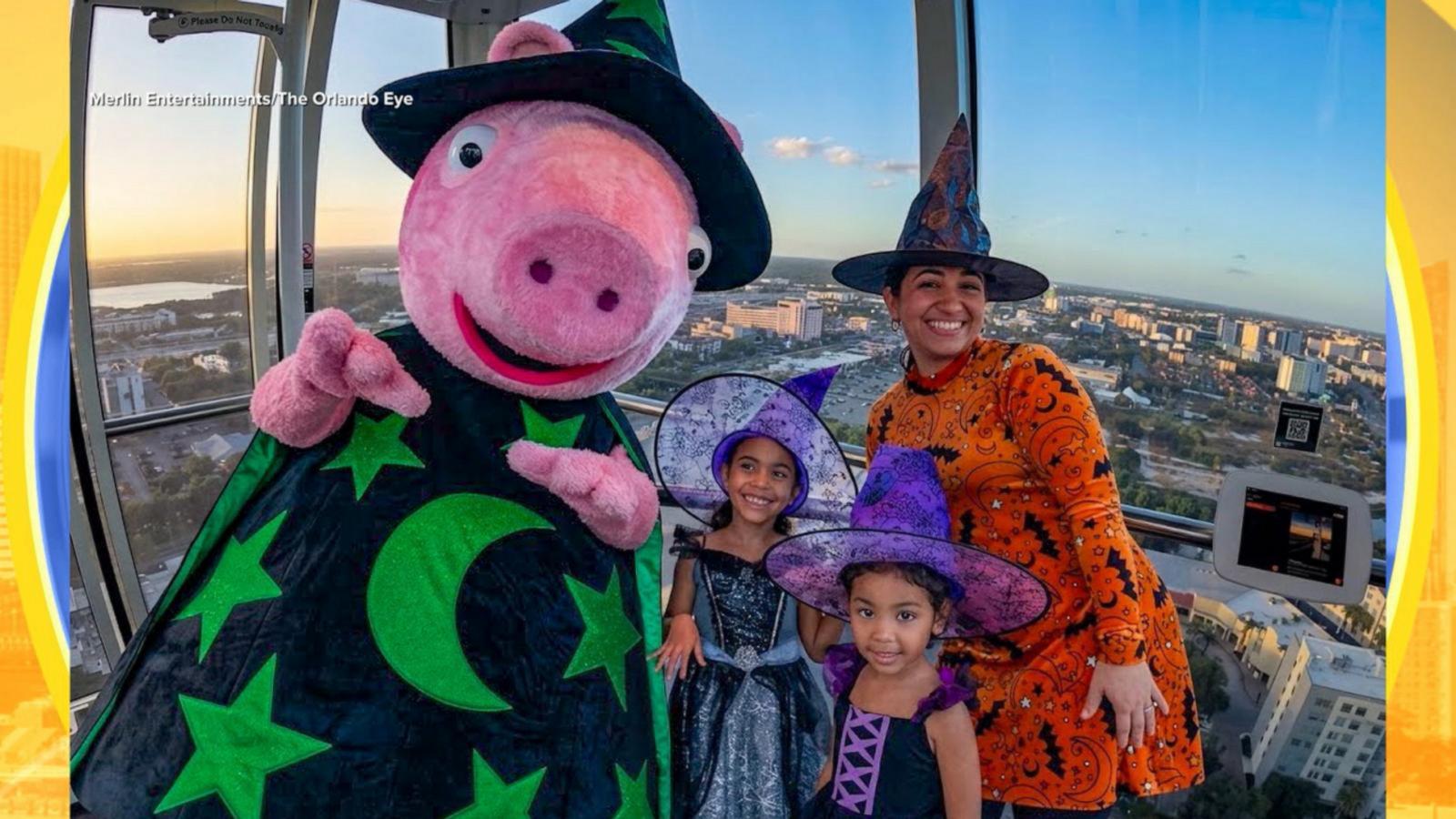
A total of 184 people set a world record while dressed as witches on the Orlando Eye in Orlando, Florida. They gathered 400 feet above the ground for the Halloween event on October 24, 2026.
Key Facts
The event took place on October 24, 2026.
A total of 184 people participated.
Participants wore pointed hats and witches’ cloaks.
The gathering took place on the Orlando Eye.
The participants were 400 feet above the ground.
The group set a world record.
Read the Original
Want the full story? Tap a source to open the original
article.
President Donald Trump returned to Georgia for a rally supporting Republican Senate candidate Mike Collins and gubernatorial candidate Rick Jackson. Recent polls cited in the article show Democratic Senator Jon Ossoff leading Collins, while Jackson and former Atlanta Mayor Keisha Lance Bottoms are in a close race for governor.
Key Facts
Trump’s rally in Perry was scheduled for 7 p.m. Saturday.
The rally was Trump’s second Georgia appearance in eight days.
Mike Collins is challenging Democratic Senator Jon Ossoff.
Republican Rick Jackson is running against former Atlanta Mayor Keisha Lance Bottoms for governor.
A Quantus Insights poll conducted October 15–17 showed Ossoff leading Collins 52% to 45%.
An InsiderAdvantage poll conducted October 12–13 showed Jackson leading Bottoms 49% to 47%.
A later Quantus Insights poll showed Jackson leading Bottoms 48% to 47%.
Georgia Governor Brian Kemp is term-limited and is leaving office.
Read the Original
Want the full story? Tap a source to open the original
article.
Many doctors are running for Congress and important state positions in this election. This rise is linked to the response against the Make America Healthy Again (MAHA) agenda, which has influenced health policies in the U.S.
Key Facts
Dozens of medical professionals are candidates this midterm election.
Seven doctors are running for congressional seats.
The candidates include Democrats like Abdul El-Sayed (Michigan), Annie Andrews (South Carolina), and Amish Shah.
Their campaigns respond to the MAHA agenda's role in shaping U.S. health policy.
MAHA stands for Make America Healthy Again.
The medical candidates aim to influence health policy through elected office.
The movement to run medical professionals is mostly led by the Democratic Party.
Read the Original
Want the full story? Tap a source to open the original
article.
West Coast communities are preparing for high tides as storms threaten further flooding. Recent flooding has also affected the Southwest, and a forecast was included in the report.
Key Facts
Communities along the West Coast are bracing for high tides.
Storms are expected to bring more flooding.
Recent flooding has affected the Southwest.
Akiko Fujita reported on the situation.
Andrew Kozak provided the forecast.
Read the Original
Want the full story? Tap a source to open the original
article.
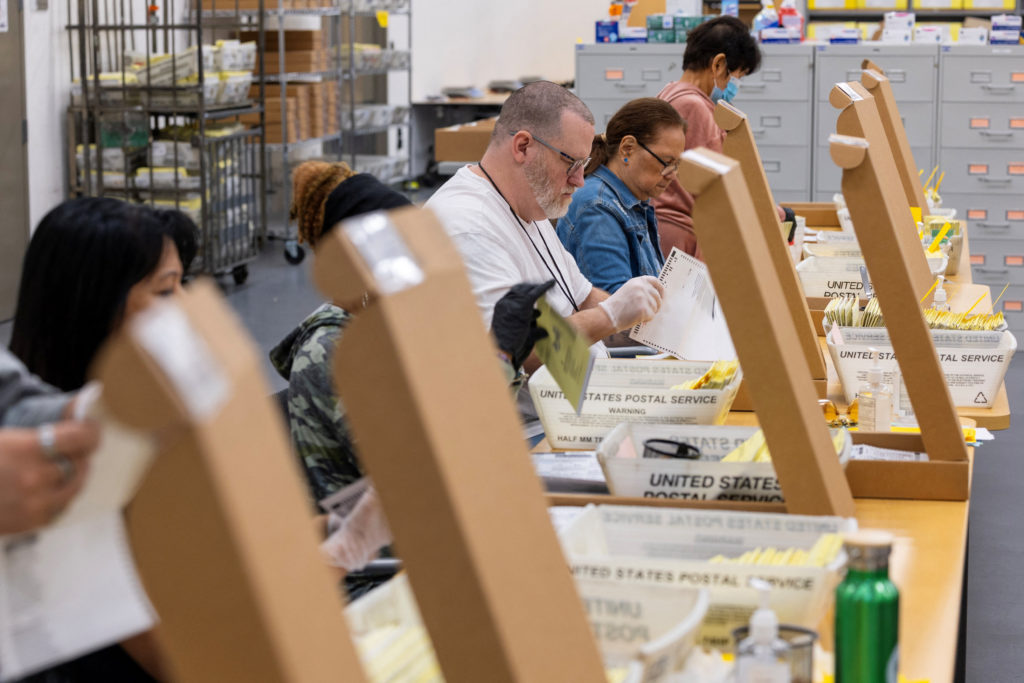
The U.S. Department of Justice (DOJ) sent letters to 18 California counties asking them to set aside and check ballots they believe may belong to noncitizens. California officials oppose this, saying the data is unreliable and the request could delay the election results and hurt voters’ rights.
Key Facts
The DOJ asked county officials to set aside ballots it suspects were cast by people who are not U.S. citizens.
The letters gave counties 48 hours to provide information on these ballots and voters.
The DOJ wants details like social security numbers and voter registration data to verify citizenship.
The request affects at least 18 counties in California, including Los Angeles and San Bernardino.
California officials argue the data is not trustworthy and fear the request may delay counting votes.
Earlier, the DOJ sued California to block about 20,000 suspected noncitizen votes from being counted.
Voting is already ongoing in California, with over 330,000 mail ballots counted.
The DOJ recently charged 28 people with illegally registering or voting as noncitizens.
Read the Original
Want the full story? Tap a source to open the original
article.
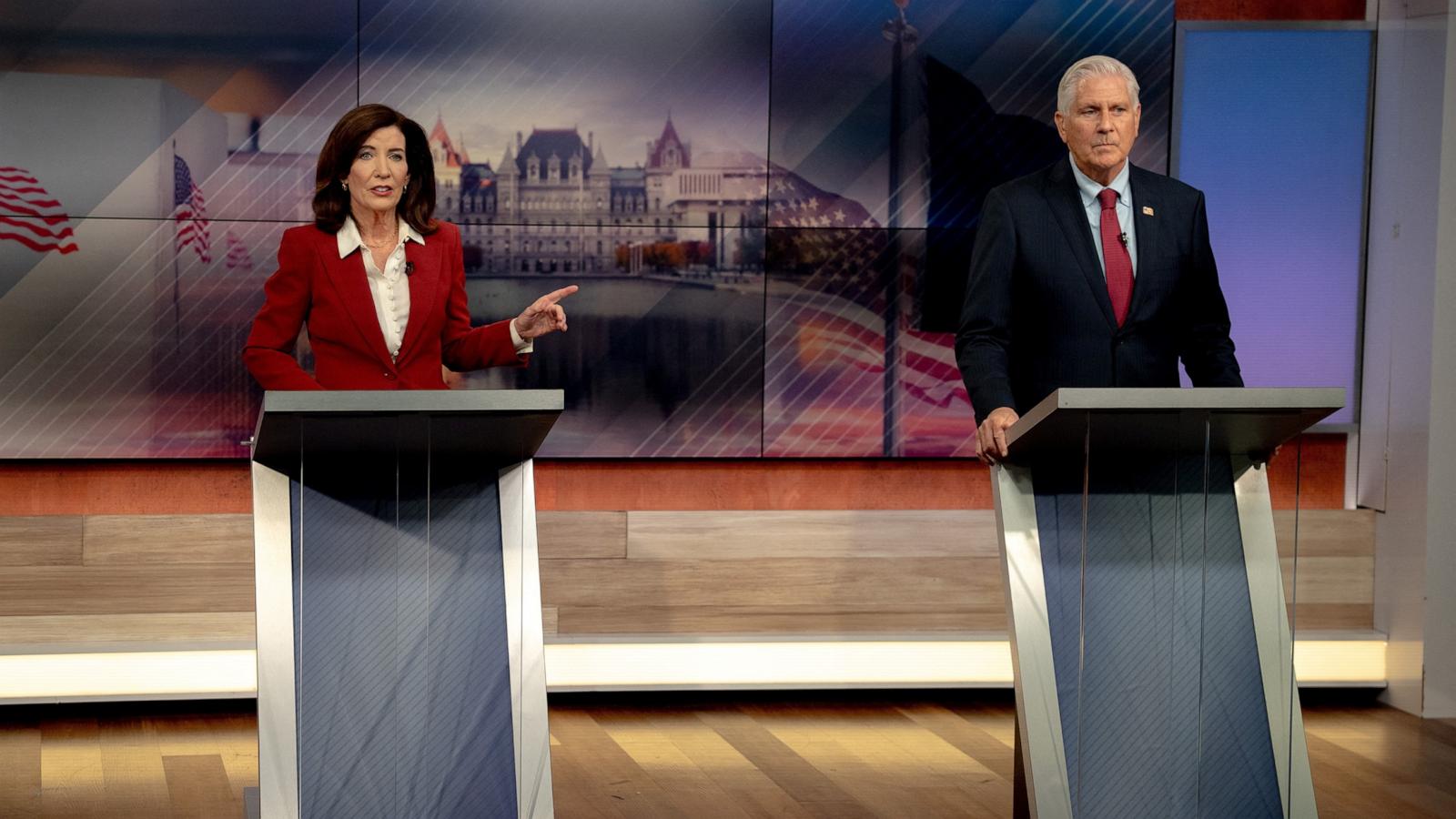
Early voting has started in New York for the November elections, with key races including governor, attorney general, and several congressional seats. Governor Kathy Hochul, a Democrat, is running for re-election against Republican Bruce Blakeman, while Attorney General Letitia James faces Republican Saritha Komatireddy.
Key Facts
Early voting in New York began on Saturday before the November 2026 elections.
Governor Kathy Hochul, a Democrat and former lieutenant governor from Buffalo, is running for a second term.
Republican Bruce Blakeman, Nassau County Executive, is Hochul’s opponent and focuses on crime and tax issues.
President Donald Trump has endorsed Blakeman and campaigned with him.
Letitia James, the Democratic Attorney General, is seeking re-election against Republican Saritha Komatireddy, former DEA Chief of Staff.
Hochul was New York’s first female governor, taking office after Andrew Cuomo resigned in 2021.
Hochul has recently worked with New York City Mayor Zohran Mamdani on childcare and other policies.
Polls show Hochul leading Blakeman with 55% support compared to 41%.
Read the Original
Want the full story? Tap a source to open the original
article.
Bill Maher, a comedian known for his liberal views, said he likes President Donald Trump’s idea to build a ballroom in the East Wing of the White House. This comment came during a conversation with Karoline Leavitt, a former White House Press Secretary, despite many Democrats criticizing the plan.
Key Facts
Bill Maher is a comedian and talk show host with left-leaning views.
Karoline Leavitt used to be the White House Press Secretary.
President Trump has proposed building a ballroom in the East Wing of the White House.
Many Democrats have criticized the ballroom plan.
Maher said he does not care about the criticism and likes the idea of the ballroom.
Maher told Leavitt that America needs a ballroom.
Read the Original
Want the full story? Tap a source to open the original
article.
Democratic Michigan Senate candidate Abdul El-Sayed is targeting voters who supported President Donald Trump by airing an ad that uses praise from conservative commentators. The ad will run on Fox News and Newsmax until Election Day, aiming to attract some Trump supporters in a close Senate race against Republican Mike Rogers.
Key Facts
Abdul El-Sayed is running for U.S. Senate in Michigan as a Democrat.
He created an ad called "Red Hat" using positive comments from conservative figures.
The ad will appear on Fox News and Newsmax through November 3, Election Day.
The goal is to appeal to voters who supported President Trump in 2024.
Some conservative voices in the ad include Jesse Watters, Saagar Enjeti, Lara Trump, and Tucker Carlson.
El-Sayed highlights shared concerns such as government corruption, corporate influence, and ending overseas wars.
The campaign describes this as a strategy to not take any voter for granted.
El-Sayed faces Mike Rogers, a Republican supported by President Trump, in a competitive Senate race.
Read the Original
Want the full story? Tap a source to open the original
article.
Vanessa Trump, the ex-wife of President Donald Trump’s eldest son, announced she is now free of breast cancer after her diagnosis earlier this year. She shared this news in a video on her daughter Kai’s Instagram, where they also plan to discuss breast cancer awareness and prevention.
Key Facts
Vanessa Trump was diagnosed with breast cancer in April 2025.
She publicly shared her diagnosis in May 2025 and had surgery soon after.
Recent tests show she is now cancer-free.
Vanessa shared the news in a video posted on her daughter Kai’s Instagram account.
Vanessa and Kai will release a longer video to talk about breast cancer awareness and prevention.
Vanessa Trump separated from Donald Trump Jr. in 2018.
Vanessa has five children with Donald Trump Jr.
October is Breast Cancer Awareness Month, which focuses on early detection and education.
Read the Original
Want the full story? Tap a source to open the original
article.
Jared Kushner’s lawyer has sent a formal notice to Vanity Fair and its parent company Condé Nast, rejecting claims from an upcoming book that Kushner accessed large sums of money in foreign accounts during President Donald Trump’s first term. Kushner denies these allegations and his lawyers say the claims are false and lack proof.
Key Facts
The allegations come from a book excerpt by journalist Matthew Cole titled "Princes and Thieves," which Vanity Fair published.
The book claims Kushner had access to foreign accounts with billions of dollars during Trump’s presidency.
Kushner served as a senior White House adviser from 2017 to 2021 and is President Trump’s son-in-law.
Dutch investigators reportedly found financial data from Kushner’s phone pointing to these accounts.
Kushner’s lawyers say he was never involved with accounts named in the report and denies controlling or receiving money from foreign governments.
President Trump also called the report “a totally false story.”
Kushner remains involved in U.S. foreign policy efforts, including talks related to Iran.
Kushner’s attorneys say no evidence, such as bank statements, has been provided to support the allegations.
Read the Original
Want the full story? Tap a source to open the original
article.
Fox News hosts Sean Hannity and Ainsley Earhardt held their wedding rehearsal dinner at President Donald Trump’s Mar-a-Lago club in Florida. President Trump, First Lady Melania Trump, and other top officials from his administration attended the event.
Key Facts
The rehearsal dinner took place at Mar-a-Lago, President Trump’s club in Palm Beach, Florida.
Sean Hannity and Ainsley Earhardt are hosts on Fox News.
Both President Trump and First Lady Melania Trump attended the dinner.
Other senior members of the Trump administration were also present.
The event marked a personal milestone for two prominent media figures close to President Trump.
The wedding rehearsal dinner happened on a Friday evening.
Read the Original
Want the full story? Tap a source to open the original
article.
At a campaign rally in Cleveland, former President Barack Obama criticized Ohio Republican gubernatorial candidate Vivek Ramaswamy over an ad featuring the estranged mother of Democratic candidate Amy Acton. President Donald Trump and Vice President JD Vance defended the ad, while Acton said her childhood involved abuse and neglect and that she had not seen her mother since age 12.
Key Facts
Obama campaigned with Acton and former Ohio Sen. Sherrod Brown at a rally in Cleveland on Oct. 24, 2026.
Ramaswamy's campaign ad features Acton's birth mother, Donna Arthur, calling Acton a liar and suggesting she has mental health issues.
Ramaswamy defended the ad as fair game.
Trump defended the ad while voting in West Palm Beach, saying Arthur's comments were a good reference about Acton.
Ohio Gov. Mike DeWine and other Republican leaders in Ohio called for the ad to be removed.
Acton said she and her brother experienced abuse and neglect, and that her stepfather was indicted on a rape charge involving her.
Acton said she last saw her mother when she was 12, at a courthouse.
Obama also campaigned in Michigan later that day.
Read the Original
Want the full story? Tap a source to open the original
article.
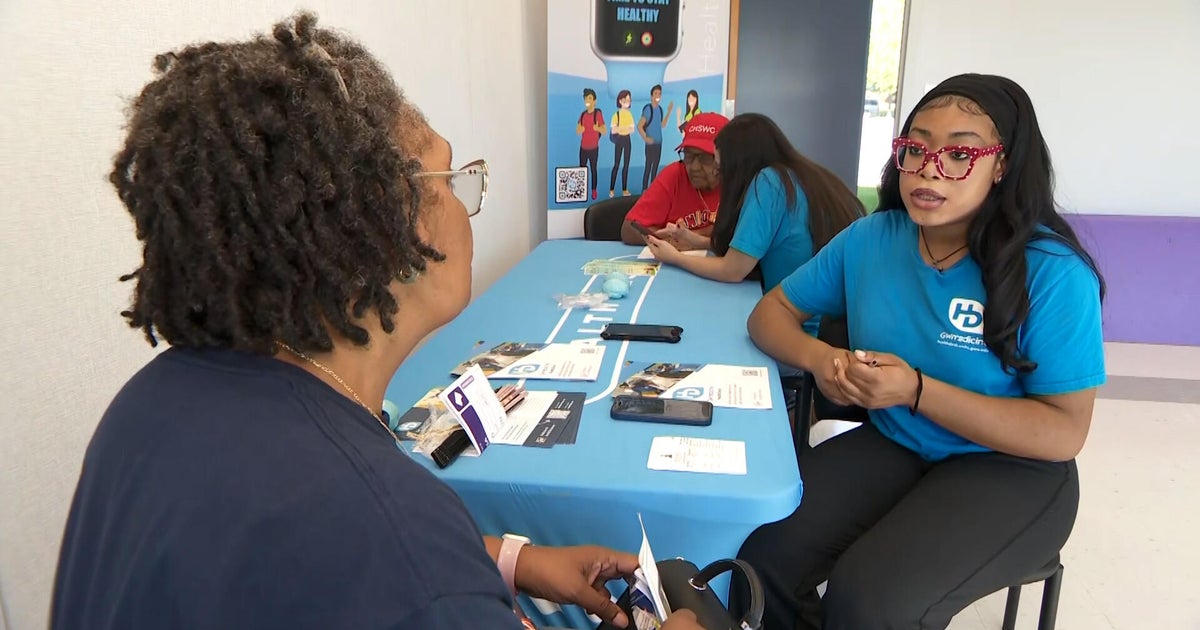
A CBS News report introduces volunteers who help adults make health decisions and navigate health care. It notes that October is Health Literacy Month and that a recent study found about one-third of adults struggle with basic everyday health tasks.
Key Facts
The report focuses on volunteers helping adults navigate their health.
The volunteers help people make health decisions.
October is Health Literacy Month.
A recent study found that about one-third of adults struggle with basic everyday health tasks.
CBS News reporter Nana-Sentuo Bonsu introduces the volunteer group.
Read the Original
Want the full story? Tap a source to open the original
article.