Neutral summaries of your favorite news sources — just the facts.
Your favorite news sources, one neutral feed — we distill their reporting into fact-first
summaries and always link to the original story. How it works
US News
Latest developments and key stories from across the United States
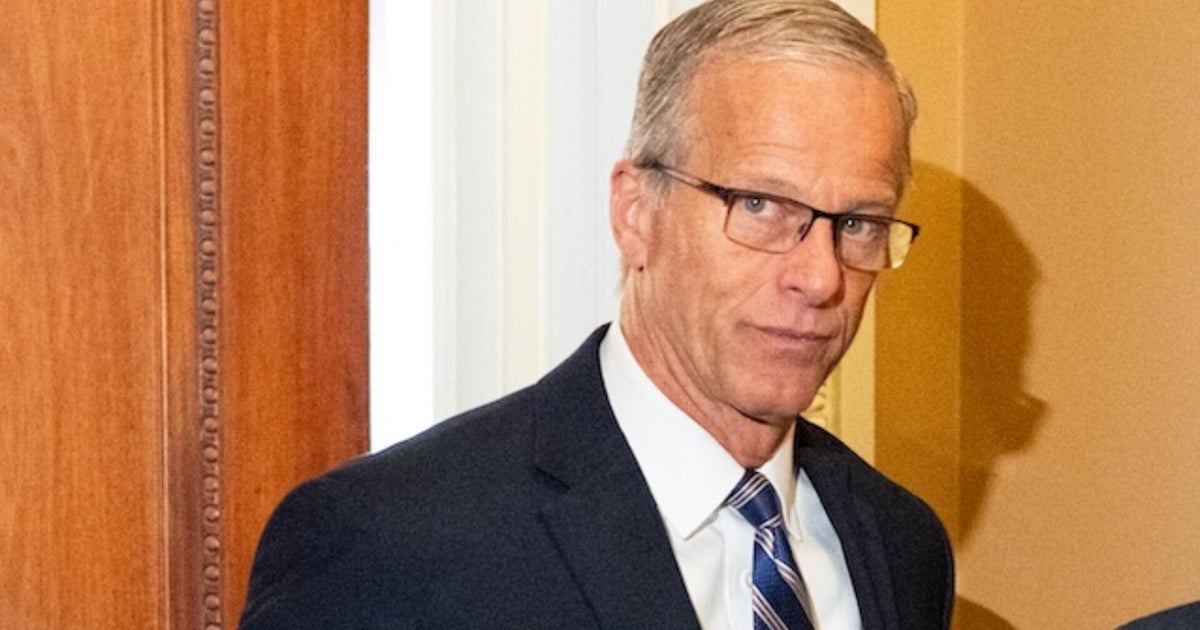
Senator John Thune has disagreed with President Donald Trump on his choice for the Director of National Intelligence (DNI) and on a fund related to weaponization. This shows that leadership can include speaking out even when it means opposing the president.
Key Facts
John Thune is a U.S. senator.
Thune disagreed with President Trump's pick for Director of National Intelligence.
Thune also spoke out against a specific fund about weaponization.
Leadership can mean voicing concerns, not just voting.
This disagreement is notable within U.S. domestic political discussions.
President Donald Trump is currently serving his second term.
The issue highlights different opinions within the same political party.
Read the Original
Want the full story? Tap a source to open the original
article.
New York Democrats approved a measure to change how congressional district lines are drawn in the state. This change aims to make it easier for Democrats to redraw the map before the 2028 elections.
Key Facts
New York Democrats advanced a ballot measure on redistricting.
The measure would make it easier for Democrats to redraw congressional boundaries.
The state passed a constitutional amendment to keep the independent redistricting commission.
The amendment also changes the rules for drawing district maps.
This process affects how districts are shaped for the 2028 elections.
The measure now requires a second vote before it becomes official.
The goal is to create a congressional map more favorable to Democrats.
Redistricting is the process of redrawing political boundaries for elections.
Read the Original
Want the full story? Tap a source to open the original
article.
Senator Bill Cassidy blamed Health and Human Services Secretary Robert F. Kennedy Jr. for a rise in diseases that can be prevented by vaccines. Cassidy shared a news report saying hospitals are seeing more cases of these illnesses now.
Key Facts
Senator Bill Cassidy is from Louisiana and is a Republican.
He criticized HHS Secretary Robert F. Kennedy Jr. publicly.
The criticism was about an increase in illnesses that vaccines can prevent.
Cassidy used the social media platform X (formerly Twitter) to express his views.
A New York Times article reported that hospitals are treating more people with vaccine-preventable diseases.
Doctors report they often see these diseases more frequently now.
The article links the increase in disease cases to policies or statements made by Secretary Kennedy.
Read the Original
Want the full story? Tap a source to open the original
article.
The article discusses how some experts were perceived to have misled the public about racism and protests during the COVID-19 pandemic. It suggests that such actions contributed to a decline in trust toward experts.
Key Facts
The article addresses public trust in experts.
It focuses on claims about racism and protests during the COVID-19 pandemic.
It implies that some experts provided misleading information.
This misleading information is linked to lower trust in expert opinions.
The article uses the term "liberal experts" to describe those it criticizes.
It mentions COVID-19 as the context for protests and racism discussions.
The overall tone highlights concerns over truth and credibility.
Read the Original
Want the full story? Tap a source to open the original
article.
The Trump administration is planning a rule that would require all federal workers to sign a non-disclosure agreement. This plan has drawn criticism because some groups say it threatens free speech rights and government transparency. The situation is also affected by fewer government workers and more political influence in federal jobs.
Key Facts
The Trump administration wants federal employees to sign a non-disclosure agreement.
This agreement would limit what workers can say publicly about their jobs.
Free speech and open government groups oppose the plan.
Critics say the rule could violate the First Amendment, which protects free speech.
At the same time, the federal workforce is shrinking due to cuts.
Political leaders are increasing control over federal workers.
These changes could reduce government transparency and accountability.
Read the Original
Want the full story? Tap a source to open the original
article.
The U.S. Marine Corps held a ceremony to retire the AV-8B Harrier II jet, which can take off and land like a helicopter. This event marked the end of the jet's use by the Marine Corps as the last unit flew their final missions.
Key Facts
The AV-8B Harrier II is a fighter jet that can take off and land vertically (like a helicopter).
The jet was officially retired in a ceremony at Marine Corps Air Station Cherry Point, North Carolina.
Over 5,000 people attended the retirement ceremony.
The Harrier has been used by the U.S. Marine Corps for several decades.
The retirement means the Marine Corps will now rely on other aircraft for similar missions.
The event was called a “sundown” ceremony, marking the end of the jet's service.
This was the final flight for the last U.S. unit operating the AV-8B Harrier II.
Read the Original
Want the full story? Tap a source to open the original
article.
The U.S. Senate is holding a long voting session called a "vote-a-rama." One important vote might be on a Justice Department fund meant to stop the government from being unfairly used for political purposes, but a court has temporarily blocked this fund.
Key Facts
The Senate is having a "vote-a-rama," which means many quick votes in a row.
One key vote could be about the Justice Department’s "anti-weaponization" fund.
The fund is designed to prevent political misuse of the Justice Department.
A court has temporarily stopped this fund from being used.
It is not yet clear if Republican senators will join Democrats in opposing the fund.
CBS News reporter Caitlin Huey-Burns provided the information.
The discussion is happening during the current Senate session.
Read the Original
Want the full story? Tap a source to open the original
article.
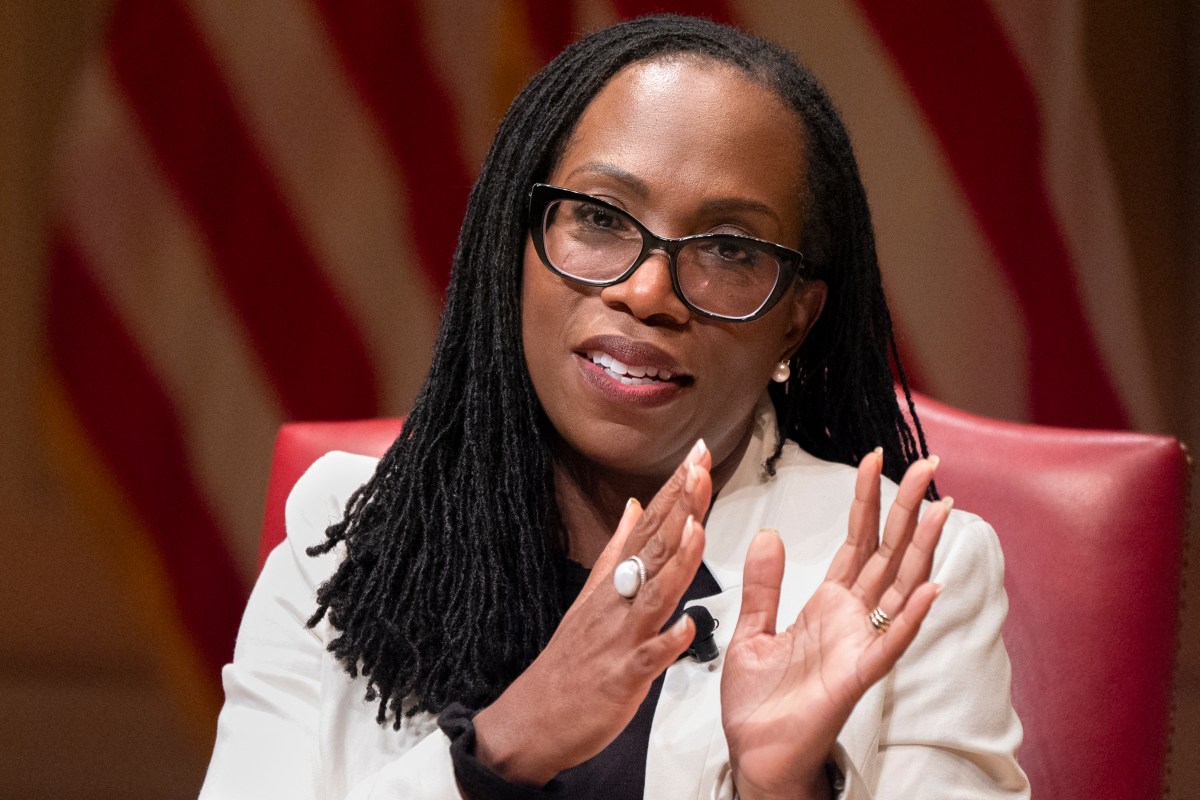
The Supreme Court made a unanimous decision in a patent dispute between Hikma Pharmaceuticals and Amarin Pharma. Justice Ketanji Brown Jackson wrote the opinion, which reversed a lower court ruling about when generic drug makers can be sued for patent infringement if they use "skinny labels" to exclude patented uses.
Key Facts
The Supreme Court ruled 9-0 in favor of Hikma Pharmaceuticals.
Justice Ketanji Brown Jackson authored the unanimous opinion.
The case involved whether generic drug companies can be held liable for patent infringement when they use "skinny labels."
"Skinny labels" mean the generic drugs exclude patented uses on their labels to avoid infringement.
Amarin Pharma sued Hikma after Hikma tried to sell a generic Vascepa with a skinny label.
The lower district court dismissed the case, but an appeals court allowed it to continue before the Supreme Court reversed that decision.
The ruling clarifies legal rules for patent claims related to generic drugs under the Hatch-Waxman Act.
The case will now return to lower courts for further review using the Supreme Court’s guidance.
Read the Original
Want the full story? Tap a source to open the original
article.
Tulsi Gabbard said her husband, Abraham, had surgery to remove a rare type of bone cancer called sacral chordoma. The surgery was successful, and now he is in the recovery phase.
Key Facts
Tulsi Gabbard resigned from her role as director of national intelligence due to her husband’s diagnosis.
Her husband was diagnosed with sacral chordoma, a rare bone cancer.
The surgery involved removing the affected bone and surrounding tissue.
The operation took several hours to complete.
Gabbard shared this update on the social platform X.
Her husband is now recovering after the surgery.
Read the Original
Want the full story? Tap a source to open the original
article.
Senate Republicans are debating how to respond to a Democratic amendment from Senator Chuck Schumer. The amendment would stop the Department of Justice from using its "anti-weaponization" fund. This disagreement has slowed the progress of the Republican budget plan in the Senate.
Key Facts
Senate Democratic Leader Chuck Schumer introduced an amendment regarding the Justice Department’s "anti-weaponization" fund.
The amendment aims to prevent the fund from being used.
Senate Republicans are divided on how to address this amendment.
Senator Bill Cassidy is among the Republicans opposing or questioning the amendment.
The debate has caused delays in the Senate's work on the Republican budget reconciliation package.
The budget reconciliation package is a plan for government spending and policies led by Senate Republicans.
The “anti-weaponization” fund is intended to stop government agencies from misusing their power, though details are part of the debate.
Read the Original
Want the full story? Tap a source to open the original
article.
Todd Blanche, who has served as President Donald Trump’s personal lawyer and is currently the acting U.S. attorney general, is expected to be nominated to permanently lead the Justice Department. Sources say President Trump plans to make this nomination official soon.
Key Facts
Todd Blanche was President Donald Trump's personal attorney.
Blanche is currently the acting attorney general of the United States.
President Trump is preparing to nominate Blanche as the permanent attorney general.
This nomination would give Blanche a permanent leadership role at the Justice Department.
The information comes from sources cited by CBS News.
CBS News correspondent Natalie Brand reported on the story.
Read the Original
Want the full story? Tap a source to open the original
article.
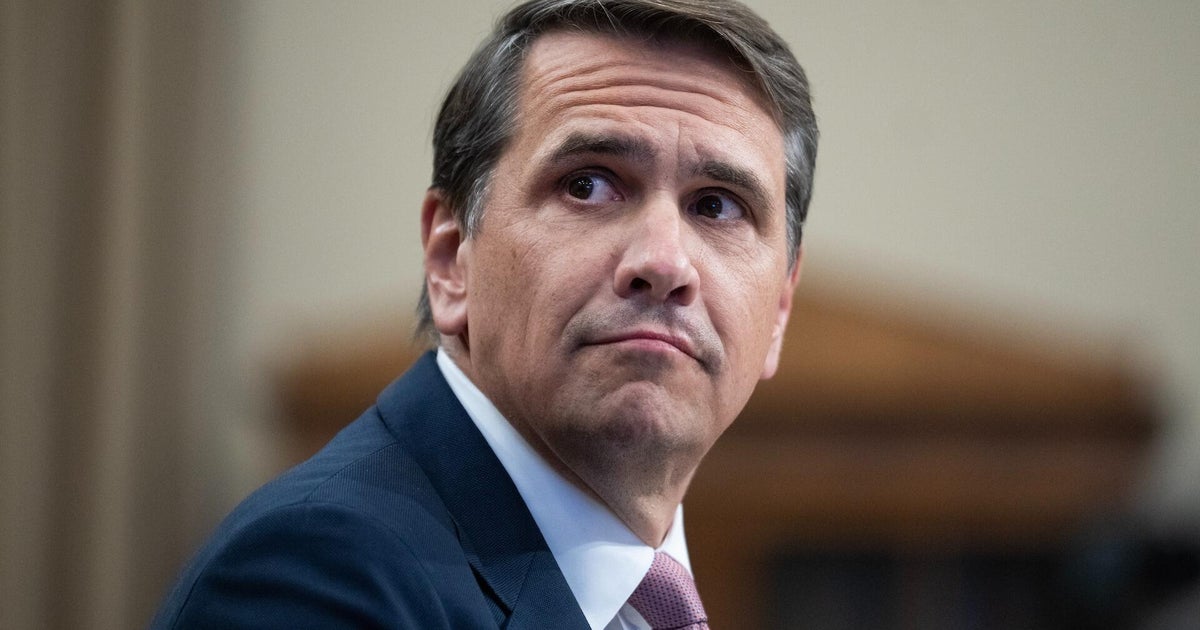
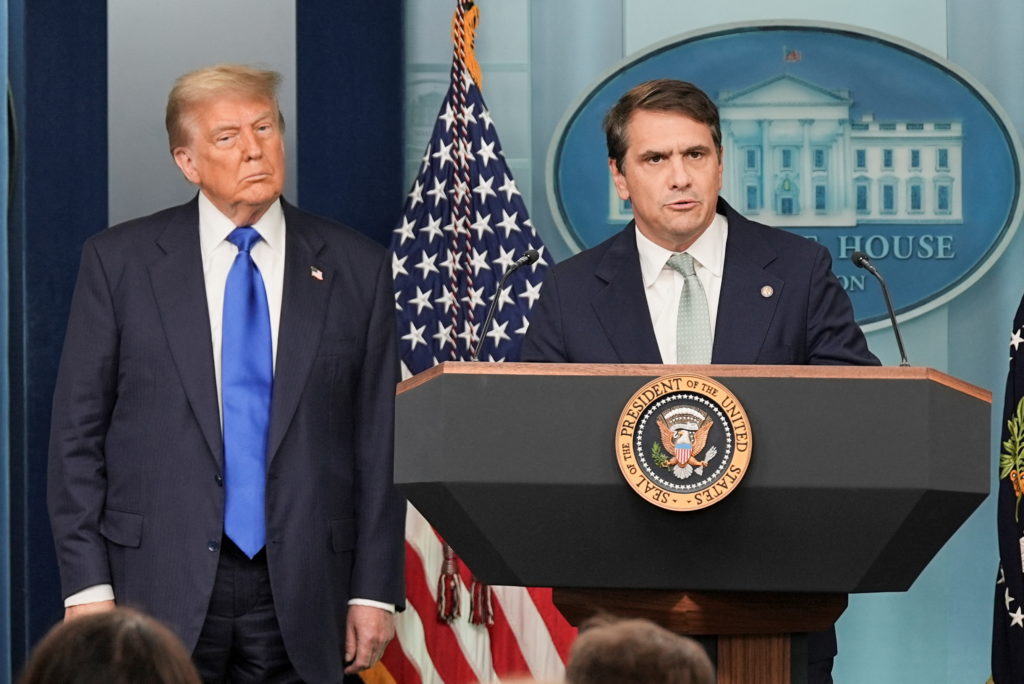
President Donald Trump announced he will officially nominate Todd Blanche to be the permanent attorney general. Blanche has served as the acting attorney general and worked closely with Trump’s agenda in the Justice Department.
Key Facts
President Trump plans to nominate Todd Blanche as attorney general.
Blanche is currently the acting attorney general.
He previously worked as President Trump’s personal lawyer.
Blanche has been supporting Trump’s policies within the Justice Department.
The nomination was announced at a White House event.
The formal nomination was expected to happen the day after the announcement.
Read the Original
Want the full story? Tap a source to open the original
article.
The U.S. House of Representatives voted 215-208 to direct President Donald Trump to withdraw U.S. forces from hostilities with Iran, marking the first congressional action on the matter since the conflict began in February. President Trump called the vote “unpatriotic” and said the war is already over, while some members of his own party opposed his position. Public opinion shows most Americans disapprove of Trump’s handling of the Iran situation, especially given rising gas prices linked to the conflict.
Key Facts
The House voted to end U.S. hostilities with Iran by a margin of 215-208.
Four Republican House members joined Democrats to support the measure.
President Trump said the war is over and called the vote unpatriotic.
Secretary of State Marco Rubio stated the military operation, called Operation Epic Fury, has concluded.
Despite claims the war ended, gas prices remain high, and the Strait of Hormuz is still effectively closed to oil shipping.
Most Americans disapprove of Trump’s handling of Iran, according to recent polls.
The Senate is considering a similar resolution to limit the president’s war powers.
The House vote is symbolic but reflects growing concerns about the conflict’s economic impact on U.S. households.
Read the Original
Want the full story? Tap a source to open the original
article.
John Bolton, who served as national security adviser under President Donald Trump, has agreed to plead guilty to keeping classified information. The deal with the Justice Department could let him avoid prison, but he will face a large fine.
Key Facts
John Bolton was national security adviser in the Trump administration.
He faces charges related to keeping or sharing classified government information.
The original case included 18 counts against him.
Bolton kept diary-like notes from his time in government.
Officials say he shared these notes with his family while preparing a memoir.
He agreed to plead guilty to one count of retaining classified information.
The deal includes a $2.25 million fine.
The judge will decide the final punishment, which could be up to five years in prison but might include no jail time.
Read the Original
Want the full story? Tap a source to open the original
article.
The U.S. House of Representatives has passed a bill that would increase annual benefits by about $10,000 for veterans with severe disabilities who need around-the-clock care. The bill aims to provide better financial support for these veterans and their families, marking the first major benefit increase in over 20 years.
Key Facts
The bill is called the Sharri Briley and Eric Edmundson Veterans Benefits Expansion Act.
It targets about 7,000 veterans with catastrophic disabilities like traumatic brain injuries, paralysis, or loss of multiple limbs.
Eligible veterans would get a $10,000 yearly boost in their Special Monthly Compensation (SMC).
Surviving spouses and families would receive a 1.5% increase in Dependency and Indemnity Compensation (DIC).
This would be the first major non-inflation-related increase in veterans’ benefits since the early 1990s.
The increased benefits are meant to help cover the high costs of daily care and medical needs.
The bill has bipartisan support but has sparked debate over how to fund the cost, which is expected to be in the billions.
Funding proposals include changes to VA home loan fees, which some worry could affect other veterans.
Read the Original
Want the full story? Tap a source to open the original
article.
Former CIA Director Leon Panetta criticized President Donald Trump's choice of Bill Pulte to lead national intelligence. Panetta said Pulte lacks the necessary experience for the job.
Key Facts
Leon Panetta is a former CIA Director and former Defense Secretary under President Obama.
President Donald Trump selected Bill Pulte for a top national intelligence position.
Bill Pulte currently directs the Federal Housing Finance Agency.
Panetta said Pulte has "absolutely no business" in the intelligence role.
The comments were made during an interview on NPR’s "Morning Edition."
Panetta expressed concern about the intelligence community getting a "political hack."
Read the Original
Want the full story? Tap a source to open the original
article.
Some Democratic-led states like California and New York are reducing their climate change policies, while several Republican-led states are increasing their clean energy projects. These changes come as President Trump’s administration cuts clean energy incentives and energy prices rise due to international conflicts.
Key Facts
California reduced its cap-and-invest program by giving over $3 billion in free pollution allowances to companies.
New York delayed a plan to regulate carbon emissions from 2024 until 2028 and lowered its emissions reduction goals.
Rhode Island’s governor is also trying to roll back aggressive clean energy programs.
President Trump’s administration has cut clean energy incentives and energy-saving programs.
Energy prices have increased partly because of trade problems linked to the US-Israeli war on Iran.
Public polls show many Americans worry about global warming and believe it increases living costs.
Republican-led states, especially Texas, have grown the most in building renewable energy such as wind and solar power.
Texas leads wind energy production and recently surpassed California in utility-scale solar energy capacity.
Read the Original
Want the full story? Tap a source to open the original
article.
A couple received a letter from United Healthcare saying the insurance would not pay for the last two days of their twins’ stay in the Neonatal Intensive Care Unit (NICU). The letter was addressed to one of the newborn babies and said the hospital would cover the costs. United Healthcare later apologized and agreed to pay the bills.
Key Facts
United Healthcare initially denied coverage for the final two days of twin babies’ NICU stay.
The denial was because one baby was considered eligible for discharge earlier than the other.
The hospital was told to cover those last two days instead of the insurance company.
The letter was addressed to the baby, not the parents, and did not include the baby’s name.
United Healthcare apologized and said the parents were not responsible for the costs.
The insurer decided to pay the NICU stay costs voluntarily.
Treatment in a Level IV NICU can average nearly $118,000 for a stay of 18-24 months, with some out-of-pocket costs for families.
Many insurance denials for NICU care can be appealed and are often caused by simple administrative errors.
Read the Original
Want the full story? Tap a source to open the original
article.
A viral video of a young man eating pineapple pickled in Kool-Aid has sparked widespread social media reactions in the U.S. The colorful snack is very sweet, and discussions about it have revealed deeper issues about health, race, class, and social judgments in America.
Key Facts
The pineapple treat is made with Kool-Aid, fruit juice, and added sugar, making it very high in calories and sugar.
A single jar can contain about 1,600 calories and 800 calories from added sugar alone.
Health experts recommend limiting daily added sugar to about six teaspoons for women and nine for men.
Similar high-sugar foods, like Starbucks drinks or novelty desserts, rarely face the same harsh criticism.
The backlash includes judging who is allowed to enjoy such treats publicly, often linked to race and economic status.
The way people speak while eating the pineapple has also been mocked, revealing ongoing issues with racial stereotypes.
Online conversations about the snack have touched on poverty, health problems like diabetes and obesity, and social stigma.
Read the Original
Want the full story? Tap a source to open the original
article.
President Donald Trump criticized a vote by the US House of Representatives that sought to order the removal of American troops from the war in Iran. He said the vote was "unpatriotic" and said it disrupted his ongoing efforts to negotiate an end to the conflict with Iran.
Key Facts
The US House of Representatives held a vote to order the withdrawal of US troops from the Iran war.
The vote was largely symbolic and did not immediately change policy.
President Trump responded on his Truth Social platform, calling the vote "unpatriotic."
Trump said the vote happened during his final negotiations to end the war with Iran.
The vote reflects ongoing disagreements in the US government about involvement in the Iran conflict.
Trump is actively involved in trying to end the war through talks with Iran.
Read the Original
Want the full story? Tap a source to open the original
article.