Neutral summaries of your favorite news sources — just the facts.
Your favorite news sources, one neutral feed — we distill their reporting into fact-first
summaries and always link to the original story. How it works
US News
Latest developments and key stories from across the United States
During protests near an ICE detention center in Newark, New Jersey, police blocked exits and detained people, including journalists covering the events. Although journalists were supposed to be exempt from the city’s curfew if they had verified credentials, police often did not recognize or allowed them to work, limiting their access and sometimes arresting them.
Key Facts
Police used riot shields to block street exits and confined people in a formation called a kettle.
Some detained people were protesters against conditions at the ICE detention facility; others were journalists.
Newark’s curfew allowed journalists with verified credentials to continue working, but police often ignored or challenged their status.
The US Press Freedom Tracker reported 30 attacks on journalists near the facility in one week.
Police sprayed pepper spray and used batons against photographers and reporters.
Journalists live-streaming protests were subject to police decisions that sometimes conflicted with legal protections.
Several journalists were arrested and held for a full day without access to lawyers.
One journalist was injured and treated in the hospital, along with detained protesters, but without cameras present to record what happened.
Read the Original
Want the full story? Tap a source to open the original
article.
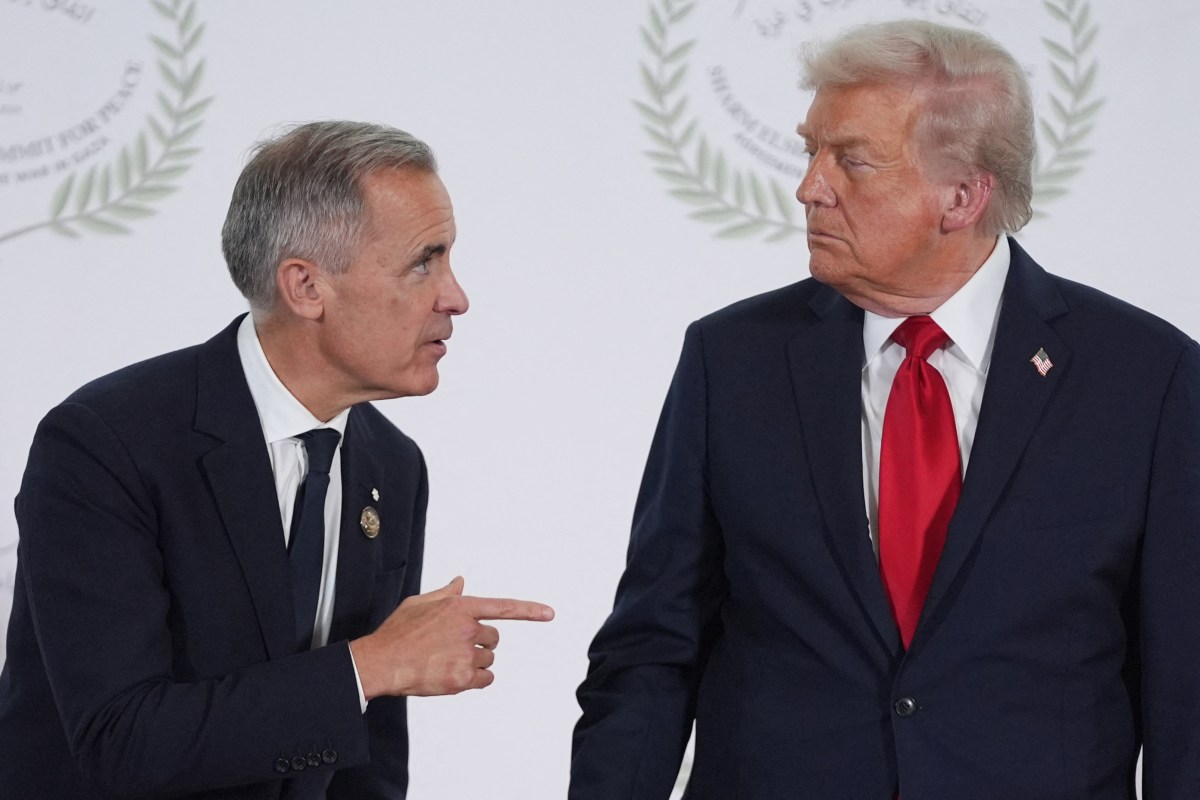
President Trump has imposed tariffs on Canadian goods despite the existing trade agreement between the U.S., Canada, and Mexico. This has caused tensions and distrust between the two countries, leading Canada to seek closer ties with Europe and look for other trade partners.
Key Facts
President Trump placed new tariffs on Canadian exports in early 2025, including steel, aluminum, and copper.
These tariffs conflict with the U.S.-Mexico-Canada Agreement, which Trump signed in his first term.
Trump made comments about Canada potentially becoming the "Fifty First State," provoking strong reactions in Canada.
Canadian Prime Minister Mark Carney responded by promoting economic diversification away from the U.S.
Canada is re-evaluating defense purchases from the U.S. and is increasing trade relations with Europe and China.
U.S. Commerce Secretary Howard Lutnick used harsh language about Canadian negotiators, saying "they suck" and that Canada must accept "second place" in auto trade.
Despite tensions, the U.S. is unlikely to fully end the trade agreement due to economic concerns and global uncertainties.
Canada’s distrust of the U.S. is growing, impacting travel and economic relations between the countries.
Read the Original
Want the full story? Tap a source to open the original
article.
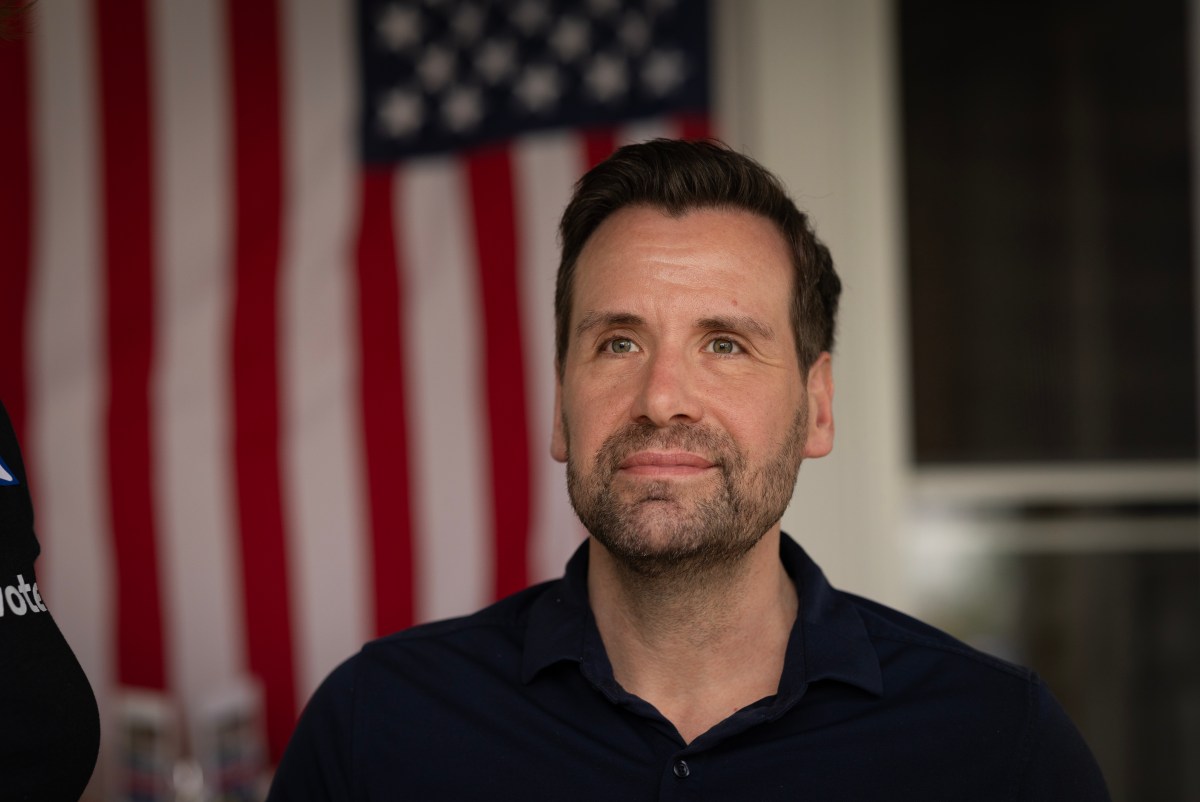
Jack Schlossberg is running for Congress in New York. Although he is part of the famous Kennedy family, he wants voters to see him as someone independent and not tied to politics like his relatives.
Key Facts
Jack Schlossberg is a candidate for the U.S. Congress in New York.
He is the grandson of former President John F. Kennedy.
He does not use the Kennedy last name in his campaign.
Schlossberg wants to appear as an outsider, different from the Kennedy political legacy.
The Kennedy family is well-known in American political history.
Schlossberg faces the challenge of balancing his family ties with his own political identity.
His campaign aims to convince voters he offers a fresh perspective despite his family background.
Read the Original
Want the full story? Tap a source to open the original
article.
Acting Attorney General Todd Blanche announced that the Justice Department will stop plans for an "anti-weaponization" fund. The fund was criticized as a way for President Trump to give money to his supporters. Abandoning the fund may help save a larger $72 billion legislative package.
Key Facts
Acting Attorney General Todd Blanche decided to drop the "anti-weaponization" fund plan.
The fund faced criticism for potentially serving as a source of money for President Trump's allies.
Blanche clearly stated, "We are not moving forward with the fund."
Stopping this fund could help keep a $72 billion legislative package on track.
The announcement aimed to address concerns from Senate Republicans.
The fund was originally intended to prevent government misuse of power but faced political opposition.
The legislative package involves a large amount of government spending ($72 billion).
Read the Original
Want the full story? Tap a source to open the original
article.
A new government rule explains how states should enforce work requirements for Medicaid, a health program for low-income people. This rule may make it harder for some sick, low-income individuals to keep their health coverage starting next year.
Key Facts
The rule guides 42 states and Washington, D.C. on applying Medicaid work requirements.
Medicaid work requirements mean some people must work or do other activities to qualify for health coverage.
The rule is based on the One Big Beautiful Bill Act.
It is expected to start affecting people’s coverage next year.
The rule could cause some low-income people who are sick to lose Medicaid coverage.
The changes follow support from Republican lawmakers.
The aim is to standardize how work requirements are applied across states.
Read the Original
Want the full story? Tap a source to open the original
article.
Midwestern farmers are facing difficulties because of tariffs set by President Trump and higher costs linked to the war in Iran. These problems are challenging the loyalty of farmers who usually support the Republican Party ahead of the November midterm elections.
Key Facts
Farmers in the Midwest are struggling due to President Trump’s tariffs.
Rising costs during the Iran war have added financial pressure on farmers.
Farmers are an important group of voters for the Republican Party (GOP).
President Trump was supported by most farmers in 2024, winning nearly all farming counties.
The Republican Party wants to keep control of Congress in the November midterm elections.
The challenges faced by farmers may affect their support for the GOP.
Farming-dependent counties are regions where farming is a major part of the local economy.
The situation in the Midwest is seen as a test for Republican loyalty among rural voters.
Read the Original
Want the full story? Tap a source to open the original
article.
Florida Republican leaders, including Governor Ron DeSantis, are increasing efforts to regulate artificial intelligence (AI) technology before DeSantis leaves office. They plan to create more rules for AI tools like chatbots, while the federal government under President Trump opposes some of these restrictions.
Key Facts
Florida’s Republican leaders want stronger rules on artificial intelligence.
Governor Ron DeSantis has been a strong critic of AI technology.
New AI regulations could target chatbots, which are computer programs that simulate conversation.
This push to regulate AI is happening as DeSantis prepares to leave office.
The Trump administration is resisting some efforts to limit AI use.
Florida's GOP aims to take a stricter approach to AI than the federal government.
The debate reflects different views on how to control the development and use of AI.
Read the Original
Want the full story? Tap a source to open the original
article.
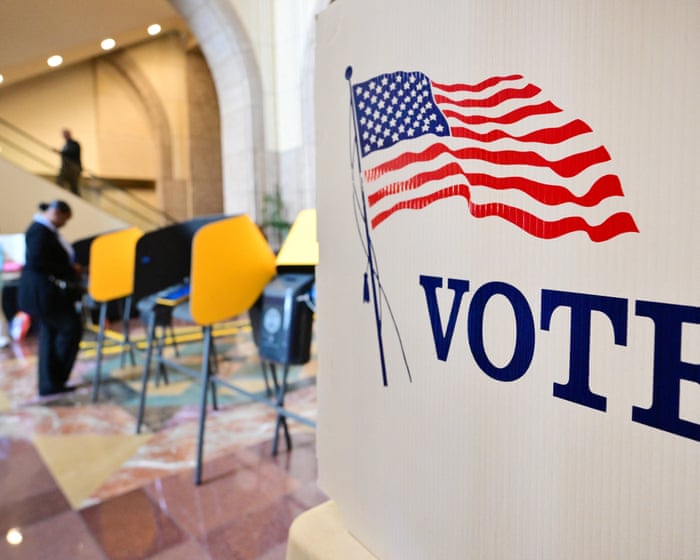
Primary elections are being held in six U.S. states, including California. These elections will decide which candidates appear on the November ballots and shape the upcoming midterm elections.
Key Facts
Six states are holding primary elections currently.
California’s primary includes a key race for Los Angeles mayor.
The winner of the Los Angeles mayor race will lead the city during the Olympic Games.
These primaries will influence the political landscape for the November midterm elections.
Key political figures mentioned in related news include President Donald Trump and California Governor Gavin Newsom.
The primaries include races for both local and national positions.
Voter choices in these primaries determine the candidates for the general elections later this year.
Read the Original
Want the full story? Tap a source to open the original
article.
Voters in six U.S. states took part in primary elections to choose candidates for the November midterm elections. In California, Democrat Xavier Becerra and Republican Steve Hilton are set for a governor’s race, while Trump’s endorsed candidate lost a key race in Iowa.
Key Facts
California’s governor race will likely be between Democrat Xavier Becerra and Republican Steve Hilton.
Governor Gavin Newsom cannot run again because of term limits.
Becerra is a former health secretary and California attorney general.
Hilton is a former Fox News host endorsed by President Donald Trump.
California uses a top-two system where the two candidates with the most votes move to the general election, regardless of party.
Some California Democrats voted strategically to prevent two Republicans from advancing.
California’s House contests may influence whether Democrats keep control in the state.
In Iowa, businessman Zach Lahn defeated Trump’s endorsed candidate, Randy Feenstra, in the Republican governor primary.
Read the Original
Want the full story? Tap a source to open the original
article.
California is holding primary elections to choose candidates for the November midterm elections. One important race is to find a new governor to replace Gavin Newsom, who cannot run again due to term limits.
Key Facts
Primary elections are happening in six U.S. states, including California.
These elections decide who will appear on the November midterm election ballots.
Gavin Newsom, the current California governor, is term-limited and cannot run again.
Candidates in California are competing to become the next governor.
The results will influence the political landscape leading up to the November elections.
Read the Original
Want the full story? Tap a source to open the original
article.
Several senior officials remained at the Department of Homeland Security (DHS) after Secretary Kristi Noem left, despite concerns about how contracts were awarded during her time. These contracts, many made without full competitive bidding, are now under audit, and some practices have been reversed or questioned under new Secretary Markwayne Mullin.
Key Facts
Over $9 billion in DHS contracts were awarded with limited competition during Secretary Noem’s tenure.
The Office of the Inspector General is auditing all contracts awarded that way in fiscal year 2025.
Secretary Noem required personal approval for contracts over $100,000, causing delays in agency work and FEMA aid.
About two dozen officials were removed or demoted after Noem left, mainly under Secretary Mullin.
Some officials defending Noem's contracting policies remain in key DHS roles.
A $200 million extension was recently approved on a $915 million contract connected to immigration enforcement, awarded with limited bidding.
The winning company, Salus Worldwide Solutions, had not been a main government contractor before but was involved in ICE plane purchases.
DHS says the contract process was fair and legal, and Secretary Mullin has ended the strict contract approval to speed up agency work.
Read the Original
Want the full story? Tap a source to open the original
article.
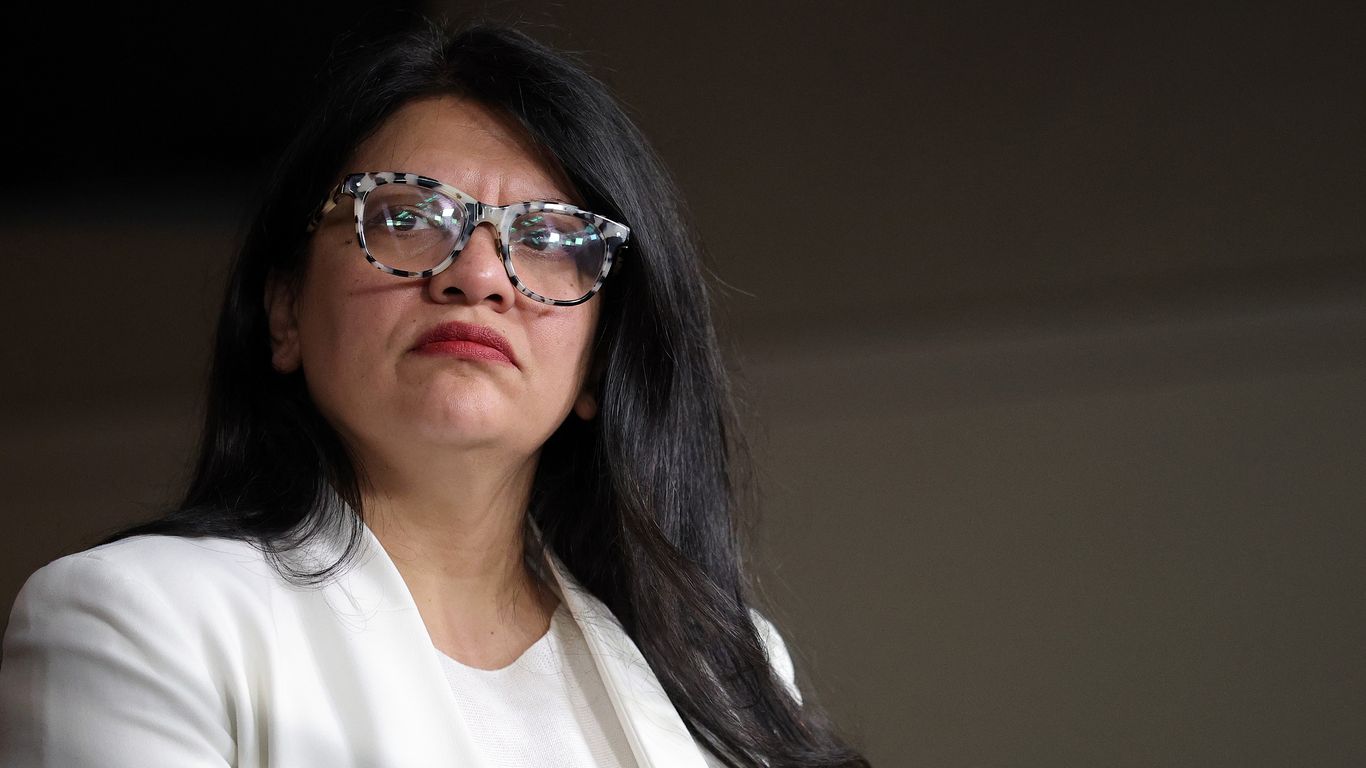
House Democrats are divided over a proposed vote that would force President Trump to remove U.S. forces from Lebanon amid Israel’s conflict with Hezbollah. The resolution, introduced by Rep. Rashida Tlaib, faces significant opposition within the party as lawmakers worry it may interfere with current U.S. efforts and appear unsupportive of Israel.
Key Facts
Rep. Rashida Tlaib (D-Mich.) introduced a resolution requiring the U.S. military to leave Lebanon within seven days.
The resolution aims to limit President Trump’s ability to involve the U.S. in the Israel-Lebanon conflict.
Israel is conducting a prolonged ground operation in Southern Lebanon against Hezbollah, an Iran-backed group.
Many House Democrats are unhappy about being forced to vote on this measure.
Some Democrats fear the resolution could disrupt U.S. efforts to fight Hezbollah.
Leading Democrats on key committees (Meeks, Smith, Himes) are uncertain or leaning against the resolution.
House Minority Leader Hakeem Jeffries has not fully reviewed the resolution and suggests it could be revised.
Supporters argue the U.S. should not provide unlimited aid to Israel amid civilian casualties in Lebanon.
Read the Original
Want the full story? Tap a source to open the original
article.
Senate Majority Leader John Thune has recently criticized President Donald Trump on several issues, signaling some disagreement between them. Thune expressed concerns about Trump's choice for acting director of national intelligence and opposed certain proposals by the president, though he continues to support many of Trump’s main goals.
Key Facts
John Thune has publicly disagreed with President Trump on recent controversies.
Trump appointed Bill Pulte as acting director of national intelligence despite Pulte lacking intelligence experience.
Thune said the intelligence director position should have professionals, not be “weaponized.”
Thune opposed Trump’s proposed $1.78 billion “anti-weaponization” fund, saying it “doesn’t pass the smell test.”
Thune defended a Senate parliamentarian when Trump wanted her fired over a ruling.
Thune disagreed with Trump’s endorsement of Texas Attorney General Ken Paxton over Senator John Cornyn.
Thune has supported Trump’s major policies like tariffs, immigration, and tax cuts.
Both the White House and Thune express a willingness to continue working together despite their differences.
Read the Original
Want the full story? Tap a source to open the original
article.
Republican Steve Hilton and Democrat Xavier Becerra are leading in California’s primary race for governor. Both are expected to advance to the November election, which is rare because it could be a direct contest between a Republican and a Democrat in a mostly Democratic state.
Key Facts
Steve Hilton, a Republican and former Fox News host, leads with 26.9% of the vote.
Xavier Becerra, a Democrat and former cabinet secretary, follows with 25.7% of the vote.
Both candidates have received over 1.1 million votes each.
Democrat Tom Steyer is in third place with 19.8% of the vote.
If elected, Becerra would be California’s first Latino governor; about 40% of the state’s population is Hispanic or Latino.
Hilton was endorsed by President Donald Trump and became a U.S. citizen in 2021.
California’s governor will manage a $4 trillion economy and face issues like water access, homelessness, and housing affordability.
California uses a unique primary system where all candidates run together and the top two go to the final election, regardless of party.
Read the Original
Want the full story? Tap a source to open the original
article.
Voters in Tuesday’s US primary elections chose candidates who will compete in the November midterm elections for key seats in the House and Senate. Several races in states like New Jersey, Iowa, and California could change party control and affect the balance of power.
Key Facts
Primaries took place across the US to select candidates for November’s midterm elections.
Democrats aim to flip critical districts in the House and Senate.
New Jersey Democrat Rebecca Bennett will challenge Republican Tom Kean Jr., who has been absent from Congress for months.
In Iowa, moderate Democrat Josh Turek won his primary and may increase Democrats’ chances in a Senate race after incumbent Joni Ernst decided not to run.
Democrats are targeting districts in traditionally Republican states like Iowa and swing districts in New Jersey.
California’s redrawn maps are giving Democrats an advantage in that state’s elections.
In Los Angeles, Democrat Karen Bass advanced in the mayoral primary with a close race among opponents.
The upcoming midterms are shaped by factors including President Donald Trump’s influence on Republican voters, economic concerns, and voters looking for change after 2024 losses for Democrats.
Read the Original
Want the full story? Tap a source to open the original
article.
Iowa's Democratic primary for Senate ended with Josh Turek winning, setting up a race against Republican Ashley Hinson in a seat Democrats haven't held since 2008. Democrats are focusing on Iowa's economic problems, including job losses and farm bankruptcies, to challenge Republican dominance in the state, which President Donald Trump won by 13 points in 2022.
Key Facts
Josh Turek won the Democratic Senate primary in Iowa against Zach Wahls.
Turek will face Republican Ashley Hinson in the fall election for a Senate seat.
Democrats have not won this Senate seat since 2008.
Iowa has seen economic difficulties, including a 6.1% drop in GDP in early 2025.
Agriculture and manufacturing sectors in Iowa are struggling, partly due to tariffs from President Trump’s policies.
Farm bankruptcies in Iowa increased by 220% in 2025 compared to the previous year.
Democrats have increased their on-the-ground campaign staff in Iowa from 8 eight years ago to 60 now.
President Donald Trump and Vice President JD Vance have visited Iowa to support Republican candidates this year.
Read the Original
Want the full story? Tap a source to open the original
article.
Funding for the CDC’s National Wastewater Surveillance System is being cut from $125 million to $25 million as part of President Donald Trump’s budget plan. This reduction comes while a new COVID-19 variant called BA.3.2, or "cicada," is spreading across the U.S., raising concerns about losing an important tool for tracking the virus’s spread.
Key Facts
The CDC’s wastewater surveillance program helps detect COVID-19 and other diseases by testing community sewage.
Funding for this program will drop from about $125 million a year to $25 million, ending support beyond September 30, 2026.
Experts warn cutting funding could harm early detection of outbreaks and increase future healthcare costs.
The "cicada" COVID-19 variant has been found in 25 states and may partly evade immunity from vaccines or past infections.
Symptoms of the cicada variant are similar to other COVID-19 cases but it does not appear to cause more severe illness.
Wastewater surveillance found the variant in multiple states including California, Louisiana, Maine, and Ohio.
Scientists debate whether vaccines should be updated to target this or other variants like XFG to better protect people.
The surveillance system is considered a cost-effective way to monitor virus spread and emerging health threats.
Read the Original
Want the full story? Tap a source to open the original
article.
A woman shares her experience of overcoming a 17-year heroin addiction after losing both parents within three months. The deaths forced her to face deep pain and loneliness, which helped her realize she could change her life and start healing.
Key Facts
The author battled heroin addiction from age 23 to 40.
Her parents died within three months of each other, which deeply affected her.
Before recovery, she struggled with poor hygiene, frequent arrests, and stealing to support her addiction.
She had a long criminal record and health issues from her drug use.
The loss of her parents left her feeling alone and led to suicidal thoughts.
After a year of grief, she had a moment of clarity where she realized she was responsible for her own life.
This realization gave her the power to start choosing life and change.
She reflects that her addiction began from loneliness and feeling trapped by expectations, not from trauma.
Read the Original
Want the full story? Tap a source to open the original
article.
Condoleezza Rice, director of Stanford University's Hoover Institution, has asked a student newspaper to retract a report claiming the institution received at least $3 million from a Chinese political figure linked to the military. The report, based on a whistleblower, raised concerns about foreign donations to U.S. universities and their possible influence, but Stanford and Rice deny the specific donor identification and call the report mistaken.
Key Facts
The Stanford Review published a report alleging Hoover Institution received $3 million from Chen Yuan, linked to a Chinese influence agency connected to the Chinese military.
The donation reportedly came through a San Francisco law firm, possibly to hide the true source.
Chen Yuan is said to have family ties to a founding Communist Party leader of China.
The Chinese organization mentioned, CAIFC, is described by the U.S. government as part of China’s top military political work department.
Condoleezza Rice strongly denied the report’s identification of the donor and called it a case of mistaken identity.
A Hoover scholar told the paper they were wrong before publication, but the story was published anyway.
Rice said Stanford’s legal office and government authorities, including the Department of Education and a House committee on China, have been informed about the issue.
Rice formally requested that the student newspaper withdraw the story immediately.
Read the Original
Want the full story? Tap a source to open the original
article.
A candidate supported by the Make America Healthy Again (MAHA) movement, Zach Lahn, won the Republican primary for Iowa governor against Randy Feenstra, who was endorsed by President Donald Trump. This is the first time in the 2026 midterm election cycle that a Trump-backed candidate has lost a primary.
Key Facts
Zach Lahn, backed by the MAHA movement, defeated Randy Feenstra in the Republican primary for Iowa governor.
Feenstra was endorsed by President Donald Trump and the Republican Governors Association.
Lahn focused his campaign on an “Iowa First” message with opposition to big agribusiness and agricultural subsidies.
MAHA has disagreed with President Trump on several major issues.
This loss is the first defeat for a Trump-backed candidate in the 2026 midterm primaries so far.
Conservative commentator Steve Deace noted that MAHA support is growing among Christian conservative voters.
Trump publicly called Feenstra “MAGA all the way” and promised full support before the primary.
Polls showed a tighter race than prediction markets expected, leading to a surprise outcome.
Read the Original
Want the full story? Tap a source to open the original
article.