Neutral summaries of your favorite news sources — just the facts.
Your favorite news sources, one neutral feed — we distill their reporting into fact-first
summaries and always link to the original story. How it works
World News
Comprehensive coverage of international news and global events
In Ukraine, the number of babies born prematurely—before 37 weeks of pregnancy—has increased, especially in areas near the frontlines of the war with Russia. Experts say the high stress from the conflict on pregnant women is a major factor, and caring for these fragile newborns is made harder by ongoing attacks.
Key Facts
Premature birth rates have nearly doubled in some parts of Ukraine since the 2022 Russian invasion.
Premature babies are those born before 37 weeks of pregnancy.
Stress caused by war affects the health of pregnant women, leading to more premature births.
Hospitals in conflict zones like Zaporizhzhia take special measures, such as boarding up windows, to protect newborns and mothers.
Mothers often shelter with their babies at night due to the threat of shelling and attacks.
Some premature babies face long-term health problems, including breathing difficulties.
The total number of births in Ukraine has declined due to displacement and people leaving the country.
Medical staff work under difficult conditions to care for these vulnerable infants during the war.
Read the Original
Want the full story? Tap a source to open the original
article.
Armenia’s ruling pro-Europe party, led by Prime Minister Nikol Pashinyan, won the recent parliamentary elections, showing the country is moving closer to Europe and away from Russia. The election strengthens Pashinyan’s plan to make peace with neighboring countries Azerbaijan and Turkey and to build stronger ties with the West.
Key Facts
Prime Minister Nikol Pashinyan’s Civil Contract party won a narrow majority in Armenia’s parliamentary elections.
The Strong Armenia alliance, backed by a Russian-Armenian billionaire, gained 25% of the parliamentary seats.
Pashinyan aims for a peace agreement with Azerbaijan and to normalize relations with Turkey.
Armenia plans to deepen ties with Europe while staying in the Russia-led Eurasian Economic Union.
The election followed Armenia’s 2023 loss of Nagorno-Karabakh to Azerbaijan, ending decades of Armenian control there.
Some opposition figures criticized Pashinyan for losing Nagorno-Karabakh, but he views peace efforts as a chance for economic growth and security.
European leaders welcomed the election result, and President Donald Trump also expressed support for Pashinyan.
Many Armenians are disappointed with Russia for not helping during the Nagorno-Karabakh conflict despite having peacekeepers in the area.
Read the Original
Want the full story? Tap a source to open the original
article.
President Donald Trump announced major U.S.-Israeli military strikes against Iran in February 2026 and has maintained a naval blockade on Iran while pursuing peace talks. After a two-week ceasefire ended, Iran and Israel exchanged missile strikes in June, with Trump stating he directs U.S. policy toward Israel and warning of further military action if no deal is reached.
Key Facts
On February 28, 2026, President Trump announced large joint U.S.-Israeli strikes on Iran’s military and infrastructure.
A two-week ceasefire began but talks in Pakistan in April failed to produce a peace agreement.
The ceasefire was extended without a set end date, and the U.S. naval blockade on Iran continues.
In June, Iran launched missile strikes against Israel, followed by Israeli retaliatory strikes in Iran.
President Trump said he "calls all the shots" over Israel and that Israeli Prime Minister Netanyahu must accept any deal made by the U.S.
Trump warned of possible further military action or maintaining the blockade if negotiations fail.
The Israel Defense Forces reported ongoing defensive operations against Iranian missile attacks.
The recent attacks were the first direct military clashes between Iran and Israel since the ceasefire began in April.
Read the Original
Want the full story? Tap a source to open the original
article.
Iran and Israel exchanged missile attacks, increasing tension as the fragile ceasefire since April 8 is at risk of breaking. Both countries reported explosions and military strikes, while regional and international officials expressed concern and discussed possible mediation.
Key Facts
Explosions and missile strikes were reported in Iranian cities Tehran, Isfahan, and Tabriz, targeted by the Israeli military.
Israel confirmed attacking a petrochemical plant in Mahshahr, Iran, causing evacuation.
Iran denied responsibility for an explosion at a Saudi Arabian airbase.
Israel's Prime Minister Netanyahu planned a security meeting amid continued missile alerts.
Iran’s Islamic Revolutionary Guard Corps said it attacked Israeli airbases in response to attacks on Iranian radar.
The US State Department issued a security alert for Americans in Jordan due to missile activity.
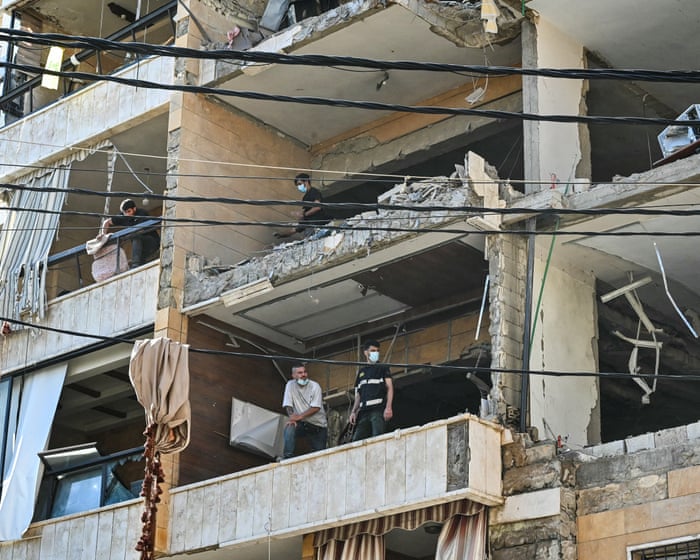
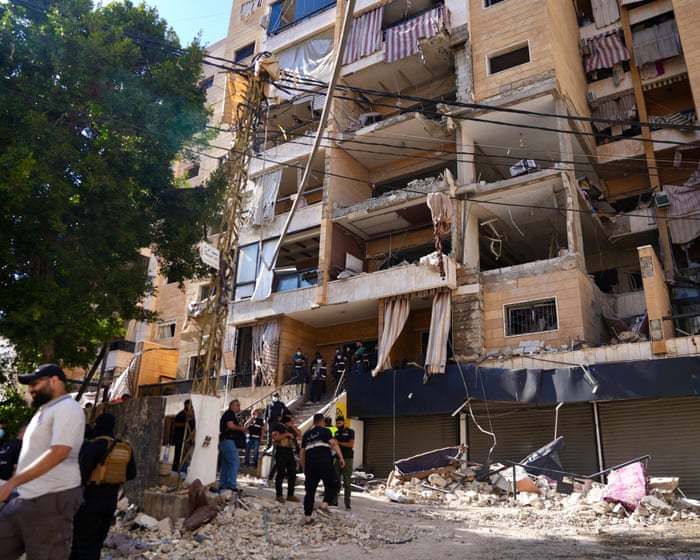
Explosions were heard in Beirut, Lebanon, likely from rocket interceptions amid conflict spillover.
Diplomatic talks involved Saudi Arabia, Qatar, and Iran discussing mediation and regional peace efforts.
Read the Original
Want the full story? Tap a source to open the original
article.
The Israeli army intercepted missiles that were launched from Iran on Monday. This attack happened after Israel carried out strikes on military sites in western and central Iran.
Key Facts
Missiles were launched from Iran toward areas controlled by Israel.
The Israeli military intercepted these missiles successfully.
Iran's missile launch was said to be a response to Israeli attacks.
Earlier on the same day, Israel targeted military sites in western and central Iran.
The situation reflects ongoing tension and military actions between Israel and Iran.
Read the Original
Want the full story? Tap a source to open the original
article.
Colombia’s outgoing President Gustavo Petro posted the phrase “Heil, Hitler” on social media, linking to an opinion article calling for stronger leadership and economic freedom. The post caused confusion and is seen as a comment on the article, which supports opposition candidate Abelardo de la Espriella in Colombia’s upcoming presidential runoff election.
Key Facts
Gustavo Petro is Colombia’s current outgoing president and a left-wing leader.
Petro posted “Heil, Hitler” on the social media platform X, linking to an opinion piece.
The article called for order, authority, and economic freedom in Colombia.
It supported Abelardo de la Espriella, a hard-right candidate known for a tough stance on crime.
Colombia’s presidential runoff election is scheduled for June 21.
In the first round of voting on May 31, Iván Cepeda received nearly 41% and De la Espriella 43.7%.
Iván Cepeda is a left-wing senator supported by President Petro.
Abelardo de la Espriella is leading in polls ahead of the runoff.
Read the Original
Want the full story? Tap a source to open the original
article.
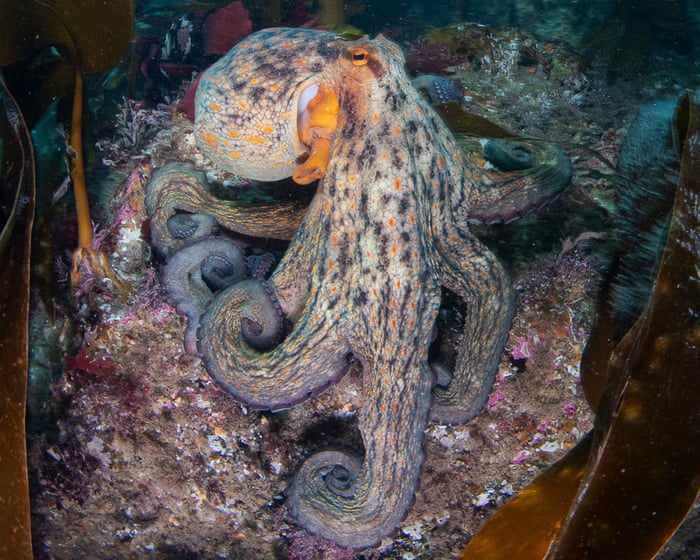
A large increase in octopus numbers off the UK coast is spreading from southwest England to Scotland and Wales, changing the marine environment and fishing industry. The rise is linked to warmer seas, which help the common octopus grow in number.
Key Facts
Record numbers of common octopuses were first seen in 2025 off Devon and Cornwall.
Octopus sightings have spread to Wales, Dorset, East Sussex, and Scotland.
Warmer sea temperatures from mild winters and warm springs help octopuses breed more.
The octopus catch rose by 7,700% in 2025, with a record 100 tonnes sold in one day at Brixham market.
Octopuses eat crabs and lobsters, causing trouble for some fishers but benefiting others who catch octopus.
The increasing octopus population affects the marine ecosystem by preying on shellfish and feeding seals, eels, and rare dolphins.
Hundreds of divers and snorkelers have helped scientists study the growing octopus numbers.
Read the Original
Want the full story? Tap a source to open the original
article.
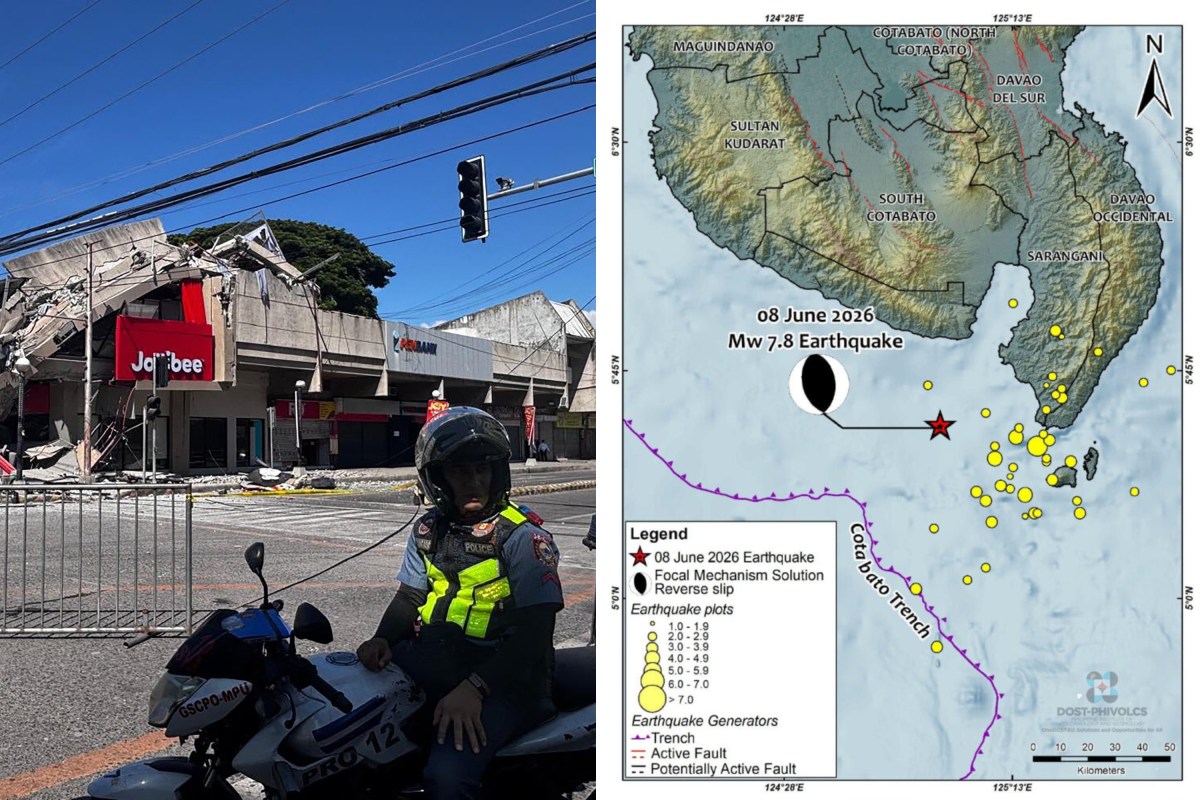
A strong 7.8 magnitude earthquake struck near Sarangani in the southern Philippines, leading to a tsunami warning for nearby coastal regions. Authorities have reported at least 15 deaths and 129 injuries and advised people to move to higher ground or inland.
Key Facts
The earthquake occurred off the coast of Sarangani, southern Philippines.
It measured 7.8 in magnitude, according to PHIVOLCS (Philippine Institute of Volcanology and Seismology).
A tsunami alert was issued for southern Mindanao and the Sulu Archipelago coastal areas.
Tsunami waves were expected to arrive between 7:37 a.m. and 9:37 a.m. local time.
Residents were urged to evacuate to higher ground or move further inland.
At least 15 people died and 129 were injured after the earthquake.
The U.S. embassy in the Philippines issued evacuation advice.
The Pacific Tsunami Warning Center said there is no tsunami threat to Hawaii.
Read the Original
Want the full story? Tap a source to open the original
article.
Armenian Prime Minister Nikol Pashinyan’s ruling Civil Contract party won a clear victory in the parliamentary elections, with nearly 50% of the vote. This win supports Armenia’s movement toward closer relations with the West, despite tensions and interference claims involving Russia.
Key Facts
The ruling Civil Contract party received 49.8% of the vote.
The Strong Armenia alliance, led by Russian-Armenian billionaire Samvel Karapetyan, came second with 23.3%.
Two other opposition groups, Armenia alliance and Prosperous Armenia party, also passed the election threshold.
Voter turnout was 59%.
Pashinyan said his victory will help Armenia grow and maintain peace, including improving relations with Turkey and Azerbaijan.
Armenia is still dealing with the effects of Azerbaijan’s 2023 military takeover of the Karabakh region.
Pashinyan aims to reduce Armenia’s dependence on Russia while keeping a balanced foreign policy.
Russia is accused of trying to influence the election through misinformation, hacking, and economic pressure.
Read the Original
Want the full story? Tap a source to open the original
article.
Israel and Iran exchanged missile strikes, raising fears of a wider conflict in the Middle East. Yemen’s Houthi rebels, allied with Iran, claimed missile attacks on Israel and threatened more attacks on ships in the Red Sea.
Key Facts
Yemen’s Iran-aligned Houthi rebels said they attacked Israel with missiles and warned they would target ships in the Red Sea again.
Israel launched airstrikes on military sites in western and central Iran following missile fire from Iran.
Explosions were reported in several Iranian cities, including Tehran, after the Israeli strikes.
Iran’s Revolutionary Guard said Israel used air-launched ballistic missiles in its attacks.
Israel intercepted Iranian missiles launched toward Jerusalem on Monday.
Two people were killed and 20 wounded in Israeli strikes on Hezbollah targets in Beirut, Lebanon.
Oil prices rose over 3% due to the increased tensions after Iran’s missile attacks.
Iran’s parliament speaker declared US bases in the region as "legitimate targets" following the attacks.
Read the Original
Want the full story? Tap a source to open the original
article.
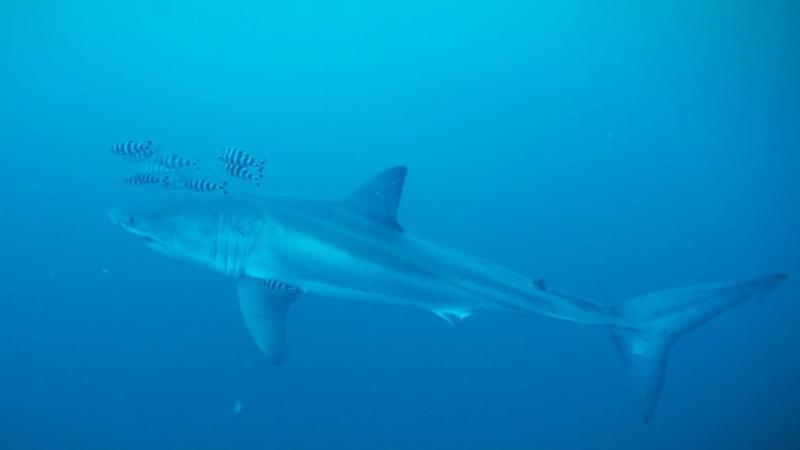
A diver filmed a rare Great White shark in the Mediterranean Sea near Tunisia and Sicily. The sighting is unusual because the shark population there is nearly extinct due to too much fishing. Conservationists hope this will lead to protected areas for marine life.
Key Facts
A volunteer diver named Derk Remmers captured video of a Great White shark in May.
The shark was close to the divers and believed to be an adult male.
Great White sharks are almost extinct in the Mediterranean Sea because of overfishing.
The shark was spotted many miles offshore between Tunisia and Sicily.
Conservation groups want governments to create marine protected zones in the Mediterranean.
The footage was taken by divers working with the NGO Healthy Seas.
Healthy Seas also works to remove abandoned fishing nets, known as ghost nets.
The diver said his fingers trembled while filming because it was a rare and exciting moment.
Read the Original
Want the full story? Tap a source to open the original
article.
A city in Japan called Utsunomiya closed all its 94 schools after a medium-sized black bear was seen near the city. The bear appeared multiple times in residential and industrial areas, prompting local authorities to warn residents to stay indoors and lock their doors and windows while police searched for the animal.
Key Facts
Utsunomiya has about 500,000 people and is located 100 km north of Tokyo.
A black bear about one meter long was first spotted near a park and later in city areas, including a factory district.
The city closed all primary and secondary schools (94 in total) due to the bear sightings.
Residents were told to keep inside, lock doors and windows, and avoid approaching the bear.
Police and a local hunting group are actively trying to find the bear.
This year, Japan has had a record 50,000 bear sightings, mostly in the northeast region.
Bear attacks and encounters with humans have increased, leading to injuries and some deaths.
Experts think food shortages and quieter rural areas cause bears to come closer to towns.
Read the Original
Want the full story? Tap a source to open the original
article.
The new movie "Superman: Man of Tomorrow" will continue the story of Superman fighting Lex Luthor, who returns wearing a special armored suit called the Warsuit. The film features the same main actors as the previous Superman movie and will be released on July 9, 2027.
Key Facts
"Superman: Man of Tomorrow" is a sequel to the 2025 "Superman" movie.
Lex Luthor, played by Nicholas Hoult, comes back wearing a green armored suit known as the Warsuit.
Superman, played by David Corenswet, is seen fighting Luthor, with his costume sustaining damage.
The Warsuit allows Luthor to use a special weapon that can harm Superman’s suit.
James Gunn is involved in directing the movie and working with the actors.
Other returning cast members include Rachel Brosnahan as Lois Lane and Edi Gathegi as Mister Terrific.
New characters will appear, such as Brainiac and Green Lantern, played by Lars Eidinger and Aaron Pierre, respectively.
The previous film was a box office success, earning over $354 million in 2025.
Read the Original
Want the full story? Tap a source to open the original
article.
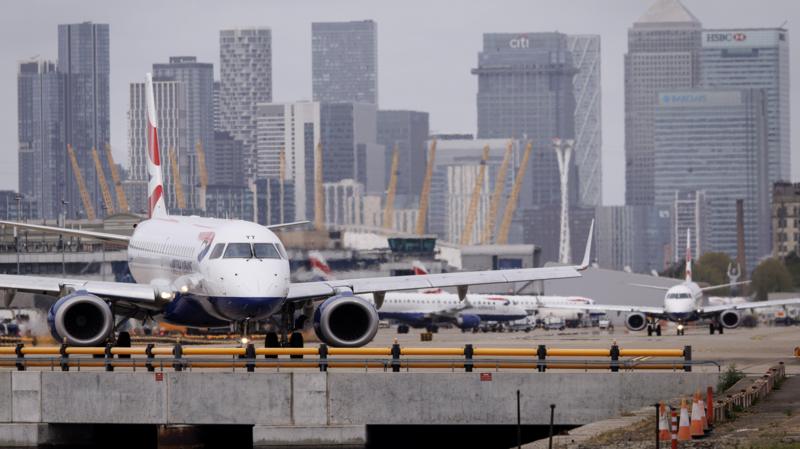
London City Airport wants to allow bigger planes like the Airbus A320neo to fly with a lower flight path. Some politicians and local residents worry this could cause more noise and pollution, so they want independent studies before any changes happen.
Key Facts
London City Airport is near busy residential areas and tall buildings in east London.
The airport wants to use larger planes such as the Airbus A320neo, which carry more passengers.
Bigger planes would require lowering the flight approach path by about 90 feet (27 meters).
The airport says larger planes would increase passenger numbers while reducing the number of flights and noise.
The London Assembly’s environment committee wants independent studies to check the real noise and health effects before approving the plan.
The government gave permission in 2024 to increase the airport’s passenger capacity from 6.5 million to 9 million per year.
The committee is also worried the plan could lead to more new flight routes and more flights overall.
The Civil Aviation Authority plans to decide on lowering the flight path by autumn 2024.
Read the Original
Want the full story? Tap a source to open the original
article.
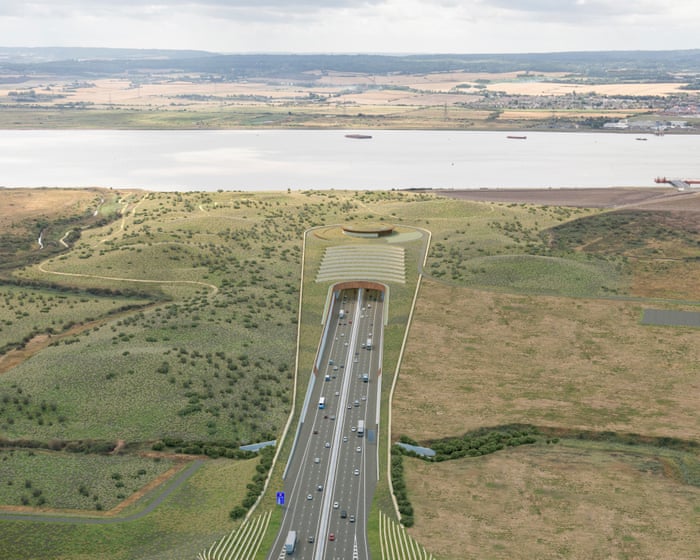
The UK government has added £174 million in funding to the Lower Thames Crossing, a major road tunnel project under the Thames River. This extra money is part of a total £3.1 billion public investment, which aims to ease traffic on the M25 motorway, though the project's costs continue to rise.
Key Facts
The Lower Thames Crossing is a planned £11 billion road tunnel connecting Kent and Essex under the Thames River.
The project is more expensive per mile than the HS2 high-speed rail link between London and Birmingham.
An additional £174 million has been allocated from existing budgets to fund public works on both sides of the tunnel.
So far, the government has committed £3.1 billion to the project, including over £1.6 billion allocated recently through budgets and investment plans.
A private company is expected to take over running the new tunnel and the nearby Dartford tunnel in 2029, supervised by an independent regulator.
Construction is scheduled to finish by 2034.
Critics accuse the Department for Transport of raising costs without sharing a full business case and using National Highways’ budget without clear parliamentary approval.
The government says the project is important infrastructure and that any toll prices will be regulated to stay fair for drivers.
Read the Original
Want the full story? Tap a source to open the original
article.
A new study found that social media groups in the UK spread a lot of false information, especially in places without reliable local news sources. Topics like immigration and Islam were common subjects of misinformation, which increased notably before local elections.
Key Facts
Areas with little or no local journalism had nearly three times more misinformation on social media.
The study analyzed over 125,000 posts on Facebook, X, and Nextdoor.
Misinformation about immigration and Islamophobia was widespread.
False information increased by 56% before local elections, rising from 8.2% to 12.9% of news posts.
Fake local government communications and false claims about councils were common.
In Gorton and Denton, 6.5% of news posts contained misinformation during a recent election.
Over 4.4 million people in the UK live in “news deserts” with no local news providers.
Experts call for stronger online regulations to stop misinformation and protect the public.
Read the Original
Want the full story? Tap a source to open the original
article.
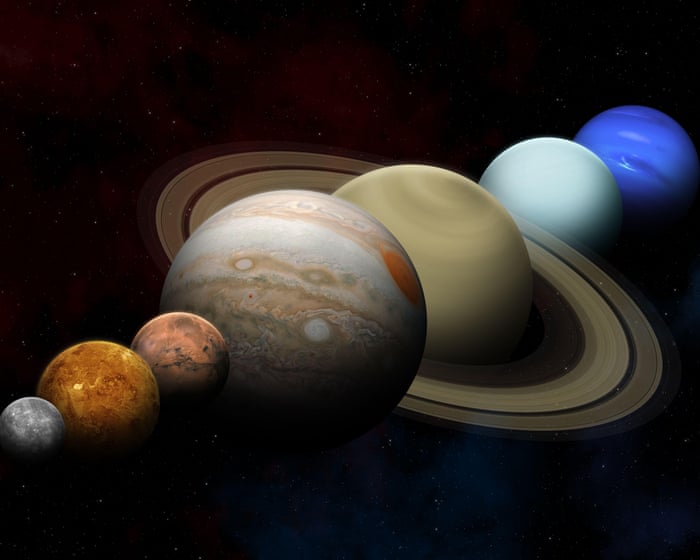
This week, the two brightest planets, Venus and Jupiter, will appear close together in the western evening sky. They will be just over one and a half degrees apart, visible low near the horizon after sunset.
Key Facts
Venus and Jupiter will shine near each other in the western sky this week.
They will be about 1.5 degrees apart, roughly the width of three full moons.
The best viewing time is around 9:45 PM British Summer Time.
Both planets will be located in the constellation Gemini, also known as the twins.
Venus will be very bright, with a magnitude around -4.0, making it the easier planet to spot.
Jupiter will be less bright, with a magnitude near -1.9.
The stars Castor and Pollux, the brightest in Gemini, will appear as the sky gets darker.
Mercury might also be visible near Gemini but only if you have a clear low view and catch it quickly before it sets.
Read the Original
Want the full story? Tap a source to open the original
article.
Israel carried out airstrikes on several locations in Iran despite President Donald Trump urging Israel’s prime minister not to retaliate immediately after Iran launched missiles at northern Israel. This exchange of attacks raises fears of a wider conflict in the Middle East involving Iran, Israel, and their allies.
Key Facts
Israel bombed targets in central and western Iran, using air-launched ballistic missiles.
Iran responded by firing about 10 ballistic missiles at northern Israel; all were intercepted or landed in open areas.
President Trump called Israeli Prime Minister Benjamin Netanyahu to ask him to delay retaliation after Iran’s missile strike.
Israel’s attack followed an earlier strike on Beirut, Lebanon, which killed two people and injured 20.
Iran’s Revolutionary Guards confirmed the Israeli strike and Iran closed airspace near Tehran’s main airport.
Saudi Arabia raised missile alerts after these events, showing regional tensions are rising.
Yemen’s Houthi rebels, allied with Iran, launched missiles toward Israel.
Iran’s parliament speaker accused the US of approving the Beirut attack and called US and Israeli assets valid military targets.
Read the Original
Want the full story? Tap a source to open the original
article.
Satellite images reveal widespread damage in Iran and Lebanon 100 days after the United States and Israel began military attacks on these areas. The images show destruction of key military and industrial sites, including oil facilities, naval bases, and towns near conflict zones.
Key Facts
The US and Israel launched attacks on Iran starting 100 days ago.
Satellite companies paused image releases at Washington’s request, limiting new pictures of the conflict.
Before the blackout, satellites from Airbus, Planet Labs, Sentinel, and Vantor captured damage at multiple sites.
Iran’s Natanz uranium enrichment facility and other strategic locations like Fordow and Isfahan suffered damage from bomb strikes in June 2025.
A large fire hit oil facilities on Siri Island in April 2026, impacting a major oil storage tank.
Bandar Abbas port and naval base near the Strait of Hormuz show signs of severe destruction.
In Lebanon, towns like Naqoura and Bint Jbeil faced heavy damage from Israeli military actions, with over 100 and 725 buildings affected respectively.
The destruction impacts military, industrial, and residential areas across the region.
Read the Original
Want the full story? Tap a source to open the original
article.
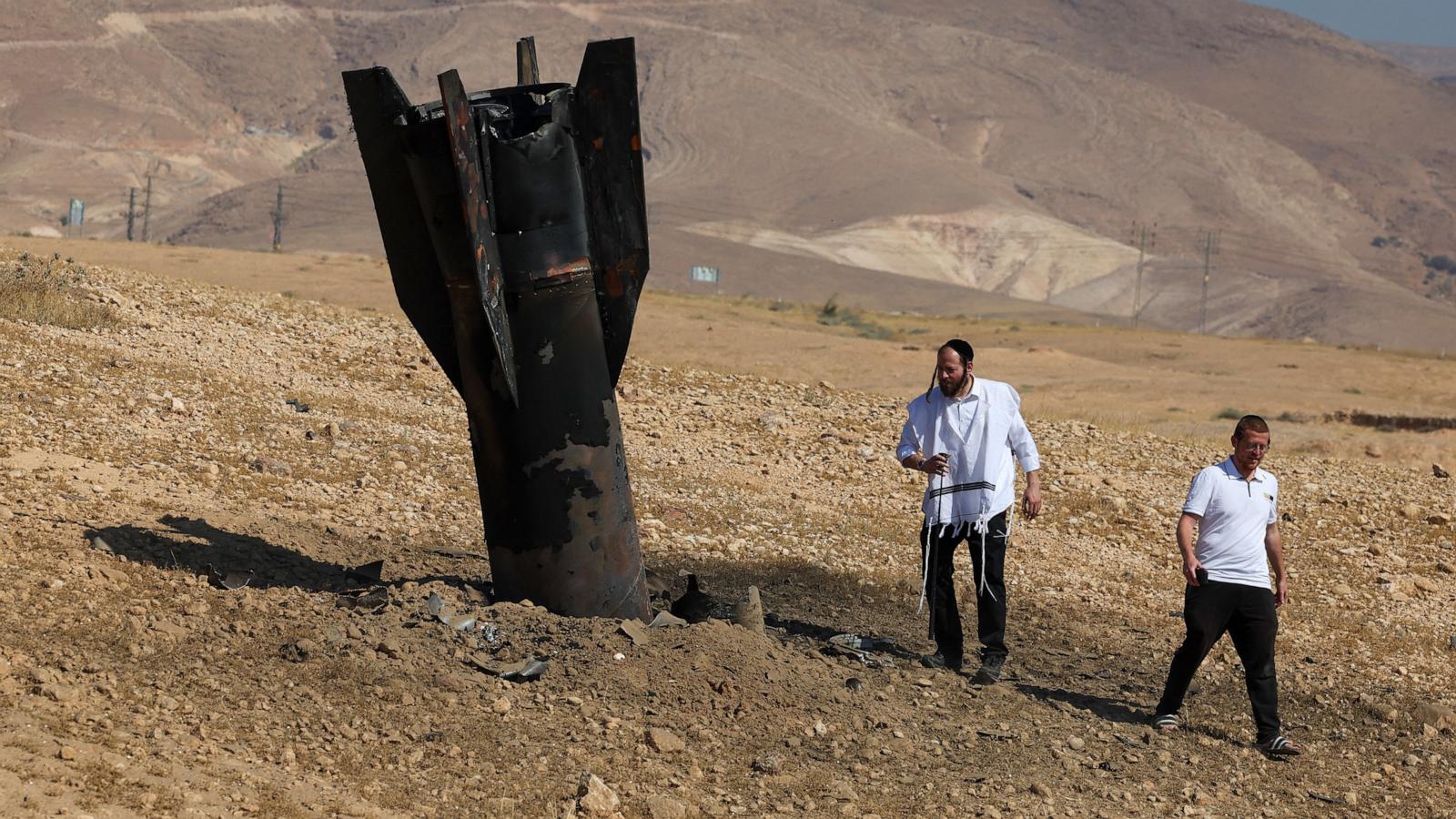
Missiles that are believed to have been fired from Iran toward Israel were seen flying over Jordan. One missile was reportedly intercepted, and parts of the debris fell in northern Jordan near Al Dhaniba. Sirens sounded in Amman, Jordan’s capital, marking the first time this happened since ceasefire talks in April.
Key Facts
Missiles thought to be from Iran were targeted at Israel.
The missiles flew over Jordan’s airspace.
One missile was intercepted before reaching its target.
Debris from the missiles fell near Al Dhaniba in northern Jordan.
Sirens sounded in Amman, Jordan, warning of the missile threat.
This was the first time sirens were heard in Amman since ceasefire talks in April.
The events reflect growing tensions in the region.
Read the Original
Want the full story? Tap a source to open the original
article.