Neutral summaries of your favorite news sources — just the facts.
Your favorite news sources, one neutral feed — we distill their reporting into fact-first
summaries and always link to the original story. How it works
World News
Comprehensive coverage of international news and global events
Police in eastern Bolivia clashed with protesters who were blocking roads and asking President Rodrigo Paz to resign. The protests, lasting about a month, have caused food and medicine shortages in several cities.
Key Facts
Protests in Bolivia are demanding the resignation of President Rodrigo Paz.
Police and protesters fought; four officers were hurt by gunfire.
About 100 road blockades by rural workers have disrupted the country.
The protests have lasted for around one month.
Major cities in Bolivia face shortages of food and medicine due to the blockades.
The president is from the center-right political group.
The clashes happened on a Saturday in eastern Bolivia.
Read the Original
Want the full story? Tap a source to open the original
article.
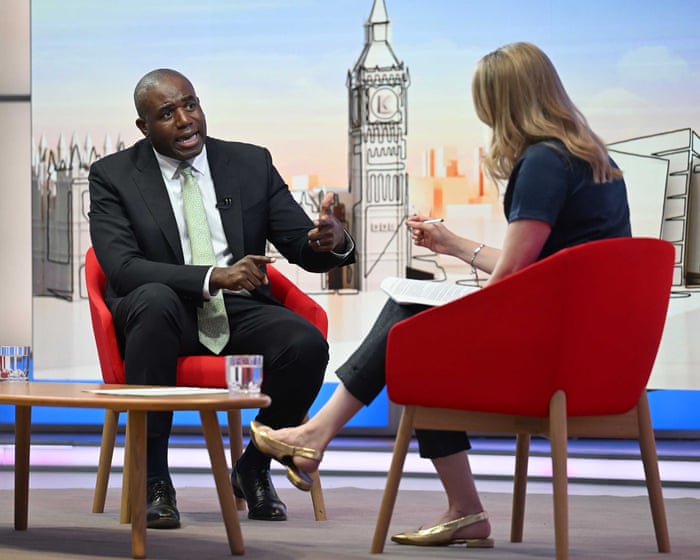
David Lammy, a British deputy prime minister, told US vice-president JD Vance that Vance was wrong to blame the murder of British teenager Henry Nowak on mass migration. Lammy said the case was being properly investigated in the UK and insisted the murder was not related to migration.
Key Facts
JD Vance blamed mass migration for the murder of British teen Henry Nowak in a social media post.
David Lammy called Vance to say his claim was incorrect and not helpful.
Nowak was British, and the crime is under investigation by police watchdogs in the UK.
Lammy said crime is actually decreasing in the UK.
US Defence Secretary Pete Hegseth also criticized European migration during a speech in France.
Lammy said anger over Henry Nowak’s death is understandable but the focus should be on meaningful actions.
Lammy believes the UK police system has changed since past racism issues, though data shows some differences in how minorities are treated.
Lammy said discussions on race and policing need careful and fair review.
Read the Original
Want the full story? Tap a source to open the original
article.
Armenians are voting in parliamentary elections seen as a key moment for the country's independence. The current government wants to reduce its dependence on Russia and build closer ties with Western countries, while Russia is reportedly trying secretly to stop the Prime Minister from winning again.
Key Facts
The elections in Armenia are described as a "referendum on independence."
The current government wants to move away from Russia and work more with the West.
Prime Minister Nikol Pashinyan is seeking re-election next month.
Western officials say Russia is secretly trying to undermine Pashinyan’s election chances.
Some voters see the election as very important due to tensions with neighboring countries.
Armenia was once part of the Soviet Union before becoming independent.
The election reflects a larger struggle between influence from Russia and the West in the region.
Read the Original
Want the full story? Tap a source to open the original
article.
Kosovo held its third parliamentary election in 18 months to resolve a political deadlock that has prevented the country from forming a stable government. The ongoing crisis has delayed Kosovo’s efforts to join the European Union and NATO, while also hurting its economy.
Key Facts
Kosovo had early elections again after political leaders failed to agree on a new president by a March deadline.
The first election in February 2025 and a second in December 2025 also failed to create a functioning government.
Kosovo’s Prime Minister Albin Kurti’s party holds a majority, but the president needs support from 80 of 120 lawmakers, requiring agreement across parties.
The main opposition parties accuse Kurti of trying to control all political institutions.
Former President Vjosa Osmani is running with an opposition party after Kurti did not support her second term.
Kosovo’s political crisis has damaged its economy, already suffering from global energy and fuel price rises.
The government deadlock has delayed Kosovo’s access to European Union funds and slowed progress toward EU membership.
Kosovo declared independence from Serbia in 2008 but is not recognized by Serbia, Russia, or China, resulting in ongoing ethnic tensions in northern Kosovo.
Read the Original
Want the full story? Tap a source to open the original
article.
The United States and Israel have been at war with Iran for over 100 days, causing widespread disruption including a global energy crisis and economic uncertainty. Many countries have reacted by calling for peace talks and diplomatic solutions, with some Gulf nations experiencing direct attacks and ongoing violence.
Key Facts
The US and Israel started a war against Iran around 100 days ago.
Iran calls the war an unprovoked attack and it has spread to Gulf countries and Lebanon.
A ceasefire has been in place since early April but Israel continues attacks, especially in Lebanon.
European allies of the US have not joined the war but oppose changing Iran’s government by force.
Gulf countries condemn Iranian attacks on their territories and infrastructure.
Oman and Qatar, Gulf states affected by the conflict, have faced missile and drone strikes on ports and military sites.
Oman acts as a mediator in nuclear talks and has criticized the US and Israel for escalating the war.
Rising oil prices and market instability have made many countries call for peaceful negotiations.
Read the Original
Want the full story? Tap a source to open the original
article.
The conflict involving the US and Israel against Iran has lasted 100 days and remains stuck without clear progress. A ceasefire arranged by Pakistan has not stopped the fighting, and attacks continue in several areas including Lebanon, where many people have been killed and displaced.
Key Facts
The US and Israel have been fighting Iran for 100 days without a quick resolution.
A ceasefire announced on April 8 by Pakistan has not stopped the violence.
The Strait of Hormuz, an important shipping route, is mostly closed.
Israel has expanded the war into Lebanon, causing many deaths and forcing over one million people to leave their homes.
Israel killed around 3,593 people in Lebanon, while US and Israeli forces killed about 3,468 in Iran.
Attacks have caused the deaths of 29 people in Gulf countries, 26 in Israel, and 13 US soldiers.
The conflict has damaged cities, airports, and infrastructure, causing major disruptions and humanitarian suffering.
Peace talks are close to failing, and there is no clear end to the war in sight.
Read the Original
Want the full story? Tap a source to open the original
article.
Health officials in the United States, Canada, and Mexico are taking special measures to prevent the spread of Ebola during the 2026 World Cup, amid an ongoing outbreak of a rare Ebola strain in East Africa. The outbreak began in the Democratic Republic of the Congo (DRC) and has spread to Uganda, causing infections and deaths, and leading to travel restrictions and quarantines for people from affected areas.
Key Facts
An Ebola outbreak of the Bundibugyo strain started in the DRC on May 15, infecting at least 488 people and causing 86 deaths.
The outbreak has spread to Uganda, with 19 cases and two deaths reported.
The World Health Organization declared the outbreak a public health emergency of international concern.
The US, Canada, and Mexico have introduced travel bans, quarantines, and enhanced airport screening for travelers from high-risk African countries.
The DRC national football team canceled plans to train at home and is isolating in Belgium before the World Cup.
A planned warm-up match between the DRC and Chile in Spain was canceled due to Ebola concerns.
The US has banned entry to most travelers who have recently been in the DRC, Uganda, or South Sudan.
Canada requires 21-day quarantine for its citizens or residents returning from affected areas.
Read the Original
Want the full story? Tap a source to open the original
article.
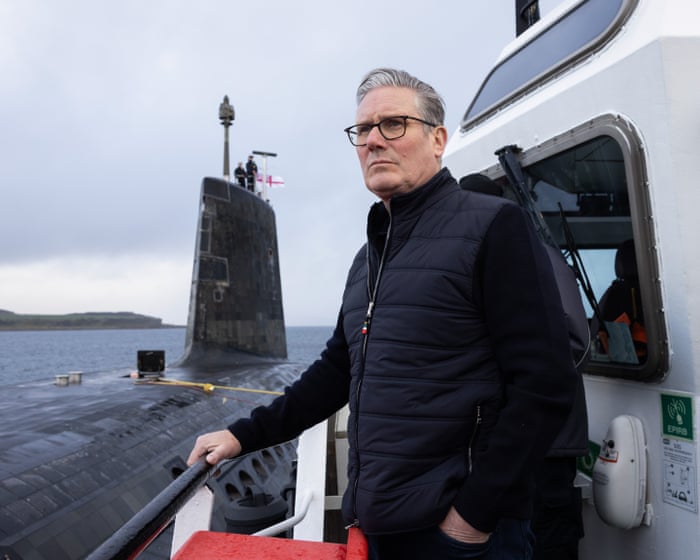
A UK parliamentary committee criticized delays in the government’s defence investment plan, saying these postponements harm the country's credibility with allies and weaken military readiness. The plan is now expected before a Nato summit in early July, while the Ministry of Defence faces challenges including all five hunter-killer submarines being out of service for maintenance.
Key Facts
The UK defence investment plan (Dip) was originally due in autumn 2025 but has been repeatedly delayed.
The public accounts committee (PAC) says the delay damages UK credibility with allies and harms national security.
The Defence Ministry says it is increasing defence spending by £270 billion in this parliament.
The Dip aims to fix an outdated and underfunded defence programme.
The Royal Navy’s five Astute-class hunter-killer submarines are all currently out of service for maintenance.
A submarine maintenance recovery plan is being developed to prevent future downtime and improve readiness.
The UK Prime Minister, Keir Starmer, has promised the plan will be published before the Nato summit in Turkey starting 7 July.
The Ministry of Defence reports focusing on sustaining submarine capability and providing needed resources for future operations.
Read the Original
Want the full story? Tap a source to open the original
article.
Iran’s ambassador to Mexico said the United States denied visas to 15 members of Iran’s delegation for the 2026 World Cup. The ambassador asked FIFA, the organization that runs the World Cup, to help make sure Iran can fully take part in the tournament.
Key Facts
Iran’s ambassador to Mexico is Abolfazl Pasandideh.
The US reportedly denied visas to 15 members of Iran’s World Cup delegation.
The denial affects Iran’s participation in the 2026 World Cup.
Iran wants FIFA to intervene and assist with the visa issue.
FIFA is responsible for organizing the World Cup.
The 2026 World Cup will be held in the United States and other countries.
Visa denial means those members cannot legally enter the US.
Iran’s ambassador publicly raised concerns about this problem.
Read the Original
Want the full story? Tap a source to open the original
article.
The Iran war has seen 39 days of fighting and 61 days of ceasefire in its first 100 days, with ongoing military actions including a U.S. naval blockade of Iranian ports. The conflict has caused a major rise in global oil prices due to disruptions in supply, especially from the closure of the Strait of Hormuz, a key route for oil shipments.
Key Facts
Fighting between the U.S. and Israel against Iran and its allies lasted 39 days from February 28 to April 7.
Since then, there have been 61 days of relative peace, but no full ceasefire.
The U.S. has maintained a naval blockade on Iranian ports for 56 days, including the strategic Strait of Hormuz.
The closure of the Strait of Hormuz cut about 25% of the world’s crude oil supply and 20% of liquefied natural gas.
This caused gasoline prices in the U.S. to rise to an average of $4.35 per gallon in May, close to past record levels.
U.S. consumers have paid an estimated extra $54.9 billion in fuel costs since the war began.
The U.S. government used its emergency oil reserve to help stabilize fuel prices temporarily.
Iran’s oil exports fell from about 2 million barrels per day to under 300,000 barrels due to U.S. naval actions.
Read the Original
Want the full story? Tap a source to open the original
article.
The article reports that the United States and Israel began a full war against Iran on February 28, aiming to stop Iran's nuclear program and weaken its military power. After 100 days, major Iranian military and nuclear sites have been destroyed, Iran’s supreme leader has been killed, and the regime is greatly weakened.
Key Facts
On February 28, the U.S. and Israel started a direct war with Iran.
Iran’s ballistic missile program and navy have been largely destroyed.
Key nuclear facilities at Fordow, Natanz, and Isfahan were bombed and damaged.
Iran’s supreme leader, Ali Khamenei, was killed on the first day of the war.
Many senior Iranian officials and commanders of the Islamic Revolutionary Guard Corps (IRGC) have died.
Iran’s economy has suffered about $270 billion in damage.
Iranian currency value has dropped sharply.
The Iranian people reportedly celebrated Khamenei’s death in Tehran.
Read the Original
Want the full story? Tap a source to open the original
article.
More than one million people gathered in Madrid to attend an open-air mass led by Pope Leo XIV during his official visit to Spain. The event included a large security presence and was part of a trip where the Pope praised Spain's support for migrants and peace, and planned meetings with political leaders and abuse victims.
Key Facts
Over 1.2 million people attended Pope Leo XIV’s open-air mass in Madrid.
The mass took place at Plaza de Cibeles during the second day of the Pope’s visit to Spain.
King Felipe VI and Queen Letizia were present at the mass.
The Pope praised Spain for opposing global conflicts and supporting migrants.
A security operation was set up by authorities to manage the event and the procession.
Around 500,000 young people joined a prayer vigil near Real Madrid’s stadium the night before.
This is the first papal visit to Spain in roughly 15 years.
The Pope will address the Spanish parliament and meet victims of sexual abuse within the Catholic Church before visiting the Canary Islands with Prime Minister Pedro Sanchez.
Read the Original
Want the full story? Tap a source to open the original
article.
It has been 100 days since the United States and Israel launched attacks on Iran aimed at changing its government. A fragile ceasefire is in place but often broken, and the Strait of Hormuz remains closed. Both sides have suffered losses, and peace has not yet been achieved.
Key Facts
The US and Israel targeted Iran to stop its nuclear program and weaken its military.
Iran aims to keep its current government and survive despite the conflict.
Over 3,400 Iranians have died, including senior leaders, and Iran’s missile and drone attacks have dropped 90%.
The Strait of Hormuz, an important oil shipping route, remains closed by Iran, affecting global energy supplies.
The US tried to get NATO and other allies to help reopen the strait, but they declined.
Iran has attacked US bases and Gulf states, showing limits to US protection in the region.
Russia and China support Iran diplomatically, framing the conflict as part of a larger global power struggle.
The Iranian government remains stable and continues negotiations despite the ongoing conflict.
Read the Original
Want the full story? Tap a source to open the original
article.
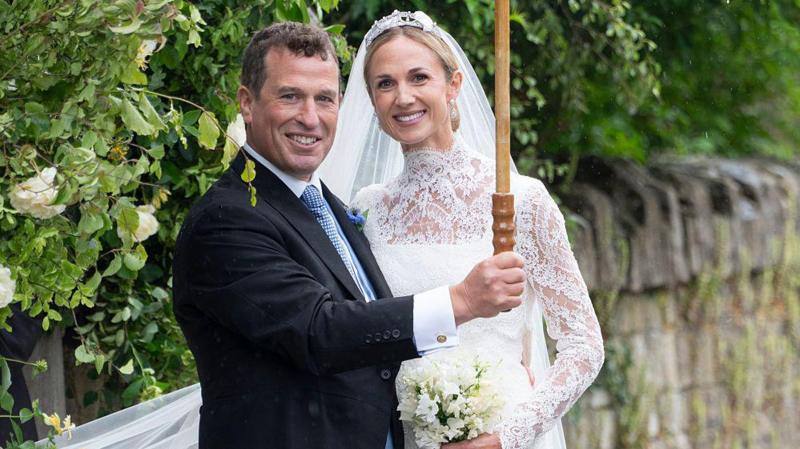
Peter Phillips, nephew of King Charles and son of Princess Anne, married Harriet Sperling, an NHS nurse, in a private ceremony in Gloucestershire. Their wedding followed their engagement announcement in August 2025 and public appearances at royal events over the past two years.
Key Facts
Peter Phillips is King Charles's nephew and Princess Anne's son.
Harriet Sperling is an NHS pediatric nurse and freelance writer.
The couple announced their engagement in August 2025.
They first met in 2024 at a sporting event attended by their daughters.
They attended several royal events together before their wedding, including Royal Ascot and Prince William's charity polo matches.
Harriet Sperling has a teenage daughter and has written about her experience as a single mother.
Peter Phillips has two daughters from a previous marriage.
The wedding took place at All Saints Church in Kemble, Gloucestershire, with royal family members attending.
Read the Original
Want the full story? Tap a source to open the original
article.
Pakistan’s Interior Minister Mohsin Naqvi visited Iran to deliver a special letter from Pakistani leaders to Iran’s Supreme Leader Mojtaba Khamenei amid ongoing conflict between Iran, the United States, and Israel. The visit took place during continued tensions in the Gulf, where military clashes and diplomatic talks to end the war remain unresolved.
Key Facts
Mohsin Naqvi, Pakistan’s Interior Minister, traveled to Tehran with a special letter for Iran’s Supreme Leader.
Naqvi met Iran’s Interior Minister Eskandar Momeni to discuss regional developments and security.
The United States and Iran have been in conflict for 100 days, involving drone and missile attacks near the Strait of Hormuz.
The US shot down Iranian drones and missiles targeting Gulf countries like Kuwait and Bahrain.
US forces responded by striking Iranian radar sites to prevent further maritime attacks.
Gulf countries, including Bahrain and Kuwait, condemned the Iranian attacks and called them serious escalations.
Negotiations to end the conflict are ongoing but currently at a standstill, with issues like frozen Iranian assets and sanctions blocking progress.
President Donald Trump has alternated between military threats and hope for a diplomatic deal soon.
Read the Original
Want the full story? Tap a source to open the original
article.
Country singer Shania Twain performed a surprise intimate show at the Shacklewell Arms pub in east London to promote her upcoming album, Little Miss Twain. The event recreated the small stage feel of her early career, and fans enjoyed close-up versions of her popular songs.
Key Facts
Shania Twain held a special concert at a small London pub called the Shacklewell Arms.
About 200 people attended, many dressed in country-style clothing like cowboy hats and denim.
The pub was decorated like an old saloon, and fans came from all over the UK.
Twain performed new songs from her upcoming album, Little Miss Twain, releasing on July 24.
She shared stories about her early career and how some songs were created.
The concert was a warm-up before her performance at Wembley Stadium with Harry Styles.
Twain’s music crosses country and pop genres, attracting a wide range of fans.
The event highlighted Twain’s return to performing in small venues like when she first started singing as a child.
Read the Original
Want the full story? Tap a source to open the original
article.
Israeli soldiers shot at a car in the West Bank near Hebron, killing a 7-month-old Palestinian baby and injuring his parents. The Israeli military said the soldiers thought the car was moving quickly toward them, and an initial investigation found the people wounded were not involved in any attacks.
Key Facts
The incident happened in the occupied West Bank near the city of Hebron.
A 7-month-old Palestinian baby was killed by a bullet to the face.
The baby's parents were wounded in the same shooting.
The Palestinian health ministry reported the details of the shooting.
Israeli soldiers said they shot at the vehicle because they thought it was speeding toward them.
An initial Israeli inquiry said the wounded Palestinians were innocent civilians.
The event is part of ongoing tensions in the West Bank area involving Israeli military operations.
Read the Original
Want the full story? Tap a source to open the original
article.
Dubai’s luxury hotels are now mostly serving local residents rather than tourists. This change happened because fewer tourists are coming due to war in the region, so hotels offer special deals to attract people living in Dubai.
Key Facts
Dubai’s top luxury hotels used to host mostly wealthy tourists from other countries.
Due to ongoing war in the Middle East, fewer tourists are visiting Dubai.
Now, these hotels depend mainly on local residents for business.
Hotels offer strong discounts and staycation deals to attract residents.
Popular locations like the Palm island remain busy on weekends and holidays.
The shift helps hotels maintain visitors despite the drop in international tourism.
The article connects the tourism slump to regional conflicts affecting travel.
Read the Original
Want the full story? Tap a source to open the original
article.
Peru is holding a presidential runoff election to choose its ninth president in 10 years. The two candidates are conservative Keiko Fujimori and leftist Roberto Sanchez, both trying to gain support from voters concerned about political instability and rising crime.
Key Facts
Peru has had nine presidents in the past 10 years.
The election is a close runoff between Keiko Fujimori and Roberto Sanchez.
Keiko Fujimori is running for president for the fourth time.
Keiko Fujimori is the daughter of former president Alberto Fujimori.
Voters are worried about ongoing political chaos in the country.
Rising crime is a major issue for Peruvian voters.
The election takes place in 2026.
Read the Original
Want the full story? Tap a source to open the original
article.
More than one million people gathered in Madrid to attend a Mass and procession led by Pope Leo XIV, marking the first papal visit to Spain in 15 years. The event featured traditional flower carpets and happened on the Catholic feast day of Corpus Christi, highlighting Spain’s religious customs and the pope’s message to encourage young people’s faith.
Key Facts
Pope Leo XIV visited Madrid, Spain, for a weeklong trip, starting Saturday.
Over 1.2 million people attended the main Mass and procession held at Plaza Cibeles and nearby streets.
The celebration coincided with Corpus Christi, a Catholic feast involving processions with the Eucharist.
Flower carpets made from more than 30,000 flowers decorated the procession route, a tradition lasting about 200 years.
About 600,000 young people participated in a vigil with the pope the night before the Mass.
Pope Leo XIV encouraged young people to consider religious vocations during the visit.
The flower carpet tradition in Spain is similar to practices in Latin America and Poland; Spain seeks UNESCO recognition for its tradition.
Religious processions remain popular in Spain, attracting both believers and tourists.
Read the Original
Want the full story? Tap a source to open the original
article.