At least 30 people died when a large pile of trash collapsed at the biggest landfill in Conakry, the capital of Guinea. The landslide happened early Sunday morning after heavy rain and buried nearby homes, with several others seriously hurt.
Key Facts
The landfill collapse occurred in the Dar-es-Salam neighborhood of Conakry around 3 a.m. local time.
At least 30 people were killed, and 6 were seriously injured.
The trash pile collapsed due to heavy rains causing a landslide.
Nearby shacks were buried under the trash from the collapse.
The landfill was scheduled to close on the same day as the accident.
Authorities had ordered people near the landfill to leave and implemented safety measures before the incident.
Officials, including Guinea’s minister for territorial administration, visited the site and are conducting search and rescue operations.
The full number of casualties is still being determined as rescue efforts continue.
Read the Original
Want the full story? Tap a source to open the original
article.
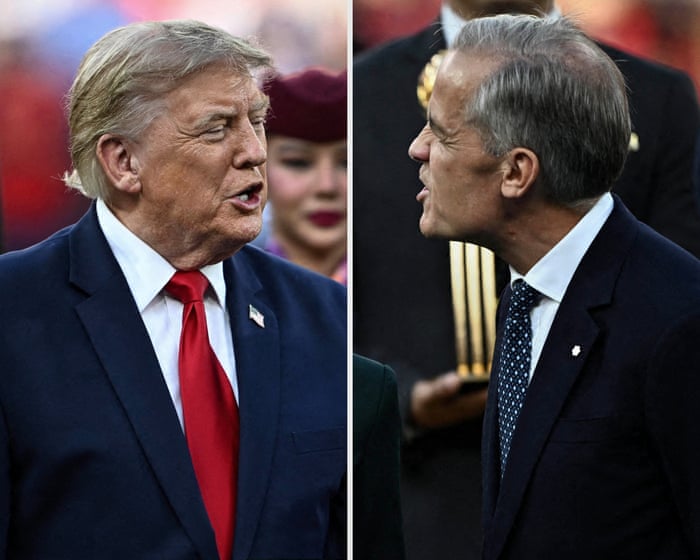
Trade talks between Canada and the United States collapsed, leading to a trade war with the US imposing tariffs on Canadian goods. Canada rejected US demands that it said would harm its control over domestic policies, and both sides have warned of ongoing tensions and economic impacts.
Key Facts
The US imposed 50% tariffs on $20 billion worth of Canadian goods after trade talks failed.
Canadian Prime Minister Mark Carney said Canada rejected last-minute US demands to protect its sovereignty.
President Trump said Canada unfairly discriminated against US businesses, citing bans on US alcohol sales in many provinces and territories.
Early talks included discussions about lowering tariffs on steel, aluminum, and cars in exchange for Canada allowing US alcohol sales again.
Some Canadian officials and provinces opposed giving in to US demands, encouraging resistance to tariffs.
Canada’s former chief trade negotiator warned that making concessions now could cause more US demands later.
Talks ended abruptly, with Canadian negotiators returning home and no new meetings planned.
Both sides criticized each other publicly after the talks failed, with President Trump accusing Canada of wanting US benefits without obligations.
Read the Original
Want the full story? Tap a source to open the original
article.
Ukraine held a National Flag Day ceremony during its ongoing war with Russia. People raised the flag, remembered those who died, sang songs, and heard speeches, including one from President Volodymyr Zelenskyy in Kyiv.
Key Facts
Ukraine is in its fifth year of war against Russia.
National Flag Day is celebrated on August 23 each year.
The holiday was created in 2004, one day before Ukraine’s Independence Day.
Citizens raised the Ukrainian flag and observed a moment of silence for war victims.
A military orchestra performed patriotic and folk songs during the event.
President Zelenskyy spoke to military members, emphasizing the flag’s importance.
The flag represents the values and sacrifices of Ukrainian soldiers defending the country.
Read the Original
Want the full story? Tap a source to open the original
article.
At least 22 people died when a large pile of garbage collapsed early Sunday in Conakry, the capital of Guinea. Heavy rain caused the garbage landslide, which buried nearby makeshift homes.
Key Facts
The landslide happened at Dar Es Salam, the largest landfill in Conakry, Guinea.
The event occurred early Sunday, around 3 a.m. during heavy rain.
At least 22 people were killed in the garbage collapse.
The landslide buried nearby shacks where people lived.
The landfill was scheduled to be closed on the same day the landslide happened.
The information comes from Guinea’s civil protection service and a military sanitation officer.
Read the Original
Want the full story? Tap a source to open the original
article.
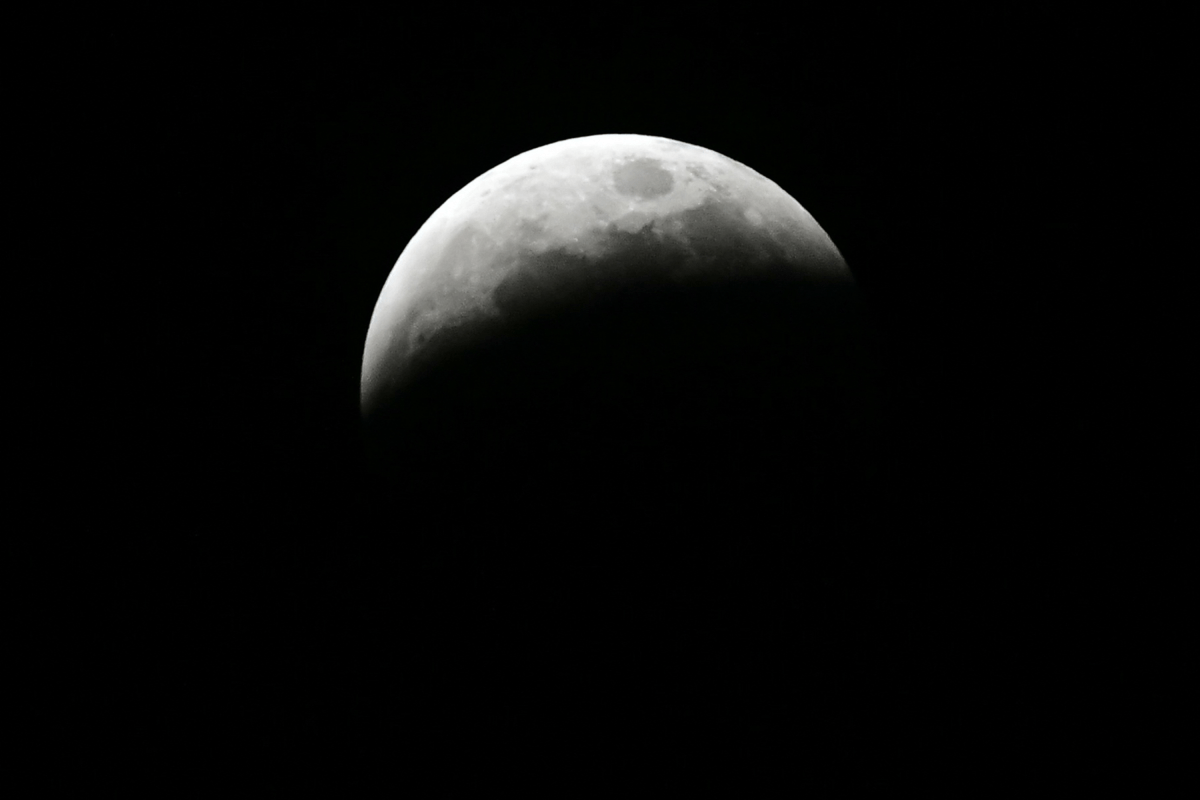
A rare deep partial lunar eclipse will cover over 96% of the moon on the night of August 27-28, 2024. People across much of the United States and other parts of the world will be able to see the Earth's shadow move across the moon, creating a reddish glow in the shadowed area.
Key Facts
The eclipse will peak at 4:13 a.m. UTC on August 28, visible in evening or nighttime hours across North America.
About 96.3% of the moon will be covered by Earth's dark central shadow, called the umbra.
This eclipse is part of Saros 138, a series of lunar eclipses occurring every 18 years, 11 days, and 8 hours.
The last eclipse in this series was in 2008, and the next will be in 2044.
During the eclipse, the moon's shadowed part may turn shades of red, orange, or copper due to sunlight filtering through Earth’s atmosphere.
Unlike solar eclipses, lunar eclipses are safe to watch without glasses or special equipment.
Best viewing spots in the U.S. include cities like Los Angeles, Portland, New York, and Jacksonville.
Clear, dark skies free from city lights will improve viewing quality.
Read the Original
Want the full story? Tap a source to open the original
article.
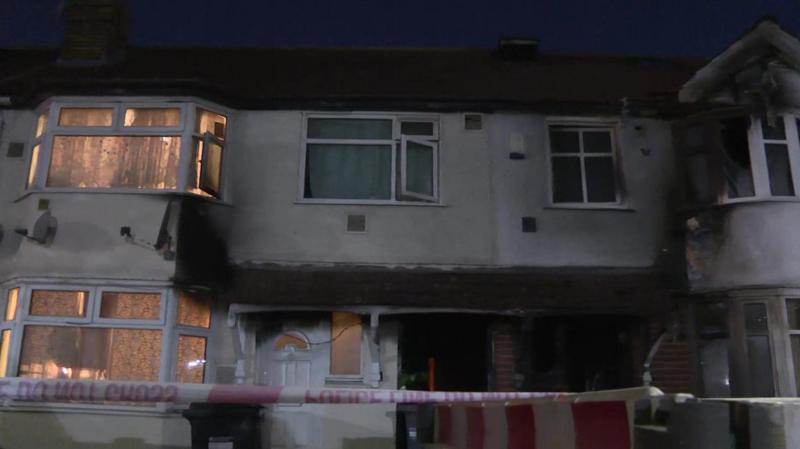
A 34-year-old man was arrested after a deadly fire in a house in Hounslow, west London, that killed a 48-year-old woman and injured eight others. The man was caught by Kent Police while traveling by train to France and is now in custody as police continue their investigation.
Key Facts
The fire happened early Wednesday morning at a home on Berkeley Avenue, Hounslow, west London.
A 48-year-old woman died in the hospital due to the fire.
Eight other people were injured; seven have been released after treatment, but one 40-year-old woman remains in critical condition.
Police arrested a 34-year-old man on suspicion of murder on Sunday.
The arrest was made while the man was traveling to France by train.
The Metropolitan Police and Kent Police are leading the investigation.
Officers are still investigating the cause of the fire and gathering information.
The injured people include six men and two women.
Read the Original
Want the full story? Tap a source to open the original
article.
French President Emmanuel Macron will host Saudi Crown Prince Mohammed bin Salman in Paris for a two-day visit. Their talks will focus on regional security, economic cooperation, and new agreements in health, transport, and energy.
Key Facts
The visit starts Sunday evening at the closing ceremony of the Esports World Cup held in Paris.
This is the first time the Esports World Cup is held outside Saudi Arabia.
On Monday, Macron and the crown prince will hold meetings and a business forum to discuss cooperation in the Gulf region.
Topics include energy routes bypassing the Strait of Hormuz, the Iran conflict, Gaza-Israel situation, and developments in Lebanon and Syria.
Several agreements on health, transport, and energy are planned to be signed.
This is Prince Mohammed’s third visit to Paris and follows the creation of the Saudi-French Strategic Partnership Council in December 2024.
Saudi Arabia recently signed the Mecca Joint Defence Agreement with Turkey and Pakistan, committing to mutual defense against attacks.
Saudi Arabia is working to diversify its security ties beyond the United States and is a growing investor in France.
Read the Original
Want the full story? Tap a source to open the original
article.
Matt Wright, a 48-year-old man from the U.K., suffered a stroke after ignoring several warning symptoms for two weeks, including dizziness, fatigue, and headache. After the stroke, he spent a month in the hospital and continues to face serious health challenges related to nerve damage and mobility.
Key Facts
Matt Wright experienced dizziness, fatigue, neck and ear pain, and a severe headache before his stroke.
On the night of the stroke, he could not speak or walk, and his wife called for emergency help.
Medical scans showed blood clots in his brain caused by tears in two carotid arteries.
He spent a month in the hospital and now has ongoing problems with balance, speech, swallowing, and nerve pain.
Wright had to change his lifestyle, including diet and home setup, and uses a walking stick for short distances.
He shares his recovery journey on social media to raise awareness about stroke warning signs.
The American Stroke Association uses the acronym B.E. F.A.S.T. to help people recognize common stroke symptoms.
Strokes can happen at any age and often have warning signs that look like everyday issues.
Read the Original
Want the full story? Tap a source to open the original
article.
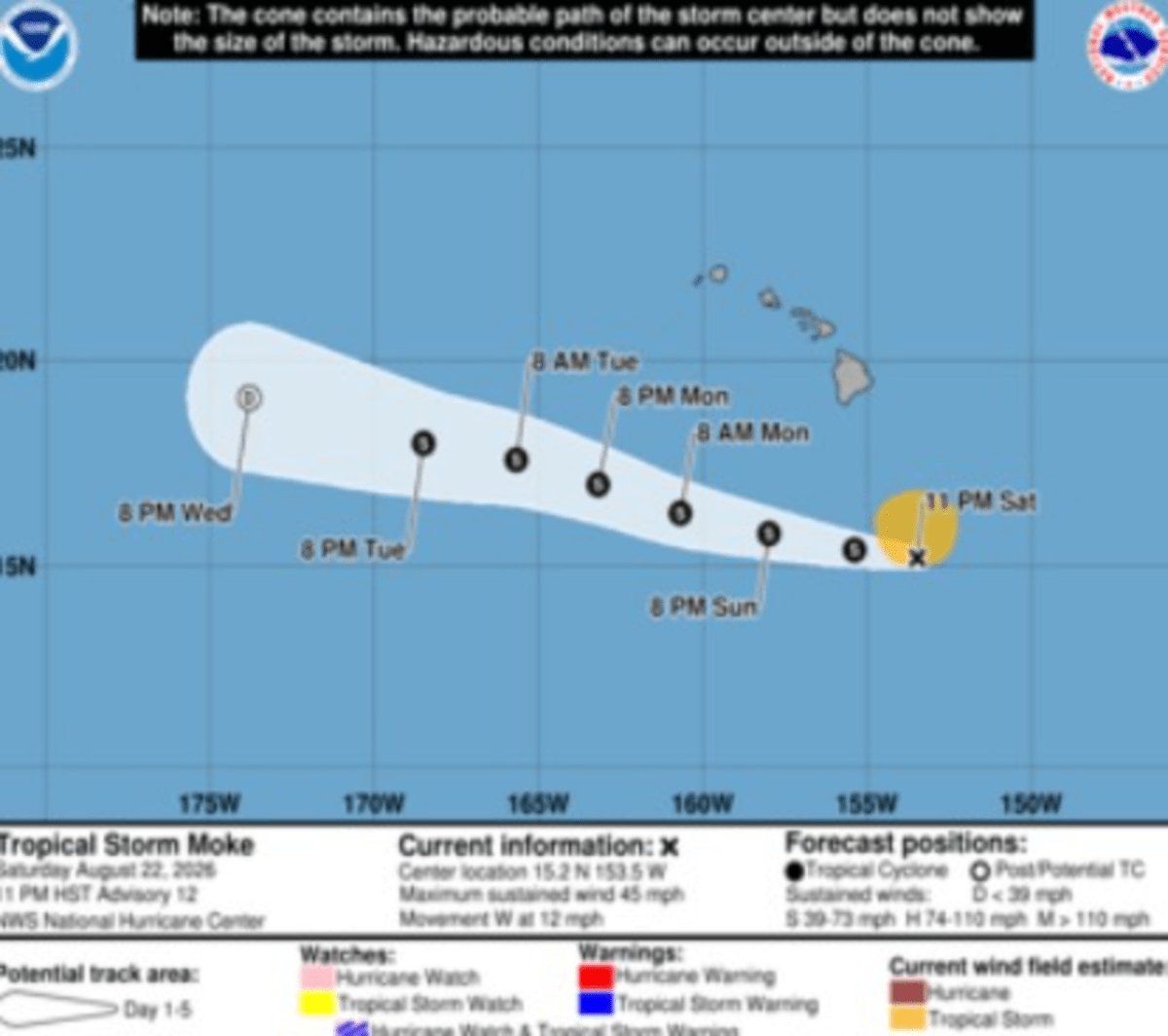
Tropical Storm Moke moved near Hawaii’s Big Island on Sunday, bringing heavy rain shortly after Hurricane Lala caused severe damage. The storm threatened more flooding and mudslides in areas already hit hard by the previous hurricane.
Key Facts
Tropical Storm Moke was about 310 miles south of Hilo, Hawaii, with winds near 45 mph.
Moke was expected to drop up to 10 inches of rain across the Big Island, with isolated spots possibly getting 15 inches.
The rain could cause dangerous flooding and mudslides, especially in steep areas damaged by Hurricane Lala.
Hurricane Lala caused two deaths, knocked down trees and power lines, and damaged roads and bridges.
More than 6,700 customers, mostly on the Big Island, were still without electricity on Sunday.
Eastern Maui could receive up to 6 inches of rain, with smaller amounts expected on other islands.
Hawaii officials urged residents to prepare with supplies like food and medicine.
No coastal watches or warnings were in effect, but people were advised to watch the storm’s progress closely.
Read the Original
Want the full story? Tap a source to open the original
article.
Families in Gaza are looking for children and relatives who went missing during the war. They often only have the last place their loved ones were seen and are asking groups like the International Committee of the Red Cross (ICRC) and other international agencies for help.
Key Facts
Many families in Gaza have missing children and relatives due to the war.
Records and information about the missing are often destroyed or incomplete.
Families rely on the last known location of their loved ones to guide their search.
They are appealing to the ICRC for assistance in finding the missing people.
Other international agencies are also being asked to help with this effort.
The ongoing conflict has made it very difficult to track and find missing individuals.
Al Jazeera reporter Hani Mahmoud provided this report from Gaza City.
Read the Original
Want the full story? Tap a source to open the original
article.
Iran's president supports a deal with the United States as the best way to end ongoing conflict and improve the economy, despite stalled talks. Iran's top security official warned neighboring countries not to join U.S. efforts to impose more sanctions, threatening forceful retaliation. Meanwhile, Pakistan’s army chief is visiting Tehran to help reduce tensions.
Key Facts
Iran and the U.S. signed a memorandum of understanding aimed at ending conflict and restarting nuclear talks, but no progress has been made.
Iran’s president says the deal does not represent surrender and is necessary to attract foreign investment.
Iran’s economy is struggling due to sanctions and a U.S. naval blockade.
Iran’s Supreme National Security Council head warned neighbors against supporting U.S. sanctions and threatened to retaliate by targeting oil shipping routes.
The U.S. plans to announce new economic measures against Iran soon.
Pakistan’s army chief is visiting Tehran to help mediate between the U.S. and Iran.
Violence continues in the region, with attacks reported in the Israeli-occupied West Bank and an Israeli airstrike killing a child in Gaza.
Iran executed a man connected to January protests, reported by Iran’s judiciary news agency.
Read the Original
Want the full story? Tap a source to open the original
article.
The Iranian government is preparing to raise fuel prices to help support its struggling economy amid ongoing U.S. sanctions and conflict. Fuel prices in Iran are heavily subsidized, but these subsidies are now a financial burden as fuel consumption exceeds production.
Key Facts
Iran plans to increase fuel prices soon due to economic difficulties.
The U.S. has imposed sanctions and a blockade on Iranian seaports, affecting Iran’s economy.
Iran’s population is about 93 million people.
Fuel prices in Iran are currently much lower than in most countries because of government subsidies.
Iran’s fuel subsidies cost the government a lot, as Iranians consume 135 million liters daily while production is about 121 million liters.
The government restricts how much subsidized fuel people can buy each month using fuel cards and quotas.
The Iranian rial recently fell to a new low against the U.S. dollar amid tension with the U.S.
Authorities are cautious because raising fuel prices has caused protests in the past.
Read the Original
Want the full story? Tap a source to open the original
article.
Hawaii is facing dangerous flooding and mudslides due to Tropical Storm Moke, which brings heavy rain and strong winds. The storm follows recent damage from Tropical Storm Lala, which caused flooding, power outages, and destruction across the islands.
Key Facts
Tropical Storm Moke hit Hawaii with winds around 45 mph and heavy rain expected to bring 5 to 10 inches, up to 15 inches in some areas.
The National Hurricane Center warned of life-threatening flooding and mudslides, especially on the Big Island’s windward and southeast sides.
Tropical Storm Lala, earlier this month, caused major damage including flooding over 3.5 feet and knocked out power to over 100,000 people.
Lala damaged or destroyed about 100 homes and six bridges in Hawaii.
Recovery efforts are ongoing, and officials warn even moderate rain from Moke could cause new problems due to already saturated ground.
Hawaii has rarely been hit directly by hurricanes because of typically cooler ocean temperatures, but warmer waters this year from an El Niño pattern increase storm risks.
No hurricanes have formed so far in the 2026 Pacific hurricane season despite a few other named storms appearing.
Local officials urge residents to prepare for impacts from Moke and remain cautious.
Read the Original
Want the full story? Tap a source to open the original
article.
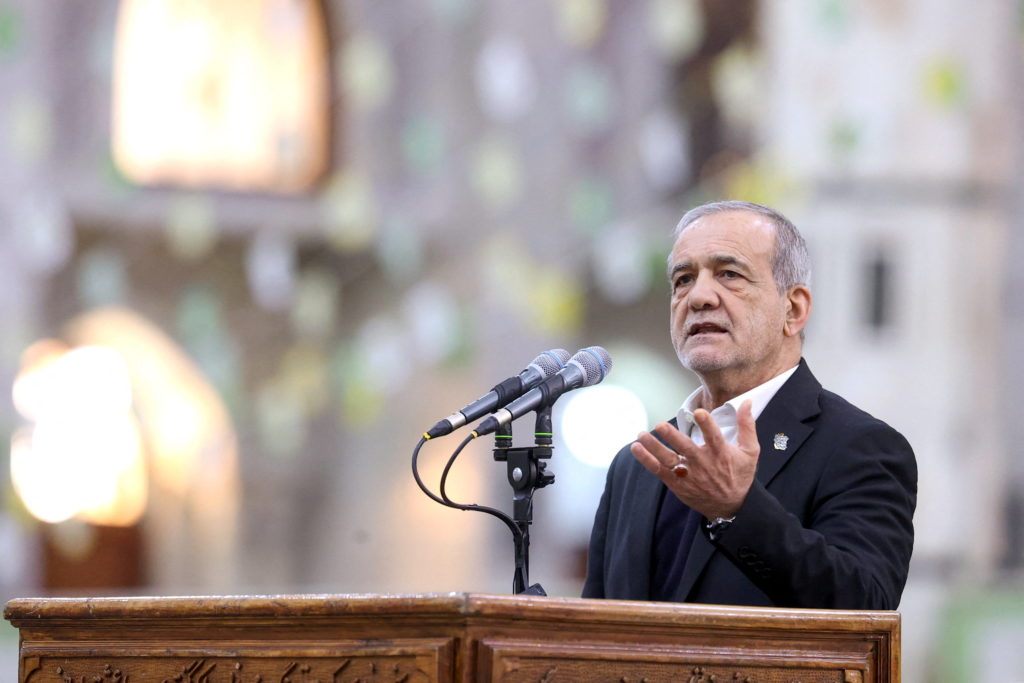
Iranian President Masoud Pezeshkian says that despite facing economic, military, and security challenges, Iran has remained strong and has not become like Venezuela. He refers to these challenges as a full-scale war against Iran.
Key Facts
President Masoud Pezeshkian of Iran spoke about the country’s challenges.
He described the difficulties as economic, military, and security threats.
He said these challenges amount to a full-scale war against Iran.
Pezeshkian stated Iran has stayed strong and stable.
He compared Iran’s situation to Venezuela and said Iran has not become like Venezuela.
The statement highlights Iran’s resilience amid ongoing pressures.
Read the Original
Want the full story? Tap a source to open the original
article.
Emergency officials in Oregon and other states are warning drone users to avoid flying near wildfires. Unauthorized drones can disrupt firefighting efforts by forcing aircraft to pause their work, which can allow fires to spread more. Violators may face heavy fines, prison time, and loss of their drone privileges.
Key Facts
Oregon is experiencing its worst wildfire season on record.
The Oregon Department of Aviation and Emergency Management have declared active wildfire zones as no-drone areas.
Drones flying near fires can force firefighting aircraft to stop missions temporarily, delaying efforts to control fires.
Delays in firefighting due to drones can cause fires to spread more and increase danger to people and property.
Penalties for flying drones near wildfires include fines up to $75,000, up to 12 months in federal prison, equipment confiscation, and losing pilot certificates.
The Federal Aviation Administration (FAA) sets Temporary Flight Restrictions (TFRs) around wildfire areas to keep unauthorized aircraft out.
The U.S. Forest Service has reported drone incidents near wildfires in at least eight states, leading to firefighting operations being shut down multiple times.
Recent drone interference has also occurred during fires in Utah and other states.
Read the Original
Want the full story? Tap a source to open the original
article.
Scientists warn that Australia's marine parks mainly protect remote ocean areas where few people go, leaving coastal waters vulnerable. They urge the government to increase protection of diverse and important marine ecosystems near the mainland to better preserve species and habitats.
Key Facts
Over 270 marine scientists from 84 institutes urged Australia's environment minister for stronger marine protections.
Australia’s oceans have diverse ecosystems, including tropical reefs, Antarctic shores, and six UNESCO world heritage sites.
About 25% of Australian waters are highly protected, but mostly in remote offshore areas, not near the coast.
Scientists want at least 30% of every marine region protected, banning damaging fishing and mining activities.
Some coastal areas near New South Wales, Queensland, Western Australia, and the Northern Territory have less than 7% protection.
Marine ecosystems face threats from climate change, fishing, industry, and urban growth.
The government plans to expand marine parks to meet its goal of protecting 30% of oceans by 2030, potentially finishing early.
Experts say current protected zones do not represent the full variety of marine life across different regions.
Read the Original
Want the full story? Tap a source to open the original
article.
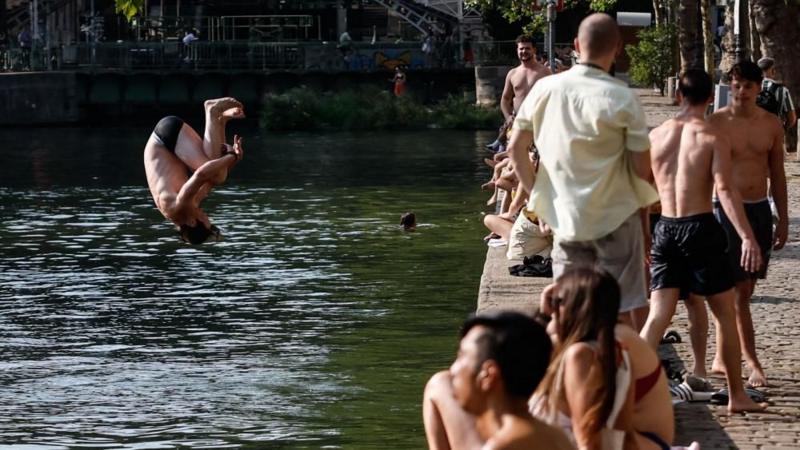
France has reported 301 drownings since June 19, which is 14% more than last year. The increase is linked to ongoing heatwaves that have caused people to swim in unsafe areas like canals and private pools.
Key Facts
Since June 19, 301 people have drowned in France, up 14% from 2025.
Heatwaves in France, Spain, and Italy have also caused large wildfires.
Many drownings happened in places not meant or supervised for swimming, such as canals.
Some deaths occurred in private pools, often involving older people who may suffer shock from cold water.
The government is working with local authorities to improve safety at swimming spots.
A sports and youth minister warned people about the dangers of swimming in rivers and canals without caution.
Europe is warming faster than the global average due to climate change.
Read the Original
Want the full story? Tap a source to open the original
article.
High-ranking officials from Israel and Syria met to reduce tensions following an Israeli airstrike on a Syrian airbase. The meeting aimed to ease conflict between the two countries after the recent military action.
Key Facts
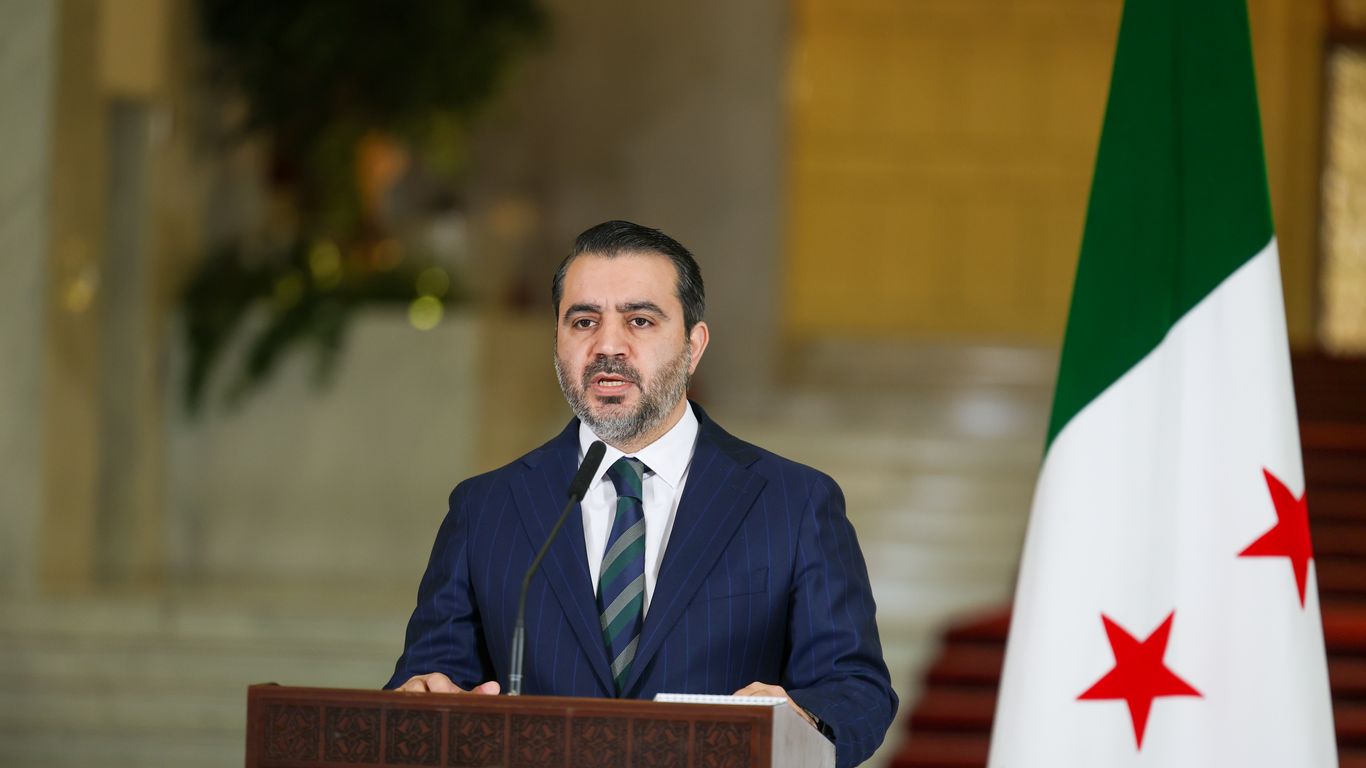
Syrian Foreign Minister Asaad al-Shaibani met with Roman Gofman, the head of Israel's Mossad intelligence agency.
The meeting happened shortly after an Israeli attack on a Syrian airbase.
The airstrike had increased tensions between Syria and Israel.
Israeli Prime Minister's office chose not to comment on the meeting.
Syrian officials did not immediately reply to requests for comment.
The talks focused on calming the situation between the two nations.
The meeting is a rare direct contact between Israeli and Syrian officials in recent times.
Read the Original
Want the full story? Tap a source to open the original
article.
There are no ads, so there is no reason to bait you. Readers who chip in keep it that way. Most choose $3.99/month, and get the daily digest every morning.
Some places might keep daylight saving time all year, making sunsets happen later in winter, possibly after 7 p.m. This change would affect how much daylight people get during the day in winter months.
Key Facts
Permanent daylight saving means clocks stay one hour ahead year-round.
This would delay sunsets, so it gets dark later in the evening.
During winter, sunsets could occur after 7 p.m. instead of earlier.
More daylight in the evening may affect people's daily routines.
Mornings in winter would start darker and later.
The change aims to give people more daylight in the hours after work or school.
Different regions might decide whether to keep daylight saving time permanently.
The shift affects how society schedules activities and how much natural light people see.
Read the Original
Want the full story? Tap a source to open the original
article.
About 10,000 people gathered in Stockholm to demand stronger climate action just weeks before Sweden’s general election. Climate activist Greta Thunberg joined the protest, criticizing the current government for weakening policies that aim to reduce emissions.
Key Facts
The protest took place in Stockholm, Sweden, on August 23, 2026.
Around 10,000 people participated in the rally.
The demonstration was organized by various groups including youth, sports, unions, and environmental organizations.
Greta Thunberg criticized all political parties for not matching climate science requirements to avoid disaster.
Sweden aims to cut CO2 emissions from transport by 70% by 2030 and reach net-zero emissions by 2045.
Since 2022, Prime Minister Ulf Kristersson’s government lowered petrol taxes and lessened rules for using low-carbon fuels.
The government rejected proposals to meet 2030 targets that included higher taxes on petrol and diesel.
A recent poll showed 37% of voters consider climate change a top election issue.
Read the Original
Want the full story? Tap a source to open the original
article.