Neutral summaries of your favorite news sources — just the facts.
Your favorite news sources, one neutral feed — we distill their reporting into fact-first
summaries and always link to the original story. How it works
World News
Comprehensive coverage of international news and global events
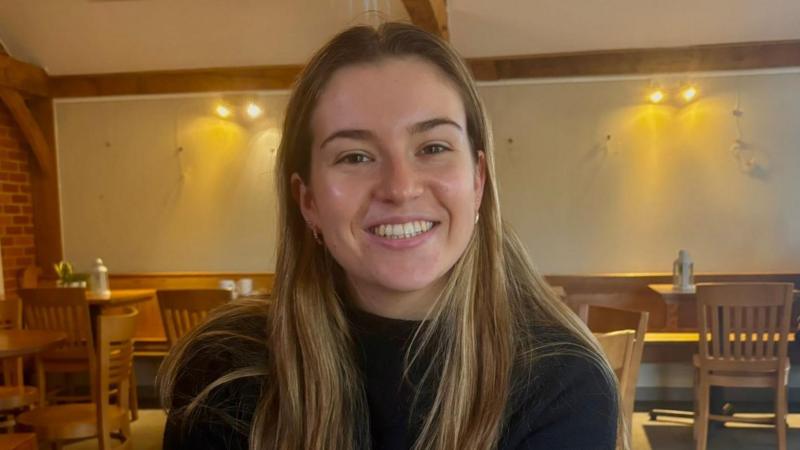
A UK charity has found that simple heart checks can identify young women at risk of sudden cardiac death (SCD), even if they seem healthy. From nearly 40,000 women screened, 175 had undiagnosed heart problems, with 94 at high risk of their heart stopping suddenly.
Key Facts
The charity CRY runs voluntary heart screening for people aged 14 to 35 in the UK.
Out of almost 40,000 young women screened, 175 had previously unknown heart issues.
94 women were found to be at high risk of sudden cardiac death.
Sudden cardiac death can happen without warning and affects around 12 young people under 35 weekly in the UK.
Simple tests like ECGs (heart rhythm recordings) can sometimes miss cases; in this study, 92 issues were overlooked.
Some heart problems leading to SCD are inherited and family members can get free NHS checks.
Kaitlin Lawrence, 24, collapsed during a netball game due to a heart rhythm problem and now has a defibrillator implanted.
The UK National Screening Committee is considering wider heart checks for people aged over 14.
Read the Original
Want the full story? Tap a source to open the original
article.
About 500 far-right activists and politicians gathered in Portugal for a summit focused on “remigration,” which means sending migrants back to their home countries. The event highlighted how the idea, once mostly used by extremists, is gaining attention partly due to President Donald Trump’s speeches and U.S. immigration policy changes.
Key Facts
The summit took place in the coastal city of Figueira da Foz, Portugal.
"Remigration" refers to plans to remove migrants and send them to their countries of origin.
Attendees included far-right European parties like Germany's AfD and Spain's Vox, plus American activists.
Gregory Bovino, a former U.S. Border Patrol commander who worked during President Trump’s term, was present.
President Trump used the term "remigration" in a September 2024 social media post about immigration policy.
Trump also criticized European migration policies during a 2025 speech at the United Nations.
The U.S. State Department proposed creating an “Office of Remigration” to manage migrant returns.
The summit restricted media access but allowed invited influencers, signaling sensitivity about coverage.
Read the Original
Want the full story? Tap a source to open the original
article.
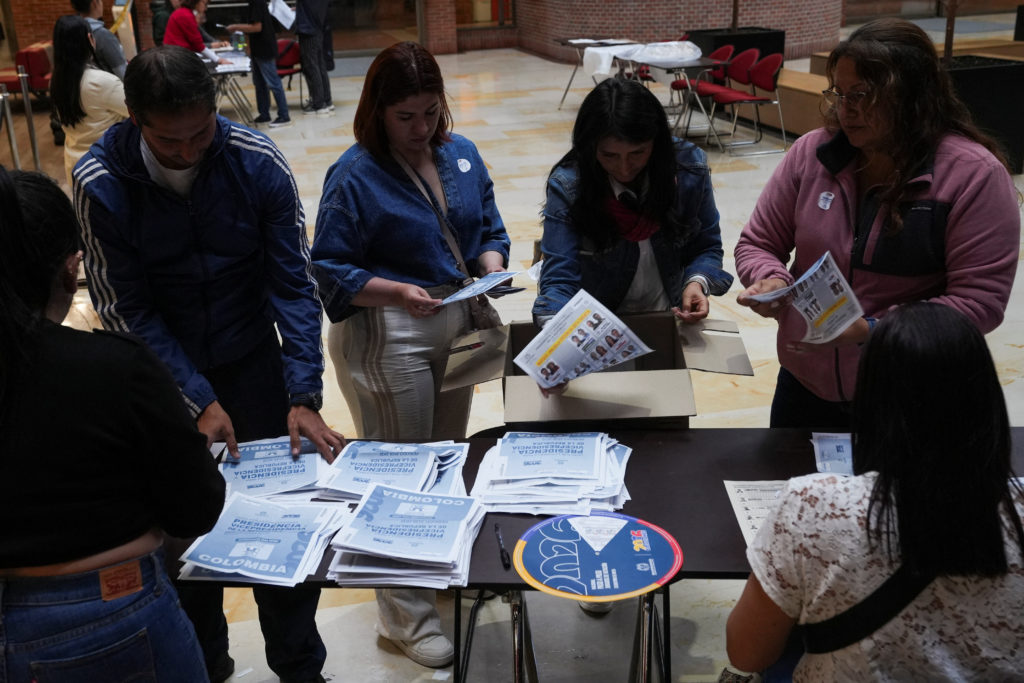
Abelardo de la Espriella and Senator Ivan Cepeda will compete in a runoff for Colombia’s presidency after neither won a majority in the first round. De la Espriella, a far-right businessman, led with 43 percent of votes, while Cepeda, a left-wing senator, had 40 percent.
Key Facts
The first round election results showed de la Espriella with 43% and Cepeda with 40% of votes.
Neither candidate reached the 50% needed to win outright, leading to a runoff on June 21.
De la Espriella is a businessman with no previous elected office and focuses on crime and security issues.
Cepeda is an experienced politician, serving as a senator since 2014, and comes from a political family.
Cepeda’s father was a communist leader who was assassinated in 1994.
Cepeda had a legal battle with former President Alvaro Uribe, accusing him of links to paramilitary groups.
Uribe was initially found guilty of witness tampering but was later cleared on appeal due to procedural problems.
Polls before the election showed Cepeda leading, but the final vote favored de la Espriella.
Read the Original
Want the full story? Tap a source to open the original
article.
Egg freezing is a medical procedure where a woman's eggs are collected, frozen, and stored for future use. It is becoming more popular, but it does not guarantee pregnancy and can be very expensive.
Key Facts
Egg freezing involves retrieving eggs from a woman’s ovaries and freezing them in liquid nitrogen.
The eggs can be thawed, fertilized, and implanted later when the woman is ready to have children.
The success rates decrease at each stage: some eggs don’t survive thawing, not all fertilize, and fewer embryos are healthy.
The average cost of one egg freezing cycle is about $12,000 to $13,000, and multiple cycles may be needed.
Many women do not have insurance coverage for egg freezing, making it costly.
Some employers are beginning to offer insurance coverage for egg freezing.
Women choose egg freezing for various reasons, such as delaying pregnancy for education or career.
Doctors advise women to understand that egg freezing does not guarantee a future pregnancy.
Read the Original
Want the full story? Tap a source to open the original
article.
Germany is increasing its military forces after Russia's invasion of Ukraine changed how safe people feel in Europe. The German government is spending more on defense and training soldiers again, moving away from its past focus on peace.
Key Facts
The U.S. has had troops in Germany since World War II, but plans are now to withdraw 5,000 of them.
Russia’s invasion of Ukraine started in 2022 and has made European countries, especially Germany, boost their armies.
Germany spent very little on defense for years due to its history but is now increasing military strength quickly.
The German military has seen a 23% increase in new recruits compared to last year.
Defense Minister Boris Pistorius says the war in Ukraine proves Germany must prepare to defend itself and deter attacks.
Germany aims to have a fully ready military by 2029 to face possible future threats from Russia.
Chancellor Friedrich Merz, who took office in 2025, supports maintaining Defense Minister Pistorius in charge.
Russian President Vladimir Putin wants to restore Russia’s power and compete with the U.S. and China globally, according to Pistorius.
Read the Original
Want the full story? Tap a source to open the original
article.
Egg freezing has become more popular as many women choose to delay having children. The procedure is expensive and does not always guarantee success, but it has helped some women have babies later in life.
Key Facts
More women are choosing to freeze their eggs to delay pregnancy.
Egg freezing is a medical process that preserves eggs for future use.
The procedure can be very costly for many women.
Freezing eggs does not ensure a successful pregnancy later.
Some women have had positive results and healthy babies after using frozen eggs.
The demand for egg freezing has increased significantly in recent years.
There are ongoing concerns about the effectiveness and affordability of egg freezing.
Read the Original
Want the full story? Tap a source to open the original
article.
Germany is upgrading and increasing its military forces after many years of focusing on peace and reducing defense spending. This change is happening because of the war in Ukraine and pressure from the United States for Europe to take more responsibility for defense.
Key Facts
Germany is increasing its military strength and modernizing its forces.
This shift follows years of relying on the "peace dividend," meaning lower defense budgets after the Cold War.
The war in Ukraine has influenced Germany’s decision to rearm.
The United States has urged European countries to take more responsibility for their own defense.
Germany’s military modernization includes updating equipment and expanding capabilities.
This marks a significant policy change for Germany’s defense strategy.
The move reflects growing concerns about security in Europe.
Germany aims to better contribute to regional and international security efforts.
Read the Original
Want the full story? Tap a source to open the original
article.
Paul McCartney released a new solo album called "The Boys of Dungeon Lane." In interviews, he spoke about missing his Beatles bandmates John Lennon and George Harrison and reflected on aging and loss.
Key Facts
Paul McCartney’s new album is inspired by his childhood and early days with the Beatles.
The album features a duet with Beatles drummer Ringo Starr on the song “Home to Us.”
McCartney expressed that losing close friends like Lennon and Harrison is part of life.
He recalled advice from Beatles producer George Martin about losing friends as one ages.
McCartney said his feelings of sadness are shared by many who miss Lennon and Harrison.
The album highlights the ongoing connection between McCartney and his former bandmates.
McCartney described John Lennon as one of the best writers of the century.
The song with Ringo Starr reflects the special chemistry among Beatles members.
Read the Original
Want the full story? Tap a source to open the original
article.
President Donald Trump is asking for changes to a peace deal between the US and Iran that aims to stop fighting and address Iran’s nuclear program. Talks are ongoing, with Iran demanding full protection of its rights and the release of frozen assets before moving forward.
Key Facts
President Trump requested edits to a US-Iran peace deal, focusing on the Strait of Hormuz and uranium removal.
The deal includes a 60-day pause in violence, reopening the Strait of Hormuz, and restarting nuclear talks.
Iran’s chief negotiator said Tehran will not agree unless its rights are fully secured.
The deal may allow Iran access to billions of dollars in frozen assets if sanctions are eased.
US Defense Secretary warned strikes might resume if the deal doesn’t meet the president’s standards.
Negotiations involve ongoing changes with both sides proposing amendments.
Pakistan is mediating the talks between the US and Iran.
No formal agreement has been reached despite many meetings and discussions since April.
Read the Original
Want the full story? Tap a source to open the original
article.
Colombia held the first round of its presidential election, with lawyer Abelardo de la Espriella and senator Iván Cepeda leading the vote count. Since neither candidate won over 50% of the votes, they will face each other in a runoff election later in June.
Key Facts
Abelardo de la Espriella, known as "The Tiger," is leading with about 43% of the votes after 98% were counted.
Iván Cepeda, a progressive senator and ally of outgoing President Gustavo Petro, has nearly 41%.
Neither candidate reached the 50% needed to win outright, so a second round will be held in June.
De la Espriella supports tough-on-crime policies similar to those of President Trump and leaders like El Salvador’s Nayib Bukele.
Cepeda plans to continue Petro’s peace efforts with armed groups, aiming for a peaceful resolution to Colombia's long-standing conflicts.
The election comes amid renewed violence, including attacks and the assassination of a presidential hopeful last year.
Paloma Valencia, a centrist candidate, received less than 7% and will not advance.
The runoff election is seen as a choice between continuing peace talks or adopting a hardline stance against crime.
Read the Original
Want the full story? Tap a source to open the original
article.
In Colombia’s presidential election first round, lawyer Abelardo de la Espriella and senator Iván Cepeda are leading and will face each other in a runoff vote later in June. De la Espriella emphasizes a tough approach to crime, aligning with President Donald Trump’s views, while Cepeda supports continuing peace efforts started by outgoing President Gustavo Petro.
Key Facts
Abelardo de la Espriella received more than 43% of the vote but did not secure over 50% needed to win outright.
Iván Cepeda got nearly 41% of the votes.
The two candidates will compete in a runoff election scheduled for June in Colombia.
De la Espriella is known as “The Tiger” and promotes a hardline stance on crime similar to approaches in El Salvador and connected to President Trump.
Cepeda is a progressive senator allied with outgoing President Petro’s peace efforts with armed groups.
Paloma Valencia, a centrist candidate, earned less than 7% and did not advance.
Colombia’s election results may influence political trends across Latin America regarding crime and peace policies.
The vote comes amid ongoing violence after Colombia’s peace pact with FARC, including attacks on political figures.
Read the Original
Want the full story? Tap a source to open the original
article.
A child died and a man was seriously hurt in a house fire in Werribee, Melbourne, early Monday morning. Firefighters quickly arrived and stopped the fire after about an hour, and police are investigating the cause but do not suspect foul play.
Key Facts
The fire happened just after midnight on Newbury Street in Werribee, south-west Melbourne.
Firefighters arrived within three minutes to find the house fully on fire.
A child was found dead inside the home.
A man living in the house was taken to hospital with serious injuries.
About 40 firefighters worked for an hour to control the fire.
Police said the fire is not considered suspicious but an arson expert will examine the scene.
Some children escaped the fire, while others were reported trapped inside during the blaze.
Support and counseling have been offered to the firefighters and emergency workers at the scene.
Read the Original
Want the full story? Tap a source to open the original
article.
Health officials are tracking several disease outbreaks as the summer travel season begins. These include a growing Ebola outbreak in Central Africa, an increase in mpox cases in Boston, and more Vibrio infections in Florida caused by warmer ocean waters.
Key Facts
A new Ebola outbreak in the Democratic Republic of the Congo has about 900 suspected cases and 220 deaths.
Ebola’s Bundibugyo strain is spreading quickly and is hard to control, especially in conflict zones.
The U.S. now restricts entry for travelers from Congo, Uganda, and South Sudan for 30 days and monitors returning citizens for symptoms for 21 days.
Mpox cases are rising in Boston even though the disease has decreased nationally.
Vibrio infections, which can cause severe skin infections, are increasing in Florida due to warmer ocean temperatures and more beach visitors.
A hantavirus outbreak linked to a cruise ship has sickened people across several countries, showing how travel can spread illnesses before symptoms appear.
The World Health Organization is helping by opening new treatment facilities and conducting vaccine and treatment trials for Ebola.
Read the Original
Want the full story? Tap a source to open the original
article.
Brooklyn Rivera, a Nicaraguan indigenous leader who founded the Yatama movement, died after nearly three years in prison. The government said he died from health problems linked to Covid-19 but delayed announcing his death and has not released his body to his family.
Key Facts
Brooklyn Rivera was a Nicaraguan indigenous leader and founder of the Yatama movement.
He was detained by the government led by President Daniel Ortega in September 2023.
Rivera died due to physical and neurological decline caused by a Covid-19 infection.
The Nicaraguan government took 15 hours to confirm his death.
His body has not been returned to his family.
Rivera had fought for indigenous autonomy and opposed Ortega’s Sandinista government in the 1980s.
International groups, including the US State Department and Amnesty International, condemned his detention and called for his release when he fell ill.
Human rights organizations demand accountability for Rivera’s death in custody.
Read the Original
Want the full story? Tap a source to open the original
article.
Brooklyn Rivera, a 73-year-old Indigenous leader and activist from Nicaragua, died while in state custody. Nicaragua’s government said he died from a bacterial infection after COVID-19, but human rights advocates doubt this explanation and blame the government for his death.
Key Facts
Brooklyn Rivera was an Indigenous leader and activist from the Miskito group in Nicaragua.
He was held in secret state detention since September 2023, with no outside contact or family visits.
The government said Rivera died from a bacterial infection following COVID-19 complications.
Rights experts and critics say his death was caused by harsh detention conditions and lack of medical care.
Rivera was known for speaking out against Nicaragua’s government, led by Daniel Ortega and Rosario Murillo.
He fought to protect Indigenous lands rich in natural resources from government and business interests.
Rivera had a history of armed resistance and exile during earlier Sandinista rule in the 1980s.
The U.S. government demanded Rivera’s release before his death and condemned Nicaragua’s treatment of political prisoners.
Read the Original
Want the full story? Tap a source to open the original
article.
A new bill in England aims to help victims of domestic abuse by allowing social housing landlords to evict abusers without forcing victims to leave. The bill also changes the rules for buying social homes, increasing the required tenancy time from three to ten years.
Key Facts
Social housing landlords can evict domestic abuse perpetrators without requiring victims to move out first.
Courts can transfer joint tenancies solely to victims or require landlords to provide alternative housing.
The bill closes a legal loophole that previously allowed abusers to make victims homeless by ending joint tenancies early.
The right-to-buy scheme now requires tenants to wait 10 years before purchasing their social home, up from three years.
New social homes would be protected for 35 years, and some rural homes would be exempt from sale.
Councils get a stronger right to buy back homes sold under the right-to-buy scheme.
The bill removes outdated rules from the 2016 Housing and Planning Act to help social housing providers build more homes.
Around 15,000 families in England had to move due to domestic abuse last year, according to the government.
Read the Original
Want the full story? Tap a source to open the original
article.
A new poll shows that the One Nation party, led by Pauline Hanson, is currently the most popular political party in Australia, ahead of Labor and the Coalition. In Victoria, free public transport that had been offered for two months ended recently, but residents now have access to discounts on vehicle registration and public transport to help with living costs.
Key Facts
One Nation’s support rose by 4 points to 31%, making it the most popular party according to a recent poll.
Labor’s primary vote stands at 28%, and the Coalition’s at 20%.
Victoria ended a two-month period of free public transport on Sunday.
Victorians can now get 20% off vehicle registration fees and pay half price for public transport until the end of the year.
The federal government says waiting times for aged care services have decreased across all urgency levels.
High-priority aged care cases now wait 1 to 2 months for funding, down from longer waits before.
Median wait time for assessments for aged care remains under one month, with in-hospital assessments under one day.
The government says these improvements aim to provide better care for older Australians closer to home.
Read the Original
Want the full story? Tap a source to open the original
article.
A rare and endangered bee species is now protected in habitats across six U.S. states. This bee used to live in about half of the country but is now found in only around twelve states.
Key Facts
The bee is rare and considered endangered.
Its range has shrunk from roughly half of the U.S. to about twelve states.
Habitat protection efforts are expanding to cover six states.
The goal is to help the bee survive and increase its population.
Preserving the bee's habitat supports biodiversity and the environment.
Read the Original
Want the full story? Tap a source to open the original
article.
Ethiopia is holding general elections for the first time since the Tigray war ended four years ago. Many expect Prime Minister Abiy Ahmed’s party to win, but millions of people in the Tigray and Amhara regions cannot vote, and opposition groups say some parties are being excluded.
Key Facts
Ethiopia’s Tigray war officially ended four years ago.
The country is now holding general elections.
Prime Minister Abiy Ahmed leads the Prosperity Party, which many expect to win.
People in Tigray and Amhara regions will not be able to vote in this election.
Opposition parties claim the government is excluding some competing parties.
The elections are seen as an important step after years of conflict and instability.
Read the Original
Want the full story? Tap a source to open the original
article.
Ethiopia will hold its seventh national election on June 1, despite ongoing conflicts and human rights problems that make free and fair voting difficult. The country has faced serious violence, war crimes, and political repression in recent years, even after initial hopes for democratic reforms.
Key Facts
Ethiopia’s election board approved the June 1 vote amid ongoing internal conflicts.
Prime Minister Abiy Ahmed started reforms in 2018, releasing political prisoners and changing harsh laws.
War broke out in 2020 between the federal government and the Tigray People’s Liberation Front, causing many deaths and human rights abuses.
UN and rights groups reported war crimes and crimes against humanity during the Tigray conflict.
The 2022 Pretoria Peace Agreement ended active fighting but tensions remain high.
Fighting continues in Amhara and Oromia regions, with reports of massacres and drone strikes causing civilian deaths.
Political repression has increased under the Prosperity Party, reversing past reforms.
A senior Oromo opposition leader was killed in April 2024 under unclear circumstances.
Read the Original
Want the full story? Tap a source to open the original
article.