Neutral summaries of your favorite news sources — just the facts.
Your favorite news sources, one neutral feed — we distill their reporting into fact-first
summaries and always link to the original story. How it works
World News
Comprehensive coverage of international news and global events
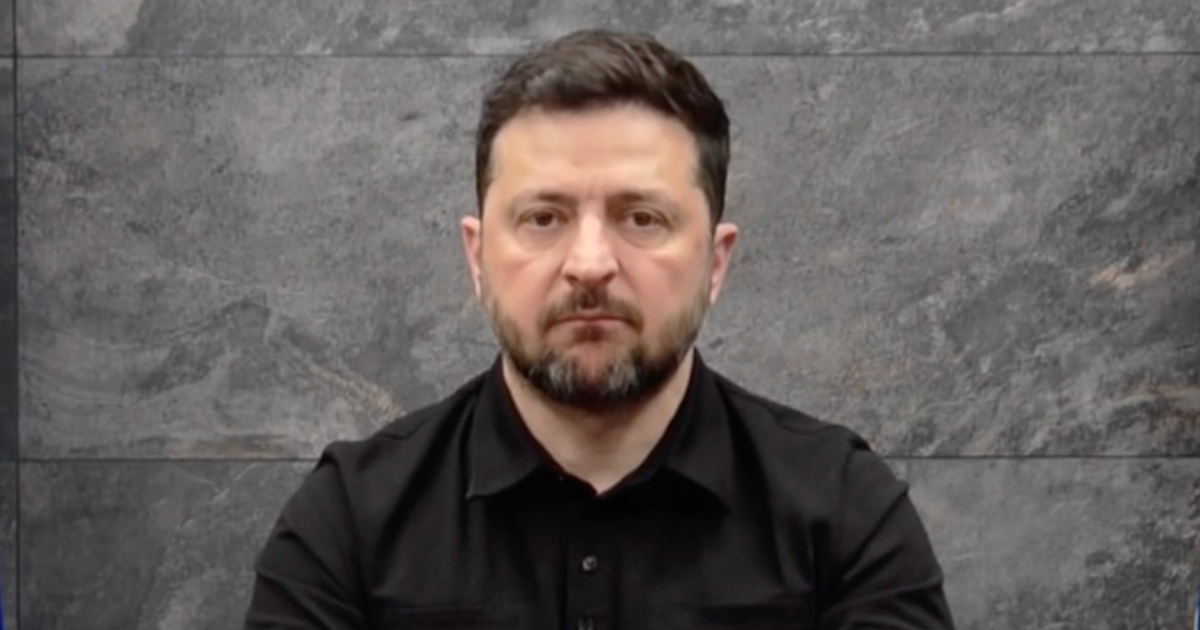
Ukrainian President Volodymyr Zelenskyy gave a full interview to CBS News, with part of it shown on the program "Face the Nation" on May 31, 2026. The interview covers topics related to Ukraine’s situation and leadership.
Key Facts
The interview features Ukrainian President Volodymyr Zelenskyy.
It was conducted by Margaret Brennan from CBS News.
A part of the interview aired on "Face the Nation" on May 31, 2026.
The full interview is available to watch on CBS News platforms.
The conversation focuses on issues related to Ukraine.
CBS News used multiple platforms to share the interview, including their app and website.
The interview is part of ongoing news coverage about Ukraine’s current events.
Read the Original
Want the full story? Tap a source to open the original
article.
Ukrainian President Volodymyr Zelenskyy said Ukraine expects a large attack from Russia soon, involving drones and missiles. He warned civilians to be careful and use bomb shelters. He also said Russia is taking more risks by attacking near NATO countries to pressure them politically.
Key Facts
Ukraine expects a big Russian attack using drones, cruise missiles, and ballistic missiles either tonight or tomorrow night.
Recent Russian attacks included about 600 Iranian-made drones and around 30 ballistic missiles.
Ukraine relies on weapons from partners and its own production to defend against these attacks.
A Russian drone hit a building in Romania and a Turkish ship; both countries are NATO members.
President Zelenskyy believes Russia is trying to pressure NATO countries not to help Ukraine.
Russia has conducted drone attacks near Romania, Poland, and the Baltic countries to test NATO defenses.
Ukraine shares intelligence with the United States and European countries about Russian plans.
President Zelenskyy calls for stronger unity and response from NATO against these attacks and risks.
Read the Original
Want the full story? Tap a source to open the original
article.
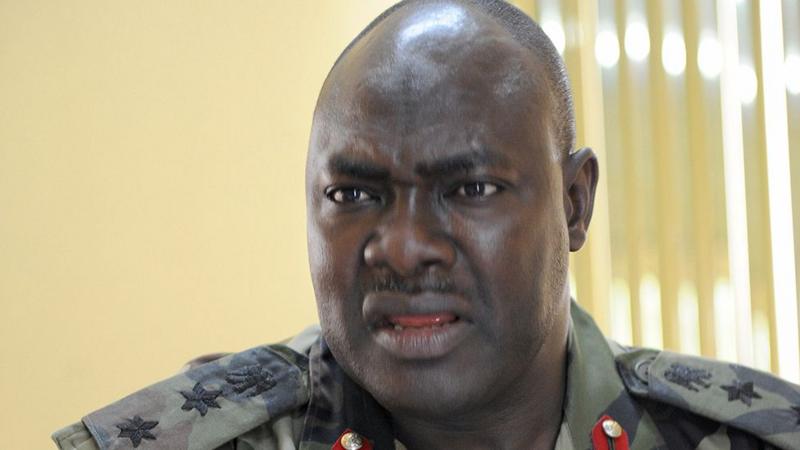
A retired Nigerian army general and his wife were kidnapped by armed men in northwest Nigeria. The army is working to rescue them as kidnappings and violent attacks continue in the region.
Key Facts
Retired Major General Rabe Abubakar and his wife were abducted from their car in Katsina state.
Abubakar was a military spokesman from 2015 to 2017.
The kidnapping was carried out by armed men known locally as "bandits," who often kidnap for ransom in the area.
The general's driver escaped despite being shot during the attack.
The region has ongoing security problems including attacks by criminal gangs and militant jihadists.
A US airstrike targeted an alleged militant camp in nearby Sokoto state in December 2023.
Days before the kidnapping, at least 16 people were killed in a violent attack in Katsina state.
Government efforts to stop kidnappings include discouraging ransom payments and increasing security during holidays like Eid al-Adha.
Read the Original
Want the full story? Tap a source to open the original
article.
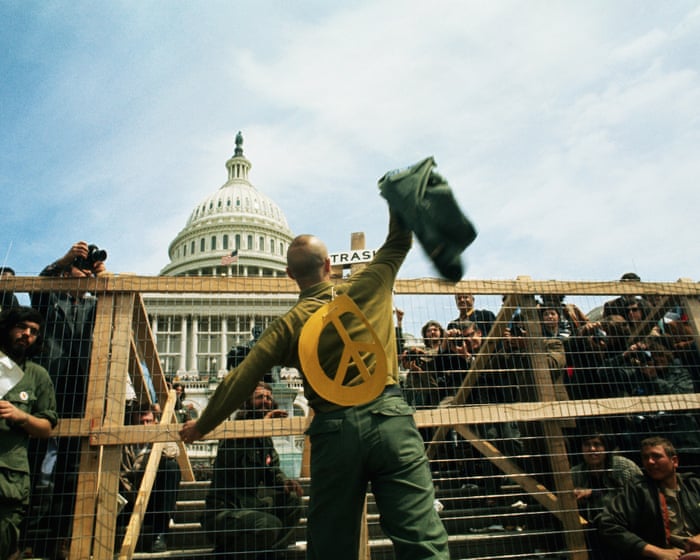
President Donald Trump’s recent military actions in Iran are widely seen as a defeat and a poorly planned conflict. While this conflict is much smaller than the Vietnam War, it could still have a major effect on U.S. foreign policy and global relations.
Key Facts
In 1965, President Lyndon B. Johnson justified the Vietnam War as a way for countries to control their own future and protect U.S. freedom.
The Vietnam War lasted years and cost the lives of over 58,000 U.S. soldiers.
Presidents often enter wars with strong military power but struggle against weaker opponents.
President Trump opposed long, unclear wars and believed military power didn’t guarantee victory.
Trump’s brief conflict in Iran is seen as badly planned and confusing, with few clear goals.
The Iran conflict involved fewer U.S. casualties (13 deaths) and has not deeply divided American society.
Experts suggest that the Vietnam War led to American public distrust in the government and political cynicism.
The long-term global impact of the Iran conflict might be greater than Vietnam’s, potentially changing how the U.S. manages international conflicts.
Read the Original
Want the full story? Tap a source to open the original
article.
A new daily pill called daraxonrasib can double the survival time for patients with advanced pancreatic cancer, according to a clinical trial involving 500 patients. The drug works by blocking a cancer-causing protein called Kras and showed better results and fewer side effects than chemotherapy.
Key Facts
Pancreatic cancer is one of the deadliest cancers and is often diagnosed late when it has spread.
Daraxonrasib targets the Kras protein, which is present in over 90% of common pancreatic cancer cases.
In the trial, patients taking daraxonrasib lived on average 13.2 months versus about 6.6 months for those receiving chemotherapy.
The drug works by shutting down Kras regardless of the specific gene mutation variant.
Experts called this treatment a major breakthrough and the first effective targeted therapy for pancreatic cancer.
The trial was presented at the American Society of Clinical Oncology’s annual meeting.
Daraxonrasib caused fewer side effects compared to traditional chemotherapy.
Patient advocates described these results as offering new hope for a disease with historically low survival rates.
Read the Original
Want the full story? Tap a source to open the original
article.
Cindy McCain, the Executive Director of the World Food Programme, was interviewed by Margaret Brennan on CBS News. The interview discussed issues related to global food security and the work of the World Food Programme.
Key Facts
Cindy McCain is the Executive Director of the World Food Programme.
The interview was conducted by journalist Margaret Brennan.
A portion of the interview aired on the show "Face the Nation" on May 31, 2026.
The World Food Programme focuses on addressing hunger and food crises around the world.
The full interview is available on CBS News platforms and apps.
Read the Original
Want the full story? Tap a source to open the original
article.
Rescuers in Laos have safely brought out four villagers who were trapped in a flooded cave for ten days. Two other villagers are still missing as rescue efforts continue.
Key Facts
Four villagers trapped in a flooded cave in Laos were rescued after ten days.
Another person was rescued the day before these four.
Two men remain missing in the flooded cave.
The rescue operation involved dealing with flooding inside the cave.
The incident attracted international attention and ongoing rescue efforts.
The villagers were trapped due to heavy flooding caused by rain.
Rescuers worked carefully to ensure the safe evacuation of the trapped people.
Read the Original
Want the full story? Tap a source to open the original
article.
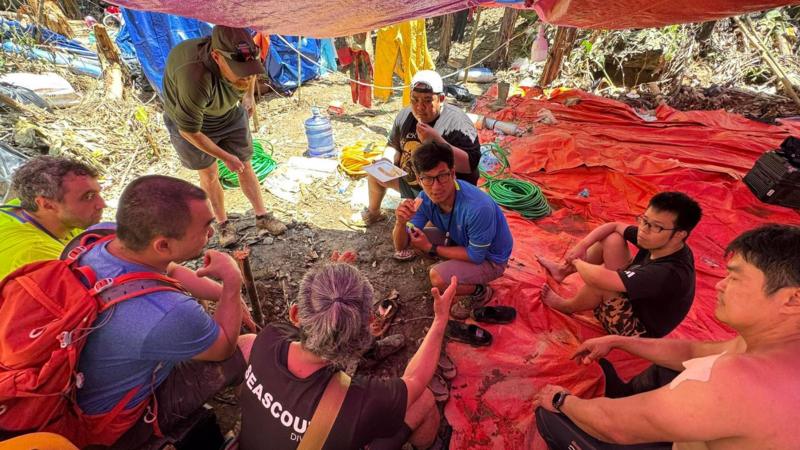
Seven men got trapped in a flooded cave in central Laos while searching for gold. Five have been rescued so far, and some survivors are now helping rescuers plan how to find the last two missing men deeper inside the cave.
Key Facts
Seven local men entered a narrow cave in Xaysomboun province on May 20 to look for gold.
Flash floods trapped them inside the cave’s narrow tunnels.
Five men have been rescued; two remain missing deep inside the cave.
Survivors in the hospital are advising rescuers on the cave’s layout.
The cave passages can be as narrow as 50 centimeters (about 20 inches).
A drainage pump used to lower water levels in the cave broke but is being repaired.
Divers from Thailand, Indonesia, France, Australia, and Laos are helping the rescue.
The first man was rescued on Friday, and four more freed on Saturday without outside help.
Read the Original
Want the full story? Tap a source to open the original
article.
People in Dublin are holding weekly protests to demand justice for Yves Sakila, a man from Congo who died after security guards restrained him outside a shopping center. The protesters want answers and accountability for his death.
Key Facts
Yves Sakila was a Congolese man who died after being held down by security guards.
His death happened outside a shopping center in Dublin.
Protests are taking place every week in Dublin.
The protesters are asking for justice and clear answers about what happened.
The event has raised concerns about safety and treatment by security personnel.
Protesters seek accountability from the authorities or the security company involved.
The case has drawn attention to the treatment of minorities and the use of force in public places.
Read the Original
Want the full story? Tap a source to open the original
article.
A Congolese man named Yves Sakila died in Dublin after security guards restrained him. People in Dublin are protesting and asking for a fair and open investigation into his death, with many believing race played a role.
Key Facts
Yves Sakila, a man from the Democratic Republic of Congo, died in Dublin.
He died after being held down by security guards.
Protests have continued for two weeks following his death.
Protesters want an independent investigation that is open and clear.
Many people think the incident involved racial issues.
The news report is from May 31, 2026.
The situation has drawn public attention in Ireland and beyond.
Read the Original
Want the full story? Tap a source to open the original
article.
Hundreds of people protested in Lima, Peru, against Keiko Fujimori’s run for president. They are worried she will continue her father’s strict and controlling rule if she wins. Keiko Fujimori leads after the first election round and will compete against Roberto Sánchez in the final vote on June 7.
Key Facts
Protesters gathered in Lima to oppose Keiko Fujimori’s presidential campaign.
The slogan "Fujimori never again!" reflects fears about returning to her father’s authoritarian government.
Keiko Fujimori won the most votes in the first round of Peru’s presidential election.
The next election round is scheduled for June 7, where she will face Roberto Sánchez.
Alberto Fujimori, Keiko’s father, was a past president known for his firm and controversial rule.
The protests show public concern over Peru’s political future and leadership.
Roberto Sánchez is described as a left-wing candidate in the election.
Read the Original
Want the full story? Tap a source to open the original
article.
On October 28, 2025, police in Rio de Janeiro launched a large raid on two favelas targeting a drug gang called Red Command. The operation left over 120 people dead, making it the deadliest police action in Brazil’s history, but the police did not preserve the crime scenes or allow forensic teams to investigate properly.
Key Facts
More than 2,500 police officers took part in the raid on two Rio favelas.
The raid targeted leaders of Red Command, a major drug trafficking group.
Over 120 people died during the police operation, the highest number ever in Brazil.
Police left the scene without securing it, and forensic teams never examined the bodies.
Residents had to recover the dead themselves, removing important evidence.
A specific case involved Douglas de Almeida da Silva, a father and business owner shot by police; official police claims that he fired first are questioned by forensic and video evidence.
Rio police often fail to protect crime scenes, making investigations and accountability difficult.
Despite many violent raids, drug gangs still control many favelas, raising doubts about whether police actions reduce crime.
Read the Original
Want the full story? Tap a source to open the original
article.
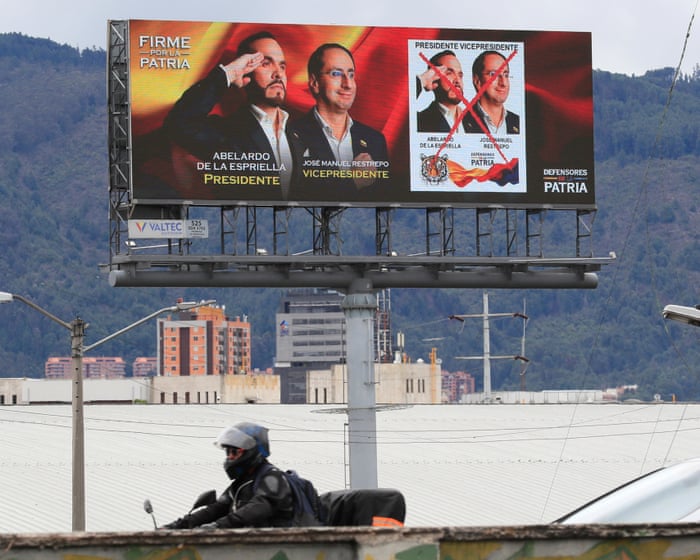
Colombians are voting in a presidential election that contrasts the current government’s peace approach with candidates promising tougher actions against armed groups. The election comes amid rising violence and concerns about how to handle ongoing conflicts with rebel and criminal groups.
Key Facts
The election is seen as a test of outgoing President Gustavo Petro’s peace policies.
A peace deal was signed with the Farc guerrillas 10 years ago, but violence has increased since then.
Candidates include Iván Cepeda, who supports continuing peace talks with rebel groups.
Opponents Abelardo de la Espriella and Paloma Valencia promise a harsher crackdown on armed groups.
De la Espriella wants to adopt tactics similar to those used in El Salvador’s anti-gang campaign.
Valencia is politically connected to former President Álvaro Uribe, known for tough measures against rebels.
Both opposition candidates express support for former U.S. President Donald Trump’s approach to Latin America.
If no candidate wins more than 50% of the vote, a runoff election will be held in June.
Read the Original
Want the full story? Tap a source to open the original
article.
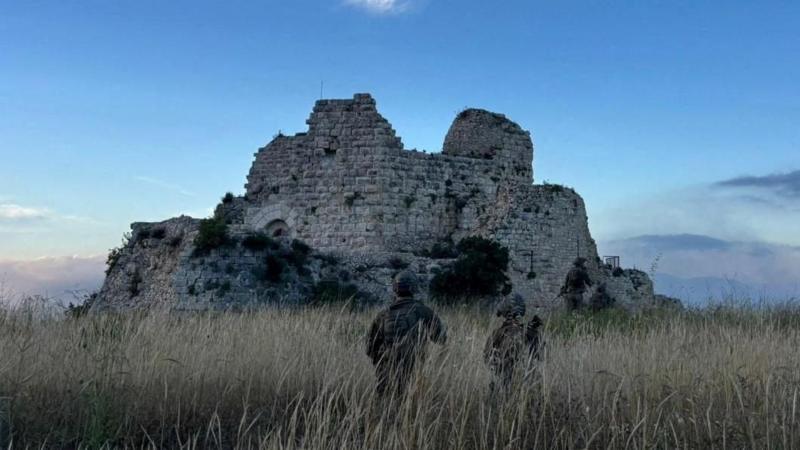
Israel's military has captured Beaufort Castle, a key fort in southern Lebanon, as it expands its ground operations against Hezbollah. Israel has warned civilians south of the Zahrani river to evacuate due to ongoing military actions that are moving deeper into Lebanese territory.
Key Facts
Israel took control of Beaufort Castle, a strategic fort overlooking the Litani river in southern Lebanon.
The Israel Defense Forces (IDF) warned all residents south of the Zahrani river to leave the area for their safety.
The ground offensive against Hezbollah is expanding, with significant IDF troops involved.
Beaufort Castle is historically important and has been fought over many times, most recently recaptured by Israel 44 years ago.
The operation aims to protect Israeli border communities from Hezbollah attacks.
Hezbollah has responded with drone and missile attacks on Israeli troops and nearby communities.
The Lebanese government condemns Israel's actions but is not directly involved in the fighting.
Negotiations between Israeli and Lebanese officials are planned in Washington to seek a resolution.
Read the Original
Want the full story? Tap a source to open the original
article.
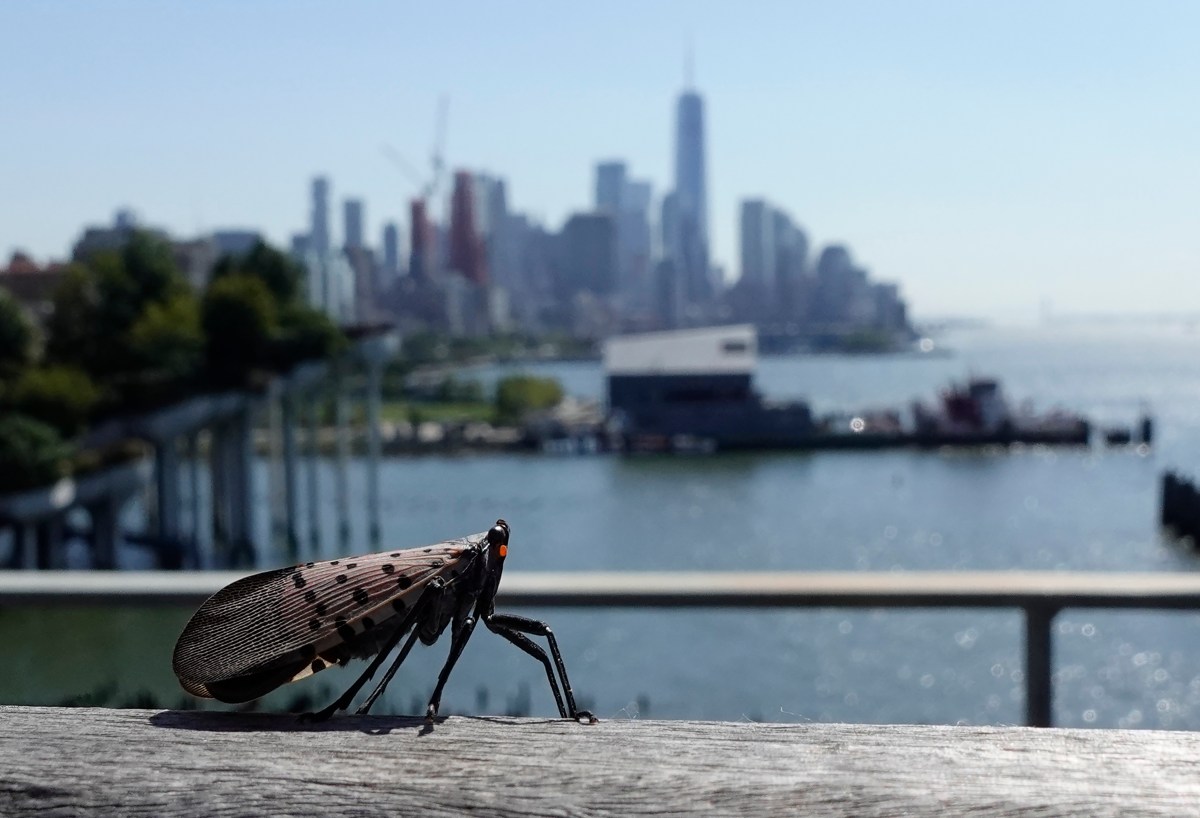
Invasive species are spreading rapidly across the United States, changing ecosystems and causing damage to native plants, animals, and infrastructure. Scientists and government agencies are working to track, manage, and limit these harmful species, but many are already well established and hard to control.
Key Facts
Invasive species harm habitats, compete with native plants and animals, and sometimes spread diseases.
Climate change, global trade, and changing environments help invasive species spread.
These species enter the U.S. through shipping, ballast water from ships, wildlife trade, imported plants, and extreme weather.
The U.S. Register of Introduced and Invasive Species has nearly 15,000 records of non-native species that reproduce in the country.
The U.S. Geological Survey uses fieldwork and genetic testing to monitor invasive species.
Golden mussels, first found in California, reproduce quickly and threaten water systems.
Burmese pythons in Florida’s Everglades disrupt local wildlife and food chains.
The spotted lanternfly has spread from Pennsylvania to nearby states, damaging crops and trees.
Read the Original
Want the full story? Tap a source to open the original
article.
Israeli forces have crossed north of Lebanon’s Litani River and taken control of the medieval Beaufort Castle. Soldiers raised Israeli and Golani Brigade flags at the castle located in southern Lebanon’s Nabatieh Governorate.
Key Facts
Israeli forces moved north of the Litani River in Lebanon.
They captured Beaufort Castle, a medieval fortress from the Crusader era.
The castle is in the Nabatieh Governorate, southern Lebanon.
Israeli soldiers raised flags of Israel and the Golani Brigade at the site.
The Golani Brigade is a well-known infantry unit of the Israeli army.
This event shows Israeli military activity inside southern Lebanon.
Read the Original
Want the full story? Tap a source to open the original
article.
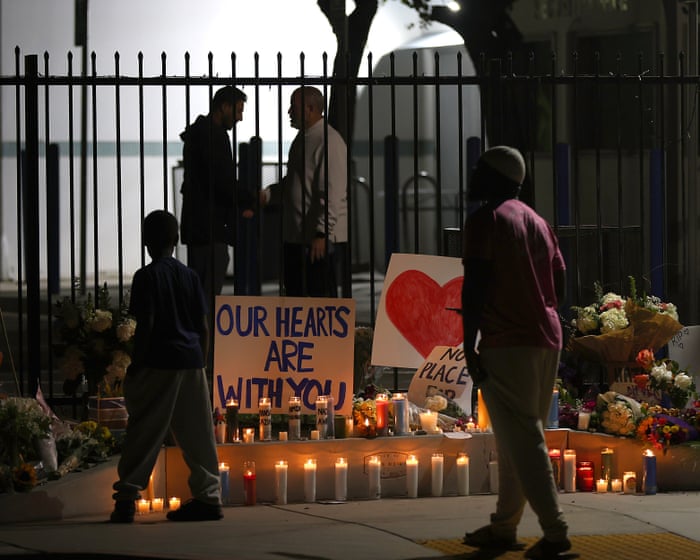
There has been a recent rise in attacks and hate crimes targeting both Muslim and Jewish communities in Western countries. These two types of hate often share similar false ideas and conspiracy theories, but are rarely discussed or fought together as connected problems.
Key Facts
A recent shooting at a mosque and school in San Diego killed three people.
Jewish communities have also experienced attacks, such as stabbings in London’s Golders Green area.
Hate and violence against Muslims and Jews have both increased to record levels in the past three years.
Far-right groups often spread hostility toward Muslims and promote anti-Muslim ideas as part of their political messages.
Muslims are frequently unfairly portrayed as violent or a threat to Western culture and security.
Antisemitism often involves old conspiracy theories claiming Jews secretly control governments or media.
Sometimes, anti-Muslim and antisemitic conspiracy theories overlap, like the “great replacement theory” which blames Jews and Muslims for demographic changes.
Laws in the early 1900s limited Jewish immigration to the UK and US, showing historical parallels to current anti-immigration attitudes.
Read the Original
Want the full story? Tap a source to open the original
article.
A missile strike hit an elementary school in Minab, Iran, killing over 100 children three months ago. Families in Minab continue to mourn every night, while the U.S. is investigating the attack.
Key Facts
A missile strike destroyed an elementary school in Minab, Iran.
More than 100 children died in the strike.
The attack happened three months ago.
Families hold nightly rituals to mourn their lost children.
The U.S. government has launched an investigation into the attack.
Families in Minab are certain about the impact and cause of the strike.
The article mentions ongoing tensions and events involving Iran, Israel, Lebanon, and U.S. diplomacy.
Read the Original
Want the full story? Tap a source to open the original
article.
Israel launched air strikes in southern Lebanon and ordered people to leave more than a dozen areas. Israeli troops advanced further north, crossing the Litani River. This happened shortly after Lebanese and Israeli officials held direct talks at the Pentagon, the U.S. defense headquarters.
Key Facts
Israel conducted strikes across southern Lebanon on May 31, 2026.
Israel ordered evacuations from more than twelve locations in Lebanon.
The Lebanese army reported two soldiers were wounded in an Israeli strike.
Israeli troops pushed north and crossed the Litani River in Lebanon.
Lebanese and Israeli military officials held direct talks at the Pentagon for the first time in decades.
The situation is part of ongoing conflict involving Hezbollah, Lebanon, Israel, and Iran.
Israel has urged residents of the southern Lebanese city of Tyre to leave their homes.
The conflict is happening while the U.S. and Iran continue tense discussions.
Read the Original
Want the full story? Tap a source to open the original
article.
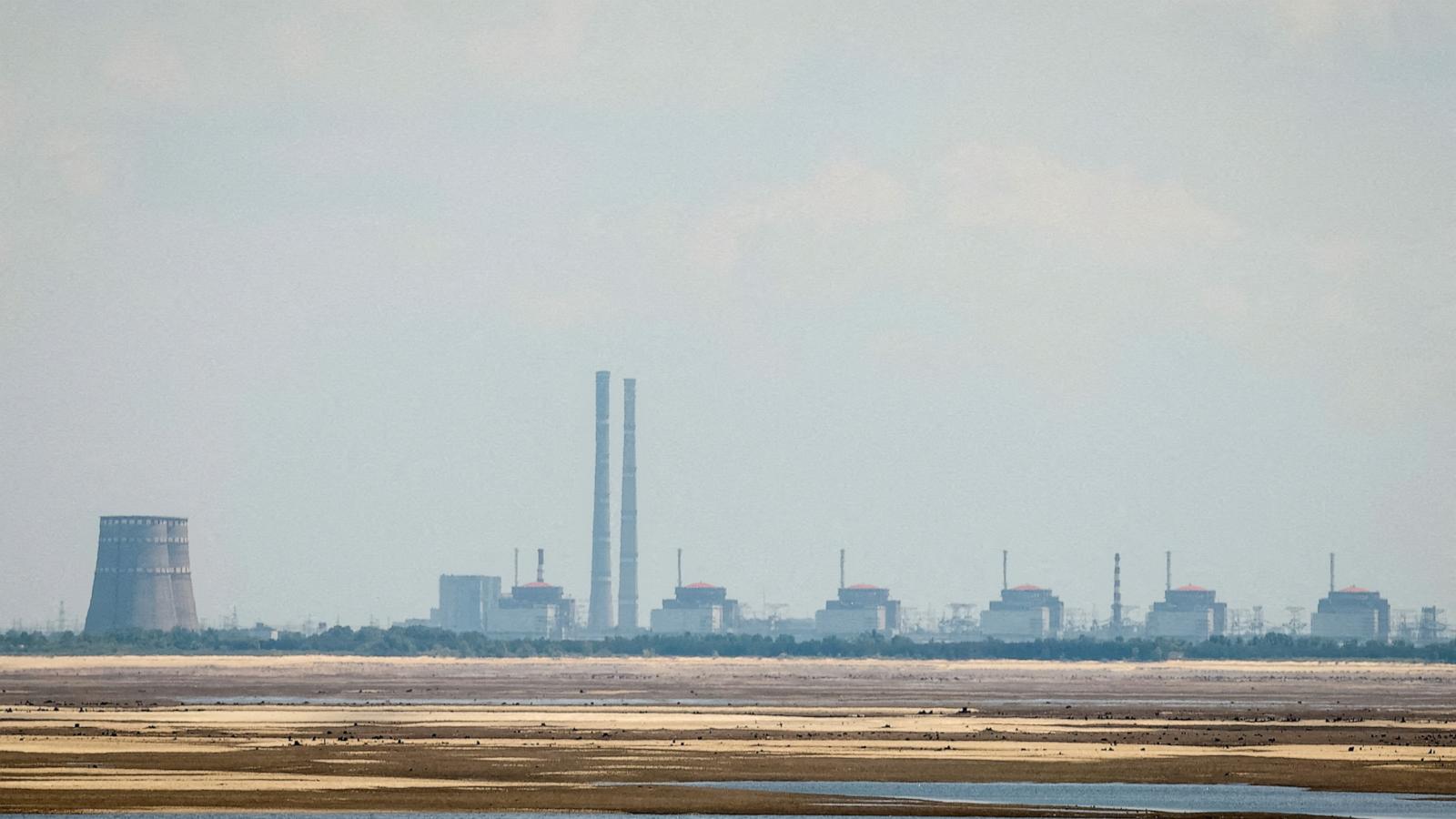
The International Atomic Energy Agency (IAEA) expressed serious concern after Russia said Ukrainian forces attacked the Russian-held Zaporizhzhia Nuclear Power Plant with a drone. Ukraine denied the claim, accusing Russia of using the plant for military purposes and spreading false information.
Key Facts
The Zaporizhzhia Nuclear Power Plant is located about 30 miles from the closest front line in Ukraine.
Russia controls the plant after capturing it early in the 2022 invasion of Ukraine.
Russia claimed a drone hit a turbine building at the plant, causing damage.
The IAEA warned that attacking nuclear sites is extremely dangerous and asked to inspect the damage.
Ukraine’s Southern Defense Forces called Russia's claims false and accused Russia of “nuclear terrorism.”
Ukraine said Russia uses the plant for military purposes, including placing weapons and soldiers there.
Ukraine denied having drones capable of the attack Russia described and asked for evidence from Russia.
The Ukrainian Foreign Ministry called the Russian accusations baseless.
Read the Original
Want the full story? Tap a source to open the original
article.