Neutral summaries of your favorite news sources — just the facts.
Your favorite news sources, one neutral feed — we distill their reporting into fact-first
summaries and always link to the original story. How it works
World News
Comprehensive coverage of international news and global events
A Russian drone aiming at Ukraine crashed into an apartment building in Galati, Romania, causing a fire and killing two people. France has summoned the Russian ambassador, and NATO condemned the incident, while Russia denied evidence of its drones entering the European Union.
Key Facts
A Russian drone targeting Ukraine crashed into a 10-story apartment building in Galati, Romania.
The crash caused a fire on the roof and injured two people.
Two people died as a result of the drone crash and explosion.
France called in the Russian ambassador to discuss the incident.
NATO condemned the drone attack on Romanian territory.
Russia stated there is no proof that Russian drones have entered the European Union.
The incident happened near the border with Ukraine.
Romanian emergency services responded to the drone crash and fire.
Read the Original
Want the full story? Tap a source to open the original
article.
Four more gold miners trapped for over a week in a flooded cave in Laos were rescued after water levels dropped. Rescue teams continue to search for two miners still missing inside the cave.
Key Facts
Seven gold miners entered the cave in Laos ten days ago.
Heavy monsoon rains flooded the cave, making escape difficult.
Rescue workers pumped water out for days to lower water levels.
Divers delivered food to the trapped miners while waiting for conditions to improve.
Four miners were rescued when water levels dropped enough for divers to lead them out.
One miner was rescued the day before in a challenging underwater operation.
Two miners remain missing inside the cave system.
Rescuers believe the missing miners may be trapped in spaces too small for divers or may no longer be alive.
Read the Original
Want the full story? Tap a source to open the original
article.
Israeli forces have moved further into Lebanon, crossing the Litani River during a period of reduced fighting. The Litani River marks the northern edge of a security zone monitored by the United Nations in southern Lebanon.
Key Facts
Israeli Prime Minister Benjamin Netanyahu announced the crossing of the Litani River by Israeli troops.
The Litani River is an important geographical and political boundary in southern Lebanon.
This area has a UN-monitored security zone meant to prevent conflict escalation.
The advance happened during a nominal truce, meaning fighting was supposed to be minimal.
The conflict is connected to tensions involving Hezbollah, Lebanon, Israel, and regional players like Iran.
The situation affects local residents, some of whom have been ordered to evacuate nearby areas.
Past Israeli strikes in Lebanon have caused significant casualties and destruction.
The conflict is part of ongoing tensions in the Middle East involving multiple countries and groups.
Read the Original
Want the full story? Tap a source to open the original
article.
Rescuers in Laos have evacuated the first of five villagers trapped in a cave by floodwaters for over a week. Divers found all five people alive on Wednesday, and rescue teams are working to free them and continue searching for two other missing individuals.
Key Facts
Five villagers were trapped in a cave in Xaisomboun Province, Laos, due to flooding.
Divers located all five people alive earlier in the week.
Rescue teams began evacuating the trapped villagers on Friday night.
Two other people remain missing and rescue efforts continue to find them.
The rescue operation involves removing the villagers safely from the cave.
Floodwaters caused the villagers to become trapped inside the cave.
The event took place in late May 2026.
The rescue is receiving international attention as an ongoing emergency response.
Read the Original
Want the full story? Tap a source to open the original
article.
A patient in the Democratic Republic of Congo (DR Congo) has recovered from Ebola, marking the first recovery since the outbreak started in mid-May 2026. The World Health Organization (WHO) chief visited the country, where officials continue efforts to control the disease's spread.
Key Facts
The Ebola outbreak in DR Congo began in mid-May 2026.
The first confirmed recovery from Ebola has been reported in the country.
The WHO chief, Tedros Adhanom Ghebreyesus, visited DR Congo to assess the situation.
DR Congo authorities are still working to contain the outbreak.
Ebola is causing health and economic challenges in the country.
Efforts include adapting burial practices to prevent further spread of the virus.
The outbreak is fast-moving and raising concerns about spreading in Central Africa.
Read the Original
Want the full story? Tap a source to open the original
article.
Israeli troops have moved further north into Lebanon, crossing the Litani river, which is a key boundary in southern Lebanon monitored by the United Nations. This advance comes despite a current ceasefire, while fighting between Israel and the Iran-backed group Hezbollah continues.
Key Facts
Israeli forces crossed the Litani river in southern Lebanon.
The Litani river is a significant marker for a UN-monitored zone.
Fighting between Israel and Hezbollah has continued for weeks despite a ceasefire.
Hezbollah is supported by Iran.
Israeli Prime Minister Binyamin Netanyahu announced the troop movements.
Over 100,000 people live in the city of Tyre, near the conflict zone.
Israel has ordered evacuations in southern Lebanon amid ongoing tensions.
Talks involving the US and Iran related to the conflict are ongoing but have not yet reached a deal.
Read the Original
Want the full story? Tap a source to open the original
article.
Hezbollah launched rocket attacks on northern Israel on May 30th. The Israeli military intercepted some of the attack, and damage was seen near Kiryat Shmona. No casualties have been confirmed.
Key Facts
The rocket attack happened on Saturday, May 30th.
Hezbollah was the group that launched the rockets.
Israel activated air raid sirens in several northern areas.
The Israeli military said it intercepted the attack.
Damage was reported near the town of Kiryat Shmona.
No injuries or deaths were confirmed by the Israeli military.
The incident involved air-based rockets or missiles.
Read the Original
Want the full story? Tap a source to open the original
article.
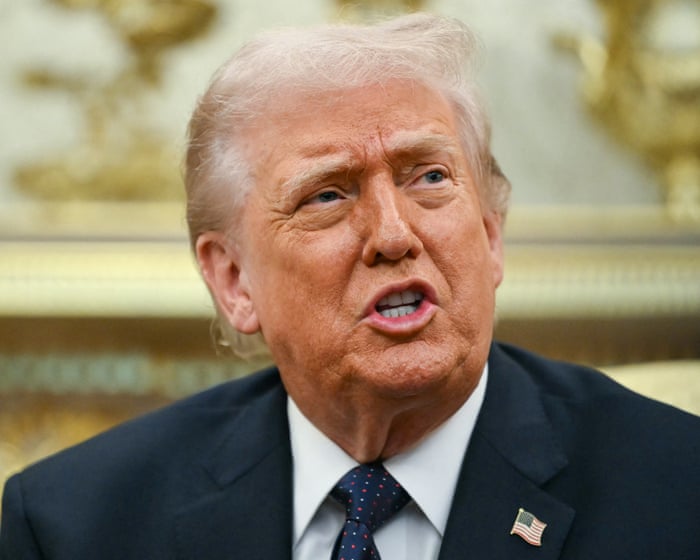
The United States and Iran are close to reaching a peace deal that would end fighting and reopen the Strait of Hormuz, a key waterway for global oil supply. This deal shows a reduction in the high demands President Donald Trump initially made during the conflict with Iran.
Key Facts
The US and Iran have been negotiating to end their conflict after fighting began on February 28.
The Strait of Hormuz, a vital route carrying 20% of the world’s oil, was closed by Iran during the conflict.
Closing the strait caused higher gas prices and fertilizer shortages that affected the US economy.
The reported peace deal includes a 60-day ceasefire and talks about Iran’s nuclear program.
The deal would mark a step back from President Trump’s original goals of regime change in Iran.
Some Republican leaders have expressed concern that the deal might resemble the 2015 Iran nuclear agreement that Trump opposed.
President Trump had initially launched strikes on Iranian targets and called for the Iranian government to be overthrown.
The negotiations involve mediators from Pakistan and Qatar helping to reach an agreement.
Read the Original
Want the full story? Tap a source to open the original
article.
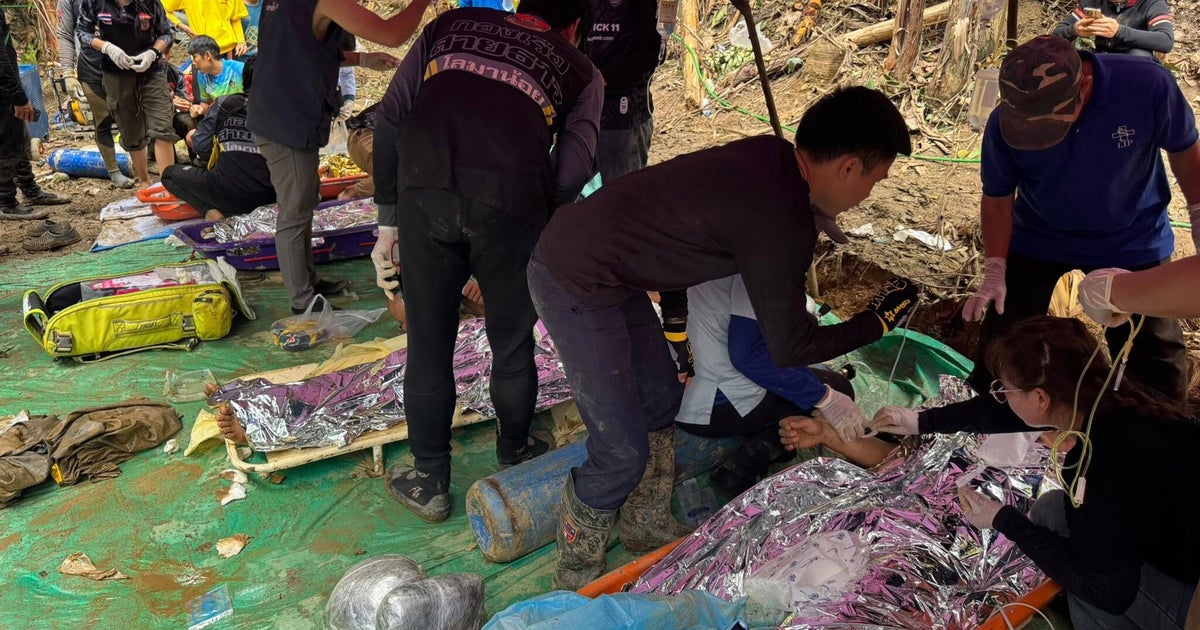
Rescue teams in Laos have freed four villagers who were trapped in a flooded cave for 10 days. Two other men remain missing as rescuers continue their search.
Key Facts
Six villagers entered a cave in Laos looking for valuable minerals.
Flash flooding trapped them inside the cave, blocking their exit.
One villager escaped earlier and alerted authorities.
Rescue teams from Laos and Thailand worked together to free the trapped men.
The first man was rescued on Friday, and four more were evacuated by Saturday.
The men were given oxygen and kept warm with foil blankets after rescue.
The water level inside the cave dropped enough to allow the men to leave with divers' help.
Two villagers are still missing, and the search continues.
Read the Original
Want the full story? Tap a source to open the original
article.
A group of activists has spent over ten years working to rescue thousands of beagle dogs from a testing facility. The dogs gained attention on social media, and activists say many more dogs still need to be saved from similar conditions.
Key Facts
The fight to free the beagles has lasted for about a decade.
The rescued dogs came from a testing site where they were used for experiments.
The story gained widespread attention through social media posts.
Activists are continuing efforts to rescue hundreds more dogs.
The campaign highlights concerns about the use of animals in testing.
Read the Original
Want the full story? Tap a source to open the original
article.
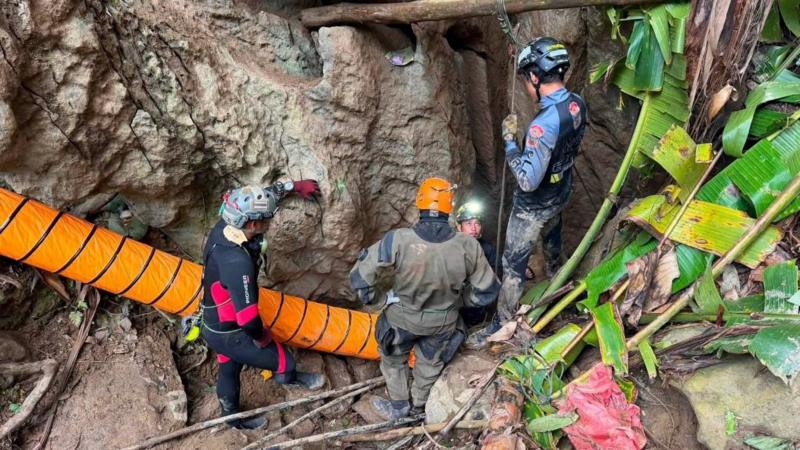
Four men trapped in a flooded cave in Laos for 10 days have been rescued by a team of Thai and international divers. They were part of a group of seven who entered the cave searching for gold and were cut off by sudden flooding; two men remain missing.
Key Facts
Seven men entered a narrow cave in Xaysomboun province, Laos, to look for gold.
Flash floods on May 20 trapped them inside the cave’s narrow tunnels.
Five men were found alive by rescuers, four of whom were freed recently.
Two men are still missing inside the cave.
The cave tunnels are very tight, with some parts only about 50 cm (20 inches) wide.
Rescuers initially tried to pump water out but later considered teaching the men to swim and scuba dive to escape.
Specialist divers from Thailand, Indonesia, France, and Australia joined the rescue effort.
The rescue situation is compared to a 2018 incident where a young football team was trapped in a cave in Thailand.
Read the Original
Want the full story? Tap a source to open the original
article.
The U.S. Department of Defense is prepared to restart attacks on Iran if current negotiations fail. President Donald Trump is reviewing a proposal to extend a truce with Iran by 60 days, but no final decision has been made yet.
Key Facts
Defense Secretary Pete Hegseth said the U.S. can restart strikes on Iran if needed.
The U.S. has sufficient stockpiles of weapons ready worldwide for this action.
President Trump held a two-hour meeting to decide on extending an existing truce with Iran.
The proposed extension would last 60 more days beyond the April truce.
Trump insists Iran must never obtain nuclear weapons and must keep the Strait of Hormuz open without tolls.
An Iranian official said the Strait of Hormuz would only be opened if the U.S. lifts its blockade on Iranian ships.
A senior Iranian source said a deal was close but did not fully include nuclear issues.
The situation is still developing, and more updates are expected.
Read the Original
Want the full story? Tap a source to open the original
article.
Passengers flying to the UK through European airports are advised to arrive three hours before their flights because new border security checks are causing long wait times. The EU has started using a new digital system called the Entry-Exit System (EES) to check passengers, replacing passport stamps with electronic records.
Key Facts
The EU Entry-Exit System (EES) started in October 2025 and fully began last month.
EES uses digital registration and biometric checks (like face or fingerprint scans) for non-EU travelers.
Longer waiting times and queues of up to 3.5 hours have been reported at busy airports in Spain, Portugal, and France.
Wizz Air suggests passengers allow three hours before flights instead of the usual two hours.
Some airports have enough staff and kiosks to manage EES smoothly, but others face delays.
French police paused EES checks at Dover port to reduce delays for travelers.
The European airports group says the situation is getting worse, even with some relaxed checks.
The European Commission says registering on EES usually takes about one minute and is not the only cause of delays.
Read the Original
Want the full story? Tap a source to open the original
article.
A Chinese dissident living in the UK said a translator working for Devon and Cornwall police criticized him during a call for help when his bank accounts were frozen by China. The translator, who spoke with a Chinese accent, questioned his reasons for fleeing China and refused to fully translate his urgent situation to police.
Key Facts
Hong Qi, a Chinese dissident in the UK, called police for help after his bank accounts were frozen by Chinese authorities.
The call was to the non-emergency UK police number on 20 December.
The interpreter assigned to the call interrupted and challenged Qi, asking why he did not love China and taunted his financial troubles.
The interpreter refused to translate Qi’s emotional appeals during the 20-minute call.
Devon and Cornwall police said the interpreter was hired through a contractor paid £130,000 per year for translation services.
The police force did not provide a recording of the call despite Qi’s requests; the Information Commissioner’s Office reprimanded the force for this.
A report linked to the Home Office confirmed concerns about Chinese government influence in Mandarin interpreters in UK policing.
The report recommended increasing the number of Mandarin-speaking police to avoid reliance on possibly compromised interpreters.
Read the Original
Want the full story? Tap a source to open the original
article.
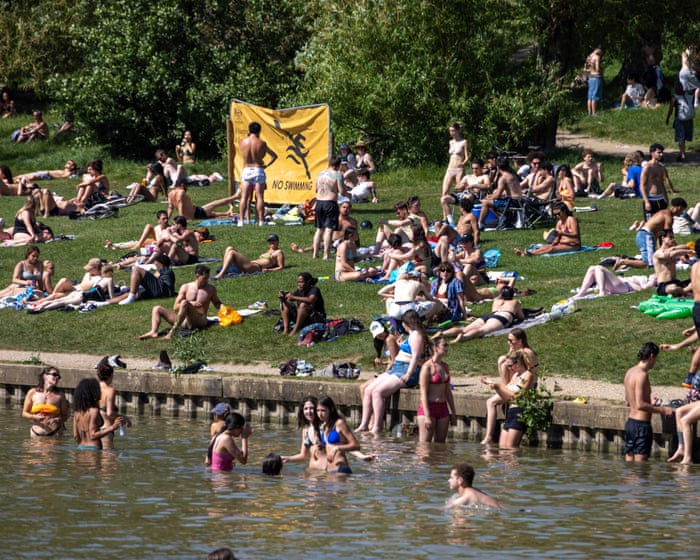
Government ministers have asked the City of London to stop people from swimming in a protected pond on Hampstead Heath, after videos showed swimmers disturbing swans and their eggs. The area is a wildlife conservation site, and the disturbance broke laws protecting wild birds and their nests.
Key Facts
Swans and their young were disturbed by many swimmers at Hampstead Heath on a hot day reaching 35°C.
A swan was seen trying to touch an unhatched egg that fell into the water during the disturbance.
The City of London called the swimmers’ behavior “utterly appalling.”
Large signs around the pond warn people not to swim there because it is a wildlife protection area.
Environment ministers Mary Creagh and Emma Hardy wrote to the City of London asking how they will prevent this from happening again.
The Wildlife and Countryside Act 1981 makes it illegal to damage or destroy wild bird nests or eggs, with potential fines and jail time.
Nature groups like the RSPB said this is an important time for breeding birds and urged swimming only in authorized areas.
Read the Original
Want the full story? Tap a source to open the original
article.
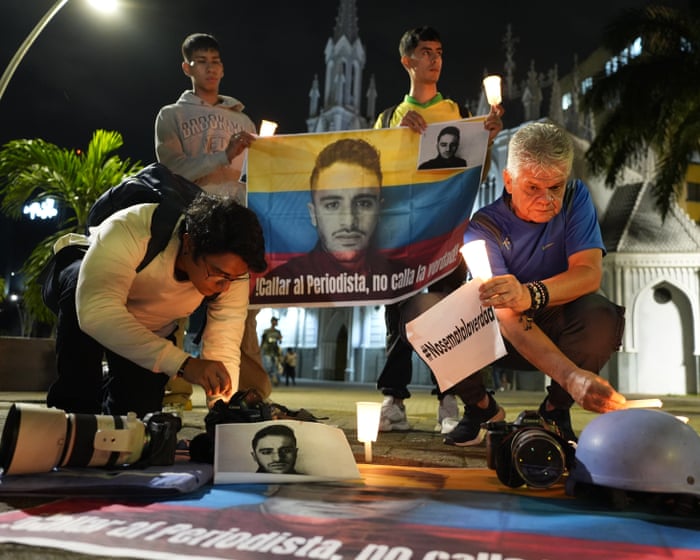
Colombia is holding a presidential election amid a rise in political violence linked to armed groups. Despite a 2016 peace deal that lowered violence, fighting continues between government forces and rebel factions involved in drug trafficking and illegal mining.
Key Facts
Mateo Pérez Rueda, a young photojournalist, was kidnapped, tortured, and killed by a Farc dissident group in May.
Political violence in Colombia is increasing, impacting the current election.
President Gustavo Petro cannot run again but supports leftwing candidate Iván Cepeda, who promotes a "total peace" plan.
Far-right candidate Abelardo de la Espriella and rightwing senator Paloma Valencia want to return to full military conflict.
Armed clashes between dissident factions have caused many deaths, including children forcibly recruited.
The 2016 peace deal helped reduce violence but some rebel groups never joined it and have grown stronger.
Much of the ongoing conflict is driven by control over cocaine production, illegal gold mining, and local corruption.
Recent killings include over 50 people in fights between Farc dissident groups in Colombia’s southern region.
Read the Original
Want the full story? Tap a source to open the original
article.
Colombia is preparing for a presidential election with two main candidates: Ivan Cepeda, the left-wing incumbent president Gustavo Petro's chosen successor, and Abelardo De La Espriella, a lawyer and political outsider with a hard-right, populist campaign style similar to U.S. President Trump. De La Espriella's campaign focuses on security, smaller government, and nationalist ideas, appealing to voter dissatisfaction with traditional politics.
Key Facts
Gustavo Petro, Colombia’s first left-wing president, is leaving office after one term.
Ivan Cepeda, a left-wing senator, is Petro’s preferred successor and leads the polls.
Abelardo De La Espriella is a right-wing outsider who has gained strong support rapidly, rising from 1.1% in March 2025 to about 30% before the election.
De La Espriella uses anti-establishment messages, social media engagement, and tough security promises inspired by leaders like President Trump and Nayib Bukele.
Colombia is deeply divided politically, with many voters tired of the traditional left-right options.
De La Espriella’s platform includes smaller government, expanded prisons, and a security approach modeled on El Salvador’s policies.
Polls show a likely runoff between Cepeda and De La Espriella, with the race very close and unpredictable.
De La Espriella has said he will quit politics if he loses, but experts believe his campaign has changed Colombia’s political landscape for the hard right.
Read the Original
Want the full story? Tap a source to open the original
article.
President Donald Trump held a two-hour meeting about a peace deal with Iran, but no agreement was reached. The main issues are Iran wanting billions of dollars in frozen assets released, while Trump demands Iran remove mines from a key shipping route and destroy enriched uranium.
Key Facts
Talks between the U.S. and Iran about a peace deal have not made progress.
President Trump met for two hours to discuss Iran’s latest proposal.
Iran wants billions of dollars in frozen assets to be unfrozen.
Trump wants Iran to remove mines from the Strait of Hormuz, a major shipping route.
Trump also wants Iran to agree to destroy enriched uranium, which can be used for nuclear weapons.
Statements from Washington and Tehran about the talks differ and conflict.
The situation is part of broader tensions involving the Middle East.
No new agreement was made after the meeting.
Read the Original
Want the full story? Tap a source to open the original
article.
Armenia’s leader, Nikol Pashinyan, is trying to build good relationships with both Russia and the European Union (EU). Russia’s President Vladimir Putin warned that Armenia cannot join the EU and remain part of Russia’s economic group, the Eurasian Economic Union, at the same time.
Key Facts
Armenia wants to work with both Russia and Western countries like the EU.
President Nikol Pashinyan supports the idea of Armenia joining the EU.
President Vladimir Putin disagrees with Armenia joining the EU.
The Eurasian Economic Union is led by Russia and includes Armenia.
The Eurasian Economic Union threatened to suspend Armenia if it pursues EU membership.
Putin said it is not possible for Armenia to be part of both the EU and the Eurasian Economic Union.
The Eurasian Economic Union asked Armenia to hold a public vote to decide between the two options.
Read the Original
Want the full story? Tap a source to open the original
article.
Ukraine carried out drone attacks on several Russian energy sites, including a major port in Taganrog, causing fires and some injuries. Russia responded with missile and drone attacks on Ukraine, damaging infrastructure and causing power outages.
Key Facts
Ukraine attacked Russian energy facilities in multiple regions using drones.
A big fire broke out at the port of Taganrog after drones hit a tanker, fuel tank, and administrative building.
Two civilians were injured in Taganrog when a drone struck a private home.
Russian air defenses shot down multiple Ukrainian drones across four districts overnight.
Drone strikes also damaged a gas pipe in a village, forcing evacuations but no casualties.
Russia launched 90 drones and two ballistic missiles against Ukraine, affecting electricity in Zaporizhzhia.
Ukrainian President Zelenskyy warned Russia plans a new large attack and called for more Patriot missile defenses.
A Russian drone crashed in eastern Romania, injuring two, increasing tensions with NATO.
Read the Original
Want the full story? Tap a source to open the original
article.