Nigel Farage, a British political leader, has been re-elected as a Member of Parliament (MP) in a by-election in Clacton. He had resigned earlier due to questions about his finances but did not attend the event announcing the results.
Key Facts
Nigel Farage is a UK political leader known for far-right views.
He resigned his position as an MP before this by-election.
The resignation came after concerns about his financial situation.
He ran again in the Clacton by-election and won.
Farage did not attend the ceremony where the results were announced.
The opponent who came second was a comedian named Count Binface.
The by-election was boycotted, meaning some groups or people chose not to take part.
Read the Original
Want the full story? Tap a source to open the original
article.
Israeli settlers in the occupied West Bank have taken control of a freshwater spring used by Palestinian farmers for generations. They diverted the water to create a recreational pool advertised as a tourist spot, leaving Palestinian crops without water and causing economic harm.
Key Facts
Israeli settlers seized a freshwater spring near the Palestinian village of Fasayil in the West Bank.
The spring was essential for Palestinian farming, providing water for crops and daily life.
Settlers diverted the water to an ancient pool, now promoted as a tourist attraction.
The Israeli government’s far-right finance minister has promised financial support to develop a recreational park around the pool.
Palestinians say Israeli settlers have attacked over 160 water and sanitation sites this year in the West Bank.
Water cuts have made Palestinian farmland dry and unusable, causing loss of crops and jobs.
Palestinian villagers face threats and violence when approaching the seized water source.
Israel’s right-wing government supports settlement expansion in the West Bank, affecting Palestinian land and water access.
Read the Original
Want the full story? Tap a source to open the original
article.
Two oil tankers owned by the United Arab Emirates' state oil company were attacked by drones while passing through the Strait of Hormuz. The UAE blamed Iran for the attacks, calling them acts of piracy, while no injuries were reported. Meanwhile, Jared Kushner, President Donald Trump’s son-in-law and peace negotiator, is set to visit the Middle East to work on efforts to end the conflict in Gaza.
Key Facts
Two UAE oil tankers operated by ADNOC were hit by drone attacks in the Strait of Hormuz.
The attacks caused minor damage but no injuries.
The UAE government blamed Iran’s Revolutionary Guard Corps for the attacks, calling them piracy.
The incident highlights the risks to shipping in the Strait of Hormuz, a vital waterway for global oil transport.
The British military confirmed the drone attack but did not identify the vessels.
Iran has not responded to the accusations.
Jared Kushner plans to visit Israel and Egypt to help advance a ceasefire deal in the Gaza conflict.
Kushner will meet with other peace officials including Nickolay Mladenov and Tony Blair during the trip.
Read the Original
Want the full story? Tap a source to open the original
article.
Russian drones attacked a home in northern Ukraine, killing a woman and her 9-year-old son and injuring others. The United Nations reported that July 2026 was the deadliest month for Ukrainian civilians since the war began, with hundreds killed and thousands wounded amid ongoing conflict.
Key Facts
Russian jet-powered drones struck a house in Sumy region, northern Ukraine, killing a 29-year-old woman and her 9-year-old son.
Four other people were injured in the attack, including family members hospitalized with severe burns.
The United Nations said July 2026 saw 437 civilians killed and 2,610 wounded in Ukraine, the highest monthly toll since early in the war.
Since Russia’s invasion started in February 2022, over 16,800 Ukrainian civilians have died, including 820 children.
Russian glide bombs damaged a 10-story apartment building in eastern Ukraine’s Donetsk region, killing one person and injuring 16.
Russia regularly uses heavy bombs and drones, attacking multiple regions near the fighting front lines in eastern and southern Ukraine.
Ukraine launched drone strikes against Russian infrastructure, including a major port north of Moscow and a warehouse linked to a large Russian online retailer.
These Ukrainian attacks aim to disrupt Russian oil exports and military supply chains.
Read the Original
Want the full story? Tap a source to open the original
article.
Afghanistan is marking five years since the Taliban took control following the U.S. withdrawal in 2021. While some people in Kabul feel safer now, many are asking the Taliban to create jobs and allow education for girls older than 12, which the group currently bans.
Key Facts
The Taliban regained power in Afghanistan on August 15, 2021, after the U.S. and NATO troops left.
Many Kabul residents say streets feel safer than in previous decades of war.
The Taliban banned girls over age 12 from going to school and restricted women’s work and travel.
The group initially promised to protect women’s rights but later imposed strict rules based on their interpretation of Islamic law.
Economic hardship remains a major problem for many Afghans.
People want the Taliban government to create more jobs and improve schooling opportunities.
The United Nations says there is more stability but warns it will not last without respect for basic rights and lifting restrictions on women.
The Taliban are mostly isolated internationally and face criticism over human rights and terrorism issues.
Read the Original
Want the full story? Tap a source to open the original
article.
In August 2025, student protests in Serbia grew after a deadly collapse at a railway station, leading to widespread demonstrations against President Aleksandar Vucic’s long rule. The protests, marked by police violence and rising tensions, have highlighted deep social divisions and concerns about press freedom in Serbia.
Key Facts
On August 14, 2025, police violence against protesters in Valjevo was recorded on video.
The protests began after a concrete canopy collapsed at Novi Sad railway station in November 2024, killing 16 people.
The movement expanded from demanding accountability to calling for political change and challenging President Vucic’s government.
Hundreds of thousands of people participated in protests and blockades across Serbia.
Independent journalists like Darija Rankovic have faced smear campaigns and threats after covering the protests.
Police said their use of force was lawful and necessary to restore order.
Following the protests, violent attacks against civilians in Valjevo occurred without anyone being held responsible.
Critics accuse President Vucic and his party of suppressing dissent and fostering a climate of fear.
Read the Original
Want the full story? Tap a source to open the original
article.
Lucy Davis, the actress known for playing Dawn Tinsley in The Office UK, revealed she has incurable breast cancer that has spread to her bones. She thanked fans for their support and shared that she is trying to live the rest of her life positively and peacefully.
Key Facts
Lucy Davis is 53 years old and played Dawn Tinsley in the BBC sitcom The Office.
She announced she has incurable breast cancer that was diagnosed a year and a half ago and has spread to her bones.
Chemotherapy is no longer an option for her due to the spread of the cancer.
Davis expressed she is not afraid and is at peace with what comes next.
Her father, Jasper Carrott, and former co-stars including Ricky Gervais and Jenna Fischer publicly offered support.
Davis posted a video of herself learning to skateboard as a way to lighten the mood.
Her acting highlights include roles in Shaun of the Dead, Wonder Woman, and the Netflix show Chilling Adventures of Sabrina.
Jenna Fischer, who had a similar role in the US version of The Office, praised Davis and encouraged talking about working through cancer.
Read the Original
Want the full story? Tap a source to open the original
article.
Doctors warn that colon cancer can cause symptoms that people often miss, like feeling dizzy, short of breath, or feeling like they still need to go to the bathroom after using it. These symptoms happen because the cancer can cause slow bleeding, leading to low iron levels and anemia. Paying attention to these signs and talking to a doctor early can help catch colon cancer sooner.
Key Facts
Colon cancer can cause slow bleeding that may not show up in stool.
This bleeding can lead to iron deficiency anemia, causing tiredness, weakness, or dizziness.
Shortness of breath can occur because anemia lowers oxygen levels in the body.
People may feel like their bowels are not completely empty after a bowel movement, a symptom called tenesmus.
Colon cancer is increasing in younger adults, with about 1 in 5 cases diagnosed under age 55.
The American Cancer Society estimates around 108,860 new colon cancer cases in the U.S. in 2026.
Symptoms like dizziness, breathlessness, and bowel changes can have many causes but should be checked if they continue or worsen.
Early detection of colon cancer improves treatment success and outcomes.
Read the Original
Want the full story? Tap a source to open the original
article.
Russian air strikes have caused deaths and injuries in eastern and southeastern Ukraine, including in Kramatorsk and Zaporizhzhia. The United Nations says civilian deaths in Ukraine last month were the highest since May 2022, shortly after Russia's full invasion began.
Key Facts
At least one person was killed and 15 injured in Kramatorsk due to Russian strikes.
Two people were injured in a separate attack on Zaporizhzhia.
Russia has increased long-range attacks in Ukraine.
Civilian deaths reached their highest level last month since May 2022.
Civilian targets such as passenger trains have been attacked in recent days.
The conflict continues in eastern and southeastern regions of Ukraine.
The situation follows Russia’s full-scale invasion that started in 2022.
Regional authorities reported the recent casualties from these strikes.
Read the Original
Want the full story? Tap a source to open the original
article.
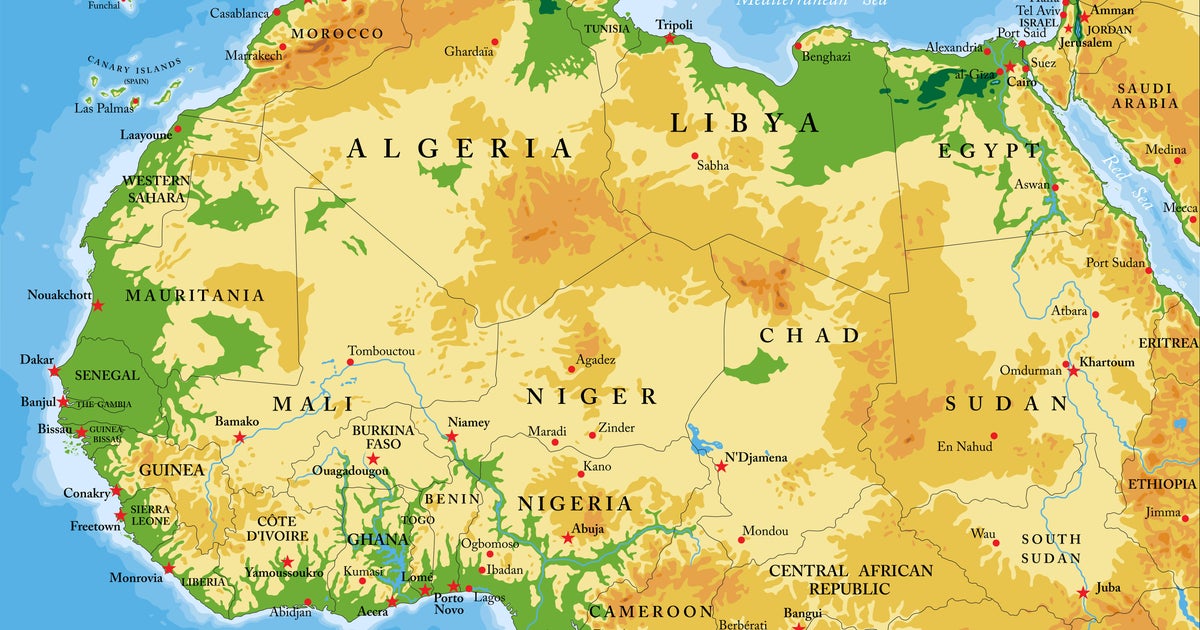
An American missionary named Kevin Rideout, who was kidnapped in Niger in October, has been released and is now with U.S. officials. He is expected to reunite with his family soon, according to his organization, SIM International.
Key Facts
Kevin Rideout was kidnapped on October 21 in Niamey, the capital of Niger.
He was taken by three armed people and likely moved out of the city.
No group has said they were responsible for the kidnapping.
Niger faces attacks from armed groups linked to al-Qaeda and ISIS.
The U.S. Embassy in Niger warned Americans about the risk of kidnapping after Rideout’s abduction.
Niger’s military government took control in 2023, replacing the elected president.
The new Niger authorities ended partnerships with some Western countries and joined with Russia.
Rideout has worked as a missionary and pilot in Niger for 19 years with SIM International, a Christian mission group active worldwide.
Read the Original
Want the full story? Tap a source to open the original
article.
Advances in AI and biology have increased the risk that dangerous human-made viruses could be created accidentally or on purpose. Experts worry more about accidental releases from labs than deliberate attacks but note that more labs and new technologies make accidents more likely.
Key Facts
AI and biological research have grown rapidly, raising the chance of creating harmful viruses.
Accidental release of a virus from a lab is considered a bigger risk than deliberate use as a weapon.
More labs are now conducting risky biological research, despite controversies over "gain of function" studies.
AI tools let less experienced people conduct experiments that might succeed, increasing risks.
Stanford researchers recently used AI to create synthetic viruses that can kill bacteria, showing new scientific progress.
Creating viruses that affect humans is still much harder than those targeting bacteria.
Countries like China, North Korea, and Russia have knowledge to create biological weapons.
New technologies, such as gene editing and nanotech, could cause unintended dangerous releases.
Read the Original
Want the full story? Tap a source to open the original
article.
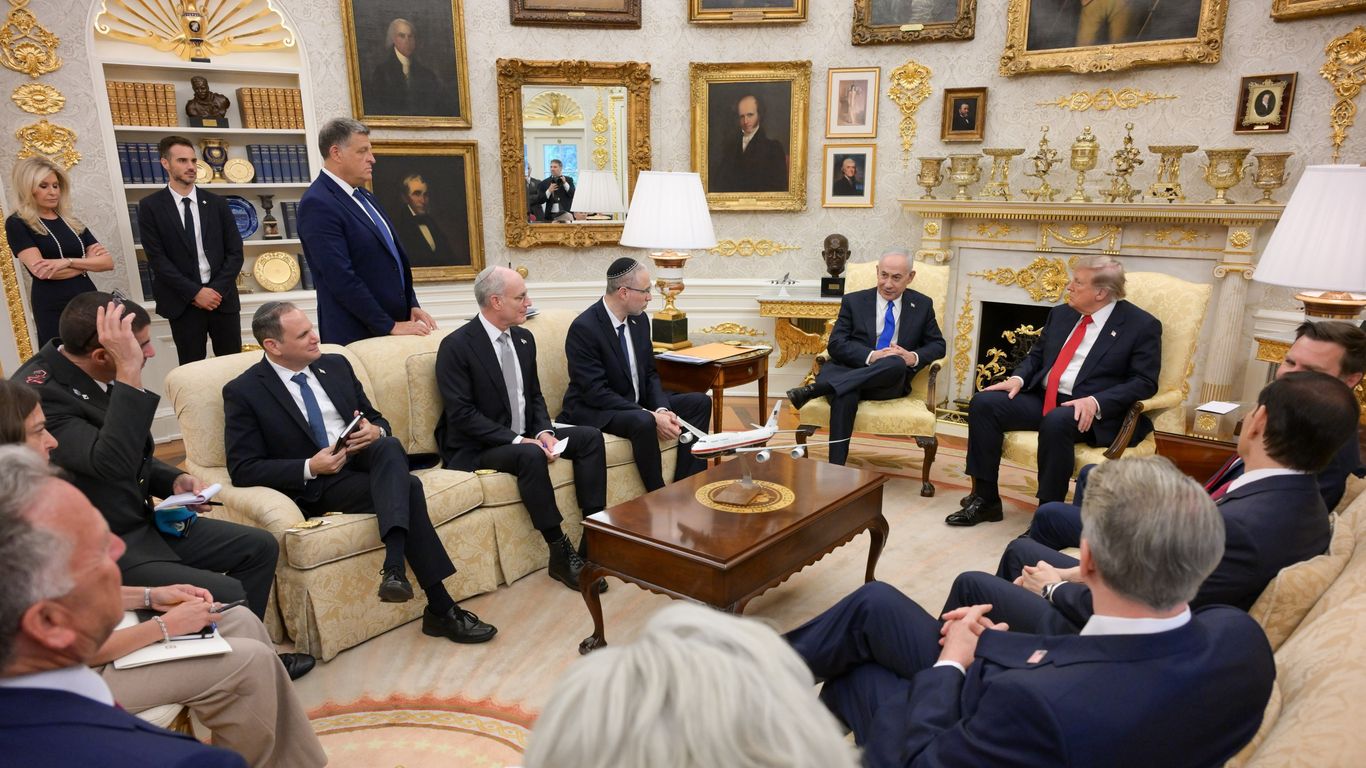
President Donald Trump has not officially endorsed Israeli Prime Minister Benjamin Netanyahu in the upcoming October 27 election. Netanyahu is currently trailing in polls, and tensions have grown between the two leaders over policy differences, especially on issues related to Gaza and Iran.
Key Facts
Netanyahu’s current coalition is polling between 49 and 53 seats, below the 61 seats needed for a majority government.
Opposition parties in Israel are polling stronger, holding 67 to 70 seats combined.
Netanyahu’s main rival is Gadi Eizenkot, a former Israel Defense Forces chief, who has higher favorability ratings in most surveys.
Netanyahu aims to prevent opposition parties from forming a government without Arab-Israeli party support, which could leave him as caretaker prime minister temporarily.
President Trump has grown frustrated with Netanyahu’s policies and decisions, describing him as “his own worst enemy.”
Netanyahu publicly rejected Trump’s Gaza Board of Peace plan but later agreed to give it a chance in talks with Trump’s envoy Jared Kushner.
Since Netanyahu’s partial acceptance, Israel has reduced military actions in Gaza and pulled back forces as part of the agreement.
Some Israeli opposition leaders have asked President Trump to remain neutral and not endorse Netanyahu due to his current weak polling position.
Read the Original
Want the full story? Tap a source to open the original
article.
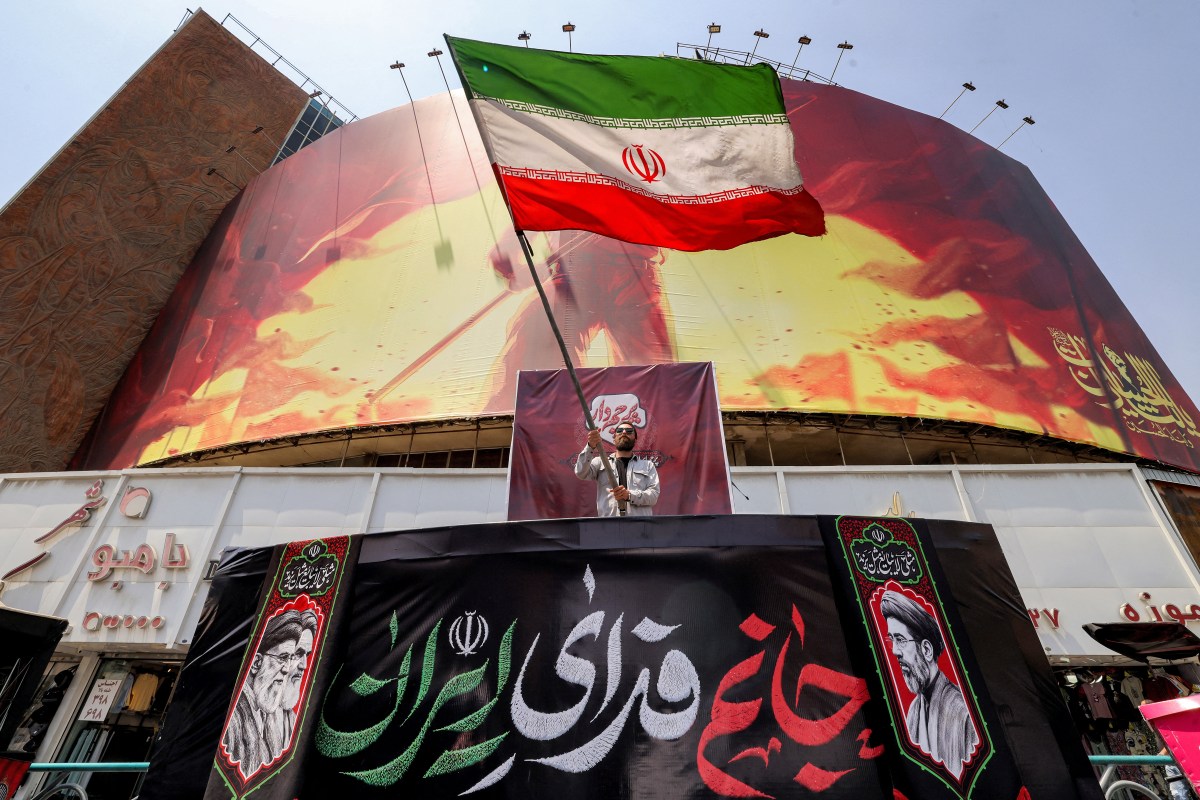
Iran believes it has gained the upper hand in its conflict with the United States and Israel, aiming to achieve five key goals to secure its position. These goals include ending U.S. military presence near Iran, preventing future attacks, and seeking compensation for damages caused during the conflict.
Key Facts
Iran sees itself as winning its conflict against the United States and Israel.
Iran wants U.S. military forces to leave the Persian Gulf region to prevent future attacks on its soil.
Some in Iran consider acquiring nuclear weapons as a way to stop attacks, though the official ban on such weapons has not been changed yet.
U.S. military bases near Iran have been damaged by Iranian missile and drone attacks.
The U.S. government, under President Donald Trump, signed but never finalized a deal with Iran that included U.S. troop withdrawal.
Iran demands compensation for damage to its military and civilian infrastructure caused by the conflict.
Iran claims control over the Strait of Hormuz, a strategic waterway, as part of its victory.
Some Gulf Arab states that supported the U.S. may also be asked to pay reparations for the conflict.
Read the Original
Want the full story? Tap a source to open the original
article.
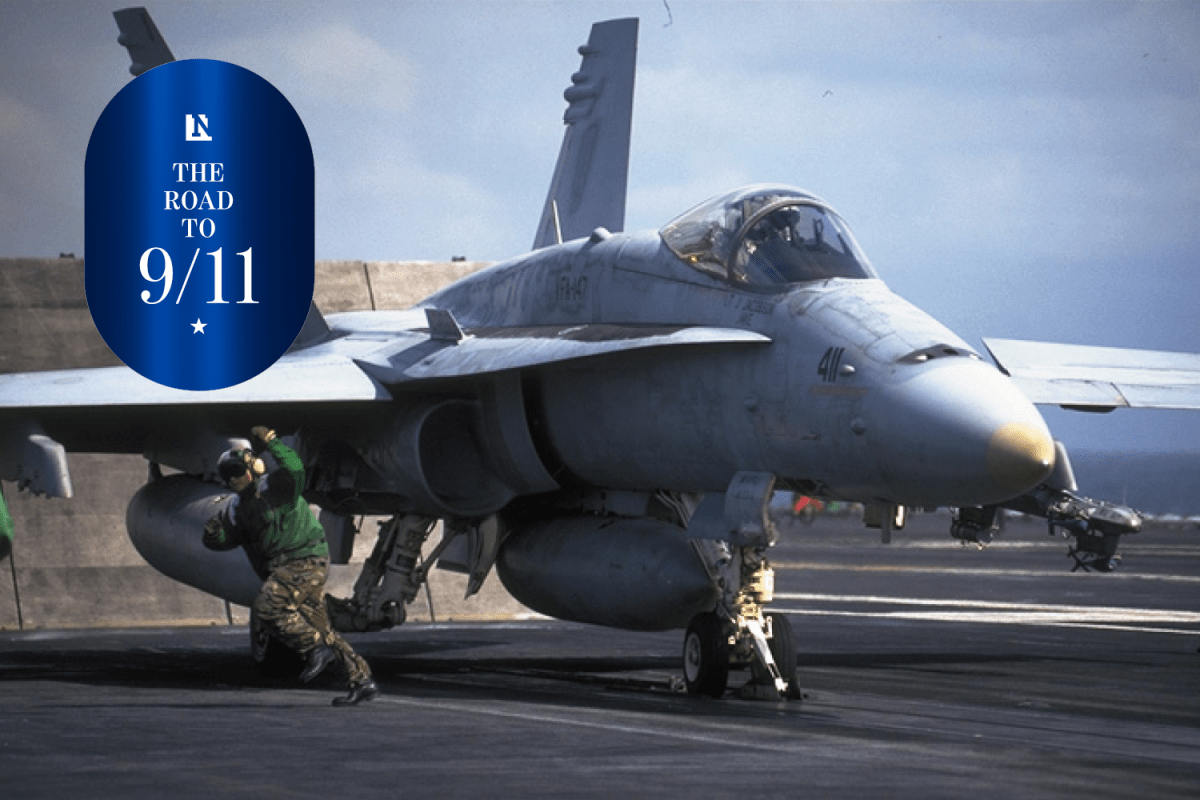
About a month before the 9/11 attacks, the United States was actively attacking Iraq to weaken its military defenses. In August 2001, U.S. fighter jets bombed Iraqi communications facilities as part of ongoing military operations related to enforcing no-fly zones over Iraq.
Key Facts
In August 2001, U.S. aircraft attacked Iraqi communications sites upgraded with fiber optics technology from China.
The fiber optics system improved Iraq's air defense coordination, making it harder to intercept communications.
Since 1991, the U.S. and Britain had maintained no-fly zones over parts of Iraq with about 20,000 American troops in nearby countries.
In 2001, Iraq increasingly targeted U.S. and British aircraft with missiles and radar locks during patrols.
The U.S. changed military rules to allow more flexible and pre-planned retaliatory strikes on Iraq.
A U.S. Predator drone was reportedly shot down by Iraq in late August 2001, though the U.S. denied confirmation.
The U.S. responded to increased Iraqi aggressiveness with additional air attacks on air defense and communications targets.
The Bush administration had two aircraft carriers in the Persian Gulf preparing for more military actions.
Read the Original
Want the full story? Tap a source to open the original
article.
A U.S. judge stopped the Defense Department from blacklisting the Chinese biotech company WuXi AppTec, saying there was not enough evidence. This case shows the challenges the U.S. faces when using legal processes against Chinese companies tied to its military goals.
Key Facts
The Pentagon tried to blacklist WuXi AppTec, claiming it supports China’s military growth.
WuXi AppTec is a large pharmaceutical contractor based in Shanghai.
The U.S. court ruled the Pentagon did not prove its case properly.
WuXi AppTec earns most of its money from U.S. clients.
The court found the Defense Department mistakenly claimed Chinese military ownership of WuXi AppTec.
This is not the first time U.S. courts have blocked government efforts to restrict Chinese companies.
The case highlights differences between China’s government system and the U.S. system focused on legal rules and fairness.
President Donald Trump’s administration faced similar setbacks in trying to ban apps and impose tariffs on China.
Read the Original
Want the full story? Tap a source to open the original
article.
Israeli settlers have been attacking the Palestinian village of Qusra in the occupied West Bank, cutting off families' water and electricity. The Israeli military has stepped in and criticized the violence but has not stopped the settlers, while the U.S. government has strongly condemned the settlers' actions.
Key Facts
Israeli settlers are targeting the Palestinian village of Qusra with violence and intimidation.
Families in Qusra have lost access to electricity and water.
The attacks aim to push Palestinian families out of their homes.
The Israeli Defense Forces (IDF) have intervened and condemned the violence.
Despite IDF efforts, settlers continue their attacks, with Palestinians saying soldiers often ignore these actions.
The U.S. government has officially condemned the settlers' behavior.
The village is located in the West Bank, a territory occupied by Israel.
Read the Original
Want the full story? Tap a source to open the original
article.
England and Wales experienced their driest July on record, with very little rain and high temperatures in some areas. Meanwhile, flooding caused by heavy monsoon rains continues to cause deaths and displacements in eastern India.
Key Facts
England had only 6.5mm of rain in July, just 10% of its usual amount for the month.
Wales recorded its driest July ever, and Northern Ireland had its eighth driest.
Scotland did not break records but still had only 69% of its normal July rain.
Southern England, especially the Sussex coast, saw almost no rain, causing very dry soil and high temperatures.
Rain is expected mostly in northern UK; southern England may stay mostly dry through August.
An Atlantic weather disturbance has an 80% chance to become a tropical storm named Dolly.
Flooding in Assam, India, has caused 100 deaths and displaced 700,000 people in the last month.
Lightning storms in eastern India caused 14 deaths on August 4, mostly among farm workers caught outdoors.
Read the Original
Want the full story? Tap a source to open the original
article.
An American missionary named Kevin Rideout, who was kidnapped in Niger in October 2025, has been freed and is in good health under U.S. care. Niger faces ongoing violence from armed groups and political instability since a military takeover in 2023.
Key Facts
Kevin Rideout was kidnapped on October 21, 2025, in Niger’s capital, Niamey.
Three armed people abducted him, but no group claimed responsibility.
Rideout is now safe and with U.S. officials; he will soon reunite with family.
Niger has frequent attacks by armed groups linked to al-Qaida and Islamic State.
The U.S. warned its citizens about high kidnapping risks in Niger after the abduction.
A military junta has ruled Niger since 2023 after overthrowing President Mohamed Bazoum.
The new rulers ended many Western partnerships, including with the U.S., and aligned with Russia.
In June 2026, gunmen attacked Niamey airport, killing more than 30 people; this was the second such attack that year.
Read the Original
Want the full story? Tap a source to open the original
article.
An American missionary named Kevin Rideout was kidnapped in Niger in October 2025. After nine months, he has been released and is now in good health under the care of U.S. officials.
Key Facts
Kevin Rideout, an American missionary, was taken hostage in Niger in October 2025.
He was held captive for about nine months.
His organization, SIM International, confirmed his release on August 14, 2026.
Rideout is reported to be in good health.
He is currently with U.S. officials for his care and protection.
Rideout will soon be reunited with his extended family.
The incident took place in Niger, a country in West Africa.
Read the Original
Want the full story? Tap a source to open the original
article.
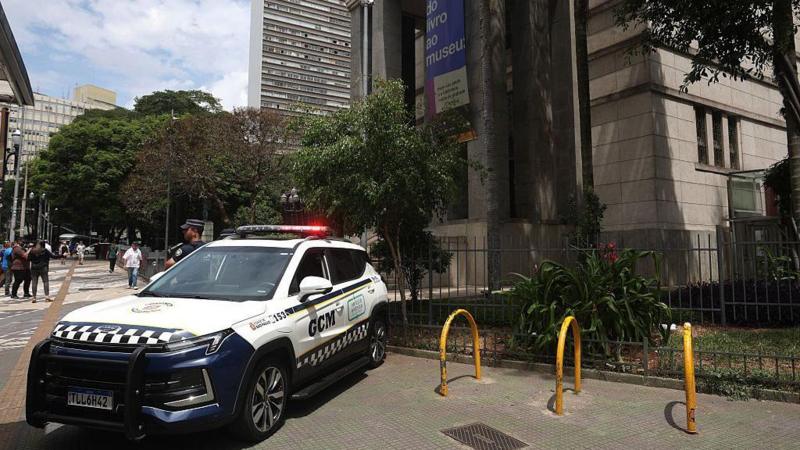
Police in Brazil have recovered eight stolen artworks by French artist Henri Matisse from a house in São Bernardo do Campo near São Paulo. A man was arrested at the scene, and the stolen illustrations were returned to the Mario de Andrade Library, where they were taken during a robbery last December.
Key Facts
Eight Matisse illustrations worth about $200,000 were stolen from the Mario de Andrade Library in São Paulo in December 2025.
The artworks were found and recovered by police at a home in São Bernardo do Campo.
A 44-year-old man was arrested for storing the stolen artworks.
The theft involved two thieves who overpowered a security guard and two elderly visitors.
Five other artworks by the Brazilian artist Candido Portinari taken in the same robbery have not been found yet.
Police suspect a 53-year-old man, described as a prolific art thief, planned the crime and is already in custody for another case.
The stolen artworks were part of a joint exhibition between the library and the São Paulo Museum of Modern Art.
Security at the library has been improved since the theft.
Read the Original
Want the full story? Tap a source to open the original
article.