Neutral summaries of your favorite news sources — just the facts.
Your favorite news sources, one neutral feed — we distill their reporting into fact-first
summaries and always link to the original story. How it works
World News
Comprehensive coverage of international news and global events
Ethiopia’s Prime Minister Abiy Ahmed and his Prosperity Party held their final rally before the country’s general elections, which will take place in less than a week. While Abiy and his party are expected to win, opposition groups say the conditions for a fair and democratic vote are not in place.
Key Facts
Ethiopia’s general elections are scheduled to happen soon, within a week.
Prime Minister Abiy Ahmed leads the Prosperity Party.
Abiy Ahmed and his party are widely expected to win the upcoming elections.
Opposition parties have expressed concerns about the elections’ fairness.
The opposition believes that necessary conditions for democracy are missing.
The ruling party held its last campaign rally before the election.
International media covered the event and election context.
Read the Original
Want the full story? Tap a source to open the original
article.
Iran’s Revolutionary Guard attacked a U.S. military base after the U.S. conducted strikes on an Iranian drone operation near the Strait of Hormuz. This happened shortly after President Donald Trump rejected a report about a potential deal with Iran, increasing tensions and causing oil prices to rise.
Key Facts
The U.S. struck an Iranian drone operation close to the Strait of Hormuz.
Iran’s Revolutionary Guard responded by attacking a U.S. airbase.
President Donald Trump dismissed reports of a compromise deal with Iran.
These actions came after a fragile ceasefire began in early April.
The renewed conflict raised concerns about peace prospects between the U.S. and Iran.
The tensions caused an increase in global oil prices.
The Strait of Hormuz is a strategic shipping route for oil.
The events were reported by France 24 on May 28, 2026.
Read the Original
Want the full story? Tap a source to open the original
article.
Bolivia’s president Rodrigo Paz said the country is at a "breaking point" after about a month of protests. These protests have caused shortages of food, fuel, and important medicine, as many people demand the president resign over his economic policies.
Key Facts
President Rodrigo Paz took office six months ago.
Bolivia is experiencing its worst economic crisis in 40 years.
Protests have lasted nearly a month and continue.
The protests have caused shortages of essential items like food, fuel, and medicine.
Many protesters are low-income workers and members of the Indigenous majority.
Protesters are calling for President Paz’s resignation.
President Paz’s policies are described as center-right.
The protests have centered in Bolivia’s political capital, La Paz.
Read the Original
Want the full story? Tap a source to open the original
article.
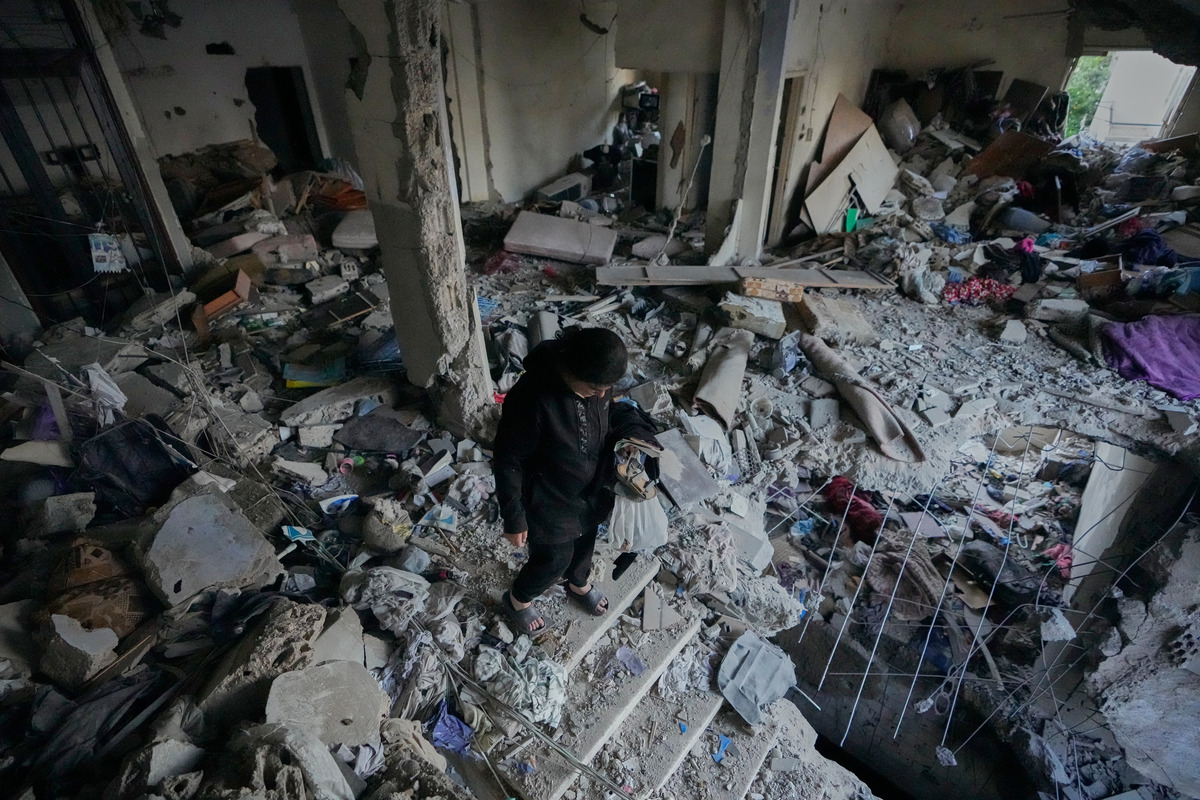
Children with Down syndrome in Gaza are facing difficult conditions due to ongoing conflict and destruction. Even though there has been a ceasefire for seven months, the environment remains dangerous and challenging for these children.
Key Facts
Shahd is a 12-year-old girl with Down syndrome living in Gaza.
She reacts to the noises of drones by hiding for safety.
Children with Down syndrome in Gaza continue to face hardships caused by the war.
There has been a ceasefire in Gaza for seven months.
Despite the ceasefire, the area is still affected by the damage from the conflict.
The war has created a difficult environment for vulnerable children.
The situation impacts their safety and overall well-being.
Read the Original
Want the full story? Tap a source to open the original
article.
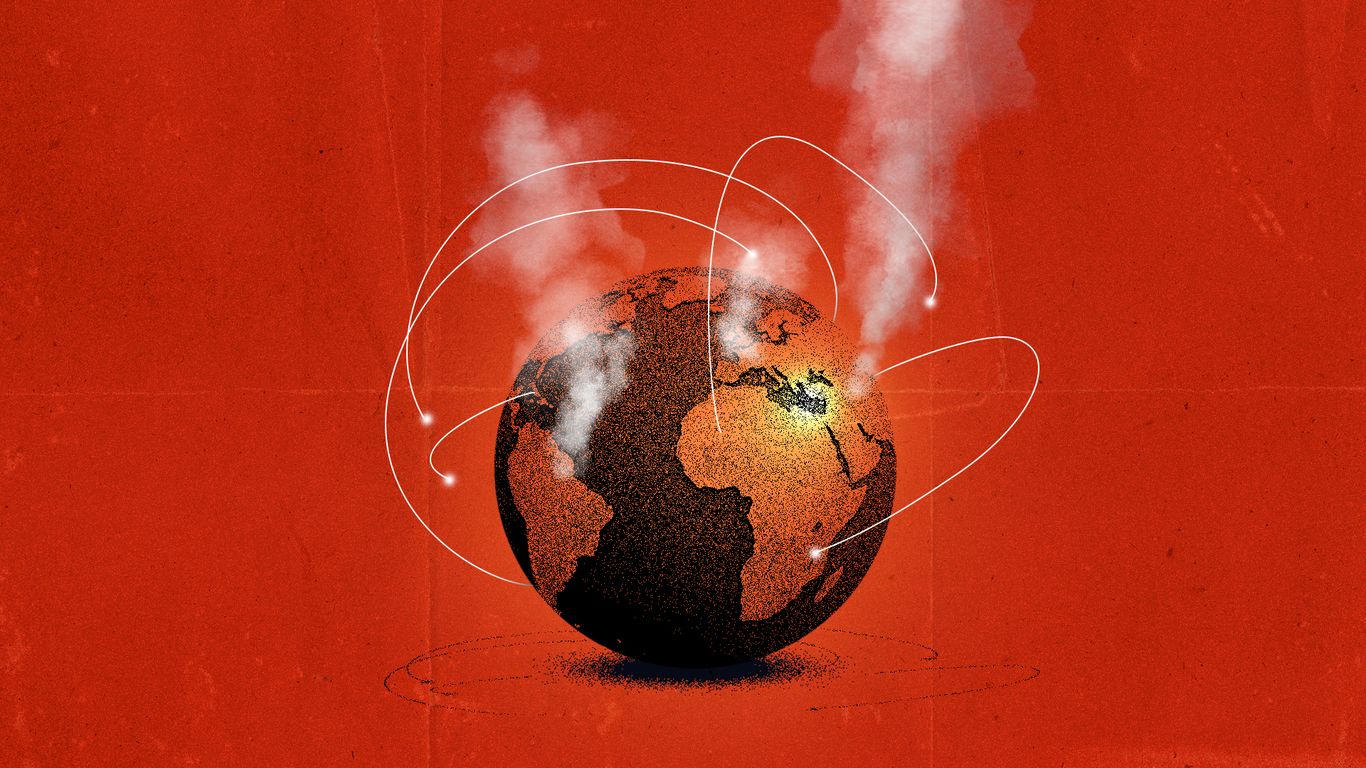
A record-breaking heatwave has hit western Europe early in the year, with Britain and France experiencing their hottest May days ever. The UN climate chief said this extreme heat is mainly caused by human activities that release coal, oil, and gas, which drive climate change.
Key Facts
Western Europe is facing a severe heatwave earlier than usual.
Britain and France recorded their highest temperatures ever in May.
A "heat dome" caused unusually high temperatures over parts of northern Europe.
Temperatures stayed above 30 degrees Celsius in many areas and may rise further.
The UN climate chief, Simon Stiell, linked the heatwave to human burning of fossil fuels like coal, oil, and gas.
This event illustrates ongoing impacts of the climate crisis.
The heatwave is considered a sign of increasing global temperature extremes caused by climate change.
Read the Original
Want the full story? Tap a source to open the original
article.
France’s famous "Yellow train," a 63-kilometre railway in the Catalan region of the French Pyrenees, has reopened after being closed for several months due to a landslide. The train line is over 100 years old and attracts many tourists who want to enjoy scenic mountain views.
Key Facts
The Yellow train runs between two villages in the French Pyrenees.
The railway line covers 63 kilometres in length.
It is located in the Catalan region of France.
The train has been in service for more than 100 years.
Thousands of tourists use the train each year.
The line was closed for several months because of a landslide.
The train offers scenic views of the mountains during the ride.
Read the Original
Want the full story? Tap a source to open the original
article.
An opposition party in Ethiopia has called for protests ahead of the general elections scheduled for Monday, saying the vote is unfair. The national election board has not allowed the protest, and opposition members have expressed concerns about their safety before the election.
Key Facts
Ethiopia will hold general elections on Monday.
An opposition party wants to hold a nationwide protest.
The protest is meant to challenge what the opposition calls an undemocratic election.
The national election board has refused to approve the protest.
Opposition parties say they fear for their safety before the vote.
Tensions are rising as the election day approaches.
The report comes from Ethiopia’s capital, Addis Ababa.
Read the Original
Want the full story? Tap a source to open the original
article.
Muslims in Bunia, a city in eastern Democratic Republic of Congo, celebrated Eid while following strict health rules to prevent the spread of Ebola. The region is facing a serious Ebola outbreak with many suspected and confirmed cases, and no approved vaccine for the strain involved.
Key Facts
The Eid celebration took place on May 27 in Bunia, DR Congo.
Muslims wore masks, used hand sanitizer, and prayed in small groups during the celebration.
These measures were imposed to control the spread of Ebola.
There are more than 900 suspected Ebola cases and at least 101 confirmed infections in the region.
Around 220 deaths are suspected to be related to Ebola in Congo and neighboring Uganda.
The outbreak is centered in Ituri province, where Bunia is located.
The Ebola strain is called Bundibugyo, which has no approved vaccine.
The World Health Organization is monitoring the situation.
Read the Original
Want the full story? Tap a source to open the original
article.
An Israeli air strike in northern Gaza killed at least 10 people, including four children, and wounded over 20 others in a residential area. The attack took place despite a ceasefire agreement, and tensions remain high between Israel and Hamas amid ongoing violence and humanitarian concerns.
Key Facts
The air raid hit a residential building in Gaza City late Wednesday.
Four children were among the 10 people killed in the attack.
More than 20 people were injured in the same strike.
The attack occurred hours after the funeral of Mohammad Odeh, the new head of Hamas’s armed wing.
Odeh was killed in an earlier Israeli strike, along with his wife and son.
Israel reports that Odeh was a senior Hamas intelligence and military leader involved in the October 7, 2023, attacks.
Local authorities claim Israel has violated the ceasefire more than 3,000 times since it began in October.
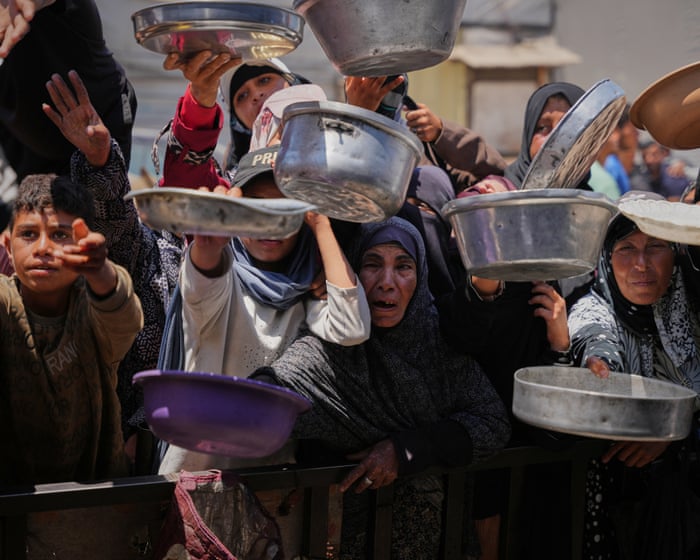
Aid delivery to Gaza has been limited, with only about 36% of the expected aid trucks allowed in under the ceasefire deal.
Read the Original
Want the full story? Tap a source to open the original
article.
The war in Iran is causing a shortage of missile-defense weapons like interceptors, affecting the U.S. and its partners such as Ukraine and Taiwan. This shortage may last for years because the weapons used in Iran are being consumed faster than factories can produce them, creating challenges for global defense efforts.
Key Facts
The U.S. has used over 1,000 Patriot interceptors in the Iran war but received only 172 new ones in fiscal year 2026.
Missile defense stockpiles, including Patriot and THAAD systems, may not be fully replenished until 2029.
Ukrainian President Zelensky urgently asked President Trump for interceptors to defend against Russian missile attacks.
Russia launched a large missile strike on Kyiv using cruise, ballistic, and hypersonic missiles.
Taiwan faces delays in receiving U.S. arms, including important Patriot interceptors, as it prepares for possible conflict with China.
The Pentagon has made deals to increase production of missile interceptors with companies like Lockheed Martin, Boeing, and RTX.
High-end interceptors are expensive, costing millions each, pushing the U.S. to seek cheaper missile defense options.
The shortage forces difficult choices about when and with what type of missile defense to respond to threats.
Read the Original
Want the full story? Tap a source to open the original
article.
Norway plans to start talks with France about joining France’s nuclear umbrella, a defense arrangement where France would extend its nuclear protection to Norway. This shows Norway’s interest in working more closely with European countries for security instead of relying mainly on the United States and NATO.
Key Facts
Norway will discuss joining France’s nuclear umbrella, which means France would offer nuclear protection.
French President Emmanuel Macron and Norwegian Prime Minister Jonas Gahr Støre announced the talks on May 28, 2026.
Norway has historically relied on NATO and the US for its nuclear defense.
The move shows Norway is shifting toward closer defense cooperation within Europe.
This reflects growing European concerns about depending too much on the US for security.
France’s nuclear umbrella is part of its role as a nuclear power within Europe.
The talks are seen as a way to strengthen European defense ties amid changing global security issues.
Read the Original
Want the full story? Tap a source to open the original
article.
France is preparing to repeal old laws that once called enslaved people in its colonies “moveable goods.” This change is symbolic as the country reflects on its history with slavery and colonialism.
Key Facts
France is set to repeal laws that defined enslaved people as property.
The repeal is a symbolic gesture linked to France’s past colonial actions.
France was the third largest slave trading nation in Europe after Britain and Portugal.
France abolished slavery more than 170 years ago.
In 2001, France officially recognized slavery and the slave trade as crimes against humanity.
The law being repealed is outdated and no longer reflects modern values.
The move is part of a broader effort to address France’s colonial legacy.
Read the Original
Want the full story? Tap a source to open the original
article.
A new CNN documentary investigates online spaces where men share methods to drug and rape women while they sleep. The film highlights ongoing problems with these secret websites and features the story of Gisèle Pelicot, who survived abuse by her husband and has become a well-known figure in France.
Key Facts
Men use certain websites to exchange advice on how to drug women for sexual assault.
CNN journalist Saskya Vandoorne conducted an investigation into these online rape networks.
Gisèle Pelicot’s personal story of abuse by her husband brought wider attention to the issue.
Pelicot’s case led to a major trial in France related to mass rape.
The documentary aims to expose how these networks operate and affect victims.
French authorities continue to face challenges addressing crimes connected to these websites.
Pelicot has shared her story publicly to help other survivors and raise awareness.
Read the Original
Want the full story? Tap a source to open the original
article.
Hot weather affects the body by opening blood vessels and making the heart work harder to cool down. This can cause symptoms like dizziness, nausea, and heat exhaustion, especially in vulnerable groups such as older people, children, and those with certain health conditions.
Key Facts
When the body gets hot, blood vessels open up, lowering blood pressure and making the heart pump harder.
Sweating causes loss of fluids and salt, which can upset the body's balance and lead to heat exhaustion.
Heat exhaustion symptoms include dizziness, nausea, fainting, confusion, muscle cramps, headaches, heavy sweating, and tiredness.
If blood pressure drops too much, there is a higher risk of heart attacks.
The body tries to keep a core temperature of about 37°C by opening blood vessels near the skin and sweating to lose heat.
Vulnerable groups include older adults, babies, young children, people with heart disease or diabetes, and those with brain conditions like dementia.
To stay safe, people should drink lots of fluids, stay indoors or in shade during peak sun hours, use sunscreen, avoid physical exercise in the heat, and never leave children or animals in a locked car.
If someone shows signs of heat exhaustion, move them to a cool place, raise their legs, give water, and cool their skin; call emergency services if they do not improve quickly or show signs of heatstroke.
Read the Original
Want the full story? Tap a source to open the original
article.
Tensions increased as Iran attacked a U.S. airbase in the Middle East after the U.S. carried out strikes on Iran. At the same time, Israel continued military actions against Hezbollah in Lebanon, extending strikes to coastal cities despite a ceasefire agreement.
Key Facts
Iran targeted an American airbase in the Middle East in retaliation for U.S. strikes on southern Iran.
The U.S. attacked an Iranian ground control station in Bandar Abbas after Iran launched four attack drones near the Strait of Hormuz.
Iran’s Islamic Revolutionary Guard Corps said their attack on the U.S. base was a warning that future aggression would be met with stronger responses.
The U.S. and Iran have had a fragile ceasefire since April 8, but recent strikes have increased tensions.
Israel has been carrying out strikes against Hezbollah targets in southern Lebanon for three days, including in the coastal cities of Tyre and Sidon.
A 45-day ceasefire between Lebanon and Israel was agreed in mid-April and extended, but attacks continue along the border.
U.S. President Donald Trump mentioned a peace deal with Iran was “largely negotiated” earlier this week, though hardliners on both sides disagree.
Read the Original
Want the full story? Tap a source to open the original
article.
The United States carried out air strikes in southern Iran, which led Iran to attack a U.S. military base in response. These events are the most serious clashes since a ceasefire began in April and could disrupt ongoing peace efforts and plans to keep the Strait of Hormuz open.
Key Facts
The U.S. struck southern Iran on May 28, 2026.
Iran retaliated by attacking a U.S. military base.
This is the most severe fighting since a ceasefire started in April 2026.
Kuwait, a U.S. ally, became involved in this conflict.
The clashes threaten a fragile peace process aimed at ending the war.
The Strait of Hormuz is a critical area involved in the conflict and peace efforts.
The fighting risks undoing diplomatic work toward stability in the region.
Read the Original
Want the full story? Tap a source to open the original
article.
The Israeli military started new airstrikes on Hezbollah targets near the southern Lebanese city of Tyre. They also warned residents to evacuate the area, marking the first large warning since a ceasefire on April 17.
Key Facts
Israel launched airstrikes on Hezbollah infrastructure around Tyre, Lebanon.
The military issued a warning for residents of Tyre to leave their homes.
This is the first major warning and attack since the ceasefire on April 17.
The city of Tyre has more than 100,000 people living there.
The strike and warning happened during the Muslim holiday of Eid al-Adha.
Hezbollah is a political and militant group based in Lebanon, often in conflict with Israel.
The situation relates to ongoing tensions and violence between Israel and groups in Lebanon.
The news report came from France 24 and included a correspondent reporting from Jerusalem.
Read the Original
Want the full story? Tap a source to open the original
article.
Israel’s defence minister said the government plans to promote large-scale migration of Palestinians from Gaza. This move is part of a long-term plan that aims to remove Hamas from power and change Gaza’s population, despite concerns that the policy may force Palestinians to leave against their will.
Key Facts
Israel’s defence minister, Israel Katz, announced plans for Palestinians to leave Gaza in large numbers.
The plan is described by Israeli officials as “voluntary migration,” but critics say it is forced and may be ethnic cleansing.
Forced transfer of civilians is considered a war crime under international law.
Israel eased travel rules to allow Palestinians in Gaza to leave one way last year.
The plan contradicts parts of the ceasefire agreement signed by Israel, which calls for Gaza’s redevelopment for its people.
Katz links the migration plan to removing Hamas from governing Gaza.
Human rights groups in Israel warn that the pressure to leave is not truly voluntary due to harsh living conditions.
Political considerations ahead of Israel’s election may influence the government’s stance on Gaza and security issues.
Read the Original
Want the full story? Tap a source to open the original
article.
A mother noticed unusual changes in her newborn daughter's head shape and persistent discomfort, but doctors initially dismissed her concerns. After insisting on further checks, the baby was diagnosed with craniosynostosis, a condition where skull bones fuse too early and can harm brain growth if untreated.
Key Facts
The mother first noticed her baby had an unusually large and misshapen forehead with indentations.
Doctors initially told her the head shape was normal and did not investigate the lump forming at the back of the baby's head.
The baby was unsettled, would not sleep well, and refused bottles, causing the mother great distress.
After the mother researched and mentioned craniosynostosis to her doctor, she was initially dismissed.
She changed doctors and insisted on a specialist referral, which was approved after explaining her concerns.
The baby was seen at Alder Hey Children's Hospital and diagnosed with metopic and sagittal craniosynostosis.
This condition involves premature fusion of skull bones and could affect brain development without treatment.
The baby underwent surgery at about one year old to correct the condition.
Read the Original
Want the full story? Tap a source to open the original
article.
Israel said it killed Mohammed Odeh, the new leader of Hamas’s armed wing in Gaza, during a strike. This followed the killing of his predecessor earlier in May, despite a ceasefire that started in October 2025. There has been ongoing violence in Gaza, with both Israel and Hamas blaming each other for breaking the truce.
Key Facts
Mohammed Odeh was the new head of Hamas’s armed wing in Gaza.
Israel killed Odeh in a military strike on May 28, 2026.
Israel previously killed the former leader earlier in the same month.
A ceasefire between Israel and Hamas has been in place since October 10, 2025.
Both Israel and Hamas accuse each other of violating the ceasefire.
Since Hamas’s attack in October 2023, Israel has targeted Hamas leaders systematically.
Gaza continues to experience daily violence despite the truce.
Read the Original
Want the full story? Tap a source to open the original
article.