The podcast episode discusses several topics including Andy Burnham's plan to ban misleading subscription services that trap customers, a meeting between UK Foreign Secretary Ed Miliband and U.S. counterpart Marco Rubio, and the extradition of Daniel Kinahan, an alleged cartel boss, from Dubai to Dublin.
Key Facts
Andy Burnham is proposing a ban on so-called “subscription traps” to help with the cost of living.
The episode features a discussion with guests Caitriona Perry and Joe Pike, plus a live audience.
UK Foreign Secretary Ed Miliband met with U.S. politician Marco Rubio.
Daniel Kinahan, suspected of cartel activity, was extradited from Dubai to a court in Dublin.
The episode was recorded at the Edinburgh Fringe festival.
The podcast is hosted by Adam Fleming and produced by a BBC team.
Listeners can access the episode on smart speakers by using voice commands.
The Newscast podcast covers daily political news analysis.
Read the Original
Want the full story? Tap a source to open the original
article.
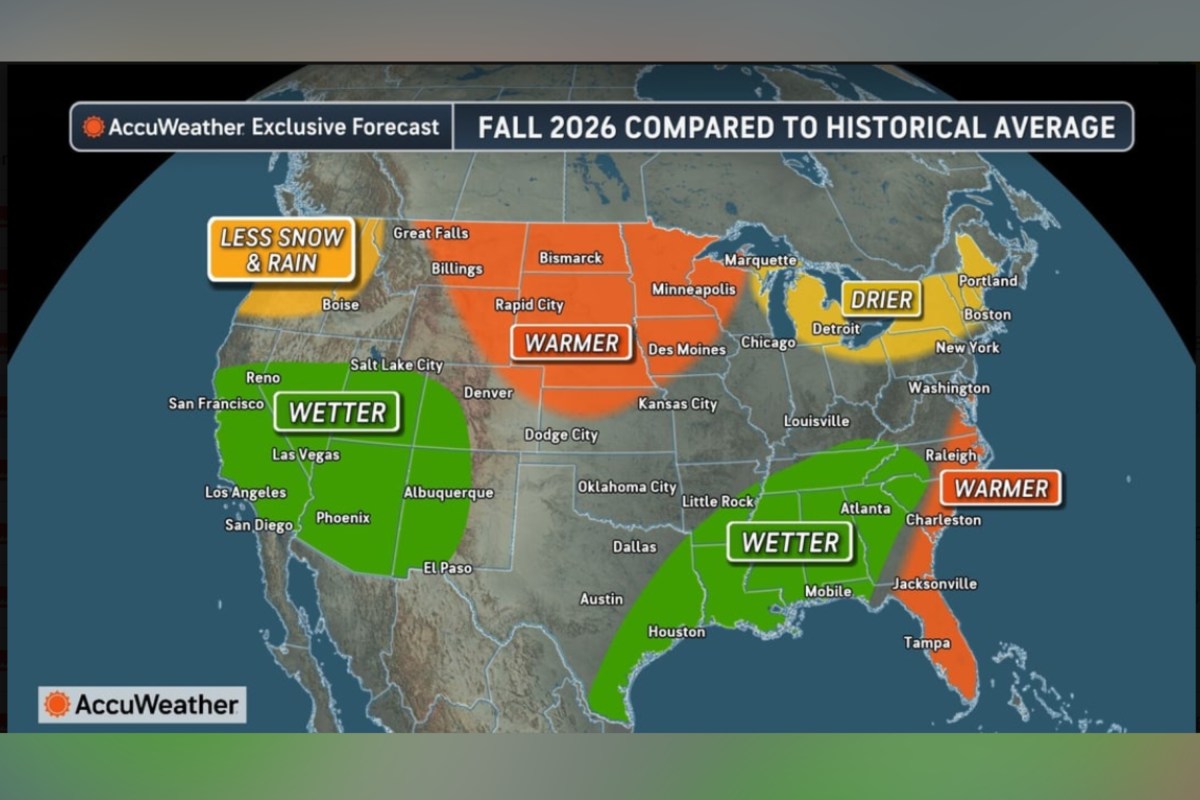
El Niño is expected to change the weather in the U.S. this fall, causing more rain in some areas, drought in others, and warmer temperatures in parts of the country. Weather forecasts show different effects depending on the region, including risks of flooding and changes in the timing of fall seasons.
Key Facts
A strong El Niño will influence U.S. weather patterns this fall.
The Southwest, including California and Arizona, is forecast to have wetter-than-normal conditions.
The Pacific Northwest and parts of the Great Lakes to the Northeast are expected to be drier than usual.
Warmer-than-average temperatures are predicted for the northern Plains, upper Midwest, Southeast coast, and Florida.
The fall transition into colder weather will be slower in much of the eastern U.S. and Pacific Northwest.
The best fall leaf colors are expected in the Upper Midwest, Great Lakes, Northeast, and parts of the Pacific Northwest coast.
Harvest conditions look good in the central Plains, Midwest, Great Lakes, and Northeast but worse in the southern U.S., including Texas and the Deep South.
Severe drought risk is highest in the interior West, including Montana, Wyoming, Utah, Colorado, Arizona, and New Mexico.
Read the Original
Want the full story? Tap a source to open the original
article.
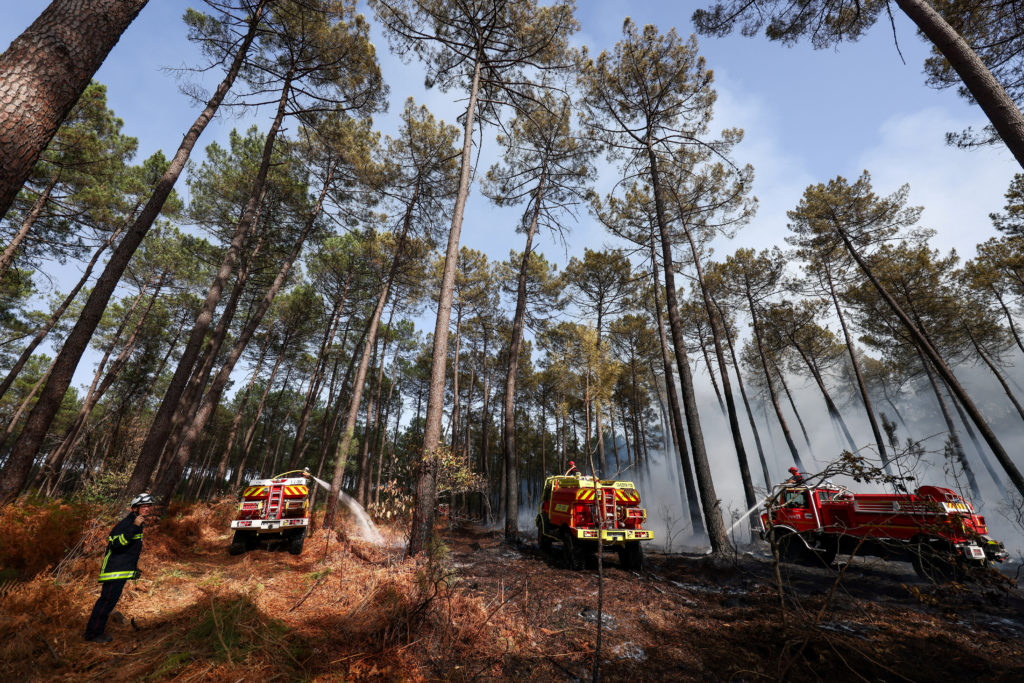
The U.K. and France are preparing for their fifth heat wave of the season, with temperatures expected to reach up to 40°C (104°F) in southeastern France and 36°C (96.8°F) in England. This intense heat comes during Western Europe’s third hottest year on record so far, driven by human-caused climate change and a strong El Niño weather pattern.
Key Facts
The U.K. and France are expecting a new heat wave starting Tuesday, with very high temperatures forecast.
France could see temperatures near 40°C (104°F), while England could reach 36°C (96.8°F).
This summer marks the third hottest year globally on record so far, with 2024 and 2025 being the hottest.
A combination of climate change and El Niño is increasing the chance that 2026 may become the hottest year ever.
Western Europe set a new temperature record for June-July, with an average of 21.62°C (70.92°F).
France recorded its hottest day ever on June 23, with 44.3°C (111.7°F) in the southwest.
The heat has caused more than 5,700 extra deaths in France since June and forced 220,000 people to evacuate due to wildfires.
The U.K. is experiencing drought conditions with the driest July recorded since 1836 in some areas, and has had over 2,800 deaths linked to heat waves this summer.
Read the Original
Want the full story? Tap a source to open the original
article.
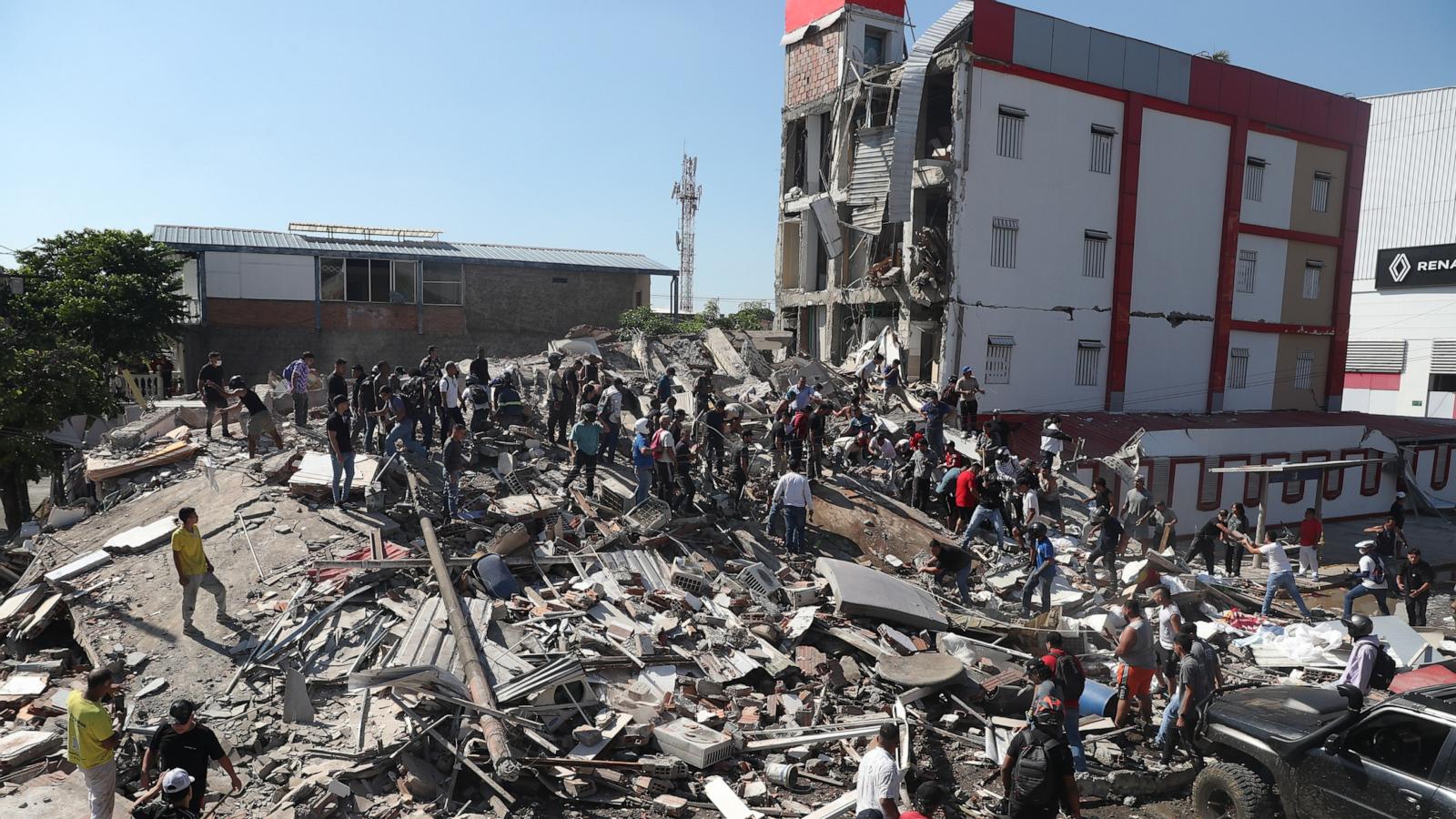
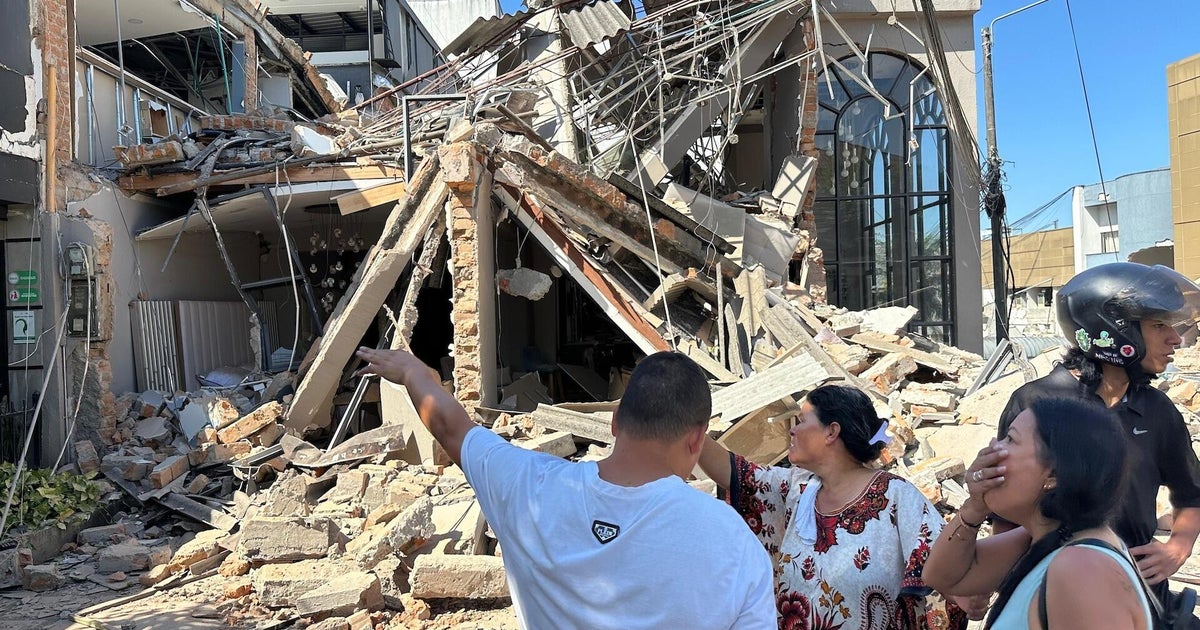
A strong earthquake measuring 7.4 on the Richter scale hit western Colombia on Monday. The quake caused at least 47 deaths and damaged many buildings in several cities.
Key Facts
The earthquake had a magnitude of 7.4.
It struck western Colombia.
At least 47 people were killed.
Many buildings collapsed in different cities.
The event happened on Monday.
The earthquake caused significant damage across the affected region.
Emergency responses are likely underway due to the destruction.
Read the Original
Want the full story? Tap a source to open the original
article.
The Ebola outbreak in the Democratic Republic of Congo (DRC) began in February but was officially declared in May, according to the World Health Organization (WHO). This outbreak, caused by the rare Bundibugyo virus, is spreading quickly with over 4,200 cases and 1,900 deaths reported, and it is occurring in difficult conditions with no approved vaccine specifically for this strain.
Key Facts
The Ebola outbreak started months before it was officially announced in mid-May.
Early cases were often mistaken for malaria or typhoid.
There are about 4,200 confirmed cases and at least 1,900 deaths in the DRC.
This outbreak is caused by the Bundibugyo strain, which currently has no approved vaccines or treatments.
The more common Ebola tests delayed early detection because they do not identify this rare strain.
Health workers face challenges like strikes, lack of protective gear, rebel threats, and misinformation.
The WHO recommended full-scale trials of the Ervebo vaccine, which works for another Ebola strain but may offer some protection against Bundibugyo.
Ebola spreads through contact with body fluids and contaminated items and is highly contagious and deadly.
Read the Original
Want the full story? Tap a source to open the original
article.
Palestinians in Gaza responded with doubt and frustration after Israel rejected a US-backed plan to end the war and create a future framework. The plan included steps like a gradual Israeli troop withdrawal and disarmament of Hamas. Israel’s Prime Minister Netanyahu said Israel will not withdraw until Hamas is fully disarmed.
Key Facts
The proposed 15-point plan is supported by the United States.
It calls for phased Israeli withdrawal and gradual disarmament of Hamas.
The plan also includes Palestinian-led civilian government and humanitarian aid.
Israeli Prime Minister Benjamin Netanyahu rejected the plan, insisting on Hamas’s full disarmament first.
Palestinians expressed skepticism, noting ongoing Israeli attacks despite a ceasefire deal from October.
Since October 2023, over 73,000 Palestinians in Gaza have been killed.
Hamas claims it is committed to the plan and urges international actors to support enforcement.
Gaza’s government blamed Netanyahu for reversing negotiation efforts and called for international pressure to avoid escalation.
Read the Original
Want the full story? Tap a source to open the original
article.
A strong 7.4-magnitude earthquake hit western Colombia, killing at least 24 people and causing buildings to collapse in several cities. Rescue teams are searching for survivors, and authorities have suspended airport services in multiple areas while responding to the emergency.
Key Facts
The earthquake’s center was near San José del Palmar, Colombia.
At least 24 people died, with most fatalities in the city of Pereira.
In Cali, at least 20 buildings collapsed, trapping many people.
Three children died in the Valle del Cauca region, where Cali is located.
The governor of Chuco reported injuries and severe damage in Quibdo.
Seven airports in different cities stopped their services due to the earthquake.
Colombia’s President Abelardo de la Espriella is coordinating emergency efforts.
The U.S. says it is closely watching the situation and ready to help Colombia.
Read the Original
Want the full story? Tap a source to open the original
article.
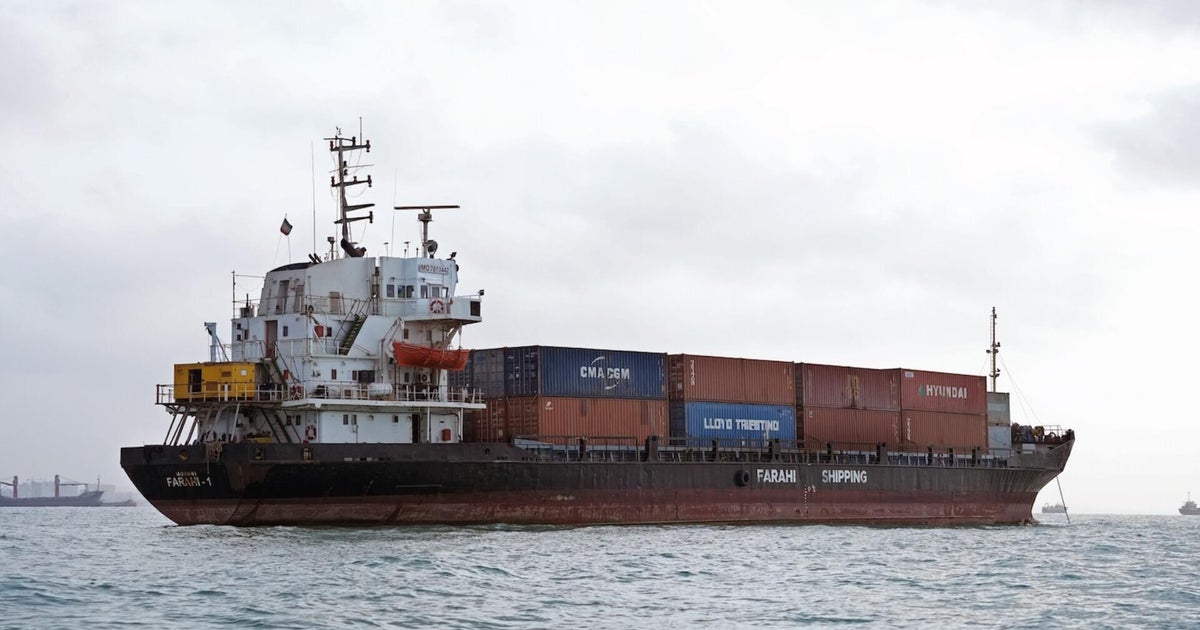
Iran has issued new demands concerning the reopening of the Strait of Hormuz, a vital waterway for global oil shipments. Both the United States and Iran are experiencing economic effects due to ongoing tensions related to this area.
Key Facts
Iran wants certain conditions met before it allows full access through the Strait of Hormuz again.
The Strait of Hormuz is an important route for shipping oil worldwide.
The United States and Iran are both facing economic problems because of the conflict around this strait.
The new demands come amid ongoing talks and tensions between Iran and the U.S.
CBS News reporter Courtney Kealy has covered this developing story.
Read the Original
Want the full story? Tap a source to open the original
article.
A strong earthquake with a magnitude of 7.4 hit parts of Colombia, causing buildings to collapse and people to become trapped under the rubble. Rescue teams are working to find survivors and the number of deaths is increasing.
Key Facts
The earthquake measured 7.4 on the Richter scale.
It struck several areas in Colombia.
Buildings tumbled and were severely damaged.
People have been buried under the collapsed structures.
Emergency responders are searching through the debris.
The death toll is rising as rescue efforts continue.
CBS News reporters Camilo Montoya-Galvez and Jessica Burch covered the event.
Read the Original
Want the full story? Tap a source to open the original
article.
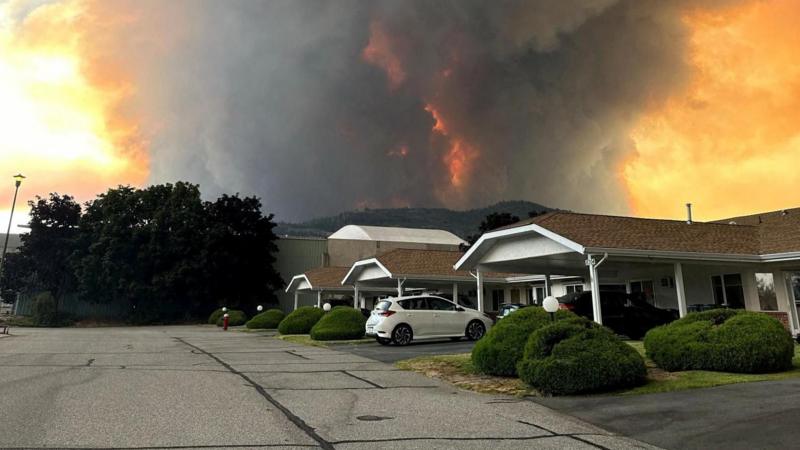
A large wildfire called the Bald Range fire started in British Columbia, Canada, and forced over 12,000 people to leave their homes. The fire quickly grew, burning a large area and causing severe damage, including the loss of homes. Officials are still working to control the fire and assess how much was destroyed.
Key Facts
The Bald Range wildfire began on Friday in the Okanagan region of British Columbia.
It grew to cover about 53 square miles (136 square kilometers) very quickly.
More than 12,000 residents are under evacuation orders due to the fire.
An 80-year-old woman died while trying to escape the wildfire.
The Okanagan area is experiencing extreme drought, with lake levels at a low not seen since 1992.
More than 100 wildfires are burning in British Columbia, with 70 starting in the last week.
The provincial government declared a state of emergency and urged people to follow evacuation orders.
Another nearby fire, the Bradley Creek fire, has destroyed over 200 homes but is now contained.
Read the Original
Want the full story? Tap a source to open the original
article.
Duane "Keffe D" Davis, accused of ordering the 1996 shooting of rapper Tupac Shakur, is going on trial in Las Vegas nearly 30 years after the incident. Davis denies being the shooter but faces life in prison if convicted; this is the first criminal trial related to Tupac’s death.
Key Facts
Tupac Shakur was shot on September 7, 1996, in Las Vegas after a fight involving his entourage and Orlando Anderson, the nephew of Duane Davis.
Tupac was riding in a car driven by Death Row Records co-founder Marion "Suge" Knight when gunfire hit Tupac multiple times.
Tupac died six days later from his injuries at age 25.
Duane Davis, age 63, is accused of planning the attack and providing the weapon but is not accused of being the shooter.
Davis’ own interviews and a 2019 memoir helped investigators reopen the case and led to charges being filed in 2023.
Jury selection for Davis’ trial began on August 10, 2026, in Clark County, Nevada.
Before this trial, no one had been charged in connection with Tupac’s death, making it a long-unsolved case in American music history.
Davis has pleaded not guilty and has challenged prosecutors’ claims about his statements.
Read the Original
Want the full story? Tap a source to open the original
article.
Sudan’s army chief, Abdel Fattah al-Burhan, held secret talks with political and civil society leaders to prepare for a national dialogue conference. The talks included agreements to drop death penalty charges against opposition figures and to form a committee to organize the conference.
Key Facts
Sudan’s army has been in conflict with the paramilitary Rapid Support Forces since April 2023.
Al-Burhan met with leaders from political groups, civil society, and traditional authorities without prior announcement.
Participants agreed to stop harmful media campaigns against opponents and suspend death penalty charges against many opposition leaders.
The opposition group Somoud Alliance, linked to former Prime Minister Abdalla Hamdok, faces serious charges but denies supporting the RSF.
A preparatory committee will be formed to plan the dialogue conference, including deciding participants, agenda, location, and inviting international observers.
The international group called the Quintet (UN, African Union, EU, IGAD, Arab League) has tried to mediate but has not resolved differences among Sudanese parties.
Some opposition groups, including Somoud, have criticized the Quintet for losing neutrality and not fully supporting Sudanese control of the process.
The dialogue aims to build national consensus and find a peaceful solution to Sudan’s political crisis.
Read the Original
Want the full story? Tap a source to open the original
article.
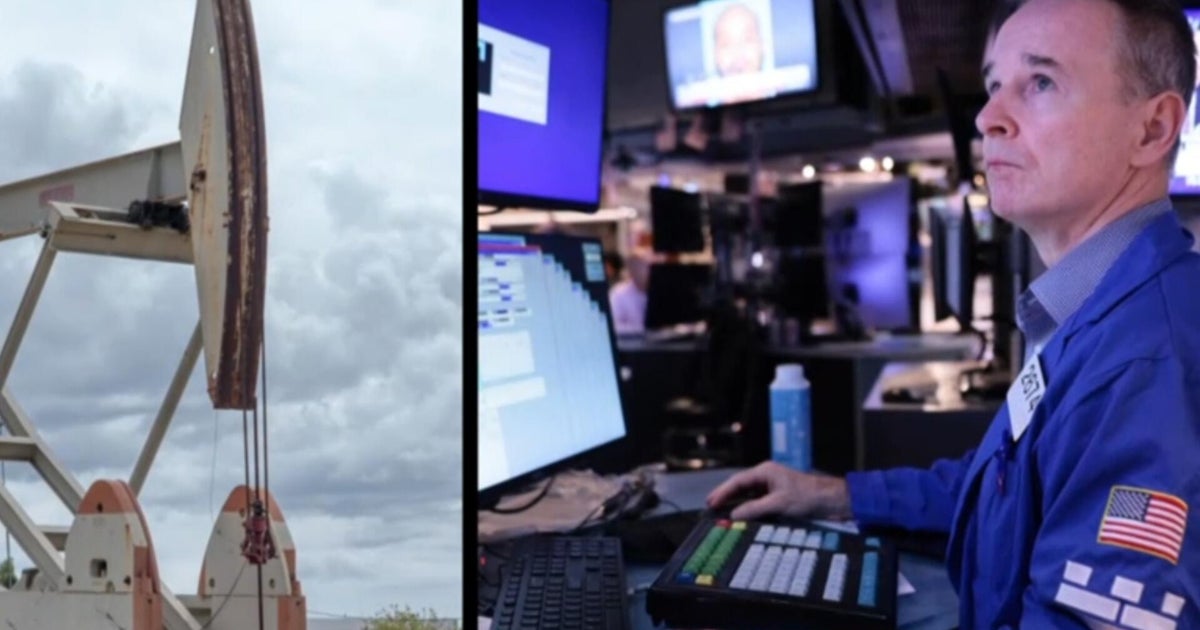
Oil prices are increasing because of ongoing uncertainty about the conflict in Iran. This rise comes even though there has been some progress in negotiations related to the Strait of Hormuz, a key waterway for oil transport.
Key Facts
Oil prices have gone up recently.
The increase is linked to war-related uncertainty in Iran.
The Strait of Hormuz is an important route for shipping oil.
Talks about the Strait of Hormuz show some progress.
Despite these talks, concerns about the Iran conflict continue to affect oil markets.
Read the Original
Want the full story? Tap a source to open the original
article.
Syria and Russia have reached an agreement about Russia’s military bases in Syria after nearly 18 months of talks. The Syrian government will take control of some civilian parts of the bases, while military parts will become shared training centers for both countries.
Key Facts
Syria and Russia negotiated about Moscow’s military presence following the fall of Bashar al-Assad’s regime in December 2024.
The new deal covers Russia’s Hmeimim airbase and Tartus naval base on Syria’s coast.
Syria will control civilian facilities at the bases, and military areas will be used jointly for training by Syrian and Russian forces.
This change is expected to be completed within three months.
Russia helped Bashar al-Assad during Syria’s 14-year civil war, including military intervention starting in 2015.
Assad fled to Russia after being overthrown, and Russian troops remaining in Syria mostly left except for those at the two bases.
The Syrian foreign ministry said the deal represents a new phase in Syrian-Russian relations and reorganizes the Russian presence.
Analysts say both countries continue to rely on each other, with Syria maintaining sovereignty and Russia keeping a military foothold.
Read the Original
Want the full story? Tap a source to open the original
article.
In Malaysia, Rohingya refugees are facing increasing hate speech on social media, which has caused tension and forced over 100 refugees to leave their village in Penang. Malaysian law does not officially recognize refugees, leaving them vulnerable to abuse and without legal protection.
Key Facts
Malaysia hosts about 126,000 registered Rohingya refugees as of early 2026.
Anti-Rohingya hate and false information online have increased since April 2026.
Posts claim Rohingya refugees demand land and special rights, fueling hostility.
In July 2026, over 100 Rohingya were forced to leave Kuala Muda village after neighbors protested.
Malaysian influencers and social media contribute to spreading hate through hashtags like #SaveMalaysiaFromRohingya.
Rohingya refugees in Malaysia cannot work legally or receive protection under Malaysian law.
NGOs report that social media companies are slow to remove harmful hateful content.
Malaysia is not a signatory to the 1951 Refugee Convention, so refugees lack official legal rights.
Read the Original
Want the full story? Tap a source to open the original
article.
Taiwan is preparing for a possible military attack from China by conducting its yearly military drills. These exercises help Taiwan’s armed forces practice defending the island.
Key Facts
Taiwan holds annual military drills to prepare for potential threats.
The drills simulate a possible invasion by China.
Taiwan’s government emphasizes readiness to protect the island.
The exercises involve soldiers and military equipment.
China claims Taiwan as part of its territory but Taiwan operates independently.
Tensions between Taiwan and China have increased in recent years.
The drills are meant to show Taiwan’s strength and defense capabilities.
Read the Original
Want the full story? Tap a source to open the original
article.
President Donald Trump said the U.S. is "semi-negotiating" with Iran about access to the Strait of Hormuz. This passage is important for oil shipping, and its access is currently uncertain, which has caused oil prices to rise.
Key Facts
President Trump described U.S. talks with Iran as "semi-negotiating."
The Strait of Hormuz is a key route for oil shipments.
There is uncertainty about whether ships can use the Strait freely.
Oil prices have gone up due to concerns over the Strait's access.
CBS News reporters Nancy Cordes and Retired Marine Colonel Mark Cancian provided analysis on the situation.
The situation affects global oil markets and international relations.
The comments were made in an interview with Axios on a Sunday.
Read the Original
Want the full story? Tap a source to open the original
article.
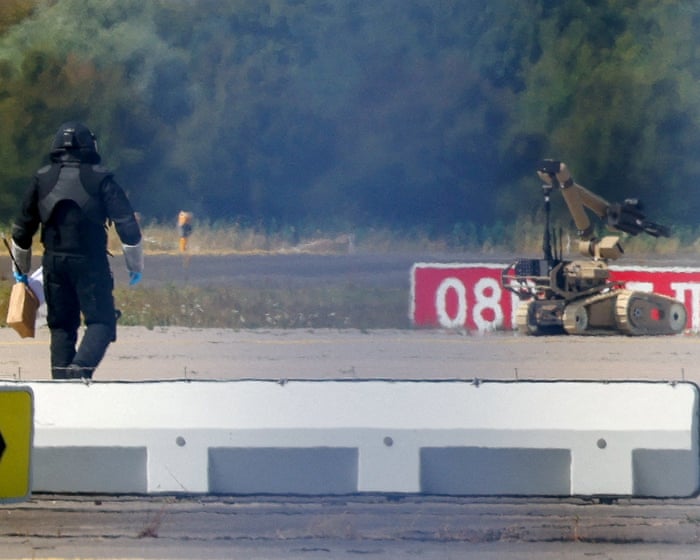
US intelligence agencies believe Russia was behind a recent drone attack with explosives at Leipzig airport in Germany. German officials have not officially accused Russia but are increasing security measures amid concerns of further threats.
Key Facts
A drone carrying plastic explosives was found next to a Ukrainian cargo plane at Leipzig airport last week.
The German interior minister, Alexander Dobrindt, called the attack a "professional hybrid threat" by a foreign actor.
US officials told media that intelligence points to Russian government involvement and the drone likely came from Russian secret services.
German authorities discovered DNA evidence linking the Leipzig drone incident to a July 2024 firebomb attack at the same airport.
Five men are on trial in Lithuania accused of sending related explosive packages, and prosecutors say they worked for Russian intelligence.
The drone flew past Leipzig airport’s defenses and was stopped only after being reported by an alert bus driver four hours later.
On the same night, a DHL cargo plane aborted landing due to the drone and collided with another unknown object, suspected to be a second hostile drone.
Germany plans to double its federal anti-drone team and increase operational bases to better handle drone threats.
Read the Original
Want the full story? Tap a source to open the original
article.
On the biggest stories we show what the outlets agree on and where they differ. Readers keep that going, and get the daily digest by email every morning. Most choose $3.99/month.
A new study has found that around age 50, the brain’s main immune cells begin to be replaced by more inflammatory cells, which may help explain the link between normal aging and dementia, including Alzheimer’s disease. The research also showed early signs of weakening in protective brain cells and changes in the brain’s immune environment long before symptoms of dementia appear.
Key Facts
The study focused on the hippocampus, the brain area responsible for memory and learning.
Microglia, the brain’s main immune cells, decline between ages 50 and 75.
These microglia are replaced by cells similar to monocytes, which are typically found in the blood and are more inflammatory.
This challenges the previous idea that microglia are lifelong and only renew themselves inside the brain.
Researchers used advanced gene and epigenome mapping techniques to detect these changes.
The study also found early damage to the blood-brain barrier, which protects the brain from harmful substances.
Aging reduces the 3D organization of the genome and causes loss of astrocytes, cells that support brain function.
About 42% of Americans over age 55 may develop some form of dementia, according to estimates.
Read the Original
Want the full story? Tap a source to open the original
article.
A study from Newcastle University found that adults who drank a daily glass of 100% fruit juice or a smoothie while eating more fruits and vegetables had lower depression scores after four weeks. Researchers say the link is promising but more research is needed before recommending fruit juice as a way to improve mental health.
Key Facts
The study included 42 adults who usually ate few fruits and vegetables.
All participants increased their fruit and vegetable intake during the study.
Those who also drank fruit juice or smoothies reported lower depression scores by 2.52 points on a 27-point scale.
The study lasted four weeks and used questionnaires to measure symptoms of depression and anxiety.
Fruit juice and smoothies provide vitamin C and flavonoids, compounds possibly linked to brain health.
These compounds may reduce inflammation and improve blood flow to the brain.
Fiber and polyphenols in smoothies may support gut bacteria, which could impact mood.
The study was funded by the Fruit Juice Science Centre and published in the British Journal of Nutrition.
Read the Original
Want the full story? Tap a source to open the original
article.