Former Defense Secretary Mark Esper said that Iran feels more confident because of the current conflict in the region. He stated that Iran is not responding to President Trump’s big threats about attacking Tehran and is making careful moves instead.
Key Facts
Mark Esper is the former U.S. Secretary of Defense.
He commented on Iran’s behavior amid ongoing regional conflict.
Iran is described as feeling more confident or “emboldened.”
Iran is ignoring large threats from President Trump about attacks on Tehran.
Iran is taking strategic, careful actions in response to the situation.
President Donald Trump has made threats about attacking Tehran but has not followed through.
The situation involves tensions between the U.S. and Iran.
Read the Original
Want the full story? Tap a source to open the original
article.
The United Arab Emirates has sent Daniel Kinahan, an alleged Irish crime boss, to Ireland to face charges for running a large international criminal group. Kinahan was arrested in Dubai and is expected to appear in an Irish court for organized crime accusations.
Key Facts
Daniel Kinahan, 49, was extradited from the UAE to Ireland on Sunday aboard an Irish government jet.
He is charged with leading a transnational criminal organization linked to drug trafficking, money laundering, gun trafficking, and murder.
Kinahan was arrested in Dubai in April on an Irish warrant and had lived openly in the UAE for about ten years.
The extradition was approved by the Dubai Court of Cassation and followed a treaty between the UAE and Ireland.
The Kinahan crime group has connections with South American cartels, Chinese mafia, and Hezbollah.
U.S. authorities have sanctioned Kinahan and his family and offer a $5 million reward for information leading to their arrest.
Kinahan is expected to appear before Ireland’s Special Criminal Court and then be held in a high-security prison.
This is the second senior cartel leader extradited from Dubai; another member was recently sentenced to 24 years in prison.
Read the Original
Want the full story? Tap a source to open the original
article.
Messages about climate change that focus on national security and moral or religious values can be more effective for conservative audiences. These messages highlight the importance of taking care of the Earth as part of religious duty.
Key Facts
Climate change messages can be tailored to different audiences.
Conservatives may respond better to messages about national security risks.
Moral issues like purity and religious beliefs can influence views on the environment.
Some messages stress that caring for the Earth is a religious responsibility.
Using faith-based ideas can help change minds about climate action.
Read the Original
Want the full story? Tap a source to open the original
article.
Syria and Russia have agreed to end Russia’s use of two key military bases on the Mediterranean coast. Syria will take control of these bases, and the military facilities will be turned into joint training centers shared by both countries.
Key Facts
Syria and Russia made an agreement to stop Russia’s military use of two bases: Hmeimem air base and part of Tartus port.
Syria will govern the Hmeimem air base and the commercial part of Tartus port under civil administration.
The remaining military parts of both bases will become joint training and qualification centers.
These changes represent a new stage in the relationship between Syria and Russia after negotiations lasting about a year and a half.
Russia was a major ally of Syria’s previous President Bashar Assad during the conflict from 2011 to 2024.
After Assad was ousted, Russian troops gradually left Syria but maintained some presence until this agreement.
Syria’s new leader, Ahmad al-Sharaa, has visited Russian President Vladimir Putin twice to discuss ties and the future of these bases.
Syria has also improved relations with the United States and European countries, with some sanctions being lifted and diplomatic visits resumed.
Read the Original
Want the full story? Tap a source to open the original
article.
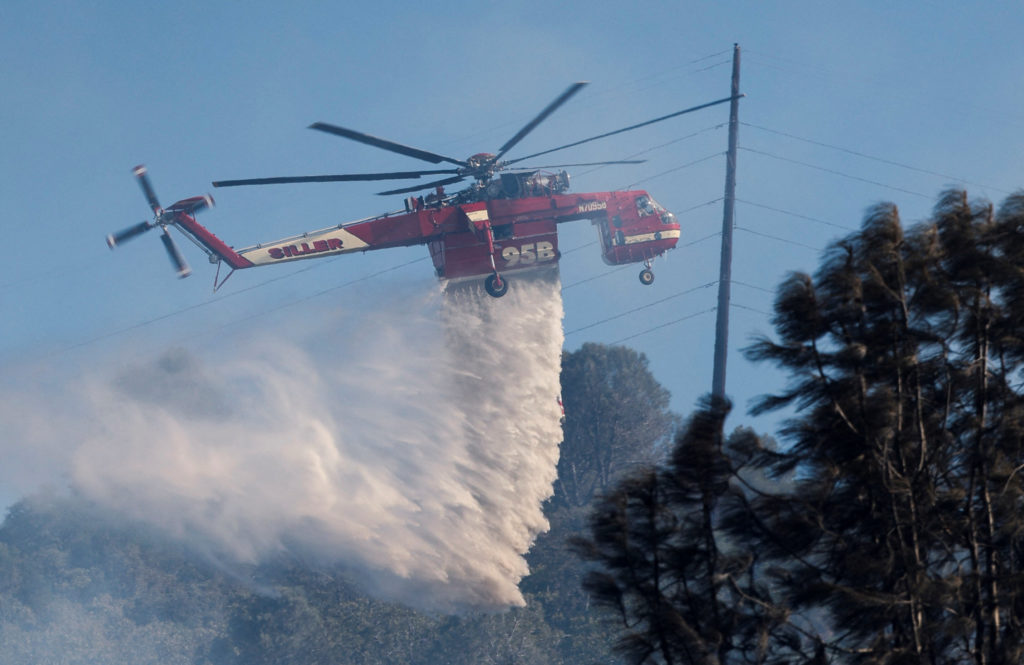
Two helicopter pilots died when their helicopter crashed while fighting a wildfire in Utah’s Fishlake National Forest. The crash started a new fire that joined with the existing wildfire, which has burned nearly 174 square miles. Firefighters across the western U.S. and Canada are also battling multiple other wildfires.
Key Facts
The crash involved a Sikorsky Skycrane helicopter on Friday morning in Sevier County, Utah.
The pilots worked for Helicopter Transport Services, hired by the U.S. Forest Service.
Officials confirmed the pilots’ deaths after reaching the crash site on Saturday.
The National Transportation Safety Board will investigate, but findings may take a year or more.
The wildfire in Utah has burned almost 174 square miles (451 square kilometers).
Other wildfires are active in Washington, Oregon, and British Columbia, causing evacuations and park closures.
A fire near Spokane, Washington, has burned over 15 square miles with over 75 miles of containment line built.
In Oregon, a wildfire spread over 30 square miles; a bulldozer operator died there while working to fight the fire.
Read the Original
Want the full story? Tap a source to open the original
article.
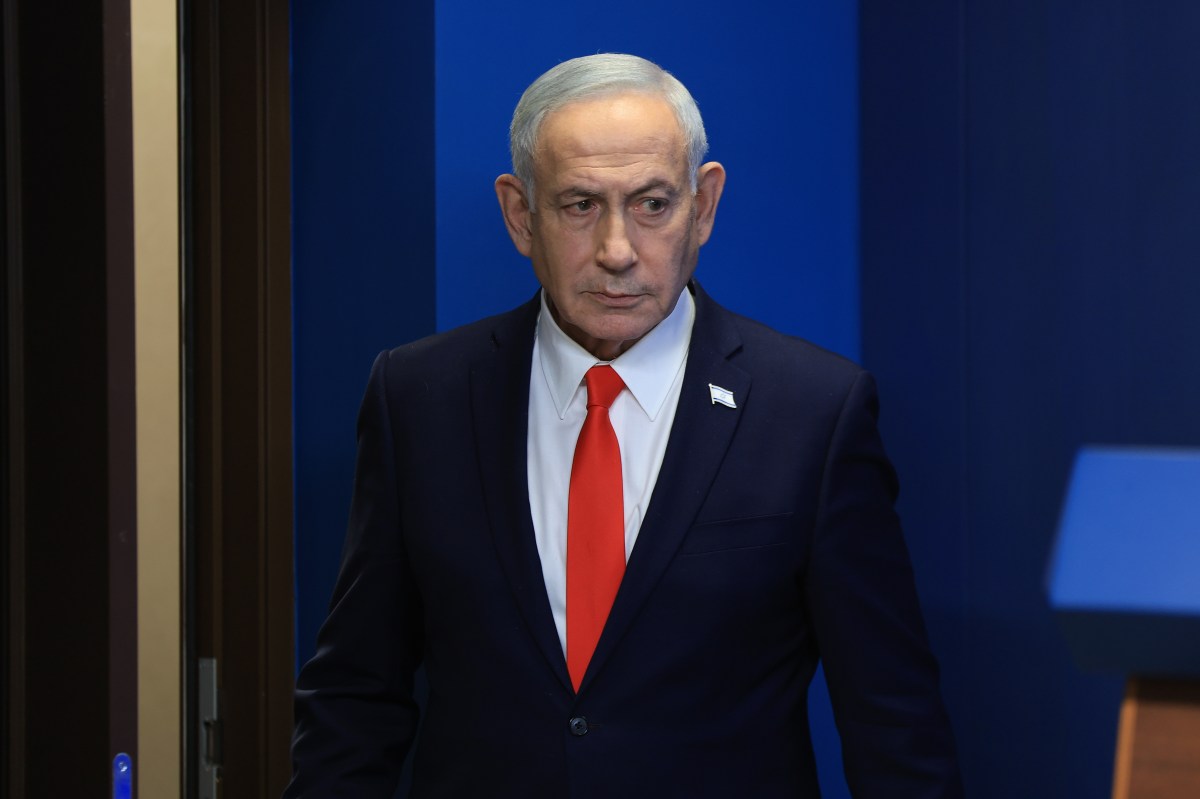
Israeli Prime Minister Benjamin Netanyahu rejected a 15-point peace plan for Gaza put forward by President Donald Trump’s Board of Peace. Netanyahu said Israeli troops will not leave Gaza until Hamas completely disarms, and he opposed the idea of creating a Palestinian state.
Key Facts
Netanyahu rejected the 15-point plan for Gaza from President Trump’s peace team.
The plan linked Hamas disarming with a phased Israeli military withdrawal and transfer of Gaza’s control to a U.S.-backed Palestinian committee.
Netanyahu said Israel will not withdraw troops until Hamas surrenders all weapons, both heavy and light.
He called the proposed disarmament in the plan “fictitious” and insisted on “genuine disarmament.”
Netanyahu reaffirmed his opposition to creating a Palestinian state in Gaza or the West Bank.
The 15-point plan was part of a larger 20-point Gaza proposal aimed at implementing a ceasefire and rebuilding Gaza.
The proposal included forming a National Committee for the Administration of Gaza (NCAG) to take over civilian and security duties from Hamas.
Netanyahu said that negotiations with the U.S. are ongoing but Israel will reject unacceptable parts of the proposal and continue military actions if needed.
Read the Original
Want the full story? Tap a source to open the original
article.
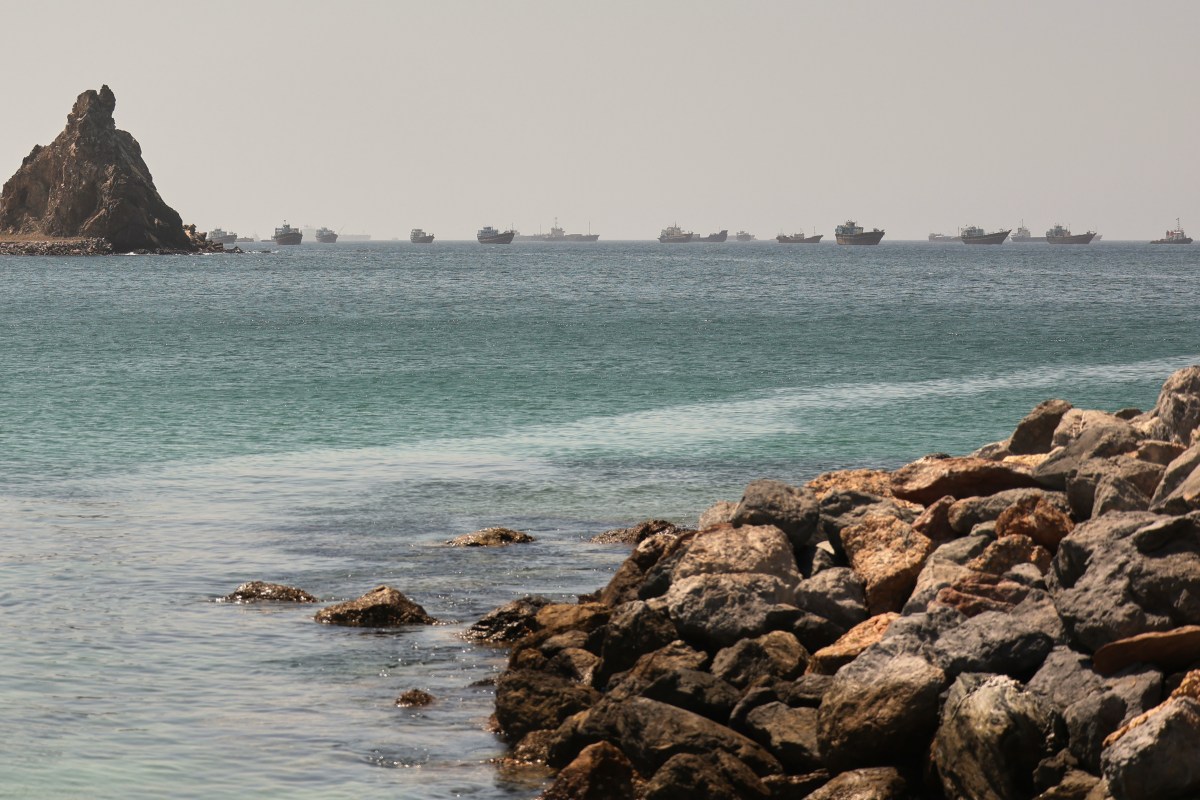
Iran says it will keep restrictions on the Strait of Hormuz unless the United States meets certain demands. The United Arab Emirates (UAE) says Iran targeted an oil tanker, and Yemen’s Houthi group claims it attacked a Saudi oil refinery.
Key Facts
Iran controls part of the Strait of Hormuz, a key global shipping route.
Iran says it will keep restrictions there unless the US agrees to its conditions.
The UAE accused Iran of attacking one of its oil tankers.
Yemen’s Houthi rebels say they attacked a Saudi oil refinery.
The Strait of Hormuz is important because much of the world’s oil passes through it.
Tensions between Iran, the US, and regional countries remain high.
This situation affects global oil supply and regional security.
Read the Original
Want the full story? Tap a source to open the original
article.
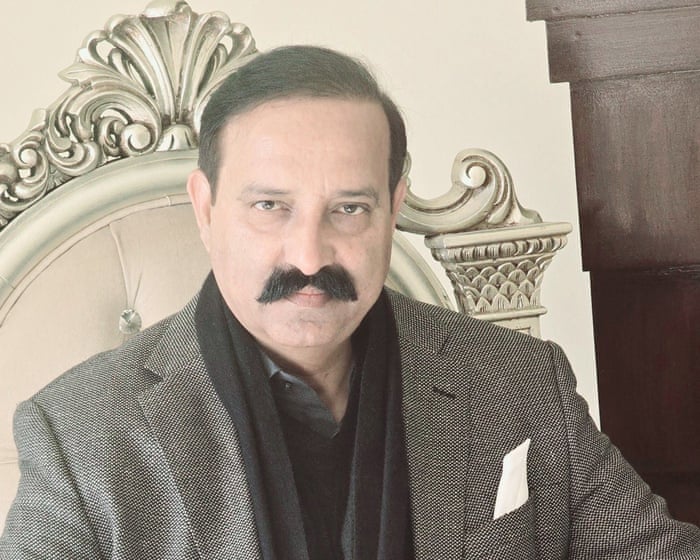
Rukhsar Ahmed, a Pakistani politician and grooming gang suspect, was arrested in the UK in July 2024 over child sexual abuse allegations from the 1990s. After being released on bail, he returned to Pakistan, was re-elected as an MP, and has not said when he will return to the UK to face the charges.
Key Facts
Rukhsar Ahmed was arrested in Manchester in July 2024 on suspicion of raping and trafficking underage girls in the 1990s.
He was released on bail but flew back to Pakistan almost two months ago, missing a police appointment in the UK.
Ahmed was elected as a Member of Parliament in Pakistan shortly after returning.
He has refused to say when he will return to the UK to answer police bail.
Ahmed denies all allegations and has not been convicted or formally charged.
Police wanted to restrict his travel, but a judge rejected tougher bail conditions.
The investigation concerns multiple women accusing child sexual abuse related to care homes in Manchester’s Rusholme area.
If Ahmed does not return to the UK, police may seek his arrest or try to extradite him.
Read the Original
Want the full story? Tap a source to open the original
article.
Daniel Kinahan, alleged head of an Irish organized crime gang, has been extradited from Dubai to Dublin to face charges of running an international drug smuggling and money laundering operation. The gang is accused of smuggling drugs and guns into Europe and laundering profits through legal businesses while being involved in a violent gang war.
Key Facts
Daniel Kinahan is 49 years old and was extradited from Dubai to Ireland.
He faces charges of directing an organized crime group involved in drug smuggling and money laundering.
The gang operated in several countries, including Britain, Spain, and the U.S.
Irish authorities will try Kinahan at the Special Criminal Court in Dublin without a jury.
A large security operation is in place for his transport and trial due to risks from gang violence.
The Kinahan gang has been involved in a gang war since 2016, causing multiple murders.
Police found large amounts of cocaine and cannabis linked to the gang in the UK.
Several other gang members have been sentenced to long prison terms for drug trafficking.
Read the Original
Want the full story? Tap a source to open the original
article.
Iran’s national security chief has set several conditions for the United States to meet before Tehran will reopen the Strait of Hormuz, a critical shipping route. These demands include ending the U.S. naval blockade, paying compensation for war damage, and releasing Iranian assets frozen by sanctions. Meanwhile, Iran and Oman are close to an agreement on how to manage the waterway together.
Key Facts
Iran demands the U.S. lift its naval blockade of Iranian ports.
Iran wants compensation for damages caused by war.
Tehran seeks the release of Iranian money frozen by U.S. sanctions.
The Strait of Hormuz is an important shipping route in the Middle East.
Iran and Oman are nearly done negotiating a deal on managing the Strait of Hormuz.
The situation comes amid ongoing tensions between Iran and the U.S. in the region.
Iran’s demands relate to when it will allow shipping to pass freely again.
Some say the U.S. already agreed to parts of these demands in a June memorandum of understanding.
Read the Original
Want the full story? Tap a source to open the original
article.
Ecuador's prosecutors have charged a former interior minister and six others with involvement in the 2023 assassination of presidential candidate Fernando Villavicencio. The suspects include gang members and officials linked to the powerful criminal group Los Lobos, with several accused individuals currently outside Ecuador facing extradition requests.
Key Facts
Fernando Villavicencio, a presidential candidate and anti-corruption politician, was killed at a campaign event in Quito in 2023.
Former interior minister José Serrano and cartel leader Wilmer "Pipo" Chavarria are suspected of involvement in the murder.
Five people connected to Los Lobos gang were jailed for the killing in 2024, and Pipo was arrested in Spain after faking his death.
Several accused individuals are fugitives located in different countries, including the US, Venezuela, and Spain, with Interpol asked to help capture them.
Ángel Esteban Aguilar, also known as Lobo Menor, was arrested in Mexico City and returned to Ecuador; he was previously convicted for murder.
The assassination’s alleged gunman died at the crime scene, while six other suspects were found murdered in prison before their trials.
Ecuador is a key transit country for cocaine, with drug cartels like Los Lobos controlling routes through corruption and violence.
Ecuador’s newly elected President Daniel Noboa has taken a military approach to fight crime gangs following these events.
Read the Original
Want the full story? Tap a source to open the original
article.
Iran has said it will not reopen the Strait of Hormuz unless the United States meets six demands, including ending sanctions and military presence near Iran. The Strait of Hormuz is a key waterway for global oil trade, and the dispute raises tensions between the two countries.
Key Facts
Iran’s Supreme National Security Council demands the U.S. stop threatening Iran and insulting its people.
The U.S. must end military actions against Iran and its allies in nearby countries.
Iran wants the U.S. to lift the naval blockade and withdraw navy and air forces from around Iran.
Iran demands compensation from the U.S. for two wars it says were imposed on them.
Washington must remove what Iran calls “unjust and illegal” economic sanctions.
Iran wants frozen Iranian assets held by the U.S. to be released without conditions.
Talks are ongoing between Iran and Oman to arrange temporary shipping routes through the strait.
Recently, the UAE accused Iran of firing a missile at a UAE oil company ship, increasing regional tensions.
Read the Original
Want the full story? Tap a source to open the original
article.
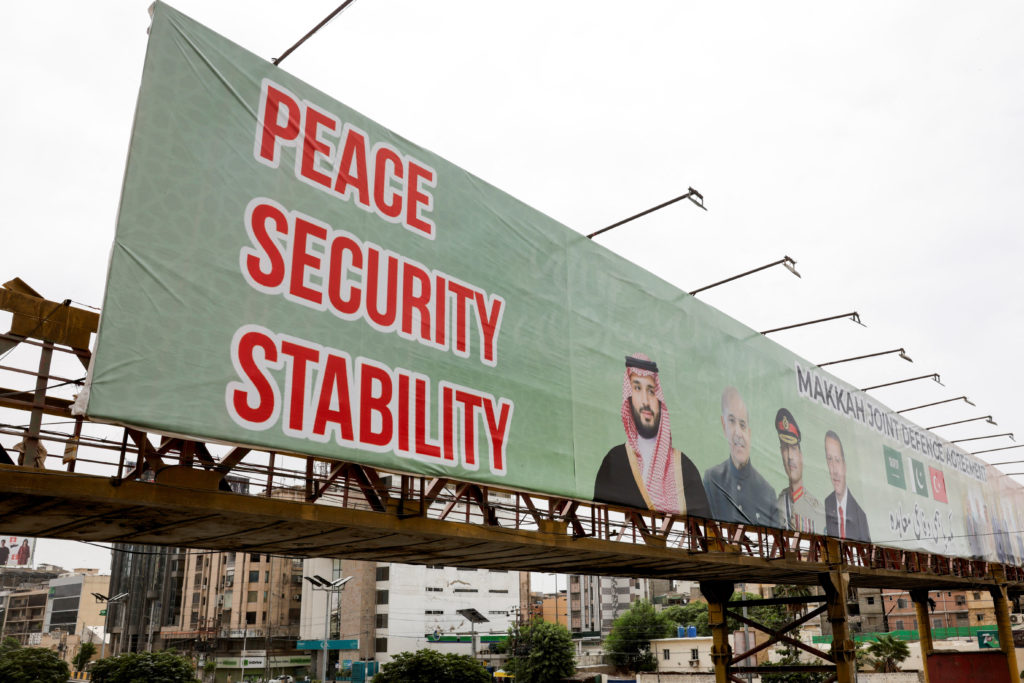
Pakistan, Saudi Arabia, and Turkey have signed a new defense agreement called the Mecca Joint Defense Agreement. The three countries say the pact is defensive, not aimed at any other country, and open for other nations to join if they agree to peaceful principles.
Key Facts
The Mecca Joint Defense Agreement was signed by Saudi Crown Prince Mohammed bin Salman, Turkish President Recep Tayyip Erdogan, and Pakistani Prime Minister Shehbaz Sharif.
The agreement states that an armed attack on any one of the three countries will be treated as an attack on all of them.
Pakistan’s Foreign Minister Ishaq Dar said the pact is purely defensive and consistent with the U.N. Charter’s right to self-defense.
Other countries in the region may join the pact if they support peaceful conflict resolution.
The agreement does not cancel or replace any existing agreements the countries have with others.
Pakistan is the only nuclear-armed Muslim country and brings military experience to the group.
Saudi Arabia adds economic power and regional influence.
Turkey, a NATO member, contributes a large military and a growing defense industry.
Defense experts say the pact should not be seen as a rival to NATO or targeted against Iran.
Pakistan and Saudi Arabia have had close military ties for many years, and Pakistan and Turkey have increased defense cooperation recently.
Read the Original
Want the full story? Tap a source to open the original
article.
Israel will hold its general election on October 27 to choose the next government and prime minister. There are increasing worries from politicians, civil groups, and President Isaac Herzog about possible interference, violence, and threats to democracy during the election.
Key Facts
Israel’s election is scheduled for October 27, with Prime Minister Benjamin Netanyahu seeking another term.
President Isaac Herzog and opposition leaders have warned about possible election interference and violence.
A poll found that nearly 75% of Jewish Israelis are worried about the election’s fairness.
Netanyahu’s government is working to reduce judicial oversight, a highly divisive issue in Israel.
Netanyahu is also trying to delay an investigation into security failures related to the October 2023 Hamas attacks.
Growing concerns exist about violence linked to the election, including arrests and harassment by far-right militias.
Some candidates from left-wing parties fear they may be banned from participating in the election.
There are fears that voting in Palestinian-majority areas could be suppressed and uncertainty about how power transitions will be handled if the government loses.
Read the Original
Want the full story? Tap a source to open the original
article.
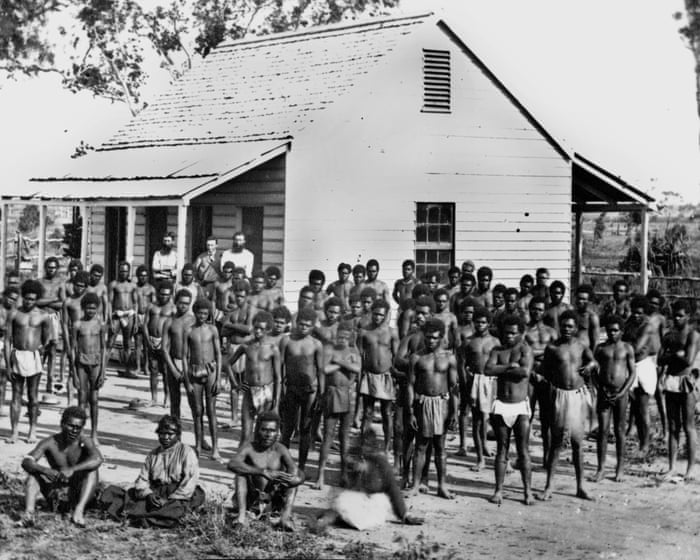
Between 1860 and 1906, up to 62,000 Pacific Islanders were forced to work in Australia, mainly in sugar cane and cotton farming. This practice, known as blackbirding, involved kidnapping and cheating people into slavery, and its impact is still being recognized and addressed today.
Key Facts
Blackbirding refers to the forced recruitment and enslavement of Pacific Islanders for labor.
Australia formally acknowledged the legacy of blackbirding in a 2026 agreement with Vanuatu.
Most blackbirded workers labored in Queensland’s sugar cane and cotton industries but also worked on Sydney docks and other projects.
Many laborers suffered harsh conditions, and about 15,000 died while enslaved in Australia.
Some remains of Pacific Islanders taken during blackbirding are still held in Australian museums.
Prominent Sydney companies and leaders profited from blackbirding, particularly through sugar production.
Emelda Davis, a descendant of blackbirded Islanders and former Sydney councillor, advocates for greater recognition of this history.
The Colonial Sugar Refining Company was a key business benefiting from enslaved labor, with its old refinery now part of a Sydney park.
Read the Original
Want the full story? Tap a source to open the original
article.
A Chinese citizen died by suicide in a Melbourne immigration detention center less than 24 hours after being detained. Internal documents reveal she had expressed suicidal thoughts and had a history of self-harm before her death, prompting China to express serious concern and call on Australia to protect its citizens.
Key Facts
The detainee was a Chinese woman in her mid-30s, held for allegedly overstaying her visa.
She was transferred to Secure Journeys, a US-based company's Australian subsidiary running immigration detention.
Internal documents show she had recent suicidal thoughts and prior self-harm attempts.
She was found hanging in her room at the Broadmeadows detention center the morning after detention.
Victoria police found no suspicious circumstances and are investigating the death.
The Chinese embassy expressed “grave concern” and requested the Australian government safeguard Chinese citizen rights.
The Australian home affairs minister is already dealing with security problems involving Secure Journeys.
There were 360 reports of threatened or actual self-harm across Australia’s onshore immigration detention centers.
Read the Original
Want the full story? Tap a source to open the original
article.
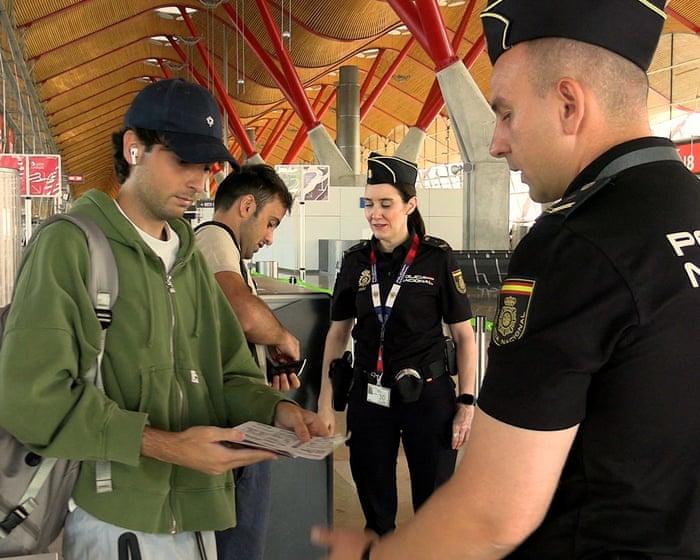
Italy and Spain are in a dispute over border controls after Spain started checking travelers from Italy. This happened because Italy began checking travelers from Spain due to a large number of migrants arriving in Ceuta, a Spanish territory in Africa. Both countries accuse each other of unfair treatment and have different views on handling migration.
Key Facts
Spain began spot checks on travelers from Italy starting Saturday night.
Italy had started checks on travelers from Spain on August 1, responding to migrants entering Ceuta.
About 72,000 migrants recently arrived in Ceuta, but most have been returned to Morocco.
Ceuta is outside the Schengen free-movement zone, which restricts free travel to Europe without permission.
Spain’s foreign minister called Italy’s checks “an attack on the dignity of the Spanish people” and harmful to European unity.
Italy’s foreign minister defended Italy’s checks as necessary to protect borders and expressed concerns about migrant security risks.
Italy criticized Spain’s migrant regularisation program, linking it to migration flows, while Spain denies this connection.
Both Spain and Italy have a history of issuing work permits to migrants but take different approaches today, causing tension.
Read the Original
Want the full story? Tap a source to open the original
article.
Iran’s national security chief has said certain demands must be met before Iran will reopen the Strait of Hormuz, a key waterway for global oil shipping. These demands include lifting the US naval blockade, compensating Iran for war damages, and releasing frozen Iranian money. Iran and Oman are also close to an agreement on how to manage the strait.
Key Facts
Iran controls part of the Strait of Hormuz, an important route for oil transport.
Iran wants the United States to end its naval blockade of Iranian ports.
Iran demands compensation for damages caused by war.
Iran asks for the release of Iranian assets frozen by other countries.
Iran’s security chief publicly stated these conditions for reopening the strait.
Iran and Oman are working on a deal to manage the Strait of Hormuz together.
The United States previously agreed to some related terms in a June memorandum of understanding.
The situation is part of wider tension in the Middle East involving multiple countries.
Read the Original
Want the full story? Tap a source to open the original
article.
Ukrainian President Volodymyr Zelensky said that up to 50,000 North Korean soldiers might be sent to Russia to support its military efforts. He also said North Korea is supplying Russia with weapons and warned that North Korea could gain military experience from this involvement.
Key Facts
Zelensky claimed that 30,000 to 50,000 North Korean troops could be deployed in Russia.
He did not explain where he got this information.
North Korea and Russia signed a strategic agreement in June 2024 promising mutual support.
North Korea has already sent about 14,000 soldiers to Russia’s Kursk region since 2024.
North Korea is providing Russia with missiles, artillery, and rocket systems.
Ukraine has found North Korean missiles inside its territory.
Zelensky asked South Korea for help with Ukraine’s air defense systems.
Russian and North Korean relations are growing stronger due to military cooperation.
Read the Original
Want the full story? Tap a source to open the original
article.
Families in Gaza, including Sahar al-Bardini and her children, are struggling to find enough food due to high prices and a long siege. The United Nations warns that Gaza faces a severe food crisis that could become another famine, with many children lacking the nutrients they need to grow healthy.
Key Facts
Sahar al-Bardini is a single mother caring for three young children after her husband died in shelling three years ago.
Food prices in Gaza are very high because of an ongoing siege by Israel.
Many families only have one meal a day, often lacking important nutrients like protein, eggs, vegetables, and fruit.
Last year’s famine caused children like Sahar’s to become very weak and lose weight, taking months to recover.
The UN Office for the Coordination of Humanitarian Affairs says 67% of Gaza’s people do not have enough food.
Around 200,000 people in Gaza live in conditions that could lead to an official famine declaration.
Community kitchens provide basic meals, but these do not meet all nutritional needs, especially for children.
Food vouchers and aid help families but are not enough to cover all essential needs like clothes and medicine.
Read the Original
Want the full story? Tap a source to open the original
article.