Neutral summaries of your favorite news sources — just the facts.
Your favorite news sources, one neutral feed — we distill their reporting into fact-first
summaries and always link to the original story. How it works
World News
Comprehensive coverage of international news and global events
Grizz Chapman, the actor known for playing Grizz on the TV show 30 Rock, died at age 52. He died in his sleep after a long illness related to kidney disease and had undergone dialysis and a kidney transplant.
Key Facts
Grizz Chapman was best known for his role as Grizz on the comedy 30 Rock.
He died at age 52, confirmed by his cousin Donte Harrison.
Chapman suffered from kidney disease and had a kidney transplant in 2010.
He received dialysis treatments during the filming of 30 Rock.
Chapman was 7 feet tall (2.13 meters).
He was born in Brooklyn in 1974 and originally worked as a bodyguard and bouncer.
He acted in 80 episodes of 30 Rock between 2006 and 2013.
Chapman is survived by his wife Diana and their two children.
Read the Original
Want the full story? Tap a source to open the original
article.
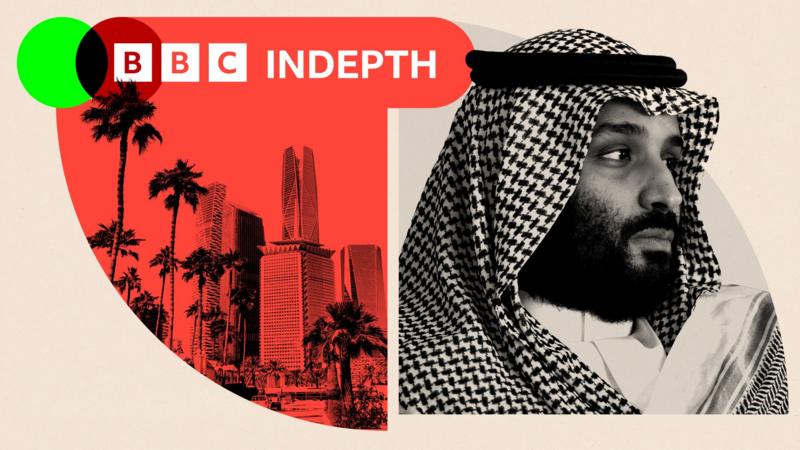
Saudi Arabia launched a huge plan called Vision 2030 to transform its economy and society by building massive new cities and resorts, funded by its large oil wealth. However, due to lower oil prices before the recent Middle East war and less foreign investment than expected, many of these projects are being scaled back, delayed, or canceled.
Key Facts
Vision 2030 was started by Crown Prince Mohammed bin Salman to reduce Saudi Arabia’s dependence on oil.
The plan included huge projects like NEOM, a futuristic city stretching over 100 miles.
The Line, a central NEOM project, is being scaled down from the original ambitious design.
The winter resort Trojena was planned for year-round skiing but is now less ambitious; the Asian Winter Games it was supposed to host moved to Kazakhstan.
The Cube, a giant building project costing about $50 billion, has been canceled.
The LIV Golf tour, a sports project costing around $5 billion, has not delivered financial or reputational benefits.
Falling oil prices before the Middle East war and the recent regional conflict reduced Saudi Arabia’s money for these projects.
Foreign investment in these expensive plans has been much lower than expected.
Read the Original
Want the full story? Tap a source to open the original
article.
Scientists found a new type of small, blue octopus deep under the ocean near the Galapagos Islands. They studied the octopus using special X-ray scans instead of cutting it open and named it Microeledone galapagensis.
Key Facts
The octopus was discovered about 1,800 meters (5,900 feet) deep near the Galapagos Islands.
It is very small, about the size of a golf ball, and has a rare blue color on its back and deep purple underneath.
The species belongs to the Megaleledonidae family, whose usual members are larger and live near Antarctica.
The octopus has short arms with only one row of suckers, setting it apart from most octopuses.
Scientists used CT scans to create a 3D model of the octopus without damaging the single specimen.
The octopus uses its dark-colored webbing to hide prey that might shine and attract predators.
Finding new octopus species in the deep ocean is not unusual because much of the ocean floor is unexplored.
The discovery was first seen in 2015, and research was published in the journal Zootaxa.
Read the Original
Want the full story? Tap a source to open the original
article.
Scientists discovered a new species of small, blue octopus nearly 1,800 meters deep near the Galapagos Islands. Named Microeledone galapagensis, this octopus has a unique blue color and unusual physical features unlike other known octopuses.
Key Facts
The new octopus was found near the Galapagos Islands at a depth of about 1,800 meters (almost 6,000 feet).
It is very small, about the size of a golf ball.
The octopus has a rare blue color on its back and deep purple color underneath.
It has stubby arms with only one row of suckers, different from most other octopuses.
Scientists used CT scans to create a 3D model of the octopus’s insides without harming the single specimen.
The octopus belongs to the Megaleledonidae family, generally made up of much larger octopuses from the Southern Ocean near Antarctica.
The blue octopus may cover its prey with its dark web to avoid attracting predators.
More new octopus species are often found in deep sea areas that haven’t been well explored.
Read the Original
Want the full story? Tap a source to open the original
article.
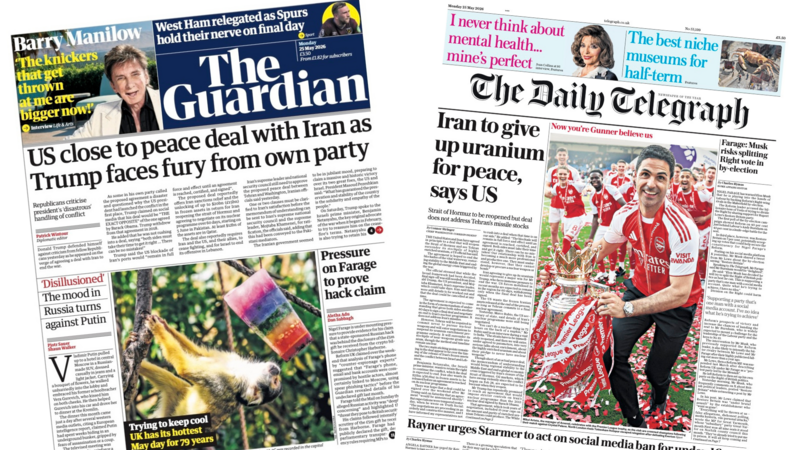
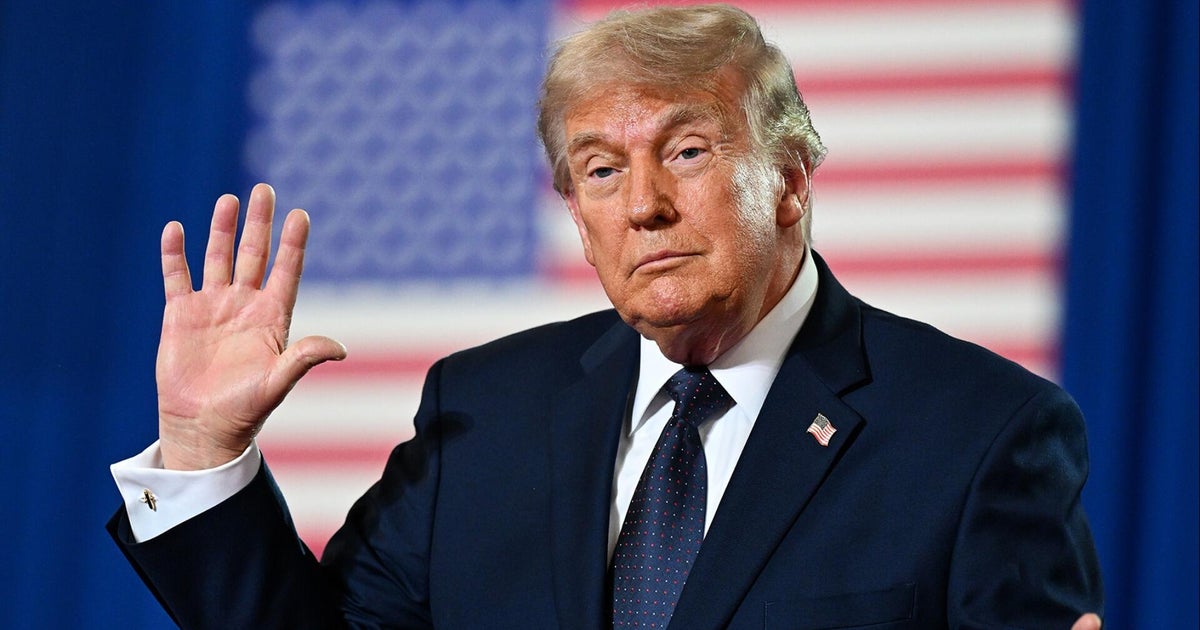
President Donald Trump says he does not want to rush into a peace deal with Iran and insists he does not make bad deals. The United States is reportedly close to a peace agreement with Iran, while the situation in Ukraine remains tense with heavy attacks on Kyiv.
Key Facts
President Trump told negotiators not to hurry when making a deal with Iran.
The US is reported to be close to a peace deal with Iran.
Trump is facing criticism from members of his own political party over the Iran talks.
Kyiv, the capital of Ukraine, has been heavily bombed in recent attacks.
A US official said Iran may give up uranium as part of a peace deal.
UK ministers are considering giving money to families to encourage young people to take apprenticeships.
Russian hackers are accused by Nigel Farage of exposing a £5 million gift he received.
The mood in Russia is reportedly shifting against President Vladimir Putin.
Read the Original
Want the full story? Tap a source to open the original
article.
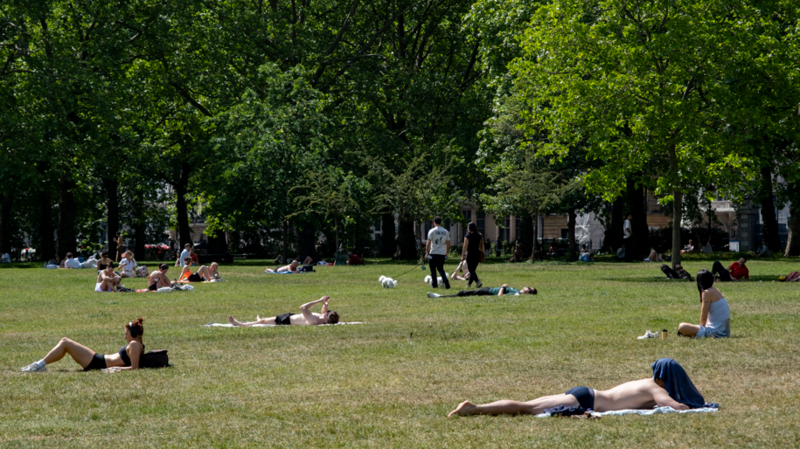
The UK is set to have its hottest May day ever, with temperatures expected to reach 34°C, breaking a record set over 80 years ago. Parts of southern and eastern England are in heatwave conditions, and the hot weather is likely to continue into next week with some cooling only expected after the weekend.
Key Facts
Temperatures in the UK may reach 34°C, beating the previous May record of 32.8°C from over 80 years ago.
Eight regions in southern and eastern England have entered official heatwave conditions.
Amber heat health alerts are active in parts of the Midlands and eastern England until at least Wednesday.
Monday and Tuesday are forecasted to be the hottest days of the week, with all UK nations experiencing their hottest May weather so far.
Wales may also break its May heat record, which is 30.6°C from Newport in 1944.
Nighttime temperatures could exceed the 18.9°C May record set in Folkestone in 1947.
A few local thunderstorms may occur on Tuesday but are unlikely to reduce the heat significantly.
Cooler air is expected to arrive Wednesday in parts of eastern and southeastern England, but Wales and southwest England will remain hot.
The hot air will return by Thursday, and temperatures are forecast to stay high until a more noticeable drop comes after the weekend due to changes in the jet stream and low-pressure systems.
Read the Original
Want the full story? Tap a source to open the original
article.
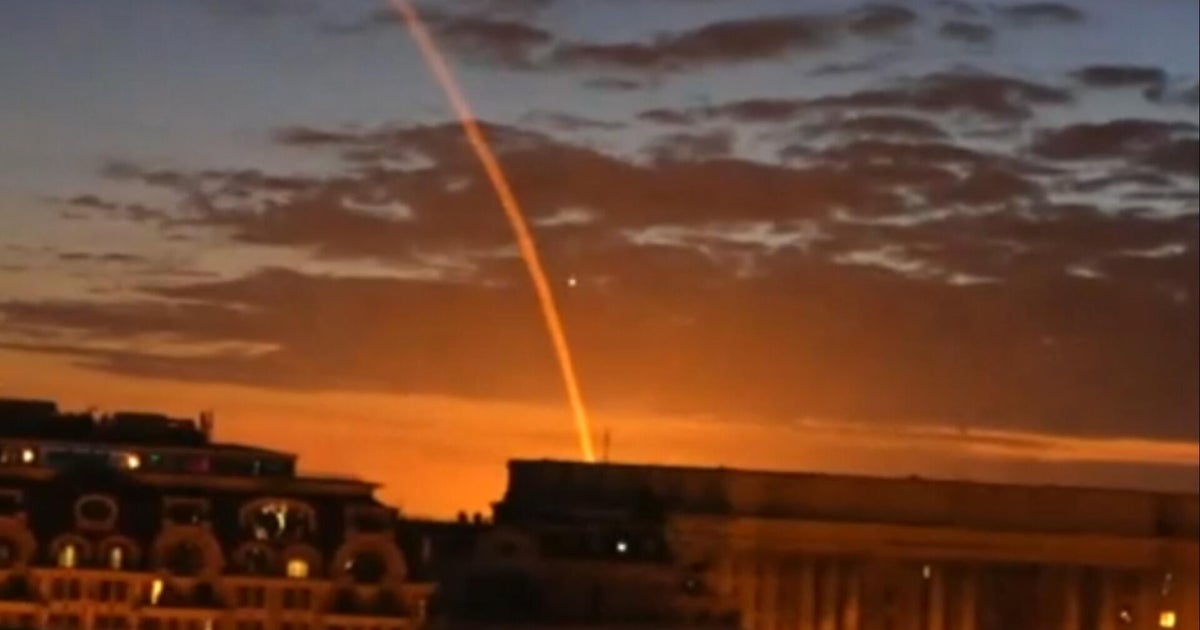
Several European leaders have criticized Russia for using a hypersonic missile called Oreshnik in an attack on Ukraine. The missile strike occurred during heavy fighting in the Ukrainian capital, Kyiv.
Key Facts
Russia launched a hypersonic ballistic missile named Oreshnik against Ukraine.
The attack targeted the capital city, Kyiv.
The missile is considered hypersonic because it travels faster than five times the speed of sound.
European leaders publicly condemned Russia’s use of this advanced weapon.
The missile strike happened during a large-scale assault on Ukraine.
Ukraine is currently facing ongoing military attacks from Russia.
This event has increased tensions between Russia and European countries.
Read the Original
Want the full story? Tap a source to open the original
article.
The U.S. and Iran have agreed on main ideas for a potential peace deal, including some difficult issues between the two countries. President Donald Trump has said the White House will take its time before signing any agreement.
Key Facts
U.S. and Iranian negotiators have found common ground on broad principles of a peace deal.
The deal addresses several major disagreements that have divided the two countries.
President Trump warned there will be no rush to finalize the agreement.
The talks aim to reduce tension between the U.S. and Iran.
Details about the exact terms of the agreement are still emerging.
The news was reported by Imtiaz Tyab on CBS News.
Read the Original
Want the full story? Tap a source to open the original
article.
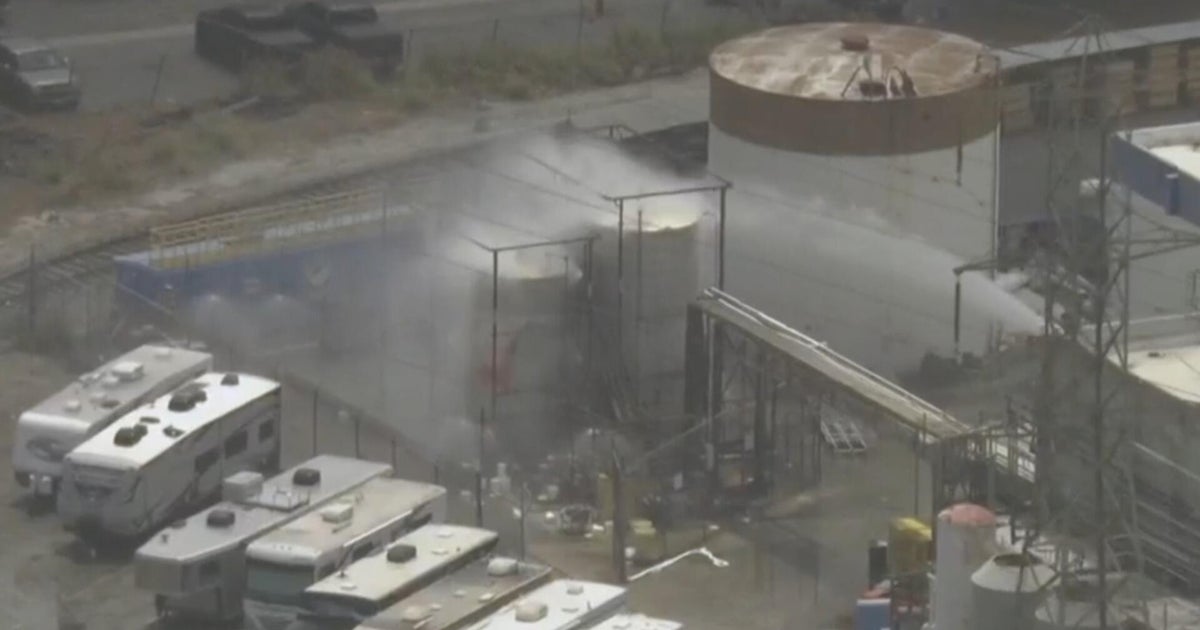
An industrial tank holding around 7,000 gallons of flammable and toxic chemicals cracked in Southern California. Officials say this crack might prevent a worse accident, like a large explosion, but fears remain. Thousands of people were evacuated from nearby areas in Orange County.
Key Facts
The tank contains about 7,000 gallons of highly flammable and toxic chemicals.
A crack was found on the chemical tank in Southern California.
Experts think the crack might stop a full rupture or big explosion.
Thousands of residents from several communities in Orange County were evacuated.
Authorities are monitoring the situation closely for safety.
The evacuation aims to protect people from potential chemical hazards.
The incident was reported by CBS News with updates for the public.
Read the Original
Want the full story? Tap a source to open the original
article.
Morocco is encouraging tourists to visit Western Sahara, especially the city of Dakhla, through new flight routes from Europe and tourism developments. Western Sahara is a disputed territory mostly controlled by Morocco but considered by the United Nations as a non-self-governing area where the local people cannot govern themselves.
Key Facts
Western Sahara is claimed and mostly administered by Morocco, which calls it its "southern provinces."
The United Nations classifies Western Sahara as a territory without self-government.
Tourism to Morocco-controlled Western Sahara has increased over 50% in seven years, reaching over 740,000 visitors in 2025.
Airlines like Ryanair and Transavia offer direct flights to cities in Western Sahara from European hubs.
Some airlines label Western Sahara destinations as part of Morocco, while others use the territory's name separately.
Human rights groups warn that referring to Western Sahara as Moroccan territory risks legitimizing Morocco’s occupation against international law.
The Moroccan government has invested in tourism infrastructure in Western Sahara, building resorts and other accommodations.
Local people in Western Sahara have never been allowed to vote on their political future despite calls by the UN for a referendum.
Read the Original
Want the full story? Tap a source to open the original
article.
UK university leaders warn that continued severe funding problems may force them to cut support for poor students and reduce outreach programs that help disadvantaged groups attend university. Many universities also plan job cuts and hiring freezes, and some are considering mergers to manage financial challenges.
Key Facts
Over two-thirds of UK university leaders may make compulsory job cuts if funding problems last for three years.
Nearly 90% of universities are planning hiring freezes or voluntary job cuts.
About one-third may reduce hardship funding, which helps students facing financial difficulties.
More than half are prepared to cut outreach activities that encourage disadvantaged students to attend university.
Student debt is high, and many students work part-time or live at home to manage costs.
University mergers are being considered, like King’s College London absorbing Cranfield University.
Experts warn that cuts could make university less accessible for poor students and widen inequality.
University staff unions say mergers do not solve the funding crisis and call for government investment.
Read the Original
Want the full story? Tap a source to open the original
article.
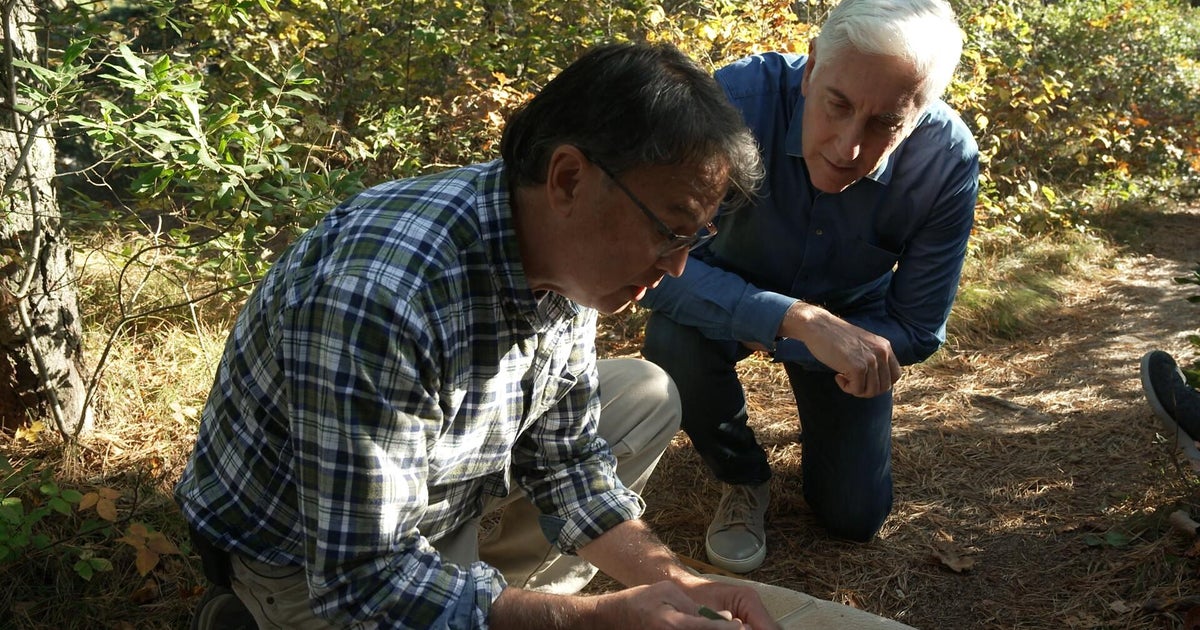
Scientists are working on changing the genes of wild mice to help stop the spread of Lyme disease. Instead of targeting ticks or deer, they focus on mice because these animals play a key role in passing the disease to ticks.
Key Facts
Lyme disease spreads through ticks that bite infected animals and then humans.
Wild mice carry the bacteria that cause Lyme disease.
Researchers aim to use genetic engineering to alter mice DNA.
The goal is to make mice less able to infect ticks with Lyme bacteria.
This approach could reduce Lyme disease cases in humans.
Genetic engineering means changing the DNA, the instructions inside living things.
The project is still under study and not yet widely used.
Scientists believe this method could be safer and more effective than killing ticks or deer.
Read the Original
Want the full story? Tap a source to open the original
article.
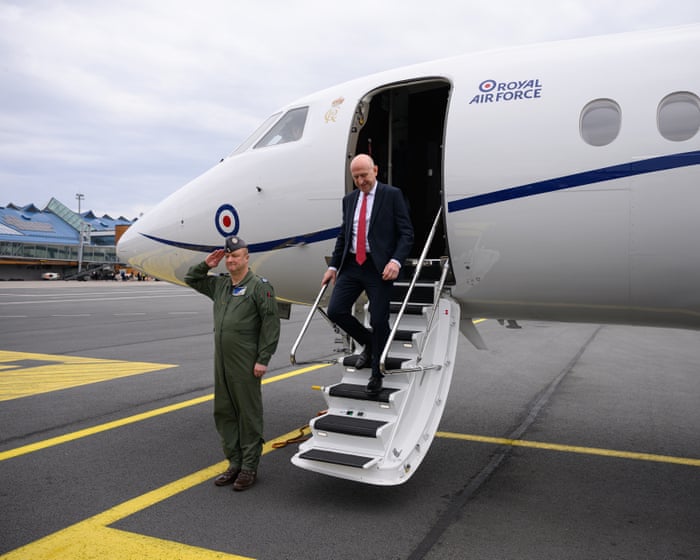
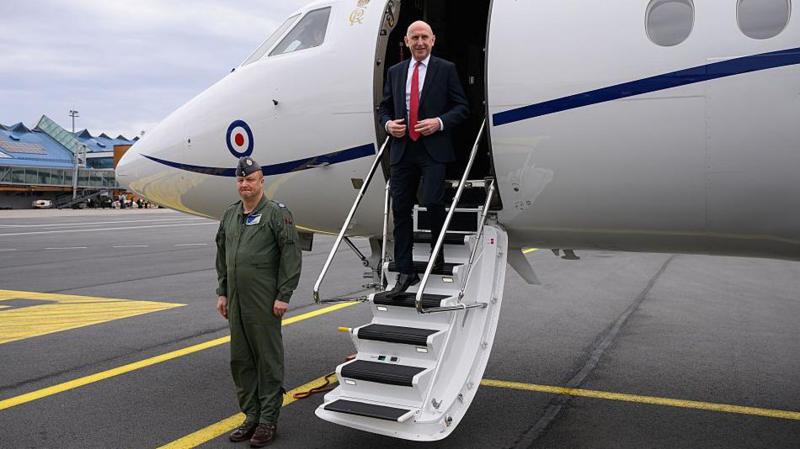
An RAF plane carrying UK Defence Secretary John Healey experienced GPS jamming for three hours while flying near the Russian border. Officials believe Russia was behind the attack, which affected navigation systems and internet connections on board, but the flight continued safely.
Key Facts
The GPS signal on an RAF Dassault Falcon 900LX plane was jammed during a flight near Russia.
John Healey, the UK Defence Secretary, was on board returning from Estonia.
Smartphones and laptops lost internet access due to the jamming.
Pilots had to use alternative navigation methods because GPS was disabled.
It is unclear if Healey was specifically targeted, but the flight path was publicly visible.
The UK Ministry of Defence reported dangerous Russian jet interceptions of RAF spy planes over the Black Sea last month.
In March 2024, another RAF plane carrying a previous defence secretary also experienced GPS jamming near Russian territory.
Healey confirmed the UK tracked Russian submarines near critical underwater infrastructure in the North Atlantic recently.
Read the Original
Want the full story? Tap a source to open the original
article.
The World Health Organization (WHO) reports that the hantavirus situation is currently stable. There have been 12 cases and three deaths, with no new deaths reported since May 2.
Key Facts
WHO Director-General Tedros Adhanom Ghebreyesus gave the update on Sunday.
There are 12 confirmed hantavirus cases so far.
Three people have died from the virus.
No new deaths have occurred since May 2.
The outbreak likely started in South America.
The virus is being monitored closely by health officials.
Read the Original
Want the full story? Tap a source to open the original
article.
Ecuadorian President Daniel Noboa spoke to the National Assembly about his efforts to fight crime and improve the economy. He highlighted sending criminals to the U.S., seizing large amounts of drugs, and lowering poverty rates as key achievements.
Key Facts
President Noboa said Ecuador will find and send criminals to the U.S. through extradition.
Nearly 300 tonnes of drugs have been seized under his crime-fighting policies.
Organized crime and increased homicides, especially during the COVID-19 pandemic, are major issues in Ecuador.
Ecuador is located between Colombia and Peru, the top cocaine producers in the world.
Last year, Ecuador had a high murder rate of about 50 per 100,000 people.
Noboa has allowed the military to work with police, conduct property searches without warrants, and use a state of exception to fight crime.
Ecuador’s military and U.S. forces attacked a training camp linked to Colombian drug traffickers earlier this year.
Noboa also reported that poverty fell from 26% to 21.4%, and extreme poverty dropped from 10.4% to 8.4%.
Read the Original
Want the full story? Tap a source to open the original
article.
Cuba received the first shipment of rice from China amid a worsening humanitarian crisis caused by shortages and U.S. sanctions. Cuban President Miguel Diaz-Canel thanked China for the aid and criticized U.S. policies that have increased pressure on the island.
Key Facts
China is donating about 60,000 tonnes of rice to Cuba; the first shipment of 15,000 tonnes arrived in Havana.
Cuba is facing a severe humanitarian crisis with shortages affecting power, transportation, and medical care.
The U.S. has increased sanctions on Cuba under President Trump’s second term, including blocking oil exports to the island.
Cuba relies on imports for nearly 60% of its oil supply, and recent sanctions have led to island-wide blackouts.
President Diaz-Canel compared the U.S. sanctions to “collective punishment” and called the situation “genocide.”
China has also provided Cuba with solar panels to help improve its energy system.
The Trump administration accused Cuba of being a threat and has threatened economic penalties for countries supplying it with oil.
U.S. officials offered $100 million in humanitarian aid to Cuba if it makes political reforms, but Cuba resists these demands.
Read the Original
Want the full story? Tap a source to open the original
article.
U.S. intelligence reports that Iran's supreme leader is hiding in a secret place with very limited outside contact, using complex courier networks to communicate. This makes talks between Iran and the U.S. slow, as messages take a long time to reach him. President Trump expects a final response on a possible deal soon.
Key Facts
Iran’s supreme leader is in an undisclosed, highly secure location.
Communication with the supreme leader happens through a complicated network of couriers.
Iranian officials involved in talks with the U.S. struggle to relay messages within their own government.
This slow communication delays progress on potential nuclear deal details.
President Trump said he expects final news on the agreement within days.
The supreme leader has given broad instructions on negotiation limits but no detailed approvals yet.
Iran’s leadership is remaining underground due to past military strikes targeting top figures.
U.S. and Israeli intelligence have tracked and eliminated several high-ranking Iranian leaders in the conflict so far.
Read the Original
Want the full story? Tap a source to open the original
article.
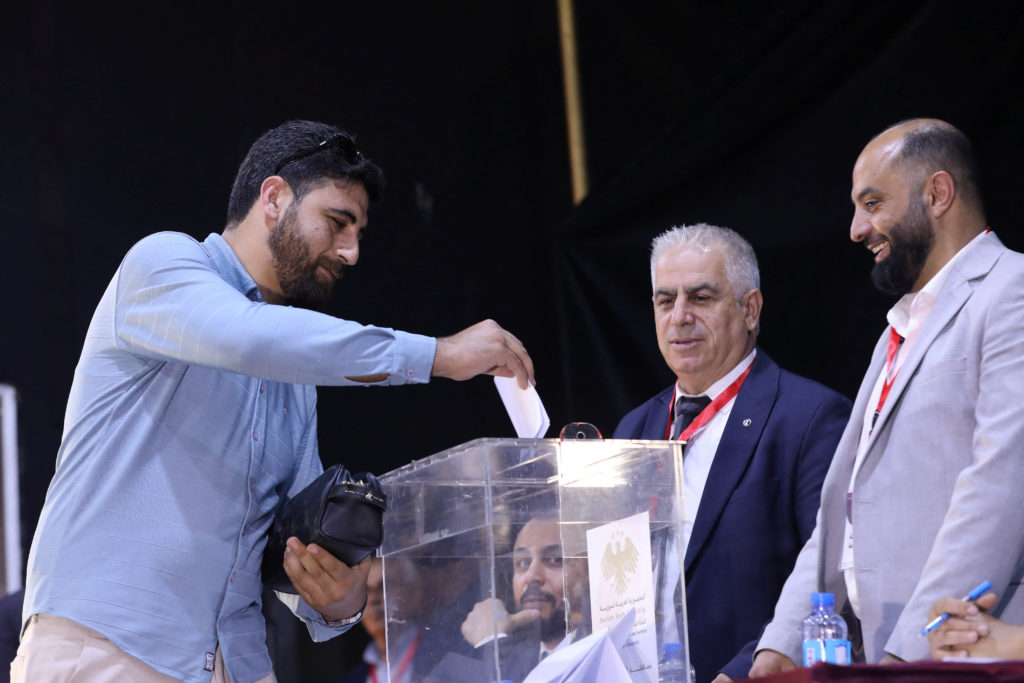
Syria held parliamentary elections on Sunday in the Kurdish-majority areas of Hassakeh and Kobani, which were recently brought back under government control. These elections fill the remaining seats after earlier voting last October, in a country still recovering from a long civil war and ongoing political challenges.
Key Facts
The elections took place in northeastern Syria’s Hassakeh province and the town of Kobani.
These areas were reintegrated into government control in January after fighting with Kurdish-led forces.
Earlier parliamentary elections were held in October 2023, but Kurdish-held areas did not participate then.
The new parliament includes some seats chosen by local voters and about one-third appointed directly by interim President Ahmad al-Sharaa.
Syria’s political system under al-Sharaa is not fully democratic and differs from the previous Baath Party-controlled system under former President Bashar Assad.
Voters expressed some satisfaction with the elections as part of Syria’s political transition.
Key voter concerns include infrastructure, agriculture, and maintaining peace.
The civil war in Syria lasted from 2011 until 2024 and caused widespread hardship and poverty.
Read the Original
Want the full story? Tap a source to open the original
article.
Alberta, a province in Canada, will hold a vote on October 19 to decide whether to explore becoming independent from Canada. The move has caused tension between Alberta’s leaders and the Canadian Prime Minister, as well as concern among business leaders and experts about the future of the region.
Key Facts
Alberta plans a referendum on October 19 about exploring independence from Canada.
Canadian Prime Minister Mark Carney calls for unity and says the government is working to improve Alberta.
Alberta Premier Danielle Smith says she still supports staying part of Canada.
The referendum has upset separatists who want full independence.
Business leaders worry the vote could cause economic uncertainty in Alberta’s energy sector.
Analysts see the vote as a challenge to Canada’s political stability.
The issue has sparked a political debate inside Canada and raised questions about the future of the province.
Read the Original
Want the full story? Tap a source to open the original
article.
A British RAF jet carrying Defence Secretary John Healey had its GPS signal jammed near the Russian border while returning from Estonia. This caused the pilots to use another navigation system during the three-hour flight. The incident follows recent events where Russian warplanes flew dangerously close to a British spy plane over the Black Sea.
Key Facts
The incident happened on Thursday as John Healey was flying back to the UK from Estonia.
The GPS signal on the RAF jet was jammed, which means it was blocked or disabled.
Pilots switched to a backup navigation system to continue the flight safely.
Russia is suspected of causing the GPS signal jamming.
The event came one day after two Russian jets intercepted a British spy plane over the Black Sea.
During the spy plane incident, Russian jets flew very close, triggering emergency warnings and disabling autopilot.
John Healey had been visiting British soldiers taking part in a NATO exercise near the Russian border.
In 2024, a similar GPS jamming incident happened to an RAF plane near Russian territory.
Read the Original
Want the full story? Tap a source to open the original
article.