Neutral summaries of your favorite news sources — just the facts.
Your favorite news sources, one neutral feed — we distill their reporting into fact-first
summaries and always link to the original story. How it works
World News
Comprehensive coverage of international news and global events
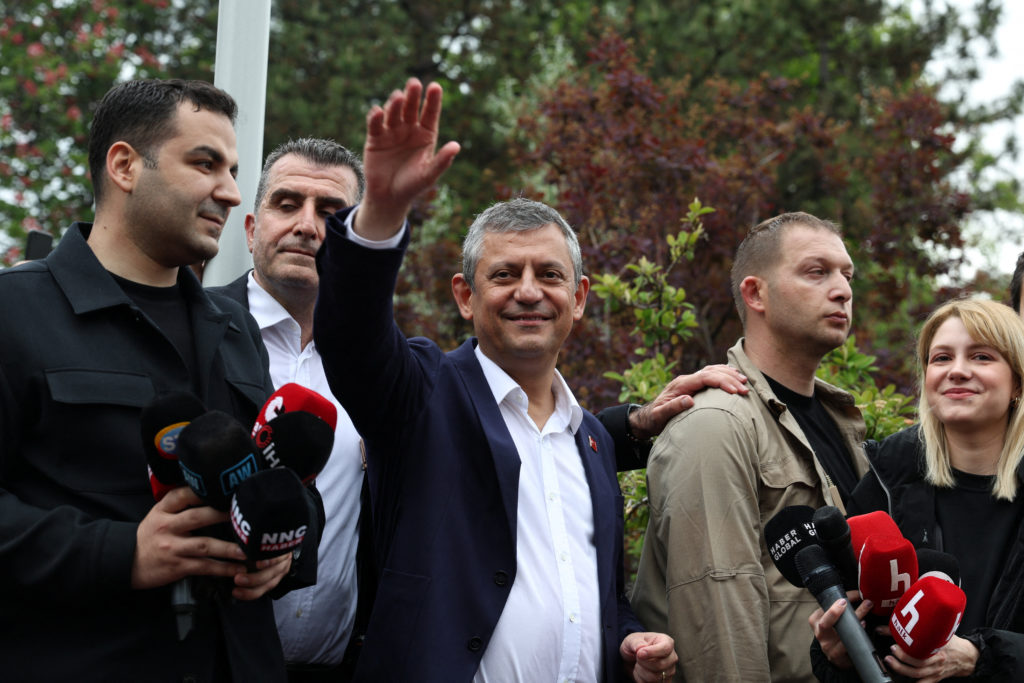
Turkish police entered the main opposition party CHP’s offices after supporters stayed inside for three days to resist a court decision removing the party’s elected leader. The police used tear gas and rubber bullets to clear the building, ending a standoff between the opposition and the government of President Erdogan. CHP supporters then marched to Parliament to call for rebuilding the party.
Key Facts
Police stormed CHP offices using tear gas and rubber bullets on Sunday.
CHP supporters had barricaded themselves inside the party building for three days.
The court removed Ozgur Ozel as CHP chairperson and reinstated his predecessor Kemal Kilicdaroglu.
Ozel rejected the court order by tearing it up inside the office.
Supporters resisted police by spraying fire extinguishers but were stopped.
After leaving the building, Ozel and supporters marched approximately 8 km to Turkey’s Parliament.
The CHP was founded in 1923, shut down in 1980, and reestablished in 1992.
The opposition claims the legal actions against CHP are politically motivated to weaken them before elections.
Read the Original
Want the full story? Tap a source to open the original
article.
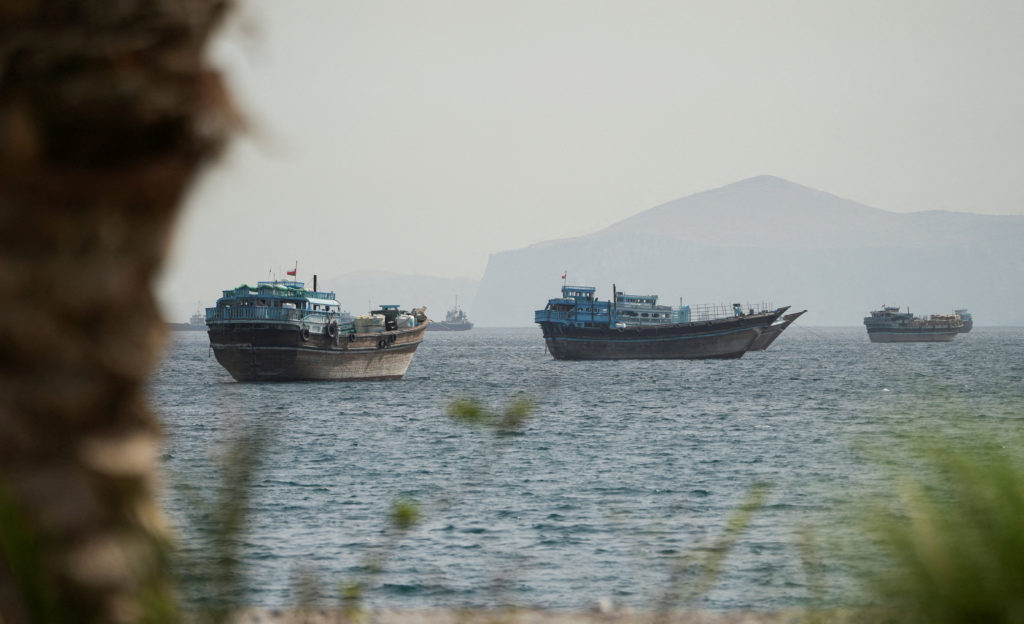
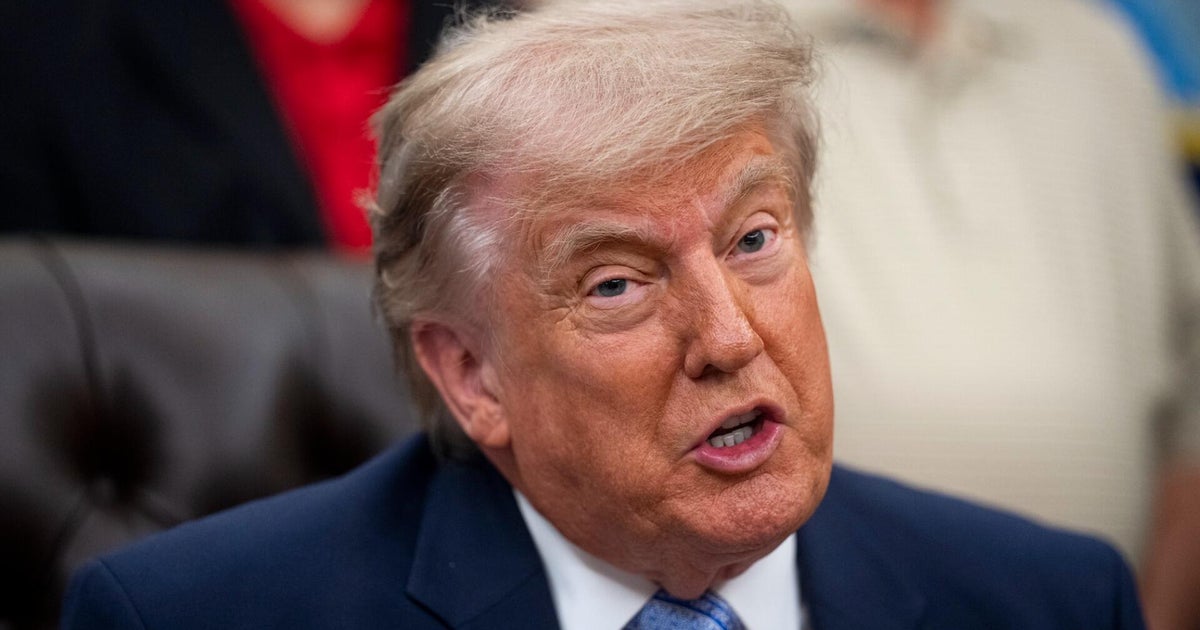
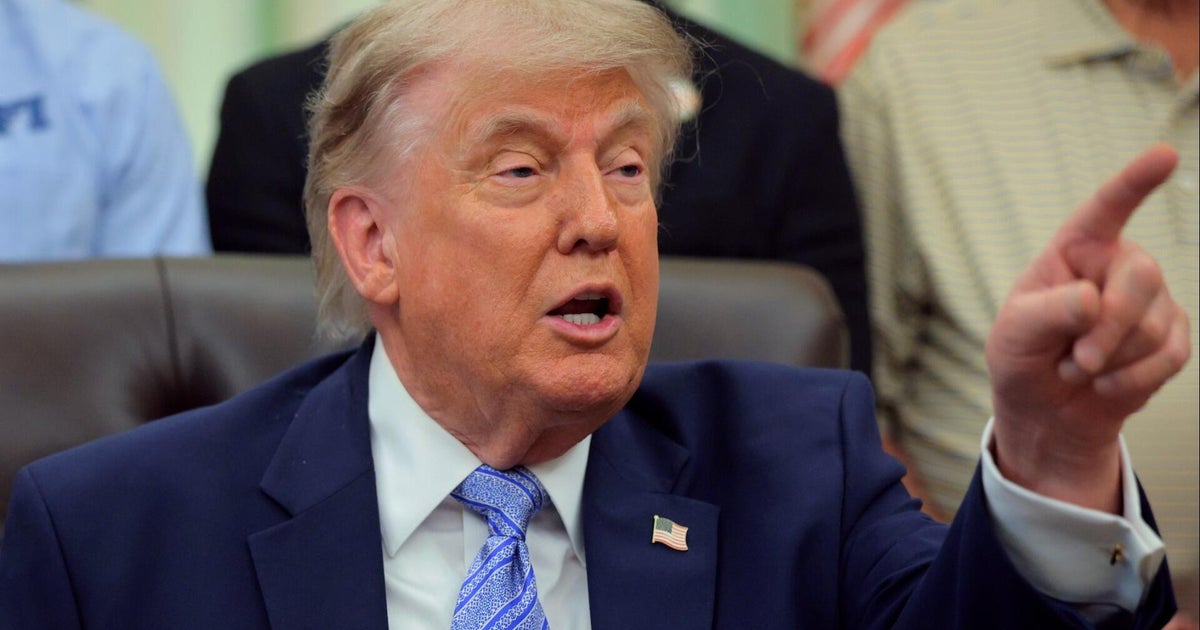
The United States is close to a deal with Iran that could end the war, reopen a key waterway called the Strait of Hormuz, and have Iran give up its stockpile of highly enriched uranium. President Donald Trump said the deal is mostly worked out but urged not to rush the agreement.
Key Facts
The possible deal aims to end the conflict and reopen the Strait of Hormuz, a vital route for global oil shipments.
Iran has not officially agreed to give up its stockpile of highly enriched uranium, which is close to weapon-grade.
President Trump said the negotiations are going well but asked that his team not rush the deal.
The reopening of the strait could help reduce high oil and gas prices caused by recent fighting.
The U.S. continues to block Iranian ports, maintaining a blockade until the deal is signed and verified.
Iran insists its nuclear program is peaceful and that it has a right to nuclear technology.
Negotiations include discussions on limiting Iran’s nuclear weapons potential and handling the uranium stockpile.
Some uranium might be diluted or sent to another country, with Russia possibly involved in taking it.
Read the Original
Want the full story? Tap a source to open the original
article.
The United States is close to a deal with Iran that could end the conflict, reopen the Strait of Hormuz, and require Iran to give up its stockpile of highly enriched uranium. President Donald Trump said the talks are moving well but advised not to rush into an agreement.
Key Facts
U.S. and Iran are negotiating a deal to end the war and reopen the Strait of Hormuz.
The Strait of Hormuz closure has caused global energy prices to rise sharply.
Iran would agree to give up its highly enriched uranium, some diluted and some sent to a third country, possibly Russia.
Iran currently has about 441 kilograms of uranium enriched up to 60%, close to weapons-grade.
The U.S. blockade of Iranian ports will remain until the agreement is signed and certified.
Iran insists its nuclear program is peaceful and denies seeking nuclear weapons.
The U.S. offers to allow Iran to sell oil again by lifting some sanctions gradually.
Negotiations are described as orderly and constructive by President Trump, who rejects calls for a tougher stance.
Read the Original
Want the full story? Tap a source to open the original
article.
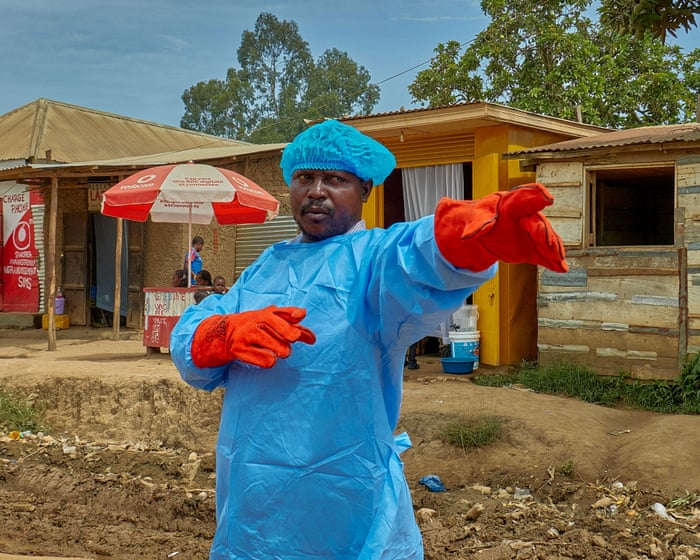
The number of suspected Ebola cases in eastern Democratic Republic of Congo (DR Congo) has passed 900. The outbreak is worsening due to ongoing violence, displacement of people, weak local government, and cuts in international aid that have limited healthcare resources.
Key Facts
There are over 900 suspected Ebola cases and around 119 suspected deaths, mostly in the Ituri province of DR Congo.
Health centers in two towns involved in the outbreak were recently burned down amid local anger and violence.
Armed rebel groups, including Rwanda-backed AFC/M23 and the Ugandan Allied Democratic Forces (linked to Islamic State), control parts of the affected region.
Nearly one million people have been displaced by conflict in Ituri, making it harder to control the outbreak.
The outbreak is spreading to nearby provinces (North Kivu and South Kivu) and across the border into Uganda.
Aid cuts from the U.S. and other countries have reduced the ability to detect and respond to disease outbreaks in DR Congo.
Health workers lack critical protective equipment, testing kits, and supplies needed to safely treat patients and bury victims.
Both the Congolese government and rebel authorities are involved in managing the outbreak with help from various aid agencies.
Read the Original
Want the full story? Tap a source to open the original
article.
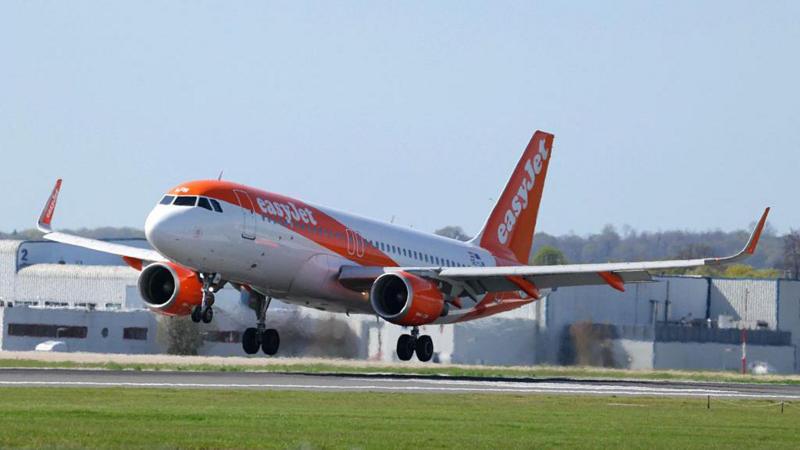
An EasyJet flight from Egypt to the UK was diverted to Rome after a passenger informed the crew that a power bank was charging inside checked luggage, which is against safety rules. The flight landed safely, and passengers were given accommodation and refreshments while waiting for the rescheduled flight.
Key Facts
The EasyJet flight EZY2618 was traveling from Hurghada, Egypt, to London Luton.
The plane diverted to Rome because a power bank was found charging in the checked luggage.
Charging power banks in checked luggage is banned due to fire risks from lithium-ion batteries.
The plane landed safely at Rome Fiumicino airport about three hours into the flight.
EasyJet provided hotel rooms, meals, and refreshments to affected passengers.
Power banks must be carried in hand luggage and are not allowed to be used for charging during flights.
Similar rules are followed by other airlines like Ryanair and British Airways.
Lithium-ion batteries in power banks can overheat and catch fire, making cabin storage safer than in the hold.
Read the Original
Want the full story? Tap a source to open the original
article.
Israeli air strikes have killed at least six people in southern Lebanon recently, including several individuals riding motorcycles and a paramedic. The Israeli army issued new evacuation orders in the area amid ongoing attacks, while Hezbollah responded with attacks on Israeli military targets.
Key Facts
Israeli strikes killed six people in southern Lebanon, including three men on motorcycles and a paramedic.
The attacks occurred in several towns, such as al-Namiriya, al-Duweir, Abba, Jebchit, Arab Salim, and Bazouriyeh.
Israel’s army gave 16 evacuation orders in southern Lebanon.
Rescue teams found three bodies under the rubble of a bombed house in Srifa.
Hezbollah launched drone and rocket attacks targeting Israeli soldiers in southern Lebanon.
Since early March, Israeli strikes in Lebanon have killed over 3,100 people and wounded more than 9,500, according to Lebanon’s Health Ministry.
The conflict continues during peace talks between the United States and Iran.
Hezbollah's leader criticized the Lebanese government and US sanctions, saying they will strengthen Hezbollah’s resolve.
Read the Original
Want the full story? Tap a source to open the original
article.
The Ebola outbreak in eastern Democratic Republic of Congo has surpassed 900 suspected cases amid attacks on treatment centers and shortages of medical supplies. Armed groups and local anger complicate health workers’ efforts to control the disease, which authorities say poses a very high risk locally but a low global threat.
Key Facts
There are now 904 suspected Ebola cases and 119 suspected deaths in eastern DR Congo.
Most cases are in Ituri province, where the outbreak is focused.
Health workers face attacks, including arson on two treatment centers last week.
Local anger relates to distrust of aid groups and strict Ebola burial rules.
Funeral gatherings over 50 people are banned and some burials are guarded by soldiers.
Eastern Congo is affected by violence from rebel groups like the Rwanda-backed M23 and the Allied Democratic Forces linked to Islamic State.
Nearly 1 million people have been displaced in Ituri due to conflict, worsening healthcare conditions.
Cuts in international aid last year reduced the ability to detect and control Ebola in the region.
Read the Original
Want the full story? Tap a source to open the original
article.
U.S. negotiators, led by President Donald Trump, are close to reaching a peace deal with Iran after 13 weeks of conflict. The proposed agreement aims to reopen the Strait of Hormuz, unfreeze some Iranian assets, and continue talks about Iran's nuclear program.
Key Facts
Negotiations between the U.S. and Iran have been ongoing for 13 weeks.
The deal includes reopening the Strait of Hormuz, a vital shipping route.
Some Iranian assets frozen in foreign banks are set to be unfrozen.
Discussions about Iran’s nuclear program will continue after the initial deal.
President Trump says he will only sign an agreement that stops Iran from getting a nuclear weapon.
Pakistan’s army chief Asim Munir is helping mediate the talks.
Iran acknowledges progress but says some disagreements remain.
President Trump spoke with leaders from Saudi Arabia, Qatar, Egypt, Turkey, UAE, and Pakistan about the deal.
Read the Original
Want the full story? Tap a source to open the original
article.
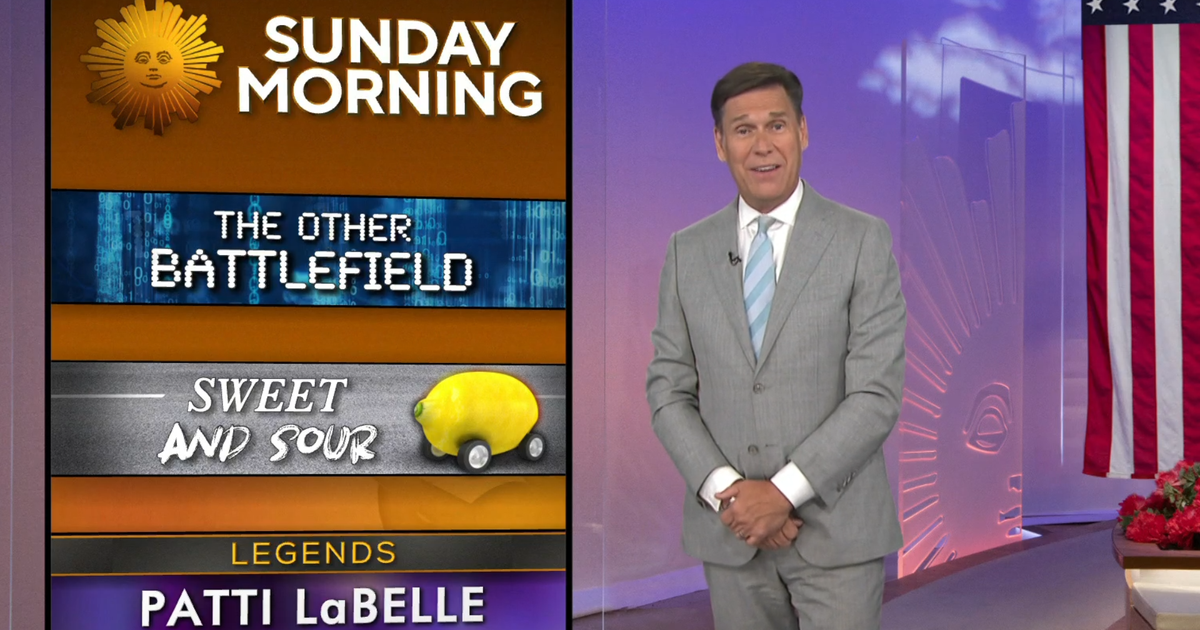
The CBS News program "5/24: Sunday Morning" hosted by Lee Cowan covered several stories, including a car event called Concours d'LeMons, aspects of Iranian propaganda, and a feature on singer Patti LaBelle. The show was available to watch on the CBS News app and website.
Key Facts
The show "5/24: Sunday Morning" aired on CBS News.
Lee Cowan was the host of the program.
The episode included a story about the Concours d'LeMons, a car event.
It covered topics related to Iranian propaganda.
A segment featured singer Patti LaBelle.
The program was accessible via the CBS News app and online.
The article did not provide detailed information about the stories themselves.
Read the Original
Want the full story? Tap a source to open the original
article.
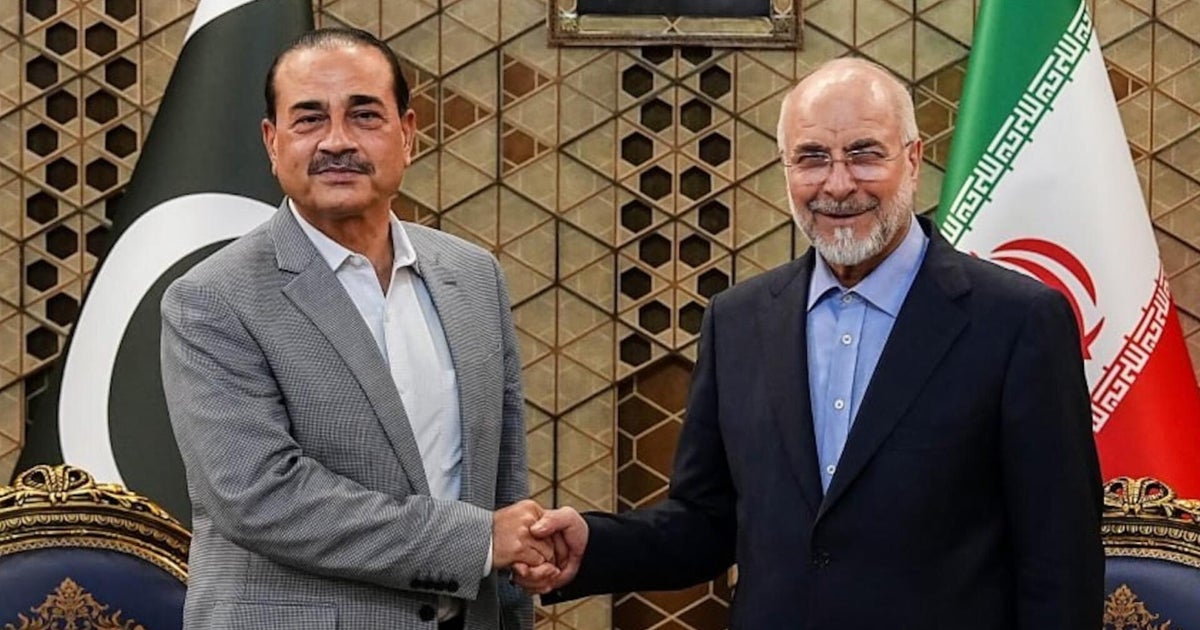
Pakistani Field Marshal Asim Munir met with top Iranian officials in Tehran to discuss peace talks. At the same time, President Donald Trump said on social media that the U.S. and Iran were close to reaching a peace agreement.
Key Facts
Pakistani army chief Field Marshal Asim Munir met with Iranian leaders in Tehran on Saturday.
The meeting was related to ongoing peace talks involving Iran.
President Donald Trump announced on social media that the U.S. and Iran were nearing a deal.
The talks aim to reduce tensions and improve relations between the countries.
CBS News reporter Courtney Kealy provided this update.
No specific details of the peace deal were shared in the article.
Read the Original
Want the full story? Tap a source to open the original
article.
President Donald Trump spoke with leaders of several Muslim countries about signing peace agreements with Israel after the war with Iran ends. He emphasized expanding the Abraham Accords, aiming especially at a Saudi-Israeli peace deal, though regional politics and upcoming elections make this difficult soon.
Key Facts
President Trump held a conference call with leaders from Saudi Arabia, UAE, Qatar, Pakistan, Turkey, Egypt, Jordan, and Bahrain to discuss a deal ending the Iran war.
Trump wants countries that are not yet part of the Abraham Accords to normalize relations with Israel after the Iran conflict ends.
Some leaders, including Saudi Arabia, were surprised by Trump’s request during the call.
Jared Kushner and Steve Witkoff, Trump’s envoys, will follow up on advancing this issue.
Trump suggested that even Iran could one day join the Abraham Accords if it recognizes Israel, which Iran currently refuses to do.
Senator Lindsey Graham supports Trump’s efforts and warns Saudi Arabia and others of consequences if they refuse to join the Accords.
Saudi Arabia has shown interest in normalization before but remains cautious due to regional tensions and demands for progress on a Palestinian state.
The political climate in the Middle East and Israeli elections are seen as obstacles to a quick peace breakthrough.
Read the Original
Want the full story? Tap a source to open the original
article.
Iran has agreed in principle to get rid of its highly-enriched uranium, according to a senior official from President Donald Trump’s administration. This step could affect Iran’s nuclear material and is part of ongoing discussions.
Key Facts
Iran agreed in principle to dispose of highly-enriched uranium.
The announcement was made by a senior official from President Trump’s administration.
Highly-enriched uranium can be used to make nuclear weapons.
This agreement is part of ongoing talks about Iran’s nuclear program.
The news was reported by CBS News and correspondent James LaPorta.
Read the Original
Want the full story? Tap a source to open the original
article.
A 15-year-old boy went missing in Swanholme Lakes, a nature reserve near Lincoln, after being seen struggling in the water. Emergency teams are searching the lake, including a special underwater team, but he has not yet been found.
Key Facts
The boy is 15 years old and was seen having trouble in the water at Swanholme Lakes.
The incident happened around 2:30 pm on Sunday.
Emergency responders and people at the lake tried to help but the boy is still missing.
Lincolnshire Police continue to search the lake and have involved an Under Water Search Team.
The boy’s family has been informed.
Swanholme Lakes is a protected nature reserve about 5 km from Lincoln city center.
The police asked the public not to spread unconfirmed information.
The weather in the area was very warm, with temperatures around 25°C in Lincoln that day.
Read the Original
Want the full story? Tap a source to open the original
article.
President Donald Trump mentioned on social media that the U.S. and Iran might soon reach a peace deal to reopen the Strait of Hormuz. However, Iranian officials denied some of the statements about this potential agreement.
Key Facts
President Trump said the U.S. and Iran are close to a peace deal.
The deal would involve reopening the Strait of Hormuz, a key waterway for global oil shipments.
Tehran pushed back against some of the claims made by President Trump.
The Strait of Hormuz has been a tension point between the U.S. and Iran.
CBS News national security analyst Aaron MacLean reported on the situation.
The news highlights ongoing discussions and disputes between the two countries.
The article was covered by CBS News and referenced on their app and website.
Read the Original
Want the full story? Tap a source to open the original
article.
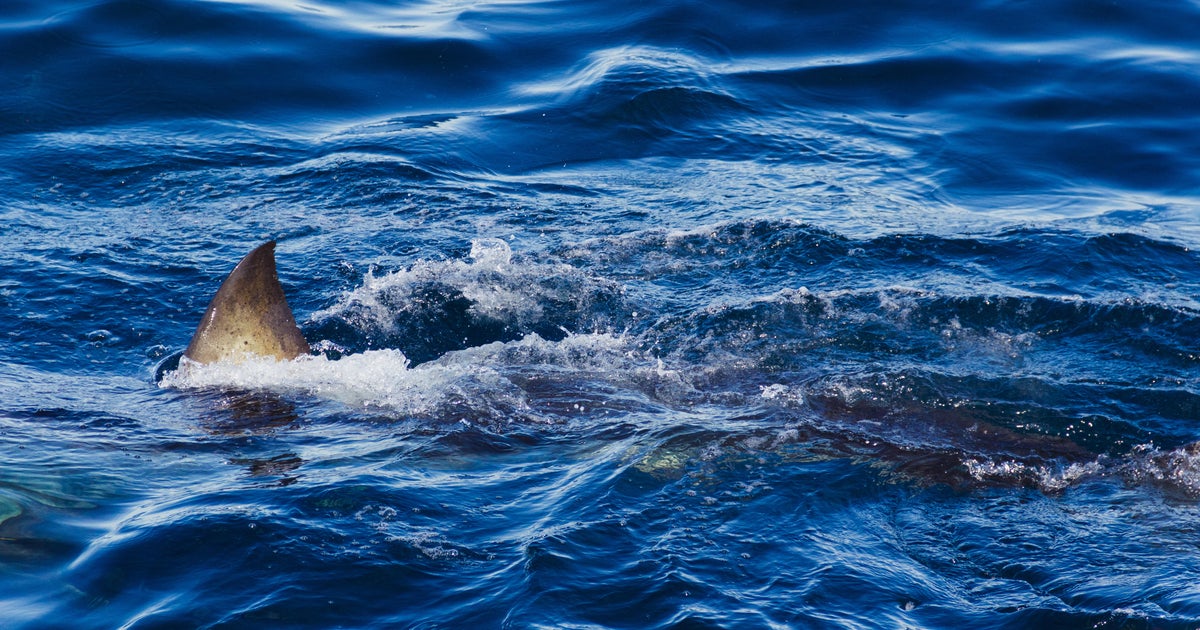
A 39-year-old man died after a shark attacked him while spearfishing with friends near the Great Barrier Reef in Australia. This was the country’s second fatal shark attack in just over a week, adding to several recent shark incidents across Australia in 2026.
Key Facts
The attack happened at Kennedy Shoal near Cairns on Queensland’s coast.
The victim died from a severe head injury caused by the shark.
The man was pulled from the water by a friend who witnessed the attack.
The type of shark involved has not been confirmed, but bull sharks have been seen in the area before.
This is the third fatal shark attack in Australia so far in 2026.
Another deadly attack occurred on May 16 near Rottnest Island involving a suspected 16-foot white shark.
Australia averages more than three fatal shark attacks each year.
Scientists suggest rising ocean temperatures and crowded waters may be changing shark behavior, leading to more attacks.
Read the Original
Want the full story? Tap a source to open the original
article.
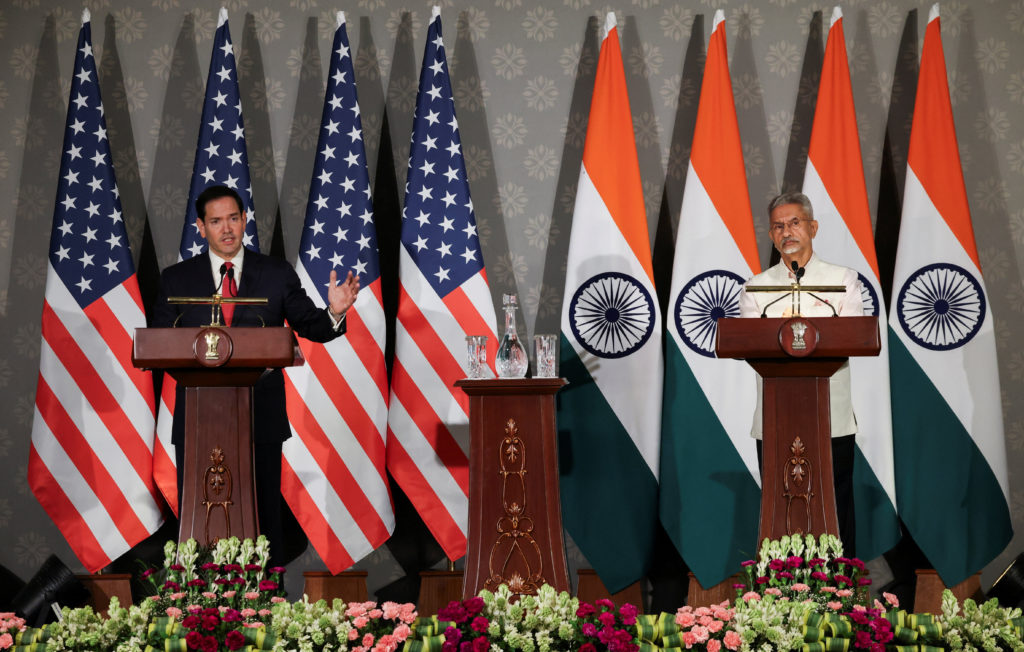
U.S. Secretary of State Marco Rubio visited India to improve relations between the two countries, which have been weakened by trade disputes under President Trump. During talks with India's Foreign Minister Subrahmanyam Jaishankar, both sides expressed a desire to strengthen their strategic partnership and work toward a trade agreement.
Key Facts
Rubio's visit to India is his first official trip to the country as U.S. Secretary of State.
U.S.-India ties have recently worsened due to tariffs imposed by President Trump's administration on Indian goods.
Rubio met with Indian Foreign Minister Jaishankar and plans to meet officials from India, Australia, and Japan, members of the Quad alliance.
Both diplomats emphasized that the U.S. and India share strategic interests despite some differences.
Rubio said U.S. trade policies target the global economy, not just India.
India is focusing on securing diverse and affordable energy sources, with the U.S. being one important supplier.
India recently signed multiple trade agreements, including one with the European Union.
Experts note that past U.S. rhetoric on India’s security and trade has caused mistrust, and Rubio’s visit aims to stabilize the relationship.
Read the Original
Want the full story? Tap a source to open the original
article.
Russia fired hundreds of drones and missiles in one of its largest attacks on Kyiv since the war started. After visiting damaged areas, President Volodymyr Zelenskyy condemned the strikes on civilian sites and promised Ukraine would respond.
Key Facts
Russia launched a large-scale attack on Kyiv using hundreds of drones and missiles.
The attack targeted civilian infrastructure, causing significant damage.
President Zelenskyy visited the damaged sites in Kyiv.
Zelenskyy spoke to Al Jazeera after the visit.
He strongly condemned the attacks on civilians.
Ukraine pledged to retaliate against Russia’s strikes.
This attack is one of the biggest since the war began.
Read the Original
Want the full story? Tap a source to open the original
article.
A student in India created a joke political group called the Cockroach Party. It quickly gained 23 million followers and is seen as a grassroots movement responding to comments made by a top Indian judge.
Key Facts
The Cockroach Party was started by Abhijeet Dipke, a public relations student.
The party began as a parody of remarks by India’s supreme court judge.
It was created only ten days before reaching 23 million followers on social media.
Critics say the party might secretly support the political opposition.
Abhijeet Dipke talked about the party in an interview with France 24.
The event took place around May 24, 2026.
The party’s name comes from the word “cockroach,” symbolizing the joke nature of the group.
Read the Original
Want the full story? Tap a source to open the original
article.
Iran’s Foreign Ministry spokesperson said on Sunday that Iran believes it is winning talks with President Trump to end the nearly three-month war. The spokesperson shared an image related to Iranian history on the social platform X as part of this message.
Key Facts
Iran and the United States, led by President Trump, have been involved in negotiations to end a war lasting almost three months.
Iran’s spokesperson, Esmaeil Baqaei, expressed confidence that Iran is gaining the upper hand in these talks.
The spokesperson posted on the social media site X, formerly known as Twitter.
The post included an image of an Iranian archaeological site featuring a Roman emperor, linking history to the current situation.
The conflict has affected Iran significantly over the past few months.
Read the Original
Want the full story? Tap a source to open the original
article.
Fatou Bensouda, who used to lead the International Criminal Court (ICC), talks about facing threats and pressure while investigating issues related to Palestine. She says Israel wanted these investigations to stop and felt that many ICC member countries did not support her. She also mentions the impact of U.S. sanctions and doubts whether leaders like Israel’s Prime Minister Benjamin Netanyahu can be held accountable by the ICC.
Key Facts
Fatou Bensouda is the former chief prosecutor of the ICC.
She pursued investigations related to Palestine during her time at the ICC.
Israel wanted the investigations to end and applied pressure against her.
Bensouda says many ICC member states did not provide enough support.
She feels political interests are harming international justice efforts.
The United States imposed sanctions on her during these investigations.
Some accuse the ICC of having double standards in its cases.
Bensouda questions whether top leaders like Prime Minister Netanyahu can be brought to court by the ICC.
Read the Original
Want the full story? Tap a source to open the original
article.