Neutral summaries of your favorite news sources — just the facts.
Your favorite news sources, one neutral feed — we distill their reporting into fact-first
summaries and always link to the original story. How it works
World News
Comprehensive coverage of international news and global events
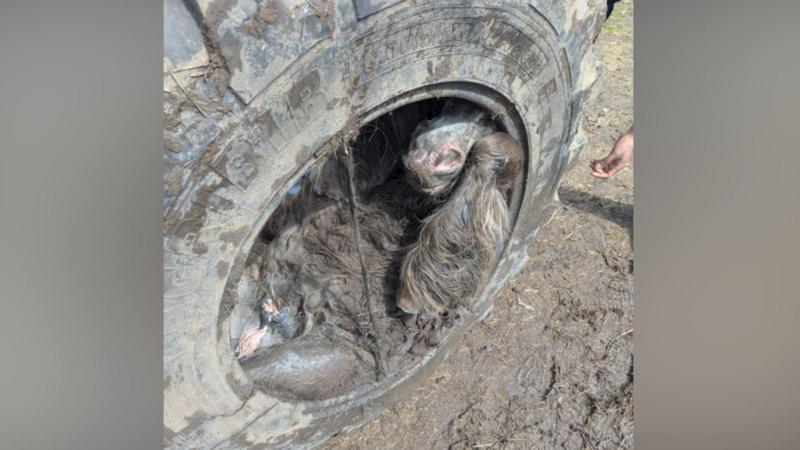
A pony was rescued after it got stuck inside a large tractor tyre in a field in Stoke-on-Trent. The RSPCA carefully freed the pony without causing injury, and the animal was monitored until it recovered.
Key Facts
The pony was found trapped inside a large tractor tyre lying on its side.
Local residents contacted the RSPCA after discovering the pony.
Rescue officer Nicola Riley freed the pony in stages, first its front feet, then its shoulder, and finally its neck.
The pony was unmoving but uninjured and was monitored for about an hour after the rescue.
The tyre was moved to prevent other animals from getting trapped.
The pony soon returned to normal activity by grazing and walking in the field.
It is not clear how the pony got stuck inside the tyre.
The rescue was described as delicate due to the pony's distress and position.
Read the Original
Want the full story? Tap a source to open the original
article.
Israel’s national security minister, Itamar Ben-Gvir, released a video showing Israeli forces mistreating international activists detained while trying to deliver aid to Gaza. The video caused strong protests from multiple countries, including the UK, Canada, Germany, and others, leading Israel’s prime minister to criticize Ben-Gvir and order the activists’ deportation.
Key Facts
Itamar Ben-Gvir, Israel’s far-right national security minister, published footage of activists being abused after trying to sail to Gaza with aid.
The detained activists came from over 40 countries, with more than 400 people on about 50 ships.
The video showed activists kneeling with zip-tied hands, while Ben-Gvir mocked them and waved an Israeli flag.
Many countries, including Italy, Spain, the UK, Canada, Germany, and South Korea, condemned the treatment and demanded the release of their citizens.
Israel’s prime minister, Benjamin Netanyahu, said Ben-Gvir’s actions did not reflect Israel’s values and ordered the activists to be deported quickly.
Israel’s foreign minister also criticized Ben-Gvir sharply, saying he harmed Israel’s reputation.
The activists were intercepted by Israeli forces in international waters and taken to Israel.
Human rights groups say mistreatment of Palestinians and detainees has been widespread during the Gaza conflict.
Read the Original
Want the full story? Tap a source to open the original
article.
More than 30 years ago, Cuban military jets shot down two planes flown by Cuban exiles near Florida, killing four people. The attack is now part of criminal charges against former Cuban leader Raúl Castro and worsened U.S.-Cuba relations.
Key Facts
The attack occurred over 30 years ago when Cuban fighter jets shot down two civilian planes near Florida.
Four people died in the attack, all except one were U.S. citizens.
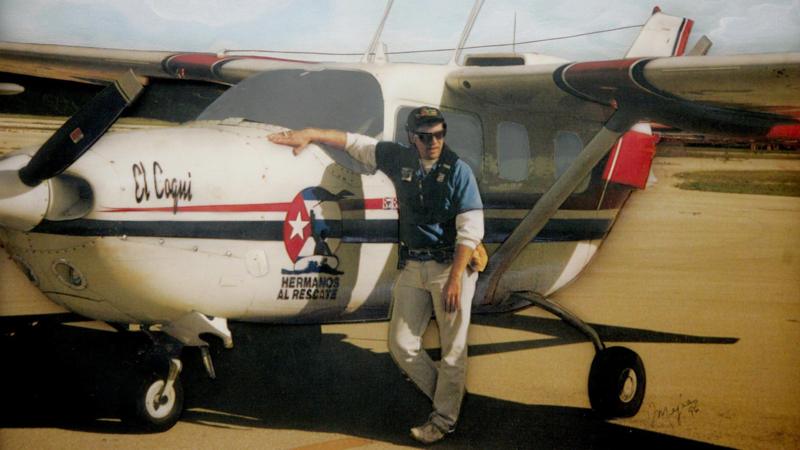
The planes were owned by Cuban exiles from Miami and part of a group called Brothers to the Rescue.
Brothers to the Rescue initially searched for Cuban migrants at sea and dropped supplies but later flew over Cuban airspace dropping leaflets.
Cuba called the group terrorists and claimed the flights threatened their security.
Raúl Castro was Cuba’s armed forces minister at the time of the attack.
The incident led the U.S. to increase sanctions on Cuba and stop talks between Cuba and U.S. President Bill Clinton’s government.
Raúl Castro stepped down from Cuba’s presidency in 2021 but remains influential.
Cuba is currently facing economic problems and shortages following pressure from the U.S. and loss of support from Venezuela.
Read the Original
Want the full story? Tap a source to open the original
article.
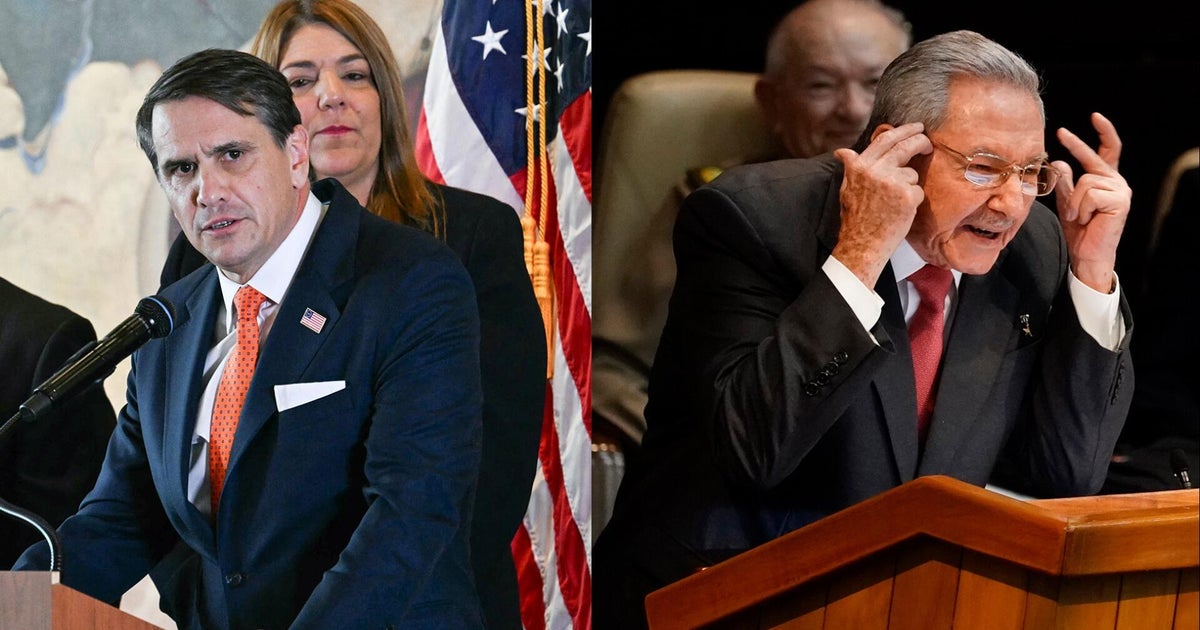
Acting U.S. Attorney General Todd Blanche announced murder and conspiracy charges against former Cuban leader Raúl Castro and five others. The charges are related to the 1996 shooting down of two planes.
Key Facts
The announcement was made by Acting Attorney General Todd Blanche.
Raúl Castro, former leader of Cuba, faces murder and conspiracy charges.
Five other individuals are also charged in connection to the case.
The charges stem from the shooting down of two planes in 1996.
The incident involved the deaths of people on those planes.
This case is a continuation of legal actions related to past events between the U.S. and Cuba.
Read the Original
Want the full story? Tap a source to open the original
article.
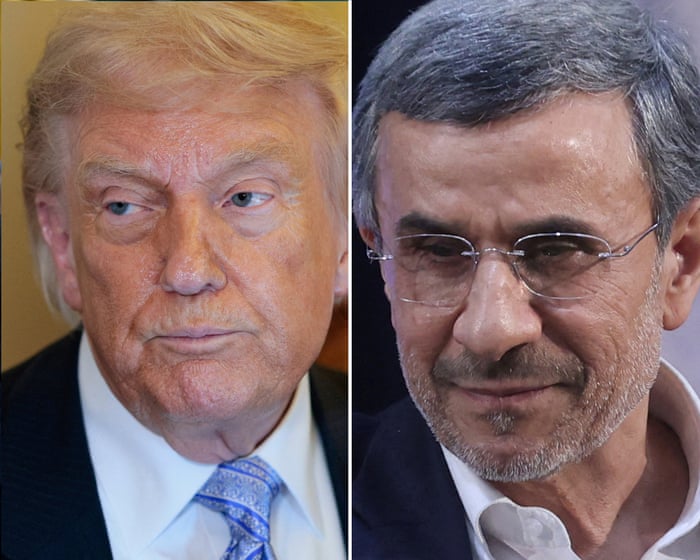
Reports say the US and Israel once considered Mahmoud Ahmadinejad, former president of Iran, as a leader to replace Iran’s current regime after its possible collapse. Ahmadinejad, known for his anti-Western and anti-Israel views, was reportedly injured during Israeli strikes intended to free him from house arrest, but his current location is unknown.
Key Facts
Mahmoud Ahmadinejad was Iran’s president from 2005 to 2013 and known for his hostile rhetoric against Israel and the West.
US and Israeli officials reportedly planned to install Ahmadinejad as Iran’s leader if the current regime fell.
Israeli strikes on a security post aimed to free Ahmadinejad but instead killed some guards and injured him.
Ahmadinejad was placed under house arrest and later went into hiding, becoming disillusioned with the US-Israel plan.
Ahmadinejad’s past includes controversial statements calling for an end to Israel and denial of the Holocaust.
After leaving office, Ahmadinejad fell out with Iran’s supreme leader, Ayatollah Khamenei, who died at the start of a recent conflict.
Ahmadinejad unsuccessfully tried to run again for office but was blocked by Iran’s candidate vetting body.
Both Ahmadinejad and President Donald Trump share a populist style and have faced controversy over election results.
Read the Original
Want the full story? Tap a source to open the original
article.
In April, two Russian jets flew dangerously close to a British spy plane over the Black Sea while it was flying in international airspace. The British Ministry of Defence said the unarmed plane was performing routine surveillance to protect NATO’s eastern border, and the Russian actions risked causing a serious accident.
Key Facts
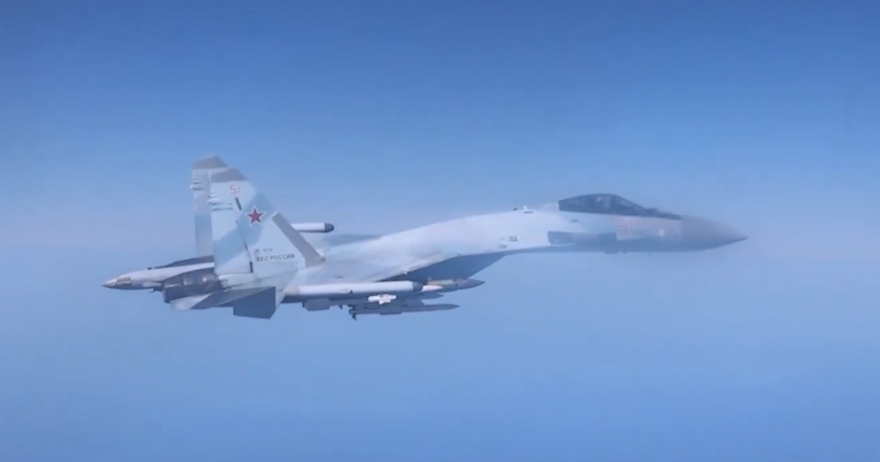
Two Russian fighter jets repeatedly flew close to a British Royal Air Force surveillance plane above the Black Sea in April.
The British plane was unarmed and carrying out routine spying missions in international airspace.
One Russian jet flew so close it triggered emergency alarms on the British plane.
Another Russian jet flew within 6 meters (less than 20 feet) of the British plane’s front.
The UK Ministry of Defence called the incident dangerous and said it could cause accidents or escalate tensions.
British officials officially protested to the Russian embassy about the incident.
This was the most dangerous Russian action against a UK surveillance plane since a missile was accidentally fired near another British plane in 2022.
The UK recently tracked three Russian submarines allegedly spying near critical Atlantic undersea cables and pipelines.
Read the Original
Want the full story? Tap a source to open the original
article.
The U.S. Justice Department has announced plans to indict Cuban leader Raúl Castro over his role in the 1996 shootdown of two planes operated by the Cuban exile group Brothers to the Rescue. The planes were shot down near Cuba, killing four men, in a long-standing conflict between the U.S. and Cuba involving airspace and refugee issues.
Key Facts
Brothers to the Rescue is a group founded by Cuban exiles in 1980 to help Cuban refugees by flying small planes to drop supplies and report locations.
In 1996, Cuban fighter jets shot down two unarmed Brothers to the Rescue planes near Havana, killing four members.
Raúl Castro was Cuba’s defense minister at the time and is now being indicted by the U.S. Justice Department for his role in the incident.
The incident deepened tensions between the U.S. and Cuba during decades of hostile relations.
The Clinton administration warned Brothers to the Rescue about flying close to Cuban airspace but did not stop the flights until after the shootdown.
U.S. intelligence uncovered Cuban agents infiltrating Brothers to the Rescue; some agents were arrested and later exchanged in a prisoner swap.
Two Cuban jet pilots and their commanding officer involved in the shootdown remain in Cuba and have not faced U.S. charges.
This situation is an example of the complex and troubled history between Cuban exiles, the Cuban government, and U.S.-Cuba relations.
Read the Original
Want the full story? Tap a source to open the original
article.
The U.S. military boarded an Iranian-flagged oil tanker in the Gulf of Oman, suspecting it was trying to break the American blockade of Iranian ports. This blockade aims to pressure Iran to allow free passage through the Strait of Hormuz and to negotiate an end to conflict.
Key Facts
The U.S. Central Command stopped and searched the M/T Celestial Sea for trying to reach an Iranian port.
This is at least the fifth ship boarded since President Trump’s administration began the blockade in mid-April.
President Trump postponed a planned military strike on Iran to allow more time for negotiations, following requests from Gulf allies.
Iran controls the Strait of Hormuz, a key route for global oil shipments.
The U.S. blockade covers Iranian ports and nearby waters and also targets ships linked to Iran outside the region.
Approximately 1,550 vessels from 87 countries are stuck in the Persian Gulf due to the blockade.
The blockade and Iran’s earlier actions have caused big changes in global energy markets and increased gasoline prices in the U.S.
These energy and shipping disruptions could affect political support for President Trump’s Republican Party before the November congressional elections.
Read the Original
Want the full story? Tap a source to open the original
article.
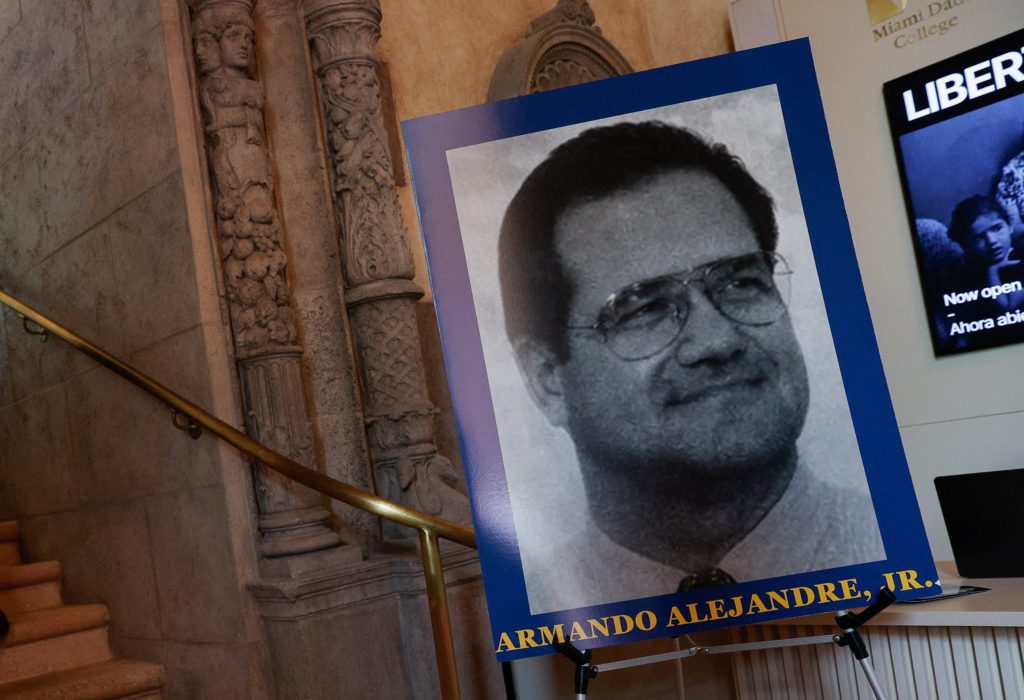
The U.S. Justice Department filed murder charges against Raúl Castro, former leader of Cuba, on the country’s independence day. This legal action happened as President Donald Trump warned about a possible U.S. invasion of Cuba.
Key Facts
Raúl Castro, former president of Cuba, was indicted on murder charges by the U.S. Justice Department.
The indictment was announced in South Florida by Acting Attorney General Todd Blanche.
The timing of the announcement coincided with Cuba’s independence day.
A ceremony was held to honor victims related to the charges.
President Donald Trump made a public statement threatening a possible invasion of Cuba.
The charges and political statements indicate rising tensions between the U.S. and Cuba.
The indictment was part of a coordinated effort by U.S. prosecutors in Miami, an area with many Cuban Americans.
The Justice Department’s action highlights ongoing U.S. concerns about human rights and political issues in Cuba.
Read the Original
Want the full story? Tap a source to open the original
article.
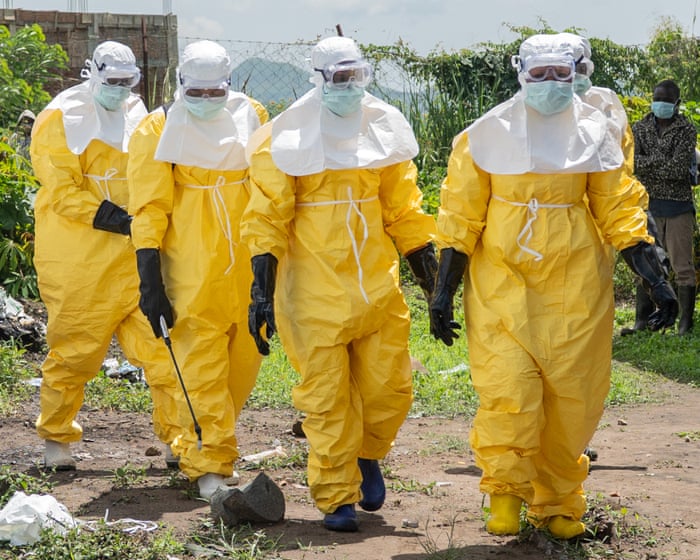
The Democratic Republic of the Congo (DRC) is experiencing its 17th Ebola outbreak, with nearly 600 suspected cases and 139 deaths mainly in the northeast. The World Health Organization (WHO) has declared this outbreak a global health emergency, warning that conflict and funding cuts have made controlling the spread harder.
Key Facts
The DRC has faced Ebola outbreaks 17 times since 1976, with the 2018-20 outbreak killing about 2,300 people.
The current Ebola outbreak mostly affects the Ituri and North Kivu provinces, with some cases detected in Uganda.
The virus strain involved may be less deadly than others but still kills about one-third of those infected.
There are no approved vaccines or treatments yet for this strain, though some are being developed.
Armed conflict in eastern DRC complicates medical efforts by making communities hard to reach and disrupting health services.
Attacks on health facilities and distrust of authorities reduce the effectiveness of Ebola control measures.
US and UK aid budget cuts have reduced resources for disease detection and prevention in the region.
The WHO warns that disease outbreaks are increasing due to factors like climate change, war, and weaker international cooperation.
Read the Original
Want the full story? Tap a source to open the original
article.
A baby aardvark named Womble was born at Chester Zoo and needed bottle-feeding because its mother, Oni, did not produce enough milk. Womble is now seven weeks old, healthy, and living with its mother full-time.
Key Facts
Womble is only the second aardvark born in Chester Zoo’s 94-year history.
The mother aardvark, Oni, is 13 years old and had low milk production after giving birth.
Keepers fed Womble warm milk every few hours and kept the calf in an incubator at night.
Aardvarks are nocturnal animals native to sub-Saharan Africa that eat ants and termites using long tongues and claws.
There are only 68 aardvarks in European zoos and 114 worldwide.
Womble weighed 1.4 kg at birth and now weighs about 7 kg.
Breeding aardvarks in captivity is difficult, and births at the zoo are very rare.
Aardvarks face threats like habitat loss and hunting in the wild.
Read the Original
Want the full story? Tap a source to open the original
article.
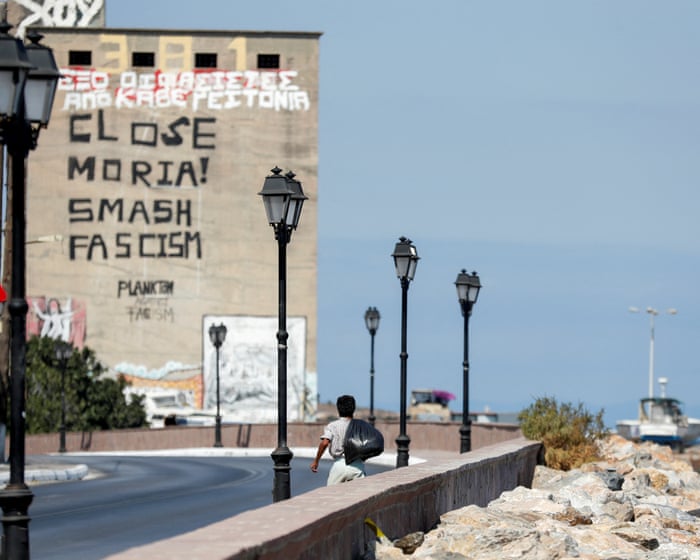
A Norwegian court refused to send activist Tommy Olsen to Greece, where he faced charges of helping people enter the country illegally. The court decided his work monitoring migrants and reporting abuses was legal and protected by human rights laws.
Key Facts
Tommy Olsen is the founder of the NGO Aegean Boat Report, established in 2017.
Greece requested his extradition, accusing him of running a criminal smuggling group.
The Norwegian appeals court rejected extradition, citing freedom of expression protections.
Olsen’s activities included reporting on migrant pushbacks and assisting asylum seekers.
Norwegian prosecutors will not appeal the court’s ruling.
Greece denies migrant pushbacks, but many human rights groups say there is strong evidence.
Greece recently passed a law imposing strict penalties on NGOs aiding undocumented migrants.
The UN and human rights groups criticized the charges against Olsen, seeing them as political repression.
Read the Original
Want the full story? Tap a source to open the original
article.
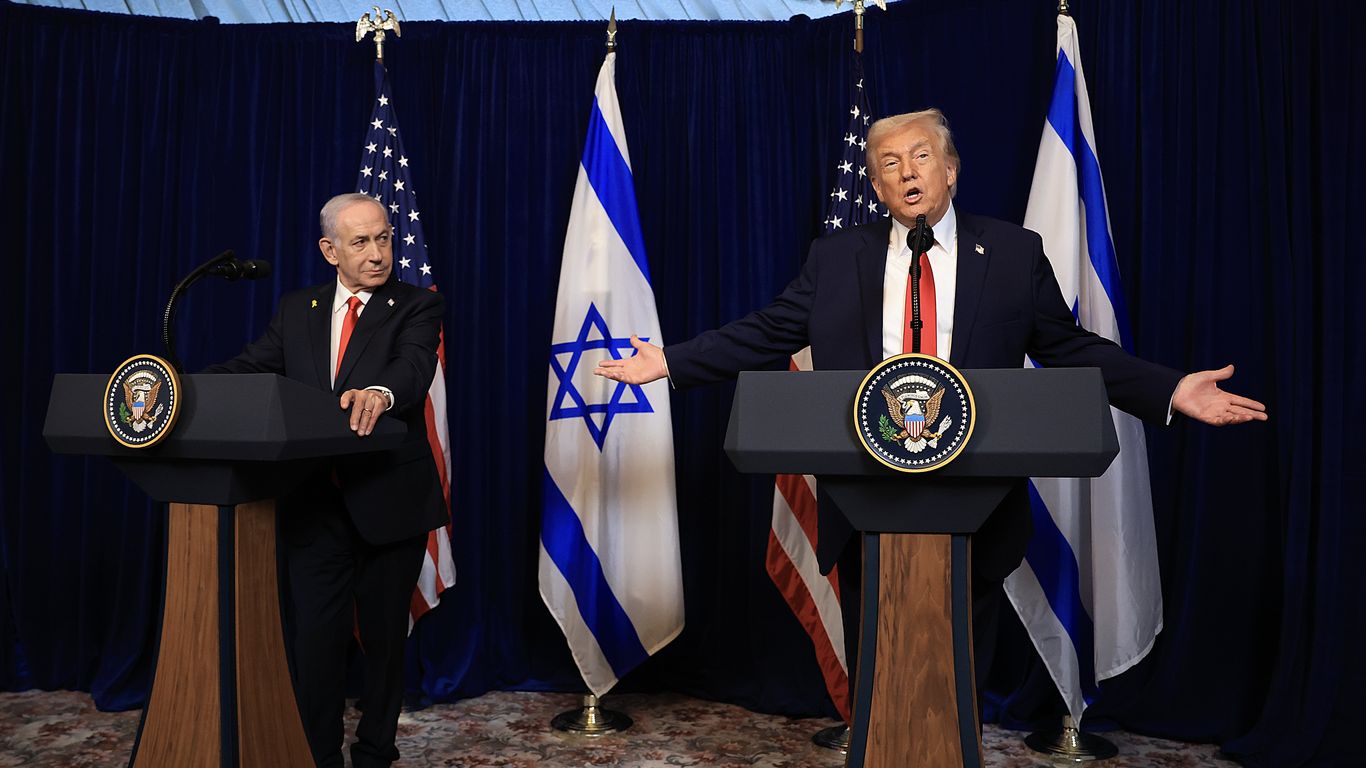
President Donald Trump and Israeli Prime Minister Benjamin Netanyahu had a tense phone call about a new peace plan aiming to end the conflict with Iran. The plan, developed by Qatar and Pakistan with other regional countries, seeks to get both sides to agree on nuclear restrictions and financial terms, but Netanyahu remains doubtful and prefers a military approach.
Key Facts
A new peace proposal involving Qatar and Pakistan aims to bridge differences between the U.S. and Iran.
President Trump says he hopes for a deal but is ready to resume military action if talks fail.
Netanyahu is skeptical and wants to continue military efforts to weaken Iran.
Iran is reviewing the proposal but has not shown signs of compromise yet.
Regional countries Saudi Arabia, Turkey, and Egypt are also helping mediate.
The goal is to get clearer commitments from Iran on its nuclear program and from the U.S. on releasing frozen Iranian funds.
Trump and Netanyahu disagreed on the next steps during their call; Netanyahu was reportedly very concerned.
Iran demands that the U.S. stop interfering with Iranian ships and release funds, and that Israel end its military actions in Lebanon.
Read the Original
Want the full story? Tap a source to open the original
article.
At the Cannes Film Festival, Rami Malek stars in a new movie called "The Man I Love," which tells a story about love, art, and the AIDS crisis in 1980s New York. The festival is also showcasing other films about historical and political events, including a movie about France during wartime and a noir film by Andy García.
Key Facts
Rami Malek stars in "The Man I Love," a film set in 1980s New York about love and the AIDS crisis.
The Cannes Film Festival is presenting films that cover political and personal survival stories.
Antonin Baudry’s film "De Gaulle" explores France’s experience during wartime.
Andy García’s noir film "Diamond" received a standing ovation at Cannes.
The festival includes a wide range of movies touching on culture, history, and social issues.
Cannes is known for featuring films with deep personal and political themes.
The festival takes place at the Croisette, a famous area in Cannes, France.
Read the Original
Want the full story? Tap a source to open the original
article.
Ukrainian MP Lisa Yasko said that any country trading with Russia is supporting the wrong side in history. She highlighted China's ongoing trade with Russia despite hopes for China to help mediate the conflict. Yasko also noted President Donald Trump’s major diplomatic efforts but said that Middle East conflicts have shifted US focus away from Ukraine.
Key Facts
Lisa Yasko is a Ukrainian MP for President Zelensky’s party, "Servant of the People."
She criticized countries that continue to trade with Russia during the conflict.
Yasko said China remains "on the wrong side of history" because of its trade with Russia.
Ukraine still hopes China will help mediate peace between Russia and Ukraine.
Yasko praised President Donald Trump’s large diplomatic efforts.
She mentioned that wars in the Middle East and tensions with Iran have lessened US focus on Ukraine.
The interview was given to France 24 news channel.
The backdrop includes closer ties between Chinese President Xi Jinping and Russian President Vladimir Putin.
Read the Original
Want the full story? Tap a source to open the original
article.
At the 2026 Cannes Film Festival, artists Girl in Red and Anders Danielsen Lie talked about how creating valuable art often involves going through hardships. They shared their thoughts on dealing with different expectations in life and work during a conversation with France 24.
Key Facts
The conversation took place during the Quinzaine des Cinéastes, a section of the Cannes Film Festival.
Girl in Red is a musician, and Anders Danielsen Lie is an actor and filmmaker.
They discussed how suffering or hardship is often part of making meaningful creative work.
The talk was conducted by France 24 journalist Stella Elgersma.
The festival is held in Cannes, France, and highlights films and artistic projects from around the world.
The discussion focused on managing high and low expectations in both personal life and artistic creation.
This interview is related to the culture and arts scene, specifically film and music.
Read the Original
Want the full story? Tap a source to open the original
article.
The United States has charged Cuba’s former president Raul Castro, age 94, for his role in the 1996 shooting down of planes flown by Cuban exiles, which killed four people including three Americans. The charges include murder, conspiracy to kill U.S. citizens, and destruction of aircraft, marking increased U.S. pressure on Cuba amid calls for regime change by President Donald Trump.
Key Facts
Raul Castro was indicted in connection with a 1996 incident where Cuban jets shot down two planes operated by Cuban exiles.
Four people died, including three Americans from a group called Brothers to the Rescue.
Castro was Cuba’s defense minister at the time of the incident.
Charges against Castro include four counts of murder and conspiracy to kill U.S. nationals.
The indictment aligns with President Trump’s efforts to push for regime change in Cuba.
The U.S. has imposed sanctions on countries that supply fuel to Cuba, causing economic shortages and power blackouts.
Cuban President Miguel Diaz-Canel denies Cuba poses a threat to the U.S.
U.S. Secretary of State Marco Rubio offered $100 million in aid to Cuba, blaming its government for shortages.
Read the Original
Want the full story? Tap a source to open the original
article.
Two Russian jets flew dangerously close to a British spy plane over the Black Sea last month, causing the British defense ministry to warn of the risk of accidents and tensions. The British plane was on a routine mission in international airspace to help protect NATO's eastern borders amid ongoing conflict between the UK and Russia.
Key Facts
The incident involved Russian Su-35 and Su-27 jets intercepting a British Royal Air Force Rivet Joint surveillance plane.
One Russian jet came within 6 meters (19 feet) of the British plane's nose.
The close encounters disabled the British plane’s autopilot system and triggered emergency alarms.
This was the most serious interception of a British Rivet Joint aircraft since a missile was fired near one in 2022.
The British plane was flying over international airspace as part of NATO defense efforts on the eastern front.
UK Defense Minister John Healey said the incident would not stop the UK’s commitment to protect NATO and its interests.
The incident is part of ongoing tensions, including recent tracking of Russian submarines near the UK and warnings about threats to undersea cables.
British officials have formally complained to the Russian embassy about the dangerous interceptions.
Read the Original
Want the full story? Tap a source to open the original
article.
Tensions between the United States and Cuba have increased after a military operation in Venezuela led to the capture of President Nicolás Maduro. The U.S. government, under President Donald Trump, has taken several actions including preparing criminal charges against former Cuban leader Raúl Castro and imposing tariffs on countries supplying oil to Cuba, while Cuba has responded with talks and warnings against U.S. aggression.
Key Facts
A military action in Venezuela early in 2024 resulted in the capture of President Nicolás Maduro, increasing tensions with Cuba.
The U.S. Justice Department is planning to seek an indictment against former Cuban President Raúl Castro.
President Trump imposed tariffs on goods from countries that sell or supply oil to Cuba.
Trump mentioned the possibility of a "friendly takeover" of Cuba and engaged in high-level talks with Cuban leaders.
Cuba’s President Miguel Díaz-Canel confirmed talks with the U.S. to resolve differences amid an energy crisis.
A Russian oil tanker, sanctioned by the U.S., arrived in Cuba in March, marking a resumption of fuel deliveries.
Two senior U.S. officials visited Havana in April to meet with Cuban officials, including Raúl Castro’s grandson.
Díaz-Canel stated he would not resign and warned that any U.S. military action against Cuba would be costly and affect regional security.
Read the Original
Want the full story? Tap a source to open the original
article.
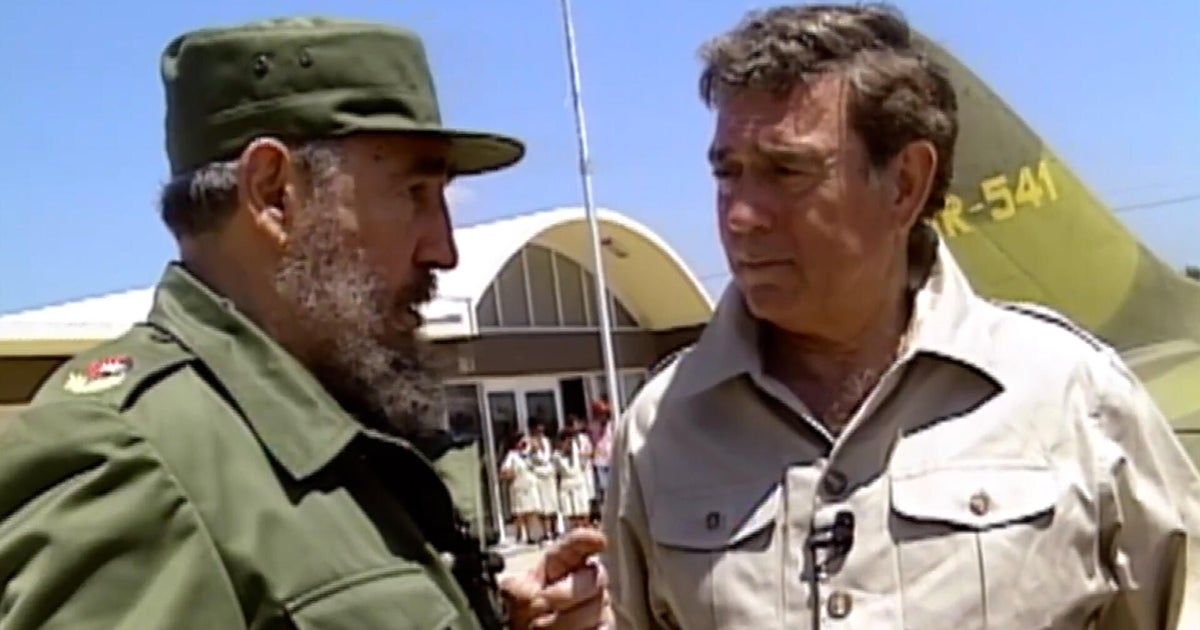
In 1996, CBS journalist Dan Rather interviewed Cuban leader Fidel Castro. They talked about different topics related to Cuba and Castro’s life during the interview.
Key Facts
The interview took place in July 1996.
Dan Rather was a reporter for CBS News.
The location of the interview was Cuba.
Fidel Castro was the leader of Cuba at that time.
The conversation covered various subjects about Cuba and Castro’s personal experiences.
The interview is available through CBS News archives.
Read the Original
Want the full story? Tap a source to open the original
article.