Neutral summaries of your favorite news sources — just the facts.
Your favorite news sources, one neutral feed — we distill their reporting into fact-first
summaries and always link to the original story. How it works
World News
Comprehensive coverage of international news and global events
Israeli forces stopped the last boat of an aid flotilla heading to Gaza and took at least 87 activists captive, who have now started a hunger strike. The activists say they are protesting their capture and supporting more than 9,500 Palestinians held in Israeli prisons.
Key Facts
Israeli forces intercepted the last aid boat bound for Gaza and detained 87 activists.
These activists began a hunger strike to protest their detention and support Palestinian prisoners.
The flotilla started with over 50 boats from Turkey, aiming to break Israel’s blockade of Gaza.
Israeli officials confirmed bringing about 430 activists to Israel for consular meetings.
The interceptions happened in international waters near Cyprus, with reports of rubber bullets fired.
Detainees include citizens from countries like Indonesia, Ireland, Turkey, Spain, and more.
Many countries condemned Israel’s actions as violations of international law.
The U.S. imposed sanctions on four activists, accusing them of supporting Hamas without proof.
Read the Original
Want the full story? Tap a source to open the original
article.
UK supermarkets have been asked by the government to consider freezing prices of some essential foods to help with rising costs linked to the Middle East conflict. Meanwhile, the UK government is relaxing sanctions on Russian oil refined in other countries, a move that has drawn criticism from both opposition politicians and a Labour MP concerned about relations with Ukraine.
Key Facts
The UK government wants supermarkets to voluntarily freeze prices on some essential food items.
This plan is different from the Scottish government's idea of mandatory price caps.
A Treasury minister said the government is just exploring ideas to help with the cost of living, not making an official announcement.
The government recently allowed imports of Russian oil refined outside Russia, easing previous sanctions.
This decision faces criticism from Conservative MPs and some Labour MPs who see it as harmful to UK energy independence and support for Ukraine.
Emily Thornberry, a Labour MP, said Ukrainians feel let down by this move because sanctions affect Russia’s economy and war efforts.
Labour MP Wes Streeting, who resigned saying he lost confidence in Labour leader Keir Starmer, will make a speech outlining his views before the main parliamentary debate.
Tory MP Kemi Badenoch plans to question Starmer about these issues during Prime Minister’s Questions (PMQs).
Read the Original
Want the full story? Tap a source to open the original
article.
The European Union has agreed to start a trade deal with the United States that was made last summer. This deal will remove most import taxes on goods between the EU and the US to help maintain steady trade.
Key Facts
The EU approved the trade deal after five hours of talks between members of the European Parliament and EU member states.
The deal was originally made in July at President Donald Trump’s golf course in Scotland.
The agreement removes import taxes on most American goods entering the EU.
The EU aims to meet President Trump’s deadline of July 4 to finalize the deal, which the US has already put in place.
The deal includes rules that allow the EU to pause the agreement if the US breaks promises or harms EU businesses.
EU lawmakers insisted on safety measures, including a clause to end the deal in 2028 and to respond if tariffs increase again.
The US has until the end of the year to lower its steel tariffs from 50% to 15%.
The trade between the EU and US is very important, worth over €1.8 trillion by 2025.
Read the Original
Want the full story? Tap a source to open the original
article.
Iran says it wants to solve its conflict through talks but is prepared for war if needed. President Donald Trump warned of possible new military strikes but recently paused a major attack in hopes of reaching a peace agreement.
Key Facts
Iran prefers using diplomacy to resolve its conflict.
Iranian officials say they do not believe war is the best solution.
Iran is ready to fight if a war happens.
President Trump warned of new strikes against Iran.
Trump held off a large attack to try to make peace.
Tensions between the U.S. and Iran remain high with exchanges of threats.
Talks between the U.S. and Iran about their conflict have stalled.
The situation in the Middle East affects surrounding countries and global politics.
Read the Original
Want the full story? Tap a source to open the original
article.
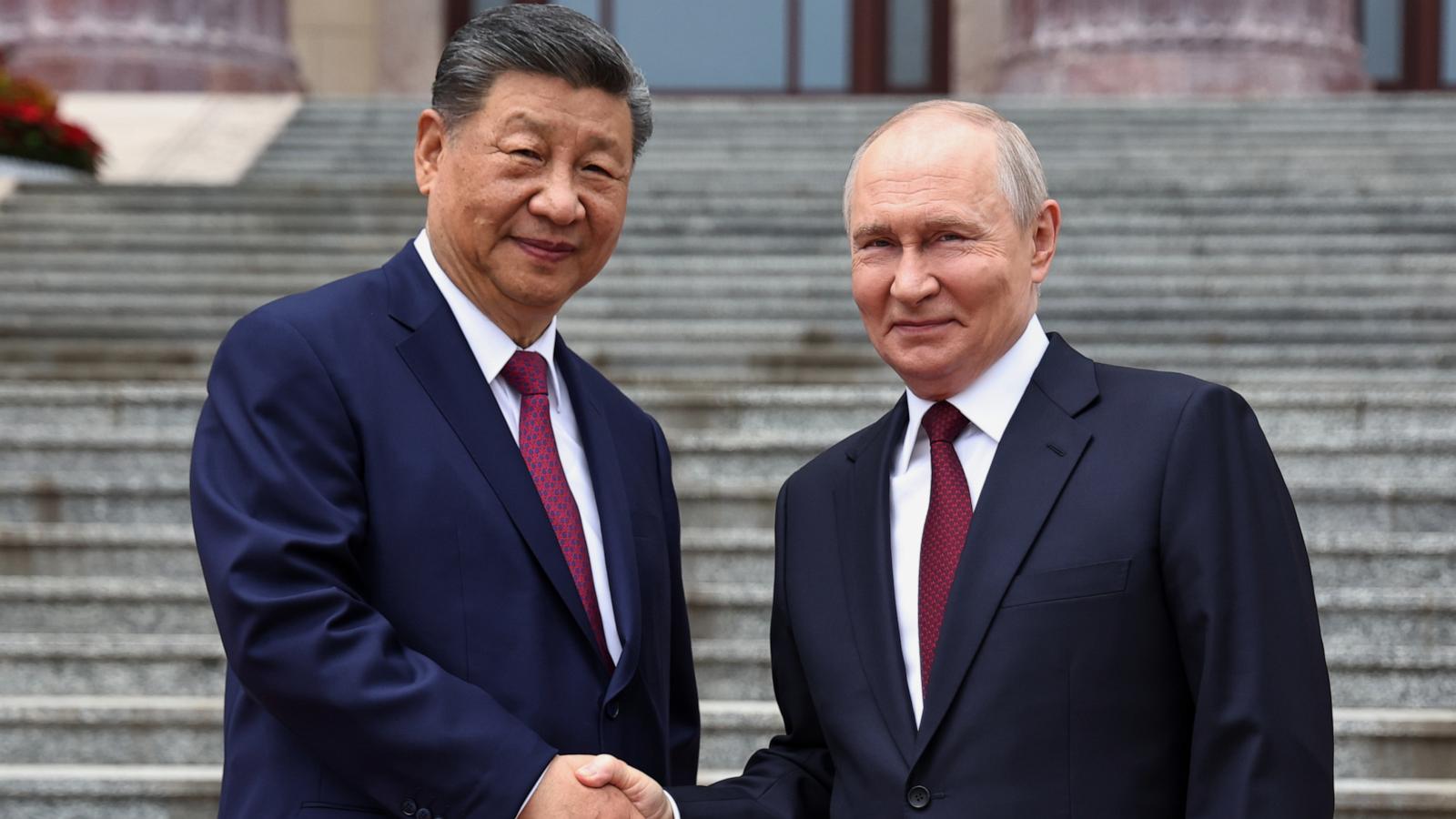
Lithuania lifted an air alert after a suspected drone approaching from Belarus changed direction near the capital Vilnius. The alert had caused flight and train disruptions, and Nato activated Baltic Air Policing in response. Meanwhile, Russian President Vladimir Putin and Chinese President Xi Jinping held talks in Beijing, emphasizing closer cooperation and strategic partnership.
Key Facts
Lithuania issued an air alert near its capital Vilnius due to a suspected drone coming from Belarus.
Flights at Vilnius airport and train services were temporarily suspended during the alert.
Nato Baltic Air Policing was activated to monitor the situation.
The drone changed course before crossing into Lithuania, leading authorities to lift the alert.
The incident follows a recent Nato operation shooting down a suspected Ukrainian drone over Estonia.
Russian President Putin visited China, where he met President Xi Jinping to discuss closer military and political cooperation.
Putin described Russia and China’s relationship as “unprecedented” and emphasized their independent foreign policies.
This meeting occurred shortly after President Donald Trump’s visit to China.
Read the Original
Want the full story? Tap a source to open the original
article.
Chinese President Xi Jinping welcomed Russian President Vladimir Putin to Beijing. During the meeting, they praised the strong relationship between their countries and discussed the importance of keeping their close partnership.
Key Facts
President Putin traveled to Beijing for a meeting with President Xi Jinping.
Both leaders described their relationship as strong and stable.
They emphasized the importance of continuing their broad cooperation.
The meeting reflects ongoing close ties between Russia and China.
The leaders focused on maintaining friendly and comprehensive partnerships.
Read the Original
Want the full story? Tap a source to open the original
article.
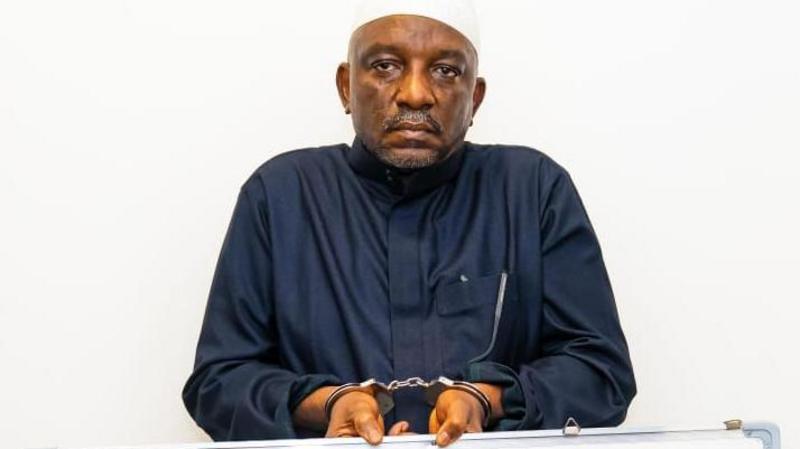
Nigeria's anti-corruption agency arrested former Power Minister Saleh Mamman after he was sentenced to 75 years in prison for stealing money meant for power projects. Mamman had been hiding since his conviction and was caught in Kaduna state following weeks of investigation.
Key Facts
Saleh Mamman was arrested a week after being sentenced to 75 years in jail for corruption.
He was convicted of stealing funds meant for two hydroelectric power projects.
Mamman was sentenced in absentia because he did not appear in court.
Nigerian anti-corruption agency EFCC conducted surveillance and gathered intelligence to arrest him.
The judge said Mamman diverted at least 22 billion naira (about $14 million) meant for electricity projects.
The sentence includes multiple prison terms that run one after the other, totaling 75 years.
Mamman also faces another corruption trial for alleged fraud involving 31 billion naira.
He served as Nigeria's power minister from 2019 to 2021 and had promised to improve electricity supply.
Read the Original
Want the full story? Tap a source to open the original
article.
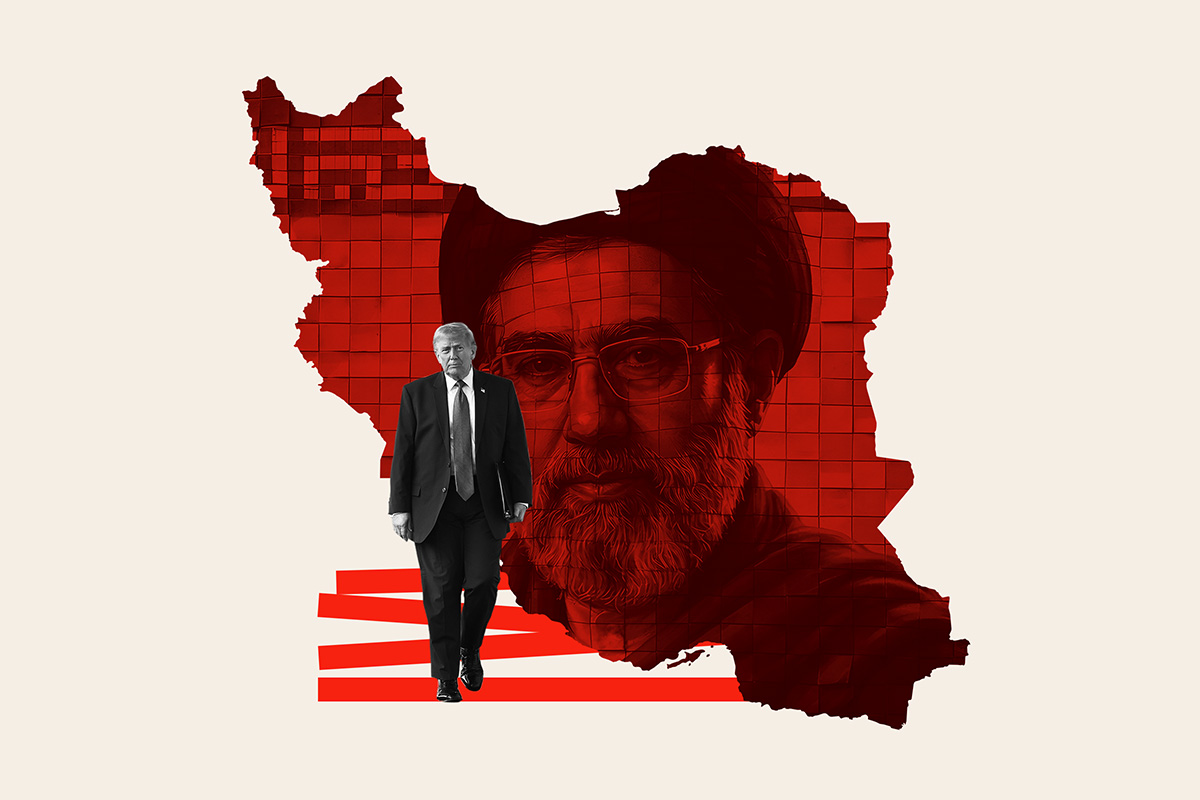
Nearly three months into the conflict between the U.S.-Israel coalition and Iran, Iran continues to resist U.S. threats and maintains firm demands for peace. Despite losses and economic hardships, Iranian leaders remain united and prepared to continue the conflict if necessary.
Key Facts
The U.S. and Israel have been at war with Iran for nearly three months.
President Donald Trump announced a blockade of Iran almost five weeks ago.
Iran lost key military leaders and weapons but has not weakened its position.
Iranian officials have set high demands for ending the conflict, including U.S. troop withdrawal and reparations.
Iran has taken control of the Strait of Hormuz, an important shipping route.
Trump postponed a planned military attack after leaders from Saudi Arabia, UAE, and Qatar asked him to wait.
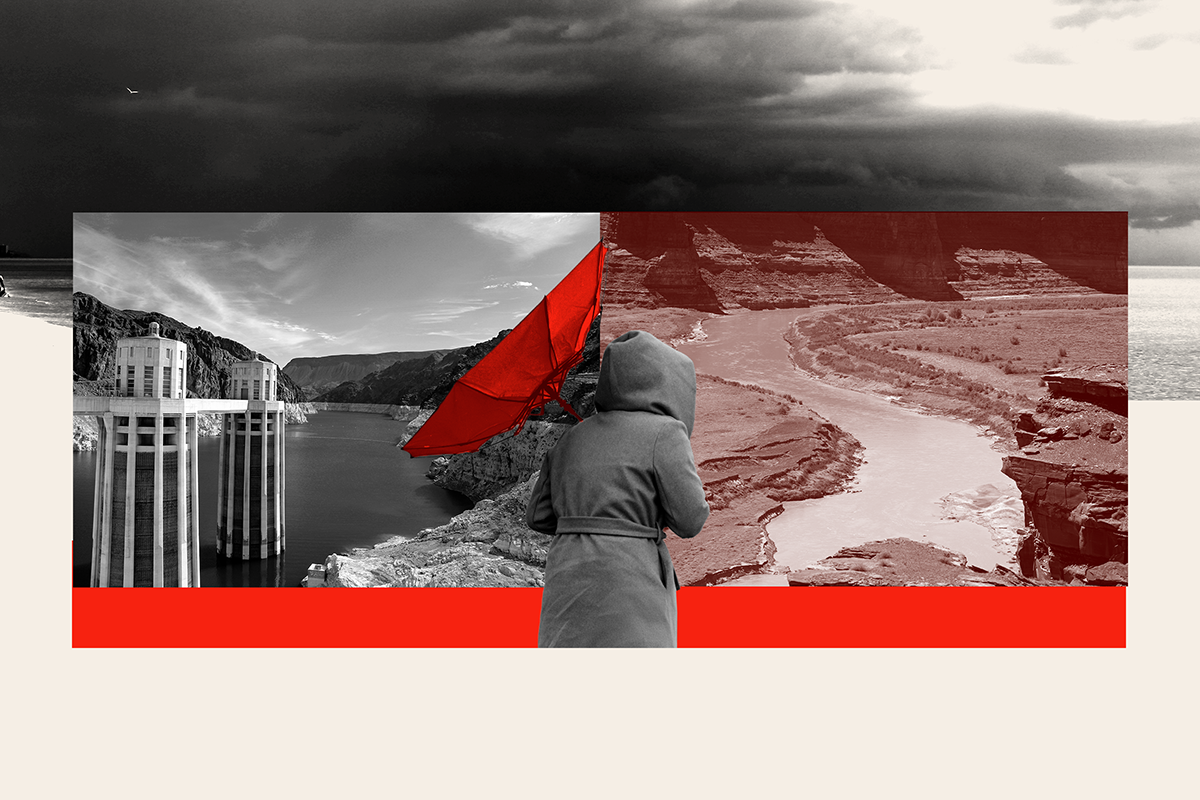
A strong El Niño weather pattern may develop later this year and could bring more rain and snow to the southwestern U.S. This might help improve water levels in the drought-hit Colorado River and its reservoirs, which supply water to millions of people and farms.
Key Facts
El Niño is a natural climate event that changes ocean temperatures and weather patterns every 2 to 7 years.
It usually causes wetter winters in Arizona, New Mexico, Utah, and southwestern Colorado.
A "super" El Niño, stronger than usual, may form between May and July 2024.
The Colorado River supplies water to about 40 million people and irrigates about 5 million acres of farmland.
The river’s main reservoirs, Lake Mead and Lake Powell, have had low water levels due to drought.
Low water levels have threatened hydropower production at the Glen Canyon Dam on Lake Powell.
More snow in the mountains helps refill reservoirs by increasing runoff into the river.
Scientists and water managers hope El Niño’s wet weather can ease the ongoing water crisis in the American West.
Read the Original
Want the full story? Tap a source to open the original
article.
Two Chinese oil tankers have left the Strait of Hormuz after staying there for over two months, carrying about 4 million barrels of crude oil. At the same time, President Trump and Vice President Vance said a deal to end the US-Israel war on Iran could happen soon, with negotiations making good progress.
Key Facts
The Chinese-flagged tankers Yuan Gui Yang and Hong Kong-flagged Ocean Lily exited the Strait of Hormuz carrying crude oil.
Yuan Gui Yang loaded 2 million barrels of Iraqi crude on February 27, before the US-Israel war on Iran began.
Ocean Lily carried 1 million barrels each of Qatari and Iraqi crude oil.
South Korea’s Foreign Minister reported a Korean crude vessel also passed through the Strait on Wednesday.
President Trump said the Iran war could end quickly and hoped it would end peacefully.
Vice President Vance said talks between the US and Iran are progressing well, with ongoing negotiations.
President Trump had previously threatened military action against Iran if a deal was not reached.
Oil prices briefly dropped after these comments but remain high due to uncertain supply and geopolitical tensions.
The United Nations lowered global growth predictions, citing higher energy prices and their impact on poor families.
Read the Original
Want the full story? Tap a source to open the original
article.
The United States and Iran have exchanged strong warnings amid ongoing conflict concerns. President Donald Trump said the US might strike Iran again if they do not agree to a deal, while Iran’s military warned it could expand the war beyond the Middle East. A South Korean oil tanker recently passed safely through a key waterway near Iran despite recent attacks on other vessels.
Key Facts
Iran’s Islamic Revolutionary Guard Corps (IRGC) threatened to expand the war beyond the Middle East if the US attacks again.
President Trump said he was close to ordering new strikes on Iran but delayed, hoping for a peace deal.
Iran reportedly proposed a peace plan through Pakistan, a mediator.
Iran’s military said it is using the ceasefire to improve its combat skills.
A South Korean oil tanker passed safely through the Strait of Hormuz carrying 2 million barrels of oil.
Two recent attacks on South Korean ships in the area caused injuries, but Iran denied involvement.
The US Senate moved forward a resolution to end the Iran war unless President Trump gets Congress’s approval to continue.
Oil prices initially dropped on hopeful signals of peace but then rose again.
Read the Original
Want the full story? Tap a source to open the original
article.
Iran warned it would open new military fronts if the US attacks again after President Donald Trump set a short deadline for a deal. Talks to end the Iran war are ongoing, with some progress reported, while violence continues in Lebanon and Gaza involving Israel and Hezbollah.
Key Facts
President Trump gave Iran two to three days to reach a deal to end the conflict.
Iran’s army said it would respond with new weapons and open new fronts if attacked again.
US Vice President JD Vance said talks with Iran are progressing but the US is ready to act militarily if talks fail.
Shahab Dalili, an Iranian citizen with US residency, was released by Iran after 10 years in prison and returned to the US.
Chinese President Xi Jinping hosted Russian President Putin to discuss energy, weapons, and the wars in Iran and Ukraine.
Israeli strikes killed 19 people in southern Lebanon, while Hezbollah carried out 26 attacks on Israeli forces near the border.
An Israeli airstrike caused a large fire in Gaza City, with no immediate reports of casualties.
Lebanon’s health ministry reported Israel destroyed 31 healthcare facilities during the conflict.
Read the Original
Want the full story? Tap a source to open the original
article.
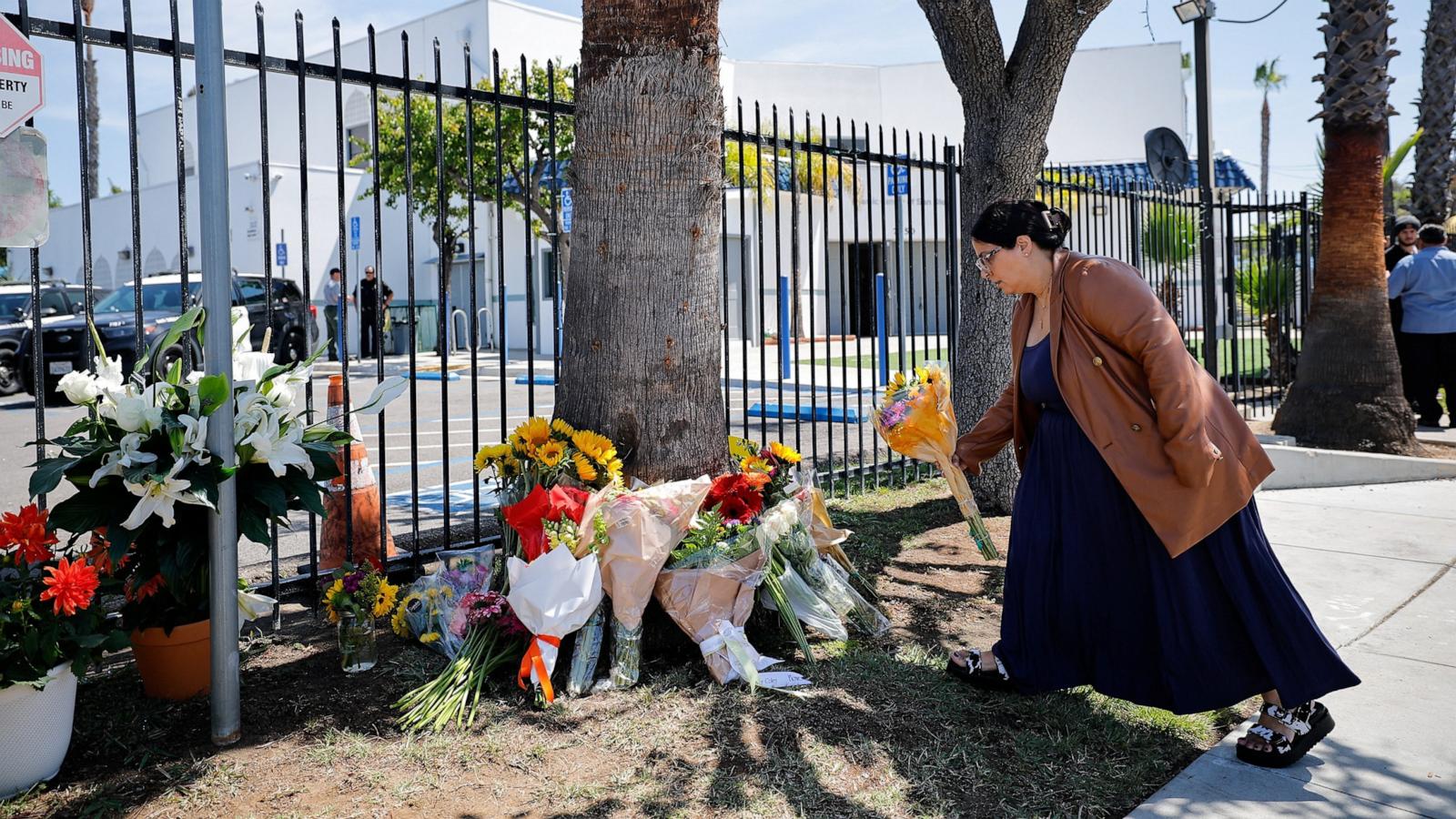
Two teenagers, aged 17 and 18, died after a shooting at the Islamic Center of San Diego that killed three people. Police are investigating whether the attack was motivated by extremist beliefs linked to hate and violence.
Key Facts
The shooting happened at the Islamic Center of San Diego and resulted in three deaths.
The two suspects, Cain Clark (18) and Caleb Vazquez (17), were found dead in a nearby vehicle.
Authorities consider the attack a hate crime that may be linked to extremist, neo-Nazi, and accelerationist beliefs.
A video showing the attack was reportedly posted online by one suspect, including footage of the shooting and aftermath.
Items found with the suspects included neo-Nazi symbols and writings promoting white nationalism and hate.
The suspects allegedly wrote essays promoting racist and violent extremist ideas, including anger against immigrants and minorities.
Police had previously spoken to Vazquez about concerns over extremist interests but did not make an arrest.
Investigations continue into the suspects’ motives, online activities, and materials found at the scene.
Read the Original
Want the full story? Tap a source to open the original
article.
Mauritania has fishing agreements with foreign fishing boats to allow them to fish in its waters. There is a question about who gains from these agreements, including whether the local people or the government benefit most.
Key Facts
Mauritania has deals that let foreign fishing boats fish in its ocean areas.
These agreements involve the country’s government and outside fishing companies.
Foreign vessels are catching fish in Mauritanian waters under these deals.
There is concern or discussion about who profits from these fishing rights.
The impact on local fishermen or the local economy is a key part of the conversation.
The article suggests a need to examine the fairness or effects of these agreements.
Read the Original
Want the full story? Tap a source to open the original
article.
The United Kingdom's deputy ambassador to the U.S., James Roscoe, has left his position suddenly in Washington D.C. Reports say he may be involved in an investigation about leaked secret government talks, but no official reason for his departure has been confirmed.
Key Facts
James Roscoe was the UK deputy ambassador to the United States.
He left his role abruptly, with unclear reasons.
British media reports say Roscoe is being questioned in a leak investigation related to National Security Council meetings.
The UK Foreign Office confirmed Roscoe has left but did not say why.
Roscoe once acted as ambassador after the previous ambassador was dismissed.
The permanent ambassador job went to Sir Christian Turner, not Roscoe.
This news is still developing and more details may emerge.
Read the Original
Want the full story? Tap a source to open the original
article.
Russian President Vladimir Putin met with Chinese leader Xi Jinping in Beijing to strengthen their countries' partnership in trade and international matters. This meeting came shortly after President Donald Trump visited China, showing Beijing’s growing importance on the world stage.
Key Facts
Putin and Xi met at the Great Hall of the People in Beijing for talks on May 20, 2026.
They discussed energy cooperation, security, and overall political ties.
Both leaders agreed to extend a friendship treaty originally signed in 2001.
China became Russia’s top trading partner after Russia’s invasion of Ukraine in 2022.
China remains neutral in the Ukraine conflict but maintains strong trade ties with Russia.
Russia increased its oil exports to China by 35% in early 2026.
The two countries cooperate closely on foreign policy and see their partnership as a stabilizing force internationally.
Xi emphasized the need to end violence in the Middle East to protect energy supplies and global trade.
Read the Original
Want the full story? Tap a source to open the original
article.
Taiwanese President William Lai said Taiwan’s future should be decided by its own people, not foreign powers. He aims to keep peace across the Taiwan Strait and is open to talks with China on equal terms. China criticized Lai for encouraging independence and accused him of stirring conflict.
Key Facts
Taiwan’s President William Lai believes the island’s 23 million people should decide its future.
Lai wants to maintain peace and prevent outside forces from changing Taiwan’s political situation.
He supports dialogue with China but insists it must be respectful and equal.
China’s Taiwan Affairs Office accused Lai of promoting Taiwan independence and causing tension.
Lai’s special defense budget was cut from $40 billion to $25 billion by the opposition-led legislature.
His approval rating is 38 percent, better than 32 percent in his first year as president.
US President Donald Trump suggested US arms sales to Taiwan could be used as leverage in talks with China.
Lai postponed a state visit to Eswatini due to countries denying him airspace access, possibly from Chinese pressure.
Read the Original
Want the full story? Tap a source to open the original
article.
A magnitude 5.6 earthquake struck eastern Turkey’s Battalgazi district in Malatya province early Wednesday morning. Schools were evacuated, and people rushed outside, but no damage or injuries were reported immediately.
Key Facts
The earthquake happened at 9 a.m. local time in the Battalgazi district of Malatya province.
The quake had a magnitude of 5.6 and occurred 7 kilometers (4.3 miles) underground.
Emergency services reported no immediate damage or injuries.
Schools in the area were evacuated as a precaution.
Turkey is located on major fault lines, causing frequent earthquakes.
In 2023, a larger 7.8 magnitude earthquake killed over 53,000 people in Turkey and damaged many buildings.
The 2023 earthquake also affected northern Syria, causing about 6,000 deaths there.
Read the Original
Want the full story? Tap a source to open the original
article.
The United Nations has lowered its forecast for global economic growth because of the war involving Iran. It expects the global economy to grow 2.5 percent this year and 2.8 percent in 2027, down from earlier predictions, mainly due to higher energy prices and disrupted oil supplies.
Key Facts
The UN now expects global GDP growth of 2.5% in 2026 and 2.8% in 2027, down from previous forecasts of 2.7% and 2.9%.
The growth cut is mainly due to the war that started on February 28 by the United States and Israel against Iran, affecting energy markets.
Rising oil prices and instability in financial markets caused by the war have reduced economic growth predictions.
The UN assumes oil prices will ease later in the year and that governments will use fuel reserves to help limit the damage.
In a worse case, global growth could slow to 2.1%, one of the lowest rates in decades outside the COVID-19 pandemic and 2007-2009 financial crisis.
Developing countries will be hit hardest, with growth 1.3 percentage points below pre-pandemic levels.
Western Asia faces the biggest slowdown, with growth forecast cut from 4.1% to 1.4% in 2026.
The Strait of Hormuz, a key oil shipping route, remains nearly closed due to safety concerns, severely limiting oil and gas supply.
The US and China’s growth forecasts remain unchanged at 2% and 4.6%, respectively.
The UN’s forecast downgrade follows similar cuts by the International Monetary Fund earlier in April.
Read the Original
Want the full story? Tap a source to open the original
article.
The Board of Peace, an international group created by President Donald Trump to oversee the ceasefire in Gaza, will ask the United Nations Security Council to pressure Hamas to give up its weapons. The ceasefire has stalled mainly because Hamas refuses to disarm and allow a civilian government transition in Gaza.
Key Facts
The Board of Peace was set up by President Donald Trump to manage the ceasefire between Hamas and Israel.
The group will present a report to the UN Security Council, urging action to make Hamas disarm.
Hamas rejected the report, calling it inaccurate.
The ceasefire has been in place since October but has stalled due to Hamas not disarming.
President Trump’s 20-point plan asks Hamas to surrender weapons and remove its tunnel network.
The plan also calls for Israeli forces to leave Gaza and a new Palestinian government to take charge.
Reconstruction of Gaza cannot start until Hamas and other armed groups disarm.
Nickolay Mladenov, head of the Board of Peace, said that disarming Hamas is the key to moving forward.
Read the Original
Want the full story? Tap a source to open the original
article.