Venezuelan opposition leader María Corina Machado called for elections in 2027 after returning to Caracas from months in exile. Interim President Delcy Rodríguez also said elections would take place but gave no date and said her government should oversee the transition; Machado rejected that proposal.
Key Facts
Machado spoke at a news conference in Caracas on Thursday.
Machado said Venezuela’s transition to democracy was irreversible and should be peaceful and organised.
Machado thanked the Trump administration for capturing former President Nicolás Maduro.
Rodríguez, Maduro’s former vice-president, was sworn in as interim president after Maduro was seized by the United States in January.
Rodríguez said elections would be held but did not set a date.
Machado said she would not personally take part in election negotiations between opposition representatives and the government.
Machado called for reform of the electoral body so Venezuelans at home and abroad could vote.
Rodríguez said she had instructed security agencies not to detain people without a judicial order, except when they are caught committing crimes.
Read the Original
Want the full story? Tap a source to open the original
article.
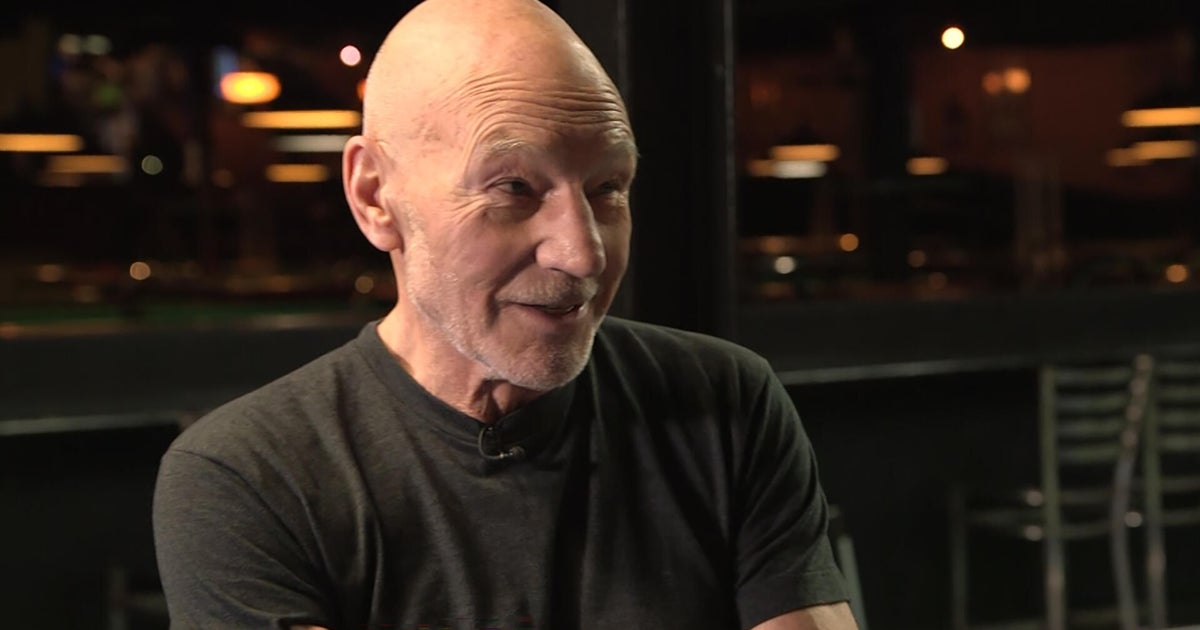
Sir Patrick Stewart, the stage actor known for “Star Trek” and “X-Men,” died on Oct. 28, 2026, at age 86. The article revisits a 2020 CBS News interview in which he discussed returning as Jean-Luc Picard and finding comfort in Shakespeare’s poetry during the COVID-19 pandemic.
Key Facts
Stewart died on Oct. 28, 2026, at age 86.
He was known for roles in the “Star Trek” and “X-Men” franchises.
The interview aired on CBS’s “Sunday Morning” on May 24, 2020.
Tony Dokoupil interviewed Stewart for the profile.
Stewart discussed returning to play Captain Jean-Luc Picard in “Star Trek: Picard.”
He said he turned to Shakespeare’s poetry during the COVID-19 pandemic.
Read the Original
Want the full story? Tap a source to open the original
article.
Leaked audio published by Spanish media reveals communications between a control centre and train drivers shortly before two trains collided outside Toledo. Officials are investigating the cause of the crash, in which a train travelling from Madrid to Seville hit a stationary train.
Key Facts
Spanish media published leaked audio recordings related to the crash.
The recordings capture communications between a control centre and train drivers.
The communications took place in the moments before the collision.
Two trains collided outside Toledo.
A train travelling from Madrid to Seville hit a stationary train.
Officials are investigating the cause of the crash.
Read the Original
Want the full story? Tap a source to open the original
article.
Israeli forces carried out raids, arrests and movement restrictions across the occupied West Bank, with Palestinian officials and aid agencies reporting injuries and widespread disruption. In Hebron, a military operation that began after two Israeli soldiers were killed has displaced families, disrupted schooling and caused economic losses, according to Palestinian officials.
Key Facts
The Palestine Red Crescent Society said two children were injured during an Israeli raid in Qalandiya; one was shot with live ammunition and the other was hurt by fragments.
Wafa reported that Israeli soldiers and settlers beat disabled Palestinian Mohammad Ahmad Ayesh Thawabta in al-Maniya, southeast of Bethlehem.
Palestinian sources said Israeli forces detained 13 people in northern West Bank raids before dawn on Thursday, most of them in the Nablus governorate.
Hebron Governor Khaled Dudin said 537 families, totaling 3,361 people, had been forced from their homes; municipal figures estimated about 5,000 people were affected by displacement or the siege.
Dudin said restrictions disrupted education for about 262,000 students across 589 schools in Hebron, prompting schools to shift to remote learning.
Palestinian officials estimated daily economic losses from the Hebron operation at 10 million to 12 million shekels.
The Palestinian Prisoner’s Society said Israeli forces detained 110 Palestinians in Hebron from Friday through Wednesday.
The UN humanitarian office said restrictions in Hebron were disrupting access to work, education and health care; it said most displaced families were staying with relatives.
Read the Original
Want the full story? Tap a source to open the original
article.
King Charles arrived in Guyana for the second leg of his Caribbean tour after a two-day visit to the Bahamas. His Guyana schedule includes meetings with President Irfaan Ali and events focused on the environment, sustainability and ties with the UK; he will later travel to Antigua and Barbuda for a Commonwealth leaders summit.
Key Facts
Charles arrived in Guyana after leaving the Bahamas on Thursday.
He is due to meet Guyana’s President, Irfaan Ali, and attend a reception marking 60 years of bilateral relations.
The Guyana visit is expected to focus on the environment, sustainability and growing commercial ties with the UK.
More than four fifths of Guyana is covered by rainforest, and the country has one of the world’s lowest deforestation rates.
During his Bahamas visit, Charles referred to the suffering caused by Britain’s role in the slave trade.
Caribbean nations have renewed calls for Britain to apologize for its role in the slave trade and provide reparations.
The Commonwealth Heads of Government meeting in Antigua and Barbuda begins on 1 November and will discuss slavery’s legacy; Charles is due to give a speech as Head of the Commonwealth.
Read the Original
Want the full story? Tap a source to open the original
article.
At the third Russia-Africa Summit in Moscow, Vladimir Putin said Russia offers African countries an equal partnership and accused Western countries of focusing on resource extraction. The gathering addresses growing economic ties and security cooperation, as Russia promotes a “multipolar world” and seeks support from the Global South amid Western pressure over its war in Ukraine.
Key Facts
Putin spoke at the third Russia-Africa Summit, held in Moscow.
Putin said Russian companies operate in Africa on an equal footing with African partners.
Putin accused Western countries of continuing to exploit Africa’s resources.
Some African countries have sought security assistance from Russia in recent years.
Trade and economic ties between Russia and African countries are growing, according to the article.
Russia promotes what it calls a “multipolar world.”
The article says Russia seeks Global South support to counter Western pressure over its war in Ukraine.
Read the Original
Want the full story? Tap a source to open the original
article.
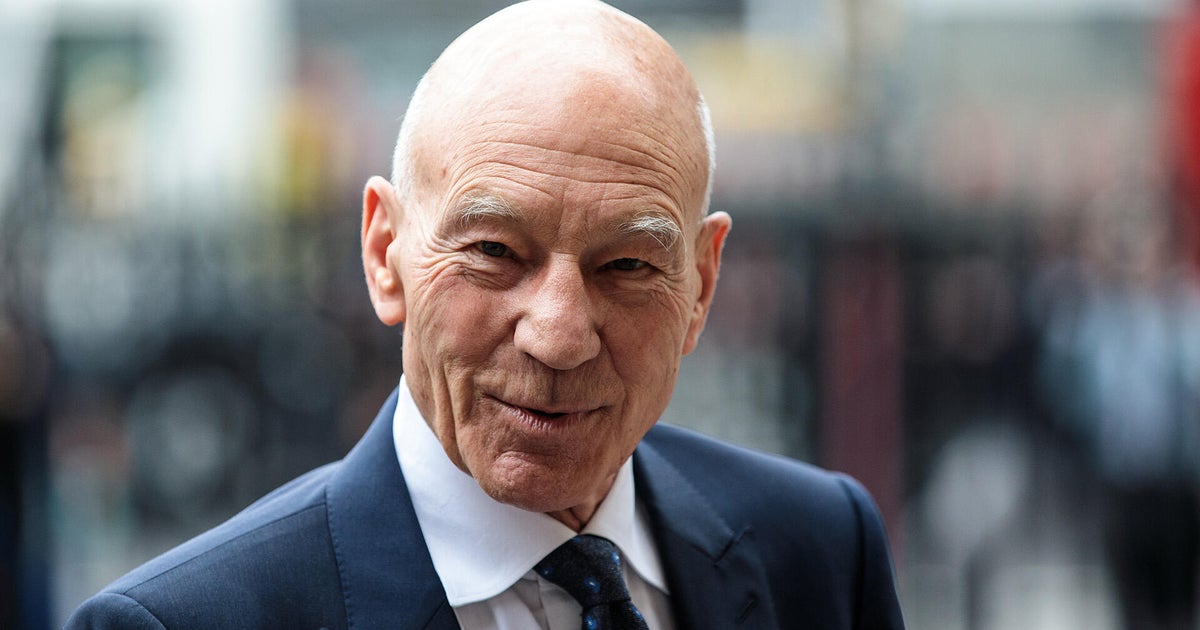
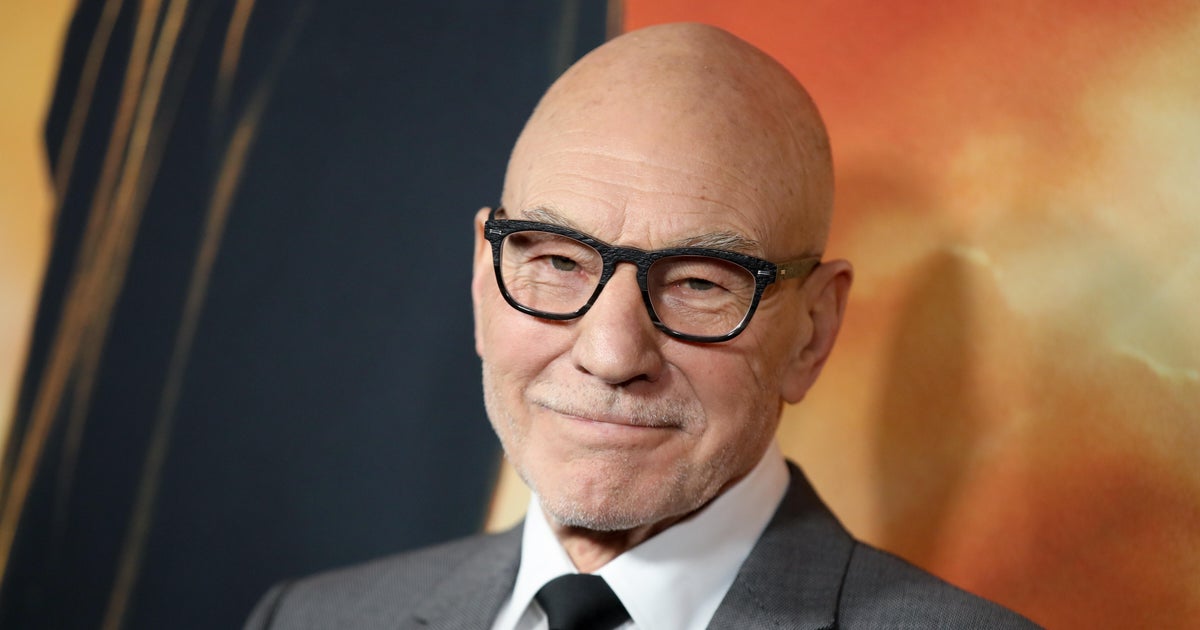
Actor Sir Patrick Stewart, known for “Star Trek” and “X-Men,” has died at 86, his representatives said. They said he had been battling Alzheimer’s disease and Lewy body dementia.
Key Facts
Patrick Stewart was 86.
His representatives announced his death.
Stewart was known for his roles in “Star Trek” and “X-Men.”
His representatives said he had Alzheimer’s disease.
His representatives said he had Lewy body dementia.
Read the Original
Want the full story? Tap a source to open the original
article.
Sir Patrick Stewart, who died at 86, built a seven-decade career across classical theatre, television and film. He trained at Bristol Old Vic, joined the Royal Shakespeare Company and later became widely known for roles in Star Trek and X-Men.
Key Facts
Stewart was born in Mirfield, Yorkshire, on 13 July 1940.
His mother encouraged him and his brothers to take part in amateur drama.
He left school at 15 and worked as a journalist and obituary writer before choosing acting.
He won a scholarship to Bristol Old Vic and later joined the Royal Shakespeare Company.
His Broadway debut came in 1970 as Snout in A Midsummer Night’s Dream.
His television roles included parts in I, Claudius, Tinker, Tailor, Soldier, Spy and Smiley’s People.
Queen Elizabeth II knighted Stewart in 2010.
Read the Original
Want the full story? Tap a source to open the original
article.
Preliminary results from Israel’s parliamentary election show Prime Minister Benjamin Netanyahu’s bloc with 53 seats and the opposition bloc led by Gadi Eisenkot with 48, leaving both short of a majority in the 120-seat Knesset. Opposition leaders have begun coalition talks, but final results still require certification and no governing arrangement is clear.
Key Facts
Netanyahu’s bloc holds 53 seats, according to results reported after more than 99 percent of ballots were counted.
The opposition bloc led by Gadi Eisenkot holds 48 seats.
Arab list parties together hold 19 seats, including seven projected for Mansour Abbas’s Ra’am party.
A majority in the Knesset requires 61 of 120 seats.
Eisenkot met with Naftali Bennett and Yair Golan to discuss forming a government.
Golan met separately with Ra’am leader Mansour Abbas; the article says other political groups have rejected a coalition with Palestinian citizen-led parties.
Netanyahu’s Likud party has alleged that Arab-led parties stole the election, but the claims are unsubstantiated; Central Elections Committee head Noam Sohlberg asked the Shin Bet to investigate allegations of foreign interference that he could not verify.
The election results are provisional and are due to be certified and announced by Wednesday.
Read the Original
Want the full story? Tap a source to open the original
article.
Israeli opposition leader Gadi Eisenkot and Arab-led party leaders accused Prime Minister Benjamin Netanyahu of trying to undermine the election after his Likud party alleged foreign interference and voter bribery. Election results left neither bloc with a majority, while the Shin Bet investigates suspected foreign funding and election officials say there is no basis for claims of systematic violations.
Key Facts
The Joint List and Ra’am won a combined record 19 of the Knesset’s 120 seats.
Netanyahu’s bloc won 53 seats, while Eisenkot’s bloc won 48.
The two Arab-led lists could hold the balance of power in government formation.
The Central Elections Committee asked the Shin Bet to investigate suspicions of foreign interference.
Likud alleged that voters had been bribed to support Arab-led parties; both parties rejected the accusation.
Qatar denied claims that it funded efforts to increase voter turnout in Arab communities.
The Shin Bet said its investigation did not implicate an entire community that voted legally.
Acting Central Elections Committee Director General Dean Livne said there was no basis for allegations of systematic violations of election integrity.
Read the Original
Want the full story? Tap a source to open the original
article.
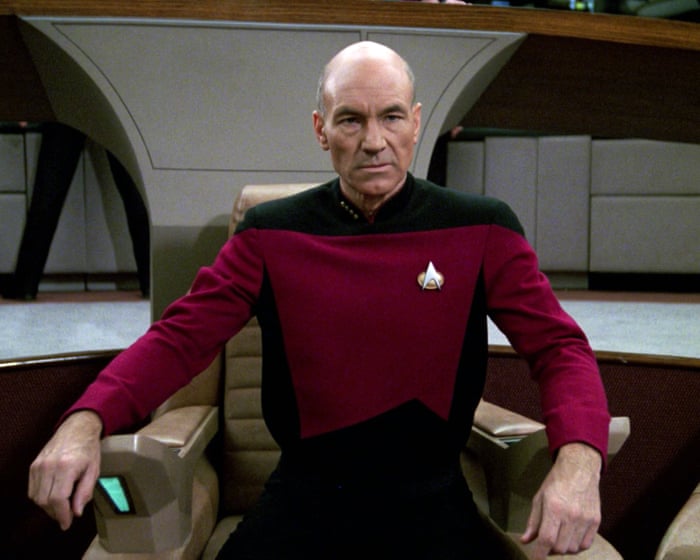
British actor Patrick Stewart has died at 86, according to a statement released Thursday. He was known for playing Captain Jean-Luc Picard in “Star Trek: The Next Generation” and Professor Charles Xavier in the “X-Men” films.
Key Facts
Stewart died at his home in Los Angeles, the statement said.
The statement said he died after a brief illness involving Alzheimer’s disease and Lewy body dementia.
His wife, Sunny, was with him, according to the statement.
Stewart was born in Yorkshire, in northern England.
He performed with Britain’s Royal Shakespeare Company before building a career on U.S. stages and screens.
He played Captain Jean-Luc Picard in “Star Trek: The Next Generation.”
He played Professor Charles Xavier in several “X-Men” and related Marvel films.
Read the Original
Want the full story? Tap a source to open the original
article.
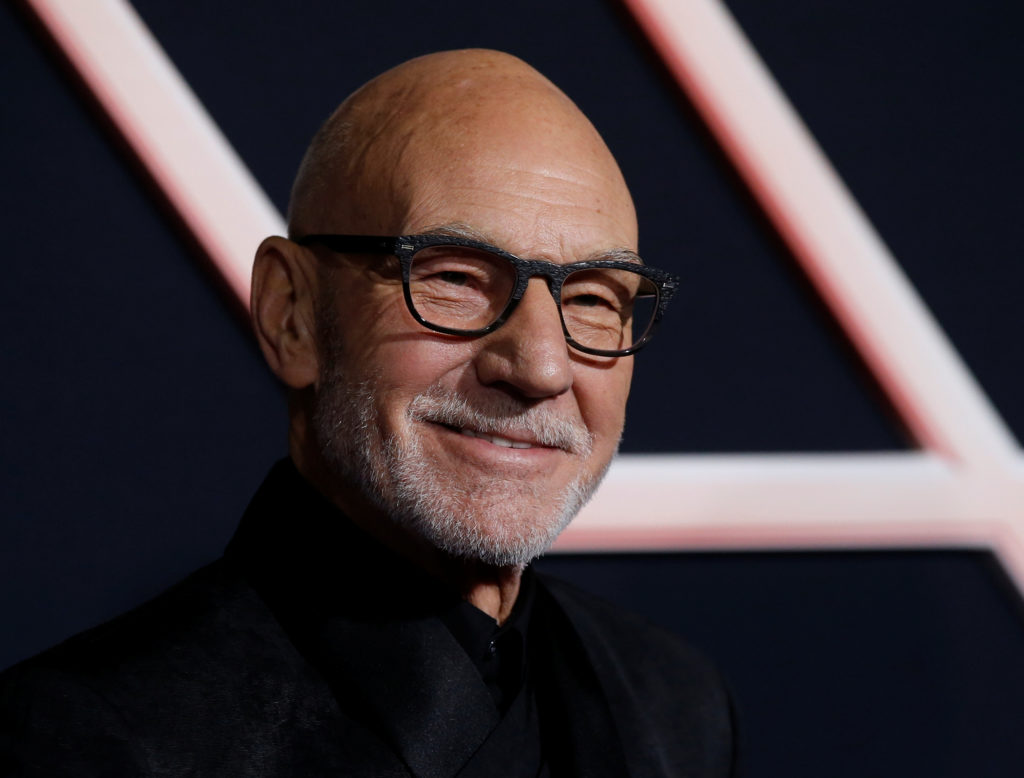
Actor Patrick Stewart died at 86 on Wednesday at his home in Los Angeles, his spokesperson said. Stewart was known for playing Jean-Luc Picard in Star Trek: The Next Generation and Professor Charles Xavier in the X-Men films, as well as for his Shakespearean stage work.
Key Facts
Stewart's spokesperson said he had Alzheimer’s disease and Lewy body dementia.
Stewart played Captain Jean-Luc Picard for seven seasons on Star Trek: The Next Generation.
He reprised Picard in four Star Trek films and the series Star Trek: Picard, which ran from 2020 to 2023.
Stewart played Professor Charles Xavier in seven X-Men films.
He is set to reprise Xavier in December’s Avengers: Doomsday, according to the article.
Stewart joined the Royal Shakespeare Company in 1966.
His awards included a Grammy and two Laurence Olivier awards; he was also nominated for a Tony and four Emmys.
Read the Original
Want the full story? Tap a source to open the original
article.
The Pentagon inspector general declined a bipartisan request to investigate reported restrictions on Ukraine’s use of SpaceX’s Starlink and Starshield satellite services. Inspector General Platte Moring said the questions should go to the Air Force and Space Force, while senators also asked about reported intelligence-sharing disruptions and whether they were connected to the satellite problems.
Key Facts
Ukraine said military drones lost satellite connectivity when traveling faster than 161 kilometers per hour (100 miles per hour).
The reported speed restriction was removed after about 10 days.
Five Democratic and four Republican senators asked the Defense Department inspector general on October 15 to investigate the reported disruptions.
The senators asked whether SpaceX or government entities directed, authorized, or implemented restrictions, and whether the restrictions complied with government contracts.
Moring said the Air Force and Space Force were better suited to address the senators’ questions and coordinate responses.
The inspector general’s office said it might reconsider if new information comes to light.
The senators also asked whether reported interruptions to intelligence sharing were connected to the Starlink restrictions.
Read the Original
Want the full story? Tap a source to open the original
article.
A France 24 interview with Aston University lecturer Joseph Downing examines far-right violence and political polarization in France. Downing says a deadly shooting in the Paris suburbs, allegedly driven by racist and anti-Muslim hostility, highlights a wider threat to democratic societies.
Key Facts
The interview was hosted by François Picard.
Downing described the Paris-suburb shooting as one of France’s first and most serious attacks inspired by right-wing nationalist and nativist views.
The article says the suspect allegedly targeted people because of racist and anti-Muslim hostility.
Downing criticized portrayals of working-class suburbs as centres of Islamist radicalism, saying they stigmatize residents.
He said France’s political centre, as in many democracies, is struggling to hold.
The interview linked political polarization to living costs, social insecurity and divisive identity narratives spread through digital media.
Downing warned that treating French citizens of African or Arab heritage as perpetual outsiders can deepen social divisions.
Read the Original
Want the full story? Tap a source to open the original
article.
A temporary U.S.-brokered ceasefire has brought two days of quiet to Kherson, where residents have briefly returned to streets, shops and public squares after years of Russian attacks. The pause is scheduled to end Sunday, and Ukrainian sources say Russian forces may be using it to strengthen positions near the city ahead of renewed fighting.
Key Facts
Residents described unusual quiet in Kherson since the ceasefire began Tuesday.
Social media videos showed people walking in streets and gathering in squares beneath anti-drone nets.
The ceasefire is linked to efforts by U.S. First Lady Melania Trump to arrange safe passage for civilians leaving Russian-occupied Oleshky, across the Dnipro River from Kherson.
Russian forces have been clearing mines on a road ahead of a planned Friday evacuation from Oleshky.
A local government source told the BBC that Russian forces may be bringing in supplies, weapons, ammunition and drones during the pause.
Ukraine's Center for Studying the Occupation said residents reported a Russian military build-up near Radensk, about 20 kilometers from Oleshky.
The article reported no ceasefire violations by either side since Tuesday.
Dozens of people used the pause to reach homes and belongings in Kherson's highly exposed red zone.
Read the Original
Want the full story? Tap a source to open the original
article.
Actor Patrick Stewart died Wednesday in Los Angeles at age 86. His spokesperson said he had lived with Alzheimer’s disease and Lewy body dementia. Stewart was known for stage performances and for playing Jean-Luc Picard in “Star Trek” and Charles Xavier in the “X-Men” films.
Key Facts
Stewart was 86 when he died.
He died Wednesday in Los Angeles.
His spokesperson said he had experienced Alzheimer’s disease and Lewy body dementia.
Stewart played Captain Jean-Luc Picard in “Star Trek: The Next Generation” and related films.
He played Professor Charles Xavier in the “X-Men” films.
His stage roles included Claudius and Macbeth.
He performed in “No Man’s Land” and “Waiting for Godot” alongside Ian McKellen.
Read the Original
Want the full story? Tap a source to open the original
article.
French prosecutors say a 39-year-old man charged with murder and attempted murder admitted targeting people he believed appeared Muslim, African or North African. One person was killed and seven were injured in shootings in Trappes and La Verrière, west of Paris.
Key Facts
The suspect, identified as Kevin T, was formally charged in connection with a terrorist enterprise.
Prosecutor Olivier Christen said Kevin chose the location because he considered it a “hotbed for Islamists.”
The shooting took place last Friday as the attacker fired from a car in Trappes and La Verrière.
Pengo Bossio Wangi, a 26-year-old French citizen of Congolese heritage, was killed; seven other people were injured, including a child.
Kevin said he felt no regret but did not intend to kill children, according to the prosecutor.
Authorities found weapon components, brass knuckles, a bayonet and a silencer during a search of Kevin’s home.
Police also found copies of Mein Kampf, the Quran and the Bible, as well as stickers celebrating the far-right National Rally party.
Prosecutors said Kevin acquired weapon components, a police armband and handcuffs in September and had prepared extensively.
Read the Original
Want the full story? Tap a source to open the original
article.
Actor Patrick Stewart, known for playing Jean-Luc Picard in Star Trek and Professor Charles Xavier in the X-Men films, has died at 86. His spokesperson said he died at his Los Angeles home on Wednesday after living with Alzheimer’s disease and Lewy body dementia.
Key Facts
Stewart’s spokesperson, Kelly Bush Novak, described his illness as a brief journey with Alzheimer’s disease and Lewy body dementia.
Stewart’s family asked people to donate to the Johns Hopkins Alzheimer’s Disease Research Center Fund or the Alzheimer’s Foundation of America Caregiver Resources in his memory.
Before his screen fame, Stewart performed Shakespeare and was a member of the Royal Shakespeare Company.
He played Captain Jean-Luc Picard for seven seasons of Star Trek: The Next Generation, in four films, and in Star Trek: Picard.
Stewart also played Professor Charles Xavier across the X-Men film franchise.
His other credits included Excalibur, Dune, Logan, The Lion in Winter, Blunt Talk, and American Dad!.
Stewart is set to reprise Professor X in Avengers: Doomsday, scheduled for release on December 18.
Read the Original
Want the full story? Tap a source to open the original
article.
Actor Patrick Stewart, known for his roles in the “Star Trek” and “X-Men” franchises and his stage career, has died at 86. A post on his social media channels said he died at home Wednesday with his wife, Sunny, at his side, after living with Alzheimer’s disease and Lewy body dementia.
Key Facts
Stewart was 86.
His spokesperson confirmed his death.
He died at home on Wednesday with his wife, Sunny, beside him.
A social media post said he had been living with Alzheimer’s disease and Lewy body dementia.
Stewart was known for roles in the “Star Trek” and “X-Men” franchises.
He also had a prolific stage career.
Read the Original
Want the full story? Tap a source to open the original
article.
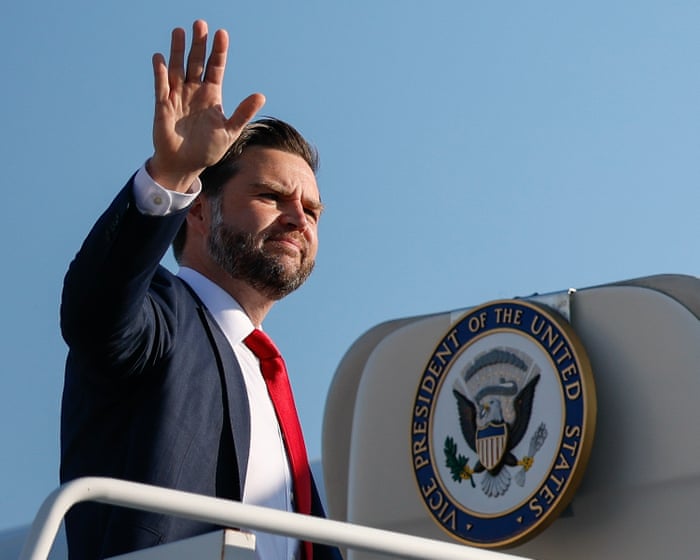
Vice-President JD Vance sent Iran a letter proposing renewed diplomacy, with nuclear commitments from Tehran tied to U.S. sanctions relief and reopening the Strait of Hormuz. Iran has yet to reply and disputes the order of steps, while officials and lawmakers warn that a renewed U.S. attack could trigger wider regional conflict.
Key Facts
Vance sent the letter on Sunday to Mohsen Rezaei, secretary of Iran’s Supreme National Security Council, after mediation led mainly by Qatar.
The proposal calls for Iran to make nuclear commitments at the start of negotiations, with a process to reopen the Strait of Hormuz within seven days in exchange for U.S. sanctions relief.
Iran is reluctant to make irreversible nuclear concessions before receiving U.S. measures, such as relief on oil-export sanctions, that it considers reliable.
Iranian negotiator Mohammad Ghalibaf said progress requires agreement to Iran’s seven conditions, which include lifting sanctions and ending the war on all fronts.
Iran has proposed diluting its highly enriched uranium stockpile so it cannot be used to make a nuclear weapon, and has resisted the return of UN nuclear inspectors.
The article says Iran has plans to retaliate against U.S. interests by targeting Gulf infrastructure, including desalination plants, internet cables and electricity grids.
Senator Chris Murphy said a U.S. military plan for renewed attacks could cause devastating escalation and undermine the U.S. commitment to the rule of law.
Read the Original
Want the full story? Tap a source to open the original
article.