Neutral summaries of your favorite news sources — just the facts.
Your favorite news sources, one neutral feed — we distill their reporting into fact-first
summaries and always link to the original story. How it works
World News
Comprehensive coverage of international news and global events
Thousands of people gathered in Berlin to mark the 78th anniversary of the Palestinian Nakba. During the event, German police used force, including hitting and pepper-spraying some protesters.
Key Facts
The event took place in Berlin, Germany.
It was held to remember the Nakba, which marks the displacement of Palestinians in 1948.
Thousands of protesters attended the rally.
German police responded with physical force against some protesters.
Police actions included hitting and using pepper spray.
The incident was recorded on video showing the police response.
Read the Original
Want the full story? Tap a source to open the original
article.
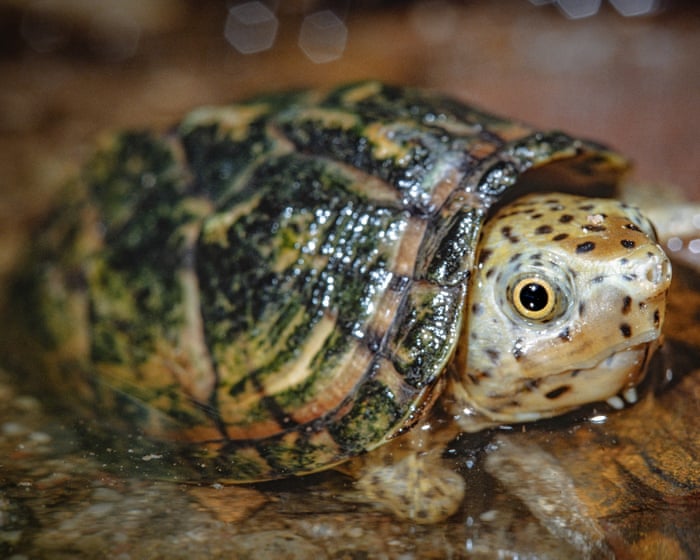
A California man named Donald Do was arrested for trying to illegally export nearly 300 wild loggerhead musk turtles to Taiwan. He falsely claimed the turtles were bred in captivity to get a permit but actually bought them from poachers. Another man from Louisiana, Albert Bazaar, was also arrested for selling over 1,700 turtles taken from the wild.
Key Facts
Donald Do tried to export 292 wild loggerhead musk turtles to Taiwan between December 2022 and May 2024.
Do and an accomplice obtained a US Fish and Wildlife Service export permit by falsely claiming the turtles were captive-bred.
The turtles were actually poached from the wild in Florida and other places.
Albert Bazaar from Louisiana was arrested for selling over 1,700 loggerhead musk turtles.
Loggerhead musk turtles are protected by law and have large heads with strong jaws.
The Lacey Act makes it illegal to give false information about wildlife in trade.
Law enforcement conducted an operation called “Southern Hot Herps” to stop turtle poaching in the southeastern US.
If convicted, Do could face up to five years in prison. He pleaded not guilty and has a bond hearing scheduled for May 21.
Read the Original
Want the full story? Tap a source to open the original
article.
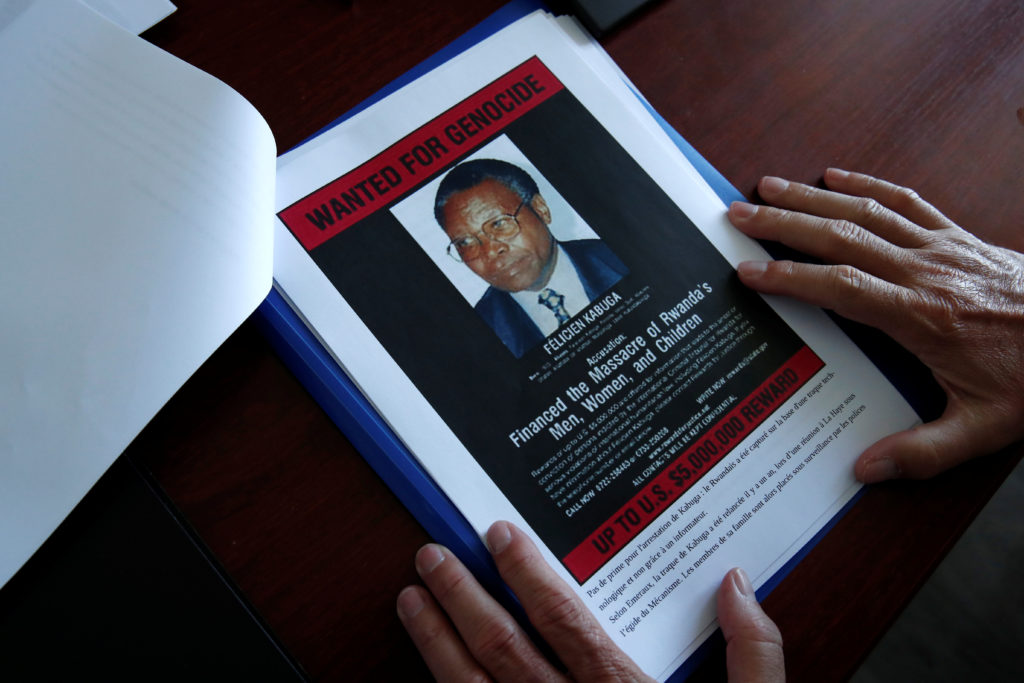
Félicien Kabuga, a Rwandan suspect accused of involvement in the 1994 genocide, died in a hospital in The Hague while in custody. He had been declared unfit to continue his trial in 2023 due to dementia, which prevented a verdict on his case.
Key Facts
Félicien Kabuga was 91 years old when he died in custody in The Hague, Netherlands.
He was charged with encouraging and funding the genocide against Rwanda’s Tutsi minority in 1994.
His trial began in 2022, almost 30 years after the genocide that killed about 800,000 people.
In 2023, judges said Kabuga was too ill (due to dementia) to continue his trial.
An investigation has been ordered to understand how he died in custody.
Kabuga was arrested in France in 2020 after an arrest warrant and a $5 million bounty were issued in 2013.
He pleaded not guilty to charges including genocide, murder, and persecution.
Rwanda offered to accept him if released, but Kabuga’s lawyer said he feared mistreatment there.
Read the Original
Want the full story? Tap a source to open the original
article.
Two staff members of a right-wing presidential candidate were killed in Colombia two weeks before the country’s May 31 election. The attacks happened in Meta, a region with a history of violence, and officials warn such violence threatens democratic participation.
Key Facts
Two campaign staffers for candidate Abelardo de la Espriella were shot by gunmen on motorbikes in Meta.
The victims were Rogers Mauricio Devia Escoba, a former mayor, and his adviser Eder Fabian Cardona Lopez.
Another attack targeted a former mayoral candidate in the same area.
Violence and threats against political leaders have increased ahead of the presidential election.
Colombia’s presidential race includes 14 candidates, with frontrunners including left-wing Senator Ivan Cepeda and right-wing Abelardo de la Espriella.
Meta is known for rebel activity and cocaine trafficking, contributing to security challenges.
Some candidates have faced death threats, and security is tight for leading politicians.
A rebel group that did not disarm after a 2016 peace deal has carried out violent acts, including kidnapping and attacks on politicians.
Read the Original
Want the full story? Tap a source to open the original
article.
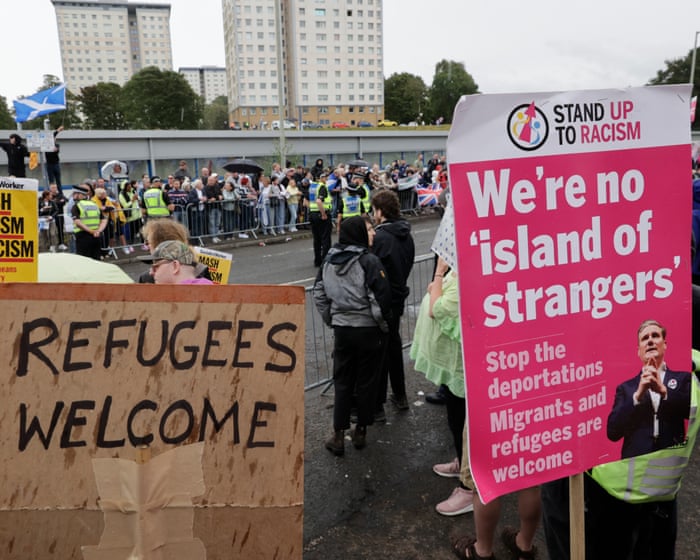
The UK and France have agreed to extend a pilot program called “one in, one out” until October. This program returns one asylum seeker who crosses the Channel in a small boat to France in exchange for allowing another asylum seeker from France to come to the UK legally.
Key Facts
The “one in, one out” scheme was signed by UK Prime Minister Keir Starmer and French President Emmanuel Macron in July.
The pilot program was originally set to end on June 11 but will now continue until October 1.
The goal is to reduce small boat crossings across the Channel and stop people-smuggling gangs.
Since the deal, over 600 people have been sent back to France, and about 580 have arrived in the UK legally under the scheme.
Small boat crossings fell by about one-third compared to last year, partly due to bad weather.
People-smuggling gangs have changed tactics and now use other routes, like Belgium, or more expensive crossings in lorries (trucks).
Some asylum seekers have raised concerns about poor treatment and the dangers they face, both in UK detention and after being returned to France.
The UK Home Office says this scheme is part of broader efforts to reduce illegal migration and return people with no legal right to stay in the UK.
Read the Original
Want the full story? Tap a source to open the original
article.
A recent poll shows that Brazil’s presidential race is very close, with current president Luiz Inacio Lula da Silva and challenger Flavio Bolsonaro tied at 45% support each. Flavio Bolsonaro, son of imprisoned former president Jair Bolsonaro, has been involved in controversy over fundraising for a film about his father while Lula seeks a fourth term.
Key Facts
The poll was done by Datafolha on May 12-13 with about 2,004 respondents.
Lula and Flavio Bolsonaro each have 45% voter support in a potential run-off election.
About 9% of those surveyed said they would cast a “null” vote, and 1% were undecided.
Lula, 80 years old, is aiming for a fourth nonconsecutive term as Brazil’s president.
Flavio Bolsonaro is the son of Jair Bolsonaro, who is in prison for trying to overturn the 2022 election.
Flavio Bolsonaro asked a banker accused of fraud to help finance a movie about his father called Dark Horse.
Flavio denies wrongdoing and says the movie’s funding was a private matter unrelated to fraud.
Left-wing politicians are asking for an investigation into the film financing and other campaign controversies.
Read the Original
Want the full story? Tap a source to open the original
article.
Taiwan said it is an independent country after President Donald Trump expressed doubts about a big weapons sale to Taiwan. China responded by promising to work more closely with the US on security but said it does not recognize Taiwan as separate from China.
Key Facts
Taiwan declared itself a sovereign and independent nation.
President Donald Trump questioned the future of a major arms sale to Taiwan.
The arms sale involved weapons intended for Taiwan’s defense.
China said it will cooperate more with the US on security matters.
Beijing stated it has no right to claim Taiwan as a separate country.
Taiwan’s statement was a response to President Trump’s remarks.
The situation highlights ongoing tensions between China, Taiwan, and the US.
Read the Original
Want the full story? Tap a source to open the original
article.
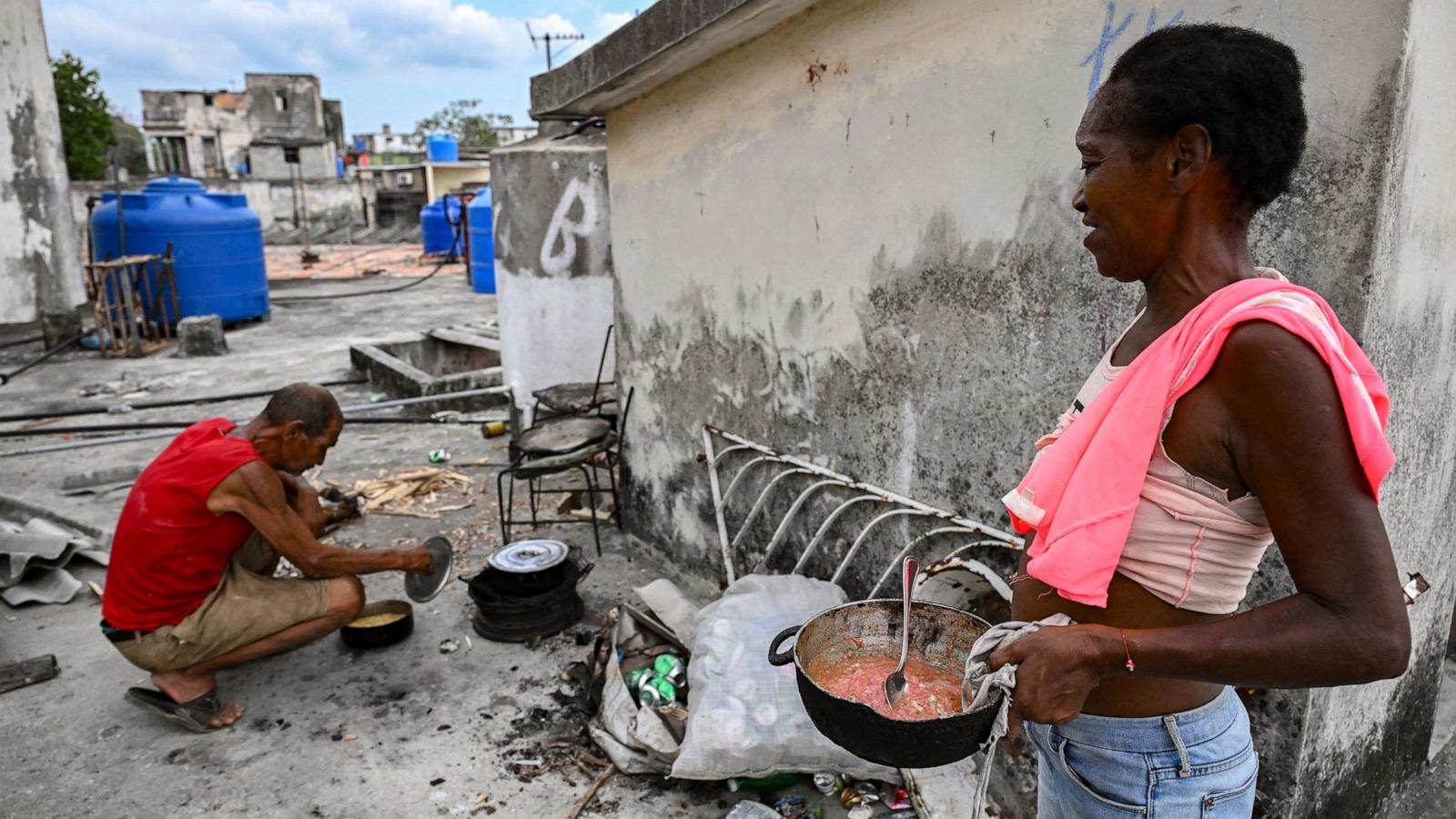
Cuba is facing a severe power crisis caused by a shortage of fuel, leading to daily blackouts and problems with water, lighting, and transportation. The situation worsened after the U.S. stopped Venezuelan oil shipments to Cuba, as Venezuela was a major oil supplier for the island.
Key Facts
Cuba’s national electricity grid is unstable and experiencing prolonged blackouts.
The country has run out of fuel reserves, including diesel.
Blackouts have lasted over 20 hours, notably in Havana.
Venezuela used to supply about 24% of Cuba’s daily oil consumption but stopped after the U.S. captured Venezuelan President Maduro.
Cuba produces only about 40% of its oil needs domestically, mainly heavy oil that harms infrastructure.
About 80% of Cuba’s electricity comes from natural gas plants, while 20% comes from renewable sources like solar energy.
On January 29, President Trump declared a national security emergency on Cuba and threatened tariffs on countries supplying oil to Cuba.
The U.S. government offered $100 million in aid to Cuba during the crisis.
Read the Original
Want the full story? Tap a source to open the original
article.
The Eurovision Song Contest held its grand final in Vienna with 25 countries competing despite protests against Israel’s participation. Fans enjoyed diverse musical acts, while some countries boycotted the event over political reasons related to Israel’s conflicts.
Key Facts
The Eurovision final took place at the Wiener Stadthalle arena in Vienna.
25 countries performed, including Israel, Finland, Moldova, Serbia, Denmark, Germany, Ukraine, Australia, and others.
Five countries—Spain, the Netherlands, Ireland, Iceland, and Slovenia—boycotted the contest due to opposition to Israel’s involvement.
Israel’s contestant Noam Bettan performed the song “Michelle” in Hebrew, French, and English.
The contest combines viewers’ votes and national juries’ points to select the winner.
Finland is the favorite to win with the song “Liekinheitin” by Pete Parkkonen and Linda Lampenius.
Australia, represented by Delta Goodrem, may host next year if it wins, as it is a regular participant despite being outside Europe.
Eurovision is known for mixing pop music with political issues and often features artists from smaller countries or less-known backgrounds.
Read the Original
Want the full story? Tap a source to open the original
article.
The Bolivian military police arrested protesters and used tear gas to clear road blockades after 11 days of demonstrations. These protests were caused by fuel shortages linked to a closure at the Strait of Hormuz, despite a deal made between protesters and the government.
Key Facts
Protests in Bolivia lasted 11 days.
Demonstrators blocked roads during the protests.
Military police arrested some protesters.
Tear gas was used to break up road blockades.
The protests were about fuel shortages.
The fuel shortages were influenced by a closure of the Strait of Hormuz, a key shipping route.
A deal was made on Friday between the government and protesters before the police actions.
Read the Original
Want the full story? Tap a source to open the original
article.
Nine people were hurt after a car being chased by police crashed in east London. The police tried to stop the car because they thought it was stolen, but it did not stop and then hit another vehicle. Emergency services treated ten people at the scene and took nine to the hospital.
Key Facts
Police tried to stop a car they believed was stolen in east London.
The car did not stop and a short police chase followed.
The car crashed into another vehicle at the junction of Barley Lane and High Road, Ilford.
Ten people, including those in both cars and a motor scooter rider, were treated at the scene.
Nine injured people were taken to hospital; five had serious injuries.
The driver, a woman in her 20s, was arrested for dangerous driving, theft, and failing to stop.
Four passengers from the stolen car were also arrested on suspicion of being in a stolen vehicle.
The police have closed the junction to traffic while they investigate the crash.
Read the Original
Want the full story? Tap a source to open the original
article.
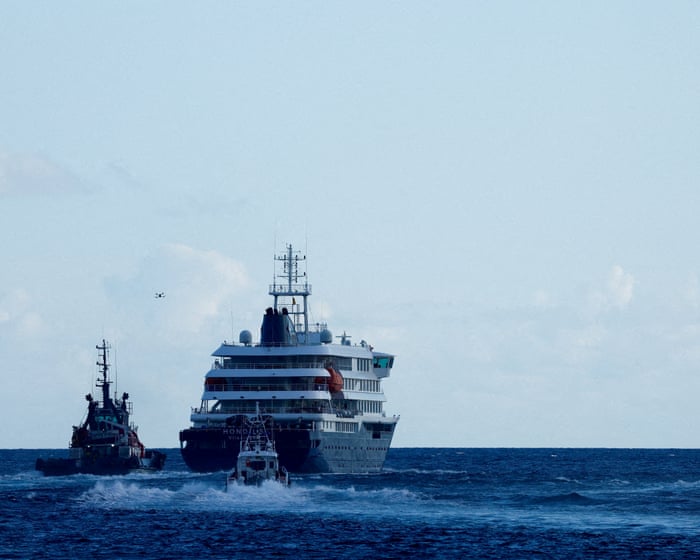
A Canadian passenger from the cruise ship MV Hondius, which had a hantavirus outbreak, tested positive for the virus after returning to Canada. Authorities say the person has mild symptoms and that the four Canadians isolating have not contacted the public.
Key Facts
The cruise ship MV Hondius had a hantavirus outbreak in April.
Eleven infections are confirmed among passengers; three passengers have died, two of whom had the virus.
Four Canadian passengers are isolating on Vancouver Island and Ontario; one from Yukon tested positive.
The positive test is presumptive and still needs confirmation from a national lab.
The ship's 147 passengers and crew came from 23 countries and recently disembarked in Tenerife, Spain.
The World Health Organization (WHO) recommends 42 days of isolation for exposed persons.
Hantaviruses are usually spread by rodents, but human-to-human spread of the Andes strain is possible.
Symptoms include fever, fatigue, muscle pain, stomach issues, vomiting, diarrhea, and breathing trouble.
Officials say the risk of a large outbreak is very low.
Read the Original
Want the full story? Tap a source to open the original
article.
Thousands of people protested outside the Eurovision Song Contest final in Vienna because Israel was allowed to compete. Five countries—Spain, the Netherlands, Ireland, Iceland, and Slovenia—boycotted the event to show their disagreement with Israel’s actions in Gaza. Critics said it was unfair that Israel was allowed while Russia was banned over the Ukraine war.
Key Facts
The Eurovision Song Contest final took place in Vienna with 166 million viewers last year.
Five countries boycotted Eurovision this year due to Israel’s involvement: Spain, the Netherlands, Ireland, Iceland, and Slovenia.
Some national broadcasters from these countries refused to show the contest on TV.
Spain’s Prime Minister Pedro Sanchez supported the boycott, saying Spain was on “the right side of history.”
Amnesty International criticized the European Broadcasting Union (EBU) for allowing Israel to compete while banning Russia.
Around 2,000 protesters gathered in Vienna to oppose Israel’s participation at Eurovision.
Russia has been banned from many cultural and sports competitions due to the Ukraine invasion.
Eurovision’s voting combines professional jury scores and public votes; new rules were made after concerns about past voting unfairness.
Read the Original
Want the full story? Tap a source to open the original
article.
Félicien Kabuga, a Rwandan man accused of supporting the 1994 genocide against the Tutsi people, died in a hospital while in custody in The Hague at age 91. Kabuga was declared unfit to continue his trial in 2023 due to dementia, and he remained detained until his death.
Key Facts
Kabuga was charged with encouraging and funding the killing of Rwanda’s Tutsi minority during the 1994 genocide.
The 1994 genocide resulted in about 800,000 deaths over 100 days.
An arrest warrant for Kabuga was issued in 2013, and a $5 million bounty was placed on him.
He was arrested in France in 2020, and his trial began in 2022.
In 2023, judges said Kabuga could not continue the trial because of dementia.
He stayed in detention pending decisions about his possible release to another country.
Kabuga died in a hospital in The Hague, and an investigation into his death is ongoing.
His trial angered genocide survivors who believed he should be sentenced fully for his crimes.
Read the Original
Want the full story? Tap a source to open the original
article.
The 70th Eurovision Song Contest final took place in Vienna with performers from 25 countries competing for the title. Despite rainy weather and protests calling for Israel to be excluded, the event went ahead with millions watching worldwide.
Key Facts
The Eurovision Song Contest final was held in Vienna, Austria, with 25 countries competing.
The event marks the 70th anniversary of Eurovision.
Acts included diverse styles, like a Finnish violinist, Moldovan folk rapper, and Serbian metal band.
Five countries—Spain, the Netherlands, Ireland, Iceland, and Slovenia—boycotted the contest due to Israel’s participation.
The contest often includes political issues alongside musical performances.
The event began with the previous year's winner performing and a parade of finalists’ flags.
Participants have just 3 minutes each to perform and appeal to viewers and national music juries.
Security was tight, and the weather was rainy, but fans remained enthusiastic.
Read the Original
Want the full story? Tap a source to open the original
article.
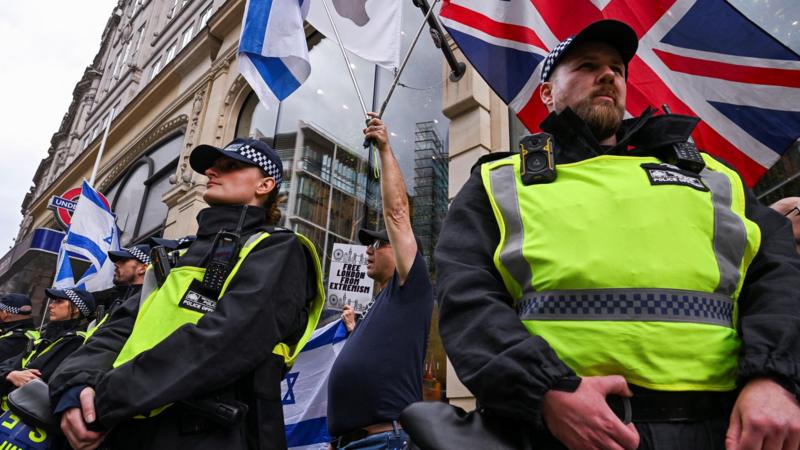
Police in London spent £4.5 million to keep two rival protests apart on the same day. Over 4,000 officers created a safe barrier between a far-right march led by Tommy Robinson and a pro-Palestinian demonstration, preventing serious clashes.
Key Facts
More than 4,000 police officers were deployed in central London for the protests.
The protests were a far-right march led by Tommy Robinson and a pro-Palestinian rally marking Nakba Day.
Police created a "sterile zone" with metal barriers to separate the two groups around major landmarks like Nelson’s Column and Buckingham Palace.
The day also included the FA Cup Final, adding to police responsibilities.
Officers used live facial recognition cameras at major train stations to monitor protesters.
By the evening, police had made 43 arrests related to the protests and 22 more at the football final.
Police helicopters, dogs, and armored vehicles were on standby to maintain order.
Negotiations allowed both protests to proceed but required complex security planning to avoid clashes.
Read the Original
Want the full story? Tap a source to open the original
article.
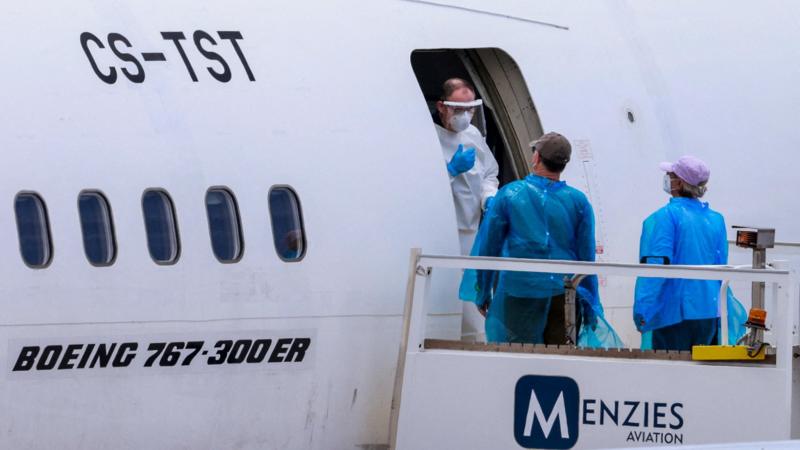
Canada has reported its first possible case of hantavirus in British Columbia linked to a cruise ship outbreak. The patient, one of four Canadians exposed on the MV Hondius cruise ship, has mild symptoms and is stable in hospital isolation while tests are confirmed.
Key Facts
One Canadian quarantining in British Columbia after exposure to hantavirus on the MV Hondius cruise ship tested presumptively positive.
The patient developed mild symptoms such as fever and headache two days before testing positive.
The patient and their partner were moved to a hospital in Victoria for checks and testing; the partner tested negative.
Two other Canadians exposed are also being closely monitored—one is in hospital, and one is isolating at home.
The four Canadians arrived in Victoria on May 10 and began a quarantine period expected to last at least 21 days.
The World Health Organization recommends a 42-day quarantine for hantavirus exposure.
Since April 11, three people who were on the cruise ship have died from suspected hantavirus infections, including two Dutch and one German national.
Final confirmation of the Canadian patient’s positive test is pending from the national lab in Winnipeg.
Read the Original
Want the full story? Tap a source to open the original
article.
A team of Palestinian paracyclists from Gaza, called the "Gaza Sunbirds," arrived by boat at the Cannes Film Festival. They came to attend a documentary screening about their lives and achievements as amputee athletes.
Key Facts
The "Gaza Sunbirds" are a Palestinian paracycling team made up of athletes from Gaza who have lost limbs.
They traveled by sea to reach the Cannes Film Festival in France.
Their arrival was symbolic, highlighting their story and challenges.
A documentary film about the team was shown at the festival.
The event took place as part of the 2026 Cannes Film Festival.
The team’s participation brings attention to Palestinian athletes and their resilience.
The story was covered by France 24 news and shared on May 16, 2026.
The film and arrival emphasize culture and sports within an international festival setting.
Read the Original
Want the full story? Tap a source to open the original
article.
Tensions between Pakistan and Afghanistan have increased since the Taliban took control in 2021. Recent attacks by the Pakistan Taliban group and cross-border strikes have heightened fears of renewed border clashes despite efforts by other countries to mediate peace.
Key Facts
The Taliban took power in Afghanistan in 2021.
Pakistan summoned an Afghan diplomat after attacks by the Pakistan Taliban (TPP).
The TPP claimed two attacks targeting mostly security forces.
Pakistan accuses Afghanistan of supporting these fighters; Afghanistan denies this.
Fighting between the two countries paused briefly after mediation by Saudi Arabia, Qatar, Turkiye, and China.
A Pakistani strike on a drug rehabilitation center killed over 250 people.
Both countries continue to carry out attacks against each other around the border.
The situation raises concerns about whether lasting peace is possible between Pakistan and Afghanistan.
Read the Original
Want the full story? Tap a source to open the original
article.
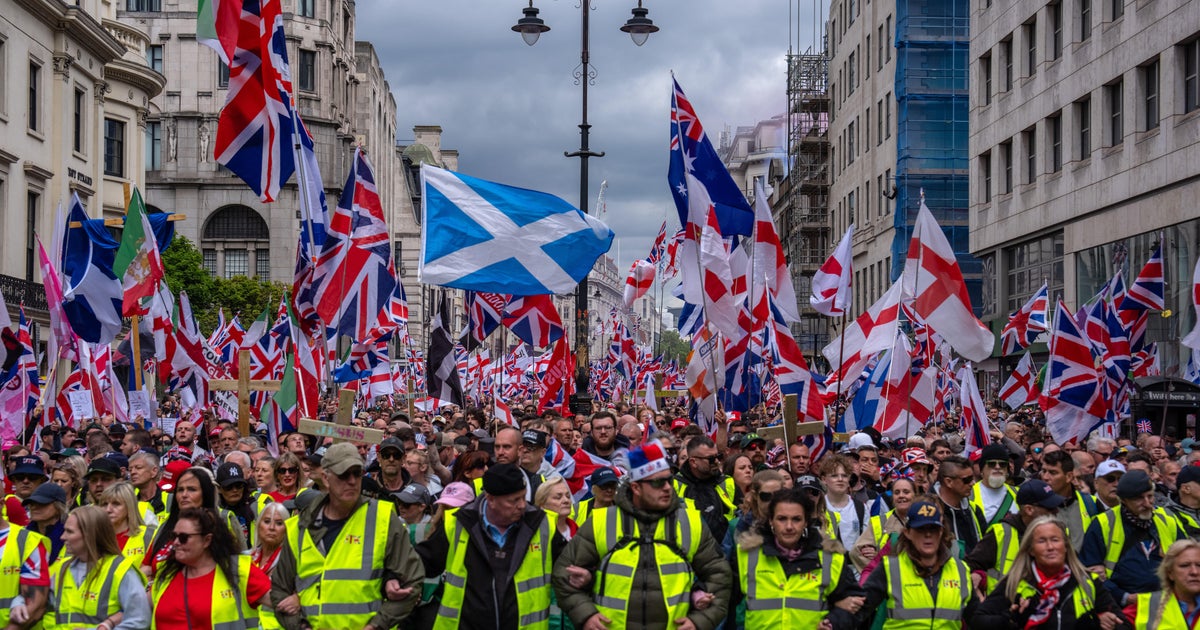
Tens of thousands of people gathered in central London for the "Unite the Kingdom" rally, organized by far-right activist Tommy Robinson. The protest focused on promoting British identity and Christian values, with attendees expressing concerns about government policies and national decline.
Key Facts
Around 60,000 people attended the "Unite the Kingdom" march in central London.
The event was led by Tommy Robinson, founder of the English Defence League, known for nationalist and anti-Islam views.
Protesters carried British and English flags and Christian symbols, including crosses and crucifixes.
Some wore red hats inspired by President Trump's "Make America Great Again" slogan.
Attendees cited worries about the loss of British culture, public service problems, and national decline.
Iranian opposition supporters also participated, carrying pre-revolutionary Iranian flags.
Tommy Robinson urged people to become politically active before the next UK general election.
Robinson praised Elon Musk for supporting the movement and encouraged engagement with right-wing political groups like Reform UK.
Read the Original
Want the full story? Tap a source to open the original
article.