Neutral summaries of your favorite news sources — just the facts.
Your favorite news sources, one neutral feed — we distill their reporting into fact-first
summaries and always link to the original story. How it works
World News
Comprehensive coverage of international news and global events
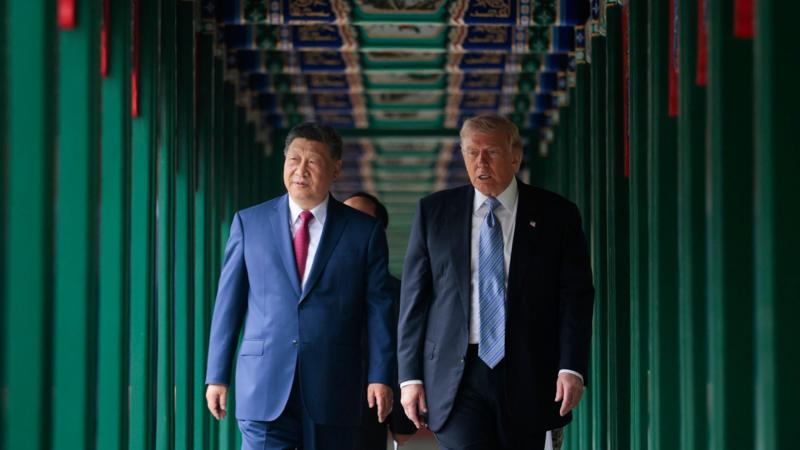
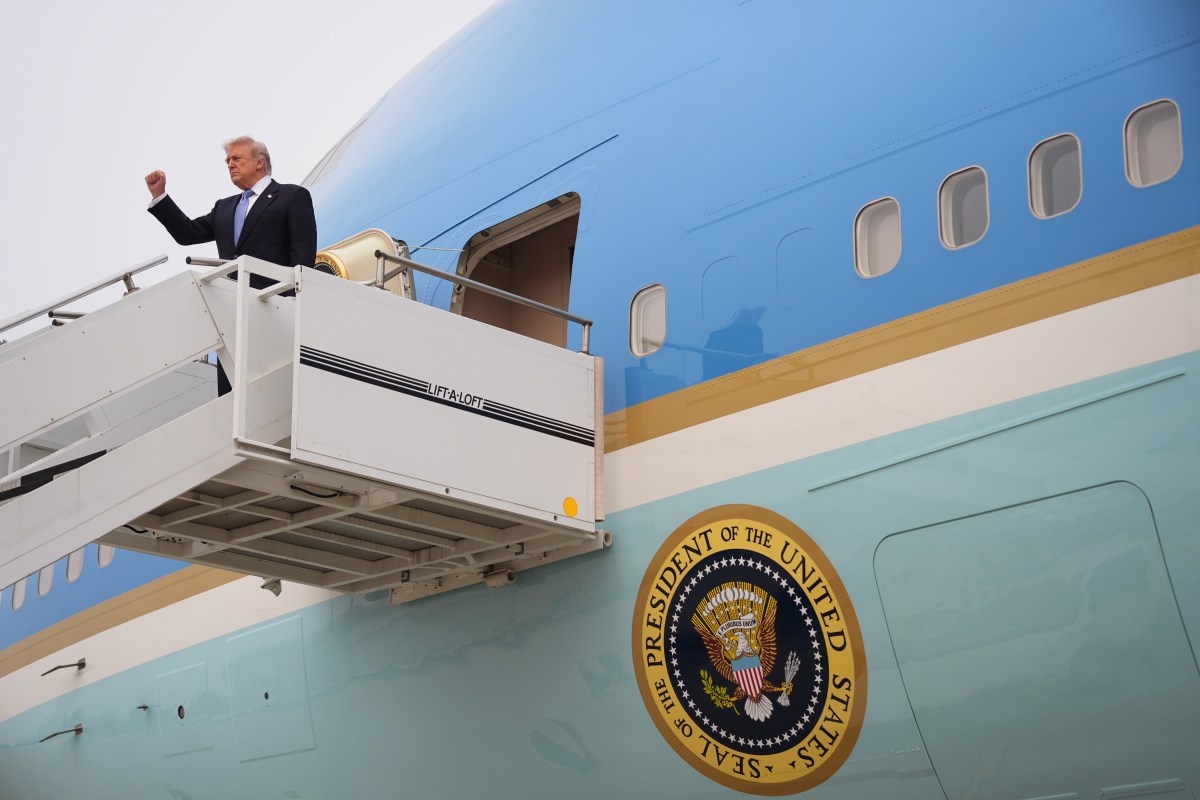
President Donald Trump’s visit to Beijing ended with a tour of Zhongnanhai, the Chinese Communist Party's main leadership compound, led by President Xi Jinping. The visit emphasized friendly gestures between the two leaders amid ongoing trade tensions and concerns about the Iran conflict, but did not result in clear policy agreements.
Key Facts
Zhongnanhai is a 14th-century compound that serves as the official home and workplace of China's top leaders.
President Xi Jinping gave President Trump a rare tour of Zhongnanhai, a sign of close diplomatic ties.
The visit included friendly exchanges, such as Xi promising to send Trump seeds of Chinese roses they admired.
Trump said the visit was “incredible” and described Xi as “warm” and “very smart” in a pre-recorded interview.
Xi pledged not to supply Iran with military weapons, and Trump expressed hope for keeping the Strait of Hormuz open for oil passage.
China is the largest buyer of Iranian oil and a key trade partner, giving it influence over Tehran.
Trump said China agreed to buy US oil, 200 Boeing jets, and farm products, but Chinese officials did not confirm these deals.
Both sides indicated progress on trade talks and agreed to continue discussions at a future summit.
Read the Original
Want the full story? Tap a source to open the original
article.
President Donald Trump visited Beijing, China, aiming to achieve important business deals and improve his approval before upcoming elections. His visit ended with few concrete achievements, while China warned the U.S. about handling Taiwan and commented on the conflict with Iran.
Key Facts
President Trump traveled to Beijing, his first trip there since 2017.
The visit targeted business agreements but resulted in limited success.
China cautioned the U.S. about managing tensions related to Taiwan.
Beijing stated that its war with Iran should not have started.
President Trump sought to boost his approval ratings ahead of major elections in the United States.
The U.S. and China remain strategic and economic rivals.
The trip included warm remarks from President Trump toward Chinese leader Xi Jinping.
The visit received little positive market reaction to the announced business deals.
Read the Original
Want the full story? Tap a source to open the original
article.
In Lebanon, people have very different opinions about making peace with Israel. While new talks to discuss peace are starting in Washington with help from the United States, Hezbollah strongly opposes any normal relations with Israel.
Key Facts
Peace talks between Lebanon and Israel began in Washington with US mediation.
Many Lebanese hope these talks could lead to more stability in the region.
Hezbollah, a powerful political and military group in Lebanon, rejects any peace or normalization with Israel.
The issue of peace with Israel remains deeply divisive in Lebanon.
The peace talks are considered unusual or unprecedented for the area.
The United States is actively involved in mediating these discussions.
Read the Original
Want the full story? Tap a source to open the original
article.
On Jerusalem Day, many Israeli nationalists marched through Jerusalem’s Old City, chanting slogans against Palestinians. The event marks Israel’s control over east Jerusalem since 1967, a status not recognized by the United Nations.
Key Facts
The march took place in Jerusalem’s Old City on May 14, 2026.
Participants chanted anti-Palestinian slogans such as “Death to Arabs.”
Many Palestinian residents stayed inside and did not join the event.
Jerusalem Day celebrates Israel’s “reunification” of Jerusalem after the 1967 war.
East Jerusalem has a mainly Palestinian population.
The United Nations considers Israel’s annexation of east Jerusalem illegal under international law.
Tens of thousands of Israelis take part in the annual march.
The event often creates tensions between Israelis and Palestinians.
Read the Original
Want the full story? Tap a source to open the original
article.
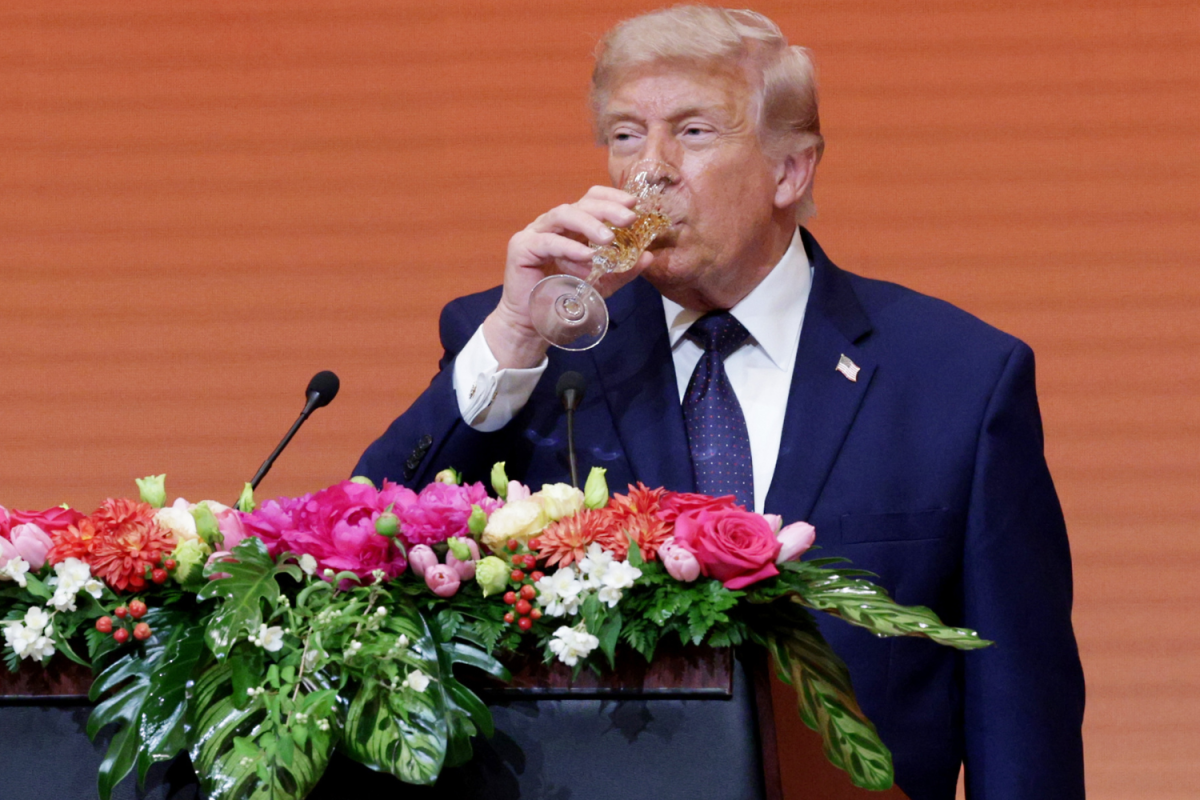
During a formal reception on his visit to China, President Donald Trump was seen raising a glass and appearing to sip from it. This caught attention because he has said he does not drink alcohol, though such toasts are common in diplomatic events and the actual drink served was not confirmed.
Key Facts
President Trump appeared to sip from a glass at a state reception with Chinese President Xi Jinping.
Trump has described himself as a lifelong teetotaler, meaning he does not drink alcohol.
Diplomatic toasts are routine and symbolic gestures at state visits, often done to show respect.
Glasses used in these events can contain either alcoholic or non-alcoholic drinks, served in similar glasses.
There is no confirmation of what drink President Trump was served during the toast.
Trump has linked his decision to avoid alcohol to his older brother’s struggles with alcoholism.
Other U.S. presidents have also been teetotalers or moderate drinkers, while some were known for drinking openly.
At official events, Trump has typically chosen drinks like Diet Coke or water when others are drinking alcohol.
Read the Original
Want the full story? Tap a source to open the original
article.
The final group of performers for the Eurovision Song Contest has been set after the second semifinal round. Five countries have been eliminated, and five others are boycotting the event due to Israel’s participation.
Key Facts
The Eurovision Song Contest final lineup was confirmed after the second semifinal on May 14, 2026.
Five countries were eliminated in this round and will not compete in the final.
Denmark, Australia, and Bulgaria are among the countries advancing to the final with their performers.
Denmark’s entry is Søren Torpegaard Lund with the song "Før Vi Går Hjem" ("Before We Go Home").
Australia is represented by Delta Goodrem, performing the song "Eclipse."
Bulgaria’s contestant is Dara, singing "Bangaranga."
Spain, Ireland, the Netherlands, Slovenia, and Iceland are boycotting Eurovision this year.
The boycott is because Israel is participating in the contest.
Read the Original
Want the full story? Tap a source to open the original
article.
A rights group called Human Rights Watch reported that M23 rebels and the Rwandan army committed serious crimes like killings, rapes, and kidnappings during their occupation of Uvira in eastern Democratic Republic of Congo between late 2025 and early 2026.
Key Facts
The report was released by Human Rights Watch on May 15, 2026.
M23 rebels and the Rwandan army occupied Uvira for about a month.
During this time, they committed killings, rapes, and abductions.
Uvira is located in the eastern part of the Democratic Republic of Congo (DRC).
The events took place in late 2025 and early 2026.
Clémentine de Montjoye, a researcher for Human Rights Watch, provided expert details on the issue.
The report highlights serious human rights violations during the occupation.
Read the Original
Want the full story? Tap a source to open the original
article.
China and Turkey have become the top investors in Senegal, surpassing France. They are involved in major projects that are changing the country's infrastructure and development.
Key Facts
France used to be the biggest investor in Senegal's economy.
China and Turkey are now leading investors in Senegal.
Their investments focus on large infrastructure and development projects.
This shift changes the economic relationship Senegal has with foreign countries.
The article was published on May 15, 2026.
The information comes from France 24 news.
The article also mentions other international news briefly but focuses on Senegal’s investors.
Read the Original
Want the full story? Tap a source to open the original
article.
London police will deploy more than 4,000 officers on Saturday to manage two opposing demonstrations: a far-right march led by Tommy Robinson and a pro-Palestinian rally marking Nakba Day. The police operation includes new security measures to prevent violence and keep the groups separated, while also managing other events like the FA Cup Final on the same day.
Key Facts
Over 4,000 police officers, plus horses, dogs, drones, and helicopters, will be used in London on Saturday.
The police will use live facial recognition technology for the first time during a protest operation.
Tommy Robinson, a far-right activist, is leading a rally expected to attract about 50,000 people.
A pro-Palestinian march marking Nakba Day expects around 30,000 participants.
Police have set rules for the events, including holding organizers responsible for ensuring no hate speech or extremism occurs.
The UK interior ministry has blocked seven overseas travelers from attending Robinson’s event.
The operation’s cost is estimated at £4.5 million (about $6 million), with 660 officers brought in from outside London.
Recent violent attacks on London’s Jewish community raised the UK’s terrorism threat level to “severe.”
Read the Original
Want the full story? Tap a source to open the original
article.
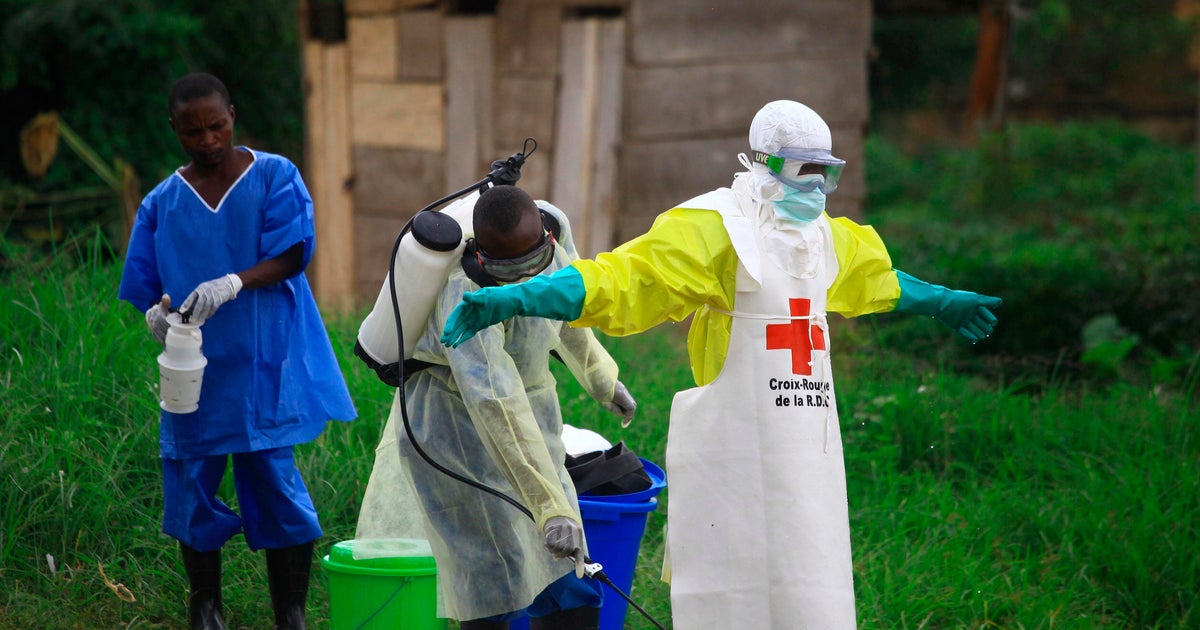
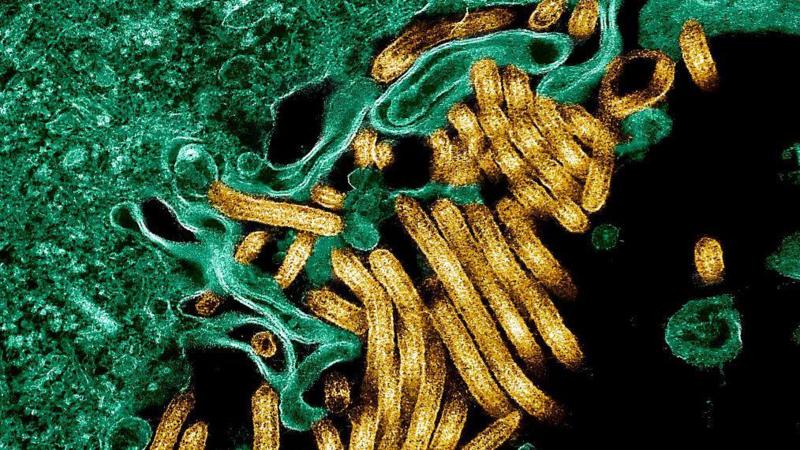
A new Ebola outbreak has been confirmed in Congo’s Ituri province, with 246 suspected cases and 65 deaths so far. Health officials are working with neighboring countries to improve disease monitoring and response efforts.
Key Facts
The outbreak is mainly in the Mongwalu and Rwampara health zones in Ituri province.
Four deaths are confirmed among lab-tested Ebola cases; more suspected cases await confirmation.
Ebola spreads through contact with infected bodily fluids like blood and vomit.
This is Congo’s 17th Ebola outbreak since 1976.
The last outbreak ended about five months ago, with 43 deaths recorded.
Ituri province is remote, with poor roads and ongoing armed conflicts.
Groups like the M23 rebels and ISIS-linked militants are active in the region.
Health agencies face difficulties delivering vaccines and supplies due to security and access issues.
Read the Original
Want the full story? Tap a source to open the original
article.
President Donald Trump met with Chinese President Xi Jinping in Beijing to discuss the ongoing war involving Iran, but no agreement was reached to end the conflict. China expressed strong opposition to the war and supports ceasefire efforts, while both nations agreed that the Strait of Hormuz should remain open for energy shipments.
Key Facts
The war involving Iran began on February 28 with attacks by the US and Israel, followed by Iranian missile and drone strikes in the region.
Over 3,000 Iranians have died during the conflict, according to Iranian government data.
China opposes the war and supports dialogue and ceasefire efforts, including a peace plan proposed by President Xi.
The US justifies the conflict as preventing Iran from developing nuclear weapons, although Iran denies such intentions.
The Strait of Hormuz is a crucial waterway for 20% of the world’s oil and gas shipments.
Iran has restricted shipping through the Strait since early March but requires vessels to negotiate passage and proposed charging fees.
The US imposed a naval blockade on Iranian ports in April, disrupting global energy supplies.
Both China and the US agree the Strait of Hormuz should stay open and oppose militarizing or charging tolls for its use.
Read the Original
Want the full story? Tap a source to open the original
article.
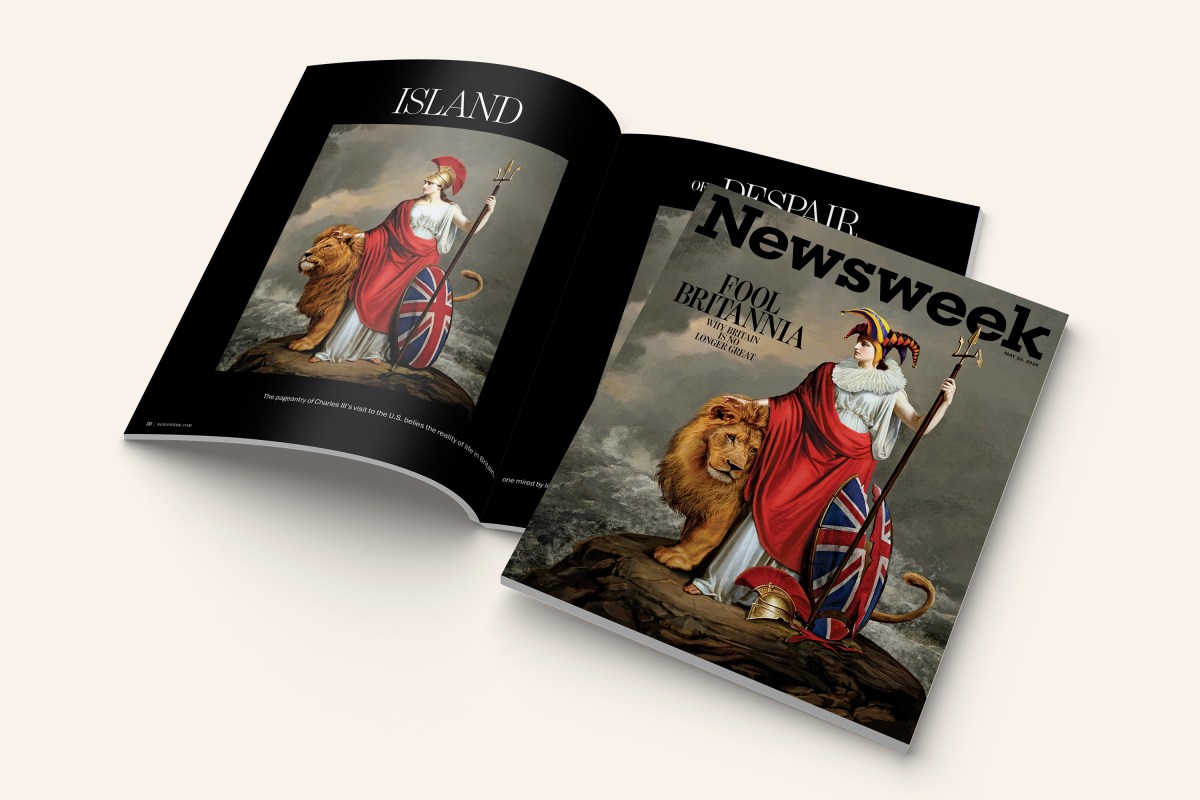
King Charles III visited the United States with traditional ceremonies and was welcomed by President Donald Trump. While the UK showed a face of stability abroad, at home it faces challenges like pollution, political divisions, and economic concerns, which have led many to talk about the country’s decline.
Key Facts
King Charles III arrived in the U.S. with formal ceremonies including a White House state dinner and an address to Congress.
President Donald Trump praised the king and reduced tariffs on British whisky.
In the UK, the Thames River had dangerous levels of E. coli bacteria before a major rowing event.
The famous Oxford-Cambridge Boat Race warned rowers about pollution in the river water.
Political leaders from different parties describe the UK as declining or struggling economically.
The Reform UK party, rising after Brexit, gained seats in local elections by promoting the message that “Britain is broken.”
The UK is still rich but ranks lower economically compared to many U.S. states.
Experts say ideas about Britain's decline have been discussed for many decades, but concerns are growing now.
Read the Original
Want the full story? Tap a source to open the original
article.
Support for Ukraine from Western countries, especially the U.S., is decreasing as the war with Russia continues. Poland, a key supporter and neighbor to Ukraine, is reducing its aid due to political changes, economic problems, and tensions between the two countries, which could weaken Ukraine’s defense and its chances to join the EU and NATO.
Key Facts
U.S. military aid to Ukraine dropped by 99% in 2025 compared to the average from 2022 to 2024.
Poland is the main route for military and humanitarian aid to Ukraine, handling about 90% of the supplies.
A new right-wing president and economic problems in Poland have led to less support for Ukraine.
Polish farmers protested in 2024 against cheap Ukrainian grain, blocking roads and delaying military aid to Ukraine.
Russian disinformation has aimed to increase tensions between Poland and Ukraine.
Nearly half (46%) of Poles supported ending or limiting military aid to Ukraine as of June 2023.
Support among Poles for Ukraine joining the EU fell from 85% in 2022 to 35% in 2025.
Historical conflicts, including wartime violence in the 1940s, contribute to current tensions between Poland and Ukraine.
Read the Original
Want the full story? Tap a source to open the original
article.
President Donald Trump and Chinese leader Xi Jinping held a two-day summit focused on improving trade and discussing the war in Iran. Both leaders showed positive tones and agreed on some shared goals, like reopening the Strait of Hormuz and preventing Iran from acquiring nuclear weapons, but no specific trade deals were announced.
Key Facts
The summit lasted two days and included a rare tour of Zhongnanhai, China's political complex.
President Trump highlighted possible Chinese purchases of American soybeans and airplanes but did not confirm any deals.
Both leaders expressed similar views on wanting to end the war in Iran and keeping the Strait of Hormuz open for shipping.
President Trump brought a large group of U.S. business leaders, including Elon Musk and Tim Cook, for meetings with Xi.
Xi Jinping said American businesses would have more opportunities in China but did not provide details.
China emphasized stability in U.S.-China relations to prevent future conflicts.
Both countries recognize that resolving the Iran war quickly benefits global economies.
China did not blame the U.S. for starting the Iran war or for the naval blockade, unlike some previous positions.
Read the Original
Want the full story? Tap a source to open the original
article.
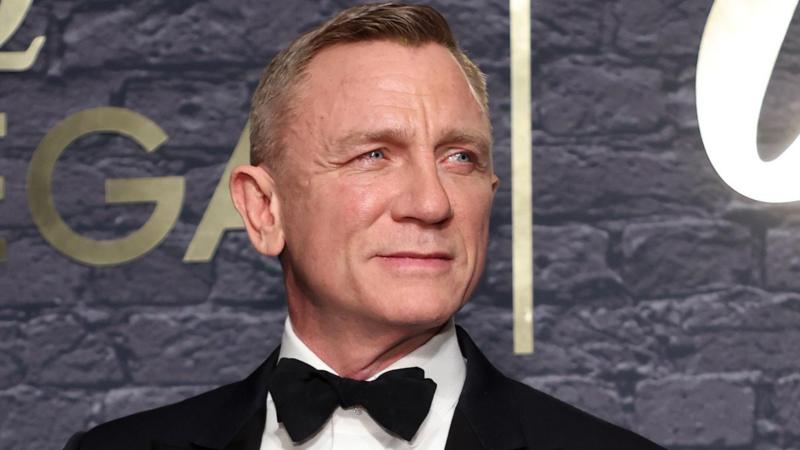
Amazon MGM Studios has officially started the search for the new actor to play James Bond, following Daniel Craig’s final film five years ago. Auditions are happening now, and the next Bond movie will be directed by Denis Villeneuve and written by Steven Knight.
Key Facts
Daniel Craig played James Bond for 15 years and five films, ending with No Time To Die.
Amazon MGM Studios took control of the Bond franchise 15 months ago.
Denis Villeneuve, director of Dune, will direct the next Bond film.
Steven Knight, creator of Peaky Blinders, will write the script.
Casting director Nina Gold, known for big franchises like Star Wars and Jurassic Park, is leading the search.
Leading actors rumored for the role include Callum Turner, Jacob Elordi, Harris Dickinson, Henry Cavill, Aaron Taylor-Johnson, and Theo James.
The search aims to find a fresh take on Bond while respecting the character’s legacy.
No official announcement has been made about the casting details yet.
Read the Original
Want the full story? Tap a source to open the original
article.
Chinese President Xi Jinping praised the new "constructive and strategic" relationship between China and the United States during a meeting with US President Donald Trump in Beijing. During Trump's visit, Xi offered to send Trump some large roses from Zhongnanhai gardens.
Key Facts
President Donald Trump toured the Zhongnanhai gardens in Beijing.
Xi Jinping noticed Trump was impressed by the large roses in the gardens.
Xi offered to send some of the roses to President Trump.
Xi described the relationship between China and the US as "constructive and strategic."
The meeting happened near the end of Trump's trip to China.
The visit aimed to strengthen ties between the two countries.
Read the Original
Want the full story? Tap a source to open the original
article.
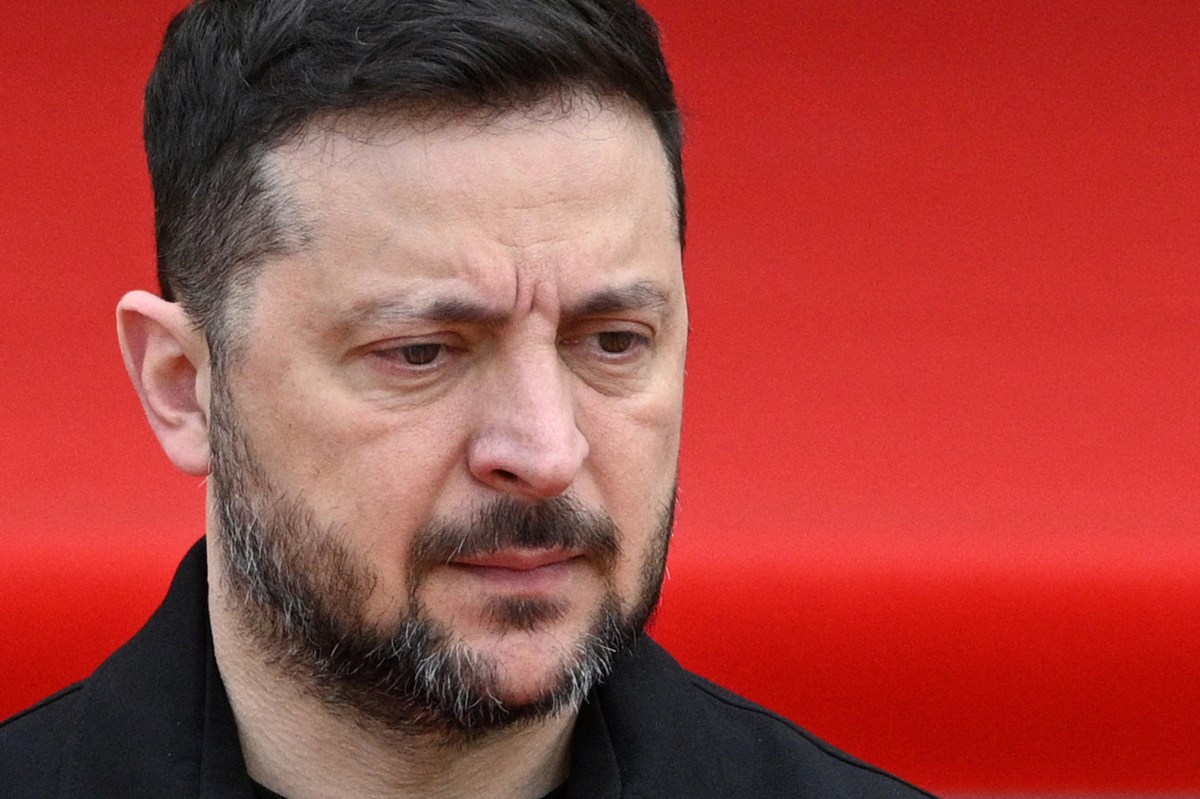
At least 24 people, including three children, were killed in a Russian missile and drone attack on Kyiv, Ukraine. Ukrainian President Volodymyr Zelenskyy described the attack as one of the deadliest since Russia's full-scale war began and called for continued pressure on Russia. Meanwhile, Finland and Latvia issued alerts over potential drone incursions but reported no actual attacks.
Key Facts
At least 24 people died in a Russian attack on Kyiv, including three children.
The attack damaged and demolished a section of an apartment building.
President Zelenskyy and Ukrainian officials visited the damaged site after the attack.
Ukraine stated this was one of the deadliest attacks on Kyiv since the war’s start.
Russia and Ukraine exchanged 205 prisoners of war each, part of a larger planned swap.
Finland and Latvia raised alerts for possible drone incursions but reported no actual attacks.
Latvian Prime Minister resigned amid controversy related to drone incursions on Latvian territory.
Finland’s Prime Minister and President confirmed no direct military threat to Finland and praised quick responses to the drone alerts.
Read the Original
Want the full story? Tap a source to open the original
article.
A 15-year-old boy was shot and killed in Nantes, France, in what police believe was a drug-related shooting. The attack, which also injured two other teenagers, happened in a residential area known for drug trafficking. France’s Interior Minister has promised to fight drug crime and plans to increase fines for drug users.
Key Facts
A 15-year-old teenager was shot dead in a tower block hallway in Nantes, France.
Two other teenagers, aged 13 and 14, were wounded in the same shooting.
The shooting is believed to be connected to drug dealing disputes.
The neighborhood where the shooting took place is known for drug trafficking near homes.
Residents expressed fear and frustration over rising violence and insecurity.
France’s Interior Minister Laurent Nunez visited the scene and vowed to combat drug crime.
The government plans to increase fines for drug consumption from 200 to 500 euros.
There is also a proposal to suspend or remove driving licenses for drug offenders.
Read the Original
Want the full story? Tap a source to open the original
article.
The United States is planning to charge former Cuban leader Raul Castro over a 1996 incident when Cuba shot down planes flown by an anti-Castro group. This move comes as the US increases pressure on Cuba’s government through a fuel blockade and offers humanitarian aid in exchange for political reforms.
Key Facts
The US may indict Raul Castro, the 94-year-old former Cuban president and brother of Fidel Castro.
Charges relate to the 1996 downing of planes flown by Brothers to the Rescue, an anti-Castro group.
Raul Castro remains a powerful figure in Cuba despite no longer being president.
Approval by a grand jury is required before formal charges can be filed.
CIA Director John Ratcliffe recently met Cuban officials in Havana and offered $100 million in aid linked to political reforms.
The US has imposed a fuel blockade, stopping nearly all fuel supplies to Cuba, causing shortages and blackouts.
President Donald Trump, in his second term, has taken a tough stance on Cuba, aiming to end its communist government.
The US Attorney’s Office in Florida is leading efforts to investigate criminal charges against Cuban officials.
Read the Original
Want the full story? Tap a source to open the original
article.
A new outbreak of Ebola has been confirmed in the eastern Ituri province of the Democratic Republic of Congo (DR Congo), with 246 cases and 65 deaths reported. Health authorities and international partners are working together to manage the situation and prevent the virus from spreading across borders.
Key Facts
The outbreak is mainly in Mongwalu and Rwampara areas of Ituri province.
Four of the 65 deaths were confirmed to be caused by Ebola through laboratory tests.
Preliminary tests found the Ebola virus in 13 out of 20 samples analyzed in DR Congo’s capital, Kinshasa.
Additional suspected cases have been reported in Bunia, Ituri’s provincial capital, with tests still pending.
Ebola spreads through direct contact with body fluids and causes severe symptoms including bleeding and organ failure.
There is no cure for Ebola, and it was first identified in 1976 in what is now DR Congo.
The deadliest Ebola outbreak in DR Congo occurred between 2018 and 2020, killing nearly 2,300 people.
Africa’s main health agencies and countries like DR Congo, Uganda, and South Sudan are coordinating their response to the outbreak.
Read the Original
Want the full story? Tap a source to open the original
article.