An Indonesian court convicted 19 people for trafficking at least 34 babies, many of whom were sent to Singapore for adoption. The verdict raises questions about what will happen to these babies, with no clear answers yet from either Indonesia or Singapore on whether the children should return to Indonesia or stay with their adoptive families.
Key Facts
A court in Indonesia found 19 people guilty of trafficking infants.
At least 34 babies were trafficked, with 12 sent to Singapore.
The babies were sold for adoption, causing concern for adoptive parents in Singapore.
Singaporean parents have undergone government checks but were unaware the babies might be trafficked.
Indonesian authorities say more work is needed to clarify the babies’ legal status and parentage.
Singapore has not yet provided an official response on the babies’ future.
Child rights groups in Indonesia argue trafficked children should be returned to their biological parents.
There is little information on what happens to trafficked children after rescue, especially those sent abroad.
Read the Original
Want the full story? Tap a source to open the original
article.
The International Mathematical Union awarded the Fields Medal to four mathematicians on July 23, 2026. This is a prestigious prize given every four years to outstanding math researchers under 40, and it honors discoveries in the field amid growing influence from artificial intelligence.
Key Facts
The Fields Medal is known as the Nobel Prize of mathematics.
This year’s winners are Hong Wang and Yu Deng from China, John Pardon from the United States, and Jacob Tsimerman from Canada.
Hong Wang is the third woman ever to receive this award since it began in 1936.
Wang solved a more than 100-year-old math puzzle called the Kakeya conjecture involving the smallest area a rotating pencil sweeps.
The prize includes a gold medal and 15,000 Canadian dollars (about US$17,000).
Winners must be under 40 years old at the time of the award.
The award ceremony took place at the International Congress of Mathematicians in Philadelphia.
The rise of AI is influencing mathematics and reshaping how the field works.
Read the Original
Want the full story? Tap a source to open the original
article.
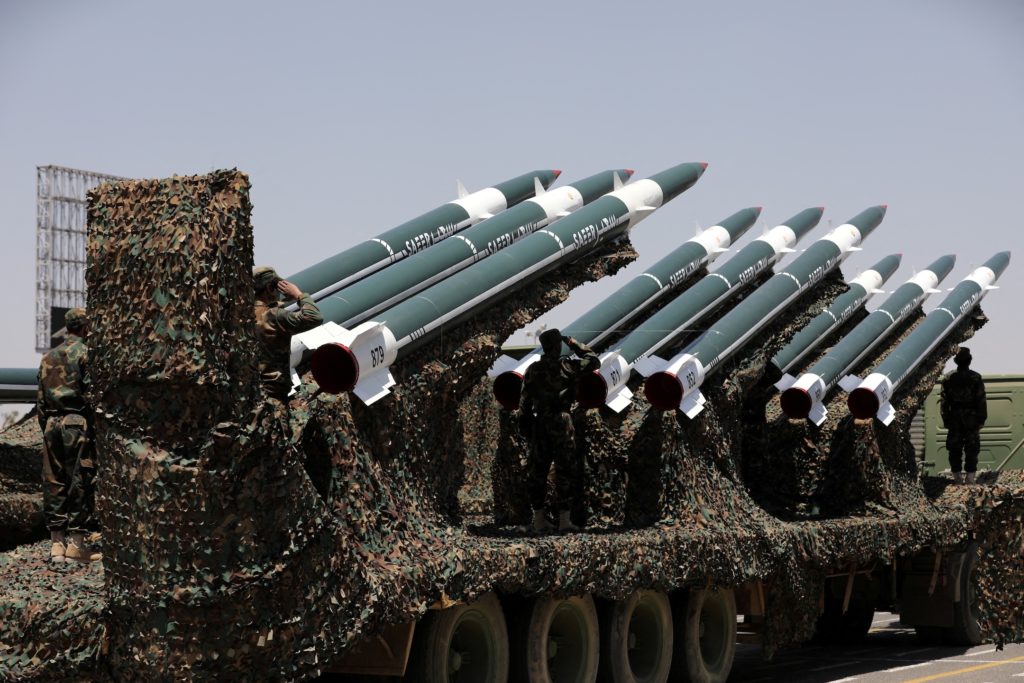
The Houthis have blocked the Bab al-Mandeb strait, a key shipping route in the Red Sea. This blockade could disrupt global trade and cause prices to rise around the world.
Key Facts
The Bab al-Mandeb strait is an important passage for ships traveling between Europe, Asia, and Africa.
The Houthis are a group involved in a conflict in Yemen.
Their blockade prevents ships from passing through this narrow waterway.
Many goods, including oil and products, move through this route.
The blockade could slow down shipments and increase shipping costs.
Higher transportation costs may lead to higher prices for goods worldwide.
This situation adds risks to global supply chains.
International attention is focused on resolving the blockage to restore trade flow.
Read the Original
Want the full story? Tap a source to open the original
article.
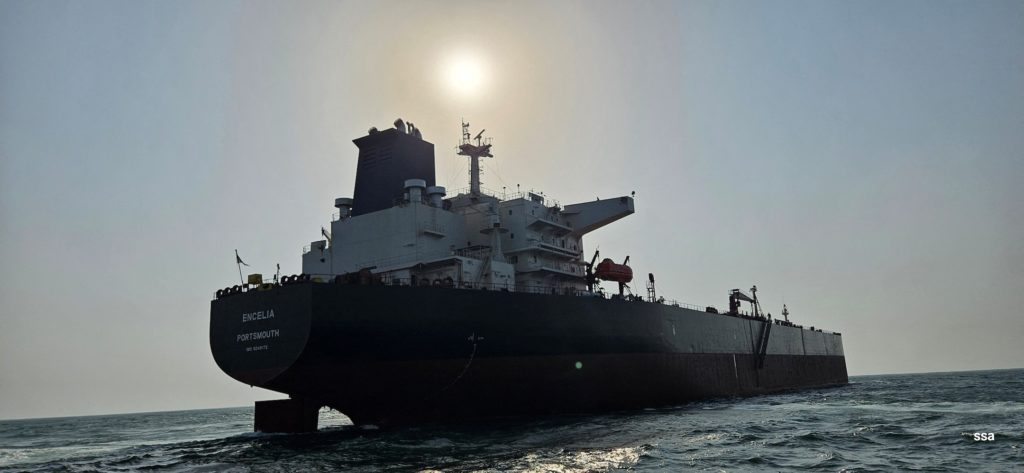
Houthi rebels in Yemen said they attacked two oil tankers in the Red Sea, causing oil prices to rise above $100 per barrel. President Trump warned the United States would respond with strong military action if another tanker is attacked and also raised concerns about possible conflict with Iran.
Key Facts
Houthi rebels in Yemen attacked two oil tankers in the Red Sea.
This caused international oil prices to rise above $100 per barrel.
President Trump threatened "major military punishment" if another tanker is attacked.
The Red Sea is a key route for global oil shipments.
President Trump warned of potential escalation involving Iran.
The attacks raise fears of disruptions to global energy supplies.
The situation increases tensions in the region affecting international relations.
Read the Original
Want the full story? Tap a source to open the original
article.
A former U.S. diplomat, Timothy Lenderking, discussed the Houthi group's attempts to block shipping in the Red Sea. He has experience as a special envoy to Yemen and worked in U.S. government roles related to the Middle East.
Key Facts
Timothy Lenderking is a former U.S. diplomat focused on Yemen and the Near East.
He served as special envoy to Yemen during his government career.
Lenderking also worked as acting assistant secretary for Near East Affairs.
He now works at the law firm Squire Patton Boggs.
The discussion centers on Houthi attacks targeting shipping routes in the Red Sea.
Houthis are a group involved in conflict in Yemen and the surrounding region.
Blocking Red Sea shipping affects trade and international maritime traffic.
The interview aims to provide expert insight into the regional security situation.
Read the Original
Want the full story? Tap a source to open the original
article.
Eight Arab and Muslim-majority countries criticized the entry of Israeli settlers and far-right groups into the Al-Aqsa Mosque compound in East Jerusalem. They condemned the Israeli police for protecting the actions and called for Israel to stop restricting access to this important religious site.
Key Facts
The countries condemning the incident are Egypt, Indonesia, Jordan, Pakistan, Qatar, Saudi Arabia, Turkiye, and the United Arab Emirates.
More than 4,200 Israeli settlers and far-right groups entered the Al-Aqsa Mosque area on a Jewish day of mourning called Tisha B’Av.
Israeli police protected the settlers and blocked many Palestinian worshippers and students from entering.
Israel captured East Jerusalem in 1967 and annexed it in 1980, but this annexation is not recognized internationally.
The International Court of Justice ruled in 2024 that Israel’s occupation of East Jerusalem is illegal.
The Jerusalem Waqf, appointed by Jordan, manages the Al-Aqsa Mosque under an agreed “status quo.”
The joint statement called the storming a violation of this status quo and an attempt to change the site's history and legal status.
The countries urged Israel to lift restrictions and asked the international community to ensure Israel respects the holy sites.
Read the Original
Want the full story? Tap a source to open the original
article.
Indian activist Sonam Wangchuk stopped a 26-day hunger strike after talks with government ministers about leaked medical exam papers. However, student protests demanding the resignation of Education Minister Dharmendra Pradhan and broader reforms are continuing in several Indian cities.
Key Facts
Sonam Wangchuk ended his hunger strike on July 24, 2026, after discussions with government officials.
The hunger strike was in response to leaked medical school entrance exam papers affecting around 2 million students.
The leaked exam papers are linked to several student suicides.
Student-led protests are being organized by the Cockroach Janta Party (CJP), demanding the resignation of Education Minister Dharmendra Pradhan.
Protests have spread to multiple cities including Delhi, Ranchi, Pune, Thiruvananthapuram, and Kolkata.
Authorities shut down 16 metro stations in central Delhi and restricted mobile internet to manage protests.
Opposition parties have supported the youth protests and disrupted the Indian parliament session.
Prime Minister Narendra Modi encouraged Wangchuk to regain his health and urged protesters to join talks with the government.
Read the Original
Want the full story? Tap a source to open the original
article.
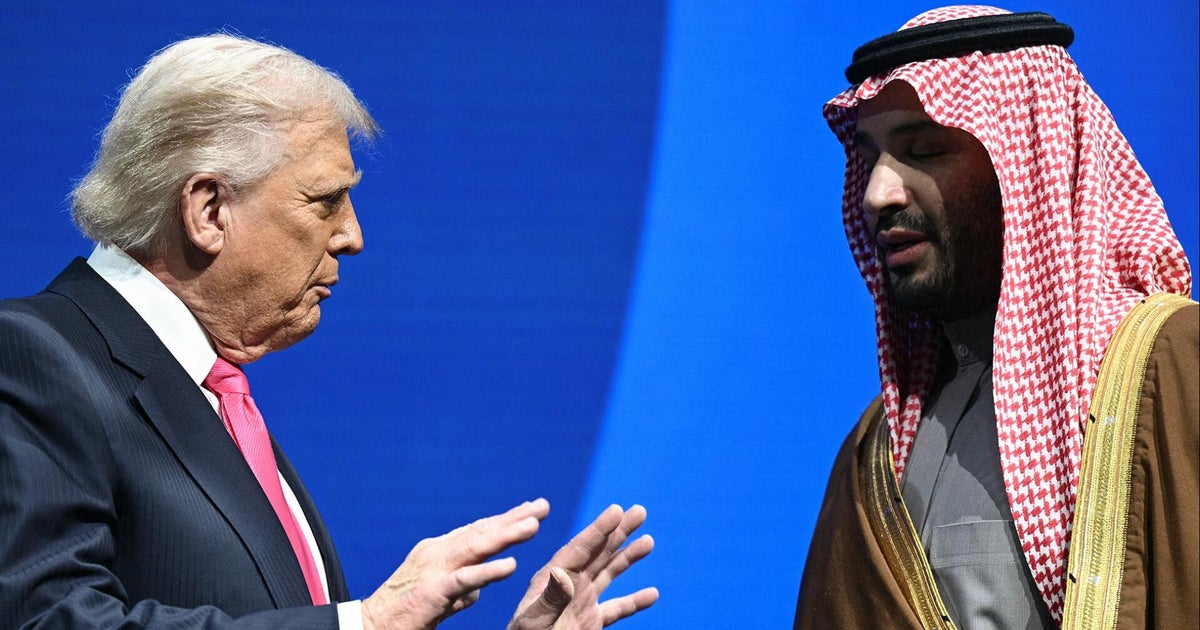
President Donald Trump signed a nuclear agreement with Saudi Arabia that depends on Saudi Arabia starting official diplomatic relations with Israel. Saudi Arabia has so far refused to establish these diplomatic ties.
Key Facts
The U.S. and Saudi Arabia signed a nuclear agreement.
President Trump said the agreement requires Saudi Arabia to have diplomatic relations with Israel.
Saudi Arabia has not agreed to establish diplomatic relations with Israel.
The deal was discussed on CBS News by foreign affairs experts.
The agreement is related to nuclear cooperation, which means sharing nuclear technology and resources.
Read the Original
Want the full story? Tap a source to open the original
article.
The UK government said it is prepared to protect itself after Iran warned that bases used by the US could be attacked. Iran’s military accused the UK of supporting US operations and threatened its bases, while President Donald Trump considered a large strike against Iran amid ongoing tensions.
Key Facts
The UK allows the US to launch defensive operations from British bases but does not support offensive attacks.
Iran’s Islamic Revolutionary Guard Corps (IRGC) said any base used against Iran is a legitimate target.
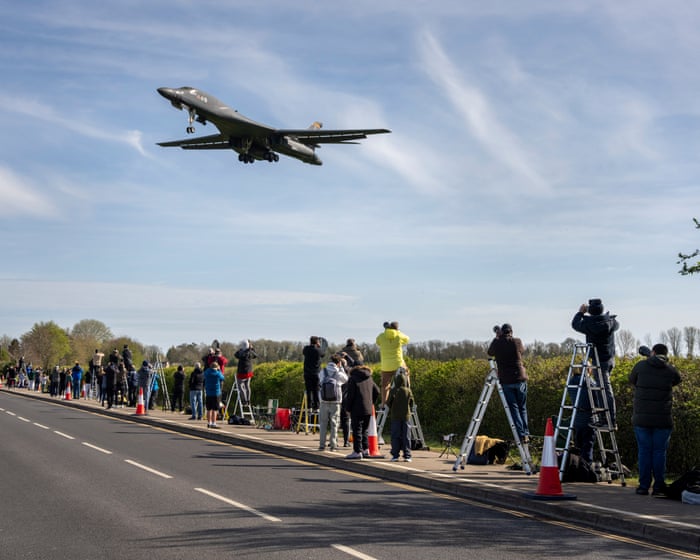
The IRGC claimed US bombing missions came from RAF Fairford in England.
The UK government stated its armed forces are ready to defend the country using advanced air and missile defenses.
Iran has fired missiles at UK bases, including Diego Garcia and Akrotiri, with some attacks being intercepted or partially failing.
Iran has targeted US bases in the Gulf, killing some US service members.
President Donald Trump said Iran would “pay a big price” and is considering a large military strike.
Yemen’s Iran-backed Houthi rebels attacked two Saudi oil tankers amid rising tensions and high oil prices.
Read the Original
Want the full story? Tap a source to open the original
article.
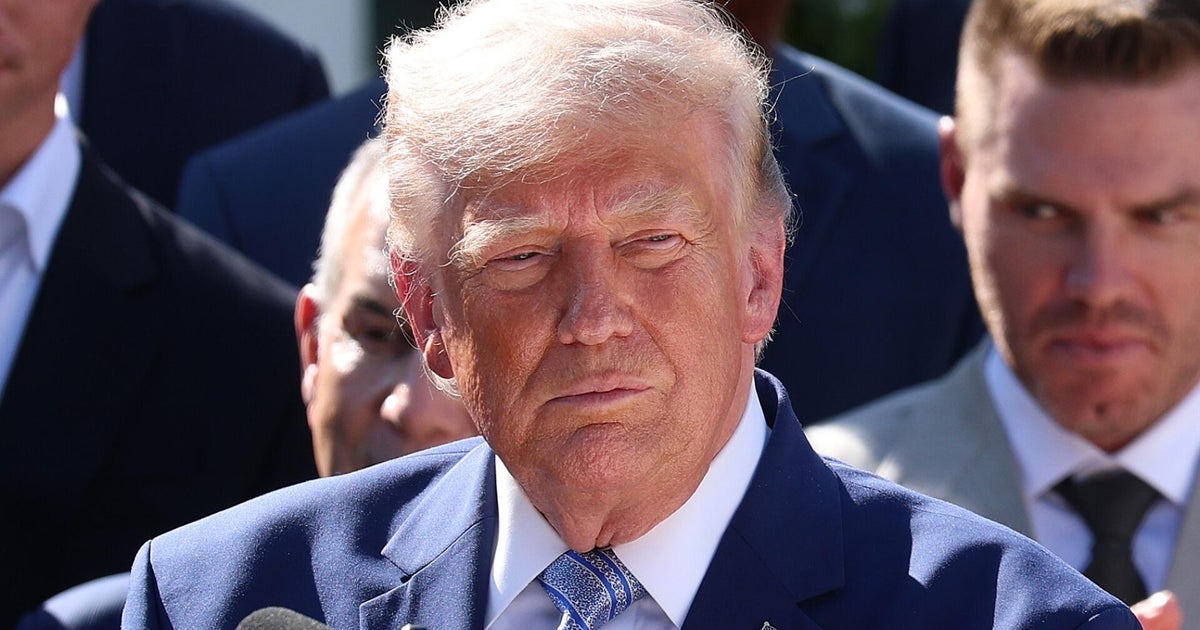
President Donald Trump told Axios on Thursday that he is thinking about launching a large military attack on Iran, describing it as possibly "bigger than ever before." This suggests a potential major increase in conflict between the U.S. and Iran.
Key Facts
President Trump said he is considering a "massive attack" on Iran.
He described the potential attack as larger than anything before.
The statement was made during an interview with Axios.
This could signal an escalation in U.S.-Iran tensions.
The news report was shared by CBS News with input from their White House correspondent Nancy Cordes.
Read the Original
Want the full story? Tap a source to open the original
article.
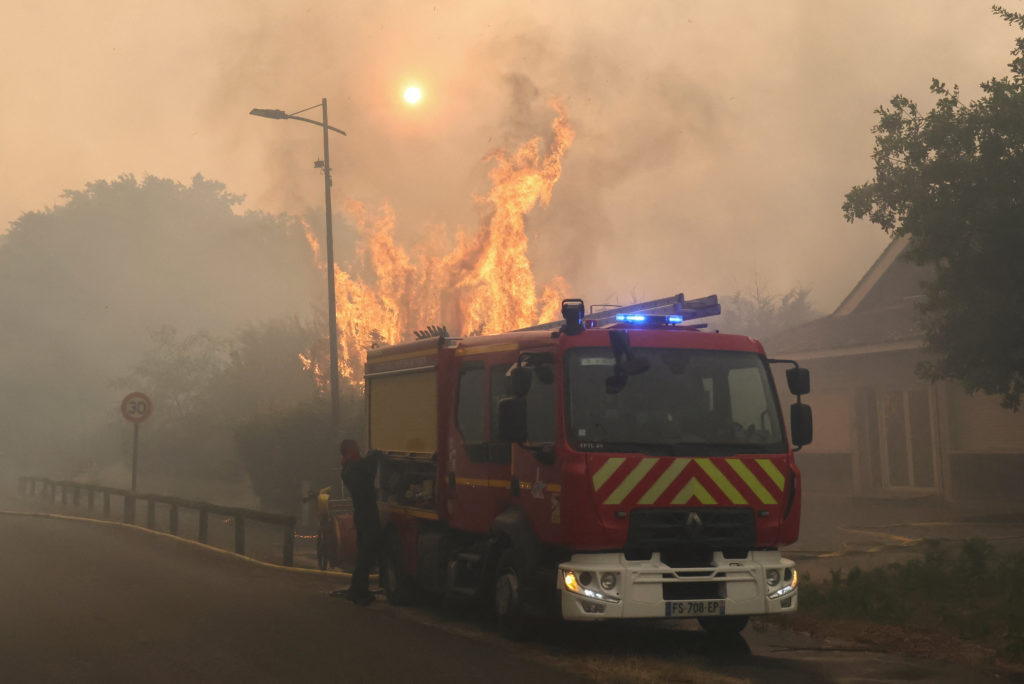
About 20,000 people were evacuated from towns and resorts near the French Atlantic coast due to a large wildfire spreading near Lège-Cap Ferret. Hundreds of firefighters, including water bombers, are working to control the fire, which has burned over 31 square kilometers but has not caused injuries. Wildfires are also affecting other parts of Europe, including Italy and Spain, amid very hot and dry weather conditions.
Key Facts
The wildfire near Lège-Cap Ferret in southwest France covers more than 31 square kilometers (12 square miles).
Around 20,000 people, including tourists and residents, were evacuated from several areas as the fire got close to homes.
About 700 firefighters, including teams from Paris, have been deployed to fight the fire with water bombers.
The fire remains not fully controlled but contained to the north of Lège.
Southern Europe has experienced many wildfires this summer due to high heat, dry weather, and climate change increasing fire risks.
Over 12,500 wildfires have occurred in France this year, burning almost 44,000 hectares.
In Italy, a firefighter died while battling fires in Sicily, and Spain is also fighting major blazes amid a heat wave.
Some wildfires in Spain have led to evacuations, destruction of homes, and temporary disruption of train services.
Read the Original
Want the full story? Tap a source to open the original
article.
Belarus is deeply involved in the conflict between Russia and Ukraine due to its location and its leader, President Alexander Lukashenko, who is closely connected to Russia’s President Vladimir Putin. Opposition leader Sviatlana Tsikhanouskaya spoke about the difficult situation in Belarus and the people’s desire for democracy.
Key Facts
Belarus shares a border with Ukraine and Russia.
President Alexander Lukashenko has strong ties to Russian President Vladimir Putin.
Belarus has a population of around 9 million people.
The country is led by a government described as dictatorial.
The conflict in Ukraine greatly affects Belarus politically and socially.
Opposition leader Sviatlana Tsikhanouskaya is active in speaking out about Belarus’s political issues.
Many Belarusians hope for a more democratic government.
Read the Original
Want the full story? Tap a source to open the original
article.
Indonesian cultural artifacts from Papua that were taken illegally to the United States have been returned. The handover happened during a meeting between Indonesian President Prabowo Subianto and FBI Director Kash Patel in Jakarta.
Key Facts
The artifacts come from Indonesia’s Papua region.
They were taken without permission and brought to the U.S.
Indonesian officials confirmed the return of the artifacts.
The handover took place at President Prabowo Subianto’s home in Jakarta.
FBI Director Kash Patel attended the meeting where the artifacts were returned.
Read the Original
Want the full story? Tap a source to open the original
article.
A new art exhibit at Cape Cod is featuring paintings by Avital Sagalyn, who worked there in the 1940s. She chose to stay largely unknown during her life, but her artwork is now gaining more recognition.
Key Facts
The exhibit is located at the tip of Cape Cod.
Avital Sagalyn spent two summers painting there in the 1940s.
She intentionally remained mostly unknown in the art community during her life.
Her paintings are now attracting more attention and appreciation.
Jared Bowen from GBH Boston highlights her work in an arts series called CANVAS.
Read the Original
Want the full story? Tap a source to open the original
article.
California’s state flag shows a grizzly bear, but these bears disappeared from the state about 100 years ago. A new law proposal asks the state to look into whether it is possible to bring grizzly bears back to California and where they could live safely.
Key Facts
Grizzly bears once lived all across California but were wiped out by the 1920s.
The California flag’s bear represents this extinct grizzly population.
Senator Laura Richardson introduced a bill to study the possibility of reintroducing grizzlies.
The bill asks the California Department of Fish and Wildlife to create a plan, but it does not provide money for the study.
Some rural groups oppose the idea because they worry about bears living near people and livestock.
At least 40 Native American tribes and environmental groups support the bill.
A 2025 study found parts of California’s north coast, mountains, and national parks might be good homes for grizzlies.
The study suggests starting with about 25 grizzly bears if reintroduction happens.
Read the Original
Want the full story? Tap a source to open the original
article.
Canada is working to negotiate a trade deal with the United States while preparing to respond if President Donald Trump’s planned 50% tariffs on Canadian goods begin on August 19, 2026. Prime Minister Mark Carney said Canada prefers to reach an agreement but will take action if the tariffs start.
Key Facts
President Donald Trump announced 50% tariffs on many Canadian products, starting August 19, 2026.
The tariffs cover goods like honey, liquor, cement, dairy, wood products, and hockey sticks, but exclude energy, potash, fish, and critical minerals.
These tariffs affect items previously protected under the USMCA trade agreement, which is no longer renewed by the U.S.
Prime Minister Mark Carney said Canada is intensifying trade talks with the U.S. and keeping all options open if no deal is reached.
Carney believes the tariffs might be a negotiation tactic and says there is willingness on the U.S. side to make a deal.
Canadian provinces and the federal government are united in their approach to this trade issue.
Canada is also working to diversify its economy and build trade relations with countries other than the U.S.
An analysis estimates the tariffs could impact about 5% of U.S. imports from Canada, approximately $19.8 billion Canadian exports yearly, especially affecting Ontario, Quebec, and British Columbia.
Read the Original
Want the full story? Tap a source to open the original
article.
The Ashaninka Indigenous people in Brazil’s Amazon face increasing threats from criminal gangs using their land for drug trafficking routes. Despite asking for protection, they receive only temporary security while the risks remain. Protecting Indigenous territories is important to fight deforestation and crime but remains a challenge in remote Amazon areas.
Key Facts
The Ashaninka community recovered their Amazon territory along the Brazil-Peru border about 30 years ago.
They have created their own system to govern the land and practice sustainable farming.
Criminal groups, including drug traffickers, are invading Ashaninka land and using it for cocaine routes.
The Solimoes River route is a key path for moving cocaine from Peru, Colombia, and Bolivia to Brazilian ports.
The Brazilian gang Red Command largely controls this drug trafficking route.
Authorities send security forces, but their presence is often temporary and insufficient.
Indigenous people’s remote location, language differences, and lack of continuous government support increase their vulnerability.
Experts say protecting Indigenous lands helps reduce deforestation and fights crime in the Amazon.
Read the Original
Want the full story? Tap a source to open the original
article.
President Donald Trump paused the Saudi Arabia nuclear deal soon after it was signed. He said the deal depends on Saudi Arabia agreeing to normalize relations with Israel.
Key Facts
The Saudi nuclear deal was signed recently but is now being questioned by President Trump.
President Trump made the deal conditional on Saudi Arabia having normal relations with Israel.
This announcement came less than 24 hours after the deal was signed.
Sources had earlier described the deal differently, making this change surprising.
The new demand links the nuclear deal to the Abraham Accords, which promote peace between Israel and Arab countries.
It is unclear if this represents a complete reversal or a change in approach.
The situation shows ongoing shifts in Middle East diplomacy.
Read the Original
Want the full story? Tap a source to open the original
article.
On the biggest stories we show what the outlets agree on and where they differ. Readers keep that going, and get the daily digest by email every morning. Most choose $3.99/month.
Abderrahim Fakir, a man born in Morocco, died after being restrained by police in Bologna, Italy. His death has led to protests and calls for more police accountability in the country.
Key Facts
Abderrahim Fakir was born in Morocco.
He died following police restraint in Bologna, Italy.
The incident has caused public protests.
People are demanding better police accountability.
The case has sparked discussions about police behavior in Italy.
Read the Original
Want the full story? Tap a source to open the original
article.
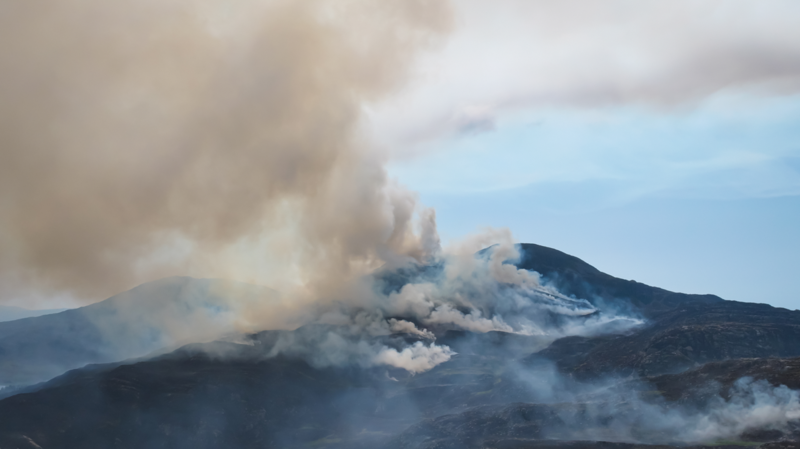
Satellite images have detected large wildfires in north Wales, burning around 951 hectares of the Rhinogydd mountains. A firefighting helicopter is being sent to help tackle the fires, while ground crews continue working to control multiple blazes across Wales.
Key Facts
The wildfire in the Rhinogydd mountains, Gwynedd, began earlier in July and has burned about 951 hectares (2,350 acres).
NASA’s FIRMS satellite detected heat from several fires in Wales, including Blaenavon, Presteigne, and Pentre Halkyn.
Natural Resources Wales is deploying a specialist firefighting helicopter to support the response in the Rhinogydd area.
The Welsh government activated crisis management due to the wildfire situation.
Police have warned people not to enter restricted wildfire areas, as it is dangerous and may lead to legal action.
Smoke from the Blaenavon fire has reached as far as Cardiff and caused air quality issues in some areas.
Fires at Rhinogydd and Blaenavon are currently the most serious and remain active, requiring ongoing firefighting efforts.
Emergency services also responded to a fire on Kilvey Hill in Swansea and advised residents nearby to keep windows and doors closed due to smoke.
Read the Original
Want the full story? Tap a source to open the original
article.