Neutral summaries of your favorite news sources — just the facts.
Your favorite news sources, one neutral feed — we distill their reporting into fact-first
summaries and always link to the original story. How it works
World News
Comprehensive coverage of international news and global events
President Donald Trump’s attitude toward Taiwan has become less clear during his second term, causing uncertainty about U.S. support for Taiwan ahead of his summit with Chinese President Xi Jinping. While Trump approved a large arms sale to Taiwan, he has hesitated to deliver weapons and discussed the sale with Xi, leading to questions about America’s commitment to Taiwan’s defense.
Key Facts
President Trump authorized an $11 billion arms sale to Taiwan, the largest ever.
Delivery of the weapons has not yet happened, and Trump has spoken about the sale with China’s President Xi.
Trump has accused Taiwan of "stealing" American semiconductor business.
He is urging Taiwan to invest in U.S. semiconductor manufacturing and buy U.S. natural gas and crude oil.
China sees Taiwan as a breakaway province and wants it to be a main topic during the Trump-Xi summit.
U.S. officials and experts worry that Trump’s transactional approach could risk U.S. support for Taiwan.
Secretary of State Marco Rubio says U.S. policy toward Taiwan remains unchanged.
Chinese Foreign Minister Wang Yi called on the U.S. to make "right choices" to maintain stability between China and the U.S.
Read the Original
Want the full story? Tap a source to open the original
article.
President Donald Trump said the ceasefire with Iran is in serious trouble after he rejected Iran’s recent proposal. He criticized the proposal for not addressing concerns about Iran’s nuclear program.
Key Facts
President Trump said the ceasefire with Iran is “on life support.”
He rejected Tehran’s latest proposal.
Trump called the proposal “garbage.”
The proposal did not include any changes about Iran’s nuclear activities.
Trump made these comments while speaking from the Oval Office.
The issue focuses on ongoing tensions between the US and Iran.
Read the Original
Want the full story? Tap a source to open the original
article.
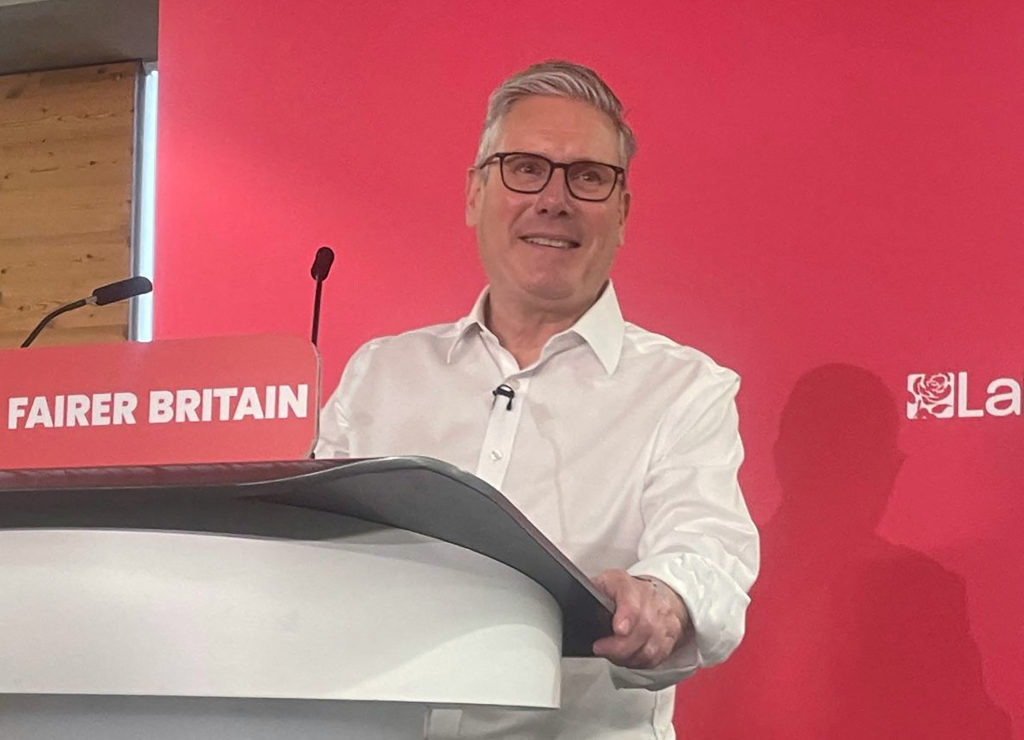
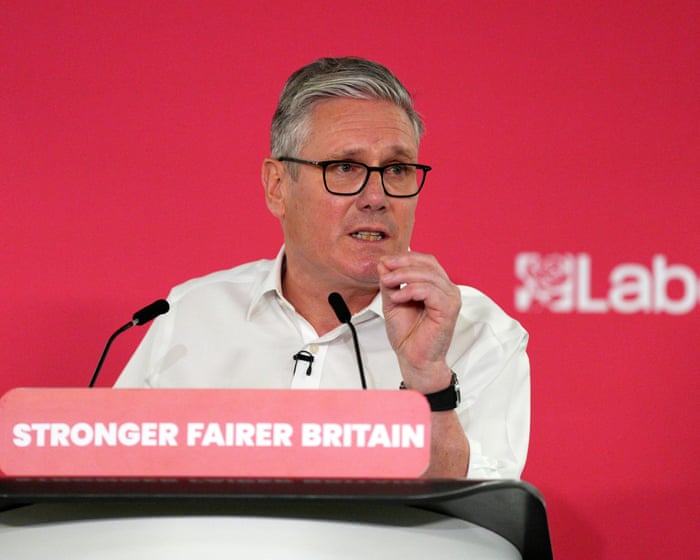
British Prime Minister Keir Starmer promised to prove his critics wrong after his Labour Party lost many local elections. He plans to bring the UK closer to the European Union and focus on improving the economy, public services, and fairness in the country.
Key Facts
Starmer’s Labour Party suffered heavy losses in recent local elections in England, Scotland, and Wales.
Many Labour lawmakers have called for Starmer to step down or announce a departure date.
Starmer pledged to face challenges and restore hope to people tired of the current state of the country.
He warned against the rise of Reform UK, an anti-immigration party led by Nigel Farage.
The Labour Party is dealing with internal criticism and concerns about cronyism and leadership.
Starmer announced plans to nationalize British Steel to save industrial jobs.
He wants to improve ties with the European Union and has already eased some trade restrictions.
Starmer aims to secure agreements, like youth mobility deals, to allow young Britons to work in Europe.
Read the Original
Want the full story? Tap a source to open the original
article.
The captain of the ship MV Hondius sent a message thanking everyone for their unity and strength during a hantavirus outbreak on board. The crew and passengers are working together to handle the situation.
Key Facts
The MV Hondius ship experienced a hantavirus outbreak.
The captain expressed gratitude for the teamwork and support shown.
Crew and passengers remain united amid the health issue.
Hantavirus is a virus that can cause serious illness in humans.
Efforts are ongoing to manage the outbreak on the ship.
Read the Original
Want the full story? Tap a source to open the original
article.
Some people who left the MV Hondius cruise ship, which had a hantavirus outbreak, tested positive for the virus after they returned home. This includes a French woman and two American passengers. US officials are checking the health of all American passengers who flew back.
Key Facts
The MV Hondius cruise ship had an outbreak of hantavirus.
Passengers, including Americans and French, evacuated the ship.
After returning home, one French woman and two US citizens tested positive for hantavirus.
US officials are reviewing the health of all Americans on the evacuation flight.
Hantavirus is a virus spread mainly by rodents and can cause serious illness.
Read the Original
Want the full story? Tap a source to open the original
article.
President Trump said the ceasefire with Iran is nearly failing after he criticized Iran’s response to a U.S. peace proposal. Iran’s reply included demands like ending the war everywhere, lifting U.S. sanctions, and stopping the naval blockade. The conflict is ongoing and continues to disrupt shipping in the Strait of Hormuz.
Key Facts
President Trump called the ceasefire “on life support” and dismissed Iran’s response as “stupid” and “garbage.”
The U.S. made a peace proposal aimed at restarting talks after 10 weeks of conflict.
Iran’s response demands an end to the war in all areas, including Lebanon, and compensation for war damages.
Iran wants the U.S. to lift sanctions, stop the naval blockade, and allow Iranian oil sales.
Iran claims its demands are about its legitimate rights and reasonable.
President Trump said only the U.S. and China can retrieve Iran’s enriched uranium stockpile.
There is mistrust between the U.S. and Iran due to past conflicts during negotiations.
The conflict is causing problems for global oil shipping as the Strait of Hormuz is effectively closed.
Read the Original
Want the full story? Tap a source to open the original
article.
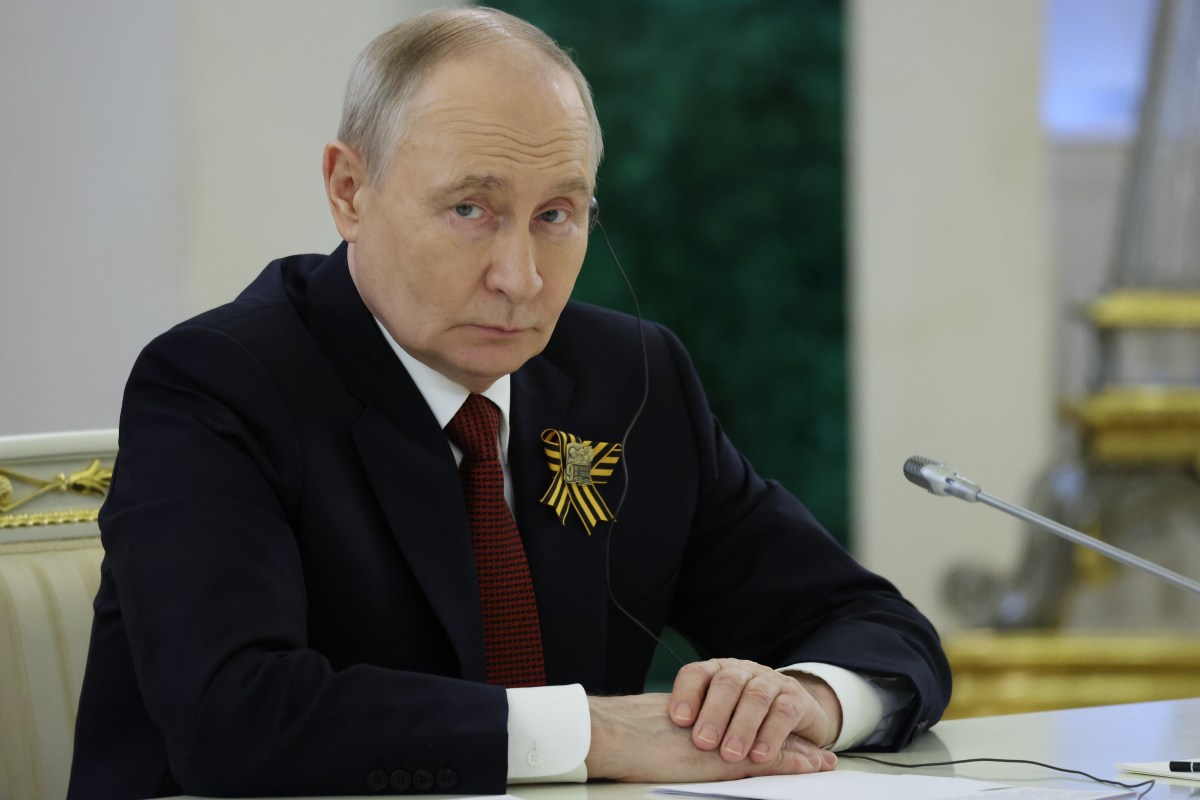
The European Union’s top diplomat, Kaja Kallas, said Russian President Vladimir Putin is in a weaker position now than earlier in the Ukraine war due to battlefield losses and growing unrest in Russia. Despite some signs of a possible truce, EU officials doubt Russia is ready for real peace talks, as Moscow still demands terms that go against Ukraine’s independence.
Key Facts
Kaja Kallas is the EU’s foreign policy chief.
She said Russia is losing lives in the war and facing increasing public dissatisfaction at home.
Putin’s recent statements suggest a possible end to the war, but EU leaders remain cautious about Moscow’s true intentions.
A U.S.-brokered ceasefire happened from May 9 to 11, but fighting continued during this truce.
Russia continues to insist on conditions that threaten Ukraine’s sovereignty.
Ukraine has conducted attacks inside Russian territory, which have affected Russian morale.
Putin suggested German ex-chancellor Gerhard Schröder could be a negotiator, but Kallas rejected this idea because of Schröder’s ties to Russian companies.
The EU believes continued pressure on Russia is necessary to prevent unwanted peace deals.
Read the Original
Want the full story? Tap a source to open the original
article.
Health officials are studying a case of the Andes strain of hantavirus in an American who shows no symptoms, raising questions about how the virus spreads in people without illness. The virus outbreak is linked to a cruise ship, with several cases and deaths reported, and some exposed people are being quarantined.
Key Facts
An American tested positive for the Andes hantavirus strain but has no symptoms.
The virus outbreak is connected to the MV Hondius cruise ship, with nine confirmed cases and three deaths.
Some exposed people, including Americans, are quarantined in Nebraska.
The Andes strain can spread between people, mostly through close and long contact.
The virus’s incubation period can be from several days to eight weeks, during which people may feel fine.
Asymptomatic cases make it harder to track and control the virus.
Hantavirus tests require special labs and include molecular and antibody tests.
Experts say hantavirus mostly spreads from infected rodents, but the Andes strain needs close attention because it can sometimes spread between people.
Read the Original
Want the full story? Tap a source to open the original
article.
The Pentagon publicly shared the location of a U.S. nuclear missile submarine after President Trump declined a recent peace offer from Iran. The submarine, belonging to the Ohio class, arrived in Gibraltar, a British territory near Spain, for a port visit.
Key Facts
The Pentagon revealed the position of a U.S. nuclear-armed submarine, which is unusual.
This announcement came one day after President Trump rejected a peace proposal from Iran.
The submarine is an Ohio-class ballistic missile submarine.
It arrived in Gibraltar, which is a British territory on the southern coast of Spain.
The U.S. Sixth Fleet reported the submarine’s arrival on a Monday.
The visit to Gibraltar was for a port stop, allowing time for rest and resupply.
Ohio-class submarines carry nuclear missiles and play a key role in U.S. defense.
Publicly announcing the submarine’s location is not common because these vessels usually operate in secret.
Read the Original
Want the full story? Tap a source to open the original
article.
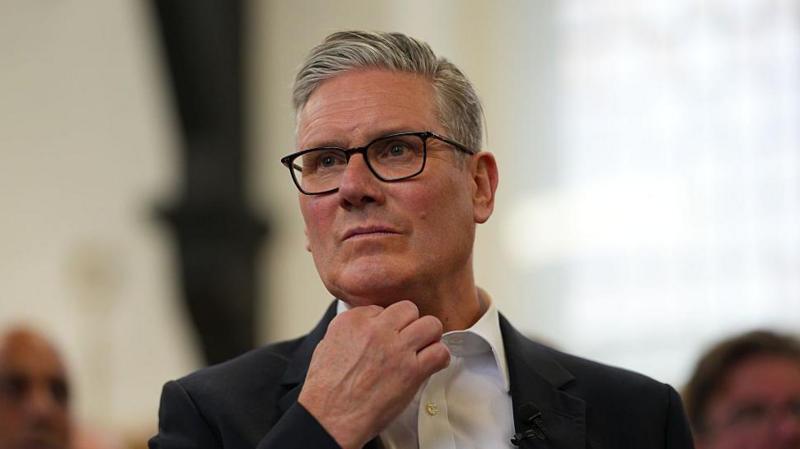
UK Prime Minister Sir Keir Starmer wants to improve the UK's relationship with the European Union, aiming for closer cooperation on the economy, trade, and defence. While the EU welcomes the idea of closer ties, they remain skeptical because progress so far has been limited, and key proposals to boost economic ties have not been made.
Key Facts
Sir Keir Starmer gave a speech calling for the UK to be "at the heart of Europe" again.
He wants stronger economic, trade, and defence links with the EU.
The EU respects the UK as a key partner on defence, especially regarding issues like Russia, Iran, and Ukraine.
The UK recently announced new sanctions against Russia.
EU officials feel the UK’s plans for economic cooperation are cautious and limited in scope.
Current talks mainly focus on areas like food safety, carbon trading, and youth schemes, which are small-scale agreements.
Some officials see Starmer’s push as lacking new or bold ideas to significantly improve economic ties.
The UK might consider joining the EU electricity market, but this is also a limited sector approach.
Read the Original
Want the full story? Tap a source to open the original
article.
More than 60 Labour MPs have asked Prime Minister Keir Starmer to set a plan for leaving his job. Starmer said he will not resign and will continue to lead, despite some MPs losing confidence in him.
Key Facts
Over 60 Labour MPs want Prime Minister Starmer to announce when he will step down.
Some MPs who support other Labour leaders, like Andy Burnham and Wes Streeting, joined the call for Starmer to leave.
Starmer said he will fight any leadership challenge and will not quit.
MPs say Starmer’s popularity has dropped and that hurt Labour in recent local elections.
Some junior Labour officials and new MPs also want Starmer to resign.
Others warn that changing leaders now might cause problems during tough economic times.
Some MPs fear a leadership fight could help political opponents like Nigel Farage.
Starmer's opponents want an orderly plan to choose a new Labour leader.
Read the Original
Want the full story? Tap a source to open the original
article.
Lake Powell, a major reservoir in the U.S. Southwest, is expected to receive only 13% of its usual water flow from April to July this year, marking the lowest level since it was created in 1963. This low inflow threatens water supply, farming irrigation, hydropower generation, and the overall health of the Colorado River system.
Key Facts
Lake Powell is part of the Colorado River system and supplies water to 40 million people and irrigates over 5 million acres of farmland.
The reservoir is forecasted to get about 800,000 acre-feet of water from April to July, down from the typical 6.15 million acre-feet (13% of normal).
Water levels are very low, with the reservoir at 23% full as of May 9 and only 39% of average storage for this time of year.
A dry winter and a record warm March caused less snowpack and faster snowmelt, reducing water flow into the lake.
Federal officials plan to release water from upstream Flaming Gorge Reservoir and reduce water flow downstream to Lake Mead to keep Lake Powell from dropping too low.
These actions may affect future water supplies, local economies, recreational activities, fish populations, and hydropower production at Glen Canyon Dam.
Above-average heat is expected in the western U.S., which could continue to reduce snowpack and water availability.
Experts suggest moving toward sustainable water management instead of emergency fixes.
Read the Original
Want the full story? Tap a source to open the original
article.
Mexican authorities arrested José Antonio Cortes Huerta, leader of a group linked to the Northeast Cartel, near the U.S. border. During the arrest, officials seized drugs, weapons, cash, vehicles, and seven tigers, which some cartels use as symbols of power.
Key Facts
José Antonio Cortes Huerta, 39, was arrested in Nuevo León, Mexico.
He leads a cell affiliated with the Northeast Cartel, a group active near the U.S. border.
Authorities recovered unknown narcotics, 10 guns, cash, 11 vehicles, six motorcycles, and seven tigers during the arrest.
The seven tigers are linked to cartel symbols of power and have been used to kill enemies.
The Northeast Cartel is a breakaway group from the Zetas crime syndicate and was designated a terrorist group by the U.S. in 2025.
The cartel traffics fentanyl, crystal meth, heroin, and cocaine, and controls smuggling routes on both sides of the border.
The arrest follows increased efforts by Mexico, supported by the U.S. government under President Donald Trump, to crack down on drug cartels.
Other recent actions include capturing leaders of the Jalisco New Generation Cartel and associates of drug lord Joaquín "El Chapo" Guzman’s brother.
Read the Original
Want the full story? Tap a source to open the original
article.
Israeli Prime Minister Benjamin Netanyahu said Israel wants to stop relying on U.S. military funding within 10 years. Currently, the U.S. provides about $3.8 billion a year in military aid to Israel, but Netanyahu hopes Israel’s stronger economy will cover its defense needs in the future.
Key Facts
Israel receives roughly $3.8 billion annually from the U.S. for military support.
This aid has made up nearly 20% of Israel’s defense budget in recent years.
Netanyahu wants to phase out U.S. financial help over the next decade.
The total U.S. military aid planned for Israel between 2018 and 2028 is $38 billion.
Israel’s economy is growing, which may help it pay for defense without U.S. aid.
The change could reduce U.S. influence over Israeli military decisions.
Public support for Israel in the U.S. has dropped recently, partly due to the ongoing conflict with Gaza.
A ceasefire in Gaza started in 2025, but violence and humanitarian problems continue.
Read the Original
Want the full story? Tap a source to open the original
article.
Israeli military strikes in southern Lebanon killed at least four people and injured eight others, including two medics trying to help victims. Despite an official ceasefire, fighting and air raids continue, with Israel warning residents of nine towns to evacuate due to alleged Hezbollah activity.
Key Facts
At least four people were killed and eight wounded in Israeli attacks in southern Lebanon.
Two medics were injured while aiding victims during one of the airstrikes.
One air raid hit the town of Ebba, killing two men and injuring five.
A drone strike targeted a car in Haris, killing one man and injuring his brother.
Israeli forces attacked multiple towns, including Nabatieh, Sajd, Kfar Rumman, and Safad al-Battikh.
Israel warned residents of nine towns in southern and eastern Lebanon to leave, citing Hezbollah presence.
Hezbollah and Israeli forces continue to fight, even though a ceasefire was declared on April 17 and extended to mid-May.
Since March 2, over 2,800 people have died and nearly 8,700 have been injured in Lebanon due to these attacks, with more than a million displaced.
The United States will host peace talks between Israel and Lebanon soon; Hezbollah opposes Lebanon’s government participation.
Read the Original
Want the full story? Tap a source to open the original
article.
Dr. Amesh Adalja from Johns Hopkins explains the Andes variant of hantavirus, a rare but serious virus that can spread from rodents to humans. Health experts say the risk of hantavirus to the general public is very low and quarantine is not usually needed for people exposed to it.
Key Facts
The Andes variant of hantavirus comes from rodents and can cause serious illness in humans.
It is rare and spreads mainly through contact with rodent droppings or saliva.
Dr. Amesh Adalja is a senior scholar at Johns Hopkins Center for Health Security and provided explanations about the virus.
Health officials say the chance of hantavirus spreading widely among people is very low.
Quarantine is not always required for people exposed to hantavirus, such as those on a cruise ship where cases were identified.
Symptoms can be severe, but early medical care helps improve outcomes.
Experts continue to monitor the situation to prevent outbreaks.
Read the Original
Want the full story? Tap a source to open the original
article.
Central and southern England experienced one of the driest Aprils on record, causing river levels to drop below normal. This has raised concerns about possible droughts and water shortages during the summer if dry weather continues.
Key Facts
April rainfall in central and southern England was 23% below average.
Some areas like Shoeburyness in Essex had the driest April ever, with only 0.6mm of rain.
Cambridgeshire and Bedfordshire received less than 5% of their average April rainfall.
Rivers and groundwater levels in central and southern England and eastern Scotland are expected to stay low over the next three months.
Northern and western Scotland are likely to have normal or above-normal river flows.
Southern Water, serving 2.7 million people in southern England, reported low rainfall but reservoir storage is at 92%.
Water companies monitor supplies closely to manage use and prepare for drought risks.
The Met Office predicts May may bring more rain, which could help ease dry conditions.
Read the Original
Want the full story? Tap a source to open the original
article.
The article emphasizes that it is important to start planning now for the possible outcomes in Iran, Ukraine, and Taiwan. Waiting too long could lead to bigger problems if these situations are not properly prepared for.
Key Facts
The article focuses on three regions: Iran, Ukraine, and Taiwan.
It highlights the need to plan for the final stages or "endgames" in these areas.
Preparing ahead can help manage the consequences of future events.
Failure to anticipate outcomes may lead to serious issues.
The exact events or outcomes are not detailed but are implied to be significant.
Read the Original
Want the full story? Tap a source to open the original
article.
Russian President Vladimir Putin said the war in Ukraine might be ending soon but gave no clear details. Experts say Putin has not changed his demand that Ukrainian troops leave the Donbas region, which Ukraine refuses, making peace talks difficult.
Key Facts
Putin suggested the war could be ending but did not explain how or when.
Russia wants Ukraine to withdraw troops from the Donbas area as part of any peace deal.
Ukraine has rejected leaving the Donbas, which is partly controlled by Russia.
A temporary three-day ceasefire was brokered by the United States recently.
Russia held a smaller-than-usual Victory Day parade with no military displays.
Russian experts believe Putin’s comments are aimed at his own citizens feeling the war’s strain.
Putin blames the West for escalating the conflict by supporting Ukraine.
Putin insists that peace talks must include his terms and suggests meetings with Ukraine’s president only in Moscow.
Read the Original
Want the full story? Tap a source to open the original
article.
A 72-hour ceasefire between Russia and Ukraine, arranged by the U.S., ended Monday with both sides accusing each other of breaking the agreement. Fighting continued, causing casualties in Ukrainian regions, while leaders prepare for a possible prisoner exchange amid stalled peace talks.
Key Facts
The U.S. brokered a 72-hour ceasefire between Russia and Ukraine that expired Monday.
Both Russia and Ukraine accused each other of violating the ceasefire.
Ukrainian regions Kharkiv and Kherson experienced attacks, killing at least two civilians and injuring seven, including a child.
Russia claims it followed the ceasefire, blaming Ukraine for breaking it.
Peace talks have repeatedly failed since the conflict began over four years ago.
President Trump announced the ceasefire to mark Russia’s Victory Day.
Approximately 1,000 prisoners from each side are planned to be exchanged.
Key disagreements remain: Russia wants full control of the Donbas region, while Ukraine refuses to surrender it.
European leaders debate how to engage with Russia, with some suggesting more direct talks while others call for a unified EU position.
Ukraine’s officials emphasize the importance of continued U.S. leadership in peace efforts.
Read the Original
Want the full story? Tap a source to open the original
article.