Neutral summaries of your favorite news sources — just the facts.
Your favorite news sources, one neutral feed — we distill their reporting into fact-first
summaries and always link to the original story. How it works
World News
Comprehensive coverage of international news and global events
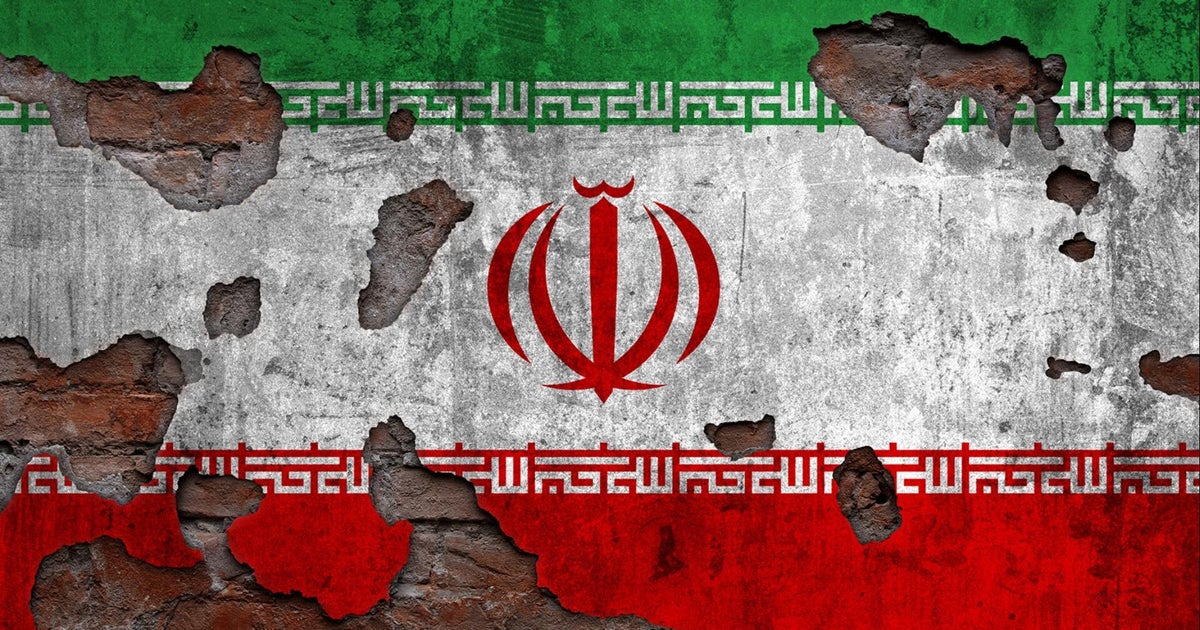
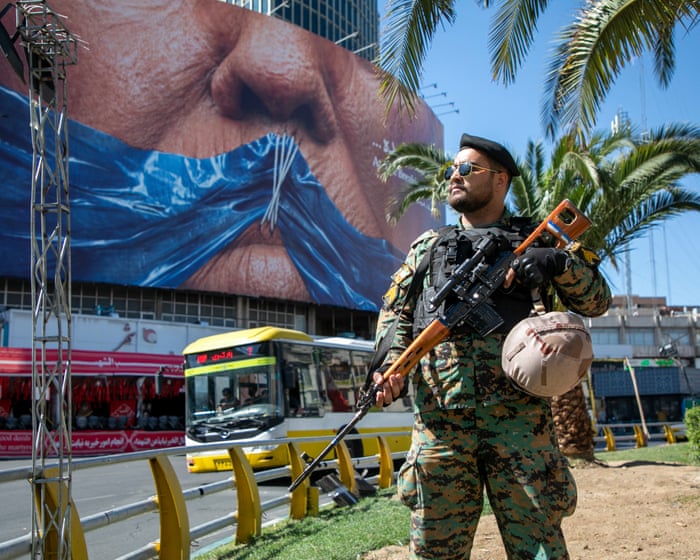
Iran presented a list of demands to the United States during nuclear talks, but President Donald Trump rejected the offer. Iran’s demands included war reparations, control over a key waterway called the Strait of Hormuz, and the lifting of U.S. sanctions, while Iran also delayed further talks.
Key Facts
Iran made a counteroffer to the U.S. in nuclear negotiations.
President Trump rejected Iran’s demands.
Iran asked for payment of war reparations.
Iran wants control over the Strait of Hormuz, an important shipping route.
Iran demands an end to U.S. sanctions placed on the country.
Iranian state media reported these demands.
The talks have been postponed as a result.
The New York Times reported on these developments.
Read the Original
Want the full story? Tap a source to open the original
article.
Since late March 2026, South Africa has seen a rise in violent attacks against African migrants, with at least seven people killed. The violence is connected to organized anti-migrant groups and worsened by high unemployment and inequality.
Key Facts
Videos posted online show violent attacks on people accused of being undocumented migrants in South Africa.
Protests against migrants have increased in cities like Durban and Johannesburg.
Two main anti-migrant groups involved are Operation Dudula and March and March.
Operation Dudula started in 2023 as a political party and March and March began in 2025 as a popular movement.
These groups blame undocumented migrants for job losses and insecurity.
The violence has a strong racial and nationality-based element called "xeno-racism."
Victims face threats, forced displacement, and looting of their businesses.
Fear of retaliation or lack of protection leads many victims not to report attacks.
Read the Original
Want the full story? Tap a source to open the original
article.
A U.S.-brokered ceasefire between Russia and Ukraine ended after three days with both sides blaming each other for continued attacks. Despite the ceasefire, fighting continued in parts of Ukraine, while leaders prepared for a prisoner exchange and discussions about future peace talks.
Key Facts
The ceasefire lasted from Saturday to Monday and was arranged by the United States.
Ukraine reported Russian drone strikes, bombs, and shelling in Kharkiv and Kherson regions, causing civilian casualties.
Russia’s Defense Ministry denied violating the ceasefire and accused Ukraine of breaking the truce.
Military activity decreased but did not fully stop during the ceasefire period, according to NASA data analyzed by the Institute for the Study of War.
President Donald Trump announced the ceasefire after talks with Russian President Vladimir Putin and Ukrainian President Volodymyr Zelenskyy.
Both sides are preparing to exchange 1,000 prisoners each.
Russia demands control of the Donbas region, but Ukraine refuses to give it up.
European leaders are considering a larger role in peace efforts, while direct talks between Russia and Ukraine remain difficult.
Read the Original
Want the full story? Tap a source to open the original
article.
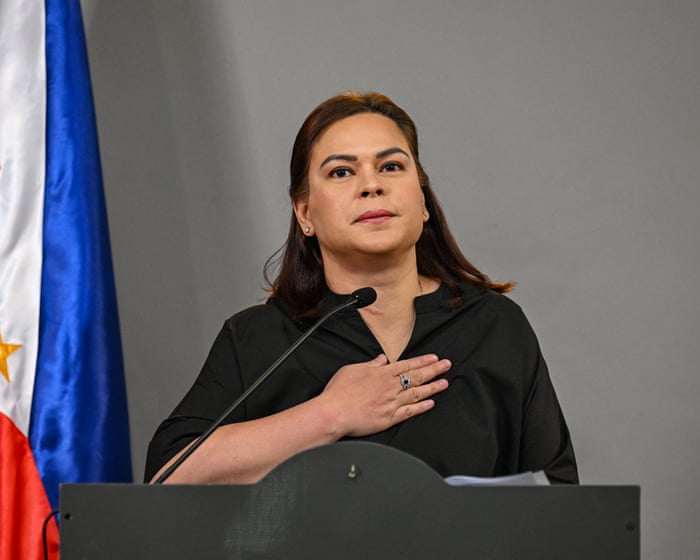
Philippine Vice-President Sara Duterte was impeached by the lower house of Congress over accusations of misusing public funds, unexplained wealth, and threatening the lives of President Ferdinand Marcos Jr and his family. The case now moves to the Senate for trial, where if convicted, she could be banned from holding public office and lose her chance to run for president in 2028.
Key Facts
Sara Duterte is the daughter of former President Rodrigo Duterte, who is currently detained facing charges at the International Criminal Court.
She was impeached by a large majority in the House of Representatives, which is controlled by allies of President Marcos.
Allegations include misuse of public funds, bribery, and threats made during an online press conference.
Duterte denies all wrongdoing and says the accusers must prove their claims legally.
This is her second impeachment; last year the Supreme Court blocked a similar attempt on a technicality.
The impeachment trial will be in the Senate, needing two-thirds support to convict.
The Senate is thought to be more supportive of Duterte, especially after midterm elections favorable to her allies.
Senate President Alan Peter Cayetano, a Duterte family ally, was elected just before the impeachment vote.
President Marcos has distanced himself from the impeachment and denied any wrongdoing amid separate impeachment attempts against him.
Read the Original
Want the full story? Tap a source to open the original
article.
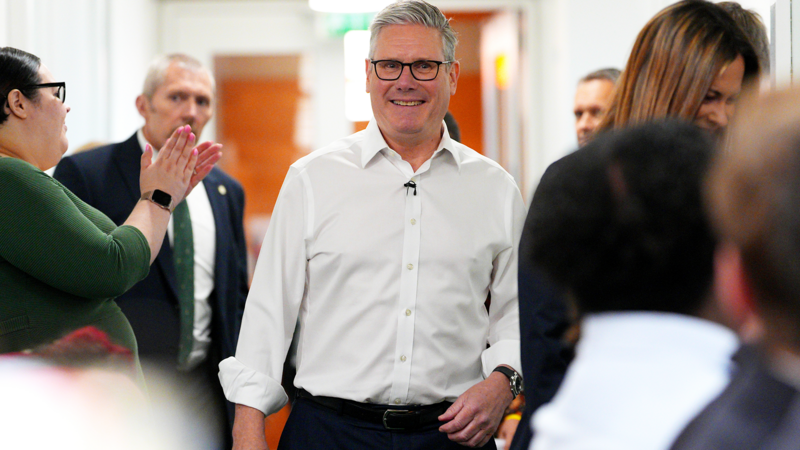
Sir Keir Starmer gave a speech to address questions about his leadership as prime minister less than two years after his election win. A Labour MP, Catherine West, decided not to push for an immediate leadership challenge but asked Starmer to plan to leave by September. The speech received mixed reactions from Labour MPs, with some disappointed by its content and others calling for new policies.
Key Facts
Sir Keir Starmer spoke amid doubts about his future as Labour’s leader and prime minister.
Catherine West, a Labour MP, considered forcing a leadership contest but withdrew after the speech.
West supports Starmer setting a timetable to step down by September rather than leaving right away.
Andy Burnham, Mayor of Greater Manchester, would need time to become eligible to run as Labour leader.
Starmer announced plans to nationalize British Steel, but the policy includes conditions like a public interest test.
Critics said the speech lacked new ideas, particularly on major policy areas like Europe.
Some Labour MPs felt the speech showed weakness and failed to inspire party members or voters.
Attendance at the speech was low, with no cabinet ministers present, only key party figures including the deputy leader.
Read the Original
Want the full story? Tap a source to open the original
article.
Iran’s foreign ministry spokesman, Esmaeil Baqaei, said Iran’s recent reply to the United States asked for peace, an end to the naval blockade, and the return of Iranian assets. He also said the US rejected Iran’s response and continues to make demands that Iran calls unreasonable.
Key Facts
Iran sent a response to the US about ending the conflict.
Iran asked the US to stop the naval blockade.
Iran requested the return of its frozen assets.
The US dismissed Iran’s response.
Iran’s spokesman called the US demands “unreasonable.”
The exchange shows ongoing tension between Iran and the US.
The Iranian official speaking is Esmaeil Baqaei, a foreign ministry spokesman.
Read the Original
Want the full story? Tap a source to open the original
article.
Iran executed a 29-year-old graduate student, Erfan Shakourzadeh, who was accused of spying for the CIA and Israel’s intelligence agency. Rights groups say he was tortured and forced to confess falsely before his execution.
Key Facts
Erfan Shakourzadeh was a top-ranked master's student at Iran University of Science and Technology.
He was convicted of spying for the CIA and Mossad and was hanged at Ghezel Hesar prison near Tehran.
Rights groups report he was kept in solitary confinement and tortured to force a confession.
Shakourzadeh wrote a note before his execution rejecting the charges and asking people not to ignore such cases.
He was the fifth person executed for espionage since the war involving the U.S. and Israel started in late February.
Iran has executed many people recently, including protesters and political opponents, often after trials with little transparency.
Iran is the country with the second highest number of executions after China.
Iranian authorities have said they will speed up executions in response to internal and external threats.
Read the Original
Want the full story? Tap a source to open the original
article.
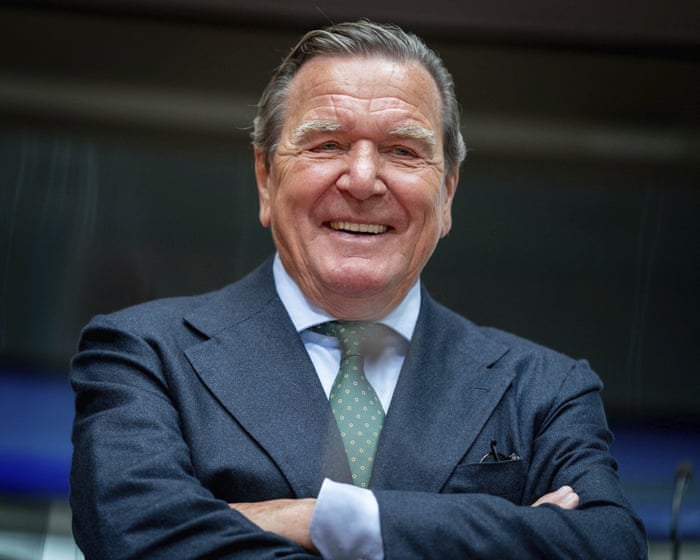
The European Union rejected Russian President Vladimir Putin’s suggestion to have former German Chancellor Gerhard Schröder act as a mediator in peace talks to end the war in Ukraine. EU officials said Schröder could not be neutral because of his close ties to Russia and past work with Russian state companies.
Key Facts
Putin proposed Gerhard Schröder as a mediator to help restart peace talks between Russia and Europe.
Schröder previously held senior roles with Russian energy projects like Nord Stream and was on the Rosneft oil company board.
Schröder stepped down after Russia’s invasion of Ukraine but has not publicly criticized Putin.
The EU dismissed the proposal, saying Schröder is not neutral due to his past lobbying for Russia.
EU officials worry Russia wants Schröder to represent both sides of the talks.
Putin hinted the war in Ukraine might be ending but demands Ukraine pull troops from eastern Donbas first.
Ukraine refuses to withdraw troops from its territory and has made recent gains on the battlefield.
EU leaders want to be included in peace talks but have been largely sidelined so far.
Read the Original
Want the full story? Tap a source to open the original
article.
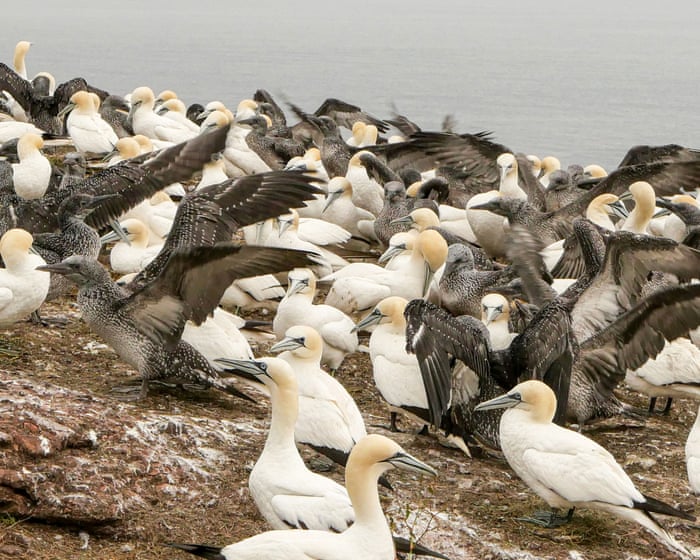
A study found that levels of some harmful "forever chemicals" called PFAS have dropped significantly in seabird eggs in Canada over the past decades. This decline shows that regulations and efforts to reduce these chemicals have worked, although new types of PFAS still pose risks.
Key Facts
Researchers studied PFAS levels in northern gannet eggs from the St. Lawrence Seaway over 55 years.
PFAS chemicals increased from the 1960s to around 2000, then started to drop after regulations began.
The chemical company 3M reduced production of PFOS, a toxic PFAS, following regulatory pressure.
By 2024, PFOS levels in the eggs dropped by 74%, PFOA levels decreased by about 40%, and PFHxS fell by about 72%.
PFAS are called "forever chemicals" because they do not break down naturally and can cause health problems in wildlife and humans.
Countries including the US, Canada, Europe, and the UN have introduced rules to limit PFAS production and use.
Newer, smaller PFAS chemicals replaced some old ones but still may harm the environment and are harder to detect.
PFAS remain in the environment and animals for decades, so ongoing monitoring and rules are needed.
Read the Original
Want the full story? Tap a source to open the original
article.
The European Union has ended a partial suspension of its trade agreement with Syria, allowing fuller trade relations to resume after nearly 14 years of conflict in Syria. This step aims to support Syria’s economic recovery and improve political relations between the EU and the country following the change in Syrian leadership in 2024.
Key Facts
The EU ended the partial suspension of its cooperation agreement with Syria, restoring more complete trade ties.
The agreement removes duties (taxes) on most industrial goods imported from Syria.
The suspension started in 2011 due to the Syrian government's crackdown on protests.
Syria’s trade with the EU was over 7 billion euros in 2010 but dropped sharply by 2023.
The EU and Syria began political talks 18 months after President Bashar al-Assad was removed from power in December 2024.
The European Commission pledged support for Syria’s economic recovery after meeting the interim Syrian president.
Germany, which hosts over a million Syrian refugees, supports stricter migration rules and wants many refugees to return to Syria within three years.
Chancellor Friedrich Merz of Germany referenced a refugee return target during a visit by Syria’s president but later clarified the figure was proposed by a Syrian official.
Read the Original
Want the full story? Tap a source to open the original
article.
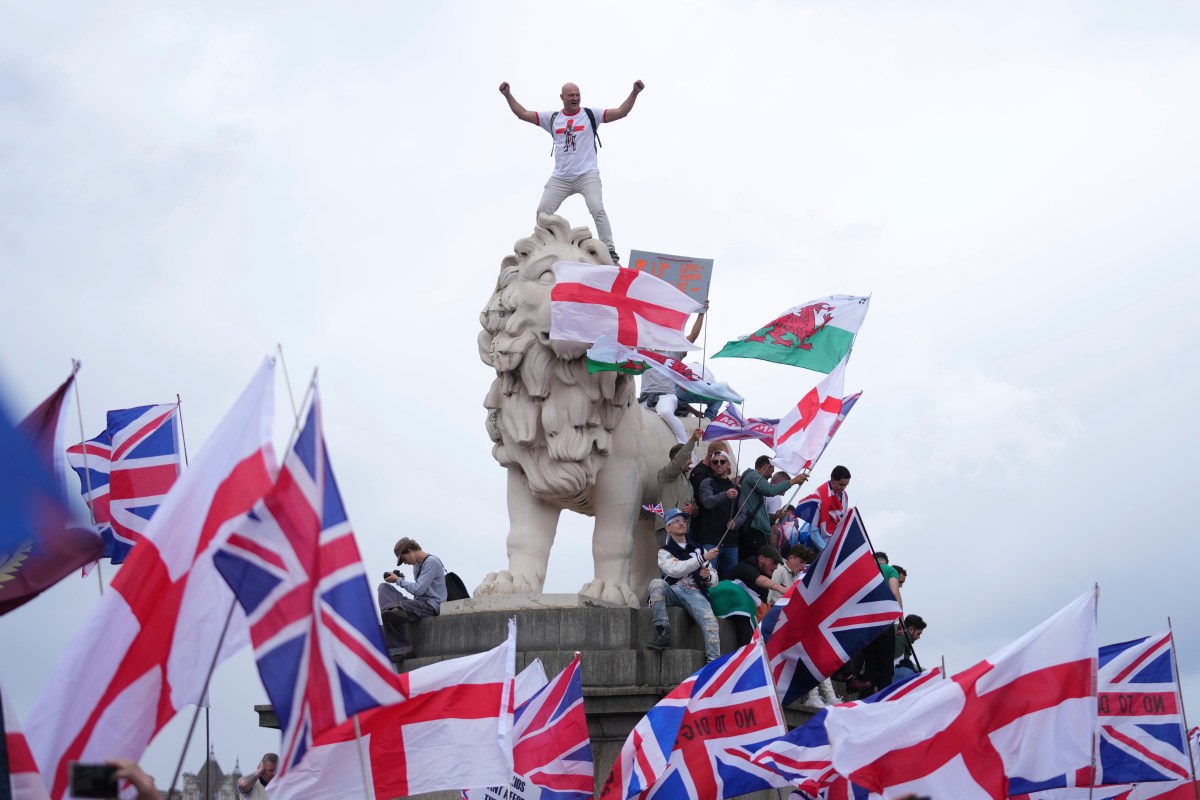
British Prime Minister Keir Starmer announced that people linked to far-right groups, including some Americans, will be banned from entering the UK for a nationalist march in London this weekend. The march, supported by far-right activist Tommy Robinson, is taking place on the same day as a pro-Palestine rally.
Key Facts
The UK government will block far-right individuals from traveling to the UK for a "Unite the Kingdom, Unite the West" march.
The march is scheduled to happen in London on Saturday.
British Prime Minister Keir Starmer made the announcement amid political pressure after his party’s losses in local elections.
The march is linked to far-right activist Tommy Robinson.
Tommy Robinson mentioned that an American congressman is expected to speak at the event.
An American conservative commentator, Joey Mannarino, said he was banned from entering the UK to speak at the march.
The ban aims to prevent people who may threaten communities and spread hate from coming to the UK.
The march takes place on the same day as a pro-Palestine Nakba Day rally.
Read the Original
Want the full story? Tap a source to open the original
article.
President Donald Trump called Iran’s response to a US peace proposal “totally unacceptable” as the ceasefire in the region showed signs of weakening. Iran proposed lifting US sanctions and ending the blockade of the Strait of Hormuz in exchange for a peace deal, while the US demanded strict limits on Iran’s nuclear program.
Key Facts
President Trump rejected Iran’s response to the US peace plan over the conflict in the Middle East.
Iran’s proposal included lifting US sanctions, ending the blockade of the Strait of Hormuz, and stopping the war with guarantees against future attacks.
The US peace plan offered to reopen the strait and set up talks on Iran’s nuclear program.
The US wants Iran to stop enriching uranium for up to 20 years and to dismantle nuclear facilities.
Iran suggested a shorter ban on enrichment, partial export and dilution of uranium, and refused to dismantle nuclear sites.
After Trump rejected Iran’s counter-offer, oil prices rose sharply but then fell back slightly.
Israeli Prime Minister Benjamin Netanyahu said the war is “not over.”
The month-old ceasefire appears fragile, with drone strikes reported in the region.
Read the Original
Want the full story? Tap a source to open the original
article.
Heathrow Airport saw a 5.3% drop in passengers in April compared to last year, with about 6.7 million travelers passing through. The airport’s CEO said the decline is mainly due to the conflict in the Middle East, which affected travel plans and routes.
Key Facts
Heathrow had 6.7 million passengers in April 2024, down from 7.1 million in April 2023.
The Middle East conflict caused some travelers to change or cancel their plans.
Despite the dip, demand for travel remains generally strong and fuel supplies are stable.
Transfer passengers at Heathrow increased by 10% compared to last year, showing more people are connecting through Heathrow to Asia and Oceania.
Around 18.9 million passengers used Heathrow’s terminals from January to March 2024, a 3.7% increase over last year.
Some travelers are avoiding Middle Eastern hub airports like Dubai, Doha, and Abu Dhabi due to the conflict.
Heathrow plans to update its passenger forecasts for 2026 in June.
The airport supports government and airline efforts to provide travel certainty amid ongoing conflict.
Read the Original
Want the full story? Tap a source to open the original
article.
UK Prime Minister Keir Starmer promised to improve his leadership after poor results in local elections for his Labour Party. He also said he plans to focus more on Britain’s relationship with Europe and take control of British Steel, a major company.
Key Facts
Keir Starmer is the UK Prime Minister and leader of the Labour Party.
Labour had bad results in recent local elections.
Some people are calling for Keir Starmer to resign.
Starmer said he will work harder to prove critics wrong.
He wants to strengthen Britain’s role in Europe.
Starmer plans to nationalise British Steel, meaning the government would own and run the company.
These statements came as Starmer tries to regain public and political support.
Read the Original
Want the full story? Tap a source to open the original
article.
The article states that people who harm children do not follow borders, so laws protecting children need to work beyond geographic limits. It suggests that child protection laws should be stronger and more connected across regions.
Key Facts
People who harm children do not limit their actions to specific areas.
Current laws often focus on local or regional boundaries.
Child protection laws need to cover wider areas to be effective.
Strong, coordinated laws can better stop harmful behavior.
Protecting children should not depend on where they live.
Read the Original
Want the full story? Tap a source to open the original
article.
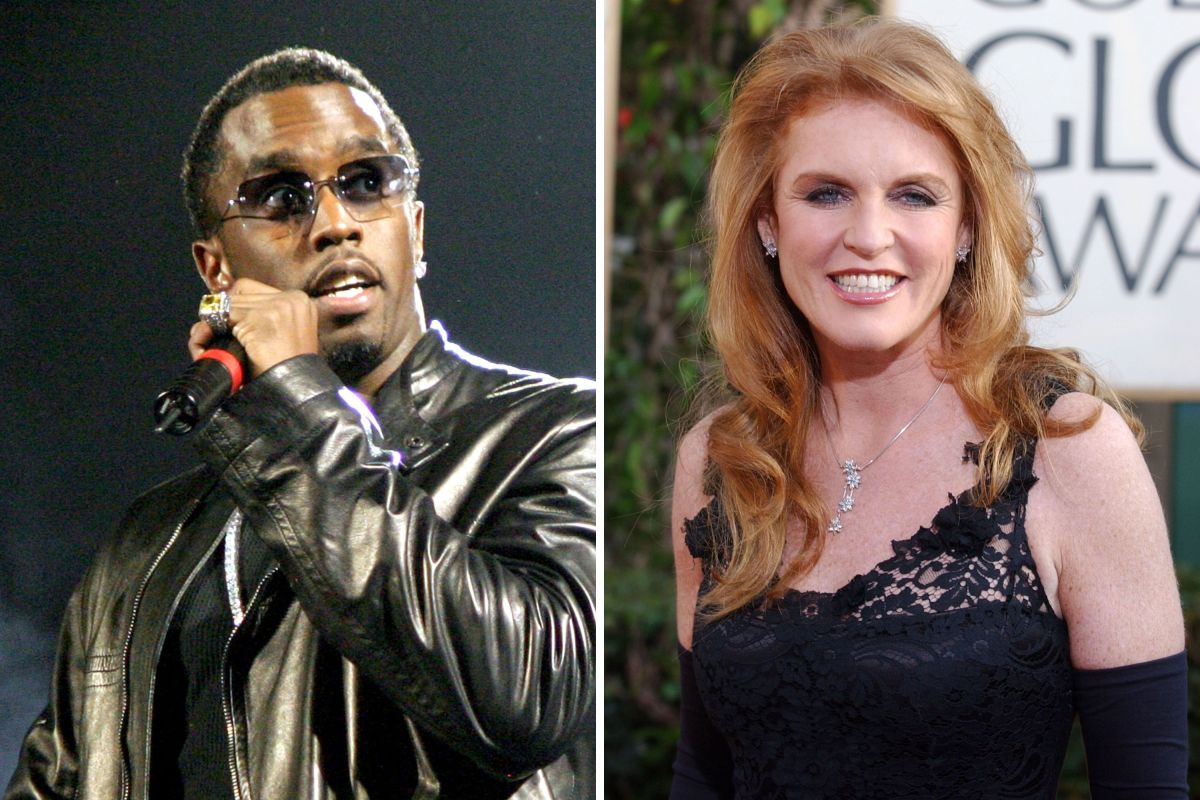
A new book claims that Sarah Ferguson, the Duchess of York, had a "friends with benefits" relationship with rapper Sean "Diddy" Combs, starting in 2004. Ferguson's team denies these claims, calling them false, while the author says his information comes from multiple sources connected to both Ferguson and Diddy.
Key Facts
Sarah Ferguson is the ex-wife of Prince Andrew, Duke of York.
The book "Entitled" by Andrew Lownie discusses the fall of Prince Andrew and Duchess of York.
The paperback edition, releasing May 21, includes new claims about Ferguson’s relationship with Diddy.
The relationship reportedly began in 2004 after meeting at a party hosted by Ghislaine Maxwell in New York.
Ferguson’s representatives deny the claims, calling them fabricated.
Diddy was jailed in 2024 for transportation for prostitution.
Ferguson’s money problems and links to Jeffrey Epstein have been previously reported and criticized.
Royal family members allegedly knew about Ferguson’s relationship with Diddy but ignored it to avoid scandal.
Read the Original
Want the full story? Tap a source to open the original
article.
Alan Cumming criticised the Bafta organisers after John Davidson, a Tourette syndrome activist, shouted racial slurs during the Bafta awards ceremony broadcast by the BBC. Both the BBC and Bafta apologised for the incident, which Cumming called a failure of leadership and preparation.
Key Facts
John Davidson, who has Tourette syndrome, shouted the N-word twice and insulted Alan Cumming during the Bafta ceremony.
Davidson was at the awards for the film "I Swear," based on his life story, and received several nominations.
The offensive language remained on the BBC’s broadcast on iPlayer overnight before being removed.
Both the BBC and Bafta publicly apologised for the incident.
Alan Cumming, the ceremony host, said Bafta failed to properly prepare and warn about Davidson’s possible outbursts, despite prior incidents.
Cumming apologised during the ceremony and described the event as poorly managed and a "scandal" internationally.
Davidson explained that his outbursts are involuntary tics caused by his neurological condition and not a reflection of his beliefs.
Cumming said he does not plan to host the Bafta awards again due to the difficulty of the role and the events at this ceremony.
Read the Original
Want the full story? Tap a source to open the original
article.
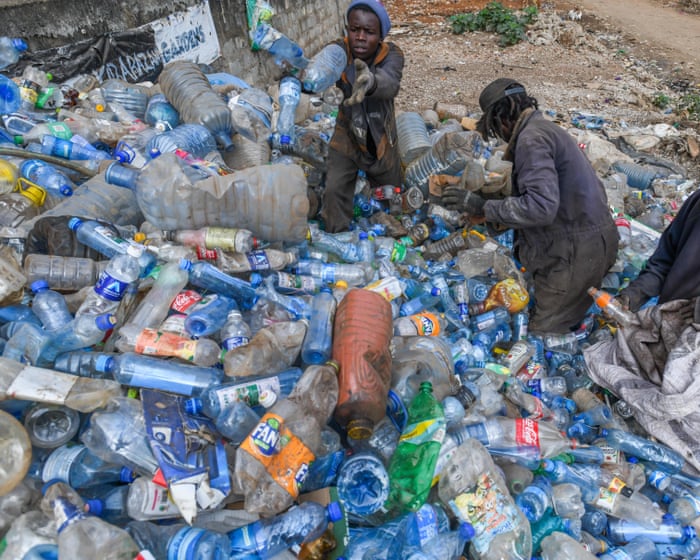
Norway, the biggest donor to the United Nations Environment Programme (UNEP), has paused its funding before UNEP’s revised budget is set on May 12. This pause raises worries about the progress of international talks to create a global treaty to reduce plastic pollution.
Key Facts
Norway has been UNEP’s largest donor recently, giving about $12 million each year through 2025.
Norway also gave extra millions to the Planetary Fund and specific projects fighting plastic pollution.
The funding pause comes just before UNEP’s budget is finalized on May 12.
Norway is a co-leader in a coalition pushing for a strong, legally binding plastic treaty.
Talks on the plastic treaty have been difficult, with no agreement after six rounds since 2022.
UNEP’s leader was informed by Norway that all funding agreements are on hold until budget decisions are made.
An email from Norway’s aid agency told NGOs it is postponing funds for projects helping developing countries fight plastic pollution.
Norway’s shift in funding happens while its government debates environmental spending and continues some fossil fuel projects.
Read the Original
Want the full story? Tap a source to open the original
article.
Russian President Vladimir Putin suggested that former German Chancellor Gerhard Schroeder could help coordinate peace talks between Russia and the European Union to resolve the war in Ukraine. Schroeder, who has close ties with Putin, has been a controversial figure in Germany due to his long-standing relationship with Russia and criticism over the 2022 invasion of Ukraine.
Key Facts
Putin proposed Gerhard Schroeder as a mediator for peace talks involving the EU and Russia over Ukraine.
Schroeder was Germany’s chancellor from 1998 to 2005 and has maintained strong ties with Putin since then.
Putin said the war in Ukraine might be “coming to an end” and expressed readiness to meet Ukraine’s President Zelenskyy after peace terms are agreed.
Schroeder worked in Russian energy projects after leaving office, including roles in Nord Stream pipelines and on the board of Rosneft (resigned in 2022).
Schroeder has faced criticism in Germany for not condemning Russia’s 2022 invasion and lost state privileges usually given to former chancellors.
Putin has praised Schroeder and sees him as a trustworthy figure for negotiating with Europe.
European Union officials have shown skepticism about Schroeder’s role in peace talks.
The war’s ceasefires around Victory Day (May 8-9) were short and both sides accused each other of violating them.
Read the Original
Want the full story? Tap a source to open the original
article.
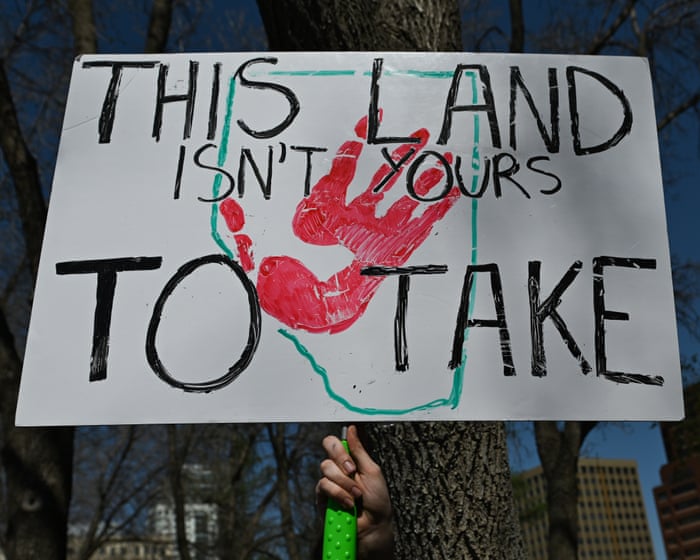
A large data breach in Alberta, Canada, exposed personal information of about 2.9 million voters to a far-right separatist group. This has caused concerns about election security and unfair use of voter data for political campaigns. Authorities in Alberta and Canada have launched investigations into the breach and the misuse of this data.
Key Facts
Personal voter information, including names and addresses, was illegally accessed in Alberta.
The breach involved a far-right separatist group linked to efforts for Alberta's independence.
The data came from Alberta’s official voter list, which has about 2.9 million entries.
The Centurion Project, a political group using new digital tools, was involved in using the data.
The voter data was originally legally obtained by a fringe right-wing party but then shared improperly.
Journalists found the data was exposed online without security, allowing anonymous access.
Elections Alberta and federal investigators, including the RCMP, are looking into the breach.
Alberta uses fake names in voter lists to detect illegal sharing, which helped trace this incident.
Read the Original
Want the full story? Tap a source to open the original
article.