Neutral summaries of your favorite news sources — just the facts.
Your favorite news sources, one neutral feed — we distill their reporting into fact-first
summaries and always link to the original story. How it works
World News
Comprehensive coverage of international news and global events
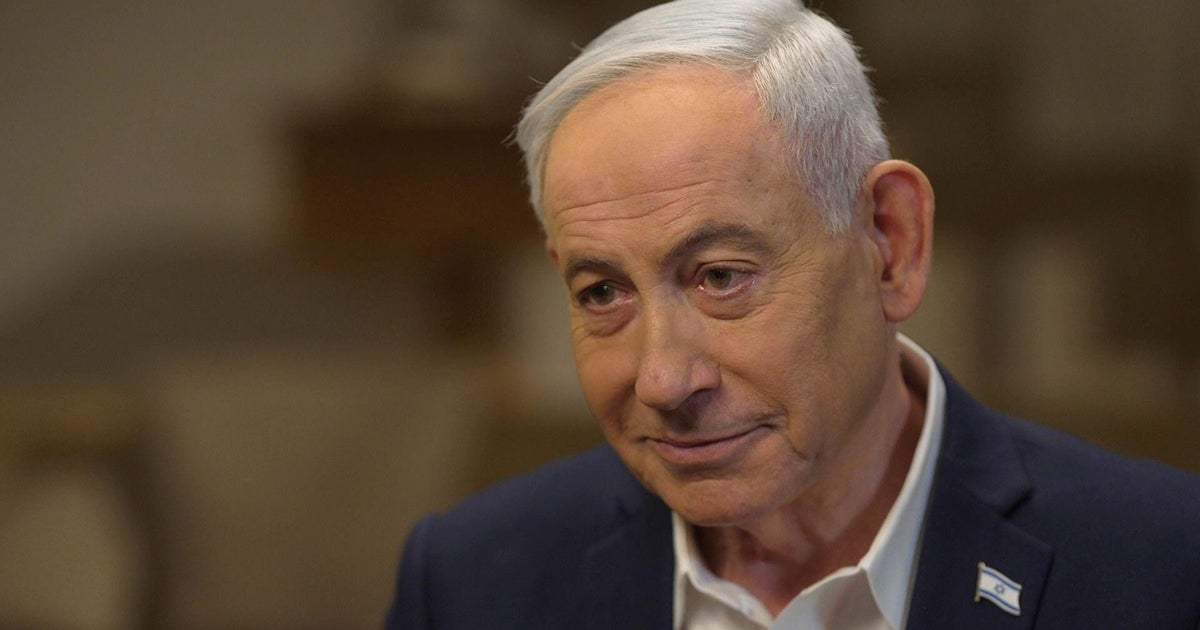
Israeli Prime Minister Benjamin Netanyahu said the conflict involving Iran is not finished. He emphasized the need to stop Iran’s nuclear program and reduce the power of groups supported by Iran in the region.
Key Facts
Netanyahu spoke in an interview aired on Sunday.
He said the war involving Iran is ongoing and not yet over.
He wants to dismantle Iran’s proxy groups—these are groups in other countries supported by Iran.
He mentioned concerns about Iran’s nuclear enrichment program, which involves making nuclear fuel.
Netanyahu believes there is still enriched uranium in Iran that needs to be addressed.
The comments suggest Israel may continue efforts to pressure or act against Iran.
Read the Original
Want the full story? Tap a source to open the original
article.
The Eurovision Song Contest has faced strong protests and controversy due to Israel’s participation amid ongoing conflict in Gaza. Several countries have decided to boycott the 2026 contest in response to Israel’s involvement and the recent military events in the region.
Key Facts
Austria won the 2023 Eurovision Song Contest, preventing Israel from hosting the next event.
Before the 2023 final, protests against Israel took place in Switzerland, with demonstrators showing support for Palestinians.
During the final, two people tried to disrupt Israel’s performance by storming the stage and throwing paint.
Israel’s singer, Yuval Raphael, received a high public vote, raising concerns about government-led voting campaigns.
The European Broadcasting Union checked the voting process and found no evidence of unfair influence.
The 2026 Eurovision contest will have 35 participants, but Spain, Ireland, the Netherlands, Iceland, and Slovenia are boycotting.
These boycotts mainly relate to Israel’s military actions in Gaza and accusations against its government.
Some boycotting countries’ governments have publicly criticized Israel’s policies.
Read the Original
Want the full story? Tap a source to open the original
article.
Greece's tourism minister said British travelers will not face delays or biometric checks at Greek borders during the summer. Greece aims to keep border checks quick despite the EU's new digital system that requires biometric registration for non-EU visitors.
Key Facts
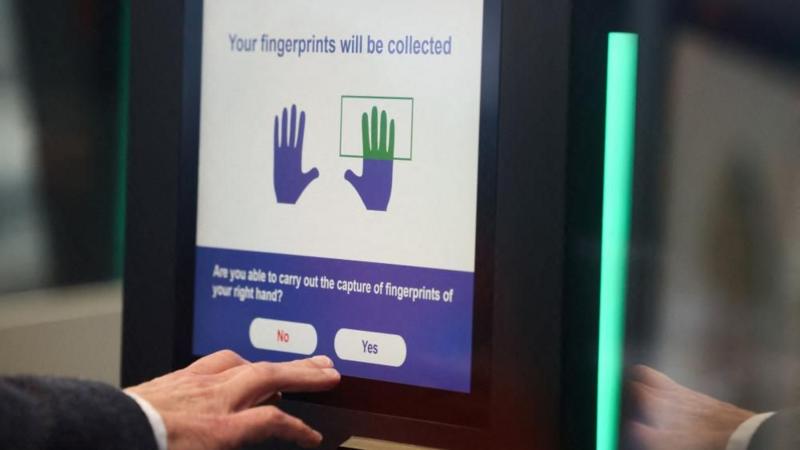
Greece will not require biometric checks for British visitors during summer.
The Greek government wants to avoid delays or extra paperwork for travelers.
The EU introduced a new Entry-Exit System (EES) that collects fingerprints and facial scans from non-EU visitors.
Other EU countries, like Portugal and Italy, will continue full biometric checks on British travelers.
Greece briefly paused biometric checks in April due to long lines at Corfu airport.
The EU allows temporary suspensions of biometric checks when airports are crowded but not permanent exemptions.
Jet fuel supply issues linked to the US-Israel-Iran conflict have made some tourists hesitant to book trips.
The UK government says there is no jet fuel shortage currently and advises travelers not to change plans.
Read the Original
Want the full story? Tap a source to open the original
article.
Iran warned France and the United Kingdom against sending warships near the Strait of Hormuz, saying it would respond quickly and firmly. France and the UK plan to deploy ships to help protect shipping in the area but do not intend to use military force. The Strait of Hormuz is an important waterway through which much of the world’s oil passes.
Key Facts
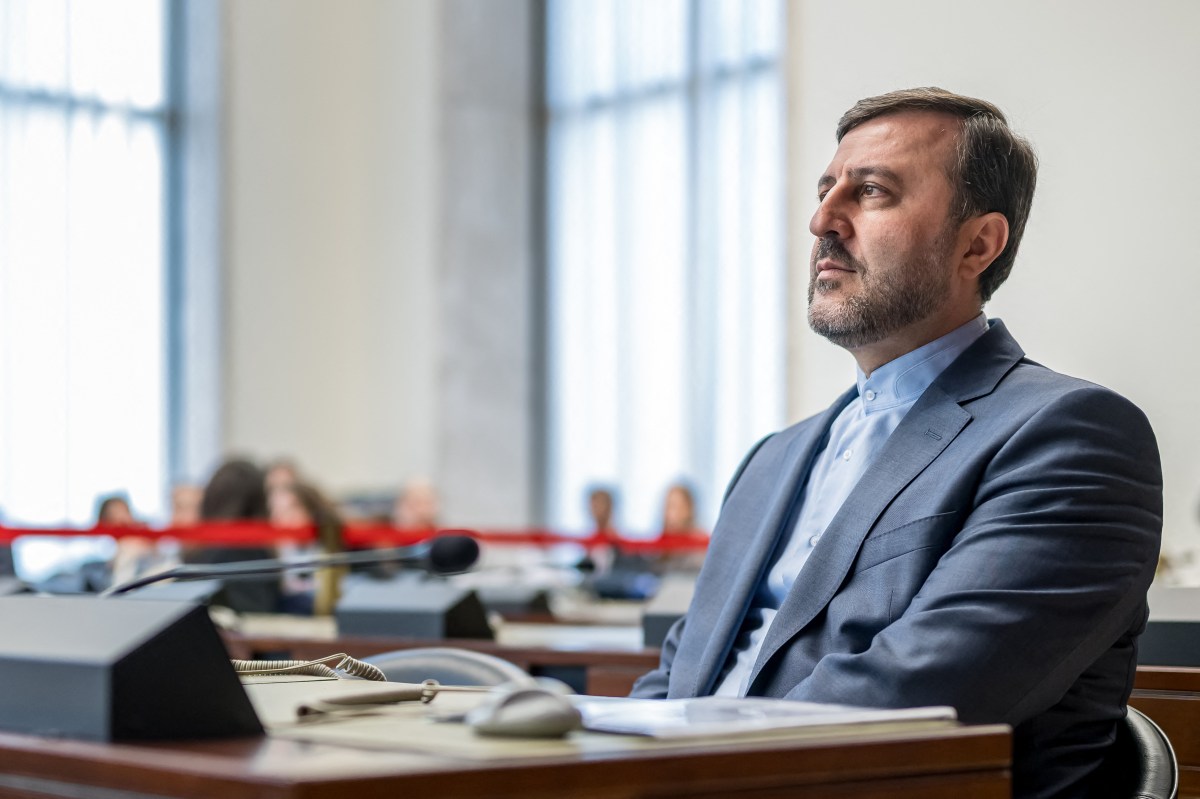
Iran’s Deputy Foreign Minister Kazem Gharibabadi said only Iran can ensure security in the Strait of Hormuz.
France and the UK announced plans to send warships near the strait as part of a multinational effort to escort ships.
The Strait of Hormuz is a chokepoint for about 20% of the world’s oil supply.
Iran called the deployment by extra-regional powers an escalation and said it would meet them with a decisive response.
Britain sent the HMS Dragon destroyer as part of a coalition of about 40 countries, including NATO members.
The UK said the ships would hold position and start operations only after fighting between Iran and the U.S.-Israel coalition ends.
French President Emmanuel Macron stated France does not plan to use force and wants security efforts coordinated with Iran.
Iran criticized the presence of foreign warships as militarizing the waterway and blamed outside powers for causing insecurity.
Read the Original
Want the full story? Tap a source to open the original
article.
Iran rejected a new peace proposal from the United States aimed at ending the war and reopening the Strait of Hormuz. President Trump called Iran's response "totally unacceptable" and has threatened to resume bombing if a deal is not reached. Meanwhile, tensions remain high with recent drone attacks and continued military actions in the region.
Key Facts
Iran refused the US peace proposal, calling it a surrender and demanding war reparations, sovereignty over the Strait of Hormuz, an end to sanctions, and the release of Iranian assets.
The US proposal sought to end the war, reopen the Strait of Hormuz, and roll back Iran’s nuclear program.
President Donald Trump quickly rejected Iran’s response on social media, calling it “TOTALLY UNACCEPTABLE!”
The US ambassador to the United Nations said diplomacy is still being pursued before any return to fighting.
Recent drone attacks occurred near Qatar, the UAE, and Kuwait, with the UAE blaming Iran and shooting down two drones.
Iran and allied groups like Hezbollah have used drones in attacks since the war began.
The Strait of Hormuz remains largely blocked by Iran, affecting global oil and natural gas shipments.
The US military has blockaded Iranian ports since April 13 in response to the conflict.
Read the Original
Want the full story? Tap a source to open the original
article.
Israeli Prime Minister Benjamin Netanyahu spoke about the ongoing conflict involving Iran and its armed groups, saying the war is not over because Iran still has nuclear materials and weapons. He emphasized the importance of removing Iran's enriched uranium and expressed concerns about Iran-backed Hezbollah's attacks in Lebanon, stating Israel wants to stop these threats.
Key Facts
Iran is suspected of carrying out drone strikes in the Persian Gulf.
The conflict has spread from the Gulf to Lebanon, involving Iran-backed Hezbollah.
Netanyahu said Iran still has enriched uranium and missile production to be stopped.
He suggested physically removing Iran’s enriched uranium could be an option, possibly with U.S. support.
Israel targeted Hezbollah militants in Lebanon, marking a second front in the conflict.
Netanyahu said the war with Iran and the fight against Hezbollah could continue separately.
He opposes any ceasefire that allows Hezbollah to keep attacking Israeli communities.
Netanyahu believes weakening or toppling Iran’s regime would end Hezbollah, Hamas, and related groups.
Read the Original
Want the full story? Tap a source to open the original
article.
Israel's Prime Minister Benjamin Netanyahu spoke about ongoing concerns with Iran's nuclear program, stating that while progress has been made, work remains to remove enriched uranium and dismantle enrichment sites. He emphasized cooperation with President Donald Trump on using economic pressure and the possibility of military action if necessary to stop Iran's nuclear and missile development.
Key Facts
The conflict with Iran is not over because nuclear material and enrichment sites still exist.
Iran continues to support proxy groups and aims to produce ballistic missiles.
Netanyahu and President Trump agree on using economic pressure and, if needed, military force to stop Iran’s nuclear ambitions.
Netanyahu suggested physically removing Iran’s enriched uranium if an agreement is reached.
He declined to discuss specific military plans for dealing with Iran.
Iran openly states hostility toward Israel and the United States.
Iran has previously attacked U.S. targets and attempted to assassinate U.S. officials.
Netanyahu believes Iran was close to developing a nuclear bomb before Israeli military actions delayed their progress.
Read the Original
Want the full story? Tap a source to open the original
article.
Israeli Prime Minister Benjamin Netanyahu spoke in a 2026 interview about conflicts involving Iran and Lebanon. He also discussed hopes for peace and the relationship between Israel and the United States.
Key Facts
Netanyahu is the Prime Minister of Israel in 2026.
He talked about conflicts with Iran and Lebanon during the interview.
The interview covered possible peace agreements in the region.
Netanyahu discussed the current U.S.-Israel relationship.
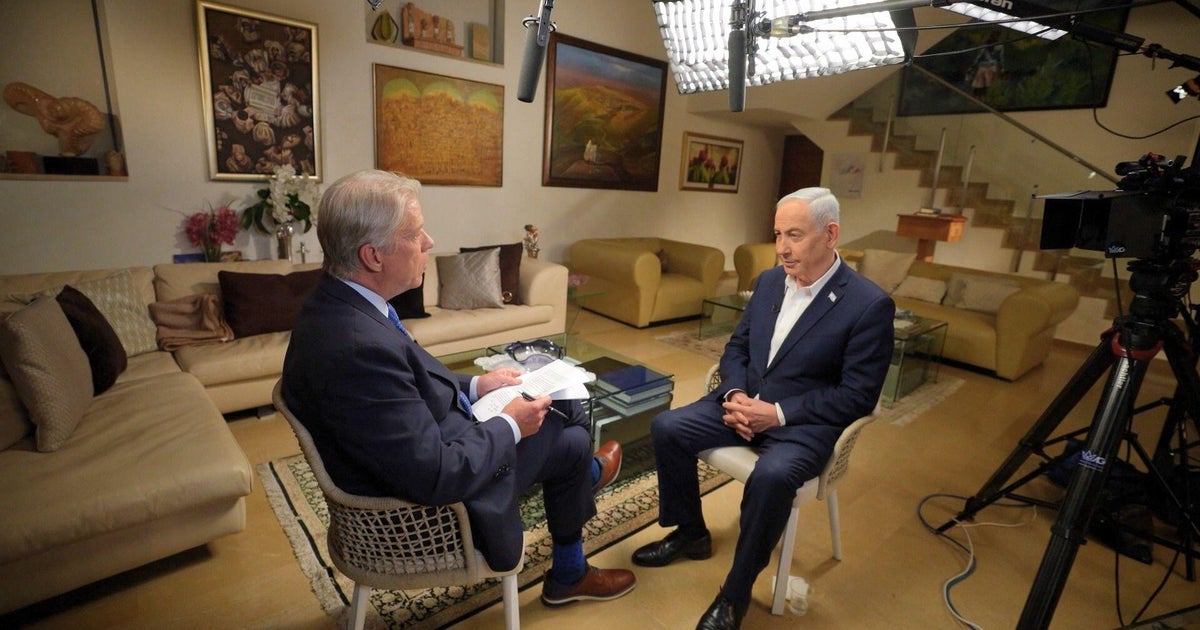
The interview was broadcast on CBS News’ 60 Minutes program.
The content is available on the CBS News app and online.
The discussion reflects ongoing security and diplomatic issues in the Middle East.
Read the Original
Want the full story? Tap a source to open the original
article.
CBS News aired an extended interview with Israeli Prime Minister Benjamin Netanyahu, where he talked about current conflicts in the Middle East and possibilities for peace. The interview originally appeared on the show 60 Minutes on May 10, 2026.
Key Facts
The interview features Israeli Prime Minister Benjamin Netanyahu.
Major Garrett conducted the interview.
Topics included ongoing conflicts in the Middle East.
They discussed chances for a peace agreement in the region.
The video is an extended version of a 60 Minutes episode.
The original broadcast date was Sunday, May 10, 2026.
The interview is available on CBS News and its app.
The focus is on Middle East issues and diplomatic efforts.
Read the Original
Want the full story? Tap a source to open the original
article.
Australia is bringing home four citizens and one permanent resident from a cruise ship where a hantavirus outbreak occurred. The passengers will be flown from Tenerife to Perth and placed in quarantine to prevent the virus from spreading.
Key Facts
Five Australians from the MV Hondius ship, affected by hantavirus, will be repatriated on a charter flight.
The cruise ship has 146 people and recently docked in Tenerife after three virus deaths and eight illnesses.
Passengers and crew were kept in their cabins to contain the infection.
Medical staff will accompany the repatriated group to monitor their health.
One New Zealand citizen will also be on the same flight.
Quarantine arrangements will be managed by Australian states upon arrival in Perth.
The virus is spread mainly through contact with rodents and rarely between humans.
Health authorities say the risk of a global outbreak is low, and proper care will be provided.
Read the Original
Want the full story? Tap a source to open the original
article.
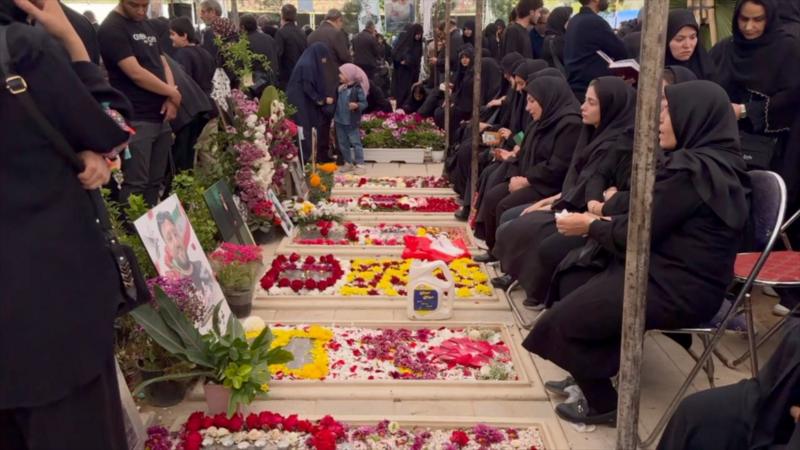
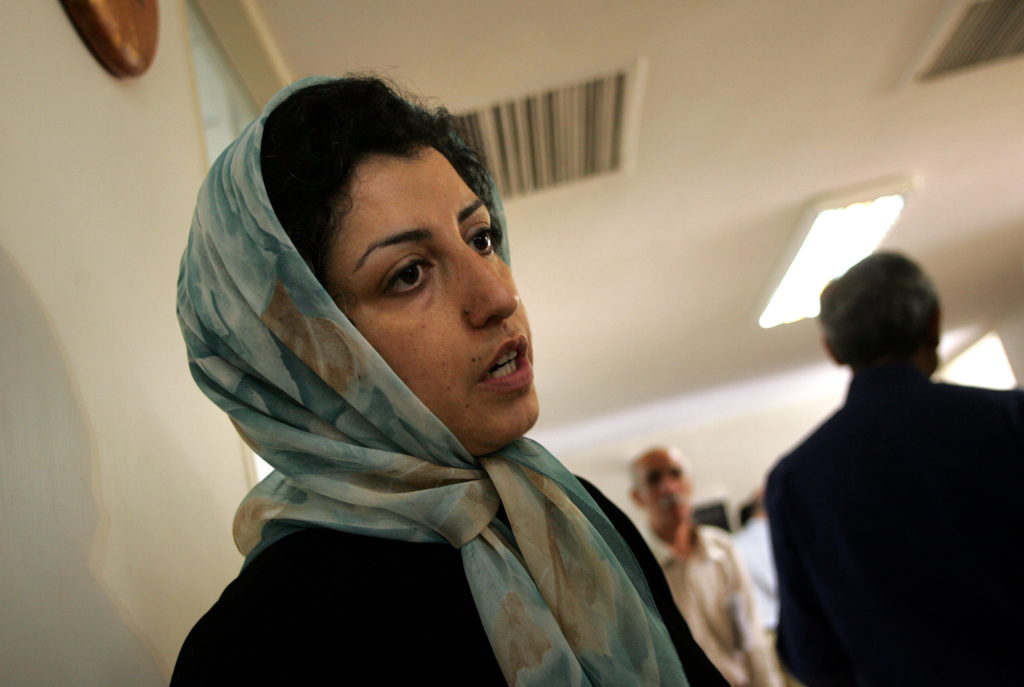
Iranian Nobel Peace Prize winner Narges Mohammadi has been released on bail and moved to a hospital in Tehran for urgent medical care after suffering serious heart problems in prison. She was in prison for her human rights activism and reportedly had two suspected heart attacks while jailed.
Key Facts
Narges Mohammadi won the Nobel Peace Prize in 2023 for her ongoing human rights work in Iran.
She was serving an 18-year prison sentence when she suffered two suspected heart attacks.
Mohammadi was hospitalized in Zanjan prison and then transferred to Tehran for specialized treatment.
Supporters warn her health is critical and demand she not be returned to prison.
Mohammadi has a history of health problems and lost a significant amount of weight while in jail.
She was most recently arrested in December 2025 after protesting against the Iranian clerical system.
Her husband and lawyers are advocating for her safety and ongoing medical care outside prison conditions.
Tensions around the Iran-U.S.-Israel conflict have affected the area near her prison during her imprisonment.
Read the Original
Want the full story? Tap a source to open the original
article.
The Bafta Television Awards highlighted the Netflix drama Adolescence as the big winner. Owen Cooper, aged 16, became the youngest actor to win best supporting actor, while Stephen Graham and Narges Rashidi won best leading actor and actress awards, respectively.
Key Facts
Netflix drama Adolescence won multiple awards at the Bafta Television Awards.
Owen Cooper, aged 16, became the youngest winner of best supporting actor for Adolescence.
Stephen Graham won best leading actor for his role as Cooper’s on-screen father.
Graham encouraged young viewers in his acceptance speech to believe in acting careers.
Narges Rashidi won best leading actress for playing Nazanin Zaghari-Ratcliffe in BBC One’s Prisoner 951.
Rashidi dedicated her award to Nazanin Zaghari-Ratcliffe and her family.
The Celebrity Traitors won best reality programme, with host Claudia Winkleman dedicating the award to the cast.
Read the Original
Want the full story? Tap a source to open the original
article.
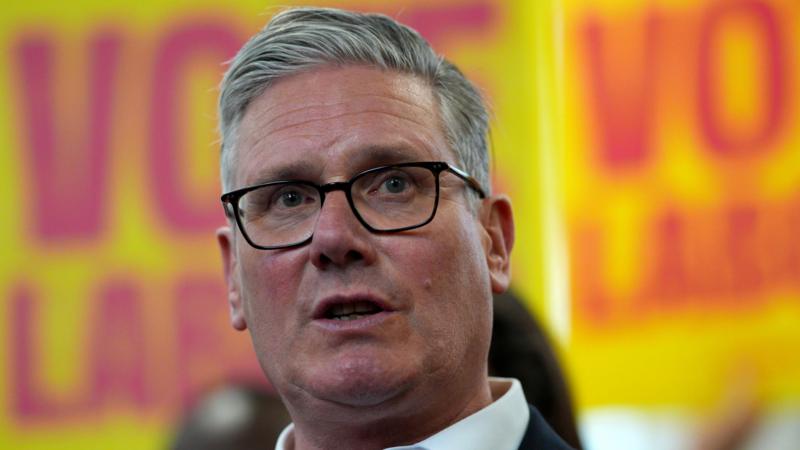
British Prime Minister Keir Starmer faces pressure after Labour lost many local council seats in recent elections, while the Reform UK party gained ground. Some Labour members are considering challenging Starmer’s leadership if no cabinet minister does first, as he prepares to give an important speech to address the situation.
Key Facts
Labour lost a significant number of council seats in recent local elections.
Reform UK made strong gains in these elections.
Questions about Starmer's leadership have increased following the results.
Backbench MP Catherine West hinted she might trigger a leadership contest.
Starmer is expected to deliver a major speech soon to reset his message.
The article includes commentary from a former Labour adviser under previous Labour leaders.
The leadership debate centers on whether changing leaders would help resolve the party’s problems.
Read the Original
Want the full story? Tap a source to open the original
article.
Sir Keir Starmer plans to announce stronger plans to face big problems in the UK after recent election losses. Some Labour Party members want him to quit, and potential challengers are preparing to run for leadership.
Key Facts
Starmer will make a speech promising bold actions on growth, defense, Europe, and energy.
The speech aims to reset Starmer's leadership after poor election results.
Labour lost many council seats and political ground in Wales and Scotland.
More than 30 Labour MPs publicly want Starmer to resign or set a departure timeline.
Angela Rayner, the party deputy, urges urgent action on costs, wages, and public ownership but is not running for leader.
Backbencher Catherine West may start support for a leadership contest if Starmer’s speech is unsatisfactory.
Other possible leadership challengers include Rayner, Health Secretary Wes Streeting, and Mayor Andy Burnham.
Starmer plans to push for closer ties between the UK and the EU as part of his economic and defense strategy.
Read the Original
Want the full story? Tap a source to open the original
article.
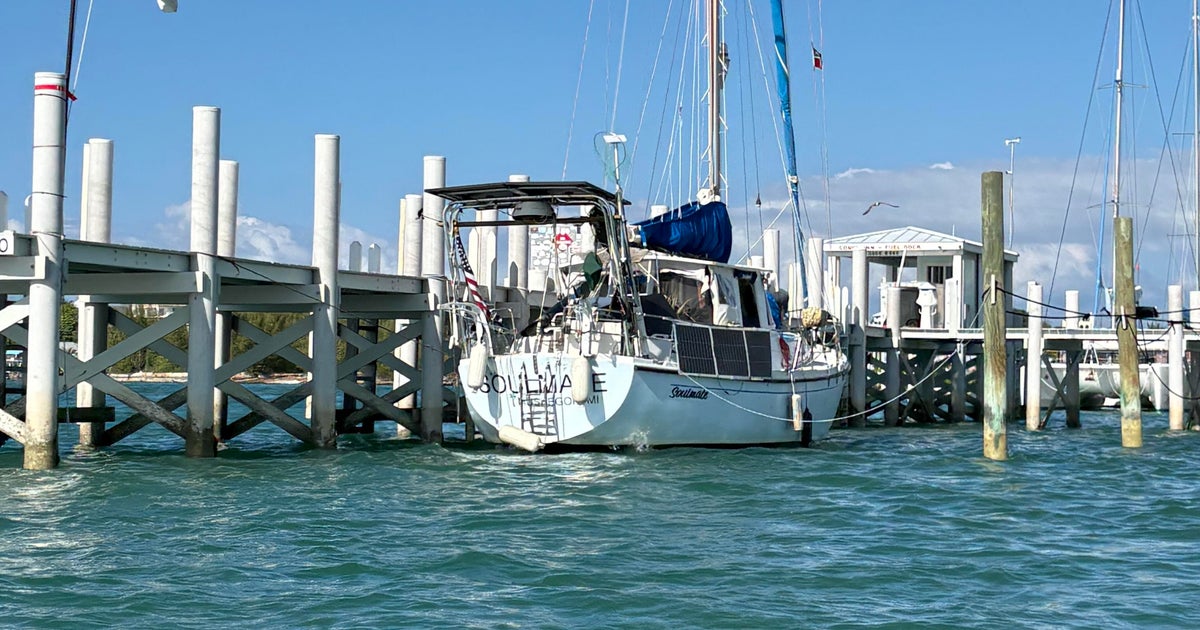
The U.S. Coast Guard has taken control of a sailboat called "Soulmate" connected to the disappearance of Lynette Hooker, a Michigan mother missing since April 2026 in the Bahamas. Investigators are interviewing witnesses and looking into other boats as part of the ongoing investigation.
Key Facts
The sailboat "Soulmate," used by Brian and Lynette Hooker, was seized by the U.S. Coast Guard.
The boat left Marsh Harbour in the Bahamas on a trip to the U.S. before being taken into custody.
Lynette Hooker was last seen on April 4, 2026, near Aunt Pat’s Bay, Bahamas.
Her husband, Brian Hooker, reported she fell overboard during a nighttime dinghy ride.
Brian Hooker denies any wrongdoing and has not been charged with a crime.
Bahamian authorities held Brian Hooker for five days before releasing him.
Investigators are interviewing witnesses and seeking information about another sailboat seen in the area.
Brian Hooker traveled to the U.S. after his release and his current location is unknown.
Read the Original
Want the full story? Tap a source to open the original
article.
The BBC has been reporting from inside Iran, where civilians face difficulties caused by ongoing war and government restrictions, including an internet ban. The conflict affects nearby countries as well, with fighting continuing in Lebanon between Israel and Hezbollah despite a ceasefire.
Key Facts
Civilians in Iran are struggling due to the effects of war and government repression.
The Iranian government has imposed an internet ban during the conflict.
BBC special correspondent Fergal Keane gathered information through trusted sources despite restrictions.
Fighting between Israel and Hezbollah in Lebanon continues even though a US-brokered ceasefire started 12 days ago.
More than one million people have been displaced in Lebanon due to expanding Israeli ground operations.
The Strait of Hormuz, an important oil shipping route near Iran, is currently a tense and dangerous area.
The UAE has decided to leave OPEC, the oil-producing countries' cartel, after nearly 60 years.
Thousands participated in the Palestine Marathon in Bethlehem after a two-year break caused by the Gaza War.
Read the Original
Want the full story? Tap a source to open the original
article.
President Donald Trump will visit Beijing to meet President Xi Jinping and discuss the war in Iran and other important issues. The visit aims to improve U.S.-China relations and address topics like Iran, trade, and security before President Xi visits the U.S. later this year.
Key Facts
President Trump arrives in Beijing on Wednesday evening and will meet President Xi on Thursday morning.
The visit was delayed earlier this year due to the U.S.-Israel conflict involving Iran.
One main topic is Iran’s war and the impact of China’s support, including buying Iranian energy and goods that could have military uses.
U.S. Treasury Secretary Scott Bessent accused China of funding Iran’s government through energy purchases.
Iran closed the Strait of Hormuz, a key global energy passage, after U.S.-Israeli attacks.
China wants to see the Iran war end but does not recognize U.S. sanctions on Iran’s oil.
Other issues include China’s support for Russia, trade relations, and rare earth minerals important to U.S. technology.
The U.S. will not change its position on Taiwan, a sensitive topic in U.S.-China relations.
Read the Original
Want the full story? Tap a source to open the original
article.
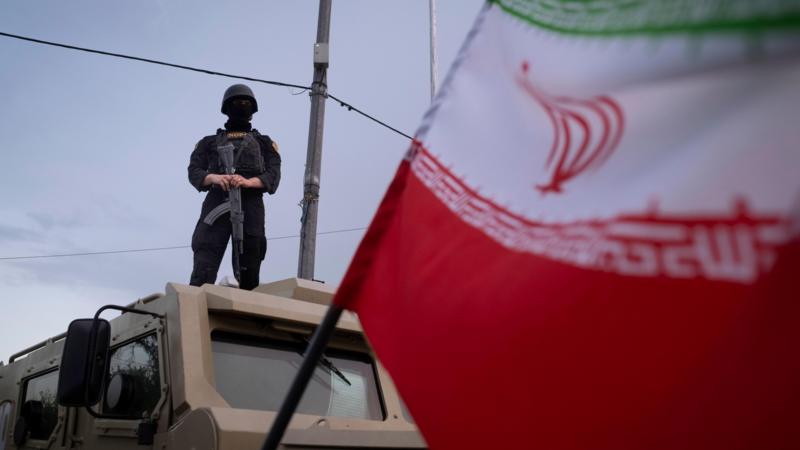
An Iranian activist named Shirin describes her ongoing fear and trauma caused by government repression and the threat of war. Since protests began in 2022, thousands of people have been arrested, with reports of torture and harsh treatment by authorities.
Key Facts
Shirin lives in Tehran and experiences signs of post-traumatic stress disorder due to fear of war and government oppression.
The Iranian regime shows strength through events like armed parades involving women in military-style roles.
Shirin was arrested in 2024 after protesting but was released after agreeing to keep silent for two months under threat of solitary confinement.
Human Rights Watch reports over 50,000 arrests during recent anti-government protests, with many detainees held without contact and facing abuse.
Repression has worsened since the war started in February.
Iranian police have stated they will treat street protesters as enemies, indicating harsh crackdowns.
The protests began in response to the death of Mahsa Amini, a young woman who died after being detained for a hijab violation.
Activists inside Iran have limited ability to speak out due to government surveillance and intimidation.
Read the Original
Want the full story? Tap a source to open the original
article.
Nobel Peace Prize winner Narges Mohammadi has been moved from prison to a hospital in Tehran after falling seriously ill. She has been given a temporary suspension of her prison sentence to allow medical treatment, but her foundation says she needs ongoing specialized care and calls for her full release.
Key Facts
Narges Mohammadi is a Nobel Peace laureate and human rights activist imprisoned in Iran since December.
She collapsed in prison and was first hospitalized locally on May 1 due to critical health problems.
Iranian medical officials approved her transfer to a Tehran hospital for specialized care.
Her prison sentence suspension on bail has unclear length and does not guarantee permanent release.
Mohamed’s family and foundation report she suffers from serious illnesses, including a heart attack, blood clot in her lung, and fluctuating blood pressure.
The Nobel committee has urged Iranian authorities to allow her full medical care under her own medical team in Tehran.
Her brother said her transfer was delayed previously, allegedly due to interference by Iran’s intelligence agency.
Mohammadi has been repeatedly jailed for her activism and was awarded the Nobel Prize in 2023 while still in prison.
Read the Original
Want the full story? Tap a source to open the original
article.