Neutral summaries of your favorite news sources — just the facts.
Your favorite news sources, one neutral feed — we distill their reporting into fact-first
summaries and always link to the original story. How it works
World News
Comprehensive coverage of international news and global events
Experts in the UK warn that criminals are using artificial intelligence (AI) to create fake explicit images of schoolchildren from photos on school websites and social media. They advise schools to remove or limit photos showing children’s faces to prevent blackmail and protect students.
Key Facts
Criminals are using AI to change photos of pupils into harmful images and then demand money not to share them.
One UK secondary school recently faced such a blackmail attempt involving manipulated photos taken from their online sites.
The Internet Watch Foundation (IWF) helped stop the spread of over 150 illegal images by sharing their digital fingerprints with tech companies.
UK safeguarding officials are preparing to update laws on AI-made explicit images to address this new threat.
Schools are advised to remove clear, face-on photos of pupils and use less identifiable images instead, like blurred or distant shots.
Schools should avoid showing students’ full names with photos and tighten privacy controls on websites and social accounts.
A checklist for schools includes reviewing all images online regularly and getting fresh consent from parents or guardians for using photos.
If an incident occurs, schools should notify police, keep the criminal images as evidence, and remove the original photos from public view.
Read the Original
Want the full story? Tap a source to open the original
article.
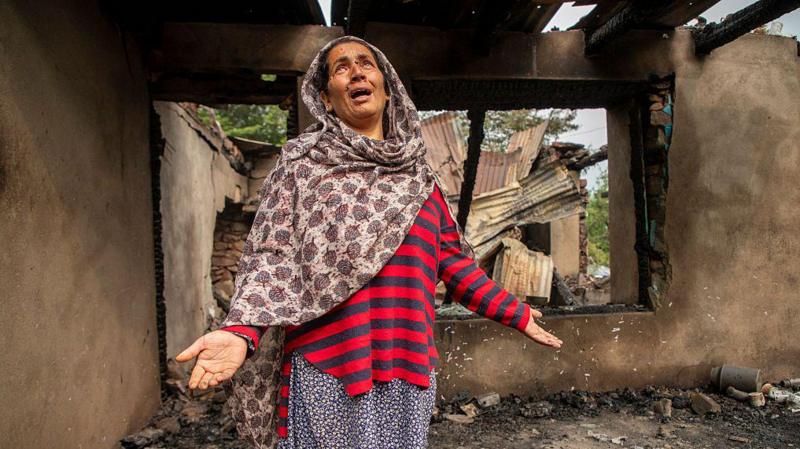
One year after the brief 2025 conflict between India and Pakistan, the ceasefire is still holding, but relations remain very tense. The two countries have stopped formal talks, closed their border, halted trade, and suspended other shared agreements.
Key Facts
The 2025 conflict lasted about 90 hours and started after a militant attack in Indian-administered Kashmir.
India and Pakistan exchanged military strikes during this short war.
Since the conflict, formal diplomacy between the two countries has nearly stopped.
The border remains closed, trade is suspended, and sports ties like cricket matches are canceled.
The Indus Waters Treaty, an important water-sharing agreement, is currently inactive.
Pakistan has regained some international importance by acting as a mediator in the Iran war.
US President Donald Trump took credit for brokering the ceasefire and offered to help mediate the Kashmir issue, causing some tension with India.
Analysts say Pakistan’s new role in regional diplomacy may depend on President Trump’s unique approach.
Read the Original
Want the full story? Tap a source to open the original
article.
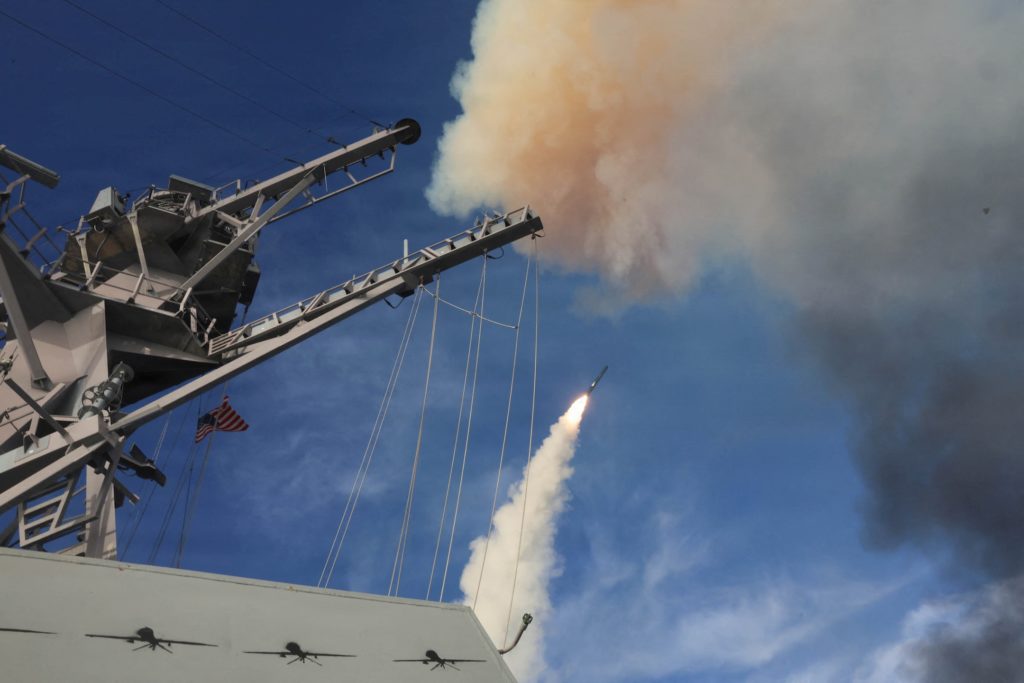
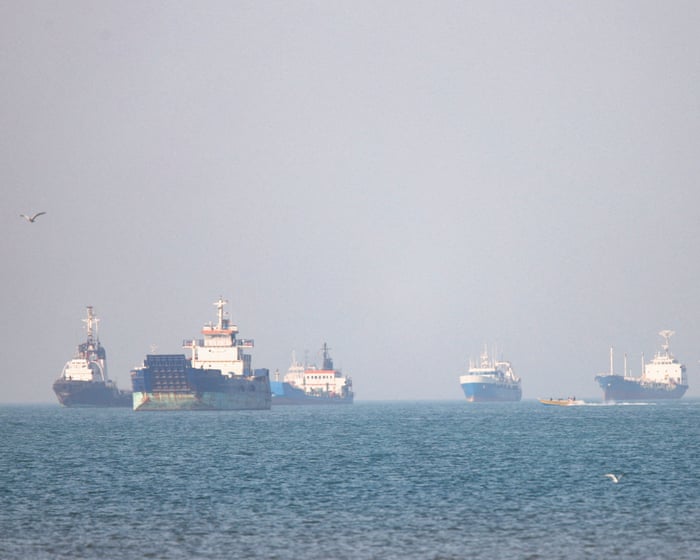
The United States and Iran exchanged fire in the Strait of Hormuz. Iran’s military said the U.S. broke the ceasefire agreement, but the U.S. says the ceasefire is still valid.
Key Facts
The incident happened in the Strait of Hormuz, a key waterway for global oil shipping.
U.S. naval ships and Iranian forces both fired shots at each other.
Iran’s top military leaders accused the U.S. of breaking the ceasefire agreed about a month ago.
The U.S. government stated that the ceasefire remains in place despite the clash.
This exchange marks a serious test for the peace agreement between the two countries.
The Strait of Hormuz is a strategic area, important for international trade and security.
The situation remains tense and could affect future talks or agreements.
Read the Original
Want the full story? Tap a source to open the original
article.
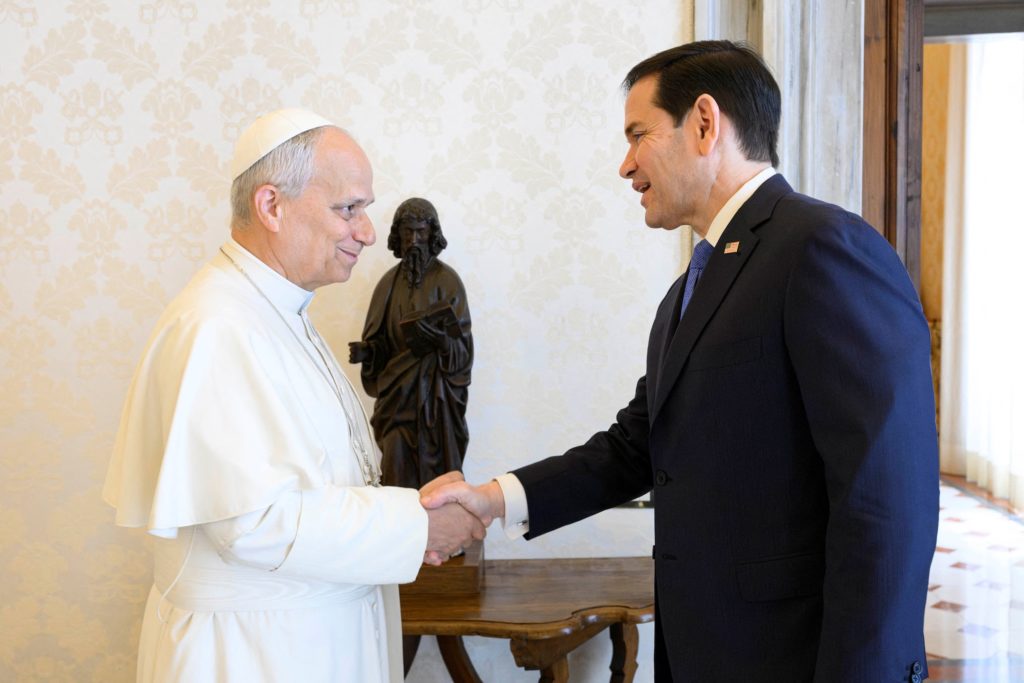
Secretary of State Rubio met with Pope Leo at the Vatican to try to improve relations after President Trump criticized the pope. President Trump had accused the pope of supporting Iran having a nuclear weapon, which caused tension before the meeting.
Key Facts
Secretary of State Rubio met with Pope Leo on Thursday.
The meeting took place at the Vatican.
The meeting aimed to resolve tensions between the U.S. and the pope.
President Trump had accused Pope Leo of wanting Iran to get a nuclear weapon.
The conflict arose because of the ongoing Iran war and related diplomacy.
Stephanie Sy reported on the meeting.
Amna Nawaz spoke with Miguel Diaz, a former U.S. ambassador to the Vatican, for more insight.
Read the Original
Want the full story? Tap a source to open the original
article.
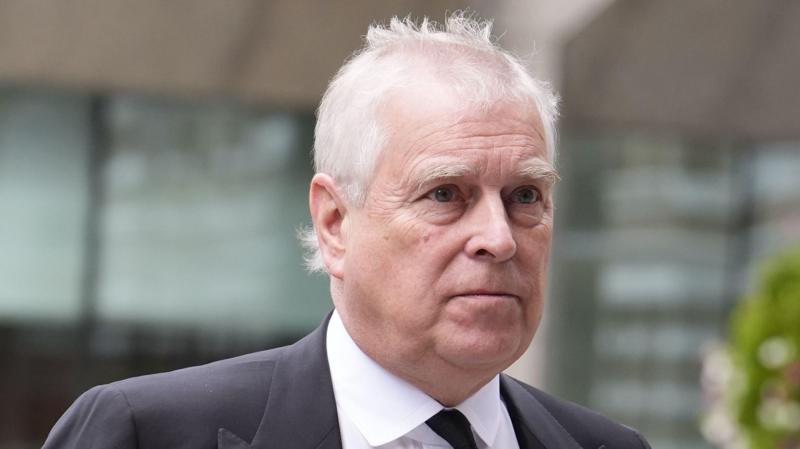
A man was charged after he allegedly threatened Andrew Mountbatten-Windsor near his home on the Sandringham Estate in Norfolk. The man was arrested and is due to appear in court on charges related to threatening behavior and refusing to give a blood sample.
Key Facts
The incident happened near Andrew Mountbatten-Windsor's home on the Sandringham Estate in Norfolk.
A man was arrested shortly after 7:30 pm on Wednesday for acting in an intimidating way.
Andrew Mountbatten-Windsor was allegedly threatened by a man wearing a balaclava while walking his dogs.
The man, Alex Jenkinson, 39, from Stowmarket, Suffolk, is held in custody and will appear in Norwich Magistrates' Court on Friday.
He faces two charges: using threatening or abusive words or behavior causing alarm or distress, and failing to provide a blood sample while in custody.
The threat occurred near Marsh Farm, where Mountbatten-Windsor lives after moving from Royal Lodge in Windsor.
Mountbatten-Windsor moved because of his connection to the late sex offender Jeffrey Epstein.
Last year, he lost his royal titles, including his dukedom, due to the Epstein association, though he denies any wrongdoing.
Read the Original
Want the full story? Tap a source to open the original
article.
Iran accused the United States of breaking a ceasefire by attacking ships and civilian areas near the Strait of Hormuz. The US said it targeted Iranian military sites in response to attacks on its forces and aimed to protect its personnel without escalating the conflict.
Key Facts
Iran claims the US attacked two ships and civilian areas near the Strait of Hormuz.
The US says it struck Iranian military sites linked to attacks on American forces.
US Central Command reported Iranian forces launched missiles, drones, and small boats at US navy ships in the area.
The US reported no damage to its ships and said it neutralized incoming threats.
Iran accused the US of violating a ceasefire and involving other regional countries in the attacks.
Iran said its forces responded by attacking US military vessels and causing damage.
A conditional two-week ceasefire and partial reopening of the strait were agreed upon last month after Pakistan’s diplomatic efforts.
The situation raises doubts about whether the ceasefire will hold.
Read the Original
Want the full story? Tap a source to open the original
article.
Health officials are working to stop the spread of a hantavirus outbreak. Additionally, ongoing conflict involving Iran is affecting consumers by impacting prices and availability of goods.
Key Facts
There is an outbreak of hantavirus that health officials are trying to control.
Hantavirus is a virus that can be spread by rodents and can cause serious illness in people.
A conflict related to Iran is ongoing and influencing global markets.
The war involving Iran is making some products harder to find or more expensive for consumers.
CBS Evening News reported these developments on May 7.
Read the Original
Want the full story? Tap a source to open the original
article.
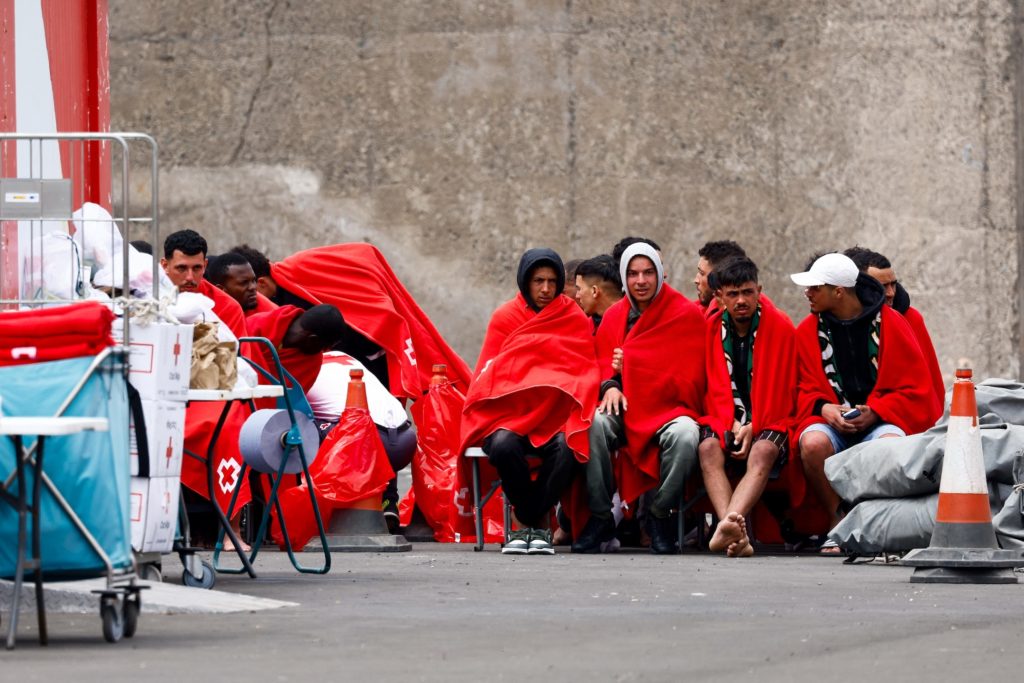
Thousands of migrants try to reach Spain’s Canary Islands by crossing the Atlantic Ocean to seek asylum in Europe. The journey is very dangerous, and many people have died trying to make the crossing.
Key Facts
The Canary Islands are part of Spain and located in the Atlantic Ocean.
Many migrants aim to reach these islands to apply for asylum in Europe.
The sea route to the islands is risky and has caused many deaths.
The report was made by journalists from the University of British Columbia and correspondent Malcolm Brabant.
Efforts by the European Union (EU) to reduce migration affect the safety and flow of this sea route.
Read the Original
Want the full story? Tap a source to open the original
article.
The U.S. and Iran reported military clashes near the Strait of Hormuz, where U.S. forces said Iran launched unprovoked attacks on American naval ships. The U.S. responded by striking Iranian military sites responsible for the attacks, while both sides exchanged accusations about who caused damage during the incident.
Key Facts
The clash occurred as U.S. Navy guided-missile destroyers passed through the Strait of Hormuz on May 7.
Iran fired multiple missiles, drones, and small boats at the U.S. ships USS Truxtun, USS Rafael Peralta, and USS Mason.
No U.S. ships were hit during the attacks, according to the U.S. Central Command (CENTCOM).
The U.S. responded by targeting Iranian missile and drone launch sites, command centers, and intelligence locations.
CENTCOM said it does not want to escalate the conflict but is ready to protect American forces.
Iran claimed that U.S. military assets were hit and had to withdraw and accused the U.S. of attacking an Iranian tanker.
Explosions were also reported on Qeshm Island and blamed initially on the United Arab Emirates by Iranian media.
The incident happened while talks were ongoing between Washington and Tehran about ending hostilities.
Read the Original
Want the full story? Tap a source to open the original
article.
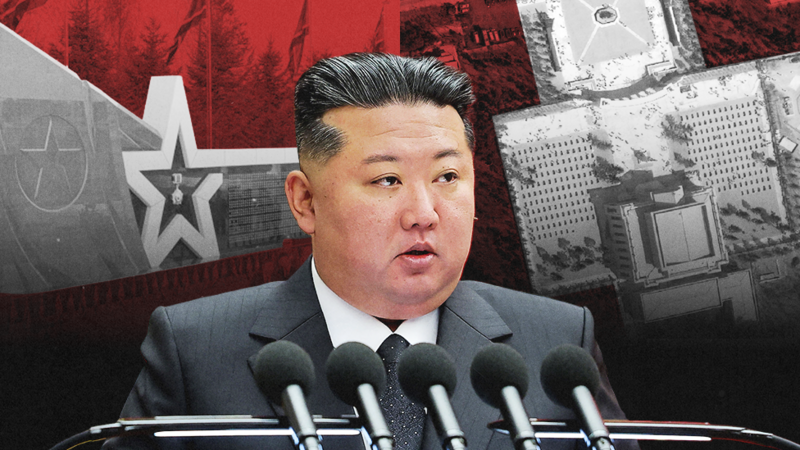
About 2,300 North Korean soldiers died fighting for Russia in the battle for Kursk during the Russia-Ukraine war, according to a BBC investigation based on a new memorial in Pyongyang. North Korea sent around 11,000 troops to support Russia, but neither North Korea nor Russia has given official numbers on casualties.
Key Facts
North Korea sent about 11,000 soldiers to fight for Russia in the Kursk region during the Russia-Ukraine war.
Approximately 2,300 names of dead North Korean soldiers are engraved on a new memorial in Pyongyang.
The memorial was built by order of North Korean leader Kim Jong Un and opened in April 2026.
South Korea’s intelligence agency estimates around 6,000 North Korean soldiers were killed or wounded.
North Korea has not officially confirmed any death toll from their operation in Kursk.
North Korea likely received food, money, and technology from Russia in exchange for sending troops.
The memorial includes two walls with engraved names, a building, and a cemetery for honored soldiers.
Soldiers who showed "extraordinary bravery" are buried outdoors, while others are commemorated inside a columbarium (a place where urns with ashes are kept).
Read the Original
Want the full story? Tap a source to open the original
article.
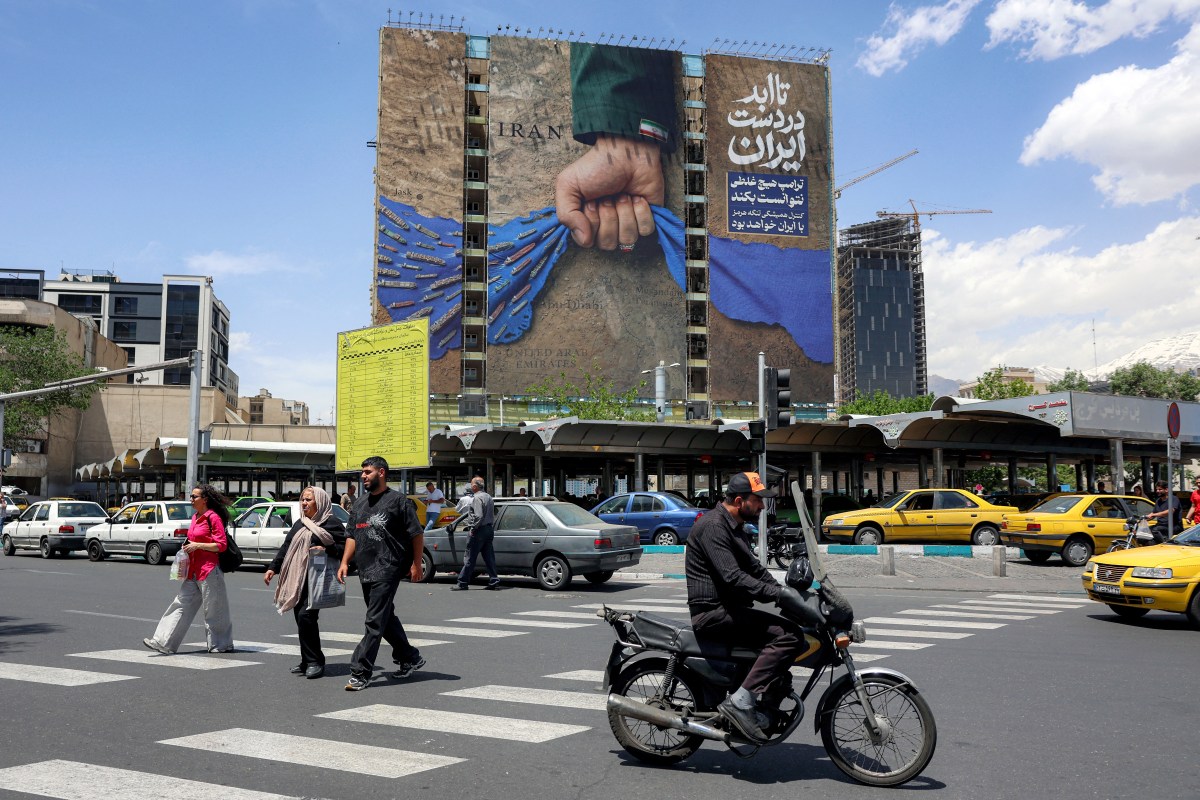
Iranian state media reported that air defense systems were activated in western Tehran after several explosions were heard across the city. Iranian forces said they were responding to what they called “hostile targets” in the area.
Key Facts
Explosions were reported in multiple locations across Tehran.
Iran activated its air defense systems in western Tehran.
Iranian forces described the targets as “hostile.”
The event was covered by Iranian state media.
No additional details about the origin or nature of the hostile targets were given.
Read the Original
Want the full story? Tap a source to open the original
article.
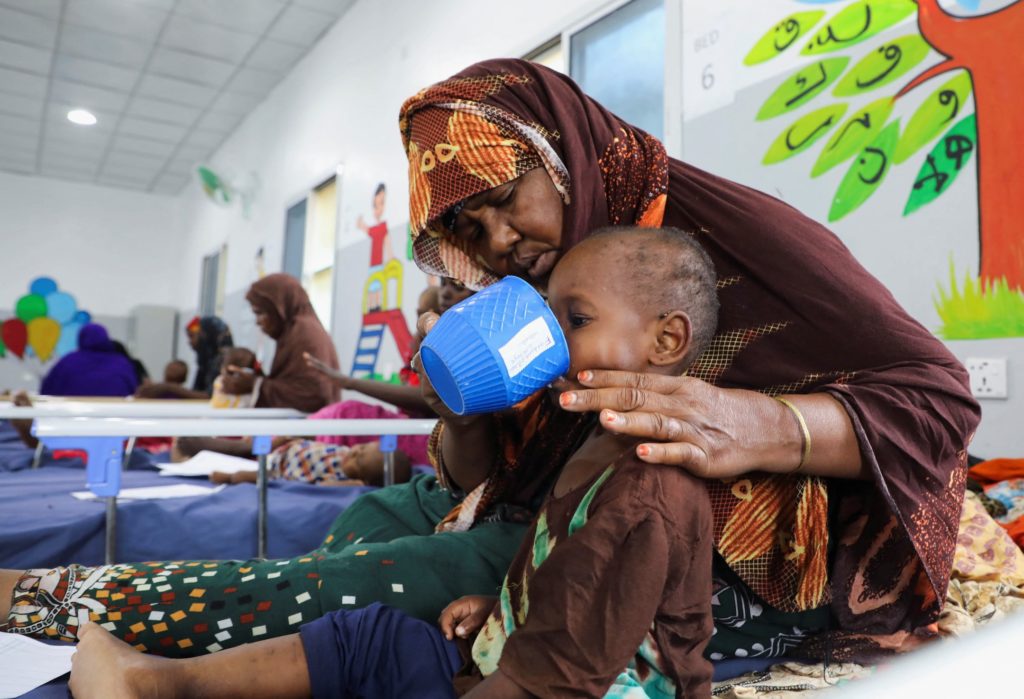
The closure of the Strait of Hormuz is making it more expensive to deliver humanitarian aid worldwide. This has a serious impact on Somalia, where a severe hunger crisis is worsening.
Key Facts
The Strait of Hormuz has been closed, affecting global shipping routes.
This closure increases fuel prices in the United States.
Higher fuel costs also raise the expense of delivering humanitarian aid worldwide.
Somalia is experiencing a major hunger crisis.
The crisis in Somalia is becoming more complex due to these delivery challenges.
The World Food Program is involved in providing aid to Somalia.
Rising costs make it harder to get food and supplies to people in need in Somalia.
Read the Original
Want the full story? Tap a source to open the original
article.
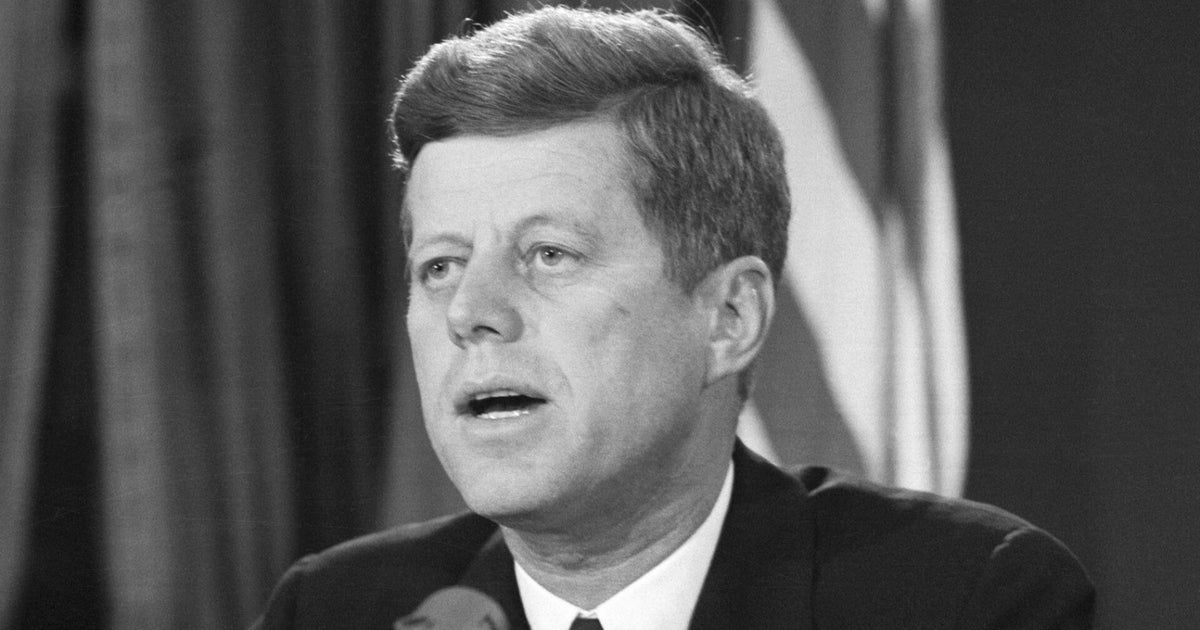
In October 1962, the United States and the Soviet Union had a tense 13-day confrontation known as the Cuban Missile Crisis. The crisis happened because the Soviet Union placed nuclear missiles in Cuba, very close to the U.S. coast. This event brought the world very close to a nuclear war.
Key Facts
The Cuban Missile Crisis lasted 13 days in October 1962.
It was a standoff between the U.S. and the Soviet Union during the Cold War.
The Soviets placed nuclear missiles on the island of Cuba.
Cuba is just off the coast of Florida, making the missile threat very close to the U.S. mainland.
The crisis was covered live by news outlets like CBS News Radio.
The event is seen as one of the closest times the world came to nuclear war.
The U.S. government responded with a naval blockade and negotiations to remove the missiles.
Read the Original
Want the full story? Tap a source to open the original
article.
Counting of votes is underway after elections in England, Scotland, and Wales. The results will shape local governments and test the strength of political parties in each region.
Key Facts
Polls closed recently in England, Scotland, and Wales for local and parliamentary elections.
In Scotland, the Scottish National Party (SNP) is likely to win a fifth term but may not have a clear majority.
SNP plans to push for a second independence referendum despite UK government opposition.
Wales will increase its parliament size from 60 to 96 members and use a new voting system.
Labour is expected to lose control of the Welsh parliament for the first time since 1999.
Plaid Cymru may form a minority government in Wales, highlighting independence issues.
Reform UK party has gained momentum, especially in Scotland and parts of England like Hartlepool.
Early results are limited, with larger announcements expected early Friday.
Read the Original
Want the full story? Tap a source to open the original
article.
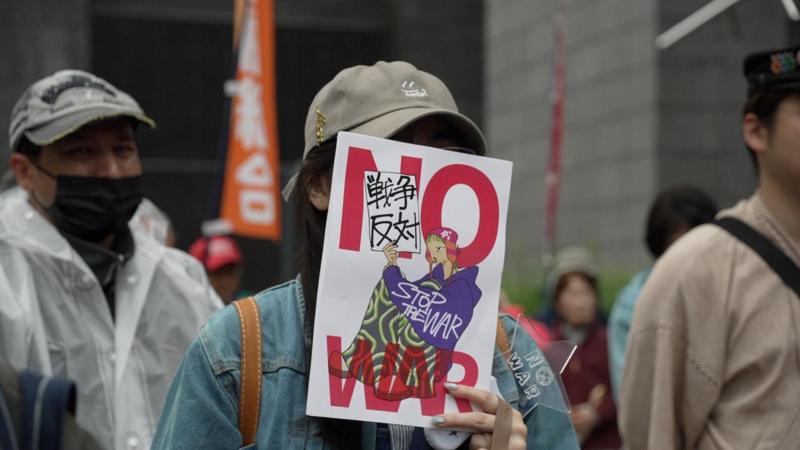
Large anti-war protests are happening in Japan as Prime Minister Sanae Takaichi pushes to make the country’s military stronger and lift restrictions on arms exports. These changes challenge Japan’s long-standing pacifist constitution, which has prevented the country from having offensive military forces since World War Two.
Key Facts
Japan’s 1947 constitution includes Article 9, which bans Japan from having military forces to wage war.
Since October 2025, PM Sanae Takaichi has been changing Japan’s security policies to allow more military activity abroad and arms exports.
The government says these moves are needed because of threats from nearby countries like China, North Korea, and Russia.
Japan’s closest ally, the United States, supports Japan taking a bigger security role.
The lifting of the ban on weapons exports on April 21, 2026, was a major change that upset many Japanese citizens.
Large protests, including many young people, have formed in cities like Tokyo opposing these military changes.
Many protesters want to protect Japan’s pacifist identity and fear the country could be drawn into future wars.
This debate reflects ongoing tensions about Japan’s role in regional security and how to interpret its pacifist constitution.
Read the Original
Want the full story? Tap a source to open the original
article.
Scotland has finished voting in its parliamentary election, and the results will decide who leads the Scottish government and the future direction of Scottish politics. Key points include whether the Scottish National Party (SNP) will win a majority and who will become the first minister.
Key Facts
The Scottish Parliament has 129 seats, with 73 elected by simple vote and 56 chosen through proportional representation to balance outcomes.
SNP aims to win a majority of 65 seats to push for Scottish independence.
SNP faces challenges from Labour, Conservatives, Liberals, and other parties trying to gain or hold seats.
Labour leader Anas Sarwar hopes to become first minister, but his party is currently behind in polls.
The Green Party supports pro-independence goals and might back SNP in government.
Unionist parties may try to unite behind Labour to stop SNP, causing political debates.
Voter turnout is expected to fall from 63% in 2021 to the low or mid-50% range.
More than 4.2 million people are registered to vote, but fewer postal votes were registered, possibly lowering turnout.
Read the Original
Want the full story? Tap a source to open the original
article.
Brazil’s President Luiz Inácio Lula da Silva said that during a White House meeting, President Donald Trump told him he does not plan to invade Cuba. Lula shared this information in a press conference in Washington, D.C.
Key Facts
Brazil’s President Lula met with U.S. President Donald Trump at the White House.
After their meeting, Lula said Trump indicated no plans to invade Cuba.
Lula made these remarks during a press conference at the Brazilian Embassy in Washington.
The discussion between the two leaders included topics about regional and international issues.
This statement was made public on a Thursday.
The conversation was part of ongoing diplomatic relations between the U.S. and Brazil.
No official U.S. government statement about an invasion was announced.
Read the Original
Want the full story? Tap a source to open the original
article.
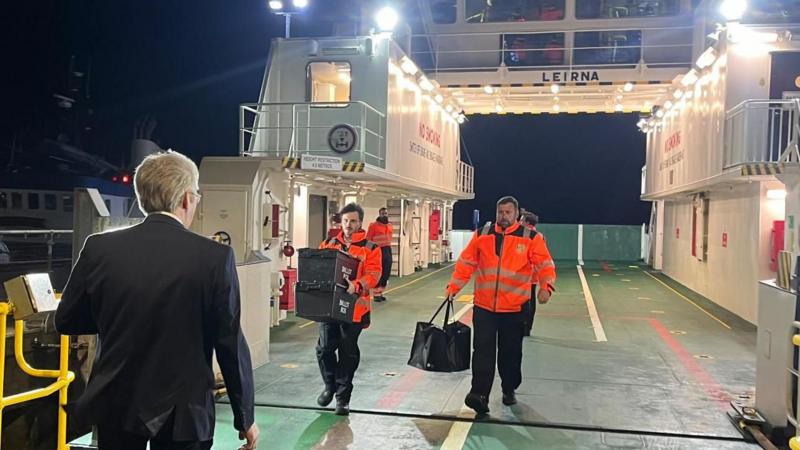
On 7 May, local elections were held across various parts of England, including London's boroughs, and in Scotland and Wales. Voters chose representatives for councils, mayors, and parliaments using different voting systems suited to each area.
Key Facts
About 5,000 council seats were contested on 7 May in 134 English councils.
Elections took place in London's 32 boroughs and other northern districts, county councils, and unitary authorities.
Six directly elected mayors were also voted on in England.
Scotland’s parliament uses an “additional member system,” where voters cast two votes: one for a local candidate and one for a party list to balance representation.
Wales introduced a new voting system with closed proportional lists in 16 six-seat constituencies, allowing seats to closely reflect vote shares.
Results were still being counted at the time of reporting.
Different organizations may report slightly different results depending on how they calculate changes from previous elections.
The Press Association provided these election results.
Read the Original
Want the full story? Tap a source to open the original
article.
Three U.S. warships were involved in a strong attack by Iranian forces in the Strait of Hormuz, a key shipping route. This happened while the White House is waiting for Iran to respond to a recent U.S. peace offer.
Key Facts
Three U.S. warships faced an intense assault from Iranian forces.
The incident took place in the Strait of Hormuz, a vital passage for global oil shipping.
The U.S. Central Command reported the attack.
The White House has made a peace proposal to Iran and is awaiting their response.
The situation shows ongoing tensions between the U.S. and Iran in the region.
Pentagon reporters are covering the event closely.
The Strait of Hormuz is strategically important for international trade and security.
No further details about damage or casualties were mentioned in the report.
Read the Original
Want the full story? Tap a source to open the original
article.
France is moving its aircraft carrier, the Charles de Gaulle, towards the southern Red Sea near the Strait of Hormuz. This move is to prepare for a possible mission to help reopen and secure safe navigation in the Strait, which has become a key point in the conflict involving Iran.
Key Facts
The Charles de Gaulle is France’s most powerful warship.
The ship is repositioning near the Strait of Hormuz through the southern Red Sea.
France is working with the United Kingdom on a plan to ensure safe passage in the Strait after the conflict ends.
The Strait of Hormuz is a crucial waterway and its closure is linked to the ongoing war in Iran.
The French presidency announced this movement as a preventative step.
The situation in the Strait reflects broader tensions in the Middle East region.
Experts and officials are discussing France’s role in resolving the conflict.
Read the Original
Want the full story? Tap a source to open the original
article.