Fact-first summaries of your favorite news sources — stay informed without the doomscroll.
Your favorite news sources, one calm feed — fact-first summaries that always link to the
original story. No outrage bait, and we tell you when you're caught up. How it works
World News
Comprehensive coverage of international news and global events
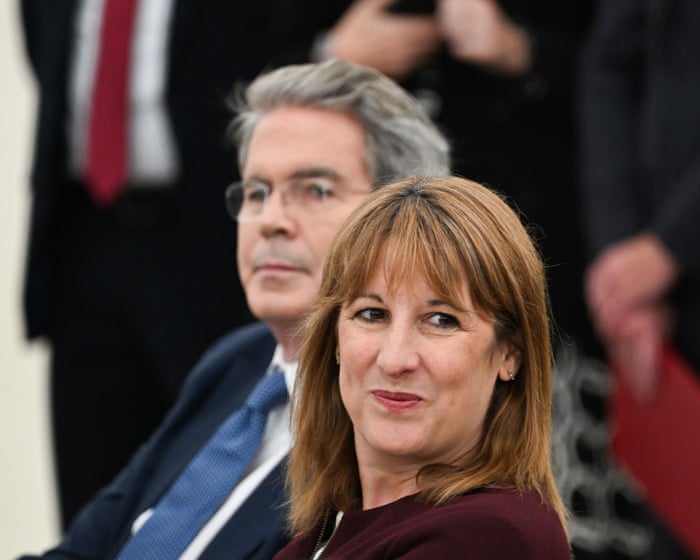
British Chancellor Rachel Reeves and U.S. Treasury Secretary Scott Bessent had a heated discussion in Washington last month about the war in Iran. Their disagreement reflects growing tensions between the UK and the US over the conflict and has affected diplomatic relations between the two countries.
Key Facts
Rachel Reeves criticized the war in Iran publicly, saying it lacked a clear goal and called it a mistake.
Scott Bessent reacted angrily to her comments during a meeting at the International Monetary Fund spring meetings.
Bessent warned about the threat of an Iranian nuclear attack and its economic impact on Britain.
Reeves told Bessent she did not appreciate his tone and reminded him that she was not his employee.
This disagreement is part of wider tensions between the UK and US, with President Trump threatening to cancel a trade deal and recognize Argentina’s claim to the Falkland Islands.
UK Prime Minister Keir Starmer has also criticized President Trump’s foreign policies, signaling a shift from earlier attempts to maintain close relations.
Despite tensions, the US Treasury has stated its commitment to taking action against those supporting Iran’s terrorism.
President Trump eased some tensions recently by ending tariffs on Scotch whisky during the visit of the British king and queen to the US.
Read the Original
Want the full story? Tap a source to open the original
article.
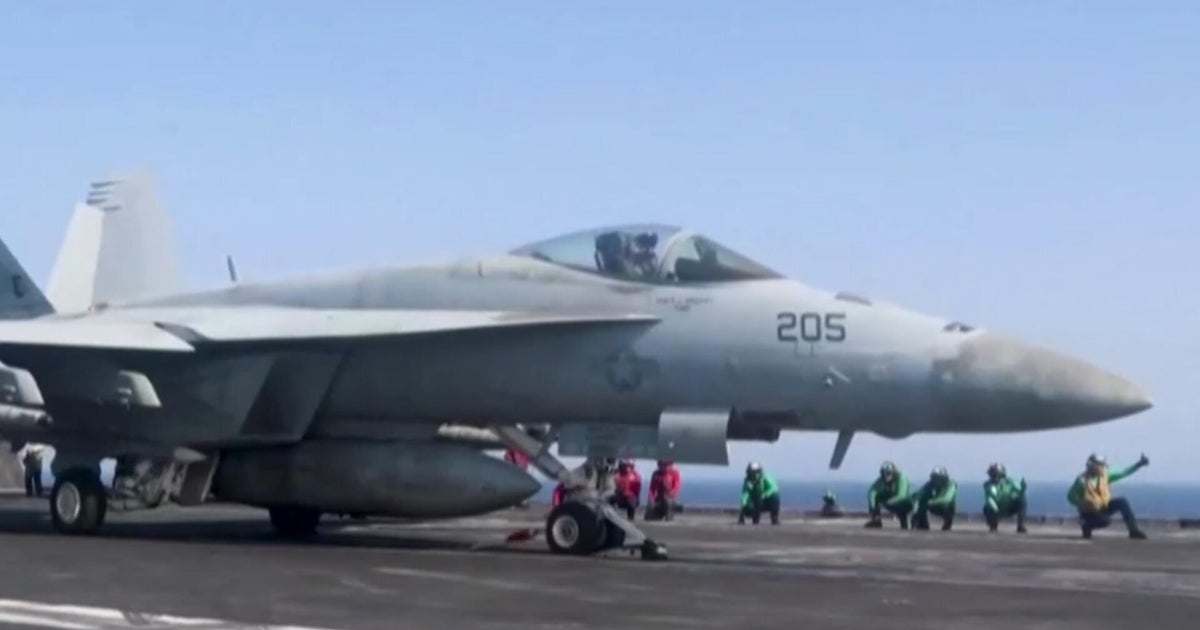
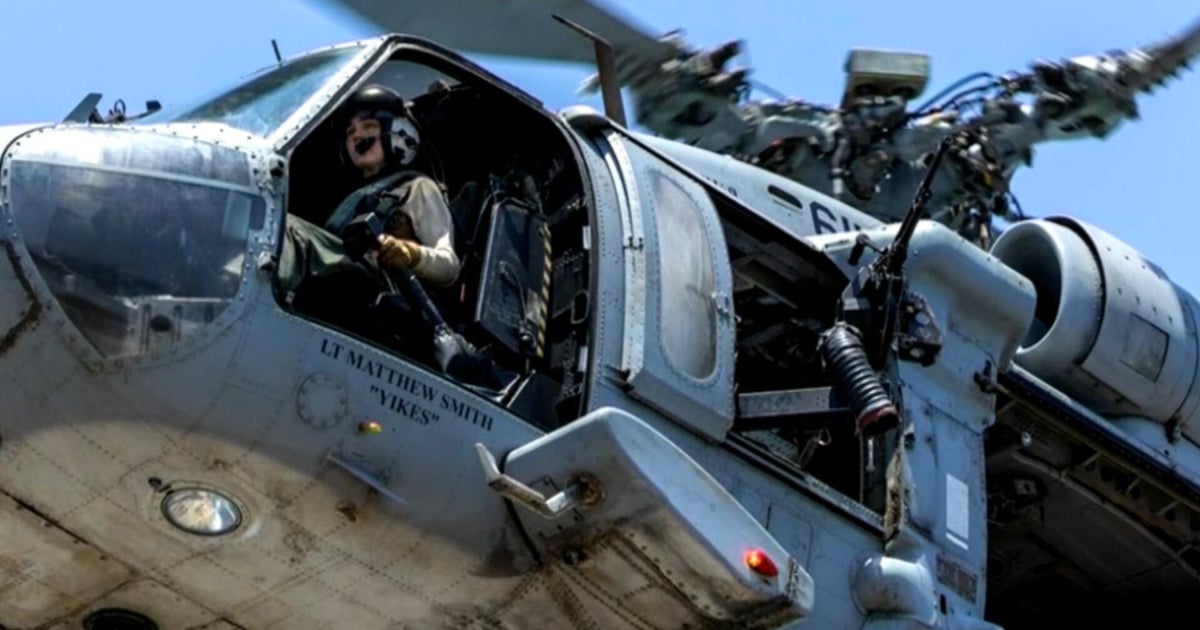
There are rising tensions in the Strait of Hormuz, a key shipping route where the U.S. Navy is protecting commercial ships from attacks linked to Iran. The U.S. is carrying out a mission called Project Freedom to support safe passage for these vessels.
Key Facts
The Strait of Hormuz is a major passage for global shipping and oil transport.
The U.S. Navy is actively involved in protecting ships traveling through this area.
Iran has been involved in attacks that threaten the safety of ships in the strait.
Project Freedom is the name of the U.S. effort to secure the strait.
The U.S. is helping commercial vessels navigate safely amid these tensions.
This situation has drawn international attention due to the strait's importance for trade.
The conflict involves military actions but focuses on safeguarding civilian maritime traffic.
Read the Original
Want the full story? Tap a source to open the original
article.
Activists from the Global Sumud Flotilla, who tried to bring aid to Gaza, say Israeli forces mistreated and tortured them when they were detained at sea. These activists have returned to Argentina and reported their experiences.
Key Facts
Activists were part of the Global Sumud Flotilla delivering humanitarian aid to Gaza.
Israeli forces detained the activists at sea during the mission.
The activists claim they were subjected to torture and mistreatment while in custody.
The activists have now returned to Argentina.
The incident involves a conflict between Israeli authorities and aid groups trying to help Gaza.
Read the Original
Want the full story? Tap a source to open the original
article.
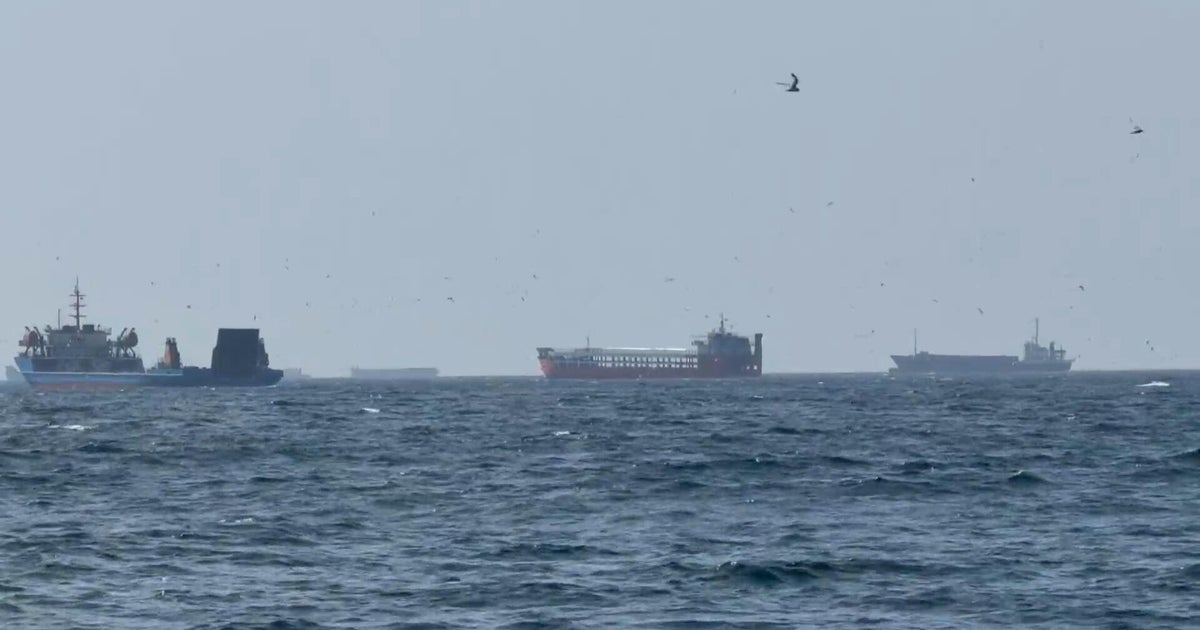
A Danish shipping company, Maersk, said one of its U.S.-flagged ships, the Alliance Fairfax, recently left the Persian Gulf. The ship passed through the Strait of Hormuz while being protected by the U.S. military after being stuck in the Gulf since a conflict with Iran started on February 28.
Key Facts
The ship involved is called the Alliance Fairfax.
The vessel is operated by Maersk’s Farrell Lines subsidiary.
The ship is flagged under the United States.
The Alliance Fairfax had been stuck in the Persian Gulf since February 28.
The delay happened because of a conflict with Iran.
The ship left the Persian Gulf via the Strait of Hormuz.
The U.S. military provided protection during the ship’s transit through the strait.
The Strait of Hormuz is a key waterway for global shipping.
Read the Original
Want the full story? Tap a source to open the original
article.
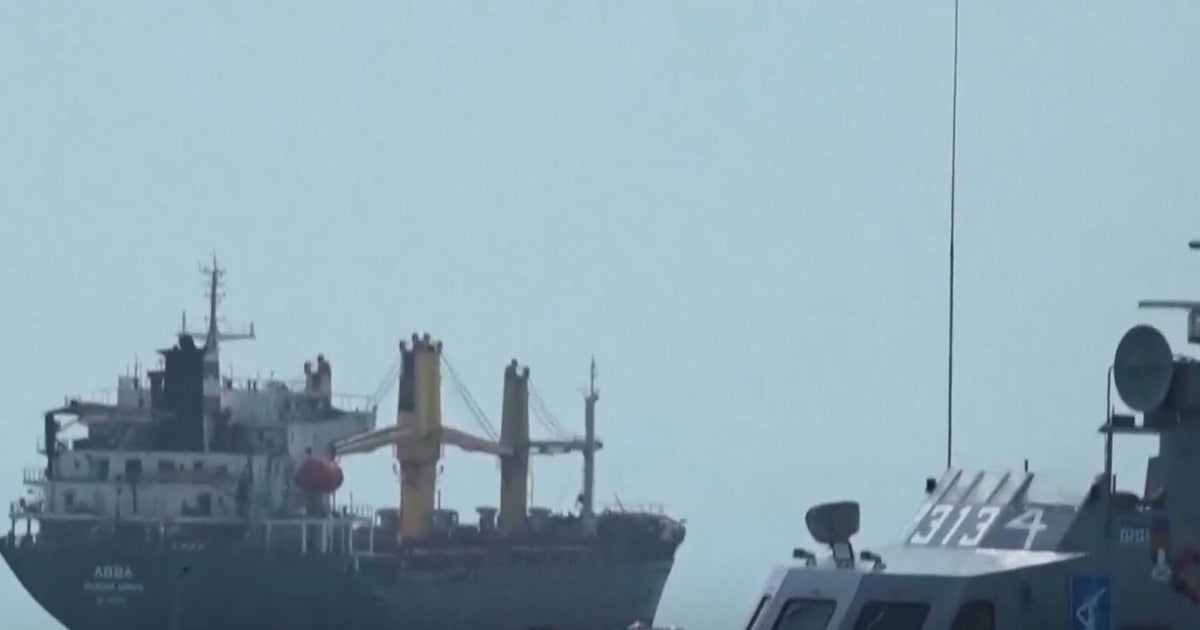
The U.S. and Iran exchanged gunfire during a fragile ceasefire near the Strait of Hormuz. Iran said its navy fired warning shots at U.S. ships, while the U.S. military reported shooting down Iranian missiles and drone attacks and sinking several small Iranian boats.
Key Facts
The incident happened near the Strait of Hormuz, a key waterway for global shipping.
Iranian state media reported that Iran's navy fired warning shots at U.S. destroyers.
The U.S. military said it intercepted Iranian cruise missiles and drones.
The U.S. also said it sank multiple small Iranian boats involved in the clash.
This exchange occurred amid a fragile ceasefire between the two countries.
President Donald Trump launched a mission to protect ships passing through the Strait of Hormuz.
The situation shows ongoing tensions between the U.S. and Iran in the region.
Read the Original
Want the full story? Tap a source to open the original
article.
The U.S. and Iran exchanged gunfire amid a delicate ceasefire while the U.S. military escorted ships through the Strait of Hormuz. This confrontation happened during ongoing tensions in the region and affected nearby vessels.
Key Facts
The U.S. and Iran exchanged fire despite a fragile ceasefire agreement.
The U.S. military conducted an operation to escort ships through the Strait of Hormuz.
The Strait of Hormuz is a strategic waterway for international shipping.
This incident shows ongoing conflict and tension between the U.S. and Iran.
An American was stranded on a cruise ship experiencing a deadly viral outbreak during this time.
The exchange of fire occurred while efforts were made to maintain peace in the area.
The situation remains unstable with risks to maritime security.
Read the Original
Want the full story? Tap a source to open the original
article.
The U.S. recently launched the Artemis II mission, sending a crew to the moon. China is preparing its own space missions as part of the competition between the two countries in space exploration.
Key Facts
The U.S. launched the Artemis II crewed mission to the moon.
China is working on its own upcoming space missions.
The article discusses the space race between the U.S. and China.
R. Lincoln Hines from Georgia Tech talks about these developments.
The Artemis II mission marks a significant step in U.S. lunar exploration.
Both countries aim to advance their presence and technology in space.
Read the Original
Want the full story? Tap a source to open the original
article.
The United States and Iran have exchanged claims about attacking each other’s ships in the Strait of Hormuz amid rising tensions. President Donald Trump announced a plan called Project Freedom to escort stranded ships through the strait, which Iran has threatened to attack without permission from its military forces.
Key Facts
The Strait of Hormuz is a key waterway where about 20% of the world's oil and gas pass through.
Since February 28, the strait has been nearly closed due to the US-Israel war on Iran.
President Trump announced Project Freedom to guide ships stuck in the strait to safety.
Iran’s Islamic Revolutionary Guard Corps (IRGC) threatened to fire on ships using the strait without permission.
Iran claimed to have hit a US warship with drones; the US military denied this and said it sank Iranian boats.
The United Arab Emirates reported an Iranian attack on its Fujairah refinery, causing damage and injuries.
The US has imposed a naval blockade on Iranian ports since April 13.
Both sides accuse each other of escalating the conflict but no independent verification of attacks exists.
Read the Original
Want the full story? Tap a source to open the original
article.
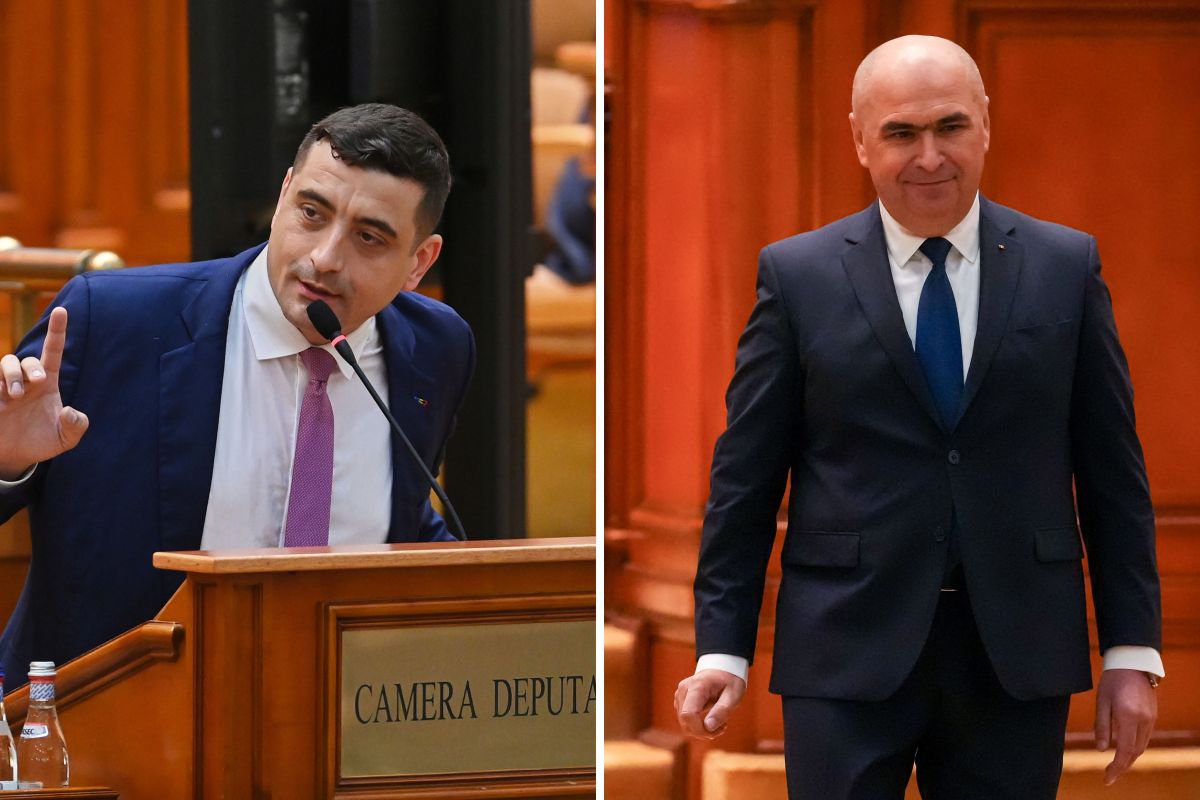
A Romanian opposition leader, George Simion, helped bring down the country's pro-European government after lawmakers passed a no-confidence vote against Prime Minister Ilie Bolojan. Simion, who is politically close to President Donald Trump, seeks new elections and national reconciliation following the collapse of the coalition government.
Key Facts
Romania’s pro-European coalition government fell after a no-confidence vote on Tuesday.
Opposition leader George Simion played a key role in this political change.
The leftist Social Democratic Party (PSD) left the government and joined Simion’s hard-right party (AUR) to push the no-confidence motion.
Simion lost Romania's presidential election last year but leads current polls.
He called for new elections during the parliamentary debate following the collapse.
Simion is known to have close ties to President Donald Trump and attended Trump’s inauguration in Washington last year.
The government collapse creates political uncertainty in Romania, part of the European Union.
Read the Original
Want the full story? Tap a source to open the original
article.
An Israeli court has extended the detention of two activists from a Gaza-bound aid flotilla who were captured by Israeli forces in international waters. The activists, Saif Abu Keshek from Spain and Thiago Avila from Brazil, face accusations without formal charges and remain in isolation while on hunger strike.
Key Facts
The activists were taken by Israeli forces on April 30 while sailing to Gaza as part of the Global Sumud Flotilla.
Most activists were taken to Crete, but Abu Keshek and Avila were brought to Israel for questioning.
The Ashkelon Magistrates’ Court extended their detention until May 10 based on secret evidence.
No formal charges have been filed; accusations include links to a “terrorist organization” and contact with foreign agents.
The activists are held in isolation with constant bright lighting and are blindfolded when moved.
They have been on a hunger strike, consuming only water since their capture.
Their lawyers and rights groups claim the detention and accusations lack legal basis and plan to appeal.
The flotilla’s organizers and human rights groups have called for international action demanding their release.
Read the Original
Want the full story? Tap a source to open the original
article.
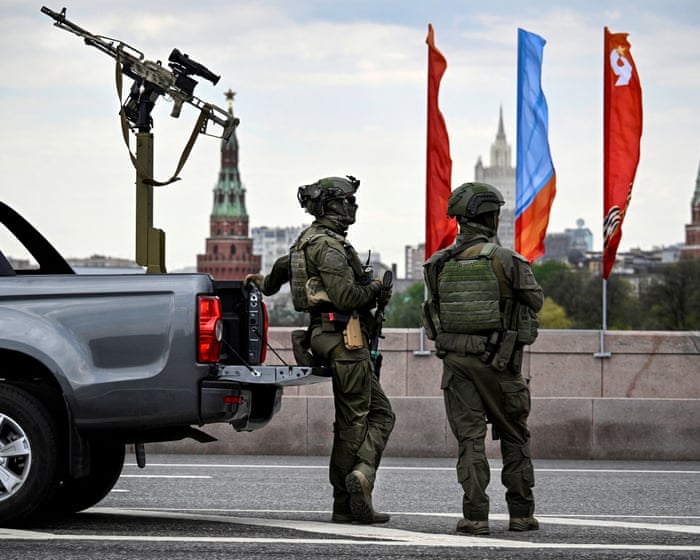
Russia closed airports and cut mobile internet in Moscow to increase security ahead of the May 9 Victory Day parade, which celebrates the defeat of Nazi Germany. The parade has been scaled down without large military equipment due to concerns about Ukrainian drone attacks, and Moscow has taken extra protective measures, including a temporary ceasefire proposal and heavy security around President Putin.
Key Facts
Moscow shut down all four airports and cut mobile internet access on May 9 for security reasons.
The Victory Day parade was scaled back, with no heavy military hardware shown for the first time in nearly 20 years.
Ukraine recently carried out drone attacks near Moscow, including one close to the Kremlin.
Russia declared a ceasefire for May 8-9 and threatened a missile strike on Kyiv if violated; Ukraine rejected this ceasefire offer.
Security in Moscow includes checkpoints, snipers, machine-gun crews, and tightened personal protection for President Putin.
President Putin is spending more time in underground bunkers and has restricted travel for his close staff to reduce assassination risks.
The internet disruption affected workers like taxi drivers and delivery couriers, who had trouble doing their jobs.
Russian officials say these security measures aim to prevent drone attacks and sabotage during the large public event.
Read the Original
Want the full story? Tap a source to open the original
article.
French President Emmanuel Macron expressed strong support for Armenia’s Prime Minister Nikol Pashinyan ahead of Armenia’s upcoming election. Macron criticized Russia for not protecting Armenia during conflicts with Azerbaijan and encouraged Armenia to pursue closer ties with Europe for peace and growth.
Key Facts
Macron supports Armenian Prime Minister Nikol Pashinyan, who is seeking re-election.
Pashinyan favors closer relations with Europe, unlike some neighboring countries.
Macron said Russia abandoned Armenia during the 2020 Nagorno-Karabakh war with Azerbaijan.
Three pro-Russia or nationalist parties oppose Pashinyan and accuse him of conceding too much to Azerbaijan.
France has a large Armenian community and has pushed for Armenia to join European initiatives.
Over 40 European leaders recently met in Armenia to promote cooperation through the European Political Community.
The EU offered Armenia easier visa rules and trade agreements at a recent summit.
Macron called for border openings with Azerbaijan, Turkey, and Georgia to promote peace and economic growth.
Read the Original
Want the full story? Tap a source to open the original
article.
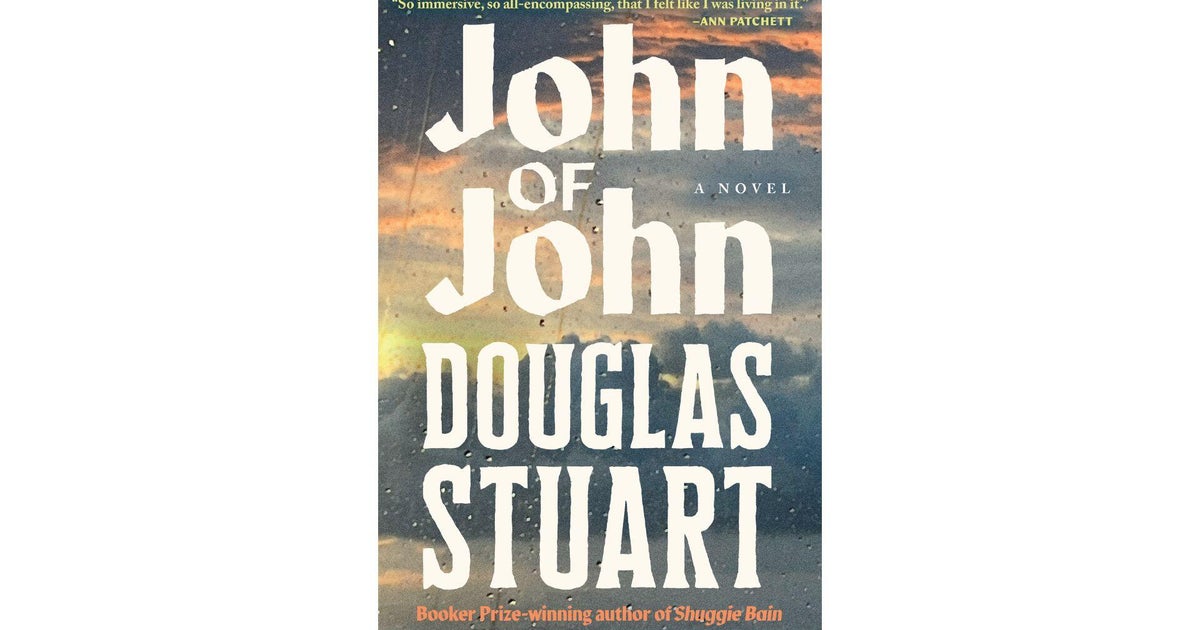
"John of John" is a novel by Douglas Stuart set in Scotland. It tells the story of Cal Mcleod, who returns home after art school to live with his strict father on the Isle of Harris, facing family conflicts and cultural challenges.
Key Facts
The novel begins with Cal Mcleod returning to the Isle of Harris after four years in art school in Edinburgh.
Cal's father, John, is a strict Calvinist and a traditional Scottish home weaver.
The story explores the harsh natural environment of Harris, including its rocky landscape and difficult weather.
Cal struggles with his relationship with his father and the impact of his father’s closeted homosexuality.
Language, specifically the use of Gaelic versus English, shapes relationships and reveals cultural ties in the story.
Cal’s upbringing in a strict religious household clashes with his experiences in more modern Edinburgh society.
Financial struggles highlight the contrast between traditional subsistence living on the islands and modern economic pressures.
Water and the sea are important symbols in the novel, representing both the environment and the characters.
Read the Original
Want the full story? Tap a source to open the original
article.
The nominations for the 2026 Tony Awards were announced on CBS Mornings by Uzo Aduba and Darren Criss. Pop star P!NK will host the awards ceremony on June 7 at Radio City Music Hall, which will be shown on CBS and Paramount+.
Key Facts
The 2026 Tony Awards nominations were revealed by Uzo Aduba and Darren Criss.
P!NK will be the host of the 79th Annual Tony Awards.
The ceremony will take place on Sunday, June 7, 2026, at Radio City Music Hall in New York City.
The show will start at 8 p.m. Eastern Time.
It will be broadcast on CBS and available to stream on Paramount+.
Some nominated plays include "Fallen Angels," "Bug," and "Oedipus."
Some nominated musicals include "Schmigadoon!," "The Rocky Horror Show," and "Ragtime."
Categories announced so far include best actor and actress in leading roles in plays and musicals, best musical, and best play.
Read the Original
Want the full story? Tap a source to open the original
article.
Dolly Parton shared an update about her health, mentioning both positive and some negative information. She spoke publicly to inform her fans about how she is doing.
Key Facts
Dolly Parton provided a health update on a Monday afternoon.
She mentioned there is some good news about her health.
She also shared a little bad news regarding her condition.
The update was meant for her fans and the public.
Details of the good and bad news were not specified in the article.
Read the Original
Want the full story? Tap a source to open the original
article.
The U.S. Navy protected two commercial ships from missile and drone attacks by Iranian forces in the Strait of Hormuz. This event tested a ceasefire agreement in the region.
Key Facts
The U.S. Navy used destroyer ships to defend commercial vessels in the Strait of Hormuz.
Iranian forces launched attacks using missiles and drones.
The attacks happened while the ships were passing through the Strait of Hormuz, a key shipping route.
These incidents occurred during a period when a ceasefire was supposed to be in effect.
The U.S. Navy successfully stopped the Iranian attacks without reported losses.
The Strait of Hormuz is a strategic waterway important for global oil transportation.
The situation highlights ongoing tensions between the U.S. and Iran in the region.
Read the Original
Want the full story? Tap a source to open the original
article.
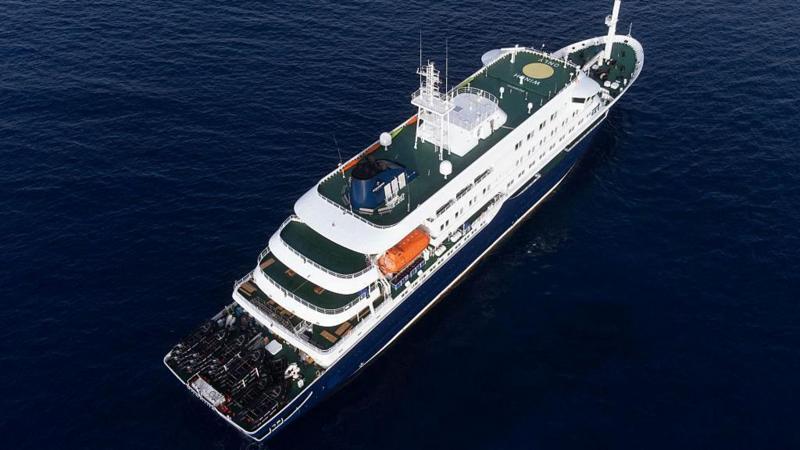
The World Health Organization (WHO) said that hantavirus may have spread between people on a Dutch cruise ship, the MV Hondius, where three passengers have died. This virus is usually spread by rodents, but close human contact on the ship might have caused the transmission. The ship is currently near Cape Verde, with many passengers still onboard under strict safety measures.
Key Facts
Three passengers on the MV Hondius cruise ship have died amid a hantavirus outbreak.
Hantavirus usually spreads through rodents, but human-to-human spread may have occurred on the ship.
Two confirmed cases include a Dutch woman and a 69-year-old British man; the virus strain is likely the Andes strain from South America.
No rats were found on board, and the WHO says the public risk is low.
The ship left Argentina about a month ago and is now near Cape Verde.
Local authorities in Cape Verde did not allow passengers to leave the ship for safety reasons.
Spain may allow the ship to dock in the Canary Islands for further health checks, but no decision is made yet.
The WHO is focused on treating two crew members with respiratory symptoms and continues testing other symptomatic passengers and crew.
Read the Original
Want the full story? Tap a source to open the original
article.
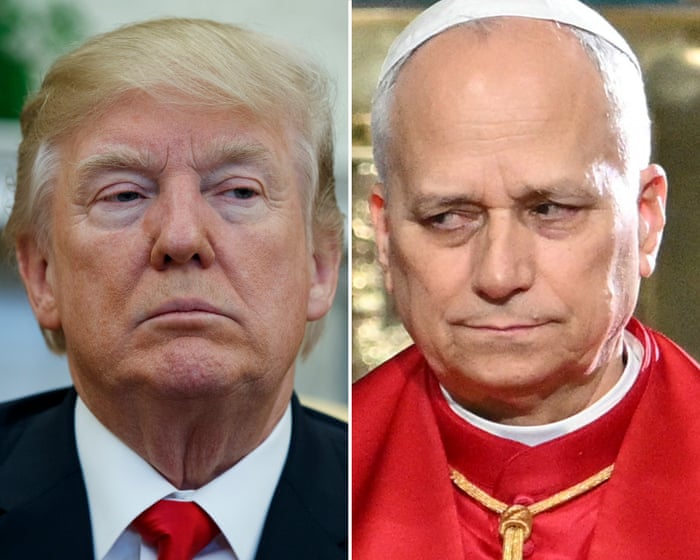
President Donald Trump criticized Pope Leo XIV, saying the pope supports Iran having nuclear weapons, which Trump believes is dangerous. Ahead of a meeting between US Secretary of State Marco Rubio and the pope, US officials hope to open honest talks to ease tensions after previous disagreements.
Key Facts
President Trump accused Pope Leo XIV of supporting Iran having nuclear weapons.
The pope has not said Iran should have nuclear weapons but has called for peace and talks in the Middle East.
Marco Rubio, US Secretary of State, is scheduled to meet the pope to discuss US-Vatican relations.
Brian Burch, US ambassador to the Vatican, expects a straightforward conversation to improve understanding.
The meeting also aims to repair relations with Italy following Trump’s criticism of Italian Prime Minister Giorgia Meloni.
US Vice President JD Vance has also criticized the pope’s comments on war and theology.
Rubio and Vance previously met the pope and delivered a White House invitation that the pope has not accepted.
These discussions come amid wider tensions involving US foreign policy and the Vatican's position on international conflicts.
Read the Original
Want the full story? Tap a source to open the original
article.
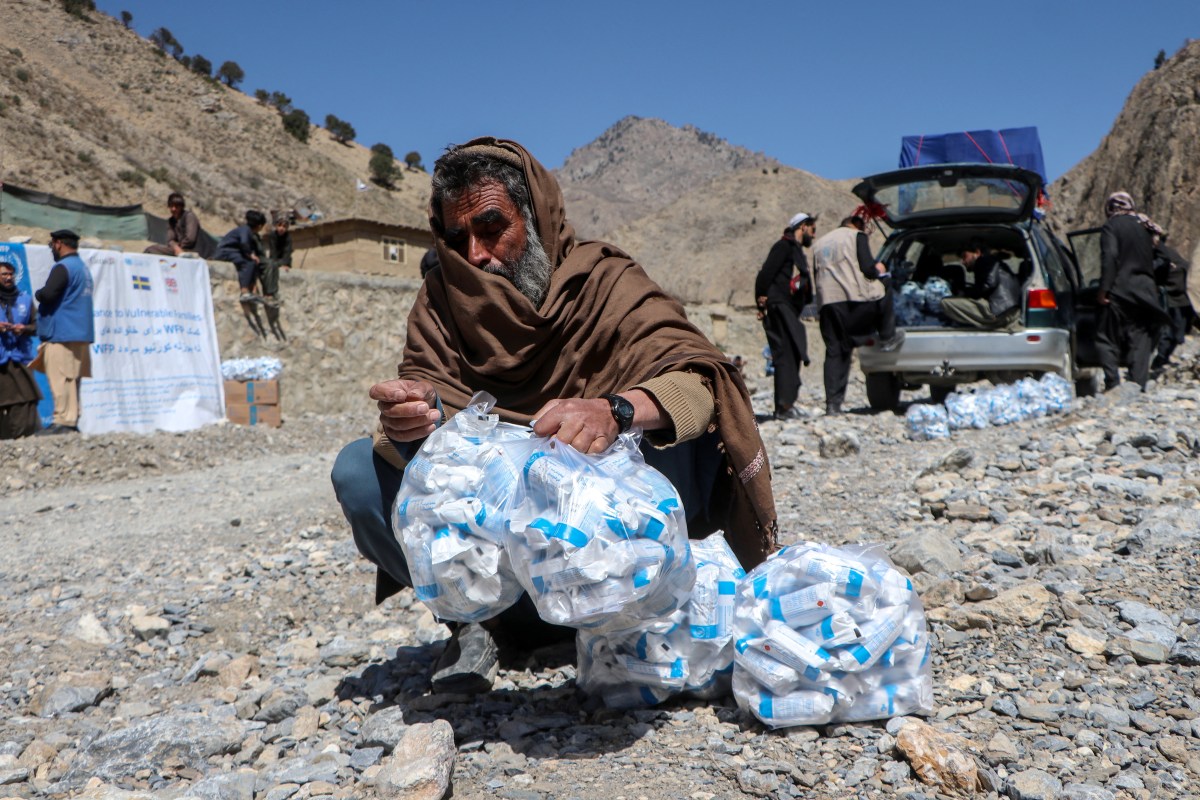
Hunger is increasing worldwide, with nearly 320 million people severely lacking enough food. The main problem is not producing enough food but delivering it effectively to those in need, especially in conflict zones and unstable regions. The United Nations World Food Programme (WFP) plays a key role in providing food aid, and strong, coordinated leadership is needed to improve its impact.
Key Facts
Almost 320 million people face serious food shortages worldwide.
Hunger is worsened by conflict, bad weather, and economic problems.
The world produces enough food to feed everyone, but delivery is the main challenge.
The UN World Food Programme is the main organization providing food aid in dangerous and hard-to-reach areas.
Donor countries expect their money to be used efficiently and transparently.
Recipient families rely on reliable food aid systems that can reach remote or insecure places.
Cooperation between countries is essential to fight global hunger.
Leadership focused on accountability and practical results is needed for better aid delivery.
Read the Original
Want the full story? Tap a source to open the original
article.
French universities now offer three-course meals to all students for €1, down from the usual price of €3.30. This change aims to help students facing financial difficulties by reducing their food costs.
Key Facts
The €1 meal deal was previously only for low-income or financially aided students.
About 667,000 students used the €1 meal program in 2024, which is a 5.3% increase from the previous year.
Students like 18-year-old Alexandre Ioannides will save around €40 a month on meals.
A survey found that nearly half of French students have skipped meals due to money problems.
The program served about 46.7 million meals at discounted and normal prices.
The French government plans to spend €120 million in 2027 to support the meal scheme.
Higher education minister Philippe Baptiste is monitoring the program to maintain food quality and avoid overworking staff.
Read the Original
Want the full story? Tap a source to open the original
article.