Fact-first summaries of your favorite news sources — stay informed without the doomscroll.
Your favorite news sources, one calm feed — fact-first summaries that always link to the
original story. No outrage bait, and we tell you when you're caught up. How it works
World News
Comprehensive coverage of international news and global events
Many people in Iran feel the government is now stronger and more powerful than before, even after protests and a recent war. There are fears that the government will increase its harsh actions against those who oppose it once the war ends.
Key Facts
The government faces ongoing protests but remains firmly in control of the country.
The war has not weakened Iran’s ruling Islamic Republic; it is seen as more deeply rooted.
Thousands of people have been arrested during protests and since the war started.
There have been 21 executions of political prisoners during the war, the highest in over 30 years.
Opposition rallies are banned in Iran, while the government holds public pro-regime events.
Conditions in prisons have become harsher, especially for those accused of opposing the regime.
Some Iranians hoped the deaths of top leaders would lead to change, but it did not.
Many fear the government will increase repression after the war ends.
Read the Original
Want the full story? Tap a source to open the original
article.
European leaders are coming together in Armenia for two major summits, marking a shift in the region's alliances. Armenia, traditionally closely tied to Russia, is deepening its relationship with the European Union following recent conflicts with Azerbaijan and Russia's limited support.
Key Facts
Over 30 European leaders and Canada's prime minister are attending a European Political Community summit in Armenia's capital, Yerevan.
The first-ever bilateral summit between the EU and Armenia will take place, with top EU officials participating.
Armenia is a member of Russia's Eurasian Economic Union and hosts a Russian military base.
Armenia buys Russian gas at a much lower price than European countries pay.
In 2023, Azerbaijan launched a military operation in Nagorno-Karabakh, displacing over 100,000 ethnic Armenians.
Russia, which had peacekeepers in the area, did not intervene effectively during the conflict.
The EU deployed a monitoring mission on the Armenia-Azerbaijan border and brokered a border recognition deal.
In 2025, Armenia's parliament began the process of joining the EU, and Armenia and Azerbaijan signed a peace agreement supported by President Trump.
Azerbaijan suspended ties with the European Parliament after a resolution related to Nagorno-Karabakh refugees and Armenian prisoners.
Russia has shown irritation at Armenia’s closer ties with the EU.
Read the Original
Want the full story? Tap a source to open the original
article.
NHS England has introduced a new injectable form of the cancer drug Keytruda, which can be given in one or two minutes instead of over an hour through a drip. This injection will save time for thousands of cancer patients and hospital staff, making treatment quicker and potentially easier to receive outside hospitals.
Key Facts
Keytruda is an immunotherapy drug that helps the immune system fight cancer.
Since 2015, Keytruda was given by intravenous drip, taking over an hour to administer.
The new injectable form cuts treatment time to about 1-2 minutes per dose.
About 14,000 NHS patients in England start treatment with Keytruda each year.
The drug treats 14 types of cancer, such as lung, head and neck, cervical, and breast cancers.
The injection will be given every three or six weeks, depending on the cancer type.
Immunotherapy works by blocking cancer cells from hiding from the immune system.
NHS England could not disclose the cost but expects it to be similar to the current drip form.
Read the Original
Want the full story? Tap a source to open the original
article.
Amsterdam has banned public advertisements for meat products and fossil fuel-related items like petrol cars and flights starting May 1. This is part of the city’s plan to become carbon neutral by 2050 and reduce meat consumption by half to help fight climate change.
Key Facts
Amsterdam is the first capital city to ban outdoor ads for meat and fossil fuels.
Ads for burgers, petrol cars, and airlines have been removed from public spaces like billboards and tram stops.
The ban supports Amsterdam’s goal to be carbon neutral by 2050 and reduce meat consumption by 50%.
Meat ads were only 0.1% of Amsterdam’s outdoor ad spending, while fossil fuel ads were about 4%.
Local politicians say the ban aligns public advertisements with the city’s environmental policies.
Critics include the Dutch Meat Association, which says meat provides essential nutrients, and travel groups unhappy about holiday ads being banned.
Environmental activists compare the ban to past tobacco ad restrictions, aiming to change public norms around high carbon products.
The new ads now promote cultural events like museum exhibits and concerts instead of high carbon or meat products.
Read the Original
Want the full story? Tap a source to open the original
article.
Thousands of people in Manipur, a state in northeastern India, gathered to remember three years since ethnic violence began between the Meitei majority and the Kuki-Zo minority. The conflict started over land and political control and has caused almost 260 deaths and forced about 60,000 people to leave their homes.
Key Facts
The violence began in May 2023 in Manipur, India.
It is between two ethnic groups: the Meitei majority and the Kuki-Zo minority.
The main causes are arguments over land and political power.
Nearly 260 people have died because of the conflict.
Around 60,000 people have been displaced, meaning they had to leave their homes.
Thousands of people protested to mark the three-year anniversary of the violence.
The protests took place in Manipur state.
Read the Original
Want the full story? Tap a source to open the original
article.
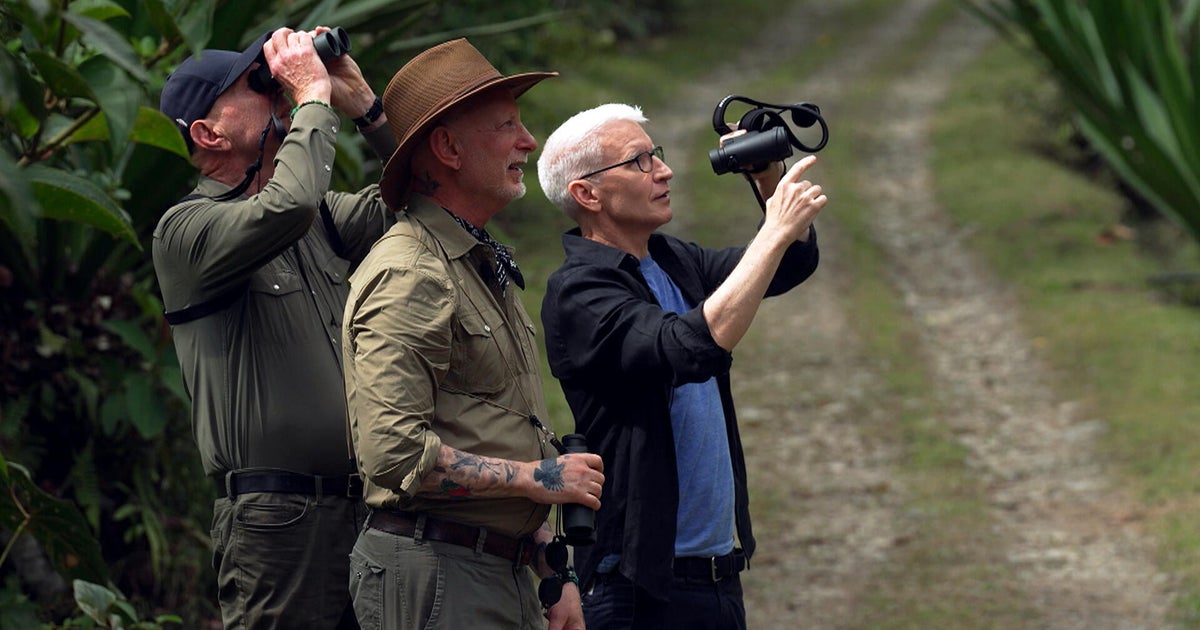
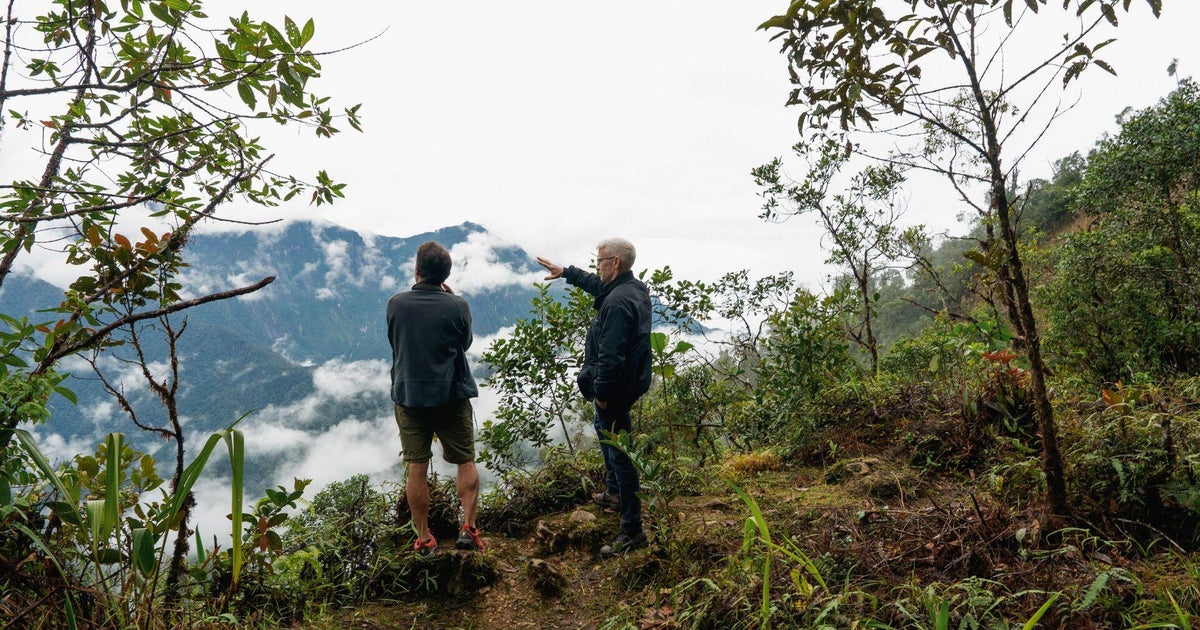
Anderson Cooper visited the mountains of western Colombia to report on birdwatching, an activity growing in the area after a history of conflict. He learned from experts how watching birds can be exciting and surprising, showing a rich natural environment.
Key Facts
Anderson Cooper reported for 60 Minutes from western Colombia.
The region is recovering from past conflicts.
Birdwatching is becoming popular there.
The weather was misty and overcast during the report.
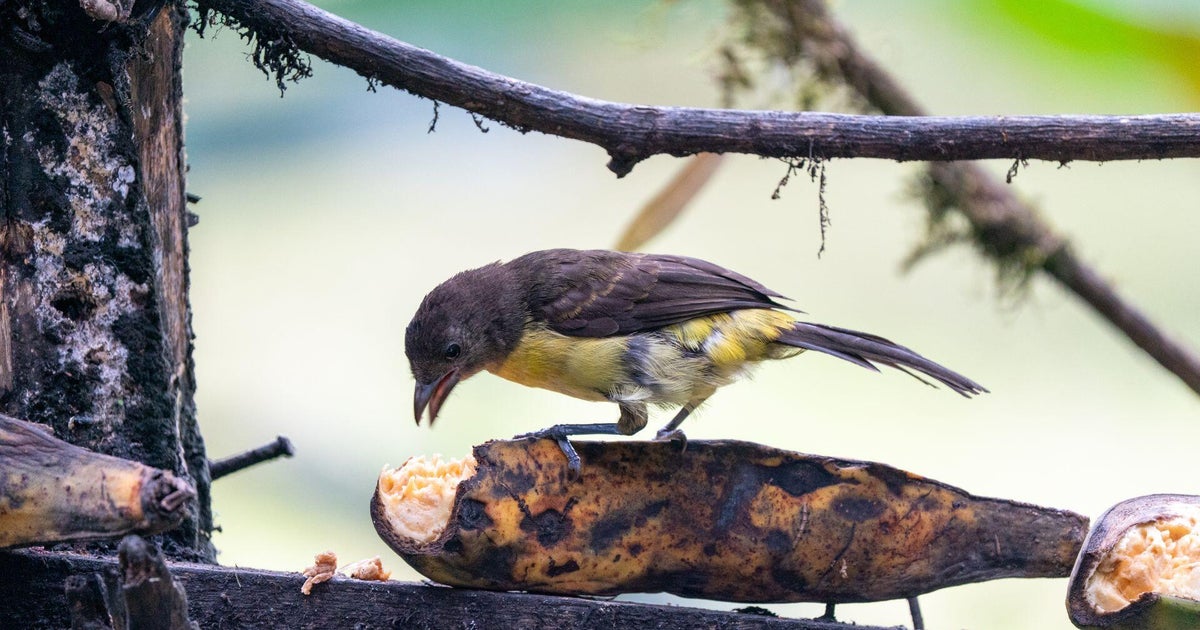
Birds like the gold-ringed tanager attract birdwatchers worldwide.
Cooper was new to birdwatching and initially skeptical.
With a guide's help, he found birdwatching exciting and enlightening.
Birdwatching can be done close to home because birds live everywhere.
Read the Original
Want the full story? Tap a source to open the original
article.
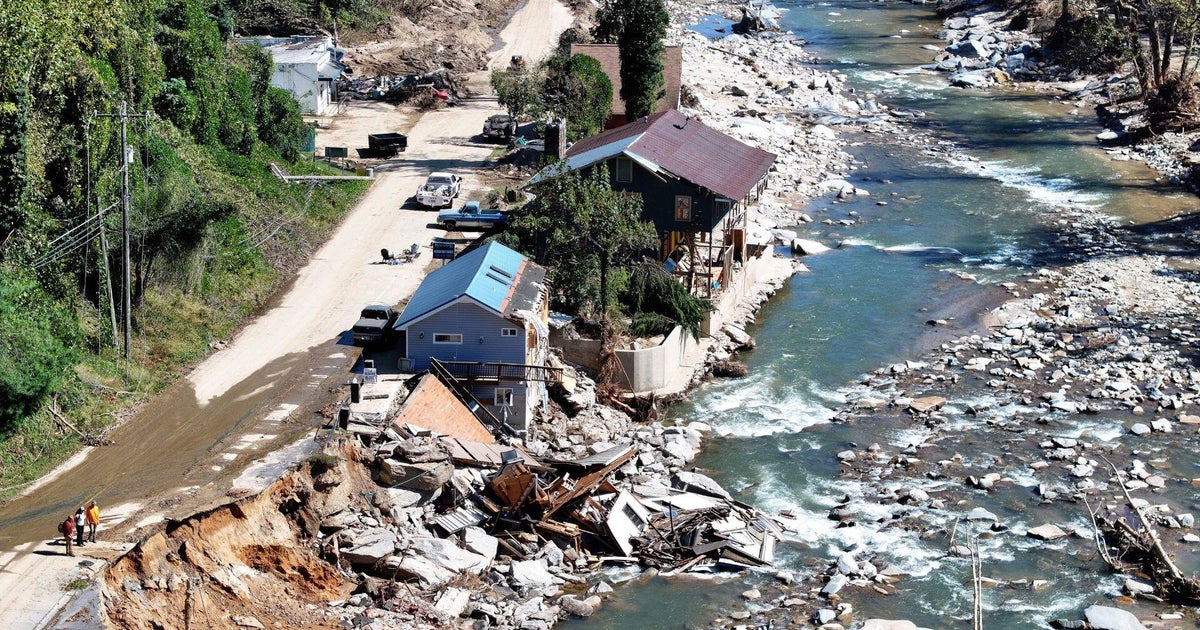
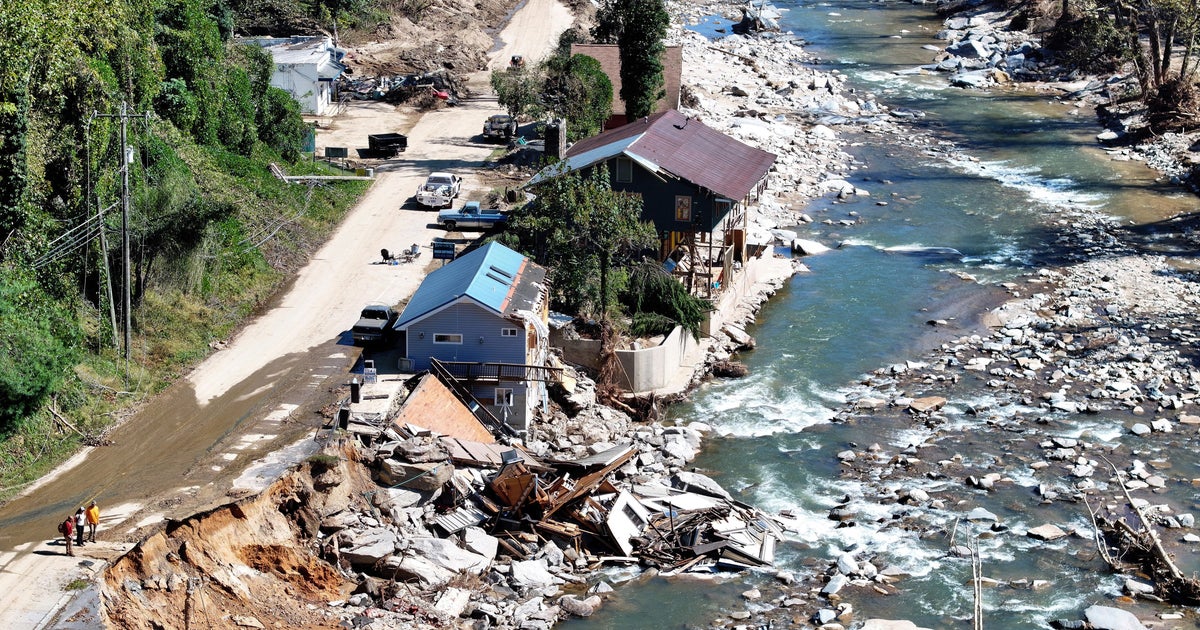
After Hurricane Helene hit North Carolina in September 2024, some far-right groups, including white nationalists, went to affected areas to help but also to gain followers by sharing videos of their actions online. Foreign countries like China, Russia, and Iran also used social media to spread messages that support their political goals during these disasters.
Key Facts
Hurricane Helene caused severe flooding and damage in North Carolina’s mountain areas, isolating remote communities.
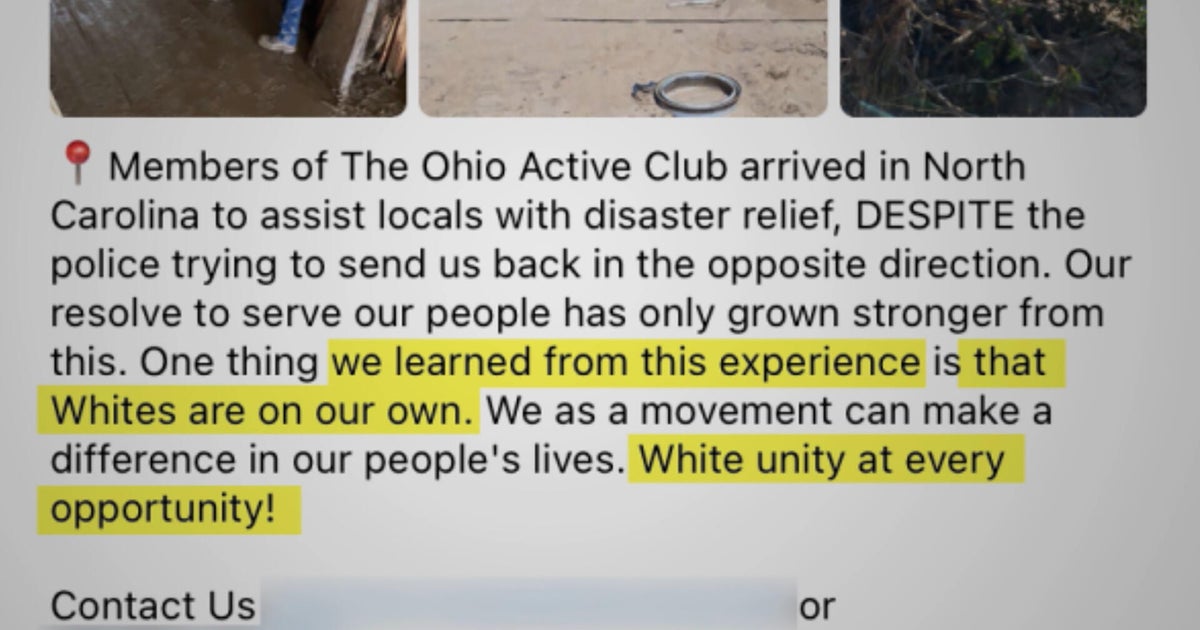
Far-right groups, such as the Patriot Front and Active Club, brought supplies and helped with cleanup after the storm.
These groups use disaster responses to improve their image online and recruit new followers.
They often hide extremist symbols and focus on “white unity” messages while presenting themselves as community helpers.
Misinformation, including claims that the government did not respond well, often accompanies their posts.
Foreign nations like China, Russia, and Iran spread social media content to influence Americans’ views and highlight U.S. system problems.
China uses networks of fake online accounts to create and amplify content that fits its propaganda aims.
This activity shows how both domestic extremist groups and foreign powers exploit crisis events to spread their messages.
Read the Original
Want the full story? Tap a source to open the original
article.
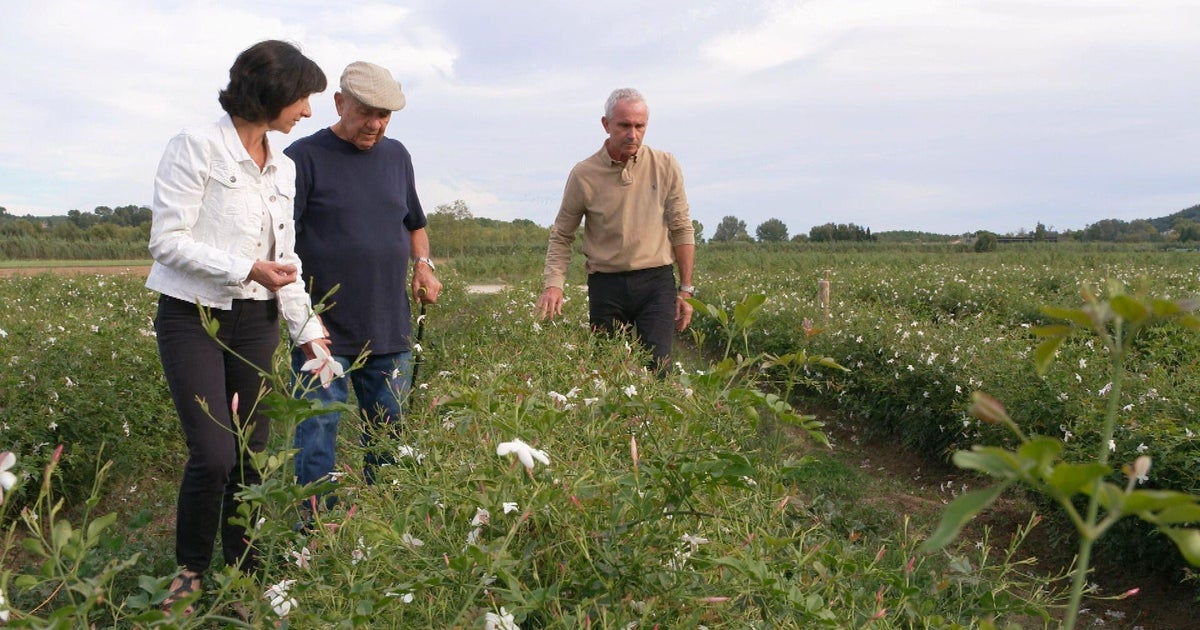
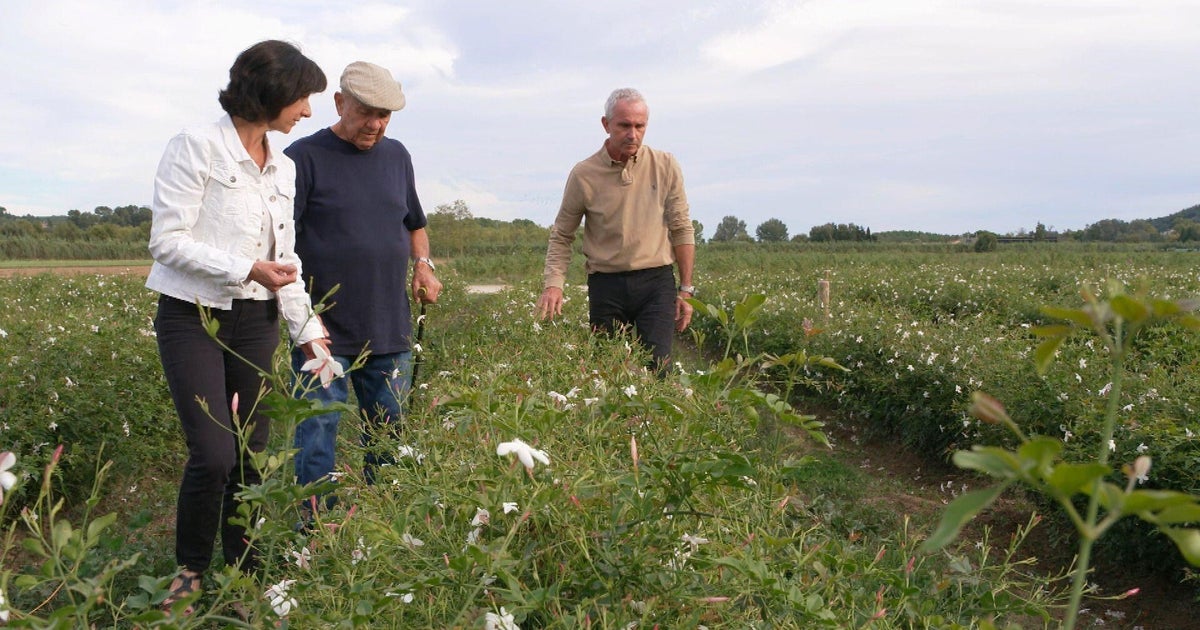
Grasse, a town in France, used to have strong smells from leather tanning. Today, it is famous for growing jasmine flowers used by big perfume brands like Chanel No. 5.
Key Facts
Grasse is a town in France known for its perfume industry.
The town used to be known for smells from leather tanning.
Now, it grows large fields of jasmine flowers.
These flowers are used by famous perfume companies.
Chanel No. 5 perfume uses jasmine from Grasse.
The flower-growing tradition in Grasse has lasted more than 100 years.
Grasse’s change reflects a shift from leather goods to fragrance production.
Read the Original
Want the full story? Tap a source to open the original
article.
After Colombia made a peace deal with a guerrilla group, birdwatching has increased because areas once affected by fighting are now more peaceful. The long conflicts between the government, left-wing guerrillas, right-wing paramilitaries, and drug traffickers unintentionally kept bird habitats safe.
Key Facts
Colombia experienced many years of fighting involving different groups.
Left-wing guerrillas and right-wing paramilitaries were part of the conflict.
Drug traffickers also contributed to the violence and unrest.
The fighting limited human activity in some regions, which helped protect bird habitats.
A recent peace agreement between the government and guerrilla fighters has brought more peace.
More people are now able to go birdwatching in these once unsafe areas.
The peace deal is helping nature and tourism in Colombia.
Read the Original
Want the full story? Tap a source to open the original
article.
Grasse, a medieval town in France, became the world’s perfume capital starting in the 15th century by growing flowers used in famous scents like Chanel No. 5. Today, Grasse is working to revive its flower fields, especially jasmine and rose, which are key ingredients in making high-quality perfumes.
Key Facts
Grasse originally had a strong smell of dead animals due to its leather trade in the 15th century.
Gloves scented with local flowers were created to mask the bad smell, leading to a flower-growing industry.
Coco Chanel visited Grasse in 1921 to find ingredients for her famous perfume, Chanel No. 5.
Chanel No. 5 uses about twelve May Roses and one thousand jasmine flowers per bottle.
Olivier Polge, Chanel’s master perfumer, sources flowers and creates fragrances in Grasse.
Grasse’s flower fields have greatly shrunk, from 12,000 acres in the early 1900s to 124 acres today.
Most jasmine used for Chanel No. 5 now comes from a single family farm in Grasse.
Flowers grown in Grasse have unique scents different from those grown in countries like India or Egypt.
Read the Original
Want the full story? Tap a source to open the original
article.
After natural disasters like hurricanes, some volunteers who arrive to help are linked to white nationalist groups, militias, and conspiracy theories. These groups use disaster relief efforts to recruit new members and try to improve their public image.
Key Facts
White nationalist groups often show up to help after hurricanes and other natural disasters.
Militias and people who believe in conspiracy theories also take part in disaster relief efforts.
These groups use volunteering as a way to find new followers.
They also try to make themselves look better to the public during these times.
The presence of these groups during emergencies can cause concern in affected communities.
Read the Original
Want the full story? Tap a source to open the original
article.
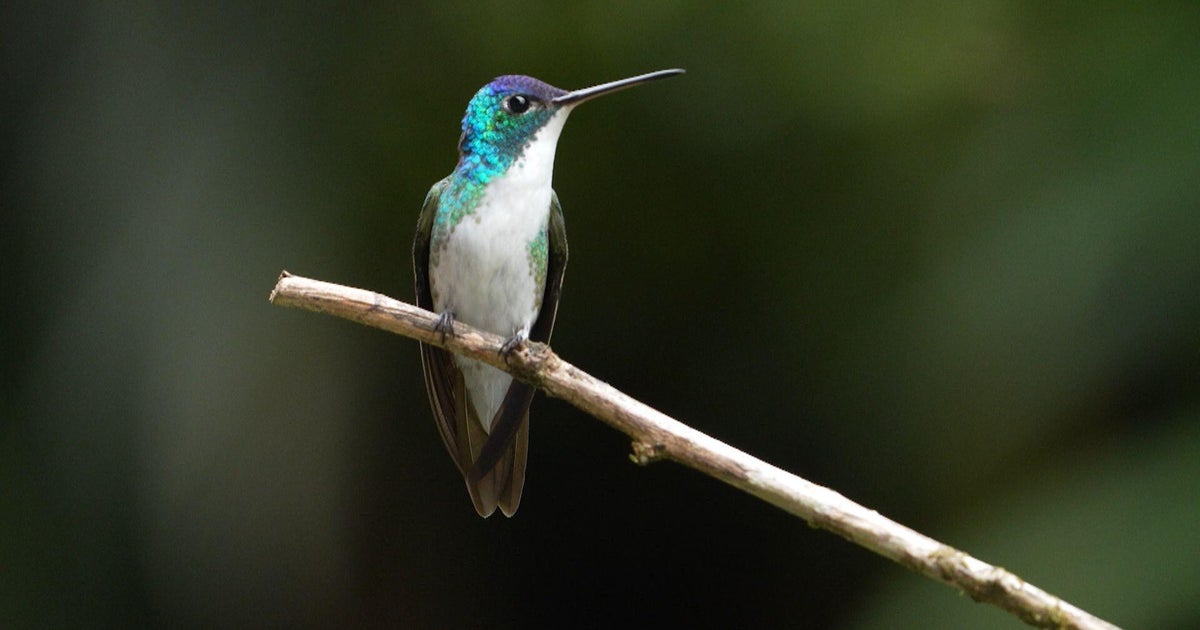
Colombia has about 2,000 bird species, more than any other country, making it a top destination for bird watchers. This diversity supports a growing ecotourism industry that helps Colombia’s economy. Many unique birds, including various hummingbirds, live in Colombia's diverse environments like the Andes mountains and wet rainforests.
Key Facts
Colombia has around 2,000 bird species, the highest number in the world.
Bird watching brings significant tourism money to Colombia’s economy.
Tatamá National Park in the Andes is one of the wettest places on Earth with many bird species.
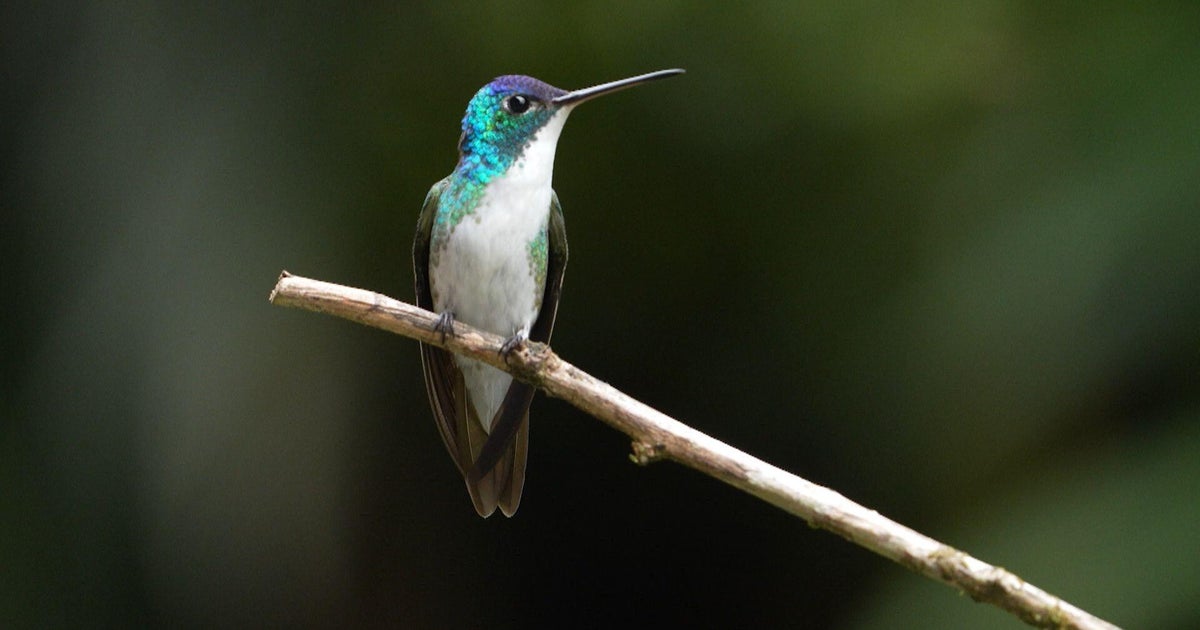
Colombia has over 160 species of hummingbirds, such as the Empress brilliant and Violet-tailed sylph.
Hummingbirds can fly in all directions, including backward, and flap their wings up to 80 times a second.
The Blue-gray tanager and Cinnamon flycatcher are common birds in Colombia’s tropical and subtropical zones.
The Black vulture is a large bird that often feeds on roadkill along highways.
Bird watchers visited Colombia to find the rare Chami antpitta, a prized and elusive bird species.
Read the Original
Want the full story? Tap a source to open the original
article.
Anderson Cooper visited Colombia and explored birdwatching in the country’s mountains. He learned how rare birds, skilled guides, and natural scenery made the experience exciting.
Key Facts
Anderson Cooper traveled to Colombia.
He went birdwatching in mountainous areas.
The area is home to rare bird species.
Expert guides helped him find and identify birds.
The natural landscape played a big role in the experience.
Birdwatching turned Cooper from a skeptic into an enthusiast.
Read the Original
Want the full story? Tap a source to open the original
article.
Diego Calderón Franco, once kidnapped by the FARC guerrillas in Colombia, now teaches former fighters bird-watching to help them find new jobs as guides. Colombia has the most types of birds in the world, and after years of conflict, bird habitats were preserved in some areas.
Key Facts
Diego Calderón Franco was held hostage by FARC rebels for 88 days in 2004.
The FARC is a left-wing guerrilla group involved in a long conflict with the Colombian government.
In 2016, nearly 10,000 FARC fighters gave up arms after a peace deal and sought new livelihoods.
Calderón Franco introduced some ex-fighters to bird-watching, hoping they could become guides.
Colombia is home to about 2,000 bird species, more than any other country.
The country’s varied landscape includes mountains, jungles, deserts, and grasslands, supporting many bird species.
Violence and conflict prevented some areas of Colombia from being developed, helping protect bird habitats.
Although peace is fragile, travel has become safer, and bird-watching is growing as ecotourism in Colombia.
Read the Original
Want the full story? Tap a source to open the original
article.
Colombia has more bird species than any other country because of its varied landscape and past armed conflicts that kept some areas wild. Since a 2016 peace deal, these regions have become safer, attracting bird watchers and boosting Colombia’s ecotourism and economy.
Key Facts
Colombia has about 2,000 species of birds, the highest number in the world.
Years of conflict kept some parts of Colombia’s forests untouched by people.
In 2016, the government signed a peace agreement with the FARC guerrilla group.
Peace has made it safer to visit remote forest areas with many bird species.
Bird watching is growing as a tourist activity, helping the economy.
Tatamá National Park on the Andes’ western slope is a key bird habitat.
Diego Calderón Franco is a famous Colombian bird guide who knows many local species.
Hummingbirds in the area can be territorial and often fight for space.
Read the Original
Want the full story? Tap a source to open the original
article.
After recent natural disasters in the U.S., some far-right groups, including white nationalist militias, have arrived in affected areas offering help. Officials say these groups sometimes create problems for local rescue efforts while trying to improve their public image and recruit new members.
Key Facts
In April, over 200 tornados hit more than 20 states in the U.S.
Hurricane Helene caused severe damage in North Carolina in September 2024.
Far-right militias and white nationalist groups showed up to disaster zones like Texas and North Carolina.
These groups offer aid but also try to gain followers and spread their ideology.
Sheriff Lowell Griffin reported that armed militia members tried to take control of rescue efforts.
One white nationalist group called Active Club was founded in 2020 and has nearly 90 chapters.
Active Club members say they help white people first but may assist others in emergencies.
The groups often hand out flyers to recruit people and want to build a separate system supporting white interests.
Read the Original
Want the full story? Tap a source to open the original
article.
Hundreds of beagles were removed from a Wisconsin dog breeding and research facility after protests and legal actions. Animal rescue groups are caring for the dogs and working to find new homes while the facility faces legal issues over mistreatment claims.
Key Facts
Big Dog Ranch Rescue and the Center for a Humane Economy bought 1,500 beagles from Ridglan Farms.
Police used teargas and pepper spray to stop activists trying to take the dogs during protests.
Ridglan Farms agreed to give up its state breeding license by July to avoid felony charges.
The dogs are being vaccinated, microchipped, and prepared for adoption across the U.S.
Beagles are commonly used in animal testing because they are small, gentle, and calm.
About 1,000 activists gathered to protest at Ridglan Farms in April.
29 people were arrested during the protest, with some facing felony burglary charges.
Animal groups say the beagles are now safe and adjusting to care after years in the facility.
Read the Original
Want the full story? Tap a source to open the original
article.
About 1,500 beagles have been bought from a Wisconsin dog research facility after protests and legal action. Rescue groups are now caring for the dogs, vaccinating them, and finding new homes across the country.
Key Facts
The beagles came from Ridglan Farms, a dog breeding and research facility in Wisconsin.
Police used tear gas and pepper spray to stop activists who tried to take the dogs in April.
Big Dog Ranch Rescue and the Center for a Humane Economy bought all 1,500 beagles from Ridglan Farms.
The rescue groups are vaccinating, microchipping, and spaying or neutering the dogs before adoption.
Over 700 people have applied to adopt the beagles so far.
Ridglan Farms agreed to give up its state breeding license by July 1 to avoid felony animal mistreatment charges.
The facility was accused of performing eye procedures that broke veterinary rules.
Some activists were arrested for breaking into the facility earlier and face charges.
Read the Original
Want the full story? Tap a source to open the original
article.
Three people have died and several others have become sick from a suspected hantavirus outbreak on a cruise ship traveling across the Atlantic Ocean. Health officials, including the World Health Organization (WHO), are investigating the cause and working to contain the outbreak while providing medical care to those affected.
Key Facts
At least three people have died and three more are ill due to a suspected hantavirus outbreak on a cruise ship.
The World Health Organization confirmed one infection and is investigating further.
The outbreak likely began on the MV Hondius, a Dutch-flagged ship sailing from Argentina to Cape Verde.
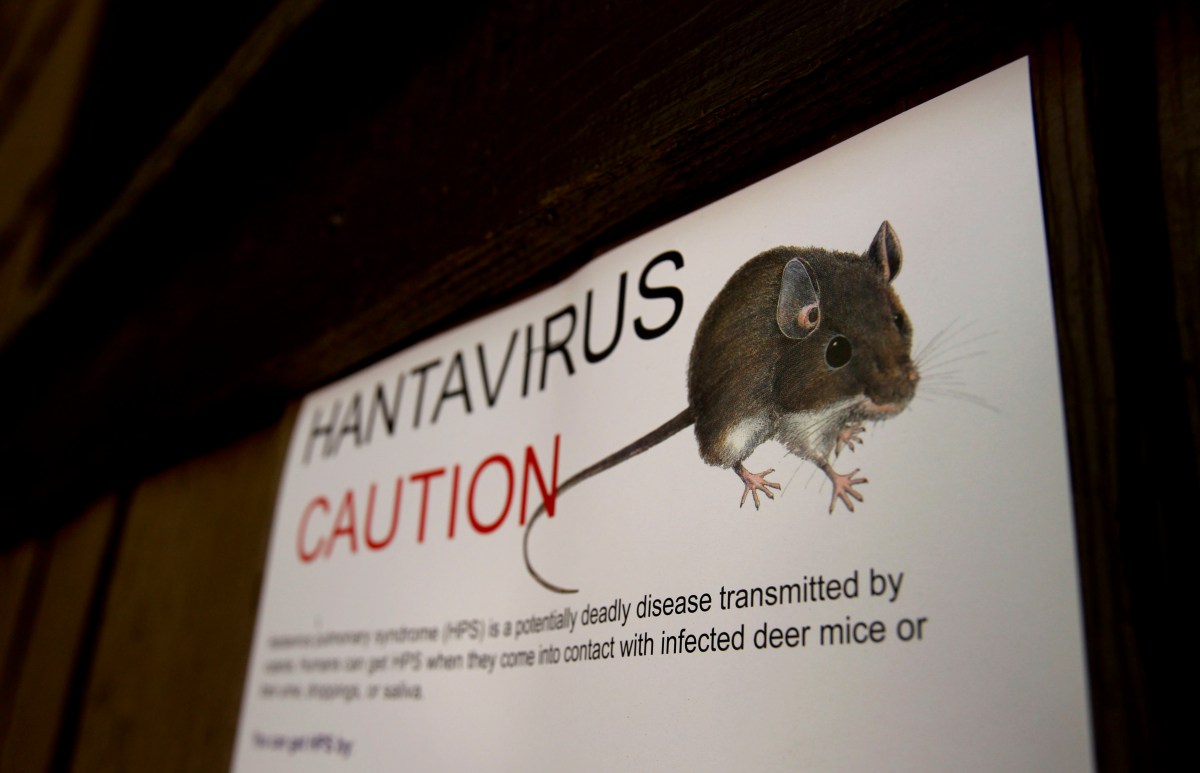
Hantavirus spreads mainly through contact with urine or feces of infected rodents, but rare person-to-person transmission can occur.
Symptoms include fever, fatigue, muscle aches, coughing, and difficulty breathing.
An elderly man died on the ship, his wife later died in a hospital, and a third passenger with similar symptoms also died.
The ship is currently docked in Praia, the capital of Cape Verde.
Health authorities in South Africa and Cape Verde are working with the cruise operator to monitor and treat passengers and crew.
Further testing and genetic analysis of the virus are underway to understand the outbreak and its risks.
Read the Original
Want the full story? Tap a source to open the original
article.
Three people have died from a suspected hantavirus outbreak on the MV Hondius cruise ship in the Atlantic. Health officials, including the World Health Organization (WHO), are investigating the cases and providing medical support.
Key Facts
The MV Hondius cruise ship is traveling from Ushuaia, Argentina, to Cape Verde.
One hantavirus case has been confirmed, with at least five others suspected.
Three people infected have died, including a couple aged 69 and 70.
One infected person is currently in intensive care in South Africa.
The virus is transmitted to humans through contact with infected rodents’ urine or droppings.
WHO is coordinating efforts between countries to evacuate and treat infected passengers.
The body of the first victim is on Saint Helena island, a British territory in the South Atlantic.
Investigations, including virus testing and studying how the disease spread, are ongoing.
Read the Original
Want the full story? Tap a source to open the original
article.