Fact-first summaries of the news — stay informed, stay grounded.
Your favorite news sources, one calm feed — fact-first summaries that always link to the
original story. No outrage bait, and we tell you when you're caught up. How it works
World News
Comprehensive coverage of international news and global events
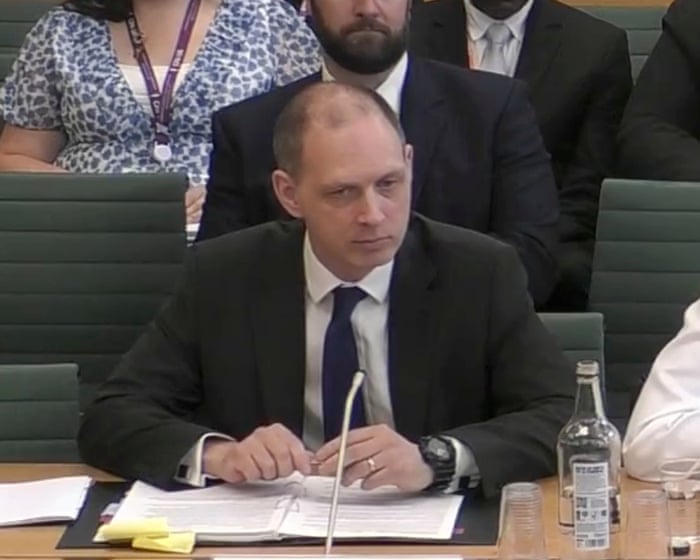
A key official involved in vetting Peter Mandelson for his role as UK ambassador to Washington will not appear in person before a parliamentary committee but will provide written answers. The committee is investigating the security vetting process that initially failed Mandelson but was later overruled, leading to controversy and the resignation of a top civil servant.
Key Facts
Ian Collard, a former ambassador and Foreign Office security officer, will submit written evidence instead of speaking to MPs.
The Foreign Affairs Committee has already heard from Olly Robbins and Cat Little about Mandelson’s vetting process.
Robbins, who left his Foreign Office role recently, said Collard briefed him on concerns over Mandelson’s security clearance.
Robbins described pressure to approve Mandelson’s clearance as normal government urgency, not undue interference.
Mandelson was given access to classified briefings before his security clearance was finalized.
There was debate over whether Mandelson needed vetting due to his House of Lords membership.
Labour leader Keir Starmer said he was not informed about the vetting outcome and would not have appointed Mandelson if he had known.
The Prime Minister defended the decision to dismiss Robbins and said the pressure to approve Mandelson was typical government pressure, not improper influence.
Read the Original
Want the full story? Tap a source to open the original
article.
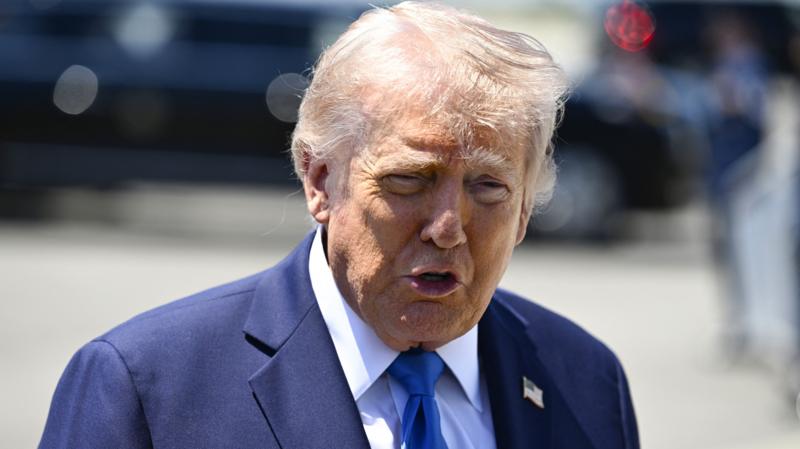
President Donald Trump canceled a planned trip by US envoys to Pakistan for talks on ending the war involving Iran. The Iranian delegation had just left Islamabad after meeting with Pakistani mediators, and Trump said Iran only needs to call if it wants to negotiate. Despite a ceasefire extension, diplomatic talks have stalled amid ongoing tensions in the Strait of Hormuz.
Key Facts
President Trump called off the US envoys' trip to Pakistan for talks on the Iran war.
Special envoy Steve Witkoff and Jared Kushner were to participate in the talks.
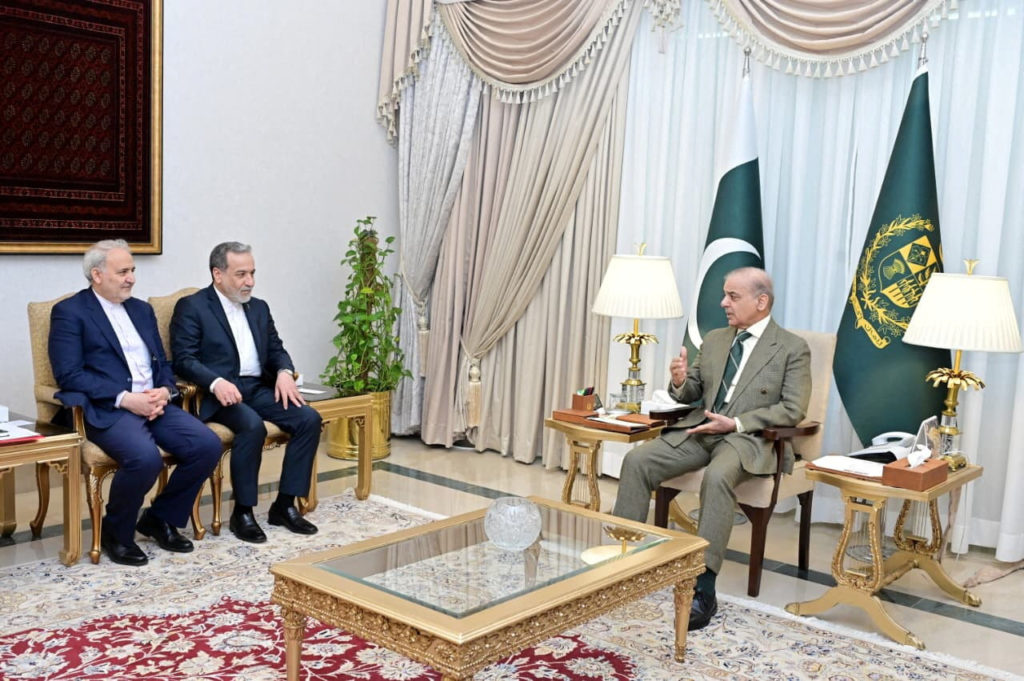
Iranian Foreign Minister Abbas Aragchi met with Pakistan as a mediator and shared Iran’s position on ending the conflict.
The US extended a ceasefire to allow talks, but no breakthrough was made.
Iran and the US remain in a standoff over naval control and Iran’s nuclear program.
The Strait of Hormuz, a key oil shipping route, remains a point of tension, with increased US naval presence.
Iran and Israel continue to exchange strikes and rocket fire despite a ceasefire agreement.
Pakistan’s Prime Minister described talks as warm and cordial but no direct US-Iran meeting happened.
Read the Original
Want the full story? Tap a source to open the original
article.
President Trump canceled a planned second round of peace talks with Iran on Saturday, just as U.S. officials were about to travel to Pakistan for negotiations. Iranian officials held talks with Pakistani mediators, which Iran’s Foreign Minister called productive, but the overall prospects for a war deal remain unclear.
Key Facts
President Trump canceled further peace talks with Iran scheduled for Saturday.
U.S. officials were preparing to travel to Islamabad, Pakistan, for the negotiations.
Iranian officials met with Pakistani mediators on Saturday morning.
Iran’s Foreign Minister Abbas Araghchi described the meeting as “very fruitful.”
The Iranian government said it has not yet made any final decisions about the talks.
The peace talks aimed to address tensions and avoid conflict between the U.S. and Iran.
The cancellation of talks has cast doubt on the chances of reaching a war deal soon.
Read the Original
Want the full story? Tap a source to open the original
article.
An explosion on a highway in southwestern Colombia killed at least seven people and injured 20. Officials said the attack was carried out by criminal groups linked to former rebels who rejected a peace deal.
Key Facts
The explosion happened on the Pan-American Highway in Cauca province, Colombia.
Seven people died and 20 more were wounded in the blast.
The governor of Cauca, Octavio Guzman, called the attack "indiscriminate" and condemned it.
The bombing occurred in the El Tunel area of Cajibio on Saturday.
Authorities say criminal groups formed by FARC dissidents likely carried out the attack.
These groups split from FARC after the 2016 peace agreement with the government.
Colombia’s President Gustavo Petro blamed drug traffickers and a FARC dissident leader nicknamed Ivan Mordisco.
Defense Minister Pedro Sanchez held a security meeting to address the rising violence in the region.
Read the Original
Want the full story? Tap a source to open the original
article.
There are growing disagreements within NATO. President Donald Trump is upset because some European countries refuse to join the US and Israel in a war against Iran. This has caused concern about the future unity of the military alliance.
Key Facts
NATO is experiencing increasing divisions among its members.
President Donald Trump is angry at European NATO members for not joining a US-Israeli conflict against Iran.
The United Kingdom and Spain may face consequences from the US because of their refusal.
Experts including a former British diplomat, a retired US Air Force major, and a European affairs specialist discussed the issue.
The disagreement raises questions about NATO’s future strength and cooperation.
Read the Original
Want the full story? Tap a source to open the original
article.
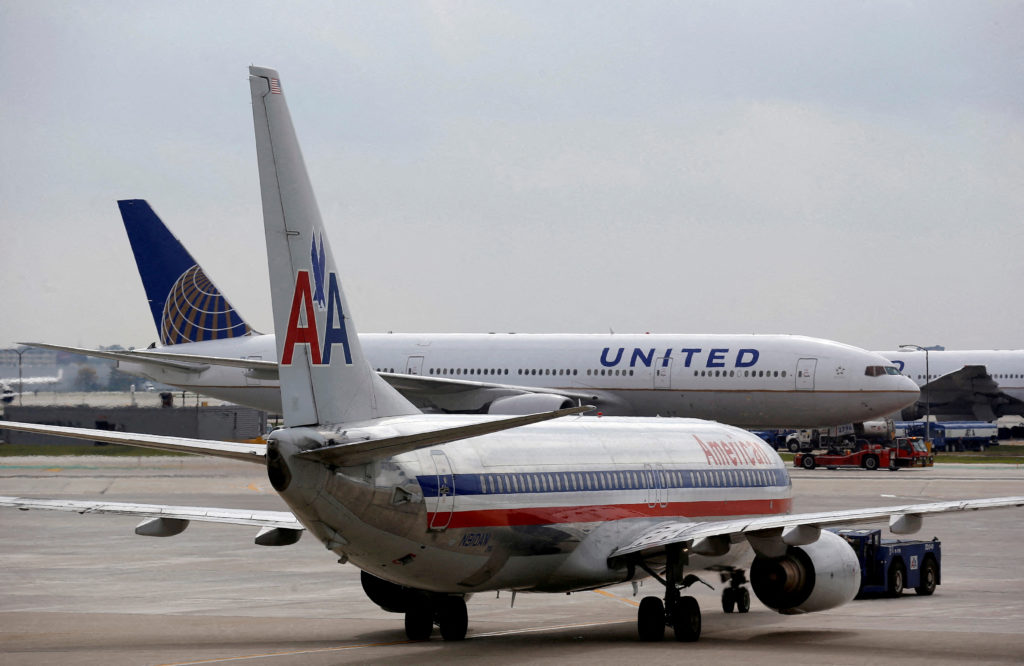
Airlines around the world are canceling flights due to higher jet fuel prices linked to the Middle East conflict. Passenger rights and protections vary a lot depending on where you fly, and cancellations are mostly planned in advance, giving travelers some time to adjust.
Key Facts
The war in the Middle East is reducing jet fuel supplies and raising prices.
Airlines, like Lufthansa, are canceling many flights weeks ahead, not at the last minute.
Travelers should check their airline’s website or app first to find new flights if canceled.
In the U.S., travelers have the right to a full refund if their flight is canceled and they don’t want to travel.
Passenger rights rules differ widely by region, with Europe and the UK having strong protections.
The U.S. and Canada offer more limited passenger protections compared to Europe.
Airlines must provide support like rebooking even if fuel shortages cause cancellations in some regions.
Travelers should research the passenger rights rules of the country they fly from before traveling.
Read the Original
Want the full story? Tap a source to open the original
article.
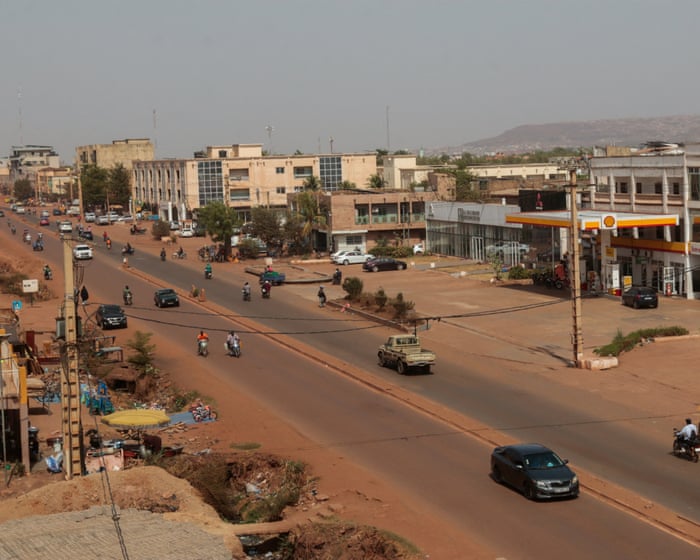
Militants linked to al-Qaida and Tuareg separatists launched coordinated attacks in Mali’s capital, Bamako, and other cities on Saturday. They targeted the international airport, military bases, and towns in central and northern Mali, leading to heavy fighting before Malian forces said they regained control.
Key Facts
The al-Qaida-affiliated group JNIM claimed responsibility for attacks in Bamako and four other Malian cities.
The attacks were reportedly carried out jointly with the Azawad Liberation Front, a Tuareg separatist group.
Gunfire and explosions were reported near Bamako’s international airport and military barracks in Kati.
The US embassy warned American citizens in Bamako to stay indoors and avoid travel near the attacks.
Separatists claimed to have taken control of parts of Kidal and Gao, two towns in northern Mali.
The attacks represent one of the largest coordinated militant assaults in Mali in recent years.
Local residents reported fear, destruction, and ongoing fighting in affected areas.
Mali’s military leader, Gen Assimi Goita, lives near Kati, one of the towns attacked.
Read the Original
Want the full story? Tap a source to open the original
article.
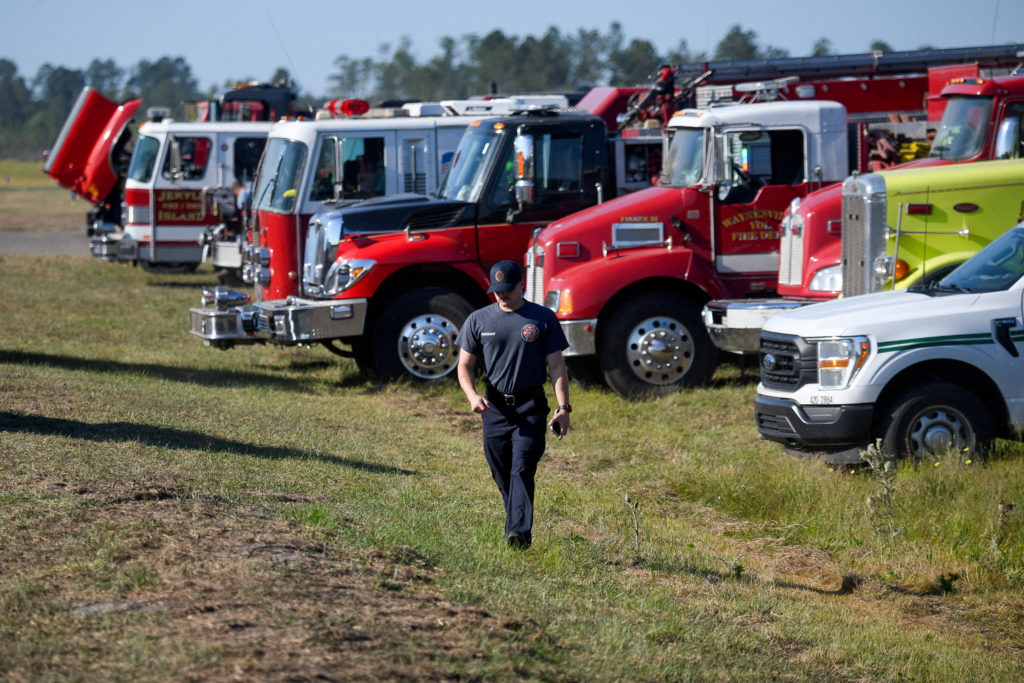
Two large wildfires in southeastern Georgia are threatening homes as strong winds risk spreading the fires. The fires have destroyed over 120 homes so far, and firefighters are working to contain them amid dry weather and high winds.
Key Facts
The Highway 82 Fire in Brantley County has burned over 14.8 square miles and destroyed at least 87 homes.
The fire started when a foil balloon hit power lines, causing sparks that ignited nearby dry material.
A second fire in Clinch and Echols counties has burned over 46.9 square miles and destroyed at least 35 homes.
This second fire was caused by sparks from welding work.
Both fires are about 10% contained as of Saturday midday.
Over 150 other wildfires are burning in Georgia and Florida, causing smoky haze and air quality warnings.
Scientists say factors like drought, strong winds, climate change, and leftover dead trees from Hurricane Helene made the fires worse.
A volunteer firefighter in northern Florida died after a medical emergency while fighting a brush fire; no deaths have been reported in Georgia.
Read the Original
Want the full story? Tap a source to open the original
article.
Iran’s leaders show a tough stance against the United States, doubting the U.S. is serious about peace talks after a planned meeting in Pakistan did not happen. Iranian officials emphasize unity and warn of strong military responses if the U.S. continues hostile actions near Iran.
Key Facts
Iran’s Foreign Minister Abbas Araghchi met Pakistani officials but left without confirming serious U.S. intent for talks.
U.S. President Donald Trump canceled a planned U.S. delegation trip to Pakistan, saying the U.S. holds the advantage in talks.
Iranian state media claim strong national unity and loyalty to Supreme Leader Mojtaba Khamenei amid ongoing unrest and an internet shutdown.
More than 30 million Iranians reportedly joined a government campaign pledging to sacrifice for the country, according to officials.
The Islamic Revolutionary Guard Corps (IRGC) warned of military retaliation if the U.S. continues blocking Iranian waters near the strategic Strait of Hormuz.
Iran showcased seized vessels to demonstrate control over the Strait of Hormuz.
Iranian authorities encourage nightly public demonstrations to maintain control amid internal tensions.
Iranian religious figures urged unity and warned against factional conflicts hurting the country during conflict times.
Read the Original
Want the full story? Tap a source to open the original
article.
Police in Berlin arrested two women during a pro-Palestine demonstration. The protest included people waving Palestinian flags and chanting slogans, with a strong police presence at the event.
Key Facts
The protest took place in Berlin, Germany.
It was a demonstration supporting Palestine.
Two women were arrested by the police.
Protesters waved Palestinian flags.
Demonstrators chanted slogans of solidarity.
There was a heavy police presence during the event.
Read the Original
Want the full story? Tap a source to open the original
article.
A woman and a child, believed to be mother and son, died after getting into trouble in the water at Elthorne Park in west London. Emergency services arrived quickly but both were pronounced dead at the scene, and police say there are no signs of suspicious circumstances.
Key Facts
The incident happened at Elthorne Park in Ealing, west London.
A woman and a child got into difficulty in the water.
Police and emergency services responded on a Saturday.
Both the woman and child were declared dead at the scene.
Police are investigating and trying to identify their next of kin.
Authorities have said there is no evidence of suspicious activity.
Detective Superintendent Pete Thackray acknowledged the efforts of first responders and the public.
The investigation is ongoing to understand exactly what happened.
Read the Original
Want the full story? Tap a source to open the original
article.
Activists held a protest in Stockholm, Sweden, to show support for Palestine. During the protest, they portrayed Israeli minister Itamar Ben Gvir covered in fake blood while holding a toy symbolizing a child’s body, next to a soldier with the Israeli flag.
Key Facts
The protest took place in Stockholm, Sweden.
It was organized to show support for Palestine.
Activists depicted Israeli minister Itamar Ben Gvir covered in fake blood.
Ben Gvir was shown holding a toy that looked like a child’s body.
A figure representing a soldier was shown raising the Israeli flag.
The protest happened on a Saturday.
The display aimed to send a political message about the Israel-Palestine conflict.
Read the Original
Want the full story? Tap a source to open the original
article.
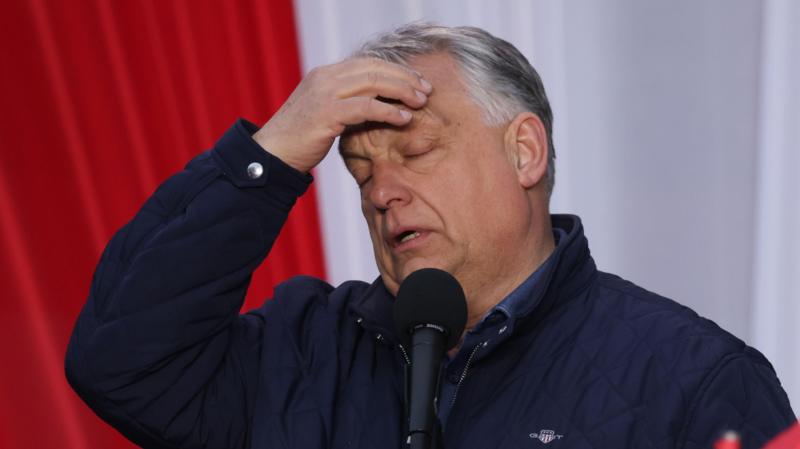
Hungary's Prime Minister Viktor Orbán announced he will not take his seat in parliament after his party lost big in the recent election. His party, Fidesz, dropped from 135 to 52 seats, and a new political group led by Péter Magyar won a large majority to change Hungary's government and policies.
Key Facts
Viktor Orbán has been Hungary’s prime minister since 2010 and led the Fidesz party since 1990.
In the April 12 election, Fidesz’s seats in the 199-seat parliament dropped from 135 to 52.
Orbán was still elected as a member of parliament (MP) but said he will give up that seat.
Péter Magyar, a former Fidesz member, leads the new majority party called Tisza.
Tisza won over two-thirds of the seats, allowing major changes in Hungary’s policy and government.
The new government aims to reverse Orbán-era reforms on education and health and address corruption.
Orbán said he will keep influencing his nationalist movement but will not lead the parliamentary group.
Hungary’s new parliament will hold its first meeting on May 9, with a full handover expected soon.
Read the Original
Want the full story? Tap a source to open the original
article.
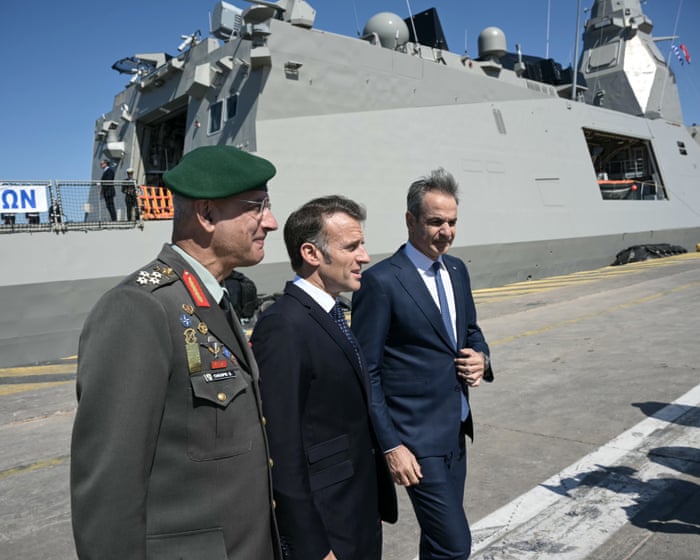
French President Emmanuel Macron said the European Union’s mutual defence clause, in its treaty, is clear and effective. He praised EU countries for helping Cyprus after a drone attack and called for Europe to strengthen its own security rather than rely on NATO and the United States under President Donald Trump.
Key Facts
The EU’s mutual defence clause is in article 42, paragraph 7 of its treaty.
Several EU countries sent military aid to Cyprus after a drone strike on a British airbase on February 28.
Macron believes this EU clause is stronger than NATO’s article 5, which says members defend each other if attacked.
He expressed doubts about the US commitment to NATO under President Donald Trump.
EU leaders are working on rules for how to use the EU's mutual defence clause effectively.
The Greek Prime Minister called the EU’s military aid to Cyprus a “gamechanger” for European defence.
Macron and the Greek Prime Minister signed nine new agreements to strengthen cooperation, including on scientific research and nuclear technology.
Macron promised France would defend Greece if attacked by Turkey, a long-time regional rival.
Read the Original
Want the full story? Tap a source to open the original
article.
The Catholic Church has long used the idea of "just war" to decide when war is acceptable. Many Catholic leaders, including Pope Leo XIV and U.S. Catholic officials, have expressed concerns that the current war with Iran does not meet these just war rules, which include having a good reason and proper authority. The article also explains how these rules originated and how they apply today to conflicts like the one involving Iran.
Key Facts
The "just war" tradition in Christianity has guided thinking about war for over 1,500 years.
The main rules of just war include having the right authority, a just cause, good intentions, proportionality, last resort, and likelihood of success.
Historically, only a legitimate sovereign could declare war; today, some argue only the U.N. can authorize force except in self-defense.
In the U.S., Congress has the power to declare war, but the president commands military forces, creating debates over war powers.
The current Iran war has faced criticism from Catholic leaders saying it does not meet just war requirements.
Self-defense is traditionally a valid reason for war, but only if the threat is ongoing or imminent.
U.S. officials have given multiple reasons for the Iran war, including stopping "imminent threats," but some doubt remain about whether the threat was immediate.
The conflict raises questions about the balance between using military action and pursuing diplomacy.
Read the Original
Want the full story? Tap a source to open the original
article.
France chose not to vote on a United Nations resolution led by Ghana that calls the transatlantic slave trade the worst crime against humanity. French officials said they abstained because the resolution seems to rank some crimes as worse than others.
Key Facts
The resolution was proposed by Ghana at the United Nations.
It calls the transatlantic slave trade the gravest crime against humanity.
France did not vote in favor but abstained instead.
France's foreign minister said the resolution creates a hierarchy of crimes.
Abstaining means France neither supported nor opposed the resolution.
The debate concerns how to recognize historical crimes on an international level.
Read the Original
Want the full story? Tap a source to open the original
article.
Ceasefire talks between the United States and Iran stopped before they began after Iran's top diplomat left Pakistan and President Donald Trump told U.S. envoys not to travel there. Both sides remain cautious about trust, and military tensions continue around the Strait of Hormuz, a key oil shipping route.
Key Facts
Iran's Foreign Minister Abbas Araghchi left Pakistan amid stalled ceasefire talks with the U.S.
President Donald Trump said he told U.S. envoys not to travel to Pakistan for further talks.
Earlier talks were led by U.S. Vice President JD Vance and Iran’s parliament speaker Mohammad Bagher Qalibaf.
Iran distrusts the U.S. after a U.S. blockade of Iranian ports in response to conflict near the Strait of Hormuz.
The Strait of Hormuz is a vital passage for about 20% of the world’s oil supply during peace times.
Iran and Israel’s allied Hezbollah exchanged fire despite an existing ceasefire, increasing regional tensions.
Iran warned it would strongly respond to U.S. military actions like naval blockades and attacks.
Pakistan is trying to mediate and bring the two countries back to negotiations, but talks would be indirect according to Iran.
Read the Original
Want the full story? Tap a source to open the original
article.
Lebanon’s government and several Christian and Sunni leaders support new talks with Israel to maintain peace after recent conflict with Hezbollah. Hezbollah, a militant group backed by Iran, refuses the talks, but Lebanon and Israel have met twice in Washington D.C. with U.S. help to extend a ceasefire.
Key Facts
Lebanon’s President Joseph Aoun and Prime Minister Nawaf Salam are open to new talks with Israel.
The country’s top Sunni religious leader, Grand Mufti Abdul-Latif Derian, supports diplomatic efforts to end the fighting.
Hezbollah, backed by Iran and still active in Lebanon, rejects any negotiations with Israel.
Lebanese and Israeli officials held two direct meetings in Washington D.C. this month, resulting in a ceasefire extension by three weeks.
President Donald Trump announced U.S. support for Lebanon to protect itself from Hezbollah.
Hezbollah carried out attacks against Israel and southern Lebanon after recent escalations tied to the U.S.-Israel war with Iran.
Some Christian political leaders in Lebanon, like Samir Geagea and Samy Gemayel, back talks with Israel for lasting peace.
Lebanon’s political system shares power among various religious groups, which complicates its foreign relations and internal politics.
Read the Original
Want the full story? Tap a source to open the original
article.
A new road split a wild orangutan community in Sumatra, Indonesia, raising concerns about the animals becoming isolated and unhealthy. Conservation groups and the government built a bridge in the trees to help orangutans cross between the two forest parts, and after two years, one orangutan finally used it to unite the groups.
Key Facts
The orangutan community in Sumatra was divided by a new road.
This separation risked inbreeding, which can harm animal health.
Conservation groups SOS and Tangguh Hutan Khatulistiwa, along with the government, built a canopy bridge to connect the two sides.
The bridge remained unused for two years after it was completed.
One orangutan bravely crossed the bridge, showing its potential use.
This crossing could improve the chances of survival and health for the orangutans.
The story was reported by Helen Buckland, CEO of SOS.
Read the Original
Want the full story? Tap a source to open the original
article.
President Donald Trump canceled a planned visit by U.S. envoys to Pakistan for talks with Iranian officials after Iran’s Foreign Minister Abbas Araghchi left Islamabad. Trump said the envoys would no longer make a long flight for talks and indicated future discussions could happen by phone, while Iran continued its stance on the conflict and the Strait of Hormuz blockade.
Key Facts
President Trump ordered U.S. envoys Steve Witkoff and Jared Kushner to cancel their trip to Pakistan.
Iran’s Foreign Minister Abbas Araghchi left Islamabad after meeting Pakistani leaders.
Araghchi shared Iran’s position on ending the conflict with Pakistan but questioned U.S. seriousness about diplomacy.
Trump said the U.S. “has all the cards” and proposed that Iran call if they want to talk.
The U.S. maintains a naval blockade and more than 50,000 troops in the region.
The Strait of Hormuz blockade by Iran’s Islamic Revolutionary Guard Corps has disrupted global oil and gas shipments.
Iran rejected ending the waterway blockade as energy markets faced turmoil.
Araghchi was scheduled to travel next to Oman and Russia to discuss peace efforts.
Read the Original
Want the full story? Tap a source to open the original
article.