Fact-first summaries of the news — stay informed, stay grounded.
Your favorite news sources, one calm feed — fact-first summaries that always link to the
original story. No outrage bait, and we tell you when you're caught up. How it works
World News
Comprehensive coverage of international news and global events
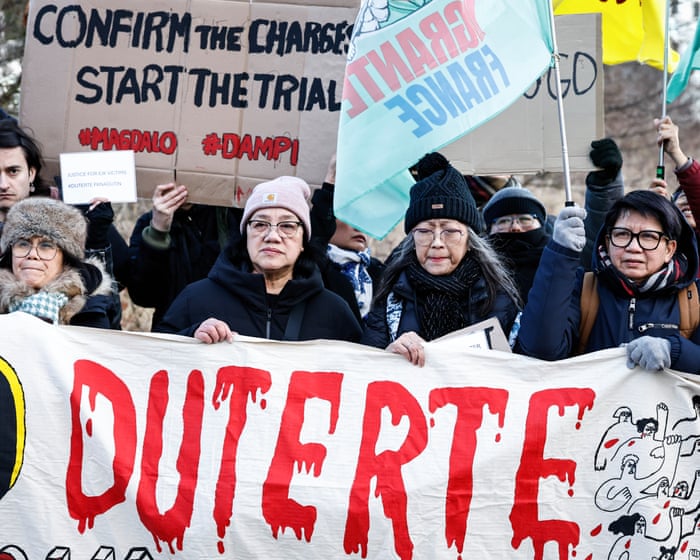
The International Criminal Court (ICC) has confirmed charges against former Philippine president Rodrigo Duterte for crimes against humanity related to his anti-drug campaign. The court found there is evidence linking Duterte to thousands of killings during his time as mayor and president.
Key Facts
Rodrigo Duterte faces trial at the ICC for crimes against humanity, including murder and attempted murder.
Charges are connected to a campaign against drugs that led to thousands of deaths.
The campaign was described as a widespread and systematic attack on civilians.
Duterte denies the charges and his lawyers say he is too old and unwell to stand trial.
The ICC rejected the defence’s claim that the court has no jurisdiction over the case.
The prosecution says Duterte had full control and authorized the killings while in office.
Estimated deaths linked to the drug campaign range up to 30,000 according to ICC sources.
Some victims' family members and human rights groups welcomed the decision to proceed with the trial.
Read the Original
Want the full story? Tap a source to open the original
article.
Iran showed military activity in the Strait of Hormuz, a key waterway for global shipping. Despite this, the White House said a ceasefire agreement remains active.
Key Facts
Video appeared showing Iranian operations targeting ships in the Strait of Hormuz.
The Strait of Hormuz is an important route for worldwide oil and trade shipments.
The White House confirmed that a ceasefire is still in place despite Iran’s actions.
The Pentagon announced Navy Secretary John Phelan is leaving his position.
The situation highlights ongoing tensions in the region involving Iran’s military presence.
Read the Original
Want the full story? Tap a source to open the original
article.
Millions of people in West Bengal, India, are voting in a close state election. Over 9 million names have been removed from the voter list, with many of those removed being Muslim voters in important areas.
Key Facts
West Bengal is holding a state election with a large number of voters.
More than 9 million names were taken off the voter list before the election.
The removal happened quickly in a short time period.
Muslim voters in key districts were affected more than others by these removals.
This situation has raised concerns about fair voter inclusion in the election.
The election is closely watched due to its political importance in the region.
The voter list revision led to some people feeling excluded from voting.
Read the Original
Want the full story? Tap a source to open the original
article.
Scientists studied comet 3I/Atlas, an object from outside our solar system that passed near Earth in 2025. They found it likely came from a very cold and isolated part of our galaxy and may be up to 11 billion years old, much older than the Sun.
Key Facts
Comet 3I/Atlas is the third confirmed interstellar visitor to our solar system.
It could be as old as 11 billion years, more than twice the age of the Sun.
Scientists observed the comet using telescopes including the Hubble Space Telescope and the ALMA observatory in Chile.
The comet passed close to Mars in October 2025 and made its closest approach to Earth in December 2025.
High levels of deuterium (heavy hydrogen) in its water suggest it formed in a very cold environment before any star formed there.
The comet’s nucleus measures between 440 meters and 5.6 kilometers wide.
It is traveling away from the solar system at about 137,000 mph (220,000 kph).
The comet’s exact birthplace in the Milky Way is still unknown.
Read the Original
Want the full story? Tap a source to open the original
article.
Lebanon and Israel are continuing direct talks in Washington to discuss extending a ceasefire between Israel and Hezbollah and planning future negotiations. The talks aim to stop violence, address border issues, and promote peace after a recent conflict that caused many deaths and displacement.
Key Facts
Lebanon and Israel held their first direct talks in 30 years and are now beginning a second session in Washington.
The talks focus on extending a 10-day ceasefire between Israel and Hezbollah, which started on April 4, 2026.
Lebanon wants the ceasefire extended and an end to Israeli demolitions in villages occupied after the recent war.
Future negotiations may cover stopping Israeli attacks, withdrawing Israeli troops, releasing Lebanese prisoners, and border security.
Israel controls a buffer zone up to 10 kilometers into southern Lebanon to stop rocket attacks.
Hezbollah opposes the talks and says it will not follow any agreements made.
The recent war resulted in about 2,300 deaths in Lebanon and displaced over 1 million people.
Israeli officials say Hezbollah is the main obstacle to peace and call for Lebanon to disarm the group.
Read the Original
Want the full story? Tap a source to open the original
article.
President Donald Trump has used naval blockades to pressure countries like Venezuela, Cuba, and now Iran. However, Iran is a different challenge because it controls a key oil shipping route, making the blockade impactful on the global economy and requiring a bigger military effort far from U.S. shores.
Key Facts
President Trump has applied naval blockades to Venezuela, Cuba, and Iran to force their governments to meet U.S. demands.
Iran controls the Strait of Hormuz, a crucial route where about 20% of the world’s oil passes.
The blockade against Iran has hurt its economy but Iran still manages to move some of its oil through the region.
Iran has rejected U.S. demands to reopen the Strait of Hormuz and has fired on ships recently.
The blockade has contributed to higher gas prices globally and increased costs of food and other goods.
Iran poses a greater military threat compared to Venezuela or Cuba, requiring a long-term U.S. military presence far from home.
Past blockades on Venezuela and Cuba showed mixed results, with Venezuela’s case involving a military raid and Cuba suffering severe economic decline.
Experts say the situation with Iran is more complex and involves higher risks for the global economy and U.S. politics, especially before upcoming elections.
Read the Original
Want the full story? Tap a source to open the original
article.
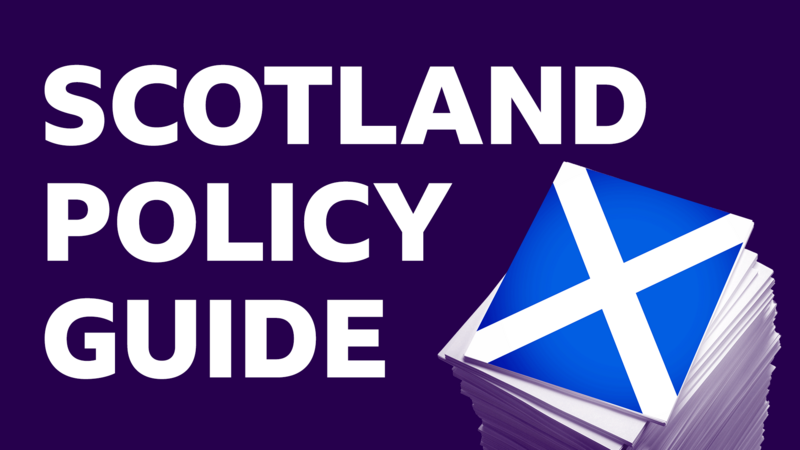
Scotland will hold elections on May 7, 2026, to fill all 129 seats in its Parliament. The BBC has created a guide that explains the main political parties’ policies to help voters decide who to support.
Key Facts
The Scottish Parliament has 129 seats up for election in 2026.
The election date is May 7, 2026.
The BBC made a guide summarizing party policies on important issues for voters.
The guide is based on what voters say matters most, found through polls of over 2,000 people in Scotland.
Some issues in the guide cover topics controlled mainly by the UK Parliament, like defense and immigration.
The parties included must run candidates in enough areas to qualify for the guide.
Parties are listed by how well they did in the last 2021 election and their current support levels.
Voters can use a BBC tool to find which candidates are running in their area.
Read the Original
Want the full story? Tap a source to open the original
article.
The International Criminal Court (ICC) has confirmed charges against former Philippine President Rodrigo Duterte for crimes against humanity related to murder. He will face trial over allegations tied to his "war on drugs," which led to the deaths of many people in the Philippines.
Key Facts
The ICC confirmed three counts of murder as crimes against humanity against Duterte.
Duterte is accused of being involved in the killing of 76 people and attempting to kill two others.
Prosecutors say Duterte created and supported death squads to kill suspected drug offenders from 2016 to 2022.
Duterte denies the charges and says police were only told to use lethal force in self-defense.
His defense lawyer argues the prosecution used selective examples and that Duterte did not call for violence.
There is uncertainty about whether Duterte will attend the trial, as his defense claims he is mentally unfit.
Estimates of deaths during Duterte’s term range from 6,000 (official police figure) to 30,000 (from human rights groups).
Human rights organizations say the ICC trial is an important step toward justice for victims of these killings.
Read the Original
Want the full story? Tap a source to open the original
article.
A group of over 50 Indian physicists specializing in string theory expressed support for academics and civilians in Iran, Palestine, and Lebanon. They condemned attacks on universities and other civilian places during ongoing conflicts involving Israel and the United States.
Key Facts
The statement was signed by leading Indian physicists, including Ashoke Sen and Spenta Wadia.
The group named several attacked universities in Iran and Lebanon, such as Sharif University of Technology and Lebanese University.
The physicists described these attacks as part of a larger assault causing many deaths and displacing millions.
They said almost all universities and schools in Gaza have been destroyed in the conflict.
The statement labeled the actions as crimes against humanity and warned of long-term damage to education and research in these areas.
Violence continues despite fragile ceasefires, with attacks killing civilians in Lebanon and Gaza.
Iranian officials accused the U.S. of blocking peace talks by imposing a naval blockade on Iranian ports.
India is recognized as a global leader in the scientific field of string theory.
Read the Original
Want the full story? Tap a source to open the original
article.
Mike Penrose, a humanitarian worker, described the "Food from Ukraine" programme that helps provide food aid sourced locally from Ukraine and now also in Africa. The programme makes food aid more valuable and supports local producers in countries affected by war and food shortages.
Key Facts
The "Food from Ukraine" programme buys food from Ukrainian producers to supply humanitarian aid.
Over 80% of food aid delivered in Ukraine is sourced within the country through this programme.
The initiative supports small to medium Ukrainian food producers grouped in a consortium called RIDNE.
A regional food distribution hub was recently opened in Accra, Ghana, to expand the programme’s reach in Africa.
The programme delivers food aid to vulnerable people in African countries like Sudan, Somalia, the Sahel region, and DR Congo.
It aims to maximize the value of the aid money, especially as funding decreases globally.
Mike Penrose called for political action to release frozen funds from Russian billionaire Roman Abramovich for humanitarian use in Ukraine.
Read the Original
Want the full story? Tap a source to open the original
article.
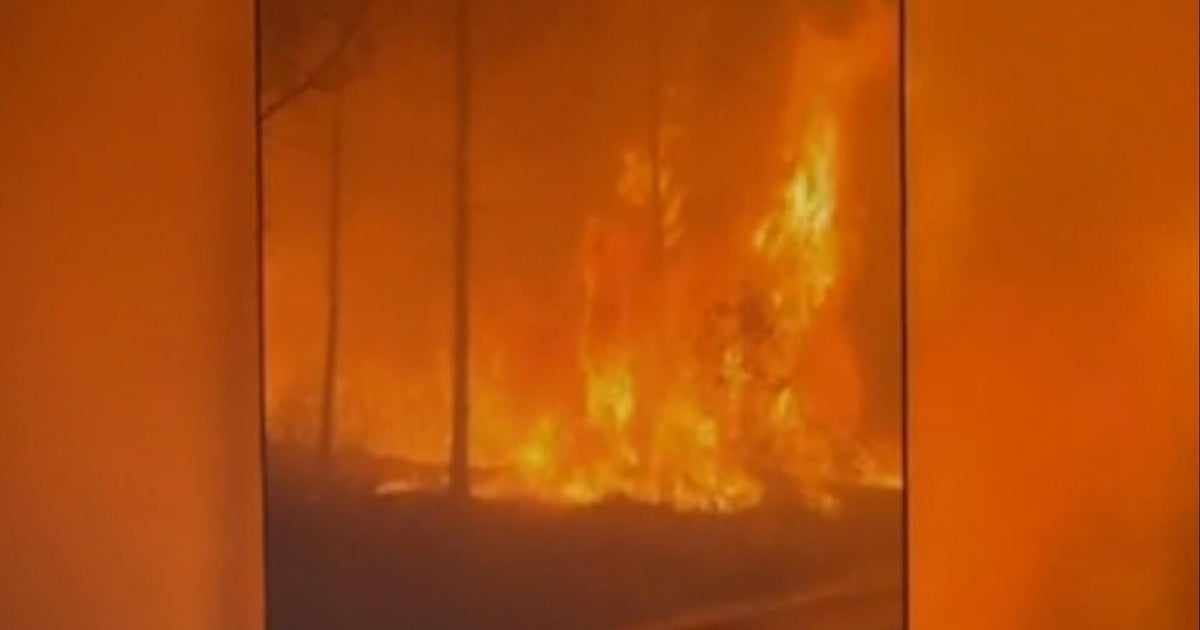
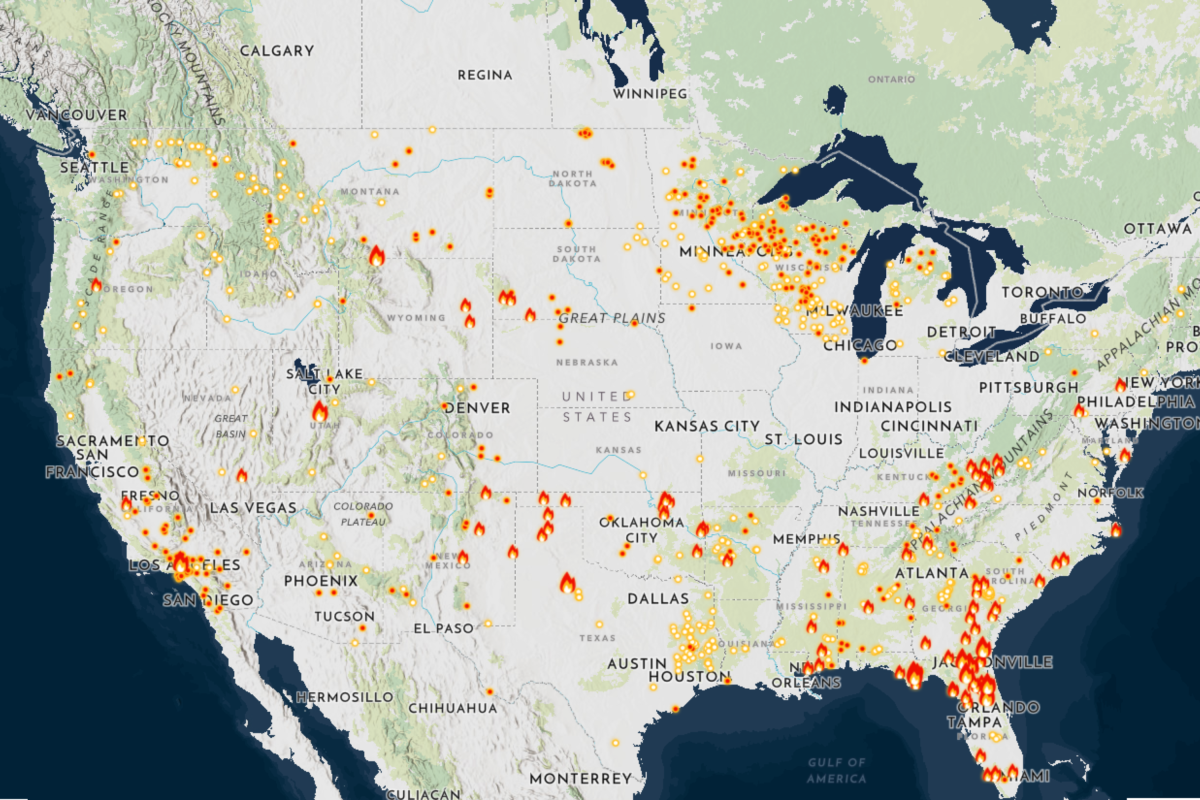
Wildfires in South Georgia are spreading fast due to very dry weather and strong winds. The fires have destroyed homes, caused evacuations, and led Governor Brian Kemp to declare a State of Emergency for 91 counties.
Key Facts
Two large wildfires, the Pineland Road Fire and the Highway 82 Fire, are the main threats in South Georgia.
The Pineland Road Fire in Clinch County has burned about 29,606 acres and is only 10% contained.
The Highway 82 Fire in Brantley County has burned approximately 5,000 acres and is 15% contained.
So far, 48 homes have been destroyed, and about 1,000 homes are at risk.
Firefighters face difficulties because of swampy land, strong winds, and dry conditions that help the fires spread quickly.
Governor Kemp declared a State of Emergency for 91 counties and authorized federal and National Guard help.
The Georgia Forestry Commission issued a 30-day burn ban for 91 counties, stopping all outdoor fires.
Fire crews are working on fire lines and protecting buildings, while drone flights over fires are restricted for safety.
Read the Original
Want the full story? Tap a source to open the original
article.
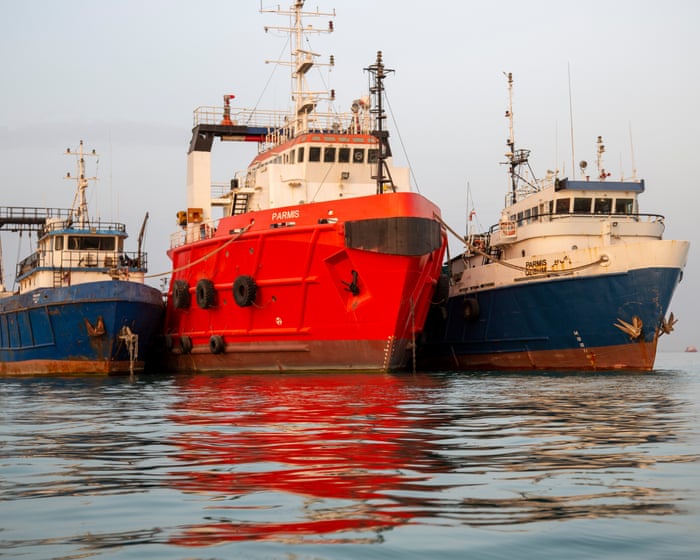
Iranian forces have seized two ships in the Strait of Hormuz amid increased tensions between the US and Iran, both imposing blockades on this important shipping route. President Donald Trump extended the ceasefire with Iran but said it would continue only if Iran’s leaders present a unified negotiation proposal.
Key Facts
Iran captured two ships in the Strait of Hormuz, a key waterway for global oil and gas transport.
The Strait handles about 20% of the world’s oil and liquefied natural gas in peaceful times.
Iran called reopening the strait “impossible” as the US and Israel allegedly breach the ceasefire.
President Trump extended the ceasefire while demanding a unified proposal from Iran’s fractured government.
The US maintains a naval blockade on Iranian ports and views Iran’s position as weak.
Iran accuses the US blockade of hurting the world economy and calls it “hostage-taking.”
Peace negotiations between the US and Iran remain stalled amid rising tensions in the region.
Read the Original
Want the full story? Tap a source to open the original
article.
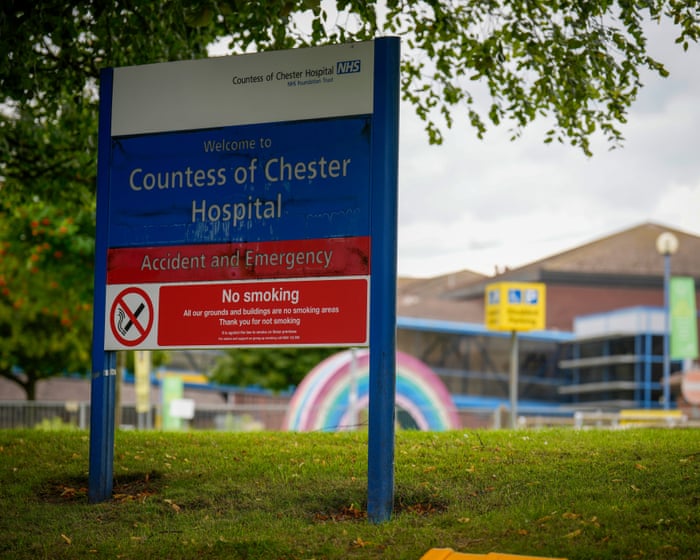
A former senior leader from the Countess of Chester hospital has been arrested on suspicion of perverting the course of justice as part of an investigation into alleged gross negligence manslaughter by hospital leadership. This is connected to the case of Lucy Letby, a nurse convicted of murdering and attempting to kill babies at the hospital, while inquiries into hospital management's role in the deaths continue.
Key Facts
A former hospital boss was arrested on April 22 for perverting the course of justice related to investigations at Countess of Chester hospital.
The arrested person is one of three senior hospital leaders previously arrested on suspicion of gross negligence manslaughter.
Lucy Letby, 36, is serving a life sentence for murdering seven babies and attempting to kill seven others between 2015 and 2016.
Letby denies the charges and is seeking to have her convictions reviewed by the Criminal Cases Review Commission (CCRC).
Operation Duet is the police investigation into corporate manslaughter and gross negligence manslaughter at the hospital concerning leadership decisions.
The inquiry into hospital bosses’ roles finished hearing evidence in March 2025 but has not yet published its findings.
The Crown Prosecution Service decided not to bring new charges against Letby in January after reviewing additional evidence.
Contempt of court rules now restrict information that might influence any future jury or trial regarding the former hospital leaders.
Read the Original
Want the full story? Tap a source to open the original
article.
Archaeologist Kristina Douglass studies ancient trash to learn how people in the past adapted to climate change, aiming to help communities today facing environmental challenges. Her work focuses on local and indigenous groups, especially in Madagascar, combining ancient evidence with local knowledge to support sustainable living.
Key Facts
Kristina Douglass is an archaeologist and associate professor at Columbia University’s Climate School.
She studies materials left behind by past people, such as broken tools and food scraps, to understand their daily lives.
Douglass leads the Ola Be Taloha Lab, which studies how people and the environment co-evolved, mainly in Madagascar.
The research seeks to use the past to help present communities struggling with climate change.
The studied communities often live in vulnerable coastal areas and rely on fishing, farming, and herding.
Local and indigenous knowledge is crucial for creating effective and fair environmental policies.
Douglass stresses that climate change today happens faster and is more intense due to overuse of resources and industrial activity.
She aims to give local people a stronger voice in decisions about managing land and sea sustainably.
Read the Original
Want the full story? Tap a source to open the original
article.
The US government blocked a shipment of nearly $500 million in US dollars meant for Iraq to push Baghdad to take action against Iranian-backed armed groups. This move is part of ongoing tensions linked to attacks on US facilities in the region and could affect Iraq’s already fragile economy.
Key Facts
The US stopped a delivery of about $500 million in cash to Iraq.
The shipment delay is the second since the US-Israeli conflict with Iran began in February 2026.
The US aims to pressure Iraq to dismantle Iranian-backed militias attacking US and regional targets.
These militias have conducted drone attacks on Saudi Arabia, Kuwait, Bahrain, and the US Embassy in Baghdad.
Iraq’s oil revenues have been held by the US Federal Reserve Bank of New York since 2003 for protection against creditors.
The US has sent up to $13 billion yearly in cash to Iraq to fund government operations and civilian salaries.
The current suspension of dollar shipments to Iraq is temporary, pending political changes and arrests of militia members.
Iraqi officials say the Central Bank has enough US dollars currently to meet normal demand.
Read the Original
Want the full story? Tap a source to open the original
article.
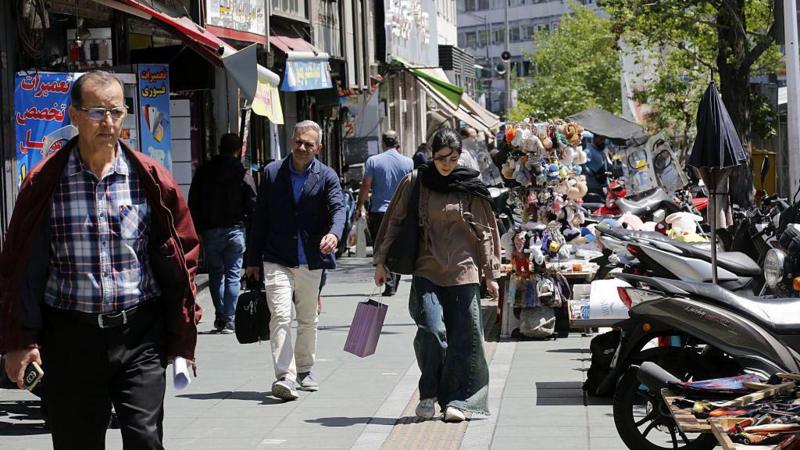
In Tehran, many people are struggling with a poor economy, job losses, and rising prices for basic goods like bread. A digital shutdown lasting over 50 days has made life harder, while some Iranians feel a return to war might improve their situation.
Key Facts
Shops in Tehran show fewer customers and job losses affecting many people.
An unofficial estimate suggests around four million jobs have been lost or affected due to the war and internet shutdown.
Many goods, including shoes, are expensive, with imports often coming from China.
The cost of basic food, like bread, has tripled, making life difficult for low-income workers.
A digital shutdown has limited internet access for over 50 days, disrupting work and daily life.
Iran’s communications minister has called for an end to the internet ban, noting millions depend on it for their jobs.
Some Iranians express frustration and mixed feelings about ongoing regional conflicts and international negotiations.
People try to continue daily life by making homemade goods, despite political and economic challenges.
Read the Original
Want the full story? Tap a source to open the original
article.
Iran captured two foreign container ships and fired on a third in the Strait of Hormuz, increasing tensions with the United States. This comes after the U.S. started a naval blockade of Iranian ports in April and has intercepted several Iranian tankers, leading to a naval standoff in a key oil shipping route.
Key Facts
Iran captured two foreign container ships and fired on another in the Strait of Hormuz on Wednesday.
The U.S. has a naval blockade on Iranian ports that began on April 13.
Earlier in the week, the U.S. captured an Iranian container ship named Touska near the Strait of Hormuz.
Iran called the U.S. capture of its ship an act of piracy.
The U.S. military intercepted three Iranian tankers near India, Malaysia, and Sri Lanka, redirecting them.
The Strait of Hormuz is a narrow waterway between Iran and Oman, crucial for transporting about 20% of the world’s oil and liquefied natural gas.
Iran controls part of the strait and claims legal authority to regulate ship passage, requiring vessels to get approval from Iranian forces.
The U.S. blockade controls the opposite side of the strait, creating a situation where both Iran and the U.S. regulate ships entering and exiting the area.
Read the Original
Want the full story? Tap a source to open the original
article.
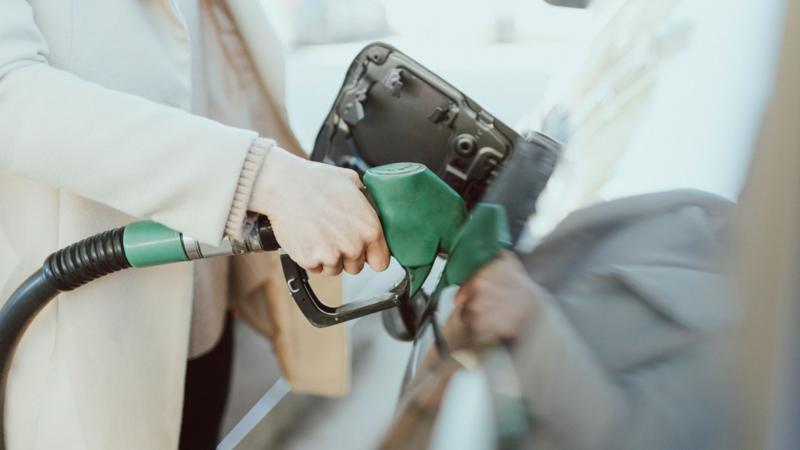
Petrol thefts have increased as the ongoing conflict involving Iran has caused fuel prices to rise. Higher fuel costs have made petrol more valuable, leading to more cases of theft.
Key Facts
The war involving Iran has led to higher fuel prices.
As petrol becomes more expensive, thefts of petrol have gone up.
Increased petrol theft is linked to the rising cost of fuel.
The situation reflects how conflicts can impact everyday costs.
Fuel theft can affect both consumers and businesses that rely on petrol.
Read the Original
Want the full story? Tap a source to open the original
article.
An Israeli air strike near a mosque in Gaza killed at least five Palestinians, including three children. Videos show family members and medics mourning the victims.
Key Facts
The air strike happened close to a mosque in Gaza.
At least five Palestinians died in the strike.
Among the dead were three children.
Videos captured a mother and a paramedic finding a relative among those killed.
The incident reflects ongoing violence in the Gaza region.
Read the Original
Want the full story? Tap a source to open the original
article.