Fact-first summaries of the news — stay informed, stay grounded.
Your favorite news sources, one calm feed — fact-first summaries that always link to the
original story. No outrage bait, and we tell you when you're caught up. How it works
World News
Comprehensive coverage of international news and global events
A German member of the European Parliament, Hannah Neumann, said the EU should move quickly to use more renewable energy to reduce its dependence on fossil fuels. She explained that relying on oil and gas from countries involved in conflicts makes the EU vulnerable to pressure and limits its political independence.
Key Facts
Hannah Neumann is a German MEP and Chair of the EU Parliament's Delegation for Iran.
She believes EU negotiations on Iran lack clear goals, especially on nuclear and security issues.
Iranian civil society is excluded from international talks, worsened by digital repression.
The EU depends on fossil fuels, which creates risks from countries involved in wars.
Conflicts in the Middle East and Ukraine show how energy supply links to global instability.
The EU’s oil imports through the Druzhba pipeline support Russia’s war economy.
Neumann says shifting to renewable energy is essential for the EU’s true political freedom.
Until then, authoritarian regimes with fossil fuels can pressure the EU through energy supply.
Read the Original
Want the full story? Tap a source to open the original
article.
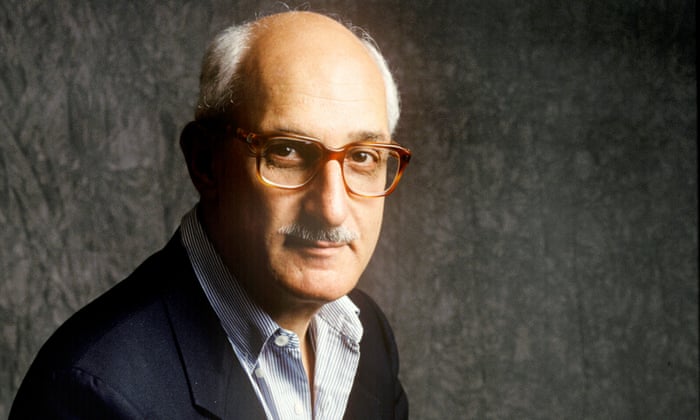
David Malouf, a celebrated Australian writer known for books like Remembering Babylon and Ransom, died at age 92. He was honored for his contributions to literature and had a long career writing novels, poetry, and plays.
Key Facts
David Malouf was born in Brisbane in 1934 to a Lebanese Australian father and an English-born mother.
He published his first work in 1962 and wrote poetry, short stories, and novels.
His novel Remembering Babylon was shortlisted for the Booker Prize and won other international awards.
Malouf’s final novel, Ransom, retells a story from the ancient Greek Iliad and was widely praised.
He was also involved in opera, serving on the Opera Australia board and writing libretti (opera texts).
Malouf was openly gay but kept his personal life private.
He is known for capturing Australian identity but rejected being called a representative Australian.
His work earned many awards, including the Miles Franklin Award and Commonwealth Writers’ Prize.
Read the Original
Want the full story? Tap a source to open the original
article.
Two local trains collided head-on near Copenhagen, Denmark, injuring at least 17 people, with four in critical condition. Emergency teams evacuated all passengers and sent several injured individuals to the hospital by air.
Key Facts
The accident happened north of Copenhagen, between the towns of Hillerod and Kagerup.
The collision involved two local trains.
At least 17 people were injured, including four critically.
All passengers were evacuated from the trains; no one was trapped.
Emergency services responded quickly with large resources.
Some injured passengers were flown to the hospital.
Denmark has experienced serious train accidents before, including one in 2019 that killed eight people.
The crash occurred on a rail line frequently used by local residents, workers, and students.
Read the Original
Want the full story? Tap a source to open the original
article.
The job of the United Nations Secretary-General is very difficult because they must work with 193 member countries that have different and sometimes opposing interests. The role focuses more on managing these competing views than exerting strong authority.
Key Facts
The UN Secretary-General leads an organization with 193 member states.
These countries have many different, often conflicting interests.
The position requires navigating political tensions rather than making all decisions alone.
The role is shaped by the structure of the UN, not by the personality of the person.
The UN reflects the current global political conflicts and challenges.
Managing diplomacy in this role involves balancing many competing demands.
The article features expert insights from Dr. Alexandra Novosseloff, a researcher on international politics.
The Secretary-General’s work highlights the complexities of global governance.
Read the Original
Want the full story? Tap a source to open the original
article.
Ukrainian President Volodymyr Zelensky will meet European Union leaders in Cyprus as the EU prepares to release a €90 billion loan to Ukraine. The loan was delayed due to Hungary's veto, which was lifted after Ukraine repaired a pipeline damaged by a Russian strike.
Key Facts
The EU plans to approve a €90 billion loan to support Ukraine.
Hungary's prime minister, Viktor Orban, blocked the loan until a pipeline damaged by Russia was fixed.
After Orban lost recent elections to pro-EU Peter Magyar, the pipeline repair was completed and oil flows resumed.
Orban will step down next month and will not attend the Cyprus meetings.
Zelensky's visit to Cyprus symbolizes EU support for Ukraine against Russia.
EU leaders will also discuss the Middle East conflict and its impact on energy prices.
Regional leaders from Lebanon, Egypt, Syria, and Jordan will join talks on the Middle East situation.
The EU’s future budget for 2028-2034, possibly around two trillion euros, will be discussed amid financial constraints.
Read the Original
Want the full story? Tap a source to open the original
article.
The European Union plans to increase testing of its crisis response rules among its 27 member countries. This comes as EU leaders believe that U.S. President Donald Trump is less focused on supporting NATO and European security. The EU aims to improve its ability to assist member states during attacks or invasions, especially if the U.S. is less involved.
Key Facts
The EU will test rules that require members to help each other during crises.
A summit in Cyprus will develop a detailed plan to use EU military, security, and trade resources.
In mid-May, EU envoys will run "table-top exercises" to simulate collective responses to attacks.
The tests focus on political decisions, not actual military operations.
EU’s Article 42.7 commits members to assist if a member state faces attack, similar to NATO’s Article 5 but with differences.
Article 42.7 respects the neutrality of some EU countries like Austria and Ireland.
The article has been used only once before, by France after the 2015 terrorist attacks in Paris.
Growing concerns about U.S. commitment to NATO and Ukraine’s future in the EU increase the urgency for EU self-reliance.
Read the Original
Want the full story? Tap a source to open the original
article.
Two trains collided on Thursday near Hilleroed and Kagerup, about 40 kilometers north of Copenhagen, Denmark. The accident led to a large emergency response, but details about injuries are not yet known.
Key Facts
The collision happened early Thursday, April 23, 2026.
The crash site is between Hilleroed and Kagerup, north of Copenhagen.
Police called the incident a major accident.
Emergency services responded with a large operation.
It is unclear how many people were injured.
More information about the cause or consequences has not been released.
Read the Original
Want the full story? Tap a source to open the original
article.
Nuclear energy is growing again worldwide, 40 years after the Chernobyl disaster. Today, over 400 nuclear reactors operate in 31 countries, and about 70 more are being built, with many countries seeing nuclear power as a safe and important energy source.
Key Facts
The Chernobyl nuclear accident happened in 1986 and caused fear about nuclear energy globally.
Currently, over 400 nuclear reactors operate in 31 countries.
About 70 new nuclear reactors are under construction worldwide.
Nuclear energy provides about 10% of the world’s electricity and about one-quarter of all low-carbon power.
The United States has 94 reactors and leads nuclear power production, aiming to increase capacity four times by 2050.
China has 61 reactors and is building nearly 40 more, hoping to become the top nuclear power producer.
Europe is reconsidering nuclear energy after past cuts, with leaders calling the reduction a strategic mistake.
Russia exports nuclear technology and is building 20 reactors globally.
The ongoing conflict in the Middle East has increased interest in nuclear energy as a secure electricity source.
Read the Original
Want the full story? Tap a source to open the original
article.
Jackson Stacker, a 25-year-old man found dead near Byron Bay in 2021, has had his case referred to the homicide squad for further investigation. The cause of his death is unclear, with a knife found near his body but no conclusive evidence of how he died.
Key Facts
Jackson Stacker was traveling from Melbourne to Queensland when Covid border closures left him stuck near Byron Bay.
He was found dead in a paddock with a large hunting-style knife near his chest.
His remains were decomposed and scattered, found about a month after he was last seen.
The state coroner recommended the case be referred to the NSW homicide squad for further review.
The forensic pathologist could not definitively determine the cause of death due to decomposition.
There was no DNA found on the knife, and Stacker did not own a hunting knife.
The investigation had some early concerns but was not formally found to be flawed.
Stacker’s family disputes the idea that he died by suicide.
Read the Original
Want the full story? Tap a source to open the original
article.
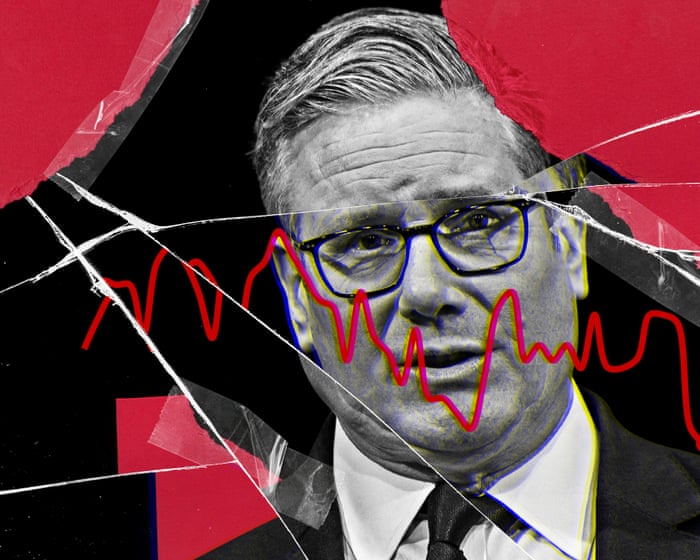
Labour is expected to have its worst local election results in history during the upcoming May 7 votes in England, Wales, and Scotland. Polls show big losses for Labour and strong gains for parties like Reform, the Greens, and nationalist groups, especially in Wales and Scotland.
Key Facts
Labour’s vote share could fall to historic lows in local council and devolved parliament elections on May 7.
In Wales, Labour may drop to third place, losing dominance in the Welsh parliament for the first time since 1999.
Labour's decline in Scotland is likely to continue, with the Scottish National Party expected to stay in power.
In England, Labour faces competition from Reform, Greens, Liberal Democrats, and independents across 136 council races.
Expert Stephen Fisher predicts Labour could lose about 1,900 council seats, representing 74% of those up for election.
Reform party is expected to gain 2,260 councillors, tripling their presence in England.
The Greens and Liberal Democrats are also expected to gain hundreds of councillors.
The Conservative party is predicted to lose over 1,000 council seats, indicating challenges for both major parties.
Read the Original
Want the full story? Tap a source to open the original
article.
Pope Leo XIV visited a prison in Equatorial Guinea during the final day of his trip to Africa. He spoke to 600 inmates about respect and healing, and he spoke out against the poor conditions in the prison.
Key Facts
The visit happened in Equatorial Guinea.
It was the last day of Pope Leo XIV’s tour in Africa.
About 600 prisoners attended the Pope’s talk.
The Pope spoke despite heavy rain.
He talked about dignity and reconciliation.
He criticized the prison conditions as being poor.
Read the Original
Want the full story? Tap a source to open the original
article.
In West Bengal, India, political leaders are using fish as a symbol in the state assembly elections, highlighting local culture and identity. The ruling Trinamool Congress and the national Bharatiya Janata Party are competing for votes, with fish becoming part of debates over culture and political identity.
Key Facts
West Bengal has a population of over 90 million people, larger than Germany.
On April 23 and 29, nearly 68 million people in West Bengal will vote to elect 294 lawmakers.
The BJP, led nationally by Prime Minister Narendra Modi, has never ruled West Bengal.
The state’s electoral list was revised to remove 9.1 million names, causing controversy and legal challenges from 2.7 million people.
Chief Minister Mamata Banerjee emphasizes identity politics, warning that BJP rule could ban fish and meat, which are important to Bengali culture.
BJP denies plans to ban fish, meat, or eggs and claims the fish issue is created by Banerjee for election purposes.
Political experts say the debate over fish has become a key part of election campaigning in West Bengal.
Fish holds strong cultural significance in Bengal’s food and traditions.
Read the Original
Want the full story? Tap a source to open the original
article.
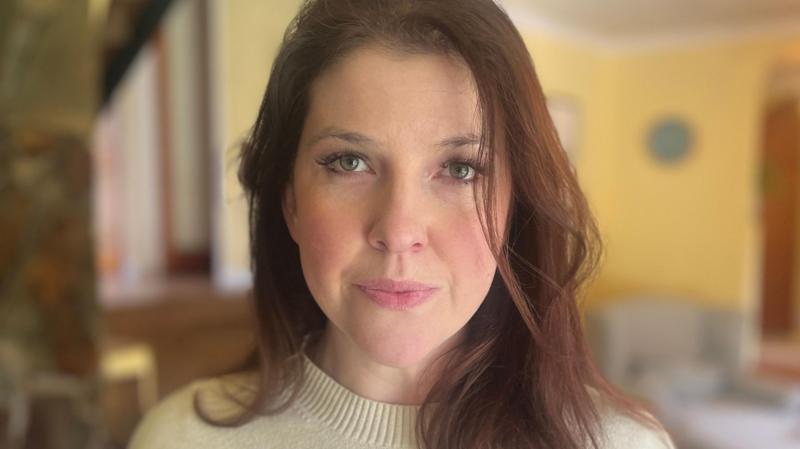
A mother named Katy quit her job to care for her daughter Molly, who has serious food allergies that once caused a life-threatening reaction. Doctors and charities are asking for wider NHS access to a treatment called oral immunotherapy, which helps allergy sufferers gradually build tolerance to foods they react to.
Key Facts
Molly, Katy’s daughter, has severe allergies to milk, egg, and some nuts.
At one year old, Molly had a dangerous allergic reaction while on holiday in Italy, requiring an adrenaline injection and hospital care.
Katy left her job as a lawyer to care for Molly after another allergic reaction at home and feeling she could not trust others with her daughter's allergies.
Oral immunotherapy (OIT) is a treatment where small amounts of an allergen are given over time to help patients build tolerance.
OIT can cost thousands of pounds privately but is not routinely available on the NHS yet.
The NHS is running a trial to gather more evidence on OIT’s effectiveness and developing guidelines to improve allergy care.
Food allergy rates in England have roughly doubled over 10 years, with many young children affected.
Emergency hospital admissions for food-related allergic reactions have also doubled in 20 years.
Read the Original
Want the full story? Tap a source to open the original
article.
Migrant care workers and the Unison union are campaigning in Birmingham against a UK government plan to double the time migrant care workers must wait before applying for settlement from five to ten years. They argue this will hurt care workers and the social care sector, while the UK Home Office says settlement should be earned due to high migration levels.
Key Facts
The Unison union and migrant care workers are leafleting in Shabana Mahmood’s Birmingham constituency to protest immigration changes.
The government plans to extend the wait time for migrant care workers to apply for settlement from 5 years to 10 years.
Around one-third of all care workers and one-fifth of NHS workers in the UK are migrants.
The proposed rules may require even longer waits for those who entered illegally or claimed benefits.
The union opposes the current employer sponsorship system, which they say can lead to worker exploitation, and suggest a public-sector sponsorship scheme instead.
A consultation on these proposals ended in February and received about 200,000 responses.
Unison says the longer wait risks losing experienced care staff, worsening social care shortages.
The Home Office defends the changes, stating settlement is a privilege that must be earned and highlighting recent high levels of low-skilled migration.
Read the Original
Want the full story? Tap a source to open the original
article.
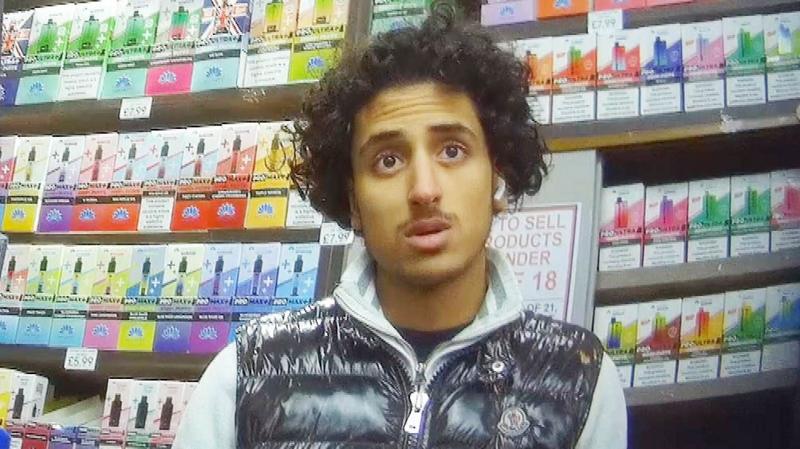
This news report reveals crime problems on British high streets, including the illegal sale of drugs, cigarettes, and vapes. The story includes undercover investigation footage showing how these crimes are spreading in towns and cities.
Key Facts
Illegal items like Class A drugs, counterfeit cigarettes, and vapes are being sold openly on British high streets.
The report was produced through undercover work to expose these crimes.
Crime is affecting many local shopping areas across the country.
Other related episodes cover crimes like phone theft in London and drug cartel violence in Mexico.
The program is part of a series that investigates different types of crime and law enforcement efforts.
The report was first shown on April 23, 2026, and is available for almost a year on the BBC platform.
Read the Original
Want the full story? Tap a source to open the original
article.
A BBC investigation revealed that some small shops on UK High Streets are selling illegal drugs like cocaine, cannabis, and prescription pills. Police and government agencies say organized crime groups are using these shops to sell drugs and cause violence in local communities.
Key Facts
BBC undercover reporters secretly filmed drug sales in mini-marts across four towns in the West Midlands, England.
Illegal drugs offered included cocaine, cannabis, laughing gas, and prescription medicines like pregabalin.
Organised criminal gangs control some High Street shops to sell drugs and intimidate local businesses.
Investigations found illegal drugs in over 70 shops across various UK locations, including Devon, Norfolk, and Northern Ireland.
A senior Labour MP urged the government to act quickly to stop organised crime harming High Streets.
The Home Office said it is working with police and agencies like the National Crime Agency to take strong action against illegal businesses.
West Midlands Police confirmed they will respond to complaints about drugs and related crime.
In one undercover visit, a BBC researcher bought cannabis and cocaine from a Cradley Heath mini-mart where drugs were kept behind the counter and on call for delivery.
Read the Original
Want the full story? Tap a source to open the original
article.
A protest against the US-Israeli war on Iran took place in London. During the event, some protesters were stabbed, and many blame opposing pro-Shah counter-protesters for these attacks.
Key Facts
The protest was held in London.
It opposed the US-Israeli war on Iran.
Several protesters were injured by knife wounds.
Videos of the incident show multiple people with stab wounds.
Many participants accuse pro-Shah counter-protesters of carrying out the attacks.
Read the Original
Want the full story? Tap a source to open the original
article.
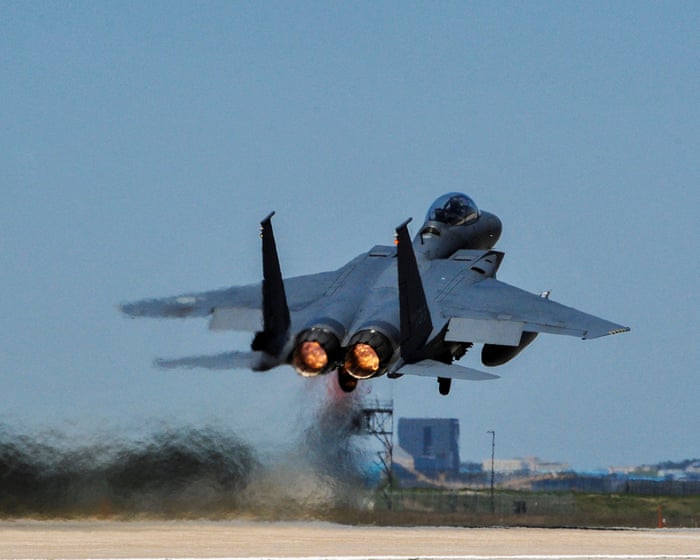
South Korea’s air force apologized for a 2021 collision between two fighter jets, caused partly by pilots taking selfies and filming during the flight. One pilot was disciplined and left the military, and the air force is working to improve flight safety rules.
Key Facts
The collision involved two F-15K fighter jets near Daegu in December 2021.
Pilots were taking selfies and filming during the formation flight without permission.
A wingman pilot made sudden moves to get better camera angles, causing the jets to collide.
The accident caused about 880 million won (roughly $600,000) in damage.
No one was injured in the collision.
The wingman pilot was found mainly responsible and had to repay part of the repair costs.
The air force admitted it had weak control over in-flight filming at the time.
They are now introducing stricter rules to improve flight safety and stop such incidents.
Read the Original
Want the full story? Tap a source to open the original
article.
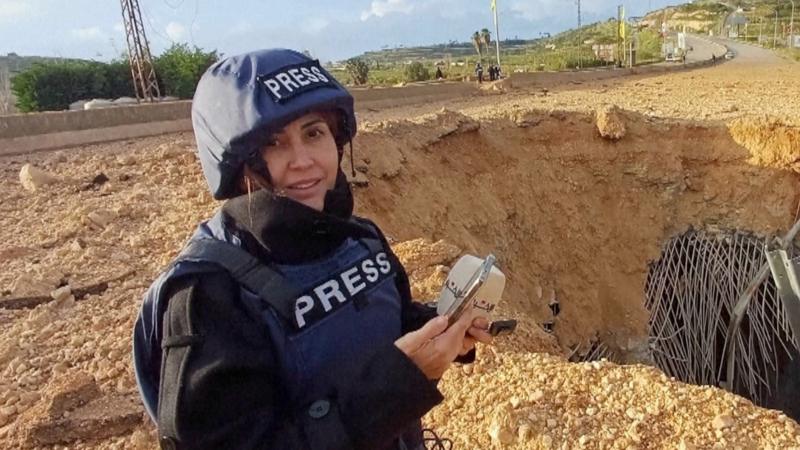
Lebanon's Prime Minister Nawaf Salam accused Israel of deliberately targeting and killing a Lebanese journalist, Amal Khalil, in an airstrike and obstructing rescue efforts in southern Lebanon. The Israel Defense Forces (IDF) denied targeting journalists, saying they struck vehicles linked to Hezbollah and that they allow rescue teams access.
Key Facts
Journalist Amal Khalil, working for Lebanese newspaper Al-Akhbar, was killed by an Israeli airstrike in southern Lebanon.
Another journalist, Zeinab Faraj, was injured in the same incident.
Lebanese officials said the two journalists were deliberately targeted after seeking shelter following an initial strike.
The Red Cross ambulance trying to reach the wounded journalists was prevented from entering due to stun grenades and gunfire by Israeli forces.
Lebanese Prime Minister Nawaf Salam called these actions war crimes and said Lebanon will pursue them internationally.
The IDF claimed it targeted vehicles linked to Hezbollah and denied deliberately targeting journalists or blocking rescue teams.
The Committee to Protect Journalists condemned Khalil’s death and spoke against repeated strikes on locations where journalists were present.
Khalil’s body was eventually recovered by Lebanese emergency teams.
Read the Original
Want the full story? Tap a source to open the original
article.
Iran's Revolutionary Guards seized two international ships in the Strait of Hormuz for alleged maritime violations, the first seizure since the war began in February. President Donald Trump extended a ceasefire with Iran indefinitely while maintaining a naval blockade, but Iran has not confirmed the truce extension and demands the blockade be lifted for a full ceasefire.
Key Facts
Iran's Islamic Revolutionary Guard Corps seized two ships, MSC Francesca (Panama-flagged) and Epaminondas (Liberia-flagged), for "attempting to exit the Strait of Hormuz covertly."
This is the first time Iran has captured vessels since the conflict started in late February.
The US and Iran agreed to an indefinite ceasefire extension announced by President Trump, but Iran has not officially agreed to the extension.
Iran insists that a full ceasefire should only happen if the US naval blockade of its trade by sea is lifted.
White House spokesperson Karoline Leavitt said the seizure of the ships was not a violation of the ceasefire because the ships were not American or Israeli.
John Phelan, the US secretary of the navy, left his position immediately without public explanation amid the ongoing conflict.
Turkish President Recep Tayyip Erdoğan warned that the US-Israeli conflict with Iran is harming Europe and urged a peace-focused approach.
Israeli strikes in southern Lebanon killed a Lebanese journalist and wounded others, marking the deadliest day since a recent truce between Israel and Hezbollah.
Read the Original
Want the full story? Tap a source to open the original
article.