Russia suspended strikes in Ukraine’s Kherson region at 01:00 GMT on Tuesday under a local ceasefire to support a humanitarian mission to Russian-occupied Oleshky. The mission is expected to deliver aid and open evacuation routes; the ceasefire is set to last through Saturday or longer.
Key Facts
Russia’s Defence Ministry said the pause in fighting began at 01:00 GMT on Tuesday.
The aid mission to Oleshky was brokered by U.S. First Lady Melania Trump, with Pope Leo also involved.
The mission plans to bring doctors, medicine, food and water to the town before opening evacuation corridors.
The United Nations says up to 2,000 people remain in Oleshky and cannot leave because of mines and drone attacks.
Oleshky had a pre-war population of about 24,000 and lies on the eastern bank of the Dnipro River.
Russian forces seized Oleshky in the first days of their February 2022 invasion of Ukraine.
The ceasefire is due to continue through Saturday or longer.
Read the Original
Want the full story? Tap a source to open the original
article.
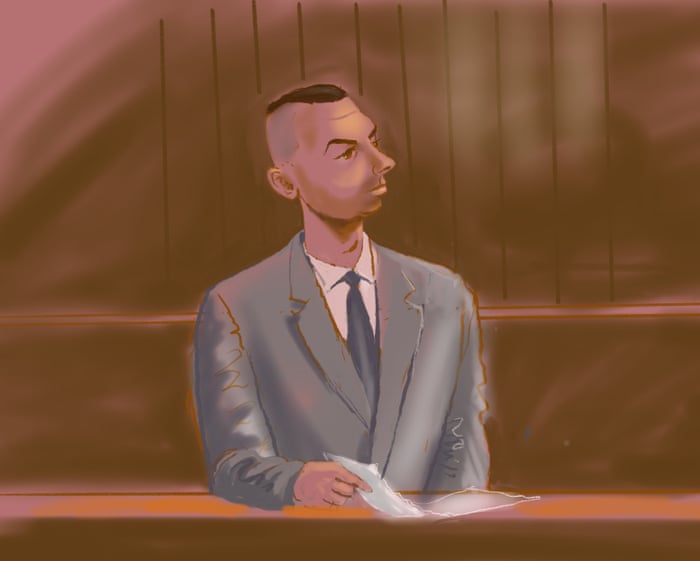
Beau Lamarre-Condon told his double murder trial that he wanted to go to police after the deaths of Jesse Baird and Luke Davies, but alleged his friend Elizabeth Kennedy urged him to dispose of their bodies. Kennedy has denied knowing about the deaths or helping him. Lamarre-Condon has pleaded not guilty to murder and aggravated break-and-enter charges.
Key Facts
Lamarre-Condon is accused of fatally shooting Baird and Davies with his police service weapon at Baird’s Paddington home on 19 February 2024.
His legal team says the men were shot accidentally and that Lamarre-Condon acted in self-defence.
In a statement read to the court, Lamarre-Condon alleged that Kennedy told him police would not believe him and that they had to get rid of the bodies.
He alleged that Kennedy helped carry the bodies and poured concrete into bags at a farm in Bungonia.
Lamarre-Condon said he initially withheld Kennedy’s alleged involvement from police because she had asked him not to tell them.
Kennedy testified that she did not know about the deaths and did not help dispose of the bodies.
Kennedy disputed Lamarre-Condon’s account of who played Taylor Swift’s song “No Body, No Crime” in the car.
Read the Original
Want the full story? Tap a source to open the original
article.
Brazilian President Luiz Inácio Lula da Silva won re-election after campaigning against what he called U.S. interference, making national sovereignty a central message. His victory complicates President Donald Trump’s effort to build influence in Latin America, though the two leaders have recently improved relations and could face renewed disputes.
Key Facts
Lula said Brazil would not accept being treated as another country’s “backyard” in his victory speech.
Lula’s campaign criticized U.S. tariffs and what he described as U.S. interference in Brazilian affairs.
Trump said he liked Lula and that they got along, but also called the election “terrible” and “rigged.”
Brazil’s Supreme Electoral Court found no evidence of irregularities, and Flávio Bolsonaro’s party recognized the result.
The United States reduced tariffs it had imposed on Brazil, but the article says they later rose again.
Trump and Lula spoke at the United Nations and later met at the Oval Office; both described the meeting positively.
The article says Trump aimed to expand U.S. influence in Latin America through regional allies and a coalition called the “Shield of Americas.”
Brazil has disputed U.S. actions involving its electoral system and visas, creating the possibility of further diplomatic tension.
Read the Original
Want the full story? Tap a source to open the original
article.
The Liberal Party, led by Valdemar Costa Neto, said it accepts Brazil’s presidential election result while calling for concerns about the vote to be clarified. Senator Flavio Bolsonaro has not conceded his defeat to incumbent Luiz Inácio Lula da Silva and has called for the election to be annulled; U.S. President Donald Trump said the vote looked “rigged.”
Key Facts
Lula defeated Bolsonaro by more than 4.4 million votes, receiving more than 64.25 million votes to Bolsonaro’s 59.83 million.
Costa Neto said the Liberal Party recognises the result but believes issues raised about the election need clarification.
Bolsonaro cited a two-hour voting extension and said he would seek legal action to annul the election.
The campaigns of both candidates had sought longer voting hours, citing different concerns.
Supreme Court Justice Cristiano Zanin allowed polling places that were still open to remain open until 7 p.m. Brasilia time.
An analysis by Insper professor Pedro Burgos estimated the extension added 35,000 votes, less than 0.03 percent of the total.
Trump said the election looked “rigged” but said he had not taken sides.
Read the Original
Want the full story? Tap a source to open the original
article.
Thousands gathered in Belgrade for a second night to celebrate the student-led protest movement’s victory in parliamentary elections. The result removed the party of former president Aleksandar Vucic from power.
Key Facts
Thousands gathered in Belgrade.
The gatherings continued for a second night.
People celebrated the student-led protest movement’s election victory.
The election was for parliament.
The result removed Aleksandar Vucic’s party from power.
Aleksandar Vucic is described in the article as a former president of Serbia.
Read the Original
Want the full story? Tap a source to open the original
article.
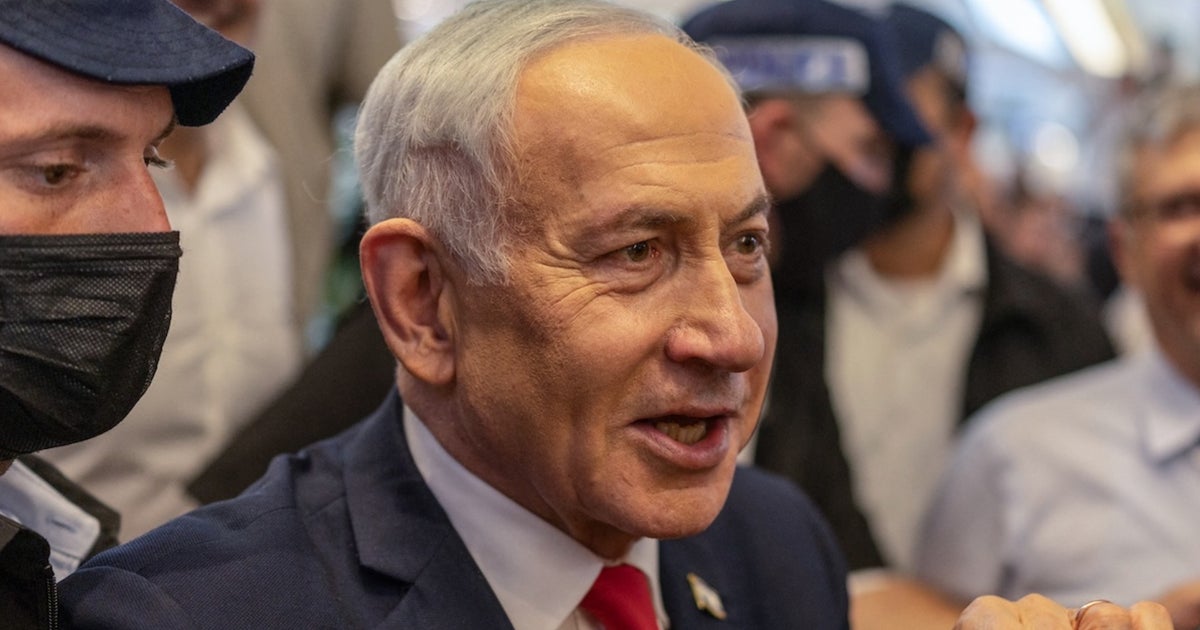
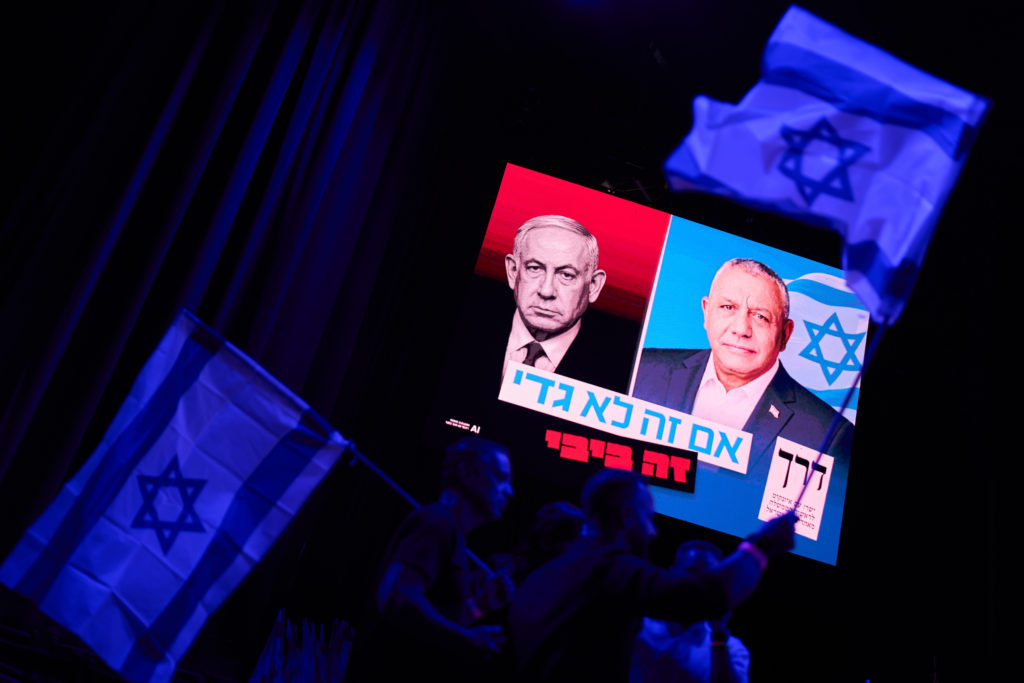
Israel is preparing for its first national election since the Hamas attack on Oct. 7, 2023. Prime Minister Benjamin Netanyahu faces the vote, with attention focused on what is at stake and who could replace him.
Key Facts
The upcoming election is Israel’s first national election since Oct. 7, 2023.
Hamas carried out the attack on Oct. 7, 2023.
Benjamin Netanyahu is Israel’s prime minister.
Netanyahu is facing the election.
The report examines the stakes of the election.
The report considers who might unseat Netanyahu.
Read the Original
Want the full story? Tap a source to open the original
article.
Romanian authorities say a fire at an industrial site near a state-owned weapons factory in Brasov was part of a Russia-coordinated sabotage campaign. Romanian prosecutors say three people were involved; two are in custody in Germany and a third remains at large in Poland. Russia had not commented on the allegation at the time of the report and has previously denied similar accusations.
Key Facts
The fire occurred in Brasov on September 14.
Romania’s Intelligence Service said the alleged sabotage campaign targeted arms manufacturers and other sites with military or industrial importance.
Romanian prosecutors said two Belarusian nationals and one Ukrainian were involved in the Brasov fire.
Two suspects were arrested in Germany while allegedly preparing similar offenses; the third remains at large in Poland.
Romania’s intelligence agency said recruits were sometimes first offered money for apparently harmless tasks such as watching or photographing targets.
Romanian President Nicusor Dan has described Romania as a target of a Russian hybrid war, citing alleged drone incursions, cyberattacks, disinformation and sabotage.
The article reports other recent incidents at defense-related sites in Bulgaria, Germany and Italy.
Read the Original
Want the full story? Tap a source to open the original
article.
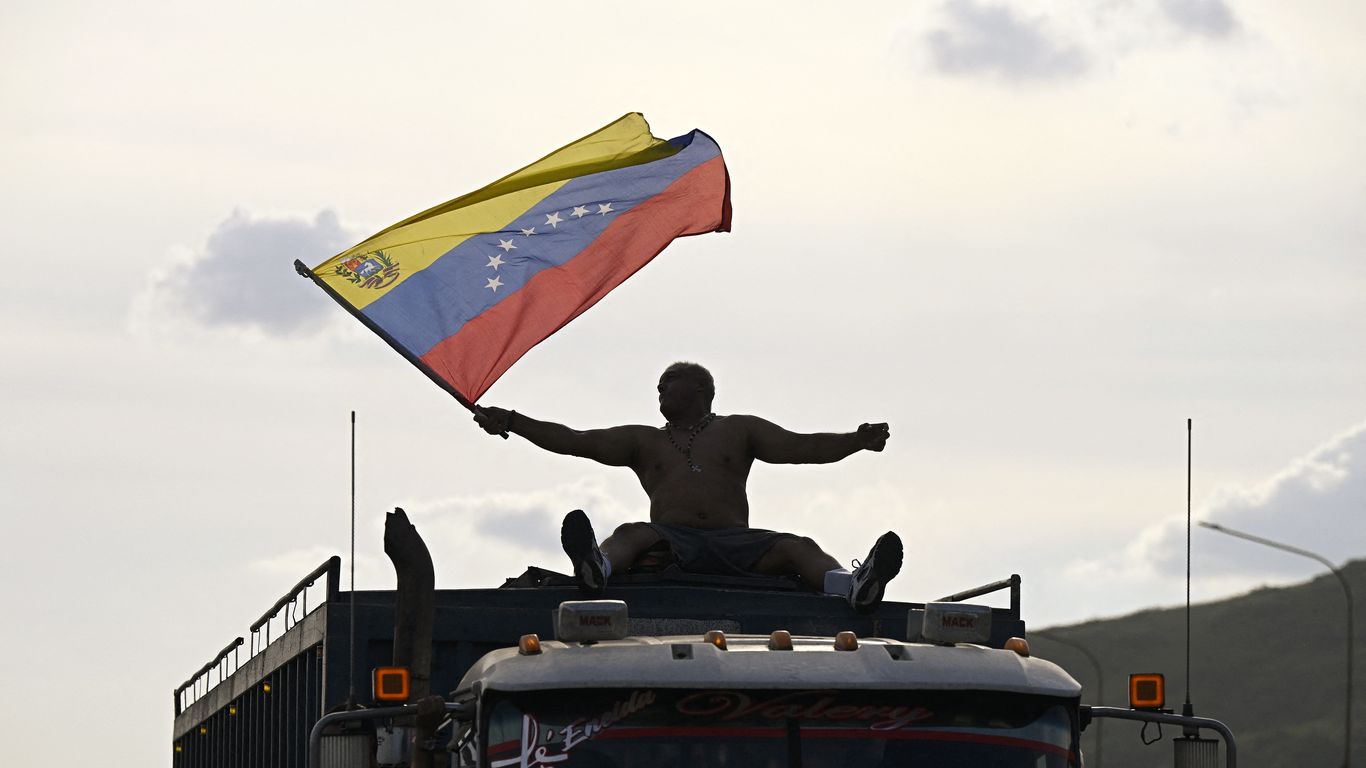
Venezuelan opposition leader María Corina Machado returned to the country after about 10 months abroad and drew large crowds on her way to Caracas. Since she left, U.S. troops removed Nicolás Maduro from power, Delcy Rodríguez took over, and the Trump administration reached an oil deal with Venezuela, complicating Machado’s relationship with Washington.
Key Facts
Machado left Venezuela in December to receive the Nobel Peace Prize in Oslo.
The Venezuelan government and the Trump administration had previously blocked or discouraged her return, according to the article.
U.S. troops removed Nicolás Maduro from power on Jan. 3; he was taken to New York, where he faces drug, weapons and torture charges and has pleaded not guilty.
Maduro’s former vice-president, Delcy Rodríguez, replaced him and has improved relations with Washington.
The Trump administration signed an oil deal with Venezuela that the article says gives the United States a 100-year concession over 65 billion barrels of crude oil.
The deal involved Venezuelan private company North American Blue Energy Partners, run by businessman Alejandro Betancourt.
Machado criticized the deal, directing her criticism at the Rodríguez government and Betancourt rather than President Trump.
Supporters welcomed Machado’s return, and political analyst Benigno Alarcón said her ability to mobilize them remained intact.
Read the Original
Want the full story? Tap a source to open the original
article.
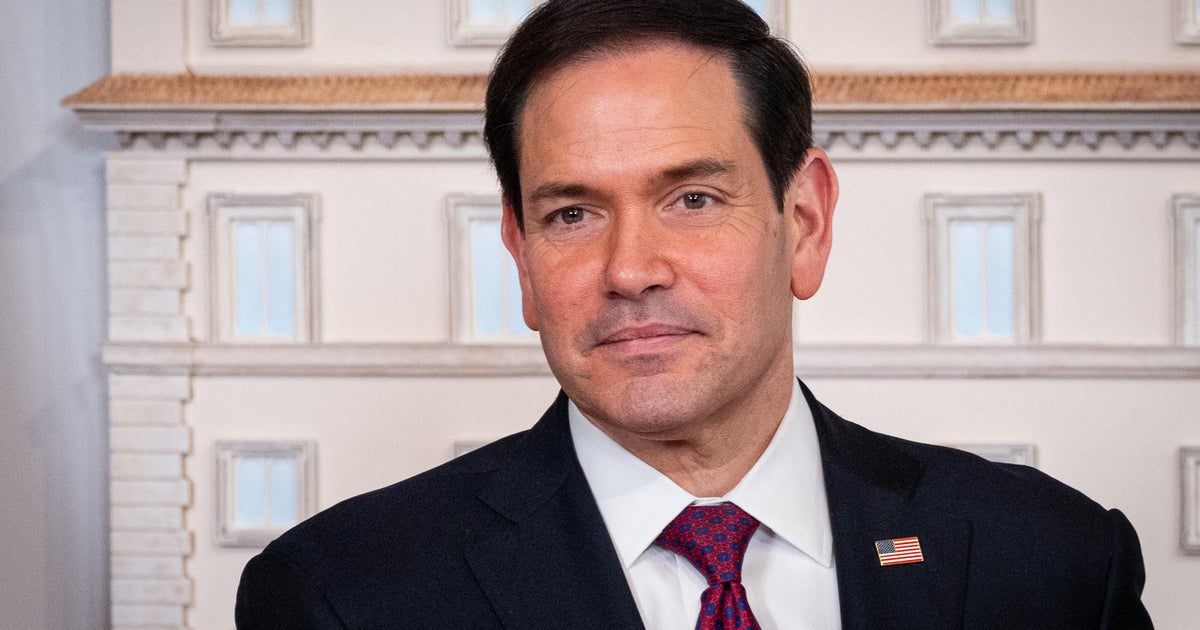
U.S. Secretary of State Marco Rubio said protests alone would not bring democracy to Venezuela, as opposition leader María Corina Machado calls for elections in 2027. The Trump administration says elections should follow reforms to Venezuela’s courts and election council, and has not set a date; officials also cite economic and security concerns.
Key Facts
Machado returned to Caracas shortly before Rubio’s remarks, according to the article.
Machado has called for elections in 2027 and criticized a U.S. oil deal with Venezuela’s current government.
U.S. officials want changes to the Supreme Court and National Electoral Council before elections.
The article says Venezuela’s sovereign debt is about $300 billion, exceeding its gross domestic product.
A senior State Department official also raised reforming Venezuela’s security services as a possible prerequisite.
Officials said an election date remains uncertain and that voting could happen in 2027 or 2028.
Under Venezuelan rules described by State Department officials, declaring a vacancy in the presidency would trigger an election six months later.
Rubio said the administration had agreed timelines with Delcy Rodríguez’s government and would not let it delay the process.
Read the Original
Want the full story? Tap a source to open the original
article.
Secretary of State Marco Rubio said Venezuela’s interim authorities told the U.S. that opposition leader María Corina Machado could return without interference, and that the U.S. relayed this to her team. Rubio said the interim government had met agreed deadlines for changes to electoral and judicial institutions, which the Trump administration says are needed before credible elections.
Key Facts
Machado returned to Venezuela one day before Rubio made his comments.
Rubio said Venezuelan officials had told the U.S. weeks earlier that Machado could fly into the country without problems.
Machado left Venezuela in late 2025 to accept the Nobel Peace Prize in Norway after spending nearly a year in hiding.
The article says U.S. forces captured Nicolás Maduro about a month after Machado left, and his deputy Delcy Rodríguez took control.
Rubio said Venezuela had met the agreed timelines for replacing its Supreme Court and electoral council.
Rubio said the U.S. is using sanctions relief and economic licenses to encourage cooperation from the interim government.
Rubio said there had been no discussion of prosecutions when asked whether Rodríguez and her brother had been offered immunity.
Machado has criticized parts of the Trump administration’s economic agreements with Venezuela, including a U.S.-backed oil deal.
Read the Original
Want the full story? Tap a source to open the original
article.
Brazilian President Luiz Inácio Lula da Silva won a fourth term, defeating far-right challenger Flávio Bolsonaro 51.79% to 48.21% after trailing in the first round. The Guardian invited readers to submit questions for Latin America correspondent Tom Phillips about the result, Brazil’s future and its regional relationships; he was scheduled to answer them on 27 October at 15:00 GMT.
Key Facts
Lula won 51.79% of the vote, while Flávio Bolsonaro received 48.21%.
Lula lost the first round to Bolsonaro before winning the runoff.
A Supreme Court judge extended polling hours by two hours.
Lula’s campaign accused opponents of disrupting public transport to limit turnout among Lula supporters.
Flávio Bolsonaro refused to accept the result.
Lula faces a Congress with many Bolsonaro allies and economic challenges, including high debt.
Tom Phillips was scheduled to answer readers’ questions on 27 October at 15:00 GMT.
Read the Original
Want the full story? Tap a source to open the original
article.
A cruise liner collided with two cargo ships that were docked in Germany. Police said stormy weather caused the cruise ship to drift toward the dock, and no one was hurt.
Key Facts
The cruise liner collided with two docked cargo ships.
The collision occurred in Germany.
Police attributed the ship’s drift toward the dock to stormy weather.
No one was injured.
Read the Original
Want the full story? Tap a source to open the original
article.
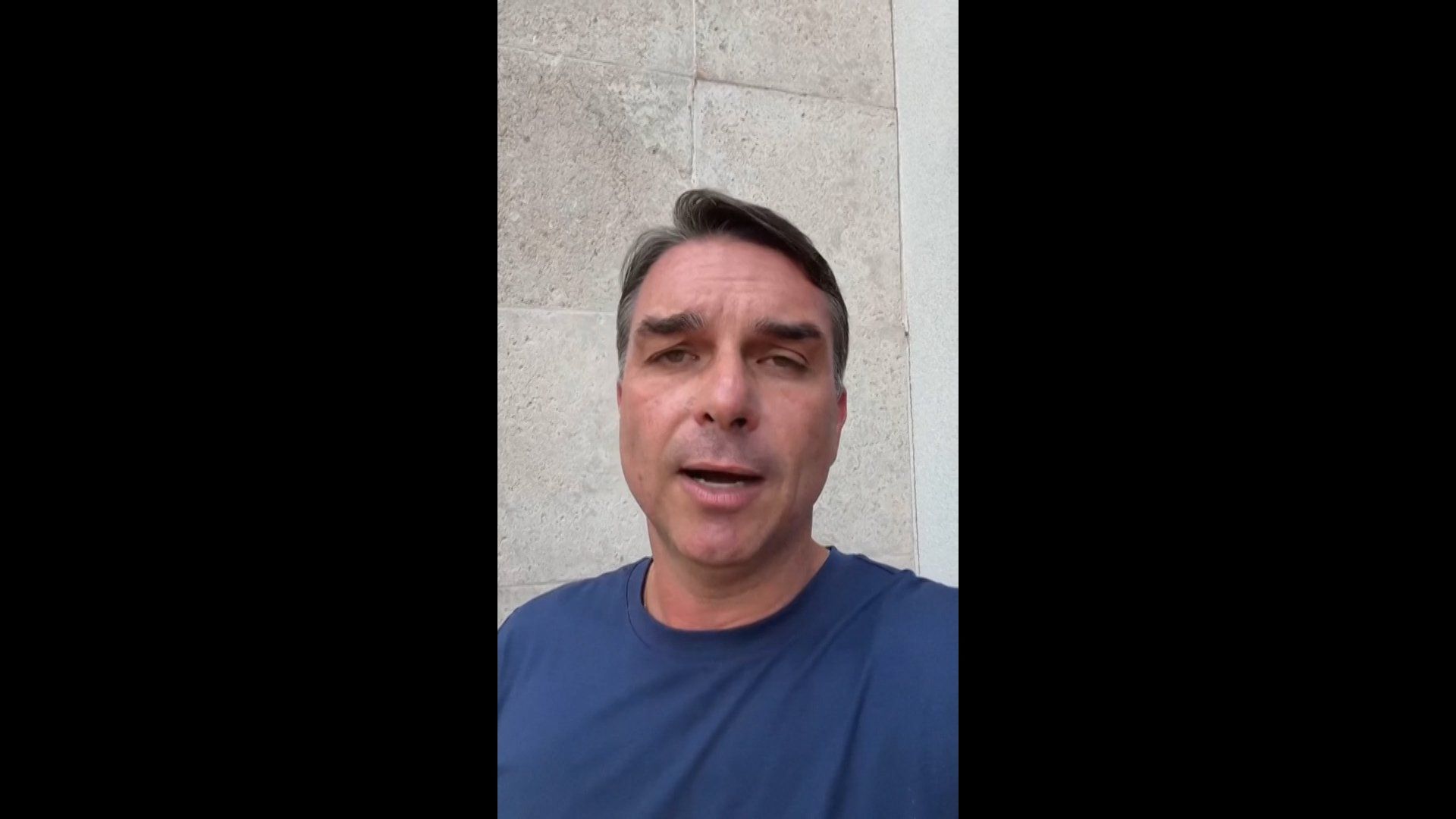
Brazilian opposition candidate Flavio Bolsonaro said a Supreme Court justice ordered him to surrender his passports and barred him from leaving the country. After losing the presidential election to Luiz Inacio Lula da Silva, Bolsonaro rejected the result and said he would organize the opposition and seek to annul the vote.
Key Facts
Flavio Bolsonaro received 48.2% of the vote, while incumbent Luiz Inacio Lula da Silva received 51.8%.
Bolsonaro said the court order required him to hand over his passports and prohibited him from leaving Brazil.
Bolsonaro called the order an attempt to intimidate him.
Bolsonaro is under investigation over alleged corruption and money laundering connected to financing a biopic about his father; he denies wrongdoing.
Bolsonaro said he would challenge the election result, claiming that extended voting hours favored Lula.
Bolsonaro said he would organize the opposition to Lula's government.
Bolsonaro is the son of former Brazilian leader Jair Bolsonaro, who is jailed.
Read the Original
Want the full story? Tap a source to open the original
article.
Flavio Bolsonaro said in a social media video that police ordered him to surrender his passports and barred him from leaving Brazil. The article says the demand came a day after Bolsonaro lost a close presidential election to incumbent President Lula da Silva.
Key Facts
Flavio Bolsonaro posted a video on social media.
He said police ordered him to surrender his passports.
He said police barred him from leaving Brazil.
The article says the police demand came one day after the presidential election.
The article describes the election as tightly contested.
The article says Bolsonaro lost to incumbent President Lula da Silva.
Read the Original
Want the full story? Tap a source to open the original
article.
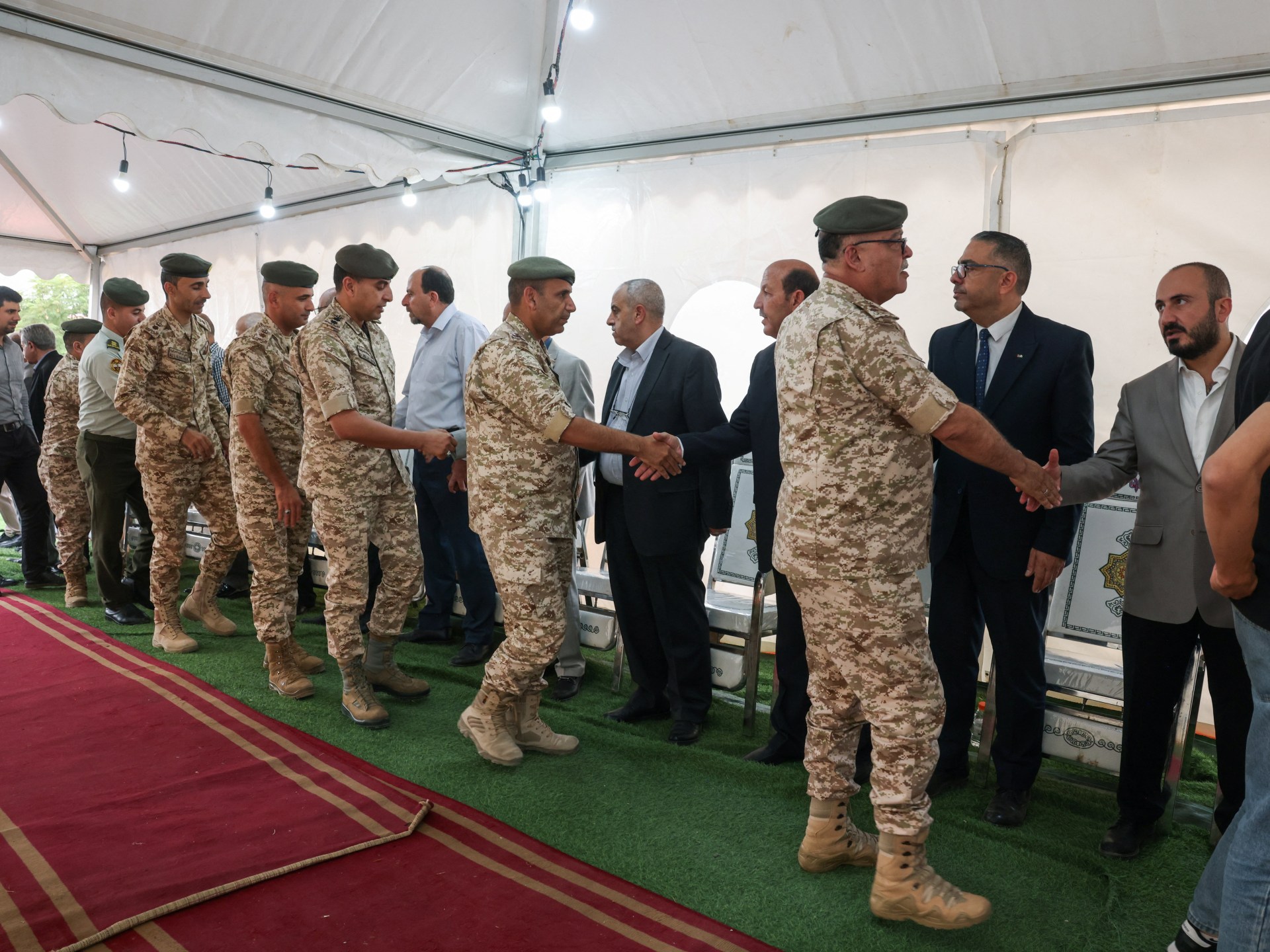
Jordan said it carried out air strikes in Syria against armed groups it linked to a church shooting in Jordan that killed nine people and wounded dozens. Syria denied coordinating the operation, reported civilian deaths, and opened an investigation; the strikes were followed by the closure of the Nassib border crossing.
Key Facts
Jordan said the strikes targeted armed-group hideouts in Syria and killed or wounded members of those groups.
Initial reports said at least seven people were killed in the strikes, including a woman and children.
The attacks hit Syria’s southern provinces of Deraa and Suwayda, but Jordan did not identify the groups or give the precise locations.
Jordan said the strikes were coordinated with Syria; the Syrian government denied coordination.
Syria said one strike hit five members of a family, including three children, and that two other strikes killed two older men.
Syria opened an investigation into the strikes and called for joint field and security coordination in border areas.
Authorities closed the Nassib crossing, Jordan’s only passenger and commercial border crossing with Syria.
Jordanian security forces arrested three suspects in connection with the October 23 church attack after a shootout in Al-Jadeeda. The attack killed nine people and wounded dozens.
Read the Original
Want the full story? Tap a source to open the original
article.
Jordan’s air force carried out several strikes in southern Syria after a church attack in Karak killed nine people, according to the article. Syrian authorities said the strikes killed several people, including children, in the Deraa countryside.
Key Facts
Jordan’s air force carried out several strikes in southern Syria.
The strikes followed a church attack on Friday.
The church attack killed nine people in Karak, according to the article.
Syrian authorities reported that several people died in the strikes.
Syrian authorities said children were among those killed.
The reported deaths occurred in the Deraa countryside.
Read the Original
Want the full story? Tap a source to open the original
article.
Defence ministers from France, Germany, Italy, Poland and Britain said Europe should take greater responsibility for its security while maintaining close cooperation with the United States. They reaffirmed support for Ukraine but announced no new assistance.
Key Facts
The five countries, known as the E5, met in Paris to discuss Europe's role in NATO.
The ministers said the United States would remain an indispensable ally and that its engagement in European security was essential to NATO.
French minister Catherine Vautrin said the group would develop a coordinated plan with Washington.
The E5's next meeting is scheduled for Rome in March 2027.
Polish deputy minister Pawel Zalewski said he expected any U.S. troop reductions in Europe to be coordinated with allies to avoid gaps in deterrence or military capability.
In May, the Pentagon announced plans to withdraw about 5,000 troops from Germany, roughly 15 percent of the 36,000 U.S. troops stationed there.
The ministers reaffirmed their commitment to supporting Ukraine but announced no new financial or operational assistance.
Read the Original
Want the full story? Tap a source to open the original
article.
Senior officials from Saudi Arabia, Turkey and Pakistan met Iranian leaders in Tehran on Monday in an effort to prevent renewed fighting in the Middle East. Iran described the talks as very good, but the parties announced no concrete outcomes and said discussions would continue.
Key Facts
The talks included Saudi Defence Minister Prince Khalid bin Salman, Pakistani army chief General Asim Munir and Turkish intelligence chief Ibrahim Kalin.
The delegations met Iranian President Massoud Pezeshkian and Foreign Minister Abbas Araghchi.
Saudi Arabia said the visit aimed to reduce tensions between parties to the current crisis.
Iranian security chief Mohsen Rezaei said the participants supported regional countries handling their own security and preventing foreign intervention.
The article describes the visit as the first joint trip to Tehran by the three countries since they formed a defence alliance in Mecca in August.
United Nations Secretary General Antonio Guterres called for an end to escalation and warned against attacks on Iran and Gulf countries.
The article reports that Saudi Arabia had faced repeated attacks by Iran-backed Houthi forces, including a claimed attack on Riyadh's international airport.
Read the Original
Want the full story? Tap a source to open the original
article.
UK Prime Minister Andy Burnham is approaching his first Budget, due Wednesday, amid economic and political decisions. He has also called for a discussion about closer ties with the European Union, including freedom of movement, but his government has not committed to a specific outcome.
Key Facts
Burnham arrived in Downing Street 100 days ago after being appointed prime minister.
Labour MPs are more upbeat and the party’s poll ratings have risen since Burnham took office, according to the article.
Chancellor John Healey is set to present the Budget on Wednesday.
The Budget is expected to include cost-of-living support for some people, help for entrepreneurs and more financial powers for English mayors.
Burnham says the UK’s current deal with the EU is not good enough and has called for an honest discussion about freedom of movement.
EU single-market members must allow people to live and work across member countries.
Burnham appeared to suggest that restoring freedom of movement would require a referendum, but his team later declined to repeat that position.
Read the Original
Want the full story? Tap a source to open the original
article.
Israelis are set to vote in the first election since the Oct. 7 Hamas attack and the ensuing war in Gaza. Prime Minister Benjamin Netanyahu says he can keep Israel safe, while opposition figures accuse him of failing to prevent the attack and blocking an investigation.
Key Facts
The election is scheduled for Tuesday.
It is Israel’s first election since the Oct. 7 Hamas attack.
Israel’s war in Gaza followed the attack.
Netanyahu has campaigned on keeping Israel safe.
Opposition figures accuse Netanyahu of failing to prevent the attack.
The opposition says Netanyahu is blocking an investigation into the attack.
Read the Original
Want the full story? Tap a source to open the original
article.