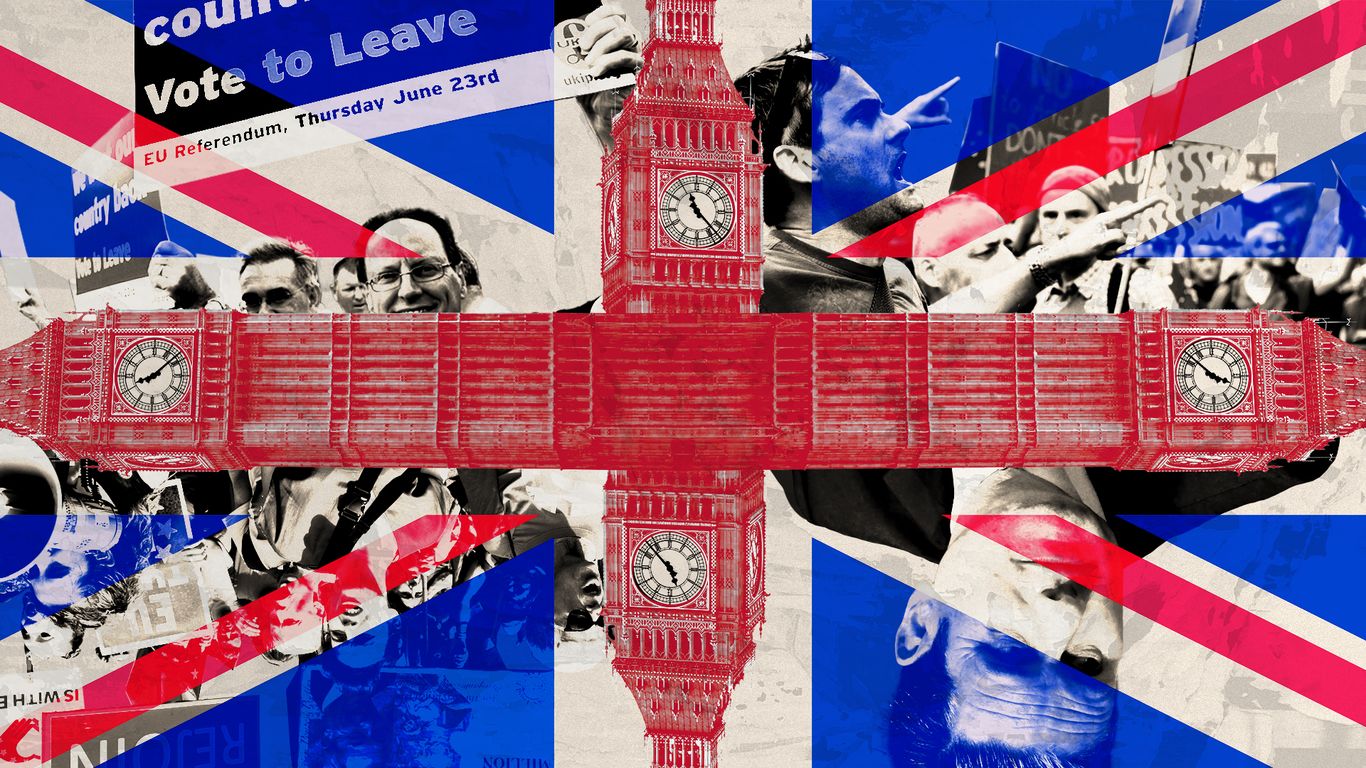
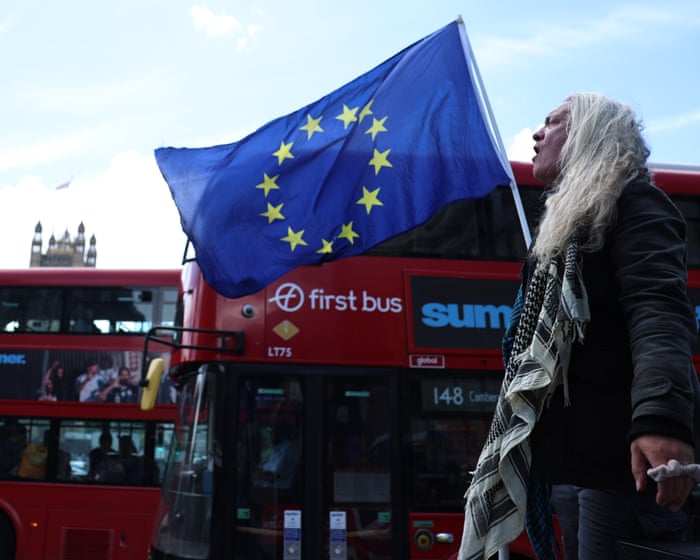
Ten years after the Brexit vote, the United Kingdom faces political instability, slow economic growth, and ongoing challenges with trade and public services. The country is preparing for its seventh prime minister since the referendum, while broader Western democracies also struggle with anti-establishment political forces.
Key Facts
The Brexit referendum occurred on June 23, 2016, promising a "Global Britain" with more control over borders and budgets.
Since then, the UK has seen seven prime ministers, including Theresa May, Boris Johnson, Liz Truss, and Rishi Sunak.
Britain is experiencing low economic growth, trade difficulties, rising prices, and strained public services.
Labour leader Keir Starmer recently resigned less than two years after a historic Labour election win.
Right-wing parties like Nigel Farage’s Reform UK have made gains by appealing to working-class voters concerned about migration and the cost of living.
Andy Burnham, a former mayor with strong regional support, is positioned to become the next Labour leader and possibly prime minister.
Similar anti-incumbent and populist trends are evident in other Western countries, including France, Germany, Hungary, and the United States.
President Trump, once an anti-establishment figure, now faces challenges as a sitting leader with declining approval ratings.
Read the Original
Want the full story? Tap a source to open the original
article.
The United States and Iran held talks in Switzerland on June 22, 2026, to create a plan to end the war in Lebanon and lift sanctions on Iranian oil. Both sides called the negotiations a positive start but left some details, such as control of the Strait of Hormuz, unresolved.
Key Facts
The talks took place in Switzerland on June 22, 2026.
The main goals were to agree on a ceasefire in Lebanon and lift U.S. sanctions on Iranian oil.
U.S. Vice President JD Vance described the talks as a good foundation for peace.
Both sides agreed to set up ways to open the Strait of Hormuz for shipping and trade.
It is unclear who will control the Strait of Hormuz after the agreement.
The Lebanon war has caused an estimated $1.3 billion in damage.
Some details still remain unsettled, meaning the full peace deal is not completed yet.
Read the Original
Want the full story? Tap a source to open the original
article.
The UK Met Office has issued a rare red warning for extreme heat in parts of England and Wales, with temperatures possibly reaching 40°C on Wednesday and Thursday. Some schools plan to close early or fully during the heatwave, but there is no legal temperature limit for schools or workplaces, and officials encourage keeping children in school and workplaces open with safety measures.
Key Facts
A red weather warning for extreme heat is active from 9 am Wednesday to 9 pm Thursday in central, southern, and southeast England, and parts of south Wales.
Temperatures could reach up to 40°C during this period.
Some schools in the affected areas will close early or for the day during the worst heat.
There is no legal maximum temperature for classrooms or workplaces in the UK.
Schools are advised to manage heat by relaxing uniform rules, changing lesson times or locations, and encouraging water drinking.
Children should wear light clothes and sun hats, and use sunscreen at school.
Employers must provide a comfortable working temperature and fresh air but do not have a strict temperature limit by law.
Teachers and unions want more government investment to make schools better prepared for extreme weather.
Read the Original
Want the full story? Tap a source to open the original
article.
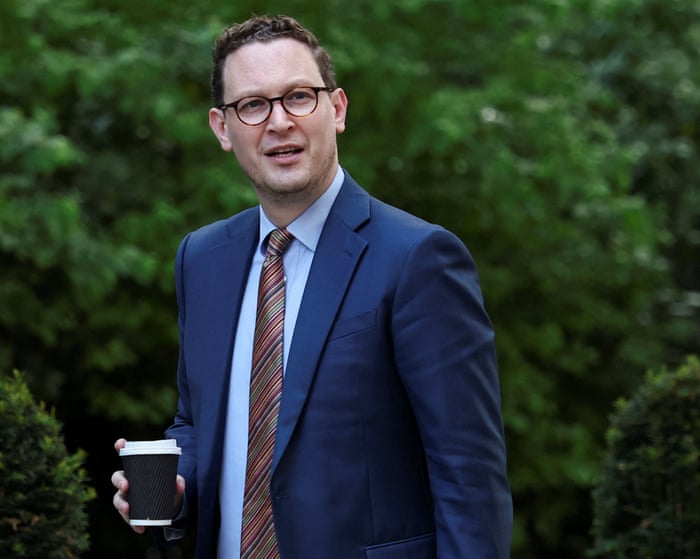
Some Labour MPs want Darren Jones to run for Labour leader to create a competitive election against Andy Burnham, who is the favorite to win without opposition. Jones is hesitant but may review Burnham’s economic plans before deciding. Burnham could appoint Ed Miliband as chancellor, a choice that worries some MPs and business groups.
Key Facts
Darren Jones is the chief secretary to the prime minister and MP for Bristol North West.
MPs want Jones to challenge Andy Burnham for Labour leadership to avoid an uncontested win.
Burnham is the strong favorite and may become leader without a contest.
Burnham is considering Ed Miliband as chancellor, causing concern among some MPs and businesses.
Jones has economic and national security experience and represents a generational change.
Labour MPs loyal to Keir Starmer have been encouraging Jones to run since last Friday.
Andy Burnham has about 300 MPs supporting his leadership bid.
Some Labour ministers, like Nick Thomas-Symonds, prefer a quick transition without a contest.
Read the Original
Want the full story? Tap a source to open the original
article.
Andy Burnham, a new member of the UK Parliament and former mayor of Greater Manchester, is likely to become the next leader of the Labour Party and prime minister. He is set to replace Prime Minister Keir Starmer, who announced his resignation after two years in office, and Burnham may face no serious challengers in the upcoming leadership contest.
Key Facts
Andy Burnham recently won a by-election to enter Parliament with the goal of becoming Labour leader.
Prime Minister Keir Starmer said he will step down soon after two years as leader.
Burnham is the favorite to replace Starmer and may be the only candidate in the leadership race.
Former Health Secretary Wes Streeting, a potential rival, has endorsed Burnham.
Labour leadership nominations open on July 9 and close a week later.
If unopposed, Burnham could become prime minister by July 17.
The next UK general election is not due until 2029, so no national vote is needed for this change.
Burnham is known for his success as Manchester mayor but has yet to reveal many national policy ideas.
Read the Original
Want the full story? Tap a source to open the original
article.
France is experiencing a severe heat wave with temperatures soaring above 40 degrees Celsius (104 degrees Fahrenheit), affecting about half the country under a red alert. The heat wave is record-breaking and is causing disruptions in daily life, with multiple heat-related deaths reported.
Key Facts
Temperatures in Paris reached 44 degrees Celsius (111.2 Fahrenheit).
Meteo France placed 54 departments under a red heat wave alert; this covers about half of France.
Many public places like schools and trains are affected due to the extreme heat.
There have been around 20 drowning deaths linked to the heat since the weekend.
France generally lacks widespread air conditioning, making the heat more challenging.
This heat wave is unusually intense and early in the summer season.
The European Union states Europe is warming twice as fast as the global average since the 1980s.
Over 200,000 people in Europe have died from heat-related causes in the past four years.
Read the Original
Want the full story? Tap a source to open the original
article.
Iran’s president traveled to Pakistan to meet with officials helping negotiate a permanent end to the Middle East war involving Iran and the United States. Meanwhile, U.S. and Iranian teams continued working on a detailed peace agreement after high-level talks in Switzerland, though differences remain on some issues.
Key Facts
Iran’s President Masoud Pezeshkian visited Islamabad to meet Pakistan’s leaders as part of ongoing peace talks.
The talks aim to end the war between Iran and the U.S. that began in early 2025.
Recent high-level negotiations took place in Switzerland between U.S. Vice President JD Vance and Iran’s parliamentary speaker Mohammad Bagher Qalibaf.
A “de-confliction cell” was agreed upon to reduce fighting in Lebanon involving Israeli forces and the Iranian-backed Hezbollah group.
The U.S. and Iran discussed ways to keep the Strait of Hormuz open, a vital passage for global oil shipments, which Iran had blocked during the conflict.
Iran’s Foreign Ministry said no visits have yet been scheduled for the International Atomic Energy Agency to inspect nuclear sites damaged by U.S. strikes.
Security was tight in Islamabad during the visit, marking Iran’s president’s first trip there since the war started.
Pezeshkian and Pakistan’s Prime Minister Shehbaz Sharif planned a joint news conference after their talks.
Read the Original
Want the full story? Tap a source to open the original
article.
Turkish security forces detained more than 200 people in raids in Ankara before the NATO summit in July. The suspects are believed to have links to extremist groups, including the Islamic State.
Key Facts
Turkish security forces conducted large raids in Ankara ahead of the NATO summit on July 7–8.
Over 200 people were detained for suspected ties to extremist groups.
Of those detained, 56 are accused of being Islamic State members.
Thirty-five suspects are linked to the Revolutionary People’s Liberation Party/Front, a far-left group known for violence in Turkey.
The raids are part of Turkey’s increased security efforts before the summit.
Turkey’s government regularly carries out security operations targeting extremist groups.
The Islamic State has previously carried out deadly attacks in Turkey, including one in Istanbul in 2017 that killed 39 people.
U.S. President Donald Trump is expected to attend the NATO summit in Ankara.
Read the Original
Want the full story? Tap a source to open the original
article.
Peter Murrell was sentenced to over five years in prison for stealing more than £400,000 from the Scottish National Party while he was its chief executive. He used the money for personal luxury items and covered up the theft with false accounting.
Key Facts
Peter Murrell embezzled £400,315.65 from the Scottish National Party over 12 years.
He bought luxury items like a motorhome, a Jaguar SUV, watches, and pens with the stolen money.
Murrell falsified invoices and accounting records to hide the theft.
The court called his crime a serious breach of trust affecting the party and donors.
He pleaded guilty and was sentenced to five years and three months in prison.
The judge said the sentence should warn others not to abuse their position.
Murrell’s lawyer said he feels deep guilt, has been socially isolated, and is unlikely to reoffend.
Murrell has enough money to repay the stolen amount, but a court hearing on this is pending.
Read the Original
Want the full story? Tap a source to open the original
article.
Iran and the United States held technical talks in Switzerland, which ended successfully and set the stage for further negotiations to end their ongoing conflict. Both sides agreed on how to move forward, including mechanisms to implement their June 17 agreement, and the U.S. has agreed to release frozen Iranian funds and allow limited Iranian oil sales.
Key Facts
Iran's technical talks with the U.S. and mediators in Switzerland concluded with agreements on future negotiation steps.
The talks focused on implementing the Islamabad Memorandum of Understanding, a framework agreement signed virtually on June 17 by the U.S. and Iran.
Iran’s negotiator said the U.S. has agreed to release $12 billion in frozen Iranian assets.
President Donald Trump said the unfrozen money will be used by Iran to buy American agricultural products like corn and soybeans.
The U.S. Treasury announced a 60-day waiver letting Iran sell its oil and petrochemical products without sanctions.
This move allows Iran to sell oil at full market price, bringing significant revenue to its economy.
Iran and the U.S. agreed to set up communication to ensure safe passage through the Strait of Hormuz, a vital route for global energy shipments.
Iran said the control over the Strait of Hormuz will change from before the conflict but promised to follow international law.
Read the Original
Want the full story? Tap a source to open the original
article.
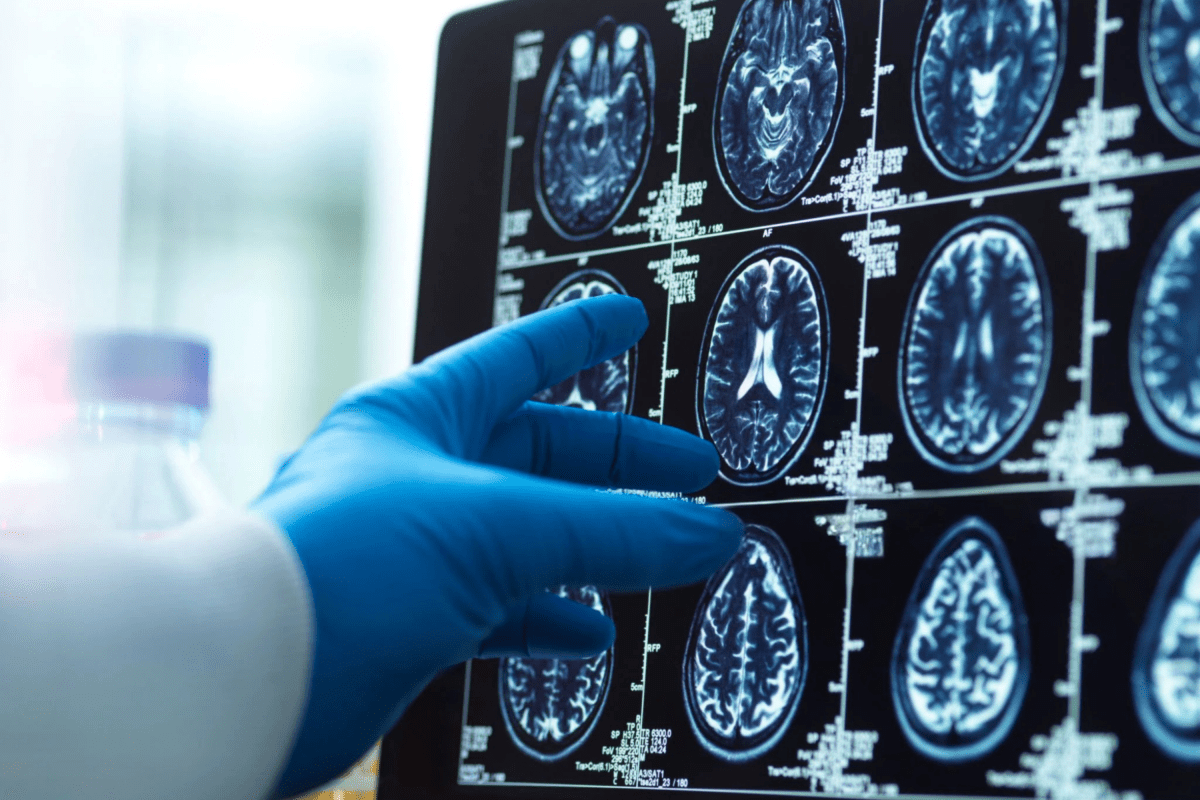
Scientists at Baylor College of Medicine discovered that a protein called tubulin can help prevent harmful clumps of other proteins linked to Alzheimer’s and Parkinson’s diseases. Their study suggests that keeping tubulin levels high may stop these clumps from forming and damaging brain cells, offering a new approach to treating these illnesses.
Key Facts
Tubulin is a protein that helps build structures inside cells called microtubules.
Alzheimer’s disease is linked to harmful clumps of tau protein, while Parkinson’s disease involves clumps of alpha-synuclein protein.
These protein clumps damage brain cells and cause memory loss, thinking problems, and movement issues.
Tubulin competes with tau and alpha-synuclein in cell droplets called condensates, keeping these proteins in healthy forms.
When tubulin is low, harmful clumping increases, leading to neuron loss.
Instead of removing harmful protein clumps, researchers suggest maintaining tubulin to keep proteins working normally.
The study was done in lab and cell models and needs to be tested in animals and humans.
Developing drugs targeting microtubules is difficult because these structures are important throughout the body.
Read the Original
Want the full story? Tap a source to open the original
article.
A United Nations inquiry reports that Israeli forces have deliberately targeted and killed Palestinian children in Gaza and the occupied West Bank, actions that the inquiry describes as genocide and war crimes. The report highlights the severe impact on children’s health and safety, including attacks on medical centers, a blockade causing starvation, and arrests with harsh treatment.
Key Facts
Around 30% of people killed in Gaza since October 2023 were children.
Israeli attacks have targeted maternity and neonatal care centers, endangering newborns and reproductive health.
The blockade on Gaza has caused deaths due to starvation and disease due to lower vaccination rates.
The UN inquiry says there is evidence of deliberate targeting of Palestinian children by Israeli forces.
Over 50,000 children have been killed or injured since the war began in Gaza.
Palestinian children face arrests, torture, and mistreatment in Israeli prisons, with many held without trial.
Israeli forces have destroyed orphanages and schools in the West Bank, harming children’s development.
The UN warns humanitarian groups face challenges in protecting children in the region after the ceasefire.
Read the Original
Want the full story? Tap a source to open the original
article.
Each summary links back to the original reporting, so you can check the work. Support that, and get the daily digest every morning. Most choose $3.99/month.
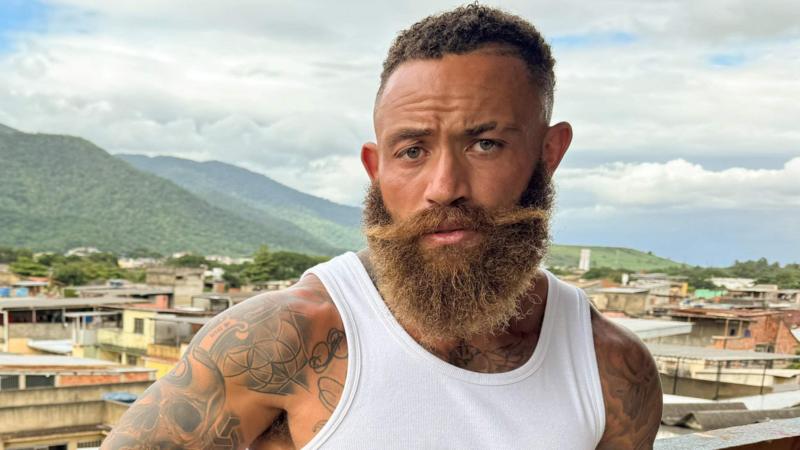
Ashley Cain apologized for using sexist and offensive language in social media posts he made over ten years ago. The BBC canceled the upcoming series of his documentary after the posts were revealed, and Cain said he has grown since then and takes responsibility for his past mistakes.
Key Facts
Ashley Cain used sexist and abusive language about women on social media over a decade ago.
The BBC cancelled the planned second series of his show "Ashley Cain: Into The Danger Zone" after the posts were uncovered.
Cain admitted he was wrong and said those comments were made by a younger, less mature version of himself.
He said his injury ended his dream of being a professional footballer and reality TV gave him a second chance.
Cain expressed regret and emphasized learning from mistakes and personal growth.
The BBC said its vetting process failed to catch the language during production checks and is investigating.
Cain has also spoken publicly about the death of his baby daughter from cancer and his efforts to support families affected by childhood illness.
He asked people to recognize that growth and change are possible even after past mistakes.
Read the Original
Want the full story? Tap a source to open the original
article.
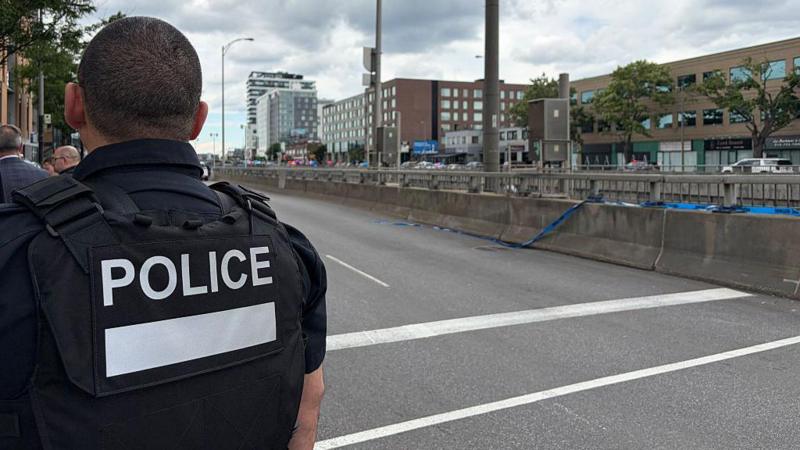
A shooting in Montreal on June 22, 2026, killed a police officer, a civilian, and the armed attacker. The police quickly killed the shooter, and one other officer was seriously hurt but in stable condition. The motive behind the attack remains unclear.
Key Facts
The shooting happened around midday in Montreal’s Côtedes-Neiges neighborhood.
The attacker was a single unidentified man dressed in military clothing.
Police officer Mohamed Lamine Benredouane, 34, was killed; he joined the police in 2021.
A civilian named Michael Moshe Mizrahi also died in the attack; he was part of Montreal's Jewish community.
One other police officer was severely injured but is now stable.
Police do not know the attacker's motive yet; an alert was sent about a document urging violence against officers, but this is unconfirmed.
Witnesses heard shots and saw the attacker with a gun before police shot him dead.
Quebec security officials and Canadian leaders expressed shock and offered condolences.
Read the Original
Want the full story? Tap a source to open the original
article.
About 20 people drowned in France over the weekend while swimming in unsafe, unsupervised places to cool off during a heatwave affecting much of Europe. The heatwave has caused record-breaking temperatures, health issues, and even deaths, while also straining public services across several countries.
Key Facts
Around 20 people drowned in France trying to escape the heat by swimming in unauthorized areas.
Temperatures in many parts of France reached about 40°C (104°F) during the heatwave.
Two young children died from heat-related causes in southeastern France, and three elderly people died in the Bordeaux region.
The heatwave broke temperature records in cities like Bordeaux and Poitiers.
France issued a red heatwave alert for 54 areas and adjusted school schedules for student safety.
Britain expected a heatwave exceeding 39°C (102°F), surpassing previous June records from 1957 and 1976.
Spain’s northern city San Sebastian was forecast to reach 40°C (104°F), much higher than its usual temperatures.
The extreme heat is caused by an “Omega block” weather pattern, trapping hot air from North Africa over Europe without wind to cool things down.
Read the Original
Want the full story? Tap a source to open the original
article.
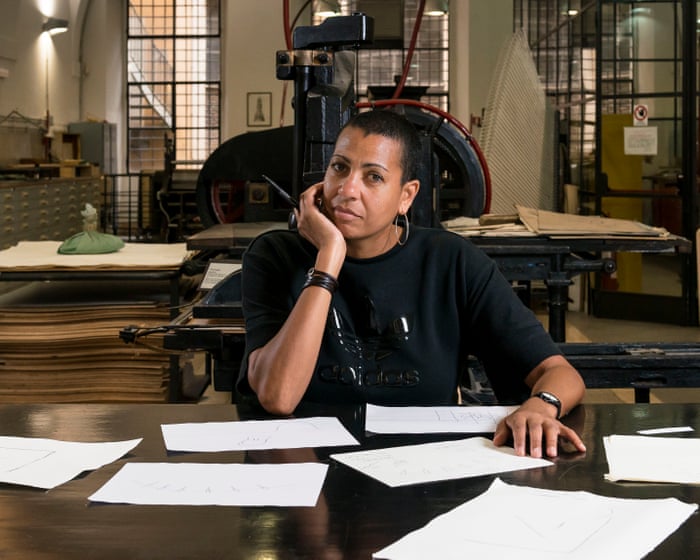
An artwork about Winston Churchill’s role in the 1943 Bengal famine, created by artist Helen Cammock, was removed from the National Portrait Gallery after critics, including Churchill’s grandson and historians, objected to its portrayal. The gallery removed the piece at the artist’s request after a week of controversy over its comments on Churchill’s responsibility for the famine.
Key Facts
The artwork, called Persistence, was a 40-minute video installation by Turner Prize-winning artist Helen Cammock.
The piece linked Churchill’s actions during the Bengal famine to deliberate starvation, which caused criticism.
Fifty members of the British peerage, including Churchill’s grandson Sir Nicholas Soames, signed a letter calling the installation an ideological rant.
The National Portrait Gallery initially defended the work but removed it after Cammock requested the removal.
The Bengal famine of 1943 caused around 3 million deaths in eastern India.
Historians disagree on Churchill’s responsibility, with some blaming natural disasters and mismanagement, and others accusing Churchill of ignoring food shortages and worsening the crisis.
The gallery said the artwork was a personal, artistic response and did not represent the gallery’s official views.
Cammock emphasized that art should challenge ideas and reflect on history.
Read the Original
Want the full story? Tap a source to open the original
article.
A UK minister has called for a quick and smooth handover of Labour party leadership to Andy Burnham without a contest from other candidates. Labour MPs and members largely support Burnham, making him the likely next leader ahead of official nominations.
Key Facts
Andy Burnham is expected to become the next Labour party leader in the UK.
Labour MPs and party members strongly support Burnham’s leadership.
Official leadership nominations open on 9 July, with Burnham seen as the clear favorite.
Some potential challengers, including Darren Jones and Al Carns, have not ruled out running but lack enough support.
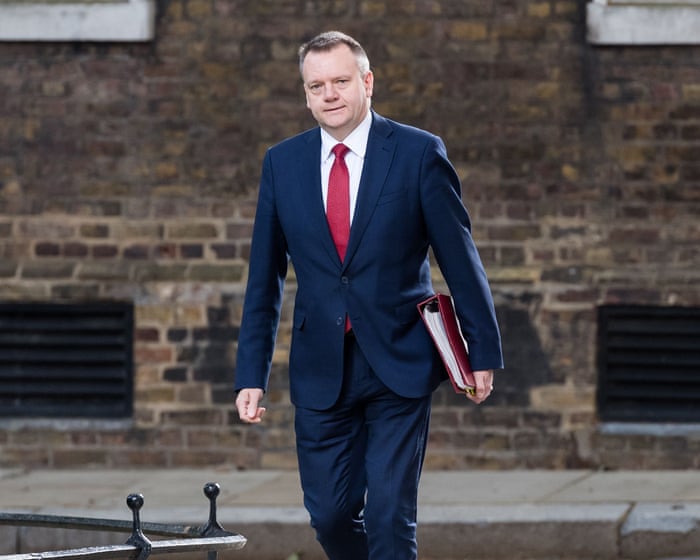
Minister Nick Thomas-Symonds favors a quick transition to Burnham without a leadership contest.
Former minister Margaret Hodge thinks avoiding a leadership election would be better for the government’s work.
The article provides other UK political updates like a Brexit anniversary, court sentencing for an SNP official, and political campaigns.
Read the Original
Want the full story? Tap a source to open the original
article.
A United Nations investigation has found evidence that Israeli forces have deliberately targeted Palestinian children in Gaza, contributing to ongoing violence described as genocide. The report says this has caused widespread death, injury, and trauma to children, and Israeli officials have rejected these findings.
Key Facts
UN investigators say Israeli security forces deliberately targeted Palestinian children in Gaza.
The report claims this targeting is part of a plan to destroy the Palestinian people’s future in Gaza.
The investigative team previously concluded that Israel committed genocide in Gaza, which Israel denies.
Since a ceasefire in October 2025, over 265 children have been killed and many wounded, according to UNICEF.
Israeli attacks have resulted in thousands of Palestinian child deaths and injuries over two years.
The report describes severe physical and mental harm to Gaza’s children, including loss of education and healthcare.
Israel accuses the UN investigators of ignoring attacks by Hamas and using children as shields.
The UN inquiry was set up by the Human Rights Council in 2021 but does not officially represent the entire UN.
Read the Original
Want the full story? Tap a source to open the original
article.
The Czech Republic's President Petr Pavel has formally complained after being excluded from the Czech delegation to the NATO summit in Ankara, a decision made by the Czech Prime Minister Andrej Babiš. The disagreement highlights tensions over defense policy and spending, with Pavel criticizing the move as unprecedented and harmful to national unity during a time of serious security challenges for NATO.
Key Facts
Czech President Petr Pavel was excluded from the Czech delegation for the upcoming NATO summit.
Prime Minister Andrej Babiš said the exclusion was a practical decision to avoid unnecessary disputes.
Pavel has filed a complaint against this decision with the Constitutional Court.
The conflict is linked to disagreements over defense spending, which is below NATO’s target of 2% of GDP.
Pavel has attended NATO summits before and followed government policies but wanted to attend the informal policy part of the summit this time.
He views the exclusion as a break from tradition and harmful to Czech Republic’s image among NATO allies.
The Constitutional Court will consider how to proceed with Pavel’s complaint.
The article also marks the 10th anniversary of the UK’s Brexit referendum and mentions other European political topics.
Read the Original
Want the full story? Tap a source to open the original
article.
The United States and Iran have agreed to release $12 billion of frozen Iranian funds after talks in Switzerland. The US also temporarily lifted sanctions on Iranian oil, while a ceasefire between Israel and Hezbollah in Lebanon continues to hold.
Key Facts
Iran’s negotiator Mohammad Bagher Ghalibaf said $12 billion in frozen Iranian funds will be released following talks with the US.
The US eased sanctions on Iranian oil and related products for 60 days, until August 21.
Iran agreed to allow international nuclear inspectors to return as part of the negotiations.
Technical talks ended, with future discussions supervised by a high-level committee including US Vice President JD Vance.
Iran’s Central Bank governor said the released funds will be used for basic goods and medicine, not to buy US farm products.
President Trump stated that Iran will agree to weapons inspections and that the funds will help buy US agricultural goods.
US House Democrats criticized the sanctions relief as premature without progress on Iran’s nuclear program and regional activities.
A ceasefire between Israel and Hezbollah in Lebanon has so far held, with no air attacks reported by UN peacekeepers since early March.
Read the Original
Want the full story? Tap a source to open the original
article.