A review of studies suggests people who eat a lot of chili peppers might have a higher chance of developing digestive cancers, especially esophageal cancer. Researchers found people with the highest chili pepper intake were nearly three times more likely to get esophageal cancer, but the studies do not prove chili peppers cause cancer.
Key Facts
The review looked at 14 studies with over 11,000 people, including more than 5,000 with digestive cancers.
People who ate the most chili peppers had a 64% higher chance of digestive cancers overall compared to those who ate the least.
The strongest link was for esophageal cancer, with heavy chili pepper eaters nearly three times more likely to develop it.
No significant increased risk was found for stomach or colorectal cancers.
The studies used are observational, meaning they show possible links but cannot prove that chili peppers cause cancer.
Experts say the evidence is not strong enough to tell healthy people to stop eating spicy food.
Measuring chili pepper intake is difficult because people report their own eating habits, which can be inaccurate.
Chili peppers contain capsaicin, which may have both anti-inflammatory and pro-inflammatory effects, but its role in cancer is unclear.
Read the Original
Want the full story? Tap a source to open the original
article.
A Kenyan court ruled against the Rastafari Society’s request to decriminalize cannabis use. The society had argued that cannabis is important for their religious practices, but the court did not approve their petition.
Key Facts
The court case addressed the use of cannabis by the Rastafarian community in Kenya.
The Rastafari Society is officially recognized as a religion in Kenya.
The community wants cannabis to be legal for religious reasons.
The court has been considering the case since 2021.
The ruling was made public on July 16, 2026.
The court decided not to decriminalize cannabis for Rastafarians.
Cannabis remains illegal for religious use in Kenya after this ruling.
The case had gained attention because it involved religious freedom and drug laws.
Read the Original
Want the full story? Tap a source to open the original
article.
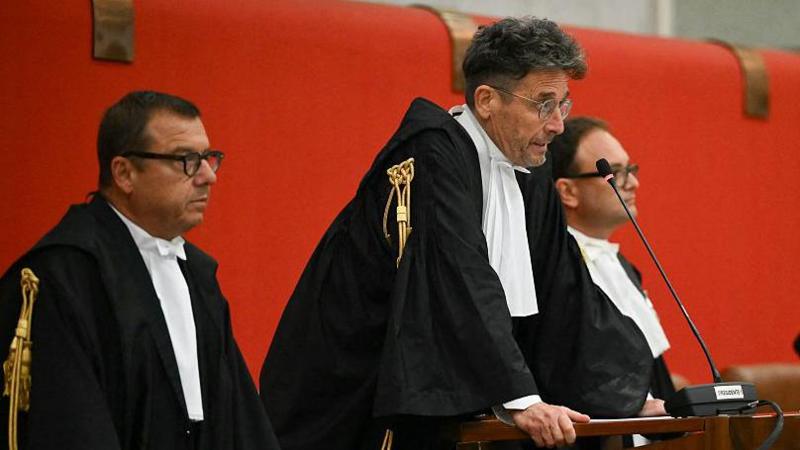
An Italian court sentenced 32 people for their roles in the 2018 collapse of the Morandi bridge in Genoa, which killed 43 people. The former head of motorway operator Autostrade, Giovanni Castellucci, was among those found guilty and sentenced to prison for negligence and vehicular homicide.
Key Facts
The Morandi bridge in Genoa collapsed on August 14, 2018, during heavy rain, killing 43 people.
Giovanni Castellucci, former chief of Autostrade (the motorway operator), was sentenced to 12 years in prison.
Castellucci was accused of delaying important maintenance work on the bridge.
A total of 57 people were on trial; 32 were convicted, and 25 were acquitted.
The investigation showed little maintenance was done on pillar number nine, which collapsed.
Other defendants included executives and technicians from Autostrade and engineering company Spea.
Some defense lawyers plan to appeal the guilty verdicts.
Italian officials said the collapse was due to serious errors and negligence, not an accident or hidden defects alone.
Read the Original
Want the full story? Tap a source to open the original
article.
Mykhailo Fedorov served six months as Ukraine’s defence minister before being dismissed due to conflicts with the military leadership. He tried to modernize the army by improving salaries, introducing rewards, and increasing drone use, but faced strong opposition from top commanders.
Key Facts
Fedorov became Ukraine’s defence minister in January 2026 at age 35, the youngest ever in that role.
He aimed to reform Ukraine’s army, which was tired after four years of fighting Russia.
Reforms included raising soldiers’ pay, planning partial demobilization, and using game-like incentives to reward units.
He pushed for more drone purchases and helped cut off Russian units from Starlink internet services.
Fedorov clashed with Oleksandr Syrsky, the commander-in-chief of the armed forces, who resisted changes.
His dismissal sparked protests in Kyiv, Lviv, and other Ukrainian cities.
Fedorov previously worked as Ukraine’s minister for digital transformation and helped President Zelensky win the 2019 election with his social media skills.
He sought to use data and technology to improve the military’s performance during the war.
Read the Original
Want the full story? Tap a source to open the original
article.
Paris is one of the most visited cities in the world, attracting about 50 million tourists each year. Many travelers return multiple times and seek unique, personalized tours beyond the usual sights. Maud Hacker, an art historian and private tour guide, offers bespoke tours to help visitors create special experiences in the city.
Key Facts
Paris receives around 50 million tourists annually.
Many visitors come back for second or third trips.
Returning tourists often want new ways to explore the city.
Maud Hacker is an art historian and private tour guide in Paris.
She offers custom-made tours tailored to individual interests.
These tours focus on creating unique experiences beyond popular landmarks.
The article was published on July 16, 2026.
Read the Original
Want the full story? Tap a source to open the original
article.
The US and Iran have ended a June ceasefire agreement and are engaged in ongoing military attacks against each other and allied Gulf nations. Although both countries have expressed interest in diplomacy, tensions remain high amid economic and military pressures, with Pakistan urging both sides to resume talks.
Key Facts
The US and Iran have stopped following a ceasefire deal signed in June and are exchanging attacks.
The United States recently reimposed sanctions on Iran after briefly lifting some as part of the June agreement.
Iran’s economy has weakened due to long-term US sanctions and the ongoing conflict, with lower oil exports and a lower currency value.
Iran’s military resources, including missiles and drones, have been significantly reduced from earlier US-Israeli strikes.
The US claims to have damaged Iran’s nuclear sites during a 12-day war in 2025.
Pakistan is acting as a mediator and urges both nations to choose dialogue over violence.
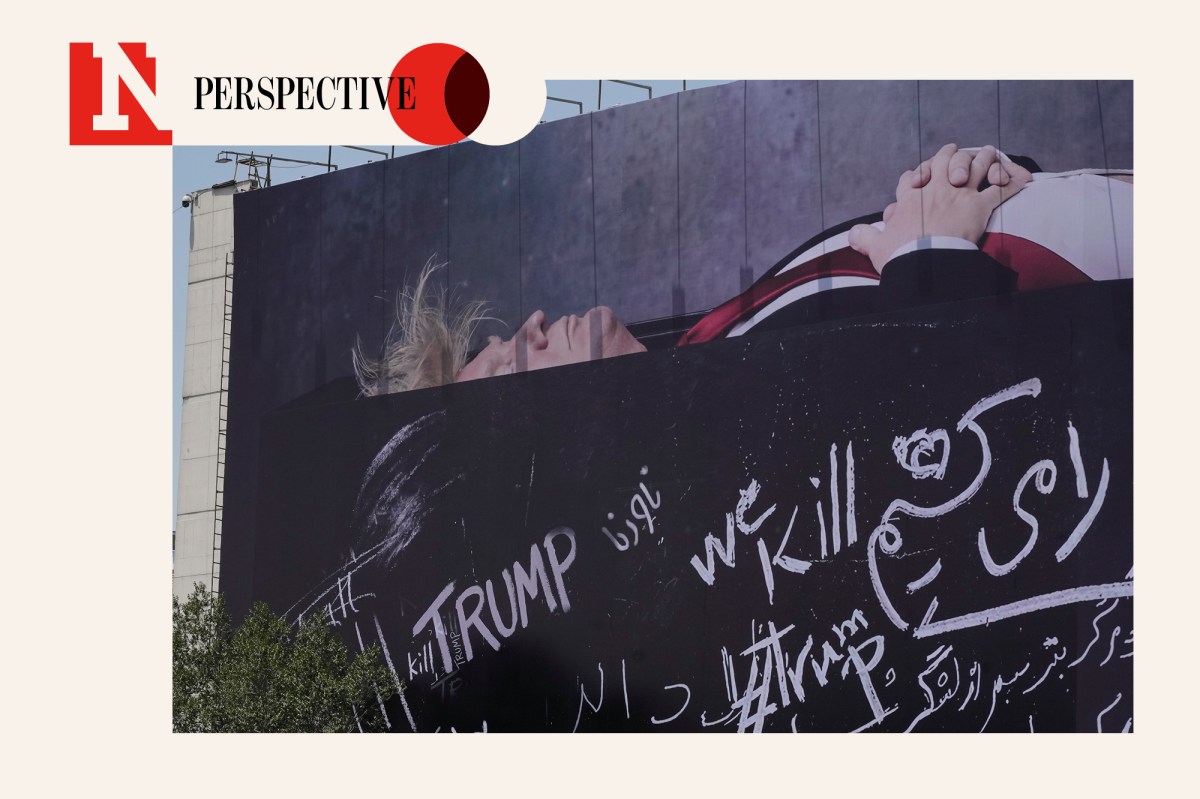
President Donald Trump says Iran wants peace but is not trusted by the US.
Iranian officials describe the conflict as an “existential war” and are hesitant to return to the agreement.
Read the Original
Want the full story? Tap a source to open the original
article.
Keir Starmer, the outgoing UK prime minister, made his final visit to Kyiv, Ukraine, where he received the "Order of Freedom" award. He will soon be succeeded by Burnham, who will become leader of the UK Labour party and then prime minister.
Key Facts
Ukraine gave Keir Starmer the "Order of Freedom" honor on July 19, 2026.
This award ceremony happened during Starmer’s last visit as UK prime minister to Kyiv.
Burnham will become leader of the UK Labour party on July 17, 2026.
Burnham will take over as UK prime minister on July 20, 2026.
Starmer is the UK’s fifth prime minister since Russia invaded Ukraine in February 2022.
The article looks back on Starmer’s policies toward Ukraine during his time in office.
Read the Original
Want the full story? Tap a source to open the original
article.
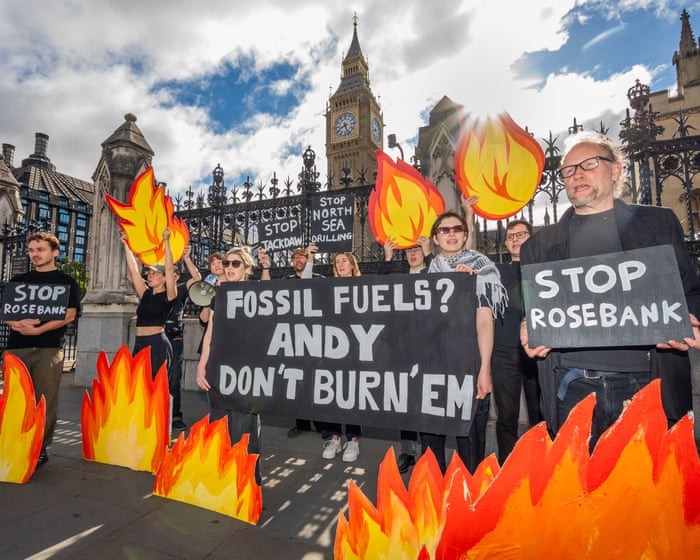
Andy Burnham, the likely next UK prime minister, has shown some efforts to address climate change during his time as Manchester mayor, including setting a carbon net zero goal and promoting electric buses. However, his plans on climate remain unclear, especially on issues like North Sea oil drilling, as the UK faces serious challenges from heatwaves, wildfires, and economic impacts linked to the climate crisis.
Key Facts
Andy Burnham set a goal for Greater Manchester to reach net zero carbon emissions by 2038.
Burnham expanded and started electrifying bus services in Manchester and supported home insulation programs.
Heatwaves in the UK this year have caused around 2,700 deaths and significant damage to crops.
The UK economy has lost at least £2.4 billion due to reduced productivity from heatwaves.
Burnham has opposed fracking in northern England but is uncertain about more North Sea oil drilling.
In 2022, Burnham paused a clean air zone plan that would limit polluting cars in Manchester due to opposition and cost concerns.
Some UK politicians blame climate policies for high energy prices, but many economists say renewable energy is cheaper and better for the economy.
Burnham is considering Ed Miliband, a strong climate action supporter, for chancellor, but rivals say the post may go to Shabana Mahmood instead.
Read the Original
Want the full story? Tap a source to open the original
article.
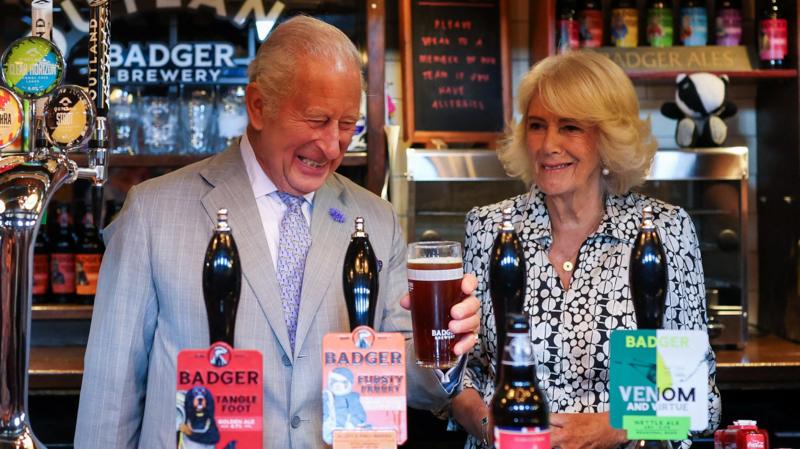
King Charles III visited a brewery in Dorset and poured a pint of beer. He mentioned England’s loss to Argentina in the World Cup semi-final by saying it might be a good day to "drown a few sorrows," and Queen Camilla was with him.
Key Facts
King Charles III was at the Hall & Woodhouse Badger Brewery in Blandford, Dorset.
He poured a pint of beer during the visit.
He referred to England’s World Cup semi-final loss to Argentina.
The King said, “Maybe it's a good day to drown a few sorrows.”
Queen Camilla was present and smiling during this moment.
The event happened shortly after England’s World Cup defeat.
This moment was shared through news updates under UK Royal Family topics.
Read the Original
Want the full story? Tap a source to open the original
article.
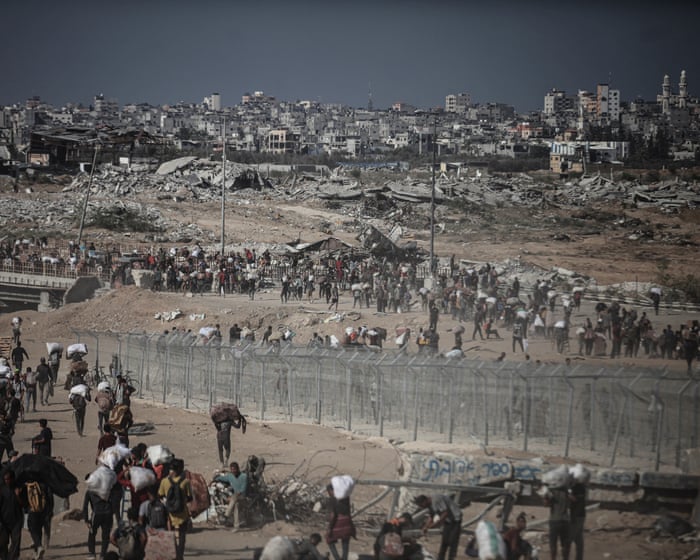
The plan led by President Trump’s Board of Peace to rebuild Gaza has been greatly reduced from a large-scale recovery project to a small pilot program in southern Gaza. Progress on this pilot camp, meant to include Palestinian administration and a small international security force, is slow and may not begin until after Israeli elections in late October. Tensions remain high, with ongoing Israeli military actions and uncertainty about future peace efforts.
Key Facts
President Trump’s Board of Peace initially planned a full reconstruction of Gaza but now focuses on a small pilot project near Rafah in southern Gaza.
The pilot camp would house a tiny number of displaced Palestinians and have local administration, police, and an international security force.
An International Stabilization Force, including Moroccan and Kosovar officers, is forming in Israel, with logistical support near the Gaza-Israel border.
No construction has started yet on the pilot camp or support base, and major progress is unlikely before Israel’s elections on 27 October.
Since the ceasefire in October, Israel has frequently violated it, blocking reconstruction and aid flows into Gaza.
The Israeli army currently controls over 60% of Gaza territory and has created a buffer zone beyond.
There is concern that Israel could launch a new large-scale attack on Gaza before the elections.
Hamas and Israeli-backed groups discussed disarmament in Egyptian talks, but the situation remains fragile.
Read the Original
Want the full story? Tap a source to open the original
article.
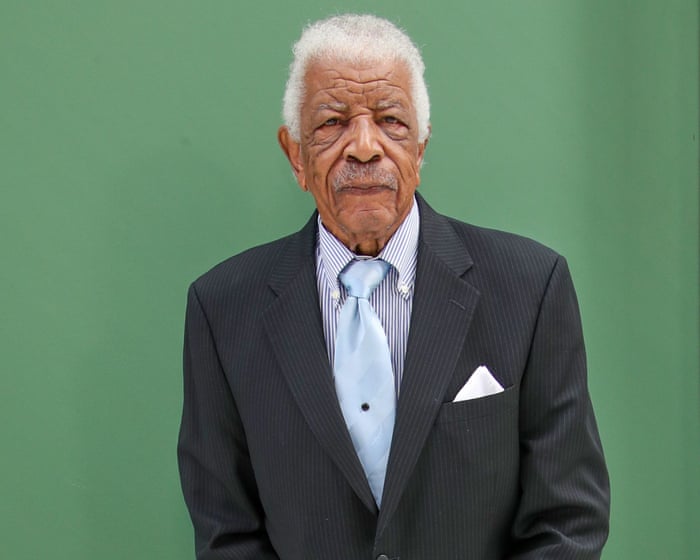
Hal Williams, an actor known for his roles in the TV shows Sanford & Son and 227, died at age 91 at his home in California on July 15. He began acting in his 30s after working as a postal worker and corrections officer. Williams was admired for portraying caring Black fathers on television and helped open doors for Black talent in the entertainment industry.
Key Facts
Hal Williams died on July 15 at age 91.
He is best known for playing Officer "Smitty" Smith on Sanford & Son and Lester Jenkins on 227.
Sanford & Son aired from 1962 to 1974 and was adapted from a British TV series.
Williams started acting after moving to Los Angeles in 1968 but kept working at the post office during Sanford & Son filming.
He appeared in several movies, including Private Benjamin and The Rookie, and TV shows like The Waltons and Knots Landing.
Williams was praised for representing loving, present Black fathers on TV.
He noted the growth of Black producers, writers, and directors in recent years.
Hal Williams encouraged young actors to be patient and prepared for rejection in their careers.
Read the Original
Want the full story? Tap a source to open the original
article.
Sudan’s ongoing war, which began in April 2023, has caused major changes in the country’s population. The conflict has killed many people, displaced millions inside Sudan and to nearby countries, and worsened poverty and unemployment. The government plans to improve population policies and help displaced people as part of recovery efforts.
Key Facts
The war in Sudan started in April 2023 between the national army and the Rapid Support Forces (RSF).
About 200,000 people have died because of the conflict.
Over 11 million people have been displaced by the war, making it the largest humanitarian crisis in the world according to the UN.
Before the war, Sudan’s population was about 44.4 million in 2020 and expected to grow to more than 64 million by 2035.
The war has increased poverty, caused loss of income for many citizens, and damaged basic services and the job market.
Sudan has a very young population, with 70% under the age of 30, which could help economic growth if challenges are addressed.
Many young people face difficulties like poor access to education and few jobs, problems made worse by the war.
The government, through the Ministry of Human Resources and Social Development, aims to link population policies with social support, refugee return, and rebuilding human resources.
Read the Original
Want the full story? Tap a source to open the original
article.
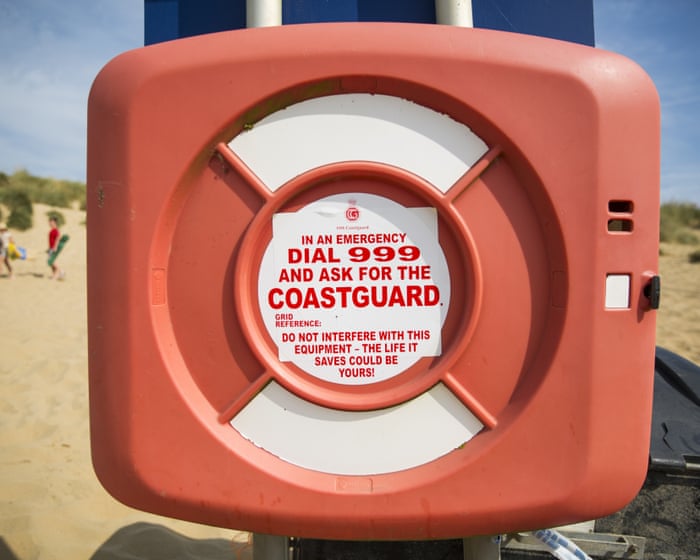
The UK government has canceled plans to stop paying volunteer coastguard rescue officers (CROs) for their work after facing strong criticism. The current hourly pay arrangement will continue, and officials said they want to treat CROs with respect and keep them in the service.
Key Facts
The UK government planned to stop paying CROs hourly wages starting in September.
CROs volunteer but are currently paid when they respond to emergencies.
Plans changed after many CROs and their union strongly opposed the pay cut.
A court decision in January confirmed CROs are workers because they receive pay.
The Maritime and Coastguard Agency (MCA) had aimed to change CROs’ status to volunteers by removing pay.
The maritime minister, Keir Mather, announced the pay cut plan is canceled.
The MCA chief, Virginia McVea’s position is uncertain due to criticism over the issue.
The government wants to ensure CROs continue to have respect and support for their work.
Read the Original
Want the full story? Tap a source to open the original
article.
Lebanon and Israel have finished a round of talks mediated by the United States in Rome about Israeli forces leaving southern Lebanon. Meanwhile, Syria said it stopped a weapons shipment intended for Hezbollah at its border with Iraq, following President Donald Trump's suggestion that Syria might interfere against Hezbollah in Lebanon.
Key Facts
Lebanon and Israel held talks in Rome about Israeli forces withdrawing from southern Lebanon.
These talks were arranged with help from the United States.
Syria reported that it intercepted weapons, including missiles, meant for Hezbollah near its border with Iraq.
Hezbollah is an armed group based in Lebanon.
President Donald Trump proposed the idea of Syria acting against Hezbollah in Lebanon.
The situation is part of ongoing tensions and conflicts in the Middle East region.
The talks aim to reduce military presence and conflict near the Lebanon-Israel border.
Read the Original
Want the full story? Tap a source to open the original
article.
Thousands of Ukrainians are protesting President Volodymyr Zelensky’s decision to remove Defense Minister Mykhailo Fedorov, who was credited with improving Ukraine’s military efforts against Russia. The protests took place in several cities, with demonstrators asking for Fedorov to be reinstated and expressing frustration with the government.
Key Facts
President Zelensky removed Defense Minister Mykhailo Fedorov, who had served only six months.
Fedorov was known for his work in modernizing Ukraine’s military and using technology like drones.
Some lawmakers oppose the appointment of Interior Minister Ihor Klymenko as Fedorov’s replacement.
Zelensky also nominated Serhii Koretskyi as prime minister to manage energy issues during wartime.
Protests occurred in Kyiv, Dnipro, and Odesa, with people chanting for Fedorov’s return.
Protesters and some officials say the dismissal adds to public frustration and fatigue from the war.
Fedorov helped with military reforms and efforts against Russian forces in Crimea and elsewhere.
This is not the first time Zelensky has faced protests over government decisions during the war.
Read the Original
Want the full story? Tap a source to open the original
article.
The article discusses the ongoing conflict between the U.S. and Iran, focusing on U.S. missile strikes in Iran under President Donald Trump's orders. It explains how Iran’s military group, the Revolutionary Guard Corps (IRGC), benefits from a long-lasting conflict by strengthening its control and influence, despite the hardships on ordinary Iranians.
Key Facts
President Trump has carried out missile strikes in Iran for several days and threatened to target bridges and power plants.
The IRGC is Iran’s powerful military group that controls much of the country’s political and military decisions.
A prolonged conflict helps the IRGC maintain tight control over Iran by justifying strict social rules and sidelining civilian government parts.
Iran uses missiles and drones to threaten the Strait of Hormuz, a vital waterway for global oil shipments.
Disrupting the Strait of Hormuz can affect the global economy and pressure countries allied with the U.S.
If Iran controls the Strait, it could make economic deals with other countries despite U.S. sanctions.
China is interested in Iran retaining control of the Strait because it affects Middle Eastern energy exports to China.
Military strikes by the U.S. are unlikely to cause regime change in Iran without a long, difficult ground war, which President Trump would find politically and practically hard to pursue.
Read the Original
Want the full story? Tap a source to open the original
article.
An Italian court found 32 people guilty for their roles in the 2018 collapse of the Genoa bridge, which killed 43 people. The bridge fell during a summer storm, causing vehicles to drop onto warehouses and a riverbed below.
Key Facts
The Genoa bridge collapse happened on August 14, 2018.
A 200-meter section of the bridge fell during a summer storm.
Forty-three people died in the accident.
Vehicles on the bridge plunged to the ground beneath.
An Italian court tried the case and found 32 defendants guilty.
The bridge was located in the port city of Genoa, Italy.
The collapse caused damage to warehouses and the riverbed under the bridge.
Read the Original
Want the full story? Tap a source to open the original
article.
The United States and Iran have exchanged military strikes for six days near the Strait of Hormuz, a key waterway for global oil shipping. This fighting follows recent attacks and a U.S. blockade of Iranian ports, despite efforts by Pakistan to mediate peace talks.
Key Facts
The conflict involves the U.S. and Iran attacking each other near the Strait of Hormuz.
The fight has lasted at least six days as of July 16, 2026.
The U.S. has reimposed a naval blockade on Iranian ports.
Iran reports that U.S. attacks have killed at least 30 people since the fighting resumed.
A preliminary peace deal was signed about a month ago but has not stopped the fighting.
Pakistan has called for renewed talks to resolve the conflict, but these have not happened.
The Strait of Hormuz is important because many ships carrying oil pass through it.
The strikes continue despite efforts to avoid war and keep the peace deal in place.
Read the Original
Want the full story? Tap a source to open the original
article.
Italian courts sentenced several officials from the motorway company Autostrade per l'Italia for the collapse of Genoa’s Morandi bridge in 2018, which killed 43 people. The former CEO, Giovanni Castellucci, received 12 years in prison, and other executives also got prison terms for failing to maintain the bridge.
Key Facts
The Morandi bridge collapsed in August 2018 during a rainstorm, killing 43 people.
Giovanni Castellucci, former CEO of Autostrade per l'Italia, was sentenced to 12 years in prison.
Castellucci is already serving six years for a different road disaster in 2013.
Another top official, Michele Donferri Mitelli, received 11 years in prison.
Paolo Berti, the former deputy chief of the motorway operator, got five and a half years in prison.
A total of 57 defendants faced trial for failing to maintain the bridge.
Prosecutors asked for a combined 400 years in prison for the accused.
Defendants denied wrongdoing, blaming the collapse on the bridge’s original design and concrete-covered cables.
Read the Original
Want the full story? Tap a source to open the original
article.
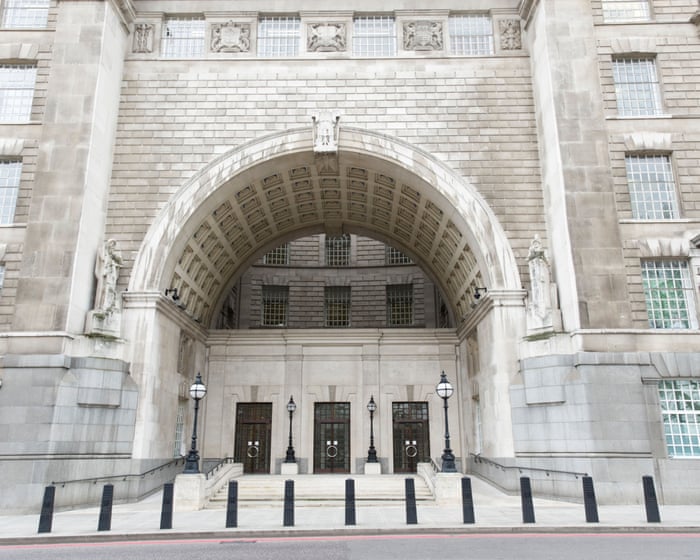
MI5 was criticized by a watchdog for being dishonest about its relationship with a neo-Nazi informant known as agent X. The informant misused his role by threatening his girlfriend violently, and MI5 initially gave unclear or false information to the courts and the regulator about his status.
Key Facts
MI5 lied about its connection to a neo-Nazi informant called agent X.
Agent X used his informant role to violently threaten his girlfriend, Beth.
MI5 initially told courts and the watchdog it could "neither confirm nor deny" having a relationship with agent X.
The Investigatory Powers Commissioner’s Office (Ipco) found this misleading and said it broke trust and accountability.
Agent X was recruited by MI5 before 2019 and is believed to have left the UK.
MI5 tried to stop a BBC report by claiming agent X was pretending to be an extremist on their orders.
A BBC investigation exposed agent X’s violent and abusive behavior, including threats toward Beth.
MI5 later admitted mistakes and apologized after being forced to retract false statements.
Read the Original
Want the full story? Tap a source to open the original
article.