Fact-first summaries of the news — stay informed, stay grounded.
Your favorite news sources, one calm feed — fact-first summaries that always link to the
original story. No outrage bait, and we tell you when you're caught up. How it works
World News
Comprehensive coverage of international news and global events
Israeli air strikes hit a village in southern Lebanon, killing at least 11 people, including two children. The strikes targeted a residential building and a car, and come after recent attacks by the armed group Hezbollah on Israeli troops.
Key Facts
At least 11 people died in Israeli air strikes in southern Lebanon’s village of Kfar Rumman.
Nine people were killed when a three-storey residential building was destroyed.
Two paramedics died in a separate strike on a car.
The Israeli military said it is investigating the reports of casualties.
The strikes followed drone attacks by Hezbollah on Israeli troops in occupied areas.
Lebanese President Joseph Aoun called the attacks a dangerous escalation.
The violence risks undermining a ceasefire agreed in June, brokered by the US.
Previous strikes by Israel in southern Lebanon killed seven people just days earlier.
Read the Original
Want the full story? Tap a source to open the original
article.
Kyiv is experiencing more air raid alerts than at any time since the Russian invasion began in 2022, with attacks now happening throughout the day and night. Russia is using faster, jet-powered drones that are harder for Ukraine to shoot down, prompting urgent efforts to develop new missile defenses.
Key Facts
Kyiv faces an average of 10 air raid alerts daily, sometimes up to 13 times a day.
Recent air raids last from a few minutes up to four and a half hours.
Russian attacks have shifted from mostly nighttime to continuous round-the-clock strikes.
The new jet-powered drones fly nearly three times faster than older propeller drones at about 370 mph (595 km/h).
Russia launched 2,800 fast drones in August, nearly double the number in July.
Ukraine’s air force estimates only about 60% of these drones are intercepted.
Ukrainian President Zelensky held emergency talks to develop new missiles that can intercept the faster drones.
The government plans a new two-level warning system to help people continue daily life when threats are less severe.
Read the Original
Want the full story? Tap a source to open the original
article.
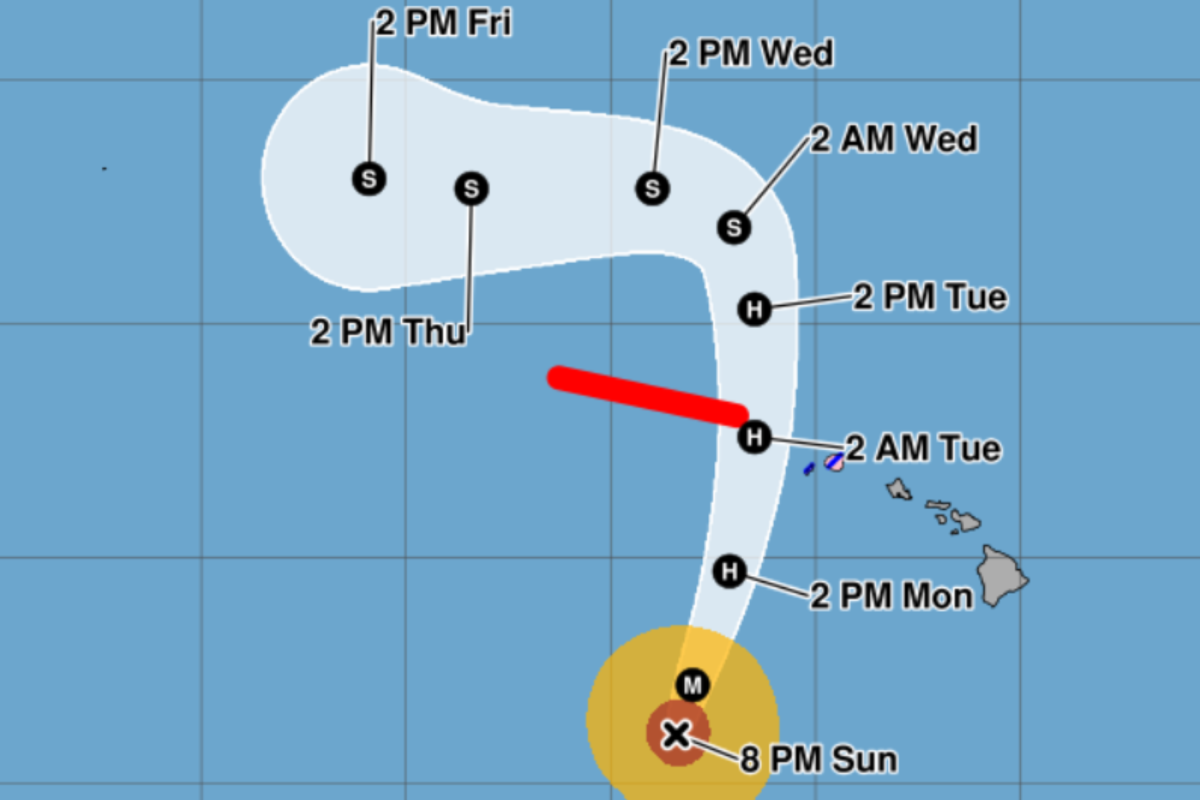
Hurricane Lowell, a Category 3 storm with winds of 120 mph, is expected to pass near Hawaii on Labor Day, bringing strong winds, heavy rain, and dangerous surf. Officials have issued hurricane and tropical storm warnings for parts of Kauai County and warned of possible flooding and landslides.
Key Facts
Hurricane Lowell was located about 50 miles south-southwest of Lihue, Hawaii, as of Sunday evening.
The storm had sustained winds of 120 mph, making it a Category 3 hurricane.
A hurricane watch means hurricane conditions are possible in Kauai County.
Lowell is forecasted to approach Niihau and Kauai as a Category 1 or 2 hurricane on Monday night to early Tuesday.
Tropical storm warnings are in effect for Kauai County for expected tropical storm conditions within 36 hours.
Rainfall could reach up to 14 inches in some areas, raising the risk of flash floods and landslides.
Officials have urged residents to quickly complete their storm preparations.
The situation is ongoing and updates will continue as new information comes in.
Read the Original
Want the full story? Tap a source to open the original
article.
New videos show Omar al-Bayoumi, who has denied being an extremist or Saudi spy, had close ties to Saudi officials and once went paintballing with a future al-Qaeda leader. These videos are part of a legal case claiming Saudi Arabia helped the 9/11 hijackers and that the FBI may have hidden evidence about Bayoumi’s role.
Key Facts
Omar al-Bayoumi is accused of helping two of the 9/11 hijackers.
New videos show Bayoumi had links to Saudi government officials.
The videos also reveal Bayoumi played paintball with a future al-Qaeda leader.
Bayoumi has denied being an extremist or a Saudi spy for 25 years.
Families of 9/11 victims have filed a lawsuit claiming Saudi Arabia was involved in the attacks.
The FBI has not commented on whether it hid evidence about Bayoumi.
Neither Bayoumi nor the Saudi government responded to requests for comment.
Read the Original
Want the full story? Tap a source to open the original
article.
Hundreds of protesters in Portsmouth blocked roads to stop about 140 migrants from leaving after crossing the English Channel in a small boat. Police enforced rules to keep order and warned people to stay away from the area.
Key Facts
Around 140 migrants arrived in Portsmouth by crossing the English Channel in a single dinghy (small boat).
Hundreds of protesters blocked roads near the ferry port where the migrants landed.
Protesters were trying to stop the migrants from leaving the city.
Police issued a dispersal order, meaning people had to leave or face arrest.
Many protesters wore black clothes and masks.
The government criticized the protesters’ behaviour, calling it intimidating.
Police asked the public to avoid the Eastney Landing ferry port area.
The event was the second large anti-migrant protest in Portsmouth over the weekend.
Read the Original
Want the full story? Tap a source to open the original
article.
Many people, businesses, and charities on the Isle of Man feel the pressure of rising living costs ahead of the island’s general election. Residents and shop owners report higher prices and harder times, while the local food bank says demand has doubled in two years.
Key Facts
Several independent shops in Ramsey say fewer customers come in, and running costs have gone up.
The Isle of Man Chamber of Commerce warns of tough economic times ahead, including a smaller tax base and fewer high-paying jobs.
Residents in Douglas cite rising prices as their biggest worry before the election.
Food bank demand has doubled from 200 to 400 parcels per month in two years.
About 80% of food bank users work full-time but still do not earn enough.
Increased costs for fuel, energy, and supplies are affecting both families and businesses.
Business owners report income is the same as years ago, but expenses have increased.
People living on the island say they struggle to save money and cover daily costs.
Read the Original
Want the full story? Tap a source to open the original
article.
A volcanic eruption at Anak Krakatau in Indonesia has grounded over 2,000 flights, leaving about 270,000 passengers stranded as several airports remain closed. The volcano continues to be active, and authorities have extended airport closures and safety warnings around the area.
Key Facts
Anak Krakatau volcano, located between Java and Sumatra islands, erupted starting late Friday with lava fountains and ash clouds.
More than 2,000 flights were canceled, affecting around 270,000 passengers across Indonesia.
Jakarta's Soekarno-Hatta International Airport and three other airports extended closures until 6 pm local time on Monday.
Volcanic ash has been detected up to 15,000 meters high, affecting airspace and prompting online school classes and some shipping delays.
Authorities prohibit people and ships from coming within 3 km of the volcano’s crater for safety.
There is currently no tsunami warning related to this eruption.
Anak Krakatau is known as the "Child of Krakatoa" and has been active since emerging early last century.
The volcano caused a deadly tsunami in 2018 when part of it collapsed, killing over 400 people.
Read the Original
Want the full story? Tap a source to open the original
article.
Two Welsh women, Rhiannon Thomas and Sam Gronow-Walters, shared their experiences with hair loss during breast cancer treatment as part of a photo campaign called BOLD by The Pink Ribbon Foundation. Both women used positive moments with their children to cope with chemotherapy side effects and to show strength despite the challenges of cancer.
Key Facts
Rhiannon Thomas, a 36-year-old mother of two, was diagnosed with breast cancer after finding a lump in November 2025.
She had a mastectomy, chemotherapy, and radiotherapy and chose to shave her head during chemotherapy to make the experience easier for her children.
Rhiannon’s children helped cut her hair before she shaved it, turning a difficult moment into a joyful one.
Sam Gronow-Walters, a 44-year-old nurse and mother, was first diagnosed with triple-negative breast cancer five years ago; her cancer later spread to her lung, liver, and lymph nodes.
Sam also shaved her head during treatment and styled it to make her son smile, inspired by a famous football player’s hairstyle.
Both women found strength through their cancer journeys and aimed to support their children emotionally.
The Pink Ribbon Foundation’s BOLD campaign highlights the resilience of women living with breast cancer through photography.
Hair loss from chemotherapy is a common side effect that many patients find hard but can partly manage by accepting and embracing change.
Read the Original
Want the full story? Tap a source to open the original
article.
Videos show Omar al-Bayoumi, who is part of a $1 trillion lawsuit by 9/11 families, had connections with Saudi officials and extremist figures linked to al-Qaeda. These videos and other evidence were held by the FBI but were not fully shared or investigated, raising questions about Saudi Arabia's involvement in the 9/11 attacks.
Key Facts
Omar al-Bayoumi had close ties to Saudi government officials and extremists connected to al-Qaeda.
He was filmed paintballing with Anwar al-Awlaki, a future al-Qaeda leader, and a Saudi Ministry official near San Diego.
The videos and evidence were gathered soon after the 2001 attacks but not made public before.
Bayoumi helped two hijackers who attacked the World Trade Center and the Pentagon.
He was arrested in the UK after 9/11, and evidence like a plane diagram with a flight descent equation was found among his possessions.
Important evidence was not fully shared between FBI offices or with the 9/11 Commission.
Bayoumi was never charged, and both he and the Saudi government deny involvement in 9/11.
The lawsuit against Saudi Arabia proceeded after a judge's ruling in 2018, with many documents later declassified.
Read the Original
Want the full story? Tap a source to open the original
article.
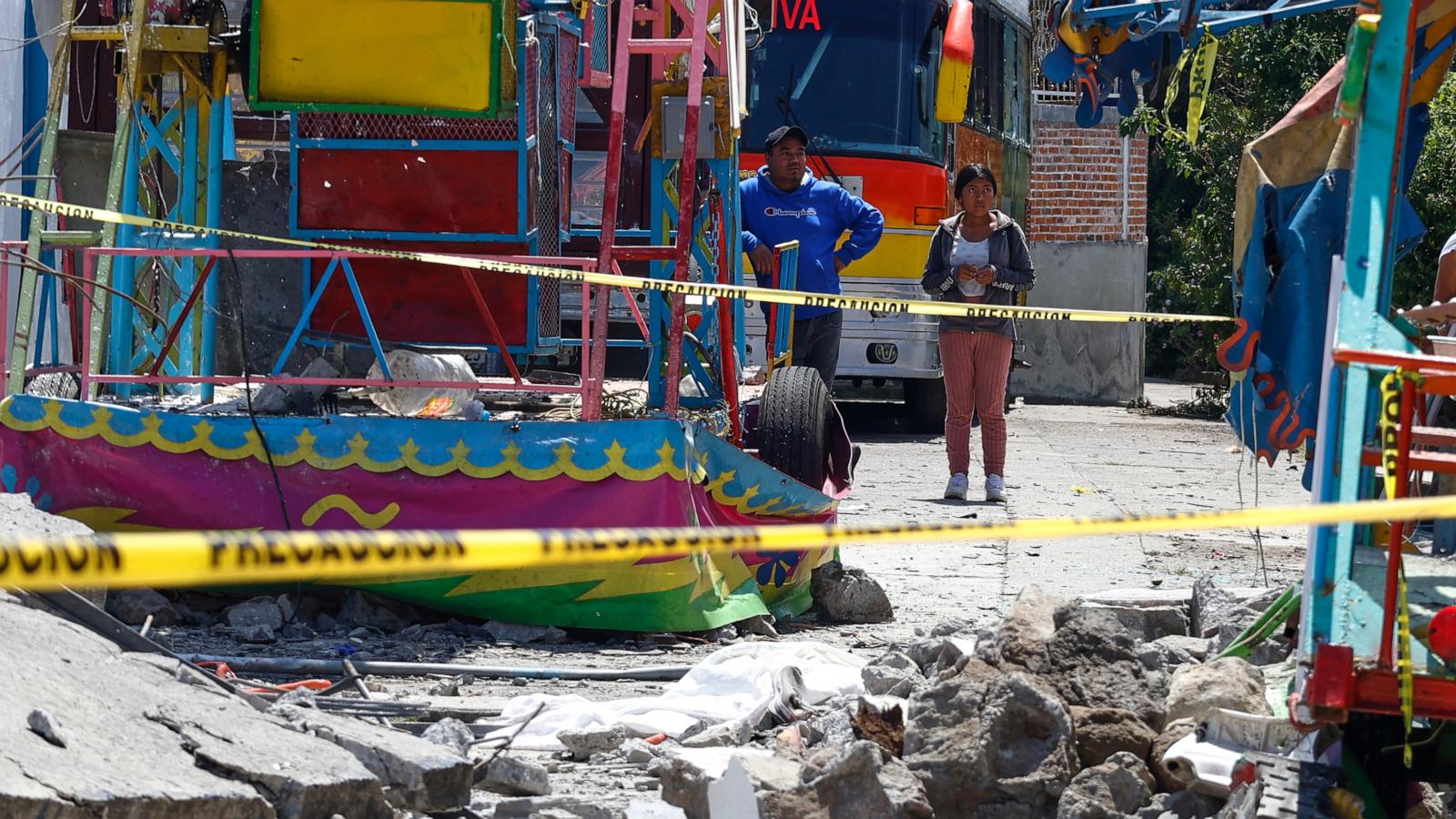
At least 10 people died and about 60 others were hurt in central Mexico when fireworks exploded during a religious festival. The event was held to honor the patron saint of Temascalcingo, a town in central Mexico.
Key Facts
The explosion happened during a religious festival in Temascalcingo, Mexico.
At least 10 people were killed by the fireworks blast.
Around 60 people were injured in the incident.
The festival was to celebrate the town’s patron saint.
The fireworks detonated unexpectedly, causing the casualties.
Read the Original
Want the full story? Tap a source to open the original
article.
About 140 people arrived in the UK on a small boat, which led to protests in Portsmouth, England. Protesters blocked roads and argued against immigration, causing clashes with police.
Key Facts
Around 140 people arrived in the UK on a small boat.
The arrival happened in Portsmouth, a city in southern England.
Anti-immigration protesters gathered near the waterfront.
Protesters blocked roads near where the boat arrived.
They chanted phrases like “stop the boats.”
Police and protesters clashed during the demonstration.
Read the Original
Want the full story? Tap a source to open the original
article.
Carbon credit financing is helping many Africans switch from harmful charcoal and firewood stoves to cleaner cookstoves powered by electricity or fuel-efficient technology. This change improves health by reducing indoor air pollution and lowers cooking costs for families.
Key Facts
Nearly 1 billion Africans still use charcoal or firewood for cooking, which causes about 850,000 deaths each year due to indoor air pollution.
Carbon credit financing allows clean cookstove companies to raise money by promising future carbon emission reductions, making stoves affordable for low-income households.
In Nairobi, a woman reduced her daily cooking fuel cost from $1.15 (charcoal) to 80 cents using an induction cooker.
The International Energy Agency (IEA) reports Africa received $900 million in new funding for clean cooking technologies.
More than 30 African governments have introduced 121 policies to promote clean cooking since 2015.
BURN, a Kenyan company, has distributed over 7.3 million clean cookstoves in 11 African countries.
African leaders, including Tanzania’s President, emphasize clean cooking as a daily need, not a luxury.
New movies, TV shows, music albums, and games are coming to streaming services this week. Highlights include a new movie version of the French series “Call My Agent!,” the second season of “The Paper,” a new album by Bloc Party, and a multiplayer game based on the “Halloween” horror films.
Key Facts
“Call My Agent! The Movie” will be available on Netflix starting September 10.
The story follows Andréa Martel, now a film director facing challenges during a production.
The action film “In the Grey,” starring Henry Cavill and Jake Gyllenhaal, will stream on Starz from September 12.
Bloc Party’s new album “Anatomy of a Brief Romance” will be released on September 8 and features dance-style post-punk music.
The indie band The Tubs released a new album called “Hard Life,” continuing their popularity.
Season 16 of “The Real Housewives of New York City” will premiere, featuring returning and new cast members.
The “Halloween” game is a new multiplayer game inspired by the horror movie series.
The show “The Paper” is releasing its second season on streaming platforms.
Read the Original
Want the full story? Tap a source to open the original
article.
At least 10 people died and 64 were injured after fireworks exploded during a religious festival in Temascalcingo, Mexico. The explosion happened near a church while hundreds of people were watching the fireworks show.
Key Facts
The fireworks exploded Saturday night next to the Nuestra Señora de la Luz church in Temascalcingo, Mexico State.
Temascalcingo is a town with about 66,000 people, located roughly 100 miles northwest of Mexico City.
The explosion caused a wall to collapse, leading to deaths and injuries.
Local authorities have started an investigation to find out what caused the explosion.
Two priests were among those injured in the blast.
Fireworks explosions often happen in Mexico because fireworks are commonly used in street and religious celebrations.
A similar fireworks explosion in 2022 injured 17 people in another part of central Mexico.
Read the Original
Want the full story? Tap a source to open the original
article.
The World Meteorological Organisation (WMO) reported that wildfires and heatwaves are making air pollution worse worldwide, threatening human health and ecosystems. These events increase tiny toxic particles in the air, despite reductions in pollution from factories and vehicles in some regions.
Key Facts
Wildfires and heatwaves create microscopic particles called PM2.5, which can deeply harm lungs and enter the bloodstream.
Fires produce more toxic smoke particles than other pollution sources like car exhaust.
Even though industrial and transport pollution has decreased in Europe and North America, smoke from wildfires has increased exposure to harmful PM2.5.
The WMO says current pollution monitoring misses some harmful particles like black carbon and microplastics.
Air pollution and climate change are connected and must be addressed together to improve air quality.
Extreme wildfire smoke events have tripled globally since the 1990s, causing tens of thousands of extra deaths yearly.
Ground-level ozone pollution, which worsens during heatwaves, also raises health risks, especially for respiratory diseases.
Scientists stress the need for better pollution monitoring and combined policies on climate and air quality.
Read the Original
Want the full story? Tap a source to open the original
article.
The far-right Alternative for Germany (AfD) party won a major victory in regional elections in Saxony-Anhalt, Germany, marking the first big success for a nationalist party since World War II. This result weakens Germany’s central government and raises concerns within Europe about political shifts amid ongoing regional and global challenges.
Key Facts
The AfD, known for its anti-immigration and nationalist views, nearly won a majority in Saxony-Anhalt’s regional election.
Saxony-Anhalt has about 1.7 million voters out of Germany’s 59 million eligible voters.
The AfD’s victory puts pressure on Chancellor Friedrich Merz’s government, which has struggled to reduce the party’s popularity.
German officials describe parts of the AfD as far-right extremists and partly anti-democratic.
The election result highlights growing support for the party beyond its traditional base in eastern Germany.
President Donald Trump shared the election news on his social media, showing support for the AfD’s nationalist message.
Russian interests, represented by businessman Kirill Dmitriev, praised the result, as the AfD favors ending sanctions on Russia and stopping military aid to Ukraine.
The AfD’s rise creates tension because Germany supplies significant aid to Ukraine and has reduced Russian energy imports since Russia’s invasion of Ukraine.
Read the Original
Want the full story? Tap a source to open the original
article.
The UK plans to ban trade with Israeli settlements considered illegal under international law, marking a significant policy change. UK Foreign Secretary Ed Miliband supports stronger actions regarding Israeli settlements and aid restrictions in Gaza, while the US ambassador to Israel criticized the UK government's stance.
Key Facts
The UK is preparing to ban trade with Israeli settlements deemed unlawful by international law.
Foreign Secretary Ed Miliband promises a major change in UK policy towards Israel to address settlements and Gaza aid restrictions.
The US ambassador to Israel, Mike Huckabee, accused the UK government of "Jew hatred" following Miliband’s statements.
Miliband is Jewish, but this fact was not mentioned by Huckabee in his criticism.
The Israeli foreign ministry said there are no restrictions on bringing medicines into Gaza.
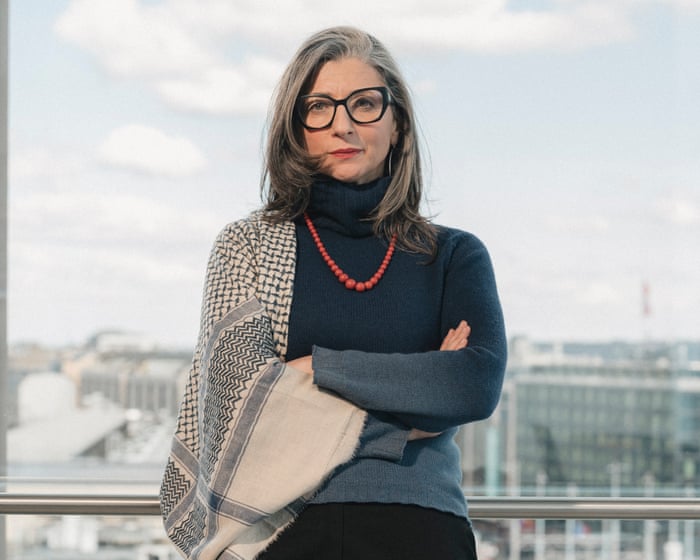
Francesca Albanese, a UN expert on occupied territories, called the UK’s trade ban an important step but said it needs to be part of a wider shift to follow international law.
Albanese said the ban should cover more than goods like agriculture and cosmetics; it should also include services, arms licensing, and intelligence cooperation.
The UN advisory opinion declared all Israeli presence in the occupied territories unlawful and said all states must not support or sustain it.
Read the Original
Want the full story? Tap a source to open the original
article.
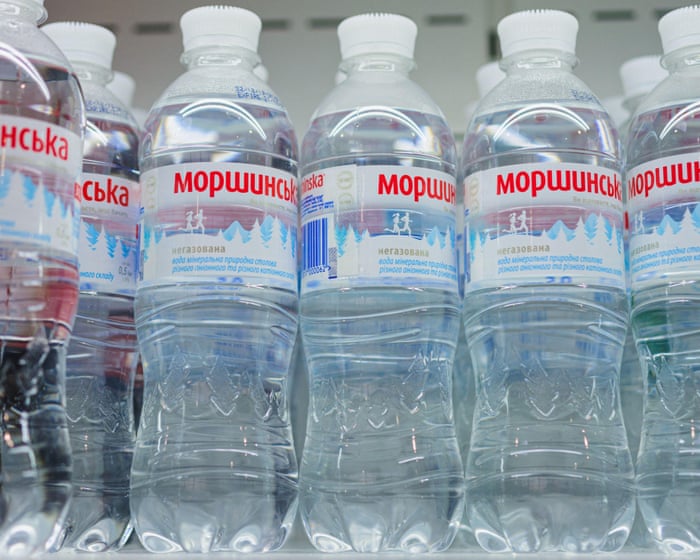
Ukrainian authorities want to take control of a water company partly owned by a British billionaire family and Russian investors under sanctions. The dispute involves legal battles and concerns about possible money misuse during the ongoing war between Ukraine and Russia.
Key Facts
The Patarkatsishvili family, British-based billionaires, hold 34% of a Ukrainian bottled water company called IDS Ukraine.
Russian investors, including Mikhail Fridman, own 49% of the company; Fridman is under Western sanctions due to support for Vladimir Putin.
Ukraine froze the company's assets in 2022 and appointed an agency (Arma) to manage it independently.
Arma faces legal challenges and resistance from shareholders who do not want to lose control.
Arma suspects possible money laundering but has no official proof.
The Patarkatsishvili family denies wrongdoing and plans to seek justice in Ukrainian and possibly international courts.
The family inherited their stake after the death of Badri Patarkatsishvili, a businessman who made his fortune after the Soviet Union broke up.
There is an ongoing anti-corruption investigation related to the company.
Read the Original
Want the full story? Tap a source to open the original
article.
The Philippines warned that China might take advantage of the reduced US-South Korea military drills to strengthen its position in the Asia Pacific. The US and South Korea cut back their joint exercises last month after President Trump ordered a shorter war game period, citing improved relations with North Korea.
Key Facts
Philippine Defence Secretary Gilberto Teodoro said China could exploit gaps created by reducing US-South Korea military drills.
The US assured the Philippines that its defense commitments remain unchanged.
China was accused by Teodoro of using democratic systems to spread misleading information.
South Korea and the US shortened their Ulchi Freedom Shield war games by six days last month.
President Trump linked the drill reduction to his good relationship with North Korea’s Kim Jong Un and South Korea’s refusal to join the US-Israel war on Iran.
South Korea is considering how to support US freedom of navigation efforts in the Strait of Hormuz but has not made any decisions.
Kim Yo Jong denied ongoing communication between North Korea and President Trump and described US policies as hostile.
The US, South Korea, and Japan are scheduled to hold a five-day joint military drill called Freedom Edge to respond to North Korean threats.
Read the Original
Want the full story? Tap a source to open the original
article.
The far-right Alternative for Germany (AfD) party won the largest share of votes in the regional election in Saxony-Anhalt but did not secure enough seats to govern alone. This election marked the biggest success for AfD in its history, challenging the long-time dominance of the center-right Christian Democratic Union (CDU) led by Chancellor Friedrich Merz.
Key Facts
AfD won 43.8% of the vote in the Saxony-Anhalt regional election and secured 39 out of 83 seats.
The CDU, led nationally by Chancellor Friedrich Merz, received 17.2% of votes, losing about half its previous support and obtaining 15 seats.
AfD aimed for an outright majority to govern alone but fell short by three seats.
The regional branch of AfD in Saxony-Anhalt is classified as a right-wing extremist group by Germany’s domestic intelligence agency.
AfD opposes migration and promotes "remigration," meaning deportation of immigrants.
Voter turnout was high at 77.8%, with AfD gaining many votes from previous non-voters.
Other parties like the Social Democrats, Greens, and Left Party each won around 8-9% of the vote.
The election result represents a significant political shift in the region, which has been governed by the CDU for 24 years.
Read the Original
Want the full story? Tap a source to open the original
article.