Brazil’s two presidential candidates, President Lula and former President Bolsonaro, are campaigning to attract about 30 million people who did not vote in the first round. They are preparing for the important second round of voting happening on Sunday.
Key Facts
Brazil is having a presidential run-off election on Sunday.
Around 30 million voters did not vote in the first round.
Both candidates, President Lula and Bolsonaro, want to gain support from these voters.
Lula held a rally in Minas Gerais, a key state for winning votes.
Winning undecided and non-voters is seen as crucial for the election outcome.
The run-off decides the next president of Brazil.
The election is closely watched both within Brazil and internationally.
Read the Original
Want the full story? Tap a source to open the original
article.
MI5, the UK security service, spied on NHS founder Aneurin "Nye" Bevan for over 20 years, starting in the 1930s. They monitored him because of his left-wing views and links to communists, but some MI5 officials questioned the need for surveillance since his actions were public.
Key Facts
MI5 opened a file on Nye Bevan in 1933 when he was a Labour MP.
Bevan was seen as a strong left-wing figure connected to communists.
MI5 watched him even after he became a health minister and created the NHS.
The MI5 director general once warned Prime Minister Clement Attlee about Bevan’s links to a known Russian spy.
Some MI5 officers doubted why they were spying on Bevan since he spoke openly in Parliament.
Bevan’s file remained open until 1975, 15 years after his death in 1960.
There is no evidence MI5 tapped Bevan’s phone or read his mail.
In 1954, Bevan met the Soviet ambassador, but the meeting did not go well.
Read the Original
Want the full story? Tap a source to open the original
article.
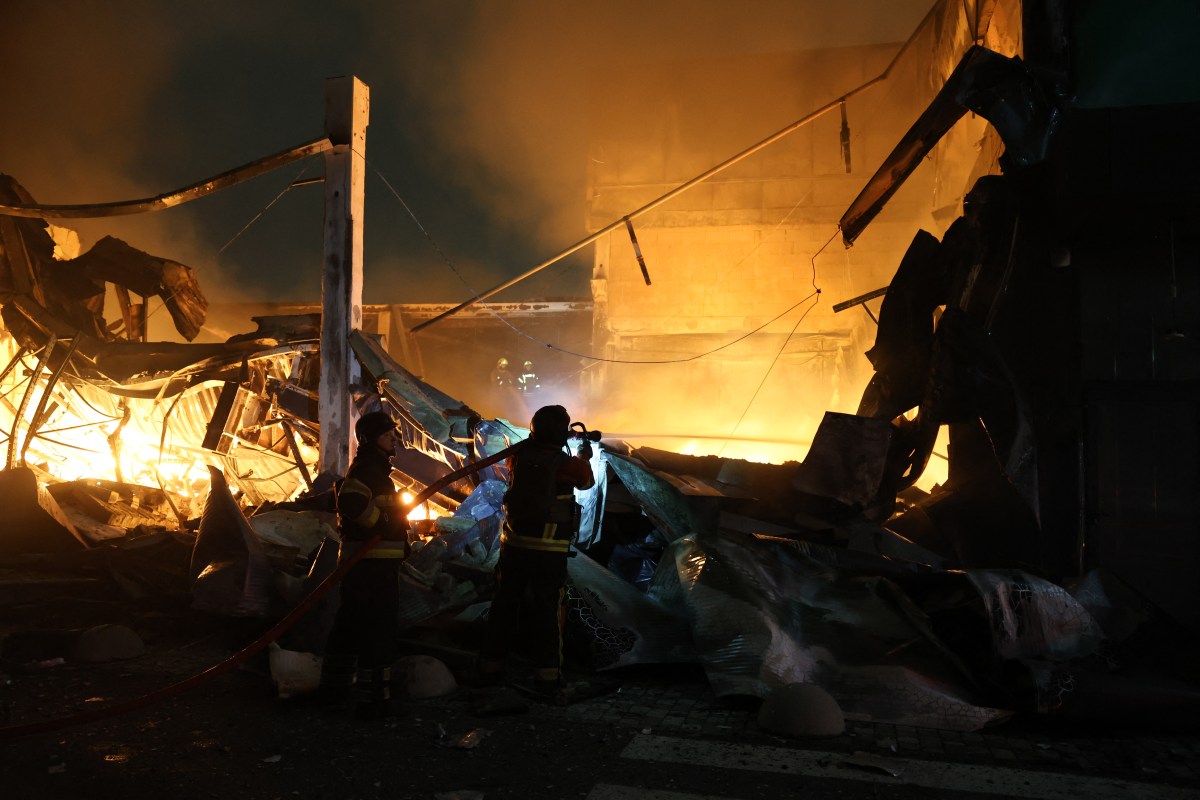
Russia launched a large missile and drone attack on Ukraine in the evening, just hours after a U.S. official met with President Vladimir Putin. Ukraine's military reported that many of the drones were shot down, but the attack involved several types of missiles from multiple Russian regions.
Key Facts
Russia attacked Ukraine starting at 6 p.m. local time on Wednesday.
The attack included Iskander-M, S-400, Zircon, and Onyx missiles.
Missiles were launched from the Kursk, Bryansk, and Rostov regions of Russia.
Russia also sent 210 Shahed attack drones from several Russian cities.
Ukraine’s air defenses destroyed most of the drones.
The attack happened hours after U.S. special envoy Steve Witkoff met with Putin in St. Petersburg.
Witkoff described Putin as a "humanitarian" following Russia's release of an American prisoner.
The meeting between Witkoff and Putin did not lead to progress on ending the Ukraine war.
Read the Original
Want the full story? Tap a source to open the original
article.
Israel's general election is set for 27 October, the first since the Hamas attacks in October 2023 and ongoing conflicts in the region. The main race is between current Prime Minister Benjamin Netanyahu and former military chief Gadi Eisenkot, with security, judicial reform, and cost of living as key issues.
Key Facts
The election will decide Israel's next government in its 120-seat parliament called the Knesset.
Benjamin Netanyahu leads the most right-wing government in Israel's history and is running for re-election.
Gadi Eisenkot, a former military leader, challenges Netanyahu, focusing on security failures from the October 2023 attacks.
Other candidates include right-wing Naftali Bennett and Avigdor Lieberman, and left-wing Yair Golan.
Netanyahu’s coalition includes far-right parties that support annexing the West Bank and policies that might displace Palestinians.
Arab parties, representing about one-fifth of Israel’s population, may influence the outcome, though most Jewish parties refuse to partner with them.
Israel uses a proportional representation system, so no single party usually wins a majority; coalitions are needed.
Key issues in the election include national security, military conscription for ultra-Orthodox Jews, judicial reforms, and rising living costs.
Read the Original
Want the full story? Tap a source to open the original
article.
Two people were killed and eight injured in an attack at King Fahd International Airport in Dammam, Saudi Arabia. The attack is part of ongoing clashes involving Yemen’s Houthi movement, which has targeted Saudi airports and oil facilities with drones and missiles.
Key Facts
Two people killed at the airport included a Saudi citizen and an Indian resident.
Eight others were injured, from Saudi Arabia, India, Yemen, Bangladesh, and Nepal.
Earlier, two people died from debris of an intercepted drone targeting an Aramco oil facility.
Four more drones were intercepted by Saudi forces the same day.
The Iran-backed Houthi group has been attacking Saudi airports, energy sites, and military bases.
Since October, at least 21 people have died in Houthi attacks on Saudi airports.
The Yemeni civil war started in 2014 and escalated in 2015 with Saudi-led intervention.
UN estimates over 256,000 people have been displaced due to the conflict in Yemen.
Read the Original
Want the full story? Tap a source to open the original
article.
New York City plans to ban horse-drawn carriages in Central Park starting in June 2028 due to concerns about animal welfare and public safety. The decision follows several incidents involving horse injuries and deaths, as well as a fatal accident in June involving a tourist. Carriage drivers are worried about their livelihoods and the future care of their horses.
Key Facts
The ban on horse-drawn carriages is expected to begin in June 2028 following a city council vote.
Around 200 carriage drivers currently work in Central Park, a tradition lasting more than 160 years.
The ban is supported by Mayor Zohran Mamdani, who plans to help drivers transition to new jobs.
Since 1982, 40 horses in Central Park carriages have died from causes like overheating and collisions.
In June 2023, an 18-year-old tourist died after falling from a horse-drawn carriage when the horse bolted. This incident is called Romanch’s Law after the teen.
Animal safety groups and many New Yorkers support the ban, citing multiple horse-related accidents recently.
Carriage drivers argue their horses are well cared for and say they oppose the ban because they love working with their animals.
The Central Park Conservancy, which manages the park, reported seven horse-related incidents in the past 13 months.
Read the Original
Want the full story? Tap a source to open the original
article.
Europe is facing widespread public dissatisfaction because promises of more economic growth have not been fulfilled. This frustration is causing growing inequality between generations and less trust in traditional political leaders across many countries like France, Germany, Italy, and Spain.
Key Facts
Europe’s political center is experiencing a crisis beyond normal election changes.
People are unhappy because economic growth has not met expectations.
There is rising frustration over inequality, especially between younger and older generations.
Trust in established political leaders is falling across Europe.
Countries affected include France, Germany, Italy, Spain, Finland, Sweden, and Poland.
The general feeling among many Europeans is a sense of drift and disappointment.
This dissatisfaction is reshaping democracy and politics in Europe.
The article includes related news about Europe’s political and diplomatic issues.
Read the Original
Want the full story? Tap a source to open the original
article.
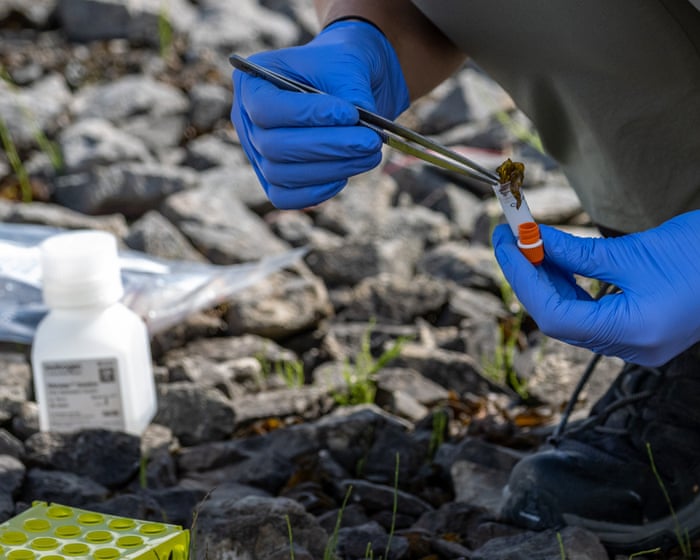
A global fund called the Cali Fund was created to raise $1 billion each year from companies that profit from nature’s genetic resources to support conservation in poor countries. However, more than 18 months after its start, the fund has only received about $7,000 in actual payments, with no major pharmaceutical companies contributing despite their heavy use of nature’s genetic information.
Key Facts
The Cali Fund aims to collect $1 billion annually to protect nature in low-income countries.
So far, only $10,656 has been pledged, and $7,085 deposited, mostly by small companies.
Major pharmaceutical companies, which earned around $161 billion in profits in 2025, have not contributed.
The fund suggests companies give about 1% of profits or 0.1% of revenue as a voluntary donation.
Pharmaceutical firms rely on genetic information from nature to develop new medicines.
The fund targets a $700 billion global gap in funding for nature conservation.
Half of the money will support Indigenous peoples and local communities involved in protecting biodiversity.
Companies argue the fund’s rules are unclear and overlap with existing laws.
Read the Original
Want the full story? Tap a source to open the original
article.
The US military did not inform British police about a drink-driving claim against an American airman in Suffolk, England. This broke an agreement that usually lets UK police investigate crimes by US personnel based in Britain.
Key Facts
The airman, Christopher Mooty, was accused of drink-driving in Suffolk in March 2023.
Mooty was drinking with other US airmen before driving to get food around 4 a.m.
The incident was reported to his US commanders, who disciplined him internally.
UK police were not informed about the incident, which breaks a formal agreement.
Mooty committed a second drink-driving offence a year later and was prosecuted by UK courts.
The agreement states UK police should investigate US military crimes unless they happen on duty or involve military property or personnel.
Suffolk police said they had no record of being notified about the March 2023 incident.
The US Air Force said there was likely a verbal notification but no written proof and that they handled the case internally.
Read the Original
Want the full story? Tap a source to open the original
article.
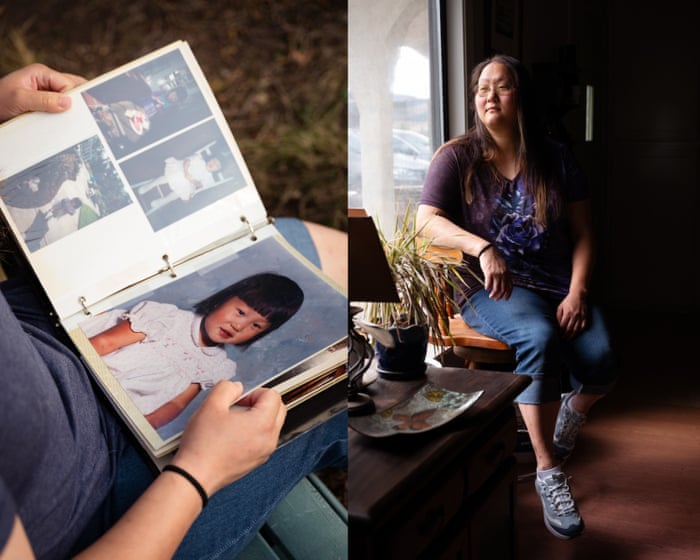
Two Korean-born adoptees in the US, Jacquelyn Wells and Lauren White-Gydas, share different experiences of being adopted into white American families in the 1980s. In 2025, the South Korean government admitted that private agencies helped send many Korean children abroad without proper consent from birth families, raising questions about the nature of these adoptions.
Key Facts
Jacquelyn Wells was adopted from South Korea as a baby and reunited with her birth family in 2018.
Wells grew up in mostly white towns in Massachusetts with few Asians around.
Lauren White-Gydas had a hard experience; her adoptive parents left her in a children’s home, and she claims she was pressured into sterilization.
South Korea’s government admitted that private adoption agencies exported children without full consent from parents since the 1950s.
Over 100,000 Korean-born adoptees now live in the US, many questioning their origins.
Adoption stories are often simplified as a child needing a better life and a Western family offering love and resources.
Adoption agencies were involved in large, sometimes secretive international adoptions that are now under scrutiny.
Wells leads an adoptee group in Boston and acknowledges many adoptees face difficult realities that differ from happy reunion stories.
Read the Original
Want the full story? Tap a source to open the original
article.
Fighting has increased in Yemen’s Taiz province between government forces and the Houthis, leading to nearly 260,000 people being forced to leave their homes. The United Nations reports many civilians have been killed or injured, and displaced families urgently need shelter, food, and cash support.
Key Facts
Government forces have carried out over 800 attacks against Houthi fighters, causing significant losses to the Houthis.
Heavy fights took place in strategic areas around Taiz, including the highlands of Jabal Han and districts like Dhubab and al-Masrakh.
Nearly 260,000 people in Yemen have been displaced since August, with about half seeking shelter in Taiz.
The United Nations has verified 251 civilian casualties, including 57 deaths and 194 injuries; about half of those killed were children.
Humanitarian workers have helped over 174,000 displaced people with food, hygiene kits, and emergency cash.
More than 2.5 million children in Yemen are out of school because of the ongoing conflict.
The Yemeni government, supported by a Saudi-led coalition, is trying to retake areas held by the Houthis, including the capital Sanaa.
The Houthis have attacked airports in Saudi Arabia, and the US has ordered non-essential embassy staff and family out of Riyadh due to escalating tensions.
Read the Original
Want the full story? Tap a source to open the original
article.
Israel is holding elections on October 27, with Prime Minister Benjamin Netanyahu and his opponents competing for power. Although the opponents say they want political change, many of their ideas are similar to Netanyahu’s, leading some to view the election as a contest mainly between right-wing parties.
Key Facts
Israel’s next election is scheduled for October 27.
Benjamin Netanyahu is the current Prime Minister running for re-election.
Netanyahu’s opponents promise political change in Israel.
Some observers think these opponents have policies similar to Netanyahu’s.
The election is seen by some as mainly a competition between right-wing groups.
The political differences between candidates may not be very large.
This election could influence Israel’s future government and policies.
Mohammad Saleh from Al Jazeera analyzed the candidates and their platforms.
Read the Original
Want the full story? Tap a source to open the original
article.
Two European women, one Swiss and one Austrian, were freed after being held captive for over a year in Niger. They were handed over to authorities in Benghazi, Libya, and will be returned to their home countries after health checks and official procedures.
Key Facts
Eva Gretzmacher (Swiss, 76) and Claudia Abbt (Austrian, 69) were kidnapped in Niger in early 2023.
They were held captive for more than a year; details about their captors are unclear but may involve Islamic State militants.
The women were released in Benghazi, Libya, and expressed thanks to Libyan military commander Khalifa Haftar and his son.
After health checks in Libya, they will be flown to Austria and Switzerland.
Gretzmacher was an aid worker with many years living in Niger; Abbt worked as a community worker in Niger’s city of Agadez.
Libya remains divided between two rival administrations in the east and west after years of conflict following Muammar Gaddafi’s overthrow.
Niger and the wider Sahel region face ongoing violence from jihadist groups linked to al-Qaeda and Islamic State.
Niger has been under military control since 2023 after a coup removed its elected president.
Read the Original
Want the full story? Tap a source to open the original
article.
Russia and Ukraine exchanged attacks after a U.S. envoy met Russian President Putin to discuss restarting peace talks. Russian strikes on Kyiv killed one person and injured 22, while Ukraine launched drone attacks on Russian regions, causing injuries as well.
Key Facts
Russian attacks on Kyiv killed one person and injured 22, including four children.
Kyiv’s Pivdenny Bridge and metro infrastructure were damaged in the strikes.
Ukraine launched 630 drones at Russian regions; most were intercepted, but several people were wounded.
U.S. special envoy Steve Witkoff met President Putin in St Petersburg to push for renewed peace talks.
Russia released U.S. teacher Stephen Hubbard as a goodwill gesture during the visit.
President Donald Trump said the Russia-Ukraine war might be close to ending and supported a deal for Russia to sell diesel fuel.
The Kremlin said it is willing "in principle" to restart talks but found little value in current peace proposals.
Ukrainian officials warned that showing weakness will not stop the war.
Read the Original
Want the full story? Tap a source to open the original
article.
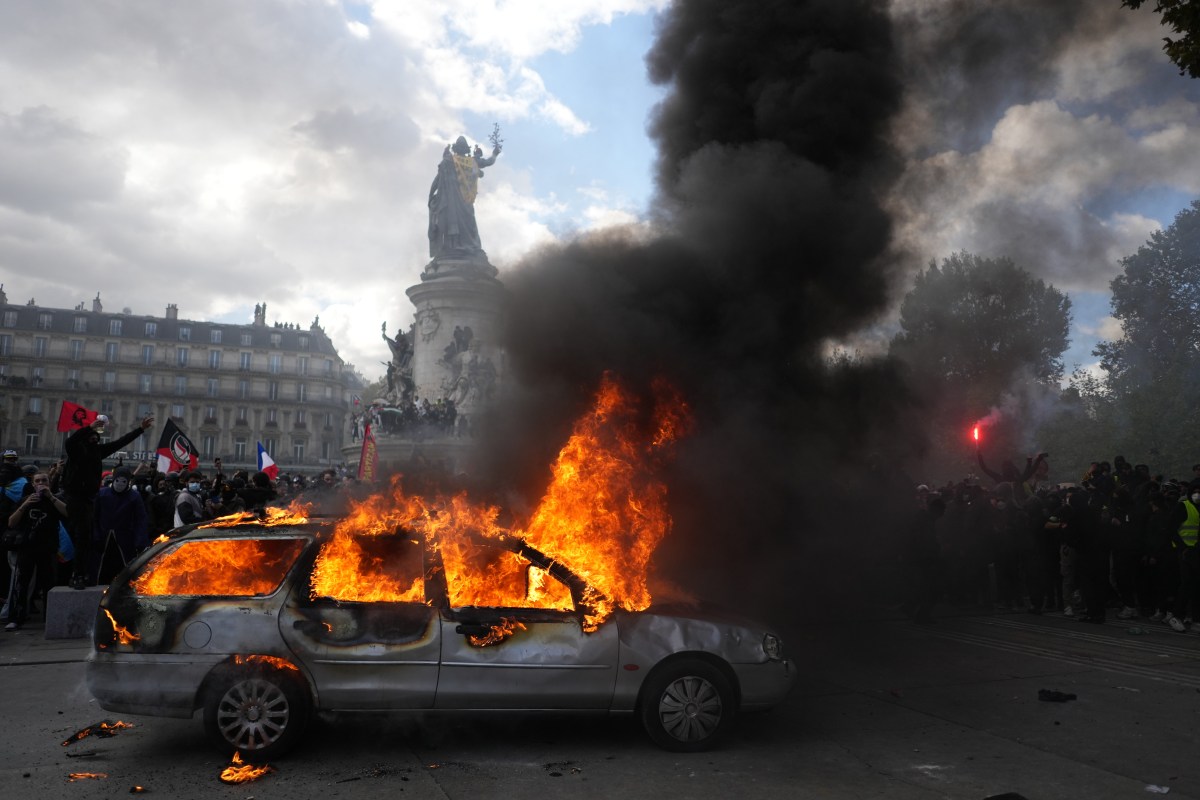
Youth-led protests are happening across many European countries, including France, Italy, Spain, Portugal, Albania, Serbia, Belgium, and Greece. These protests focus on issues like poor school conditions, low wages, housing problems, corruption, and threats to democracy. Some protests have turned violent, and governments have responded with strong security measures.
Key Facts
Protests involve young people in multiple European countries.
In France, protests began due to worsening conditions in schools and universities, especially for disadvantaged students.
Rising living costs and low wage increases fuel frustration among youth.
In Spain and Portugal, the housing crisis is a major concern for protesters.
Albania and Serbia are seeing protests sparked by corruption and fears of weakening democracy.
Violence occurred in France on October 17 and also in Milan, Italy.
Governments have deployed troops and increased security to control the unrest.
Far-right groups blame foreigners for some of the violence and disorder.
Read the Original
Want the full story? Tap a source to open the original
article.
Russian Foreign Minister Sergey Lavrov visited Iran to discuss potential mediation between the US and Iran on a new nuclear deal. Russia supports Iran’s peaceful nuclear energy but opposes nuclear weapons and is working to improve relations with both Iran and the US.
Key Facts
Sergey Lavrov, Russia’s Foreign Minister, recently traveled to Iran and met several Iranian officials.
Russia wants to mediate talks between Washington and Tehran about a new nuclear agreement.
Russia supports Iran’s right to use nuclear energy for peaceful purposes but opposes nuclear weapons development.
Russia is currently helping build two units of Iran’s Bushehr nuclear power plant.
Russia and Iran signed a strategic partnership treaty in early 2025 to boost cooperation in many areas but did not agree on mutual military help.
Iran assisted Russia in the conflict with the US by sharing drone technology.
Russia hopes peace between Iran and the US would benefit its trade route to India called the International North-South Transport Corridor.
Russia was part of the 2015 talks that created the Joint Comprehensive Plan of Action (JCPOA) nuclear deal, while the US withdrew later.
Read the Original
Want the full story? Tap a source to open the original
article.
The play *The History Boys* is returning to London's West End after 20 years. Its director, Nicholas Hytner, highlighted concerns about the decline in teaching humanities subjects like history, music, and drama in state schools. The play, which explores education and learning, will open at Theatre Royal Haymarket in April for 16 weeks with the involvement of its original creators.
Key Facts
*The History Boys* will return to the West End in April for a 16-week run.
Nicholas Hytner directed the original play and the 2006 film version.
Hytner warns of a serious decline in humanities subjects in UK state schools.
The play is about schoolboys preparing for university exams in 1980s Sheffield.
It deals with themes like education methods, adolescence, and the value of learning for its own sake.
Alan Bennett, the playwright, supports the revival and describes it as one of his happiest works.
The UK government is revising the national curriculum and GCSE exams for implementation by 2028.
Hytner believes creativity and enjoyment of humanities are important skills for students today, especially alongside new technology like AI and social media.
Read the Original
Want the full story? Tap a source to open the original
article.
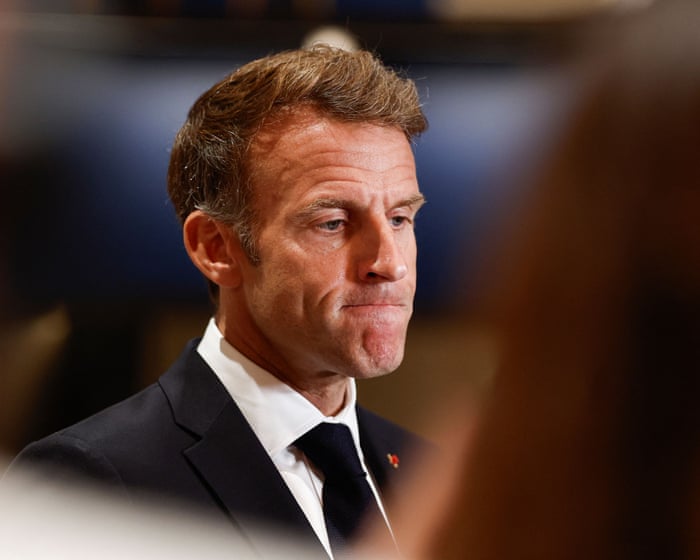
French President Emmanuel Macron has called a meeting with ministers and intelligence officials to plan how to manage protests expected this Saturday in French cities. Meanwhile, Thailand, Malaysia, and China have warned their citizens to be cautious about travel to parts of Europe affected by unrest. In addition, Russian missile attacks continue in Ukraine, with heavy damage reported in several cities.
Key Facts
President Macron returned from a trip to the Gulf and held a security council meeting focused on upcoming protests in France.
More protests are planned for Saturday in various French cities, causing government concern.
Thailand advised its citizens to delay non-essential travel to European countries with ongoing protests, including France, Italy, and Spain.
Malaysia warned its citizens in France to be careful because of the protests and unrest.
China also cautioned its travelers to France to take safety measures after recent violence in French towns.
French Prime Minister Sébastien Lecornu plans to meet political party leaders to discuss policing and the next presidential campaign.
Ukraine experienced “massive strikes” from Russia overnight, hitting energy, medical, shopping, and residential sites in Kyiv and Odesa regions.
Ukraine’s foreign minister emphasized that showing strength is necessary to stop the war, criticizing attempts at appeasement.
Read the Original
Want the full story? Tap a source to open the original
article.
Country music singer John Anderson has died at the age of 71. He was known for popular songs like "Swingin'" and was honored with several awards during his career.
Key Facts
John Anderson died at 71 years old.
He was a well-known country music singer with hits such as "Wild and Blue," "Swingin'," and "Straight Tequila Night."
His family shared a statement expressing their grief and love for him.
The cause of his death has not been announced.
He grew up in Apopka, Florida, and later moved to Nashville to develop his music career.
Anderson received the Academy of Country Music Career Achievement Award in 1993.
He was inducted into the Country Music Hall of Fame in 2024.
Read the Original
Want the full story? Tap a source to open the original
article.
France responded to a U.S. immigration agency's post comparing French protests to American street violence by sharing a graphic showing that the U.S. has higher gun crime rates. The back-and-forth happened on social media amid protests in France over school conditions and living costs.
Key Facts
U.S. Immigration and Customs Enforcement (ICE) posted a photo of French protests with the comment "France has fallen."
ICE said they are working to stop American streets from looking like the protest scenes in France.
France's official Response account shared a graphic showing the U.S. has the highest gun crime rates.
The French account said they are trying every day to prevent their stats from becoming like the U.S.
The French Response account is run by the Ministry of Foreign Affairs and uses humor to fight false information.
France has seen protests since September 28, leading to clashes, riots, fires, and looting.
President Donald Trump has blamed unrest in France on migrants.
The protests started over issues with schools and the rising cost of living.
Read the Original
Want the full story? Tap a source to open the original
article.