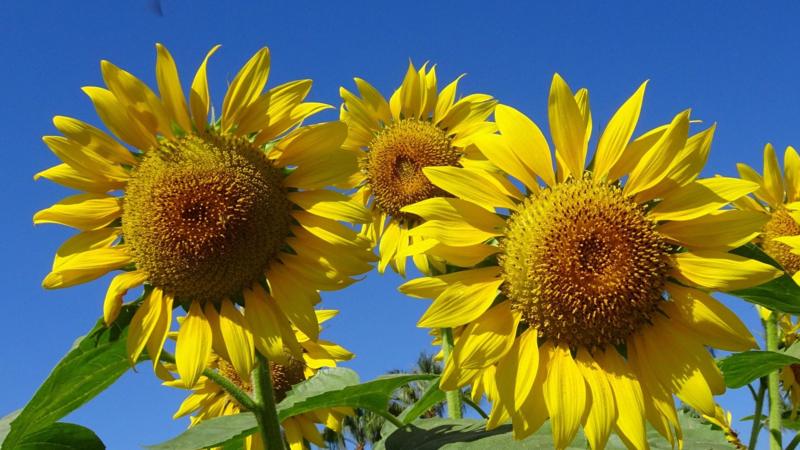
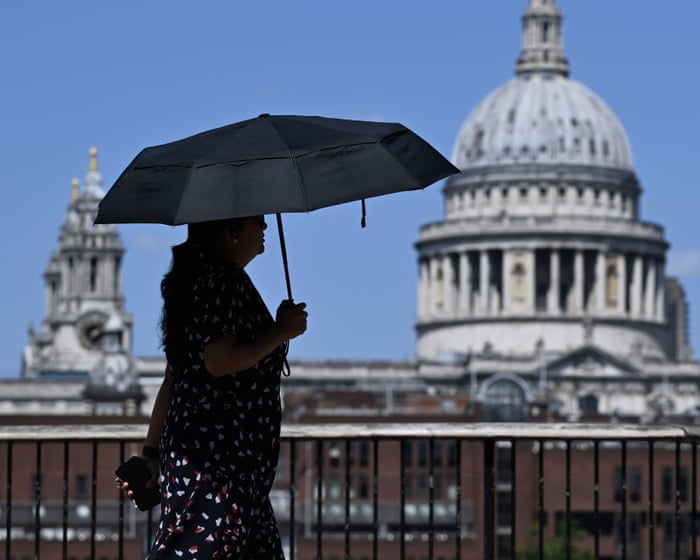
The UK is experiencing a heatwave with many areas seeing long periods of sunshine and daytime temperatures above 30°C (86°F). The heatwave has caused very dry conditions, leading to water use restrictions and wildfire risks, with temperatures expected to remain warm despite a brief cooling this weekend.
Key Facts
Some parts of southern and south-west England have had nearly twice their usual July sunshine in just 13 days.
Temperatures have been 30°C or higher for 10 straight days in several UK locations.
The highest recent temperatures reached 35°C on July 9 and 10.
A strong high-pressure system is causing clear skies and warm weather by reducing cloud formation.
Several areas in England have had almost no rainfall this month, with some places recording no rain for 27 days.
Over eight million households in England are under hosepipe bans due to the dry conditions.
A cooler northerly wind will lower temperatures this weekend but warmth and sunshine are expected to return next week.
The heatwave is affecting all parts of the UK, including Scotland, Wales, and Northern Ireland.
Read the Original
Want the full story? Tap a source to open the original
article.
A woman from Pennsylvania wore her late grandmother’s wedding dress for her own wedding without making any changes. She felt the dress was perfect just as it was and wanted to honor her grandmother by wearing it as is.
Key Facts
The granddaughter is the oldest in her family.
She wore her late grandmother’s original wedding dress.
The dress fit her without needing any alterations.
She chose not to change the dress because she felt it was already perfect.
This story was reported by Tony Dokoupil on CBS News.
The event took place in Pennsylvania.
The granddaughter walked down the aisle wearing the dress exactly as her grandmother did.
Read the Original
Want the full story? Tap a source to open the original
article.
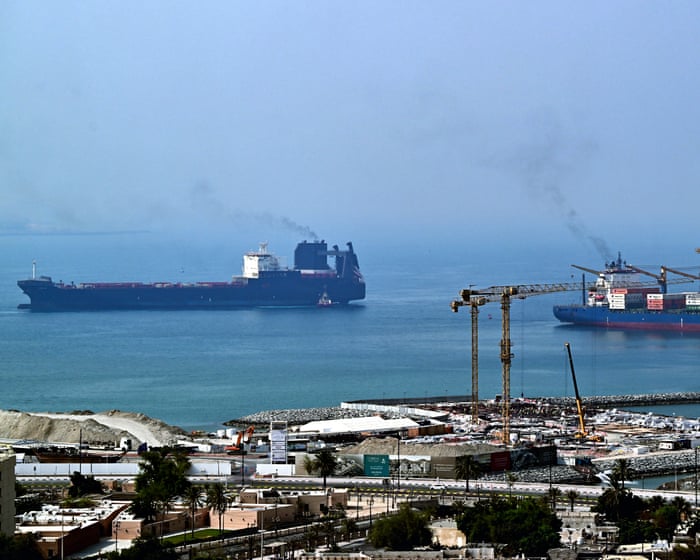
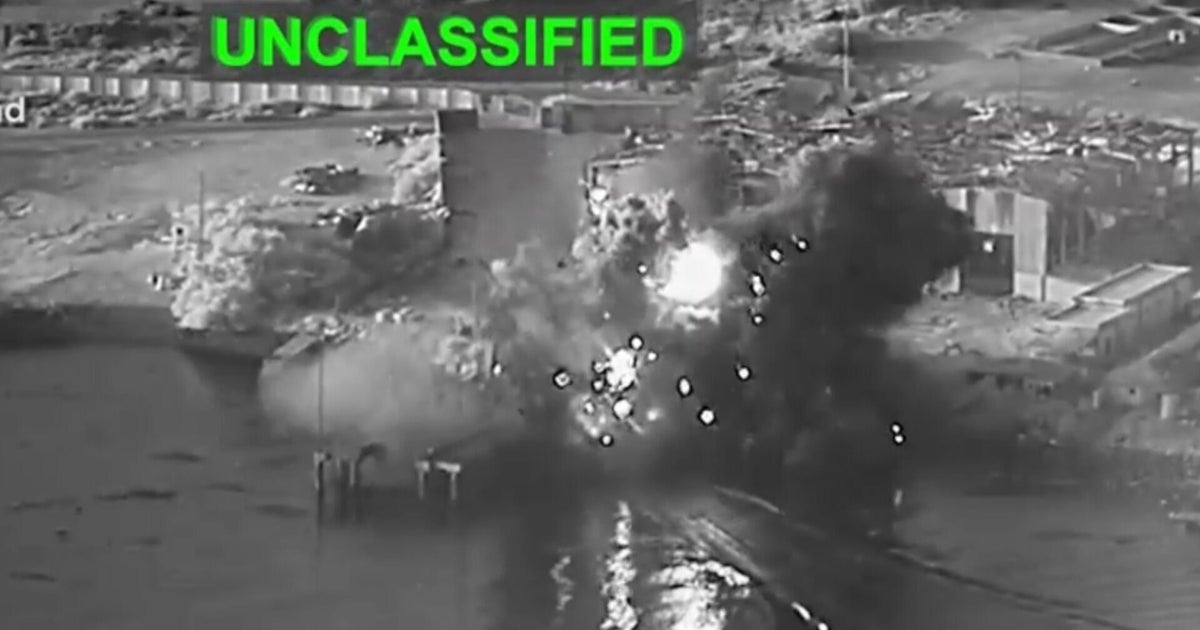
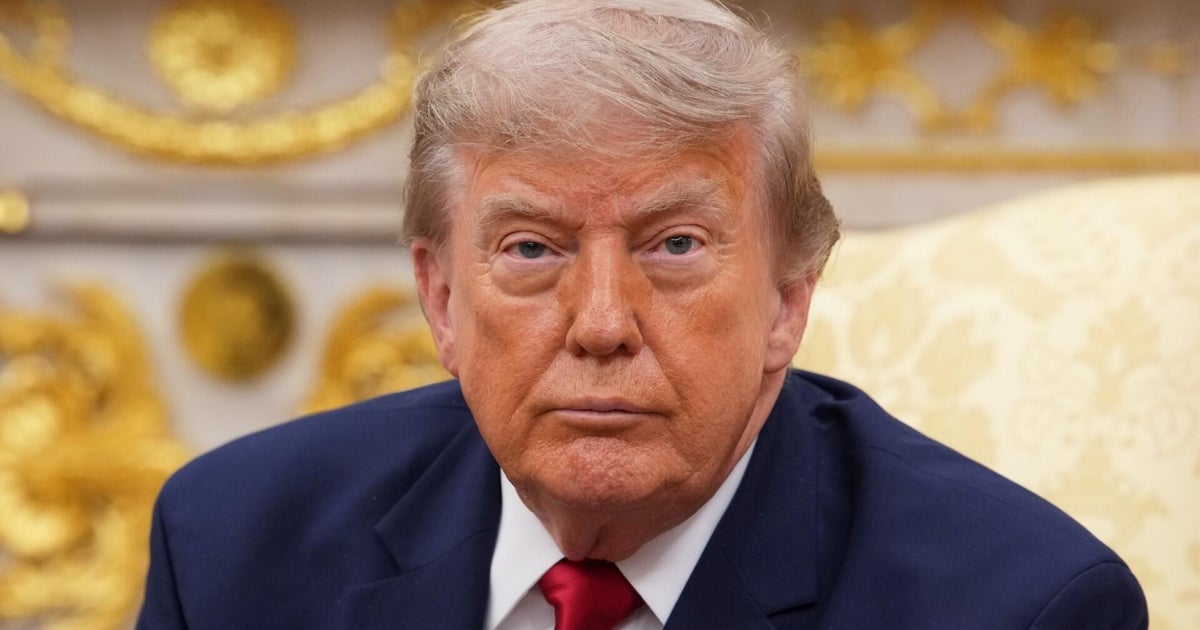
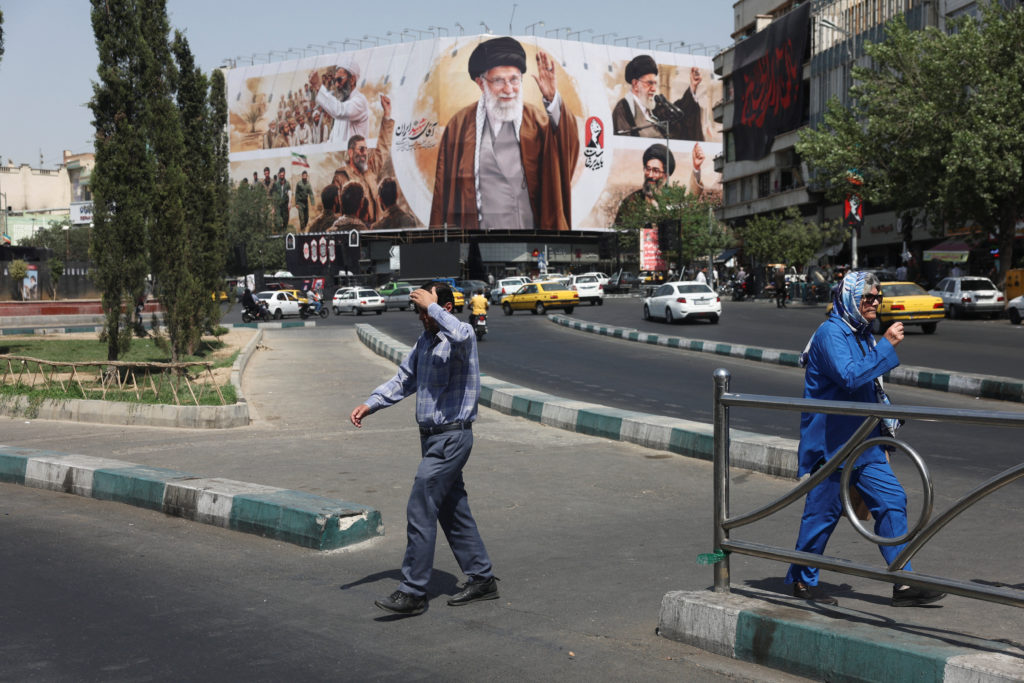
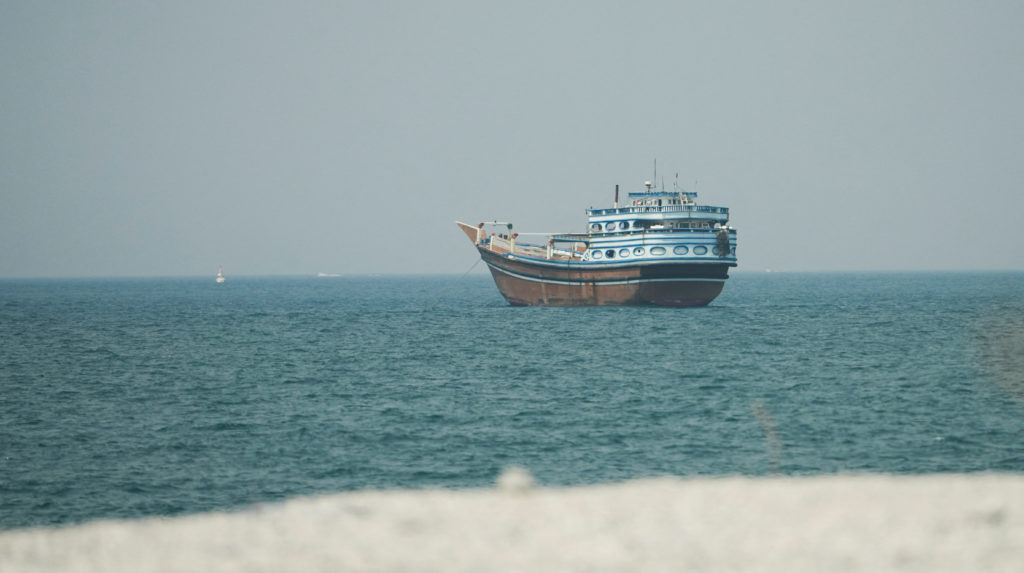
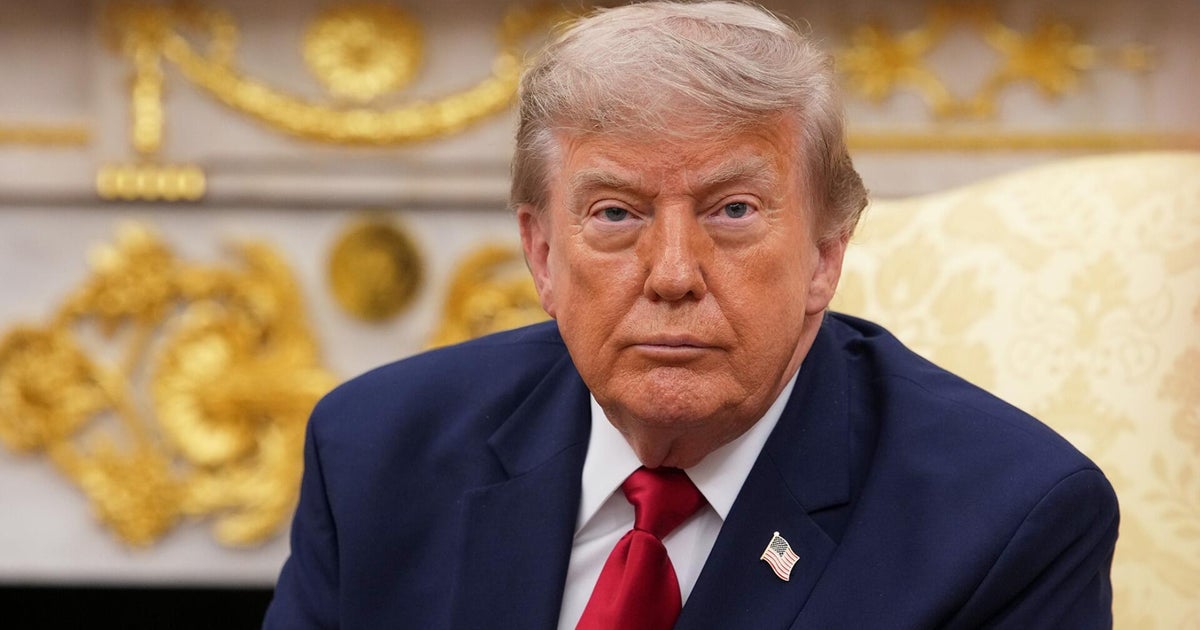
President Donald Trump threatened to target Iran’s power plants and bridges next week if Iran does not come to a deal amid ongoing tensions over the Strait of Hormuz. The US has conducted airstrikes against Iran for four days and reimposed a naval blockade on Iranian ports in the strategic shipping channel.
Key Facts
President Trump said US strikes will target Iranian power plants and bridges unless Iran agrees to negotiate.
The US has carried out airstrikes against Iran for four consecutive days.
A naval blockade on Iranian ports in the Strait of Hormuz was reinstated by the US.
The Strait of Hormuz is a vital waterway for oil and gas shipments in the Gulf region.
Destroying civilian infrastructure like power and water plants is considered illegal under international law.
Iranian forces reportedly attacked a US military base in Jordan with a drone.
President Trump canceled a planned 20% fee on ships using the Strait after talks with Middle Eastern leaders.
The ceasefire agreement from June 17 between the US and Iran has effectively broken down.
Read the Original
Want the full story? Tap a source to open the original
article.
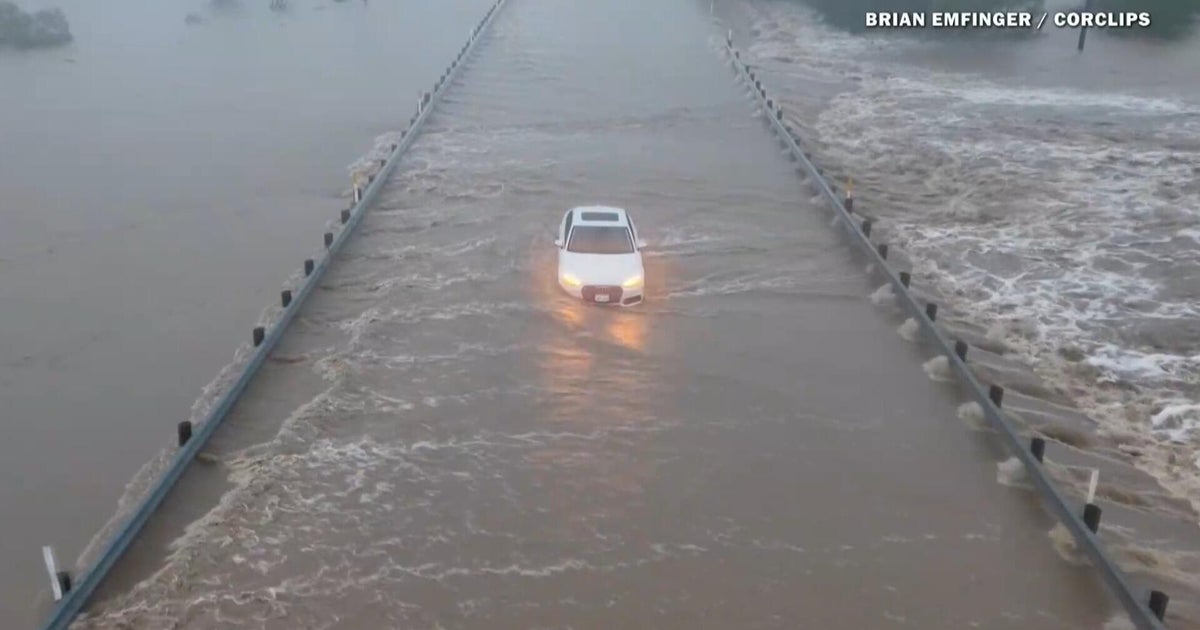
Heavy rain in Central Texas caused sudden flash floods and made rivers rise quickly. Officials issued a flash flood emergency to warn people about the dangerous conditions.
Key Facts
Central Texas experienced heavy storms this week.
The rain caused flash floods, which happen when water rises fast and can be very dangerous.
More than a foot of rain fell in some places.
Rivers in the area swelled because of the extra water.
Authorities issued a flash flood emergency to alert residents.
The situation caused disruptions and safety concerns in the region.
Read the Original
Want the full story? Tap a source to open the original
article.
The Broadway musical Hadestown is being made into a movie. Tony Award winners Andre De Shields and Anais Mitchell talk about how exciting it is to bring the show from the stage to film.
Key Facts
Hadestown is a popular Broadway musical.
The musical won Tony Awards, which are major theater prizes.
Andre De Shields and Anais Mitchell, stars of the show, shared their thoughts about the film version.
The musical is moving from live theater to a movie release.
The news was reported on July 14, 2026.
Read the Original
Want the full story? Tap a source to open the original
article.
The United States launched airstrikes against Iran for the fourth night in a row to stop attacks on oil and cargo ships. After initially saying the U.S. would act as a "guardian of the Hormuz Strait," President Donald Trump changed his position and decided not to take on that role.
Key Facts
The U.S. carried out airstrikes targeting Iran for four consecutive nights.
These strikes aim to prevent Iran from attacking oil and cargo ships.
President Trump first said the U.S. would protect the Hormuz Strait, a key waterway for oil transport.
The Hormuz Strait is important because much of the world's oil passes through it.
Later, President Trump reversed his decision and said the U.S. would not act as the region’s guardian.
The situation involves tensions between the U.S. and Iran over shipping security.
The news was reported by CBS News with Ed O'Keefe providing details.
Read the Original
Want the full story? Tap a source to open the original
article.
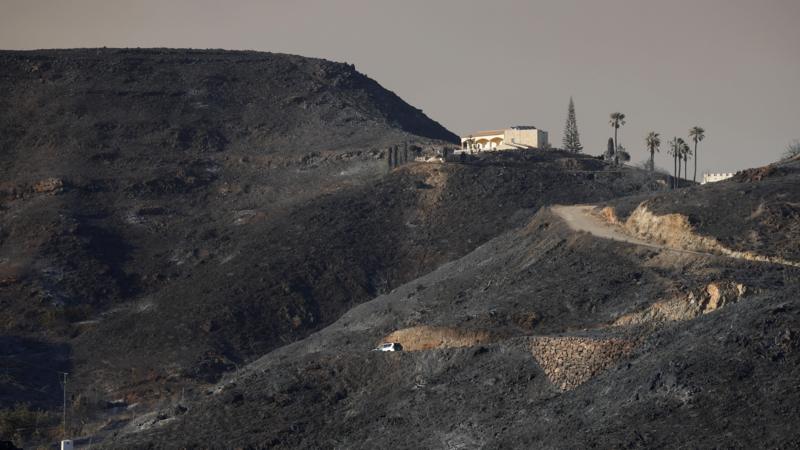
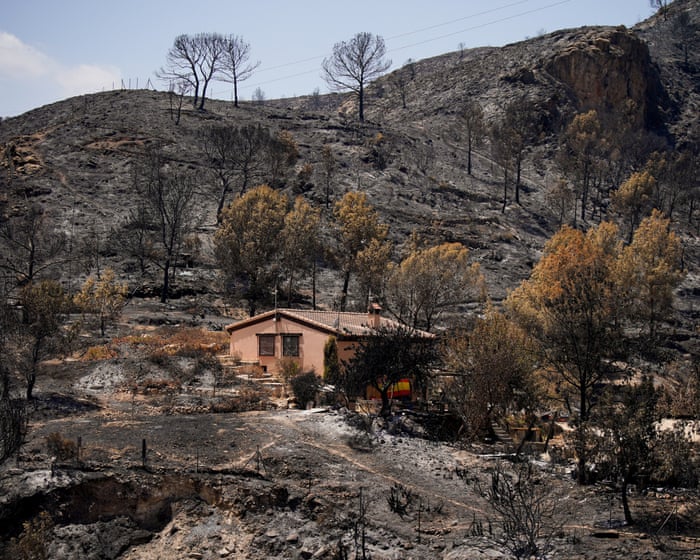
Wildfires in southern Spain's Almería province killed 13 people, including seven British citizens. The fires destroyed about 7,000 hectares of land and are among the deadliest Spain has experienced recently.
Key Facts
Thirteen people died in the wildfires in Almería, Spain.
Seven of the victims were from the United Kingdom.
Other victims included three Belgians, one French citizen, one American, and one Spanish person.
The victims were eight women and five men, all adults.
The fire started on Thursday and has now been contained.
About 7,000 hectares (17,300 acres) of land were burned.
The UK Foreign Office is supporting affected British nationals and their families.
Spain has recently experienced frequent extreme heatwaves with temperatures over 40°C.
Read the Original
Want the full story? Tap a source to open the original
article.
An orange traffic cone traveled from Scotland to Boston as a symbol of friendship during the World Cup. Scottish fans placed orange cones on Boston statues, and local leaders welcomed the cone at the airport to celebrate the connection between the two places.
Key Facts
The orange traffic cone flew first-class from Glasgow to Boston.
Boston Logan Airport welcomed the cone with a bagpiper and local officials, including the governor and mayor.
Scottish soccer fans placed orange cones on famous Boston statues during the World Cup.
Boston bars struggled to keep beer in stock due to the large number of Scottish fans.
The cone is now a symbol of joy, humor, and friendship between Scotland and Boston.
The cone will visit landmarks in Massachusetts to raise money for mental health charities before returning to Scotland.
Placing traffic cones on statues began in Glasgow in the 1980s as a prank and evolved into a cultural symbol.
Boston’s mayor joked that parts of the city have “unofficially become New Scotland” during the World Cup.
Read the Original
Want the full story? Tap a source to open the original
article.
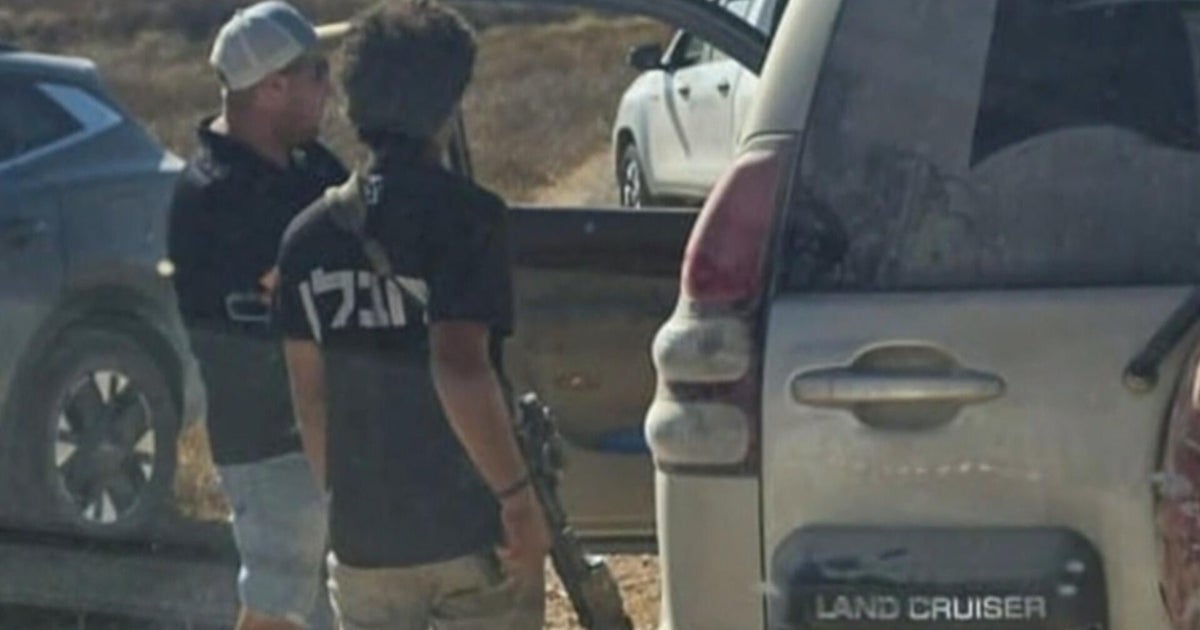
Representative Ro Khanna said he was briefly held by Israeli settlers during a visit to the West Bank last week. His aide, Cameron Kasky, spoke about the incident on a news program.
Key Facts
Rep. Ro Khanna visited the West Bank recently.
During the visit, he was detained by Israeli settlers for a short time.
Cameron Kasky, an aide to Rep. Khanna, was with him during the trip.
Kasky talked about the experience on a news show called "The Takeout."
The West Bank is a region often involved in conflicts between Israelis and Palestinians.
The article does not provide details on why Khanna was detained.
The incident received coverage on CBS News.
No information was given about any legal or diplomatic outcomes from the detention.
Read the Original
Want the full story? Tap a source to open the original
article.
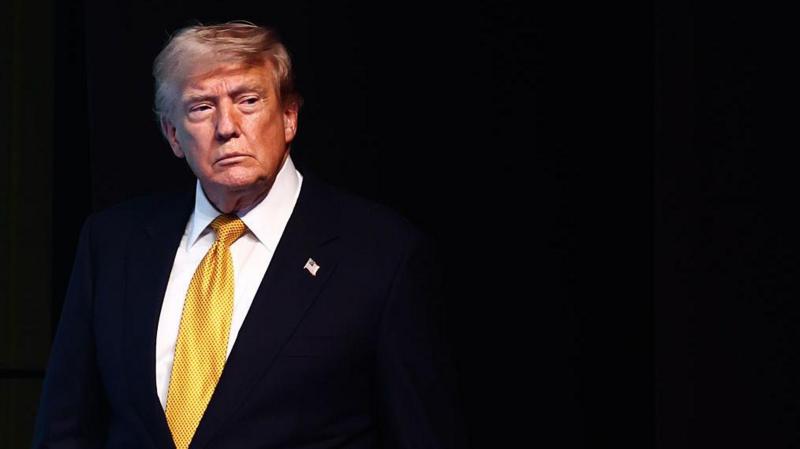
President Donald Trump announced a new plan requiring ships passing through the Strait of Hormuz to pay a 20% fee to cover U.S. security costs, but reversed this decision within a day. The situation comes amid ongoing conflict between the U.S. and Iran, with a ceasefire agreement breaking down and military tensions escalating again.
Key Facts
President Trump proposed a 20% fee on all ships passing through the Strait of Hormuz to cover U.S. security expenses.
He withdrew the fee proposal the next day and instead suggested trade and investment deals with Gulf allies for safe passage.
The U.S.-Iran conflict has lasted over four months, with a ceasefire agreement failing after about one month.
Trump resumed a U.S. naval blockade on Iranian shipping as part of escalating military actions.
Iran responded by increasing attacks on U.S. allies and commercial ships, disrupting traffic through the Strait of Hormuz.
The Strait of Hormuz is a critical waterway for international shipping and oil transport.
U.S. Secretary of State Marco Rubio stated that international law forbids charging fees on international waterways like the Strait of Hormuz.
Experts say the conflict may continue for a long time without a clear resolution.
Read the Original
Want the full story? Tap a source to open the original
article.
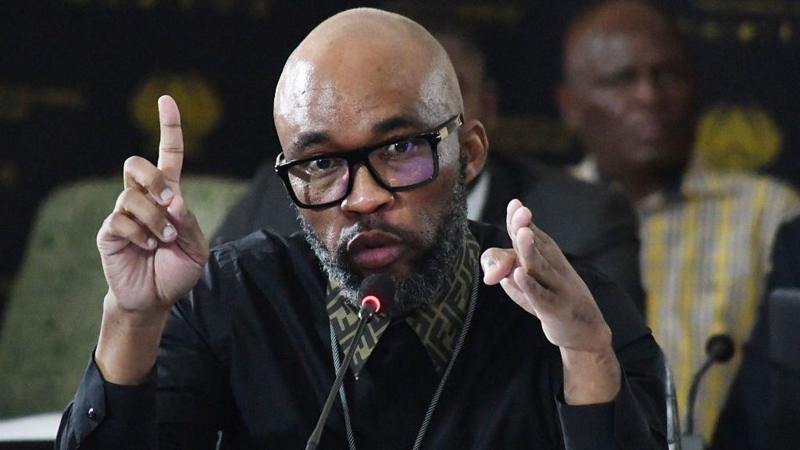
Vusimusi "Cat" Matlala, a businessman who grew up in a South African township and has faced many criminal charges, is now a key figure in a major inquiry into police corruption. He is expected to answer questions about allegations that he bribed police officers to get contracts and was involved in drug trafficking.
Key Facts
Vusimusi "Cat" Matlala is 49 years old and has been in police custody for over a year on a separate case.
He is accused of giving valuable gifts like 20 impalas (animals), a weight-loss drug (Ozempic), and personal loans to influence police officials.
The inquiry, called the Madlanga Commission, has been going on for 10 months and investigates police corruption in South Africa.
Matlala previously denied corruption in a parliamentary inquiry but admitted to donating to the African National Congress, the ruling party.
He has faced many legal accusations over the years, including robbery and assault, but always denied them and was not convicted.
In May 2025, he was charged with attempted murder, a charge he denies; his wife faces the same charge but was granted bail.
Matlala was charged with corruption related to health service contracts with the police; he once pleaded guilty but later withdrew the plea after the deal collapsed.
Matlala grew up as a “street kid” after his single mother, who had albinism, disappeared, and he later learned she had been assaulted because of her condition.
Read the Original
Want the full story? Tap a source to open the original
article.
Scientists are studying a major ocean current system called the Atlantic Meridional Overturning Circulation (AMOC), which moves warm water north and cold water south in the Atlantic Ocean. There are signs the AMOC is weakening due to climate change, which could cause more extreme weather in the UK and north-west Europe, such as colder winters and changes in storms and rainfall.
Key Facts
The AMOC is a huge system of ocean currents that moves warm water toward the Arctic and cold water southward deep in the ocean.
This current influences the climate in the UK and north-west Europe by moving heat and affecting weather patterns.
Scientists use robotic devices called Argo floats to collect data on ocean temperature, salt levels, and pressure to study the AMOC.
Climate change is likely causing the AMOC to weaken, though experts disagree on how fast or how much it will change.
Some studies suggest the AMOC could collapse or shift suddenly, but others say it may decline more slowly or reorganize.
A weaker AMOC could bring colder, drier winters and more unpredictable weather to the UK and north-west Europe, despite global warming.
The AMOC carries about 50 times the total energy humanity uses, showing its huge impact on the climate system.
Changes in the North Atlantic, such as cooling patches and altered water salinity, may be signs of the AMOC changing.
Read the Original
Want the full story? Tap a source to open the original
article.
The UK is experiencing record-breaking heat and dry conditions due to rising temperatures caused by carbon pollution. Recent years have been among the hottest on record, and extreme weather such as heatwaves, droughts, and wildfires is becoming more common.
Key Facts
Last year was the hottest year on record in the UK, and 2025 is expected to break that record.
The UK had its warmest spring and summer ever, with England facing its driest spring in 100 years.
Heatwaves are more frequent, with as many days over 30°C in 2026 so far as in 1976.
Southern and central England is now much warmer than decades ago; some places are about 4.5°C warmer than in 1961-1990.
Northern areas of the UK are having temperatures similar to what London had many years ago.
The amount of heavy rainfall days has increased by more than 20%, raising flood risks, but droughts are also becoming worse during hot, dry summers.
England’s river flow from March to August 2025 was the second lowest since records began in 1961.
Recent hot and dry weather has led to more wildfires, creating a "firewave" affecting parts of the country.
Read the Original
Want the full story? Tap a source to open the original
article.
The U.S. has carried out four nights of air strikes and restarted a naval blockade of Iranian ports to cut off Iran’s oil income. President Trump said this action aims to pressure Iran’s government, while Iran keeps attacking ships and Gulf allies and has not reopened the Strait of Hormuz waterway.
Key Facts
The U.S. conducted air strikes for four consecutive nights targeting Iran or its allies.
The U.S. has reinstated a naval blockade around all Iranian ports.
The blockade is meant to stop Iran from selling oil and earning money.
President Trump supports these actions to pressure Iran’s government.
Iran continues attacks on ships and countries allied with the U.S. in the Gulf region.
Iran has closed the Strait of Hormuz, a critical shipping route, and has not reopened it.
The situation suggests a return to more intense conflict between the U.S. and Iran.
Read the Original
Want the full story? Tap a source to open the original
article.
Experts Alan Eyre and Miad Maleki discuss recent events involving the U.S. and Iran near the Strait of Hormuz, a strategic waterway. Eyre has experience from the Iran nuclear deal negotiations, and Maleki brings a personal perspective from his background in Iran.
Key Facts
The U.S. and Iran are in a conflict over control of the Strait of Hormuz.
The Strait of Hormuz is an important route for shipping oil.
Alan Eyre was part of the U.S. negotiating team for the Iran nuclear deal under the Obama administration.
Eyre currently works at the Middle East Institute.
Miad Maleki was born and raised in Iran.
Maleki is now with the Foundation for the Defense of Democracies.
These experts shared their views on the recent escalation in tensions between the U.S. and Iran.
Read the Original
Want the full story? Tap a source to open the original
article.
President Donald Trump announced a 20% fee on cargo passing through the Strait of Hormuz on Monday but reversed this decision on Tuesday. The Strait of Hormuz is a key waterway for global oil shipments, and tensions with Iran have made the area strategically important.
Key Facts
President Trump initially said there would be a 20% fee on all cargo passing through the Strait of Hormuz.
He changed his mind and canceled the fee the next day.
The Strait of Hormuz is a narrow passage between the Persian Gulf and the Gulf of Oman.
It is a critical route for transporting oil from the Middle East to global markets.
Relations between the U.S. and Iran have been tense, raising concerns about security in the region.
The fee proposal caused worry among countries that rely on this shipping lane.
CBS News reporters Ed O’Keefe and Aaron MacLean covered the story.
The change shows how quickly policies can shift in areas with international risks.
Read the Original
Want the full story? Tap a source to open the original
article.
Wildfires in southern Spain’s Andalusia region have killed 13 people, including 12 foreign nationals. Seven of the victims were British, and the fire burned a large area before being controlled, allowing residents to return home.
Key Facts
Thirteen people died in the wildfires, 12 of whom were foreign nationals.
Among the foreign victims, seven were from the UK, three from Belgium, one from France, and one from the US.
The last victim was a Spanish citizen, making a total of eight women and five men, all adults.
The fire began last Thursday in Almería province near the Mediterranean coast.
High winds and extreme heat helped spread the flames through dry forests and scrubland.
Some people died trapped in their cars while trying to escape.
The fire destroyed about 7,000 hectares (over 17,000 acres) of land.
The blaze started after an electrical cable fell onto a road.
Spain has seen more frequent and longer heatwaves recently, causing more wildfires.
In 2025, Spain experienced its worst fire season in recent history, with over 393,000 hectares burned.
Read the Original
Want the full story? Tap a source to open the original
article.
The World Health Organization (WHO) started the first human trial to test an antiviral drug called obeldesivir to prevent infection from the Bundibugyo strain of Ebola in the Democratic Republic of Congo (DRC). This trial aims to protect people who have been exposed to the virus but do not yet show symptoms, as the outbreak continues to spread.
Key Facts
The WHO began a clinical trial named EBO-PEP to test obeldesivir as a post-exposure prevention for Ebola.
Obeldesivir is an experimental antiviral drug taken by mouth and developed by the U.S. company Gilead Sciences.
The Bundibugyo Ebola outbreak in the DRC has infected over 1,960 people and caused more than 700 deaths.
The outbreak started in May 2026 in Ituri province, an area with ongoing conflicts.
Ebola spreads through close contact and infected body fluids.
The trial plans to recruit around 1,000 participants aged 12 or older who had contact with confirmed Ebola cases in the last five days but have no symptoms.
Participants will be monitored daily for 21 days, with a final check on day 42.
WHO warns the true number of cases could be two to four times higher than official counts, with many cases coming from unknown transmission chains.
Read the Original
Want the full story? Tap a source to open the original
article.
Moroccan rapper and filmmaker Mehdi El Youbi was arrested in Casablanca after being banned from returning to France, where he has lived since 2017. His detention is believed to be connected to his political views expressed through his music and social media posts.
Key Facts
Mehdi El Youbi, also known as Mehdi Black Wind, is a Moroccan rapper and filmmaker known for his political lyrics.
He was arrested in Casablanca by Morocco’s National Brigade of Judicial Police after questioning.
El Youbi has lived in France since 2017 but was recently barred from returning to Marseille.
His arrest is thought to be linked to his artistic and social media expression.
He rose to fame during the early 2010s with songs influenced by US hip-hop and politically engaged themes.
Moroccan journalist Omar Radi said El Youbi is the most outspoken Moroccan rapper.
The arrest follows other recent detentions and legal actions against journalists and activists in Morocco.
El Youbi will appear before a public prosecutor, but lawyers in Morocco are currently on strike, raising concerns about his legal representation.
Read the Original
Want the full story? Tap a source to open the original
article.