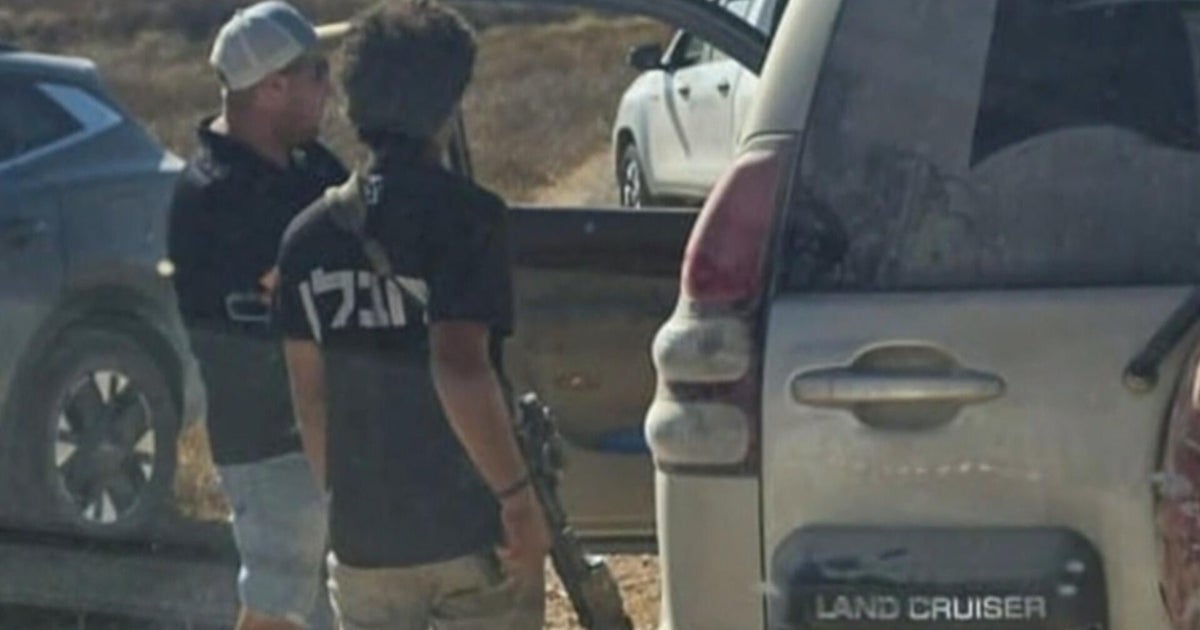
Representative Ro Khanna said he was briefly held by Israeli settlers during a visit to the West Bank last week. His aide, Cameron Kasky, spoke about the incident on a news program.
Key Facts
Rep. Ro Khanna visited the West Bank recently.
During the visit, he was detained by Israeli settlers for a short time.
Cameron Kasky, an aide to Rep. Khanna, was with him during the trip.
Kasky talked about the experience on a news show called "The Takeout."
The West Bank is a region often involved in conflicts between Israelis and Palestinians.
The article does not provide details on why Khanna was detained.
The incident received coverage on CBS News.
No information was given about any legal or diplomatic outcomes from the detention.
Read the Original
Want the full story? Tap a source to open the original
article.
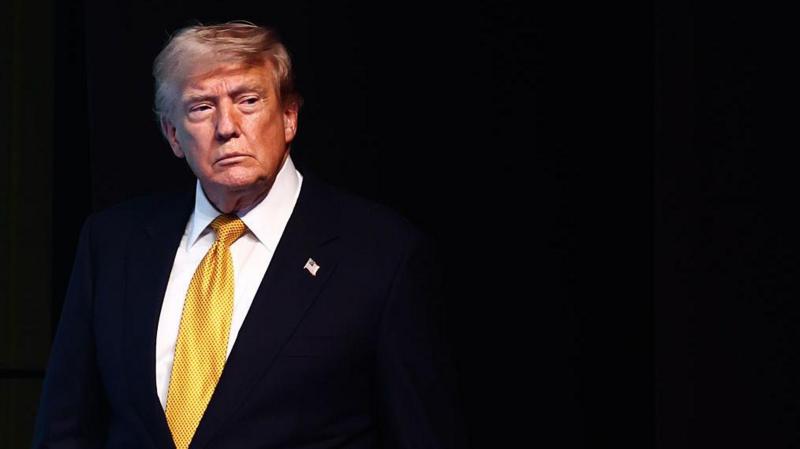
President Donald Trump announced a new plan requiring ships passing through the Strait of Hormuz to pay a 20% fee to cover U.S. security costs, but reversed this decision within a day. The situation comes amid ongoing conflict between the U.S. and Iran, with a ceasefire agreement breaking down and military tensions escalating again.
Key Facts
President Trump proposed a 20% fee on all ships passing through the Strait of Hormuz to cover U.S. security expenses.
He withdrew the fee proposal the next day and instead suggested trade and investment deals with Gulf allies for safe passage.
The U.S.-Iran conflict has lasted over four months, with a ceasefire agreement failing after about one month.
Trump resumed a U.S. naval blockade on Iranian shipping as part of escalating military actions.
Iran responded by increasing attacks on U.S. allies and commercial ships, disrupting traffic through the Strait of Hormuz.
The Strait of Hormuz is a critical waterway for international shipping and oil transport.
U.S. Secretary of State Marco Rubio stated that international law forbids charging fees on international waterways like the Strait of Hormuz.
Experts say the conflict may continue for a long time without a clear resolution.
Read the Original
Want the full story? Tap a source to open the original
article.
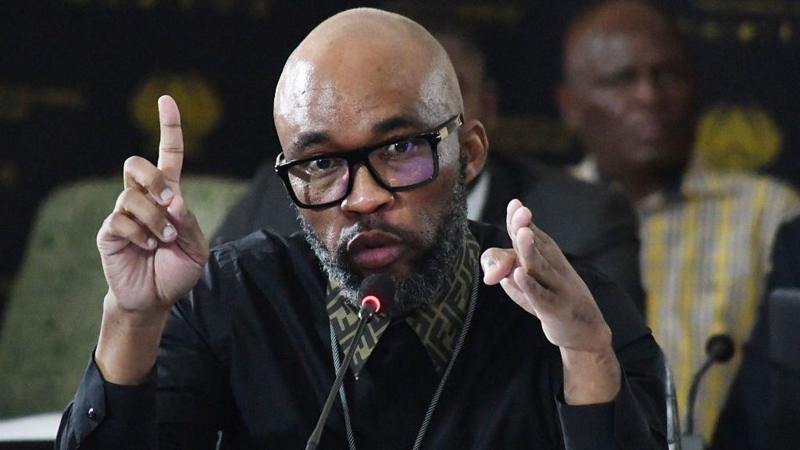
Vusimusi "Cat" Matlala, a businessman who grew up in a South African township and has faced many criminal charges, is now a key figure in a major inquiry into police corruption. He is expected to answer questions about allegations that he bribed police officers to get contracts and was involved in drug trafficking.
Key Facts
Vusimusi "Cat" Matlala is 49 years old and has been in police custody for over a year on a separate case.
He is accused of giving valuable gifts like 20 impalas (animals), a weight-loss drug (Ozempic), and personal loans to influence police officials.
The inquiry, called the Madlanga Commission, has been going on for 10 months and investigates police corruption in South Africa.
Matlala previously denied corruption in a parliamentary inquiry but admitted to donating to the African National Congress, the ruling party.
He has faced many legal accusations over the years, including robbery and assault, but always denied them and was not convicted.
In May 2025, he was charged with attempted murder, a charge he denies; his wife faces the same charge but was granted bail.
Matlala was charged with corruption related to health service contracts with the police; he once pleaded guilty but later withdrew the plea after the deal collapsed.
Matlala grew up as a “street kid” after his single mother, who had albinism, disappeared, and he later learned she had been assaulted because of her condition.
Read the Original
Want the full story? Tap a source to open the original
article.
Scientists are studying a major ocean current system called the Atlantic Meridional Overturning Circulation (AMOC), which moves warm water north and cold water south in the Atlantic Ocean. There are signs the AMOC is weakening due to climate change, which could cause more extreme weather in the UK and north-west Europe, such as colder winters and changes in storms and rainfall.
Key Facts
The AMOC is a huge system of ocean currents that moves warm water toward the Arctic and cold water southward deep in the ocean.
This current influences the climate in the UK and north-west Europe by moving heat and affecting weather patterns.
Scientists use robotic devices called Argo floats to collect data on ocean temperature, salt levels, and pressure to study the AMOC.
Climate change is likely causing the AMOC to weaken, though experts disagree on how fast or how much it will change.
Some studies suggest the AMOC could collapse or shift suddenly, but others say it may decline more slowly or reorganize.
A weaker AMOC could bring colder, drier winters and more unpredictable weather to the UK and north-west Europe, despite global warming.
The AMOC carries about 50 times the total energy humanity uses, showing its huge impact on the climate system.
Changes in the North Atlantic, such as cooling patches and altered water salinity, may be signs of the AMOC changing.
Read the Original
Want the full story? Tap a source to open the original
article.
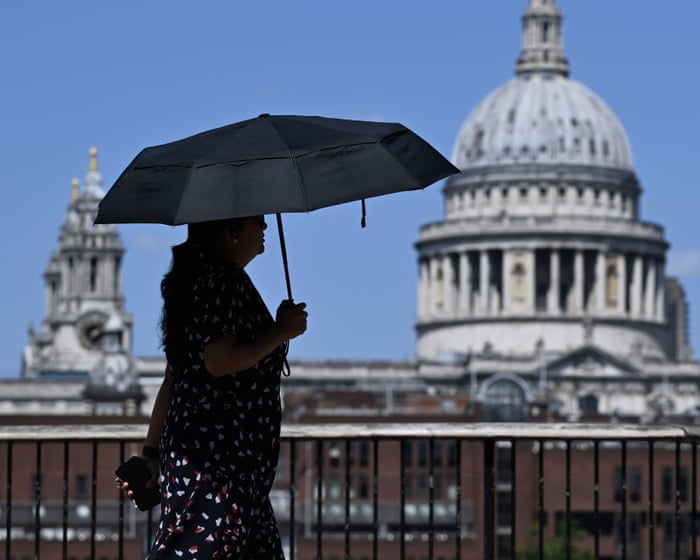
The UK is experiencing record-breaking heat and dry conditions due to rising temperatures caused by carbon pollution. Recent years have been among the hottest on record, and extreme weather such as heatwaves, droughts, and wildfires is becoming more common.
Key Facts
Last year was the hottest year on record in the UK, and 2025 is expected to break that record.
The UK had its warmest spring and summer ever, with England facing its driest spring in 100 years.
Heatwaves are more frequent, with as many days over 30°C in 2026 so far as in 1976.
Southern and central England is now much warmer than decades ago; some places are about 4.5°C warmer than in 1961-1990.
Northern areas of the UK are having temperatures similar to what London had many years ago.
The amount of heavy rainfall days has increased by more than 20%, raising flood risks, but droughts are also becoming worse during hot, dry summers.
England’s river flow from March to August 2025 was the second lowest since records began in 1961.
Recent hot and dry weather has led to more wildfires, creating a "firewave" affecting parts of the country.
Read the Original
Want the full story? Tap a source to open the original
article.
The U.S. has carried out four nights of air strikes and restarted a naval blockade of Iranian ports to cut off Iran’s oil income. President Trump said this action aims to pressure Iran’s government, while Iran keeps attacking ships and Gulf allies and has not reopened the Strait of Hormuz waterway.
Key Facts
The U.S. conducted air strikes for four consecutive nights targeting Iran or its allies.
The U.S. has reinstated a naval blockade around all Iranian ports.
The blockade is meant to stop Iran from selling oil and earning money.
President Trump supports these actions to pressure Iran’s government.
Iran continues attacks on ships and countries allied with the U.S. in the Gulf region.
Iran has closed the Strait of Hormuz, a critical shipping route, and has not reopened it.
The situation suggests a return to more intense conflict between the U.S. and Iran.
Read the Original
Want the full story? Tap a source to open the original
article.
Experts Alan Eyre and Miad Maleki discuss recent events involving the U.S. and Iran near the Strait of Hormuz, a strategic waterway. Eyre has experience from the Iran nuclear deal negotiations, and Maleki brings a personal perspective from his background in Iran.
Key Facts
The U.S. and Iran are in a conflict over control of the Strait of Hormuz.
The Strait of Hormuz is an important route for shipping oil.
Alan Eyre was part of the U.S. negotiating team for the Iran nuclear deal under the Obama administration.
Eyre currently works at the Middle East Institute.
Miad Maleki was born and raised in Iran.
Maleki is now with the Foundation for the Defense of Democracies.
These experts shared their views on the recent escalation in tensions between the U.S. and Iran.
Read the Original
Want the full story? Tap a source to open the original
article.
President Donald Trump announced a 20% fee on cargo passing through the Strait of Hormuz on Monday but reversed this decision on Tuesday. The Strait of Hormuz is a key waterway for global oil shipments, and tensions with Iran have made the area strategically important.
Key Facts
President Trump initially said there would be a 20% fee on all cargo passing through the Strait of Hormuz.
He changed his mind and canceled the fee the next day.
The Strait of Hormuz is a narrow passage between the Persian Gulf and the Gulf of Oman.
It is a critical route for transporting oil from the Middle East to global markets.
Relations between the U.S. and Iran have been tense, raising concerns about security in the region.
The fee proposal caused worry among countries that rely on this shipping lane.
CBS News reporters Ed O’Keefe and Aaron MacLean covered the story.
The change shows how quickly policies can shift in areas with international risks.
Read the Original
Want the full story? Tap a source to open the original
article.
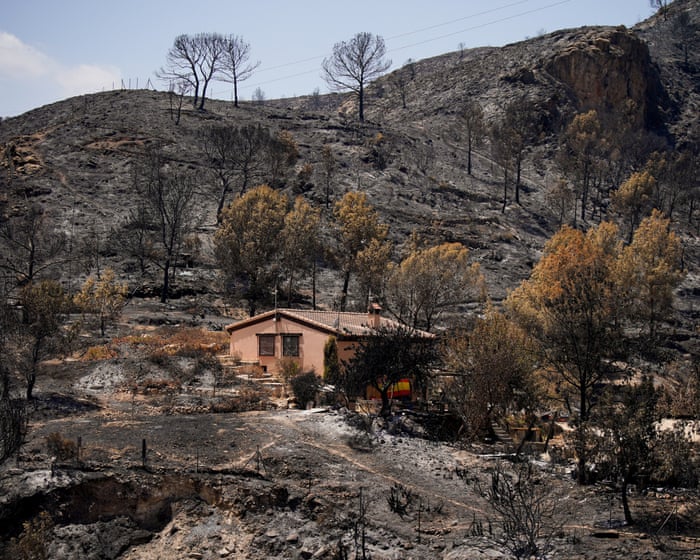
Wildfires in southern Spain’s Andalusia region have killed 13 people, including 12 foreign nationals. Seven of the victims were British, and the fire burned a large area before being controlled, allowing residents to return home.
Key Facts
Thirteen people died in the wildfires, 12 of whom were foreign nationals.
Among the foreign victims, seven were from the UK, three from Belgium, one from France, and one from the US.
The last victim was a Spanish citizen, making a total of eight women and five men, all adults.
The fire began last Thursday in Almería province near the Mediterranean coast.
High winds and extreme heat helped spread the flames through dry forests and scrubland.
Some people died trapped in their cars while trying to escape.
The fire destroyed about 7,000 hectares (over 17,000 acres) of land.
The blaze started after an electrical cable fell onto a road.
Spain has seen more frequent and longer heatwaves recently, causing more wildfires.
In 2025, Spain experienced its worst fire season in recent history, with over 393,000 hectares burned.
Read the Original
Want the full story? Tap a source to open the original
article.
The World Health Organization (WHO) started the first human trial to test an antiviral drug called obeldesivir to prevent infection from the Bundibugyo strain of Ebola in the Democratic Republic of Congo (DRC). This trial aims to protect people who have been exposed to the virus but do not yet show symptoms, as the outbreak continues to spread.
Key Facts
The WHO began a clinical trial named EBO-PEP to test obeldesivir as a post-exposure prevention for Ebola.
Obeldesivir is an experimental antiviral drug taken by mouth and developed by the U.S. company Gilead Sciences.
The Bundibugyo Ebola outbreak in the DRC has infected over 1,960 people and caused more than 700 deaths.
The outbreak started in May 2026 in Ituri province, an area with ongoing conflicts.
Ebola spreads through close contact and infected body fluids.
The trial plans to recruit around 1,000 participants aged 12 or older who had contact with confirmed Ebola cases in the last five days but have no symptoms.
Participants will be monitored daily for 21 days, with a final check on day 42.
WHO warns the true number of cases could be two to four times higher than official counts, with many cases coming from unknown transmission chains.
Read the Original
Want the full story? Tap a source to open the original
article.
Moroccan rapper and filmmaker Mehdi El Youbi was arrested in Casablanca after being banned from returning to France, where he has lived since 2017. His detention is believed to be connected to his political views expressed through his music and social media posts.
Key Facts
Mehdi El Youbi, also known as Mehdi Black Wind, is a Moroccan rapper and filmmaker known for his political lyrics.
He was arrested in Casablanca by Morocco’s National Brigade of Judicial Police after questioning.
El Youbi has lived in France since 2017 but was recently barred from returning to Marseille.
His arrest is thought to be linked to his artistic and social media expression.
He rose to fame during the early 2010s with songs influenced by US hip-hop and politically engaged themes.
Moroccan journalist Omar Radi said El Youbi is the most outspoken Moroccan rapper.
The arrest follows other recent detentions and legal actions against journalists and activists in Morocco.
El Youbi will appear before a public prosecutor, but lawyers in Morocco are currently on strike, raising concerns about his legal representation.
Read the Original
Want the full story? Tap a source to open the original
article.
Two rare corpse flowers bloomed at the Huntington Library and Botanical Gardens in Southern California, drawing over 7,000 visitors eager to see the plants’ short-lived flowering. These giant plants produce a strong smell like rotting flesh to attract insects that help pollinate them, and they are native to Indonesia.
Key Facts
Two titan arums, named Odorysseus and Odora, bloomed simultaneously at the Huntington in San Marino, California.
More than 7,000 people visited on the first full day the flowers were open.
Each flower bloom lasts only 1 to 2 days before closing again.
The corpse flower smells like rotting flesh to attract pollinating insects like carrion beetles and flesh flies.
It is a giant flower structure made of hundreds of small flowers and can grow over 12 feet tall.
The Huntington has grown titan arums for over 25 years and currently has more than 43 mature plants.
The flowers are endangered, with fewer than 1,000 believed to exist naturally in the wild.
Seeds from the Huntington’s flowers are shared with other botanical gardens in the U.S. to help conserve the species.
Read the Original
Want the full story? Tap a source to open the original
article.
Extreme weather events like heatwaves, storms, and floods are increasing worldwide due to climate change. These events cause deaths, damage homes and infrastructure, and create economic problems for many countries.
Key Facts
Western Europe is experiencing severe heatwaves and wildfires.
Several Asian countries are recovering from major storms and floods.
Many U.S. cities are expected to break heat records this week.
The number of deaths linked to heatwaves and extreme weather is rising.
Homes, transportation, and public facilities have been damaged by these weather events.
Scientists predict extreme weather will become more common because of climate change.
Governments face challenges preparing for and responding to these increasing extreme weather events.
Experts from climate science, economics, and earth science are discussing ways to improve preparedness.
Read the Original
Want the full story? Tap a source to open the original
article.
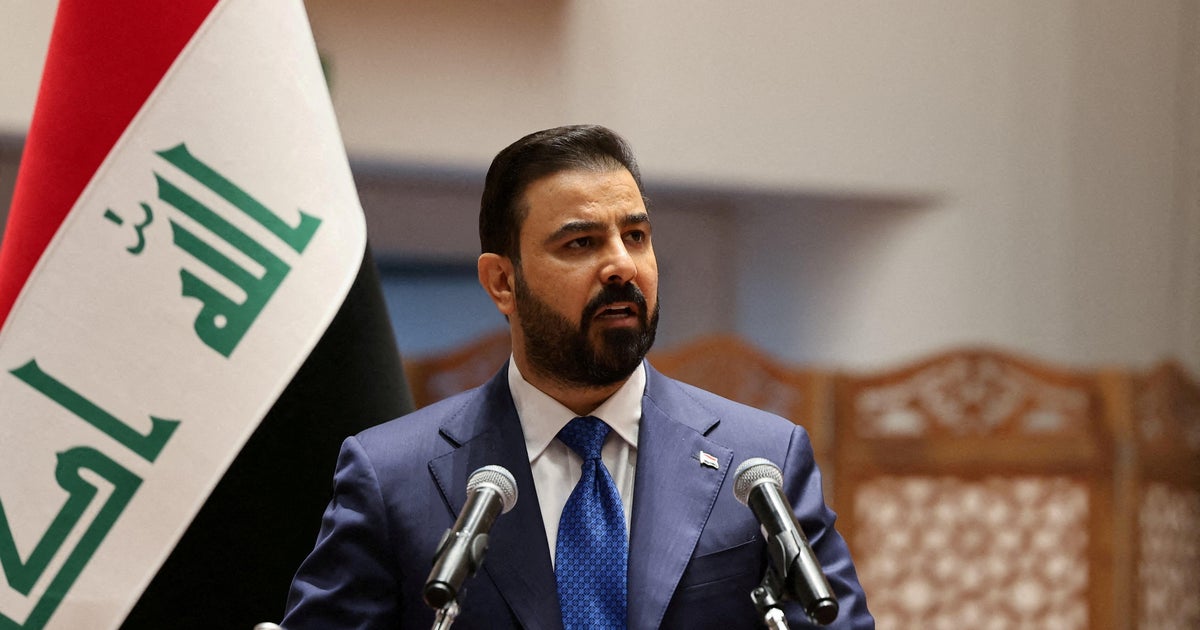
Iraqi authorities have seized over 825 pounds of gold and tens of millions of dollars in cash as part of a crackdown on corruption linked mainly to the oil sector. The operations led to the arrest of at least 21 people, including government officials and members of parliament, while Iraqi Prime Minister Ali Al-Zaidi is pushing to fight corruption and disarm Iran-backed militias.
Key Facts
Iraqi officials seized more than 825 pounds of gold and tens of millions of dollars in cash during anti-corruption raids.
At least 21 people were arrested, including current and former government officials and MPs.
The seizures are connected to the arrest of former deputy oil minister Adnan Al-Jumaili on corruption charges.
Iraqi Prime Minister Ali Al-Zaidi took office in May 2026 and committed to fighting corruption seriously.
The gold confiscated has been returned to Iraq’s central bank.
$10.6 million in Iraqi dinar was found hidden in a rainwater drainage pit during one operation.
The government has prepared documents to extradite hundreds of suspects abroad tied to corruption.
Al-Zaidi met President Donald Trump to discuss U.S. investments in Iraq and plans to disarm Iranian-backed militias by September 21, 2026.
Iranian-backed militias have attacked U.S. forces and diplomatic sites and are blamed for attacks on Kuwaiti and Saudi facilities.
Read the Original
Want the full story? Tap a source to open the original
article.
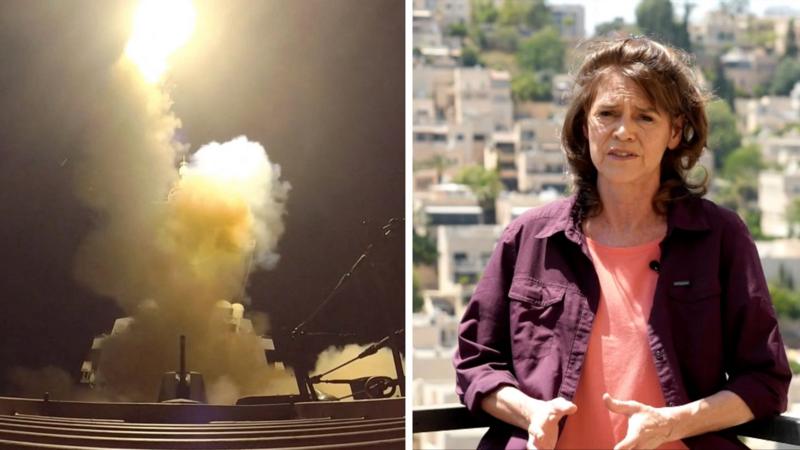
The United States and Iran are in conflict over control of the Strait of Hormuz, an important passage for international shipping. Iran announced it had closed the strait, but the US said it remains open and that ships are still passing through. This conflict threatens a recent agreement aimed at ending their war and reopening the shipping route.
Key Facts
The Strait of Hormuz is a vital waterway for global trade and oil shipments.
Iran declared the strait closed over the weekend.
The US rejected Iran’s claim and said traffic is still moving through the strait.
The US and Iran signed a preliminary agreement in June to end their four-month conflict.
The recent escalation has put that agreement at risk.
BBC correspondent Barbara Plett Usher reported from Jerusalem on the situation.
The dispute involves repeated attacks and military actions between the two countries.
Control of the strait is a key strategic issue for both the US and Iran.
Read the Original
Want the full story? Tap a source to open the original
article.
The World Cup has sparked a discussion in the UK about the England flag because some people feel it is linked to far-right groups. Some fans are choosing different ways to support the team, while others believe football and politics should not mix.
Key Facts
The World Cup is causing debate in the UK about showing the England flag.
Some people think the England flag is connected to far-right political groups.
Because of this, some fans avoid using the flag to support the team.
Alternative ways to show support are being created by some fans.
Others feel that football should stay separate from political issues.
The discussion highlights differing views on national symbols during sports events.
Read the Original
Want the full story? Tap a source to open the original
article.
In the past week, Israeli attacks in Gaza have killed many people, including children, with the death toll since an October ceasefire reaching at least 1,108. Hospitals and medical staff have also been hit, while humanitarian aid deliveries face significant challenges due to restrictions and shortages.
Key Facts
Israeli strikes on July 8 killed at least eight people, including children in Gaza’s humanitarian zones.
A World Central Kitchen driver was shot while delivering aid on July 9.
A nine-year-old child was killed by Israeli fire near a refugee camp on July 12.
An Israeli drone struck Kamal Adwan Hospital on July 10, injuring medical staff.
Since the conflict began in October 2023, over 73,000 people have died and more than 173,000 have been wounded in Gaza.
The Israeli military group COGAT claims aid deliveries to Gaza exceeded UN needs, but the UN reports ongoing shortages and limited access.
Medical services in Gaza are heavily affected, with fuel shortages, destroyed hospitals, and risk of lab and blood bank shutdowns.
Palestinian President Mahmoud Abbas called for legislative elections in November, the first in 20 years, but voting faces major obstacles.
Read the Original
Want the full story? Tap a source to open the original
article.
Iran has launched missiles and drones targeting a U.S. naval support base in Bahrain's capital and an air base south of Bahrain. The attack was reported by Iranian state media.
Key Facts
Iran fired missiles and drones toward military bases in Bahrain.
One target was a U.S. naval support base in Bahrain’s capital city.
Another target was Sheikh Isa Air Base located on Bahrain’s southern coast.
The information comes from Iranian state media reports.
The situation involves military action in the Persian Gulf region.
Bahrain is a small country near Iran in the Middle East.
The U.S. has a naval presence in Bahrain as part of its regional operations.
Read the Original
Want the full story? Tap a source to open the original
article.
A group of 72 European Parliament members asked national football associations to request a FIFA review of the decision to overturn the red card suspension of US player Folarin Balogun. The European Parliament as a whole has not launched an official probe into FIFA president Gianni Infantino, although he faces ongoing scrutiny related to this case and other controversies during the World Cup.
Key Facts
Viral online claims incorrectly said the European Parliament launched a probe into FIFA president Gianni Infantino.
In fact, 72 individual Members of the European Parliament (MEPs) signed a letter asking EU football associations to seek a FIFA Ethics Committee review.
The letter concerns FIFA’s decision to reverse the suspension of US striker Folarin Balogun after a red card.
President Donald Trump contacted Infantino about the decision; Infantino confirmed the call but said he did not influence the disciplinary action.
No official investigation or probe into Infantino has started; the letter is only a request by some MEPs.
Infantino faces additional complaints, including one filed with the International Olympic Committee about political interference and his relationship with Trump.
FIFA’s decision to award Trump the FIFA Peace Prize has also been criticized.
There have been allegations of refereeing bias during the World Cup and some criticism of Infantino’s comments about Argentina’s team.
Read the Original
Want the full story? Tap a source to open the original
article.
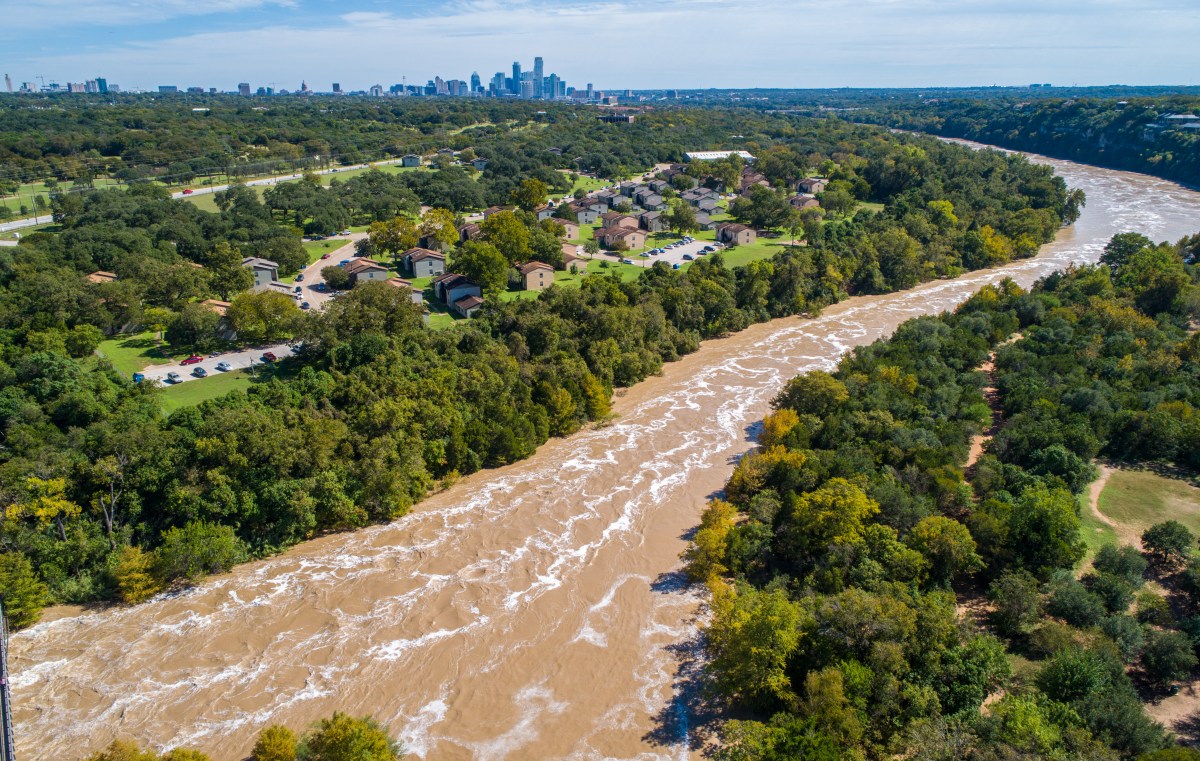
A severe flash flood risk is affecting parts of Texas, with warnings of heavy rain and potentially life-threatening flooding through Wednesday night. Meteorologists say some areas could get more than a foot of rain, and officials urge residents to seek higher ground and avoid flooded roads.
Key Facts
Flash flood warnings cover areas from Texas Hill Country and west of San Antonio to Central Texas.
Some areas have already received between 5 and 10 inches of rain.
The National Weather Service (NWS) calls this a rare "high risk" event for flash flooding.
Flooding is one of the most deadly weather dangers in the US, often causing deaths in vehicles swept away by water.
The Weather Prediction Center's highest flood risk level has been issued for parts of South-Central Texas, including areas west of San Antonio.
Communities such as Uvalde, Medina, Bandera, Bell, Coryell, and Milam counties are affected.
Meteorologists warn more rain, between 6 to 12 inches or more, could fall through Wednesday night.
Officials advise people to move to higher ground quickly and avoid driving through floodwaters.
Read the Original
Want the full story? Tap a source to open the original
article.