U.S. Secretary of State Marco Rubio is visiting Reliance Industries’ Jamnagar oil refinery in India, the world’s largest single-site refinery. This visit focuses on business and energy cooperation as the refinery plays a key role in global oil markets amid ongoing challenges like the global energy crisis and shifting geopolitical tensions.
Key Facts
Marco Rubio is on a two-day visit to India, including a trip to the Jamnagar refinery in Gujarat.
The Jamnagar refinery is owned by Reliance Industries, led by Mukesh Ambani, and is the world’s largest single-site refinery.
The refinery processes 1.4 million barrels of crude oil per day, about 1.5% of the global refining capacity.
Jamnagar can process heavy and sulfur-rich crude oil, which many refineries cannot handle.
The refinery supports global energy supplies by exporting refined petroleum products worldwide.
Rubio’s visit focuses on promoting U.S.-India economic cooperation and expanding investment opportunities.
Reliance has recently invested heavily in the U.S., highlighted by President Donald Trump’s administration.
The refinery is involved in processing Venezuelan crude, important in U.S.-led efforts to reshape global oil trade.
Read the Original
Want the full story? Tap a source to open the original
article.
Robert Kabera, a former Rwandan soldier living in Uganda, was found beheaded near Kampala. He was known for criticizing the Rwandan government led by President Paul Kagame. Some people have accused Rwandan authorities of killing opponents like Kabera.
Key Facts
Robert Kabera was a former soldier from Rwanda now living in Uganda.
Kabera openly criticized the Rwandan government while in exile.
He was found decapitated near Kampala, Uganda's capital.
There are accusations that Rwanda's government targets and kills its critics abroad.
President Paul Kagame is the leader of Rwanda.
The incident has drawn attention to political tensions between Rwanda and exiled critics.
Kabera’s death is being investigated amid concerns about political violence.
The news source reporting this is France 24.
Read the Original
Want the full story? Tap a source to open the original
article.
Iranian officials say they can still support their regional allies despite financial problems caused by US sanctions and ongoing conflicts. The US military and government report that Iranian money problems have hurt the Revolutionary Guard and groups supported by Iran, making it harder for them to pay their fighters.
Key Facts
US forces claim they stopped at least $25 billion in Iranian oil sales and froze about $350 million in cryptocurrency linked to Iran.
These actions have caused money problems for Iran’s Revolutionary Guard Corps (IRGC) and allied militia groups.
Some Iran-aligned militia groups are delaying paying their soldiers to send money back to the IRGC.
The US sees this financial pressure as a win in its conflict with Iran.
Hezbollah in Lebanon and the Houthis in Yemen have faced money troubles but still get fuel and some funds from Iran.
Iran’s IRGC Quds Force provides weapons, money, and training to allied groups in the region.
Iraqi militias connected to Iran receive government funding and possibly send money back to help Iran, Hezbollah, and the Houthis.
The US Treasury has accused Kataib Hezbollah, an Iranian-backed group in Iraq, of using Iraqi resources to support Iran.
Read the Original
Want the full story? Tap a source to open the original
article.
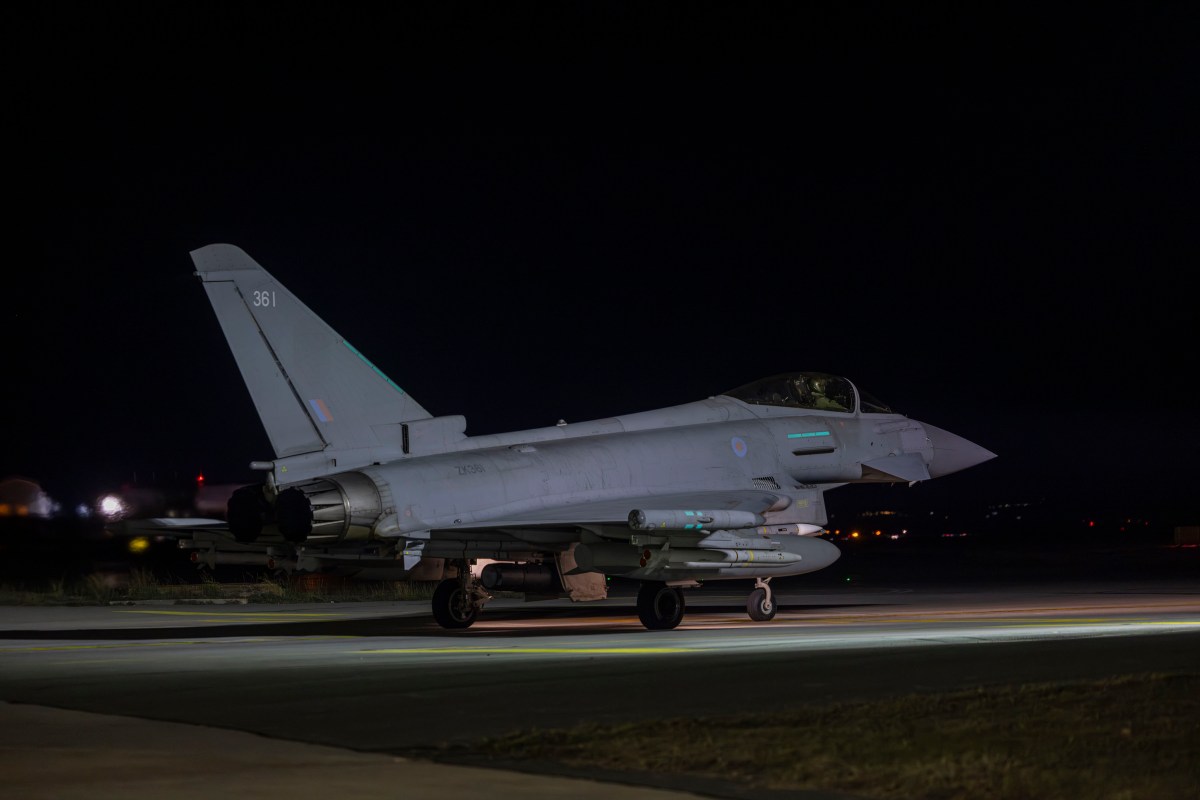
The United Kingdom will send RAF Typhoon jets to Saudi Arabia to help defend against missile and drone attacks from the Iranian-backed Houthis. The jets will be used for defense only and will not carry out attacks. The UK will also send military advisers and a transport plane to assist with moving defense equipment inside Saudi Arabia.
Key Facts
The UK will deploy RAF Typhoon jets to Saudi Arabia.
The jets will protect Saudi Arabia from missile and drone attacks by the Houthis.
The Houthis are supported by Iran and are fighting Yemen’s recognized government.
The UK jets will not be used to attack but only for defense.
The UK will send military advisers to Saudi Arabia.
An RAF A400M transport plane will help move defense equipment within Saudi Arabia.
The announcement follows recent Houthi attacks on Riyadh's King Khalid International Airport.
These attacks killed 13 people and injured 308 others.
Read the Original
Want the full story? Tap a source to open the original
article.
Niger, Mali, and Burkina Faso, three countries ruled by military juntas, have restarted talks with the West African regional group ECOWAS after more than 18 months without communication. They agreed to work on an agreement to improve cooperation between them and the regional organization.
Key Facts
Niger, Mali, and Burkina Faso are all ruled by military juntas (military-led governments).
These three countries stopped talks with ECOWAS over 18 months ago.
ECOWAS stands for the Economic Community of West African States, a regional political and economic group.
The countries have now resumed dialogue with ECOWAS.
They plan to create a "framework agreement" to guide their cooperation.
These talks are aimed at improving relations and working together in the region.
The Sahel region, where these countries are located, faces security and political challenges.
Read the Original
Want the full story? Tap a source to open the original
article.
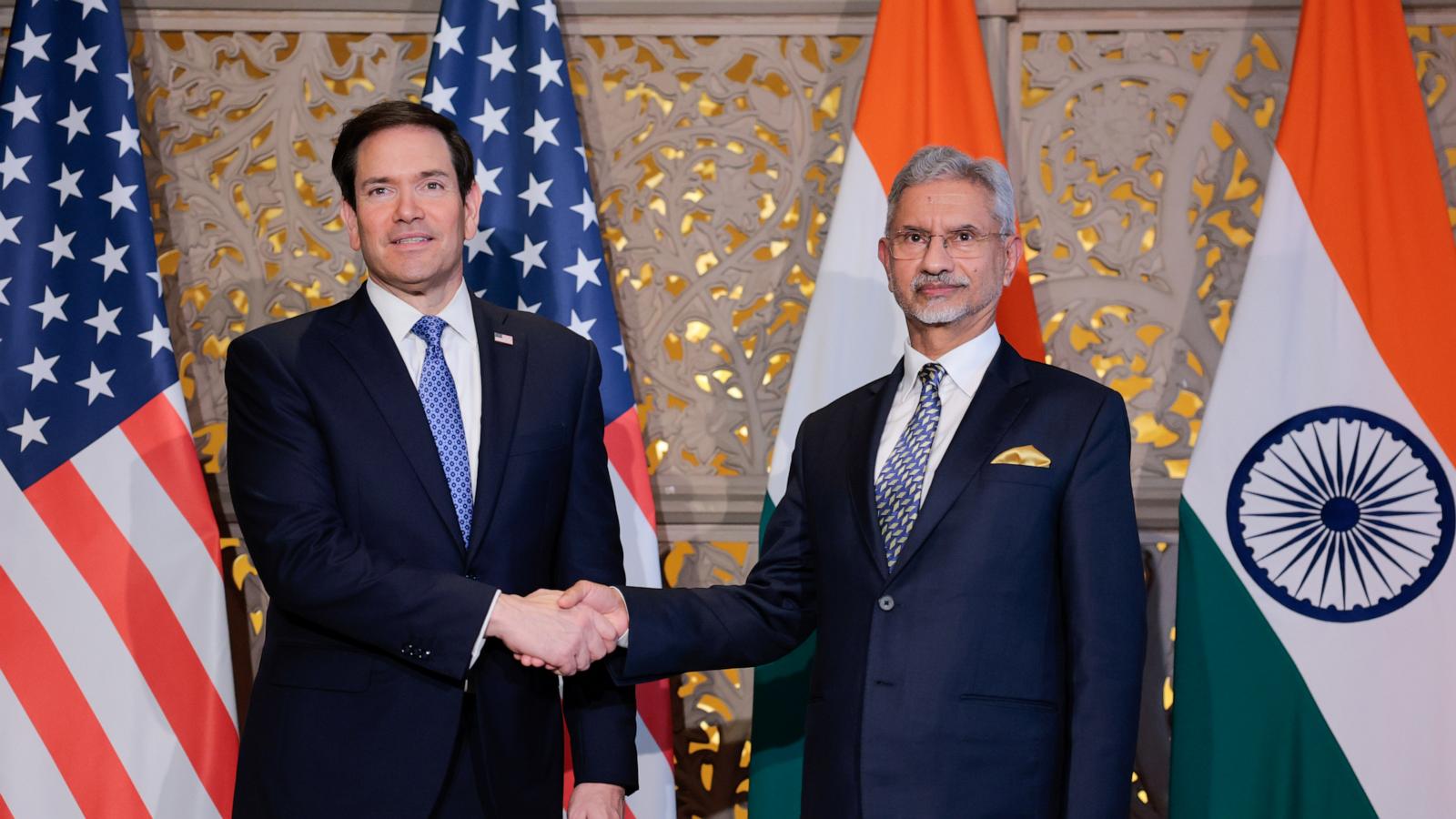
U.S. Secretary of State Marco Rubio met with India’s Foreign Minister Subrahmanyam Jaishankar in Mumbai to discuss finalizing a trade deal and strengthening cooperation in energy, trade, investment, and defense. Both countries are close to agreeing but still have a few issues to resolve, including tariffs and India’s purchases of Russian oil.
Key Facts
Rubio and Jaishankar held talks in Mumbai on October 20, 2026.
The U.S. and India want to finalize a trade deal after negotiations stalled over tariffs and Russian oil purchases.
The U.S. had imposed tariffs up to 50% on many Indian goods in August 2025; these tariffs were lowered to 18% in February 2026 under a new framework.
India wants tariffs closer to rates given to countries like Vietnam.
India continues to buy significant Russian oil but is diversifying its energy sources, including imports from the U.S.
Rubio highlighted India as an important U.S. ally and partner despite tensions over energy trade.
Rubio is visiting a large refinery in Jamnagar, Gujarat, run by Reliance Industries, which is investing $300 billion in a Texas refinery.
The two countries are also strengthening defense and technology cooperation as a balance against China in the Indo-Pacific region.
Read the Original
Want the full story? Tap a source to open the original
article.
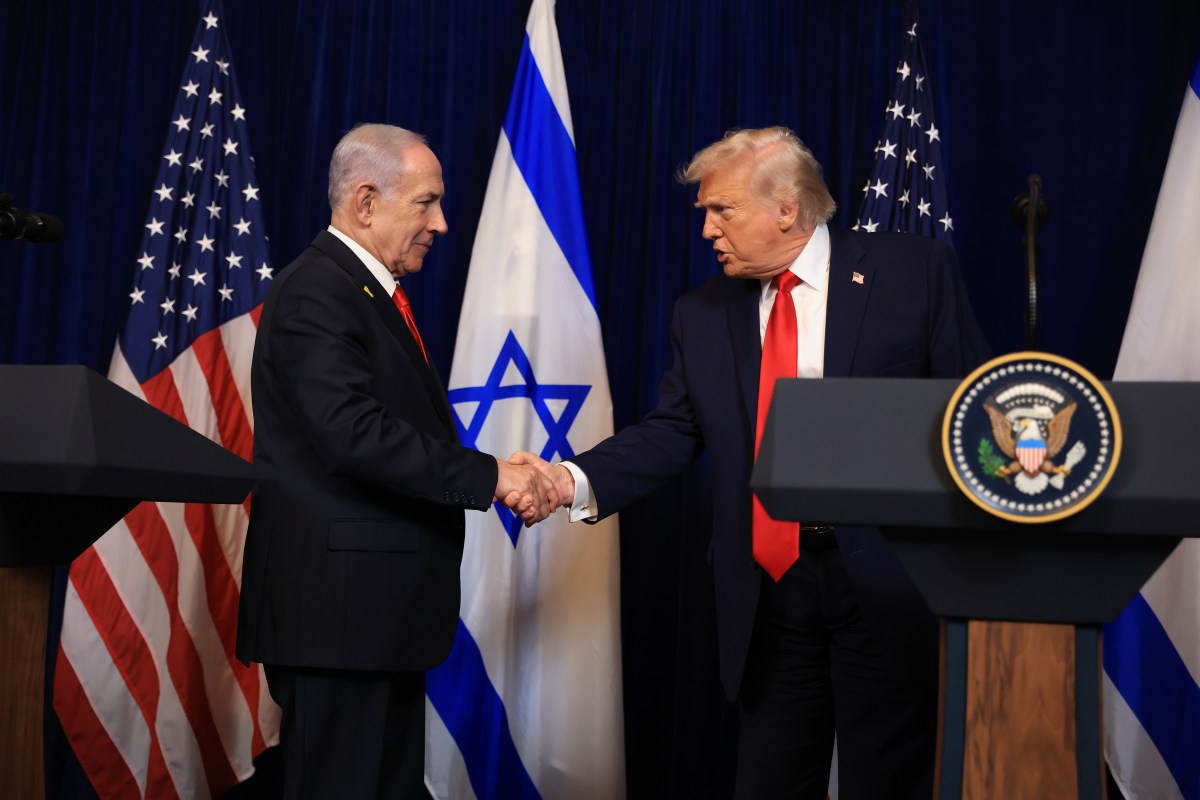
President Donald Trump endorsed Israeli Prime Minister Benjamin Netanyahu just before Israel’s election, praising him as a strong leader and key ally against Iran. The endorsement highlights Trump’s pattern of supporting right-wing leaders internationally, even as Netanyahu’s government faces criticism for weakening democratic institutions in Israel.
Key Facts
President Trump officially endorsed Prime Minister Netanyahu ahead of Israel’s election.
Trump praised Netanyahu’s leadership in wartime and his partnership against Iran.
Netanyahu’s government faces criticism for attacking Israel’s judicial independence and democratic checks.
Trump has a history of supporting nationalist or populist leaders in countries like Poland and Hungary.
Netanyahu’s coalition includes ultra-Orthodox parties with demands that affect military service and education in Israel.
Israel experienced a major security failure on October 7, 2023, with Netanyahu’s leadership questioned.
High military spending and wars have not resulted in lasting stability for Israel or improved its international image.
The growing ultra-Orthodox population in Israel presents ongoing social and economic challenges.
Read the Original
Want the full story? Tap a source to open the original
article.
A government inquiry has criticized the UK’s handling of Covid-19 in care homes, saying protection measures came too late and caused many deaths. The report highlights problems like lack of protective gear, poor testing, staff shortages, overly strict visiting bans, and decisions to move hospital patients into care homes without enough precautions.
Key Facts
Around 500,000 people lived in care homes and another million received care at home in the UK at the start of the pandemic.
Over 43,000 deaths involving Covid were recorded in care homes between March 2020 and July 2022.
The government’s claim of a “protective ring” around care homes was not true according to the inquiry.
Staff lacked proper protective equipment and had to use unsuitable substitutes.
Hospital patients possibly infected with Covid were moved to care homes without enough testing or isolation guidance.
Care homes had staff shortages, partly because some workers entered multiple homes but restrictions limited this to prevent virus spread.
Visiting bans were kept strict longer than needed, harming residents’ health and wellbeing.
The pandemic revealed long-standing financial and organizational weaknesses in the social care sector.
Read the Original
Want the full story? Tap a source to open the original
article.
Paul Mackenzie, a Kenyan cult leader, was found guilty of murdering 191 people, including 190 children. Additionally, Robert Kabera, a former Rwandan soldier and government critic, was found decapitated in Uganda.
Key Facts
Paul Mackenzie led a cult in Kenya.
He was convicted of killing 191 people.
Among the victims, 190 were children.
Robert Kabera, a former soldier from Rwanda and critic of the government, was found dead in Uganda.
Kabera’s death was by decapitation.
The case highlights serious crimes related to violence and cult activity in East Africa.
The news also mentions concerns about Ebola cases in Kenya, though this is a separate issue.
Read the Original
Want the full story? Tap a source to open the original
article.
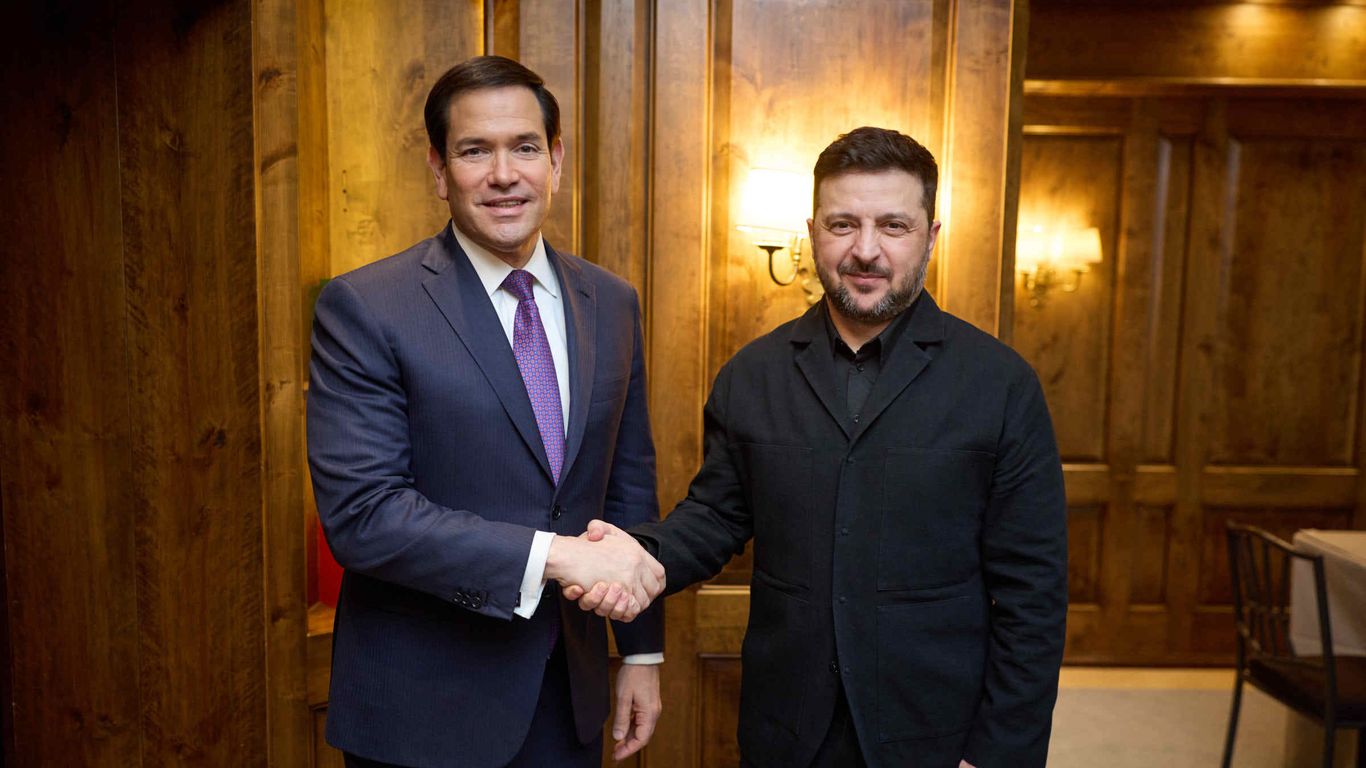
Secretary of State Marco Rubio told Ukrainian President Zelensky that President Trump has not ordered any actions to harm Ukraine. The conversation aimed to ease tensions and clarify U.S. support ahead of upcoming peace talks involving Ukraine, Russia, and European countries.
Key Facts
Rubio spoke with Zelensky to say there are no U.S. restrictions on intelligence sharing or weapons sales to Ukraine.
A delay in sending Patriot missile interceptors is due to U.S. military needs, not a political decision to withhold support.
Rubio said missed warnings of Russian missile attacks on Ukraine were caused by technical problems, not U.S. orders.
President Trump is frustrated by the slow progress in peace talks between Russia and Ukraine.
Zelensky thanked Rubio and stressed Ukraine’s need for missile interceptors, early warning systems, and restored satellite communications.
White House envoy Steve Witkoff is leading new peace discussions in Oslo with European and Ukrainian leaders.
After Oslo meetings, Witkoff will travel to Russia to meet President Putin with a proposed peace plan.
The talks involve multiple European countries and organizations like the EU and NATO.
Read the Original
Want the full story? Tap a source to open the original
article.
Violent protests in Marseille, France, caused heavy damage to hundreds of businesses and injured many police officers over the weekend. Authorities banned gatherings and deployed many police officers to restore order and prevent further violence.
Key Facts
Over 500 businesses in Marseille were damaged, with many looted during the protests.
118 police officers were injured in the violence, which was described as very serious by police officials.
Authorities made 101 arrests in Marseille, including a significant number of children.
Demonstrations and gatherings were banned on Monday to stop more unrest.
An overnight curfew for minors is expected in some parts of the city.
The protests began over poor school conditions but expanded to issues like the high cost of living.
Police said far-left groups called "Black Blocs" provoked chaos, leading to looting and clashes.
Business areas impacted included the city center and several shopping malls.
Read the Original
Want the full story? Tap a source to open the original
article.
French Prime Minister Sebastien Lecornu announced that new curfews may be set in some areas to restore order after protests about living costs and education turned violent. Officials are working with local leaders to decide where curfews are needed, following weekend riots that led to thousands of arrests.
Key Facts
Over 500,000 people protested in France about the high cost of living and education issues.
Some demonstrations became violent, involving looting and arson.
More than 2,500 people were arrested during the riots.
Authorities are considering curfews, with local officials deciding where to apply them.
The government is meeting to address the unrest and prevent further violence.
France’s Digital Minister is working with social media companies to remove online listings of stolen goods.
Main trade unions have not supported calls for more protests.
The protests come ahead of France’s presidential elections in April and May 2024, with far-right candidate Marine Le Pen leading in polls.
Read the Original
Want the full story? Tap a source to open the original
article.
A Russian military satellite moved very close to a US-operated commercial radar satellite that provides intelligence to Ukraine, according to space tracking data. This is an unusual move because Russian satellites usually track Western military satellites, not commercial ones.
Key Facts
The Russian satellite Cosmos 2612 approached the US-registered ICEYE-X36 satellite, which provides radar images potentially used by Ukraine.
Cosmos 2612 came as close as about 500 meters to ICEYE-X36, after months of maneuvering.
ICEYE is a Finnish company whose satellite imagery has supported Ukraine since 2022.
In response, ICEYE moved its satellite, which led to further movements from the Russian side.
Similar close approaches have happened before but usually involved military satellites, not commercial ones.
Russian interference with Western space systems has increased since the start of the Ukraine conflict in 2022.
Russia has indicated it may consider some commercial satellites as legitimate targets due to their role in military operations.
Close proximity maneuvers in space are rare and can be seen as attempts to track or disrupt satellite operations.
Read the Original
Want the full story? Tap a source to open the original
article.
The Yemen conflict has lasted over a decade, with different groups controlling parts of the country at different times. The Iran-backed Houthi group took the capital Sanaa in 2014, leading to a Saudi-led military campaign to restore the government. Since then, alliances and control of territory have changed repeatedly, with no group fully controlling Yemen.
Key Facts
The Houthi group seized Yemen’s capital, Sanaa, in September 2014.
The Houthis allied with forces loyal to former President Ali Abdullah Saleh until Saleh was killed in 2017.
President Abd-Rabbu Mansour Hadi fled to Aden and then to Riyadh, Saudi Arabia, after the Houthis advanced south.
Saudi Arabia started a military campaign in March 2015 to restore Hadi’s government.
Yemen has been divided into areas controlled by Houthis in the north and west, and pro-government forces supported by Saudi Arabia and the UAE in the south and east.
The Southern Transitional Council (STC), backed by the UAE, controls Aden separately from the government and has fought government forces despite being part of the anti-Houthi coalition.
The 2018 Stockholm Agreement stopped major fighting over the port city of Hodeidah, vital for food and aid.
Despite years of fighting and airstrikes, no side has managed to control the entire country or restore unified government authority.
Read the Original
Want the full story? Tap a source to open the original
article.
A videographer captured a fin whale feeding off the coast of Wales, showing the whale taking in thousands of gallons of water and krill. The fin whale, the second largest whale after the blue whale, is known for its size and speed and is usually found in cooler ocean waters worldwide.
Key Facts
The fin whale can grow up to 24 meters (79 feet) long and weigh up to 70 tonnes.
It feeds by lunging and taking in up to 18,000 gallons of water and krill at once.
The video was taken by Rhys Morgan, who was using a drone while fishing near Pembrokeshire, Wales.
Fin whales are fast swimmers but hard to spot because they spend much time deep in open ocean waters.
These whales eat mainly krill, small fish, and squid, consuming up to 2,000 kilograms of food daily.
Fin whales often feed near the surface but usually migrate, so seeing one in coastal waters is unusual.
Scientists know little about fin whale migration, but it varies with seasons and locations.
Marine expert Dr. Marianna Chimienti described the filming as a rare and lucky event.
Read the Original
Want the full story? Tap a source to open the original
article.
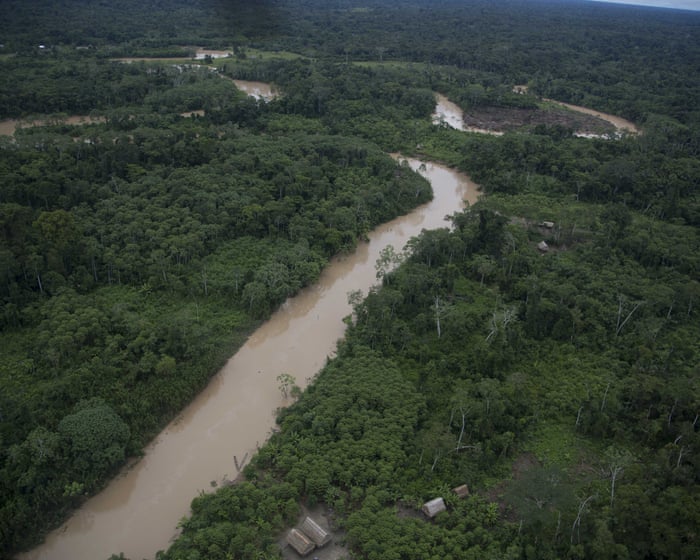
A project in the Peruvian Amazon gave about £2 a day to 211 Indigenous people without conditions, helping them protect the rainforest and improve their living conditions. The study found that most participants used the money to support the environment, reduce forest burning, and stay in their communities instead of moving away for work.
Key Facts
The project gave cash payments totaling about £2 per day for two years to Indigenous people in Peru’s Asháninka region.
Almost 90% of participants took actions like planting trees and restoring water sources.
Food insecurity dropped from 73% to 26%, meaning fewer people struggled to afford nutritious food.
The number of people leaving their homes to find work fell from 43% to 18%.
The payments were unconditional, meaning people could spend the money however they wanted.
The project included extra education on finance, conservation, and climate change.
Some experts say more research is needed, as cash payments have sometimes increased deforestation elsewhere.
Indigenous lands face threats from miners, loggers, farmers, and land grabbers, making conservation efforts challenging.
Read the Original
Want the full story? Tap a source to open the original
article.
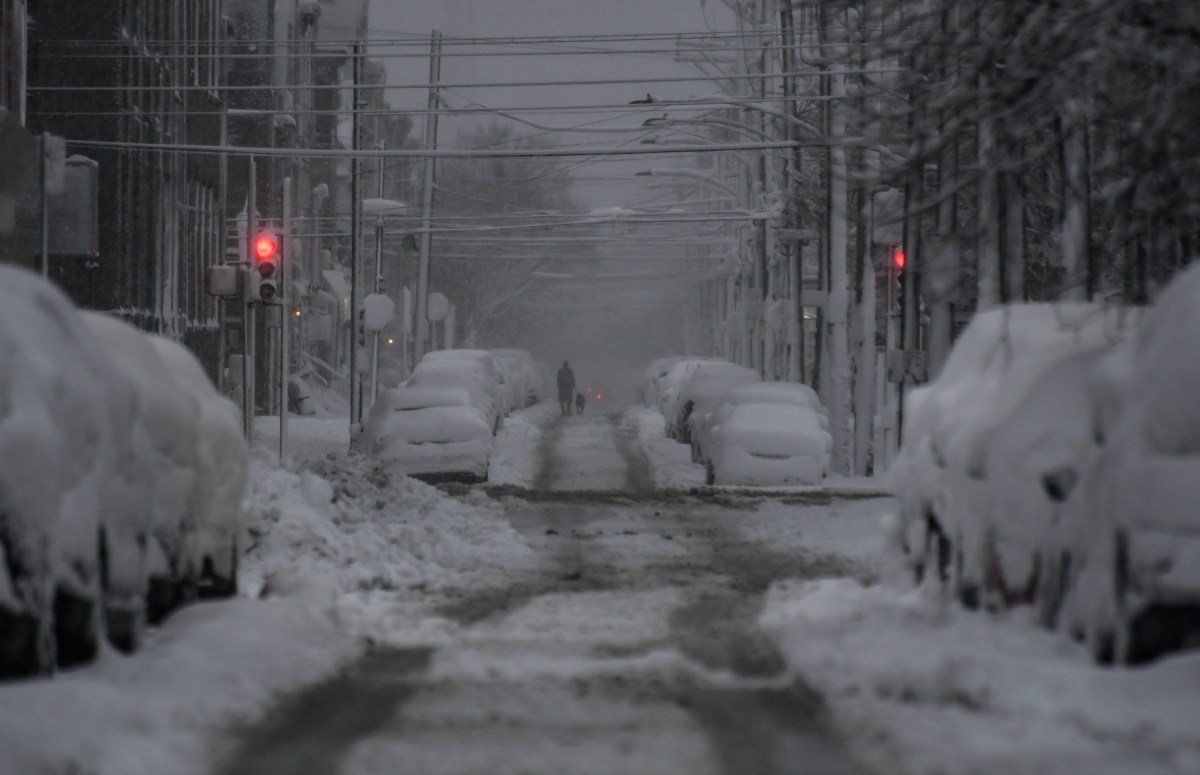
Different weather forecasts show mixed predictions for snowfall across the United States this winter due to a strengthening El Niño, a climate pattern involving warmer Pacific Ocean waters. Some forecasts expect less snow in the northern U.S., while others predict more snow in regions like the West and parts of the Northeast.
Key Facts
El Niño is a climate pattern caused by warmer waters in the Pacific Ocean and can affect weather worldwide.
AccuWeather forecasts below-normal snowfall in much of the northern U.S., with warmer conditions reducing snow in the Northeast and Great Lakes.
AccuWeather expects above-average snow in parts of the Western states and some areas of the central U.S. like New Mexico and Colorado.
The Old Farmer’s Almanac predicts above-average snowfall in central New England, the Appalachians, the Intermountain region, the Pacific Northwest, and Alaska.
The Farmers’ Almanac forecasts bursts of snow and cold in the North, mixed winter weather in the Northeast, and favorable mountain snowfall in the southern Rockies.
NOAA’s winter outlook predicts more precipitation in many western and eastern U.S. regions but drier conditions in parts of the Midwest and Northwest.
Snowfall amounts can vary, and one big storm can change expected totals, especially in East Coast cities.
Precipitation includes rain, snow, sleet, or ice falling to the ground.
Read the Original
Want the full story? Tap a source to open the original
article.
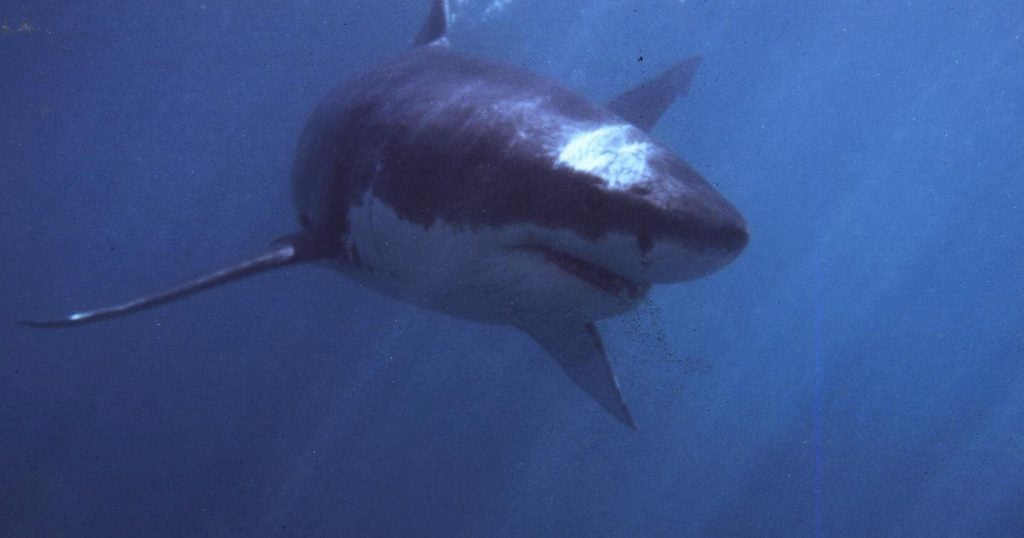
A 65-year-old woman died after a shark attacked her while she was swimming at Orient Beach in South Africa. Authorities closed nearby beaches and warned people to stay out of the water following the incident.
Key Facts
The attack happened at Orient Beach in KuGompo City (formerly East London) on a Tuesday morning.
The woman was swimming in a group and was a regular swimmer at that beach.
Witnesses saw a shark’s tail and fin before the attack.
The woman suffered severe injuries to her arm and leg and died at the scene.
South Africa has a history of deadly shark attacks due to its long coastline.
Worldwide, there were 65 unprovoked shark bites in 2025, with 9 deaths.
Other recent attacks include a fatal one in Western Australia about a month earlier.
Researchers link shark attacks to factors like larger coastal populations and environmental changes.
Read the Original
Want the full story? Tap a source to open the original
article.
Many critically ill people in Yemen cannot get needed medical care abroad because airports in the country are closed or damaged due to ongoing conflict. This blocks flights for patients needing treatment outside Yemen, worsening health problems for thousands.
Key Facts
Sanaa International Airport, the main airport in Houthi-controlled northern Yemen, has been mostly closed to commercial flights since 2016 because of a Saudi-led coalition blockade.
A short-lived UN truce in 2022 allowed some flights, but damage from attacks in 2025 and July 2026 kept the airport closed.
Aden airport, used by the government-controlled south, has also been attacked multiple times recently.
About 400,000 patients, including 250,000 needing treatment abroad and over 125,000 cancer patients, have been affected by the airport closures.
Medical supplies shortages include more than 1,600 types of medicine, such as 12 cancer drugs and treatments for blood diseases like thalassemia and anemia.
The conflict between the Yemeni government and Houthis has increased recently, limiting the movement of aid and people.
Some war prisoners have been released by the Houthis as part of ongoing negotiations.
The lack of medical flights forces patients to take long, unsafe, and expensive overland trips to find alternate airports outside the conflict zones.
Read the Original
Want the full story? Tap a source to open the original
article.
France is experiencing protests and unrest, raising questions about how the government handles social movements and public order. Expert Joseph Downing says the French government and police need to rethink their approach to managing violence and legitimate concerns of the people.
Key Facts
France is facing protests and violent unrest in some areas.
The government has imposed targeted curfews in places affected by violence.
Police are reportedly exhausted and struggling to manage the situation.
There is concern about the relationship between citizens and the government becoming more confrontational.
France has a centralized policing system and a history of revolutionary movements.
The unrest highlights political and economic challenges in the country.
Experts warn that foreign information campaigns, particularly from Russia, may influence the unrest.
The events have led to worries about impacts on tourism and political opinions.
Read the Original
Want the full story? Tap a source to open the original
article.