The UK Foreign Office has created a new role of special envoy to help British citizens detained abroad in difficult cases. Alistair Burt has been appointed to this position to provide additional support and improve efforts to secure releases, following criticism of past government handling.
Key Facts
Alistair Burt, former Middle East minister, is the UK’s first special envoy for Britons detained overseas.
The role focuses on complex consular cases and aims to support British nationals facing welfare, legal, or human rights issues abroad.
This appointment responds to criticism over inconsistent support for detained Britons, including Nazanin Zaghari-Ratcliffe, held for six years in Iran.
The role was inspired by the US’s special envoy for hostages, which has been seen as more effective in securing releases.
The Foreign Office delayed appointing the envoy for over a year due to concerns about interfering with diplomatic relations.
Labour had promised a legal right to consular assistance for British citizens facing human rights violations, but no law has been passed yet.
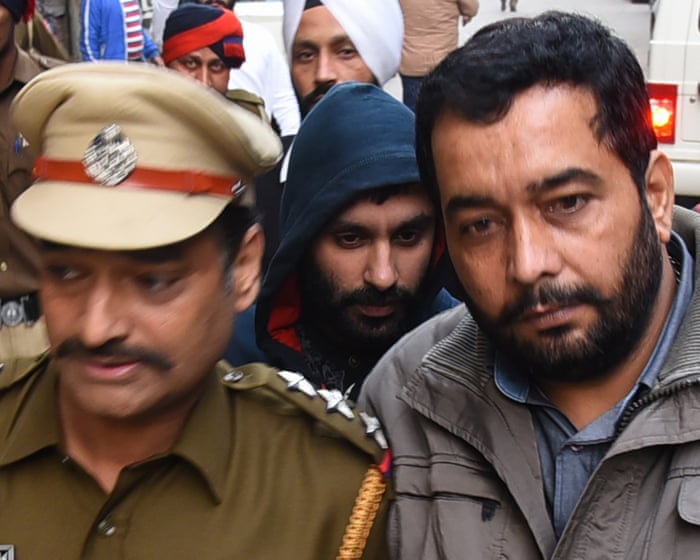
Critics say success depends on strong government backing and determination to bring detained Britons home, such as Jagtar Singh Johal in India.
Foreign Secretary Yvette Cooper supports the appointment and expects Burt to improve support for detainees and their families.
Read the Original
Want the full story? Tap a source to open the original
article.
A military expert warns that the United States could face increasing military conflict if it sends ground troops to Iran. This is because Iran still has many ballistic missiles that could be used in response.
Key Facts
The expert is Alex Alfirraz Scheers, a military and defense analyst.
He says the US risks an "escalation trap" if it attacks Iran on the ground.
An escalation trap means a conflict gets worse and harder to control.
Iran has a large number of ballistic missiles ready.
These missiles could make any US ground assault more dangerous.
The warning focuses on the military risks of US actions in Iran.
Read the Original
Want the full story? Tap a source to open the original
article.
Tensions between the US and Iran continue in a cycle of conflict, talks, and brief ceasefires. After a 60-day ceasefire ended on July 8, missile attacks and threats over the strategic Strait of Hormuz have increased, raising concerns about possible wider conflict and oil price rises.
Key Facts
A 60-day ceasefire between the US and Iran ended on July 8, 2026.
The conflict began with a US and Israeli attack on February 28, which killed Iran’s Supreme Leader.
Iran is using control over the Strait of Hormuz, a key oil shipping route, as leverage against the US.
President Trump initially threatened a 20% tax on commercial ships passing the Strait but later withdrew the threat.
Missile attacks have increased in the Gulf region since the ceasefire ended.
Crude oil prices rose to their highest level in four weeks due to the instability.
Experts question why the cycle of war followed by talks repeats without a lasting peace.
The situation is causing global concern because it affects international trade and security.
Read the Original
Want the full story? Tap a source to open the original
article.
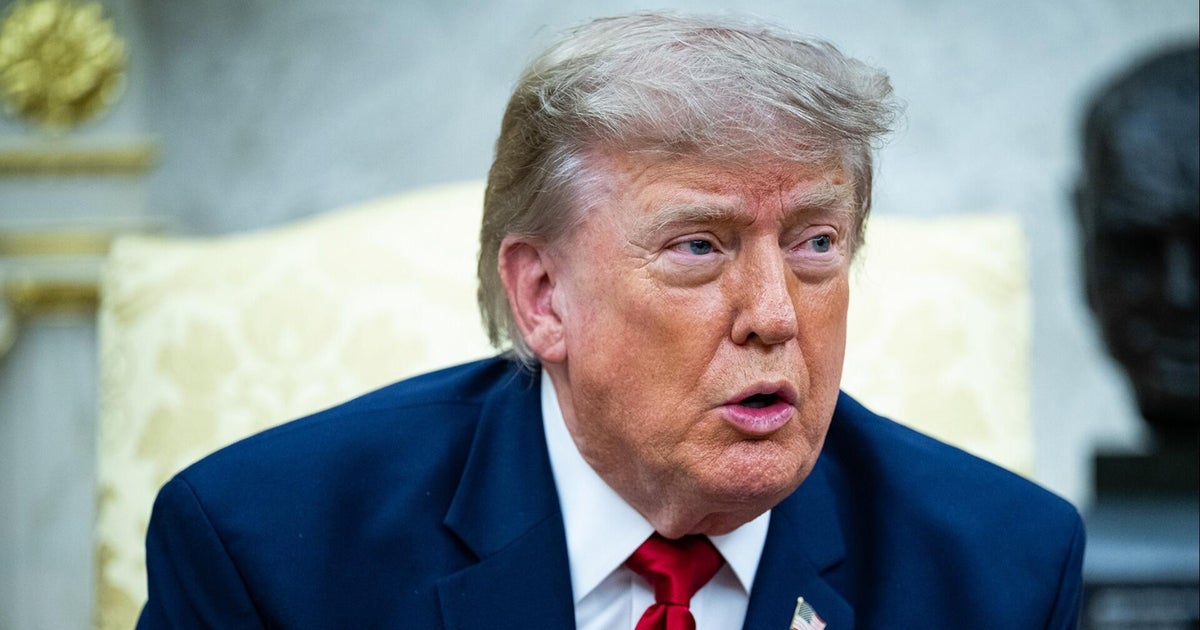
President Trump has withdrawn his previous plan to charge a 20 percent fee on ships passing through the Strait of Hormuz, a key waterway near Iran. Instead, he said Gulf countries will invest in the U.S. through trade and investment deals after talks with Middle Eastern leaders.
Key Facts
President Trump initially announced a 20 percent transit fee on ships in the Strait of Hormuz but reversed this decision the next day.
The fee was meant as reimbursement for U.S. costs to keep the area safe, but details on enforcement were unclear.
Trump replaced the fee plan with promises of large trade and investment deals from Gulf countries.
The Strait of Hormuz is an important international waterway where the U.S. does not have control.
Fighting between the U.S. and Iran has escalated, with recent attacks reported in several Iranian cities and on vessels in the area.
A U.S. military blockade of Iran was set to restart after being previously lifted under a June agreement.
Iran has vowed to continue attacks on U.S. assets in the region.
Several Gulf states had already pledged multibillion-dollar investments in the U.S. before the recent conflict began.
Read the Original
Want the full story? Tap a source to open the original
article.
Members of the UK Parliament (MPs) face a rising number of threats and attacks, including death threats and violent incidents. These threats have increased in recent years, causing serious concern about the safety of politicians and possibly discouraging people, especially women and minorities, from entering politics.
Key Facts
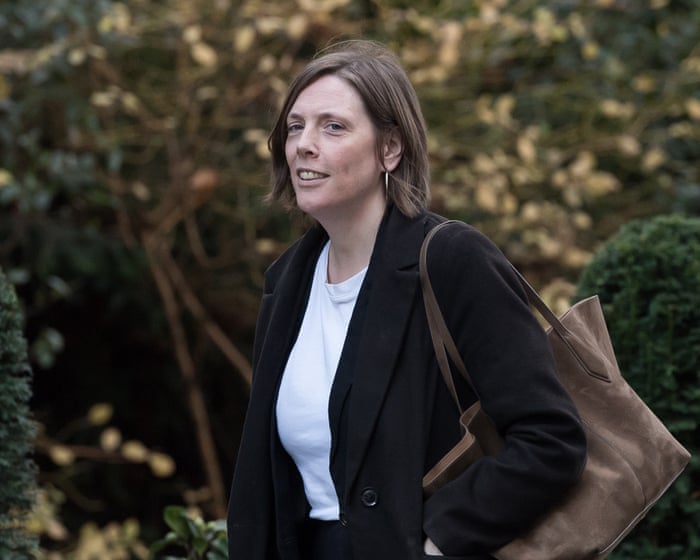
MP Jess Phillips received over 600 rape threats in one night and has faced several violent incidents, including a forced office entry in 2019.
Nigel Farage reported getting more than 300 threats each month, and Reform UK recorded 1,577 threats against Farage’s leader since February.
MPs reported 4,064 crimes to the police between 2019 and 2025, with the number increasing from 364 in 2019 to 976 in 2025.
Death threats reported in 2025 rose to 50 from 31 the previous year.
Female MPs and MPs from minority backgrounds are targeted more often than others.
The murders of two MPs in the past decade – Jo Cox in 2016 and David Amess in 2021 – highlight the real dangers MPs face.
Threats and abuse have made some politicians reconsider running for office, including Treasury Chief Secretary Lucy Rigby.
New safety measures, such as a national protection unit, have been introduced to help keep MPs safe.
Read the Original
Want the full story? Tap a source to open the original
article.
Two wildfires have burned more than 2,000 hectares in the Fontainebleau Forest, located south of Paris. Authorities say the fires are now contained, meaning they are confined within a set area, but they are not fully put out yet.
Key Facts
The fires started on Sunday and affected over 2,000 hectares of forest.
The location of the fires is the Fontainebleau Forest, south of Paris, France.
"Contained" means the fires are limited to a specific area but still burning.
Firefighters will stay at the site for several days or weeks to manage the situation.
Local official Pierre Ory provided the information on Tuesday evening.
The cause of the fires is suspected to be arson by French police.
Fontainebleau Forest is a historic and environmentally important area.
The situation is being closely monitored as part of France's response to wildfires.
Read the Original
Want the full story? Tap a source to open the original
article.
Astronomers have found a type of sugar called erythrulose in the thin clouds of gas and dust between stars in our galaxy. This sugar is one of the most complex detected in space and could help explain how life began on Earth and whether life might exist elsewhere in the universe.
Key Facts
Erythrulose is a sugar also used in raspberries and self-tanning products.
It was detected in the interstellar medium, the space between stars filled with gas and dust.
Researchers used two radio telescopes in Spain to observe a large gas cloud near the Milky Way’s center.
The sugar was identified by matching telescope signals to lab samples.
This discovery was published in the journal Nature Astronomy.
Scientists have found other sugars and life-building molecules in space, including near where NASA’s Voyager spacecraft passed.
The sugar can convert to forms thought to be important for starting life on Earth.
The finding supports the idea that key ingredients for life existed in space before our solar system formed.
Read the Original
Want the full story? Tap a source to open the original
article.
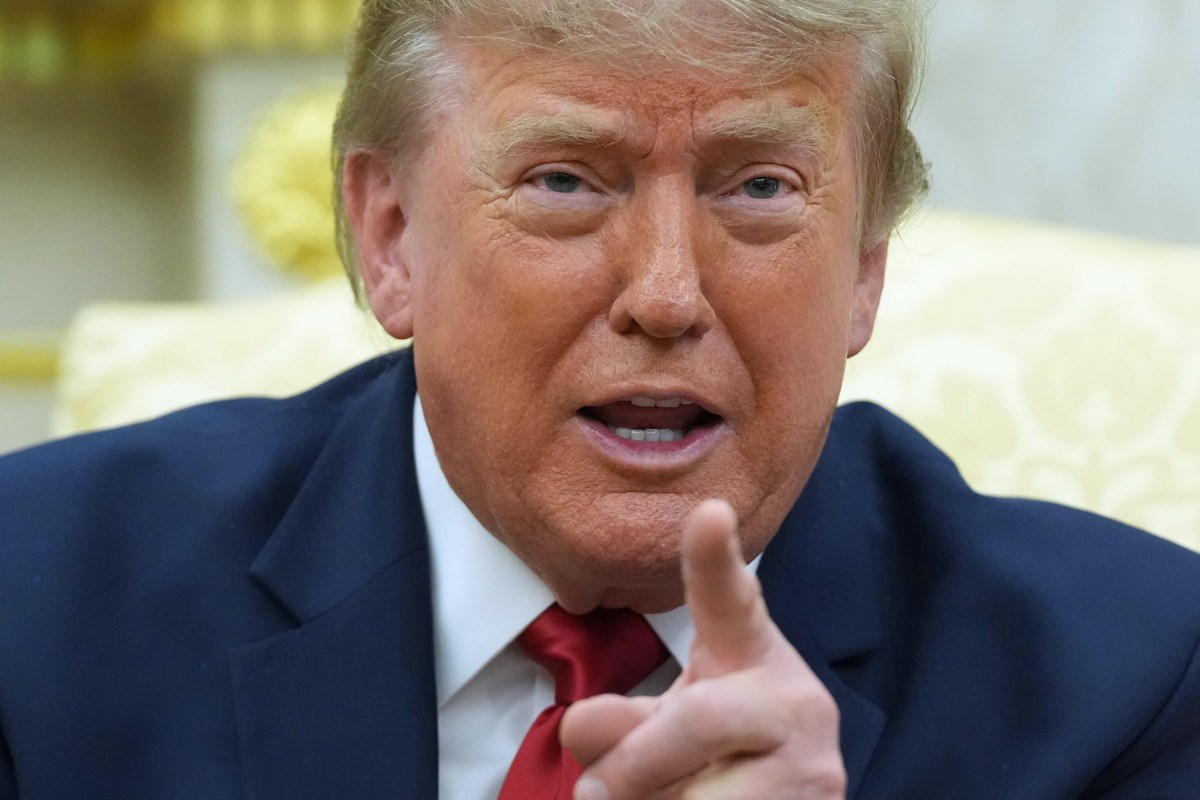
President Donald Trump changed his earlier decision to charge a 20% toll on ships passing through the Strait of Hormuz. He also stated that the U.S. military does not need to be present in Iran.
Key Facts
President Trump initially planned to impose a 20% toll on ships going through the Strait of Hormuz.
He later reversed that decision and will not charge the toll.
President Trump said the U.S. military does not need to remain inside Iran.
The Strait of Hormuz is a key waterway for global oil shipments.
This change in policy was reported on by CBS News correspondents.
The update affects U.S. strategy and presence in the Middle East.
The announcements were made publicly on a Tuesday.
Read the Original
Want the full story? Tap a source to open the original
article.
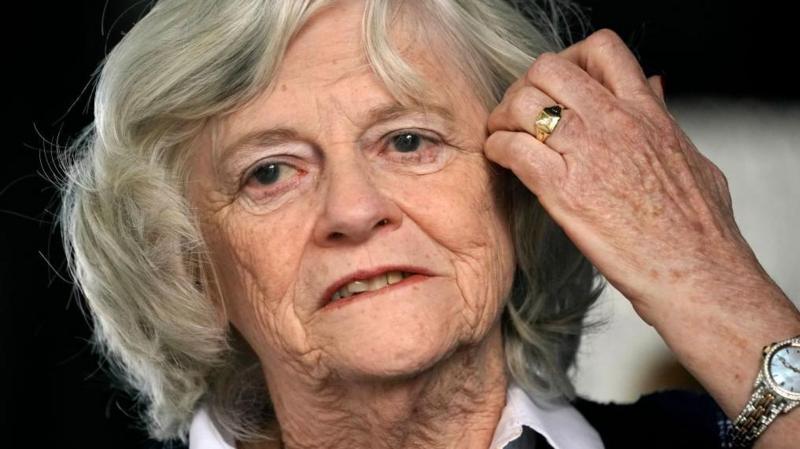
Anne Widdecombe, a former Conservative minister and Reform UK spokeswoman, was killed in a targeted attack at her home in Devon. Police arrested a 28-year-old man suspected of murder and possible terrorism, but they have not yet declared the incident terrorist-related and are still investigating the motive.
Key Facts
Anne Widdecombe was found dead at her home on July 9 with serious injuries.
A 28-year-old white British man was arrested in Rotherham in connection with the murder.
Police have a warrant under the Terrorism Act to hold the suspect for up to seven days.
The attack is described as "targeted," but the exact motive is still unknown.
Counter Terrorism Police have taken over the investigation from local police.
The suspect was not known to the government's Prevent anti-terrorism program.
Police are investigating whether the suspect targeted other Reform UK figures or if there is foreign involvement.
Officials urge the public not to speculate on the motive while the investigation continues.
Read the Original
Want the full story? Tap a source to open the original
article.
The UK government is advising people to take small steps to be ready for possible national emergencies like bad weather, cyber-attacks, or disruptions in water and power. Officials say threats such as climate change, wars, and advanced technology increase the risk of serious problems. The government plans public campaigns and large defense exercises to improve readiness.
Key Facts
The UK warns of risks from climate change, cyber-attacks, and severe weather causing significant service disruptions.
New threats added to the UK’s national risk register include foreign interference, cyber-attacks on infrastructure, and technology outages.
Artificial intelligence could help criminals launch more complex cyber-attacks.
Research shows the UK lags behind European countries in stockpiling essential supplies like medicines.
June 2024 heatwave in England and Wales caused an estimated 440 deaths per day during the highest temperatures.
The government will launch a public campaign to help people prepare for emergencies affecting power, water, phone signals, and food access.
In 2027, the UK will hold its biggest-ever national home defense exercise to practice responses against hybrid threats, including attacks from Russia.
Officials stress that Russia poses a direct threat to the UK homeland, not just NATO’s eastern borders.
Read the Original
Want the full story? Tap a source to open the original
article.
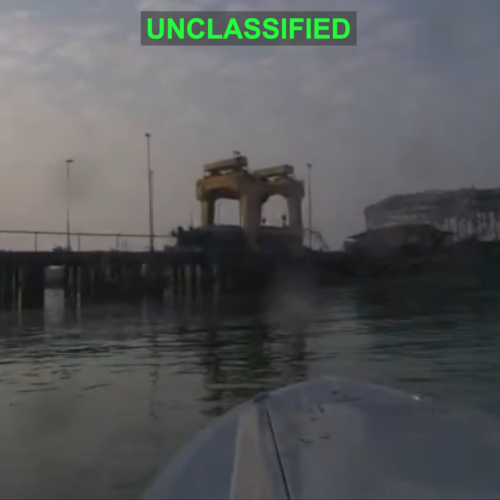
The US military used explosive drone boats in combat for the first time, attacking an Iranian midget submarine and naval base on July 12. These unmanned boats, called Corsair drones, can operate by themselves and carry explosives to targets at sea.
Key Facts
The attack targeted an Iranian midget submarine and a ship maintenance facility at Bandar Abbas Naval Base.
The drones were autonomous surface vessels developed by Saronic Technologies in Austin, Texas.
Each drone boat is about 24 feet long and can carry up to 1,000 pounds for over 1,000 nautical miles at speeds over 34 knots.
The drones can navigate, patrol, and manage power without direct human control.
This was the first time US forces used drone boats in combat operations, according to US Central Command.
Earlier, the US used a similar drone boat to rescue two helicopter pilots off Oman in June 2026.
Explosive drone boats have been used by other groups like Iran-backed Houthis since 2017 and Ukraine since Russia’s invasion in 2022.
Ukraine’s drone boats have helped limit Russia’s naval operations in the Black Sea through attacks on warships and support vessels.
Read the Original
Want the full story? Tap a source to open the original
article.
Capt. Chesley "Sully" Sullenberger, known for safely landing a plane on the Hudson River, shared that he has been diagnosed with Alzheimer's disease. He made this announcement publicly to inform people about his health condition.
Key Facts
Capt. Chesley "Sully" Sullenberger is famous for the emergency landing on the Hudson River.
He safely landed a commercial airplane on the river, saving many lives.
He has recently been diagnosed with Alzheimer's disease.
Alzheimer's is a brain condition that affects memory and thinking.
Sullenberger chose to share this news publicly.
His announcement raises awareness about Alzheimer's disease.
The diagnosis does not change his past achievements as a pilot.
Read the Original
Want the full story? Tap a source to open the original
article.
Chesley “Sully” Sullenberger, the pilot famous for safely landing a plane on New York’s Hudson River in 2009, announced he has been diagnosed with Alzheimer’s disease. He shared his hopes that speaking openly about the illness will encourage others affected by it.
Key Facts
Chesley “Sully” Sullenberger is 75 years old.
He safely landed US Airways flight 1549 on the Hudson River after engine failure caused by birds in 2009.
All 155 people on board the plane survived the emergency landing.
Sullenberger was recently diagnosed with early-stage Alzheimer’s disease.
Alzheimer’s disease affects about 7.4 million people aged 65 and older in the U.S.
There is no cure for Alzheimer’s, but treatments can help reduce symptoms and slow the disease.
Sullenberger hopes sharing his diagnosis will help others with the disease speak up.
He previously served in the U.S. Air Force and worked as an aviation expert and corporate speaker.
Read the Original
Want the full story? Tap a source to open the original
article.
A US-Russian space mission launched from Kazakhstan to the International Space Station, showing ongoing collaboration despite tensions over the Ukraine conflict. The crew includes two Russian astronauts and one American astronaut, planning to stay on the ISS for eight months.
Key Facts
The Soyuz MS-29 spacecraft launched from Baikonur (a Russian-operated spaceport in Kazakhstan).
The crew consists of Russian astronauts Pyotr Dubrov and Anna Kikina and NASA astronaut Anil Menon.
This mission marks Anil Menon’s first space flight and the second for Dubrov and Kikina.
The crew will join other astronauts from NASA, Roscosmos, and the European Space Agency already aboard the ISS.
NASA Administrator Jared Isaacman attended the launch and met with Russian space agency Roscosmos leaders.
US-Russian cooperation in space continues despite political tensions caused by Russia’s military actions in Ukraine.
Plans for wider US-Russia space cooperation, like Russian participation in NASA’s Artemis moon program, have been canceled.
Russia is increasing cooperation with China in space projects due to Western sanctions and shifting alliances.
Read the Original
Want the full story? Tap a source to open the original
article.
President Donald Trump proposed charging a 20 percent fee on cargo passing through the Strait of Hormuz but reversed the idea the next day. The proposed fee faced criticism because it could violate international maritime law and significantly increase shipping costs.
Key Facts
President Donald Trump suggested a 20 percent fee on cargo passing through the Strait of Hormuz.
He quickly withdrew the proposal and instead promised large trade and investment deals with Gulf countries.
Shipping organizations said the fee would disrupt established international maritime rules.
The Baltic and International Maritime Council estimated fees could cost up to $27 million per trip for large oil tankers.
Container ships might face fees between $65 million and $260 million per voyage.
The fees would likely increase consumer prices rather than just affect shipping companies.
The United Nations Convention on the Law of the Sea (UNCLOS) protects the right of ships to pass through international waterways without fees.
The U.S., while not officially a UNCLOS member, usually follows its guidelines.
Read the Original
Want the full story? Tap a source to open the original
article.
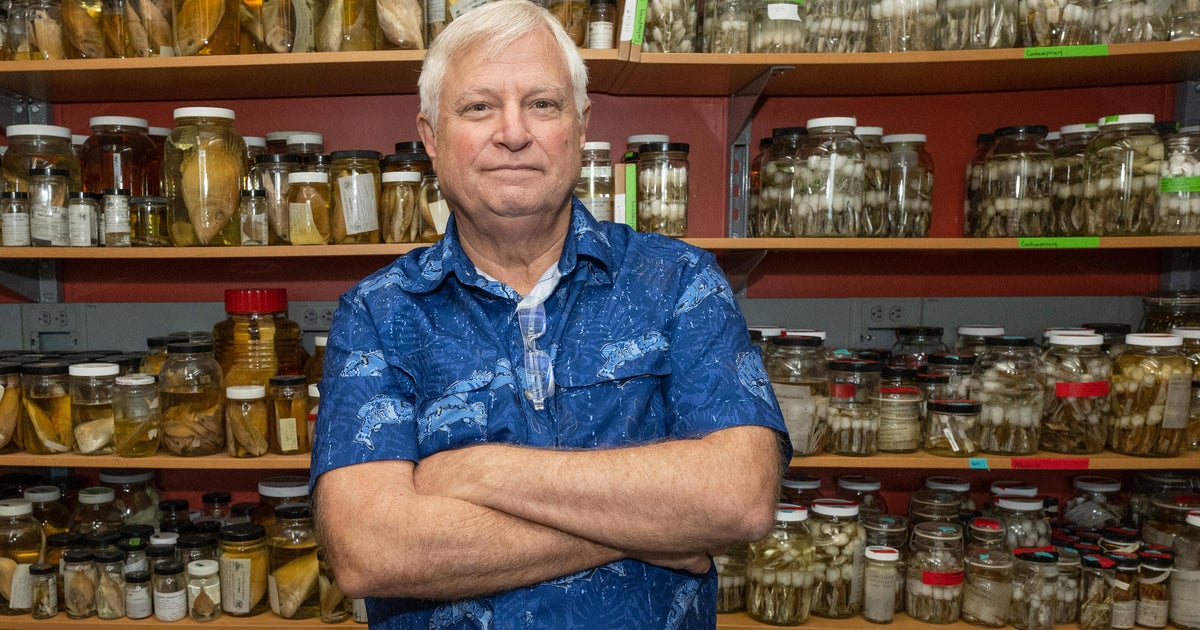
Kent Carpenter, a 73-year-old American marine biologist, was shot and killed by three masked men who broke into his home in the Philippines. His companion was injured during the attack, and police are investigating the incident and searching for the attackers.
Key Facts
Kent Carpenter was a marine biologist and professor at Old Dominion University since 1996.
He was killed in his home in Sibulan, Negros Oriental province, Philippines, on Sunday night.
Three masked men forced their way inside, shot Carpenter in the head, and stole a laptop, cash, and a backpack.
Carpenter’s Filipina companion was injured and is receiving medical treatment.
Police are investigating the motive and identifying the suspects.
Carpenter’s research focused on marine life in the Philippines and promoting conservation in the Coral Triangle.
He had been working on an extended research assignment in the Philippines and planned to retire soon.
Local universities and biodiversity centers praised Carpenter’s contributions to marine science and conservation.
Read the Original
Want the full story? Tap a source to open the original
article.
Albanian protests have been ongoing against a large resort project backed by Jared Kushner and Ivanka Trump, which involves building on protected natural areas. Pop star Dua Lipa expressed support for the protests, highlighting concerns about the government changing environmental laws without public input.
Key Facts
The resort project in Albania is worth €1.6 billion and involves construction on Sazan Island and the Zvërnec peninsula, both nature reserves.
Jared Kushner, U.S. President Donald Trump’s son-in-law, and Ivanka Trump are investors in the development.
The Albanian parliament changed laws in 2024 to allow building in environmentally protected zones, sparking controversy.
Protests in Tirana have lasted 45 days, with people opposing the environmental impact and lack of transparency.
Dua Lipa, who has Albanian roots, called the protests “inspiring” and criticized the government’s law changes without public consultation.
Albania’s Prime Minister Edi Rama supports the project, calling it a major investment and benefit for the country.
Environmental groups warn that damage has already occurred and are demanding accountability for harm done.
The EU has expressed concern that environmental issues could affect Albania’s hopes to join the bloc by 2030.
Read the Original
Want the full story? Tap a source to open the original
article.
Brazil’s Supreme Court ruled that social media companies can be held responsible for some harmful posts, leading to removal of hate speech and false political content. In response, President Donald Trump proposed a 25% tariff on Brazilian imports, criticizing Brazil’s actions as unfair to US tech companies. Meanwhile, Brazil has developed a public payment system called Pix, aiming to reduce dependence on foreign-controlled financial networks.
Key Facts
Brazil’s Supreme Court decided social media companies like X (Elon Musk) and Meta (Mark Zuckerberg) must remove hate speech and anti-democratic content.
President Donald Trump wants to tax 25% more on Brazilian goods because of this decision affecting US tech firms.
Flávio Bolsonaro, son of jailed former president Jair Bolsonaro, asked the US to delay tariffs until Brazil’s October elections.
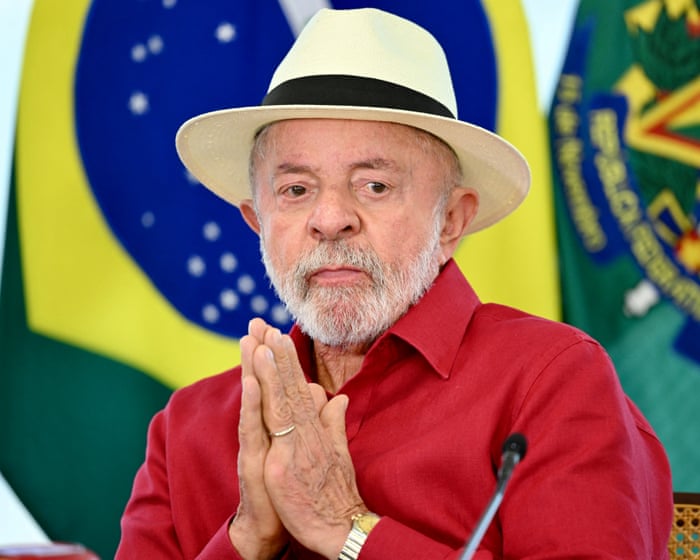
Luiz Inácio Lula da Silva, current Brazilian president, promotes national control over digital platforms and financial systems.
Brazil's Pix system allows instant money transfers, avoiding networks controlled by US companies like Visa and Mastercard.
The Pix system had $6.7 trillion in transaction volume in 2025 and is designed to protect Brazil from external financial influence or sanctions.
Some experts see Brazil’s digital infrastructure as a way to support national development in technology while avoiding US surveillance.
The conflict highlights a tension between Brazil’s desire for sovereignty and the US framing those actions as unfair trade practices.
Read the Original
Want the full story? Tap a source to open the original
article.
Nine of the ten bestselling novels in the UK this week feature the murder of a woman as a central story point. This trend reflects a long history in fiction where female victims appear often, especially in crime and thriller books.
Key Facts
Nine out of the ten bestselling fiction paperbacks in the UK involve the murder of a woman.
These books cover different genres like historical fiction, domestic noir (crime stories set in homes), and police procedurals.
The only bestseller without this theme is a book about letter writing called The Correspondent.
The trend is not new; stories about murdered women have been popular in literature for many years.
Crime novels featuring female victims are very popular, especially among women readers.
Experts say these stories reflect real fears women have about violence from people they know.
Some writers see reading crime fiction by women as a feminist act.
True crime stories and novels can help people learn how to stay safe or understand dangerous behavior.
Read the Original
Want the full story? Tap a source to open the original
article.
Cuba’s entire power grid failed for the third time in less than 10 days, leaving around 10 million people without electricity. The island’s electricity system is struggling due to an economic crisis, fuel shortages caused by U.S. sanctions, and old infrastructure.
Key Facts
Cuba experienced its third nationwide blackout in under 10 days, starting around 11 a.m. local time.
Approximately 10 million people were affected by the power outage.
The blackouts follow an ongoing economic crisis worsened by a U.S. fuel blockade.
The U.S. imposed sanctions on Cuba after removing Venezuelan President Nicolás Maduro, who used to supply Cuba with subsidized oil.
Cuba produces only about 40% of the oil it needs and depends heavily on imports.
The blockades aim to pressure Cuba’s government to hold democratic elections and release political prisoners.
Cuban authorities blame the blackouts on the U.S. fuel blockade; the U.S. blames Cuba’s ageing and poorly maintained power system.
Protests erupted in Havana recently, with residents demanding the government restore electricity.
Read the Original
Want the full story? Tap a source to open the original
article.