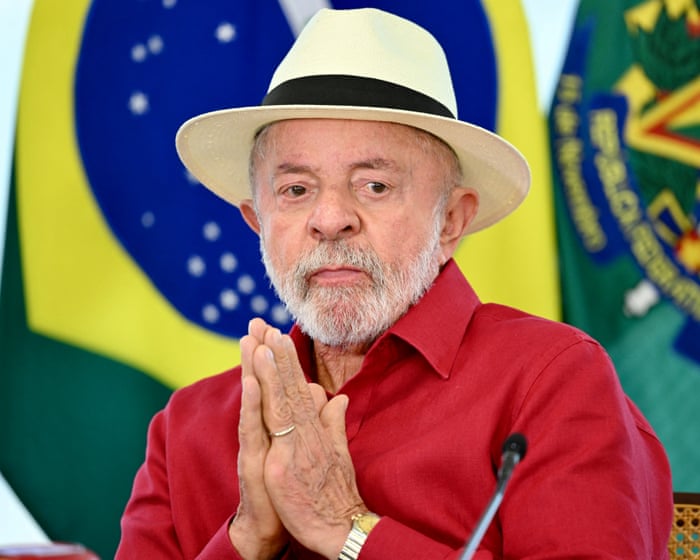
Brazil’s Supreme Court ruled that social media companies can be held responsible for some harmful posts, leading to removal of hate speech and false political content. In response, President Donald Trump proposed a 25% tariff on Brazilian imports, criticizing Brazil’s actions as unfair to US tech companies. Meanwhile, Brazil has developed a public payment system called Pix, aiming to reduce dependence on foreign-controlled financial networks.
Key Facts
Brazil’s Supreme Court decided social media companies like X (Elon Musk) and Meta (Mark Zuckerberg) must remove hate speech and anti-democratic content.
President Donald Trump wants to tax 25% more on Brazilian goods because of this decision affecting US tech firms.
Flávio Bolsonaro, son of jailed former president Jair Bolsonaro, asked the US to delay tariffs until Brazil’s October elections.
Luiz Inácio Lula da Silva, current Brazilian president, promotes national control over digital platforms and financial systems.
Brazil's Pix system allows instant money transfers, avoiding networks controlled by US companies like Visa and Mastercard.
The Pix system had $6.7 trillion in transaction volume in 2025 and is designed to protect Brazil from external financial influence or sanctions.
Some experts see Brazil’s digital infrastructure as a way to support national development in technology while avoiding US surveillance.
The conflict highlights a tension between Brazil’s desire for sovereignty and the US framing those actions as unfair trade practices.
Read the Original
Want the full story? Tap a source to open the original
article.
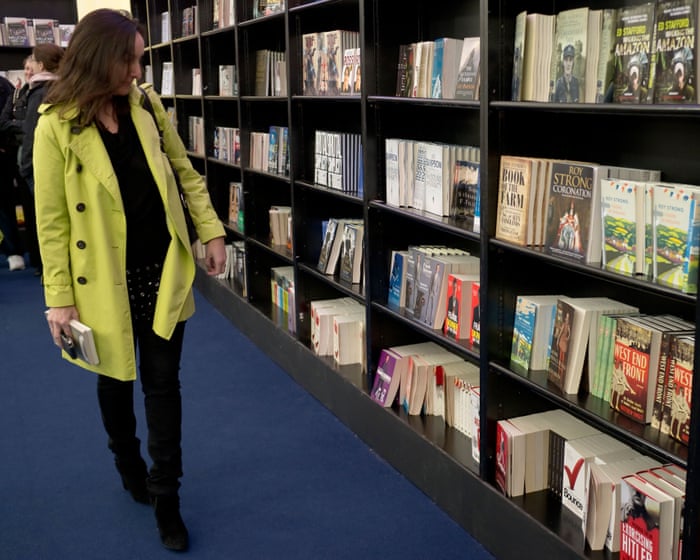
Nine of the ten bestselling novels in the UK this week feature the murder of a woman as a central story point. This trend reflects a long history in fiction where female victims appear often, especially in crime and thriller books.
Key Facts
Nine out of the ten bestselling fiction paperbacks in the UK involve the murder of a woman.
These books cover different genres like historical fiction, domestic noir (crime stories set in homes), and police procedurals.
The only bestseller without this theme is a book about letter writing called The Correspondent.
The trend is not new; stories about murdered women have been popular in literature for many years.
Crime novels featuring female victims are very popular, especially among women readers.
Experts say these stories reflect real fears women have about violence from people they know.
Some writers see reading crime fiction by women as a feminist act.
True crime stories and novels can help people learn how to stay safe or understand dangerous behavior.
Read the Original
Want the full story? Tap a source to open the original
article.
Cuba’s entire power grid failed for the third time in less than 10 days, leaving around 10 million people without electricity. The island’s electricity system is struggling due to an economic crisis, fuel shortages caused by U.S. sanctions, and old infrastructure.
Key Facts
Cuba experienced its third nationwide blackout in under 10 days, starting around 11 a.m. local time.
Approximately 10 million people were affected by the power outage.
The blackouts follow an ongoing economic crisis worsened by a U.S. fuel blockade.
The U.S. imposed sanctions on Cuba after removing Venezuelan President Nicolás Maduro, who used to supply Cuba with subsidized oil.
Cuba produces only about 40% of the oil it needs and depends heavily on imports.
The blockades aim to pressure Cuba’s government to hold democratic elections and release political prisoners.
Cuban authorities blame the blackouts on the U.S. fuel blockade; the U.S. blames Cuba’s ageing and poorly maintained power system.
Protests erupted in Havana recently, with residents demanding the government restore electricity.
Read the Original
Want the full story? Tap a source to open the original
article.
President Donald Trump met with Iraqi Prime Minister Ali al-Zaidi at the White House to strengthen economic ties and increase Iraq’s oil production. Both leaders said U.S. troops would fully withdraw from Iraq by September 30, and al-Zaidi promised to disarm armed groups in Iraq.
Key Facts
President Trump and Iraqi Prime Minister Ali al-Zaidi met in Washington, D.C.
They pledged to deepen economic relations and boost Iraq’s oil output.
Trump called al-Zaidi a “fantastic champion” and promised many deals to create jobs and increase oil exports.
Al-Zaidi described the visit as a shift from military to economic relations between the U.S. and Iraq.
Both leaders said the remaining U.S. forces in Iraq, fewer than 2,000, would leave by September 30.
Al-Zaidi pledged to disarm armed paramilitary groups across Iraq by the same date.
Iraq seeks a larger share of oil production quotas from the OPEC group because of war damage and economic needs.
The visit took place amid ongoing tensions in the region related to the U.S.-Iran conflict and its effects on Iraq’s economy.
Read the Original
Want the full story? Tap a source to open the original
article.
Oil prices rose sharply due to increased tensions between the United States and Iran. U.S. benchmark crude oil prices went up from about $72 to $79 per barrel in a few days, while international crude prices increased as well.
Key Facts
U.S. benchmark WTI crude oil price increased to about $79 per barrel on Tuesday.
Prices were around $74 per barrel at the start of trading on Monday and about $72 late last week.
International benchmark Brent crude oil price also rose to about $85 per barrel.
The price rise is linked to renewed tensions or conflict between the U.S. and Iran.
Higher oil prices can affect global markets and energy costs.
Read the Original
Want the full story? Tap a source to open the original
article.
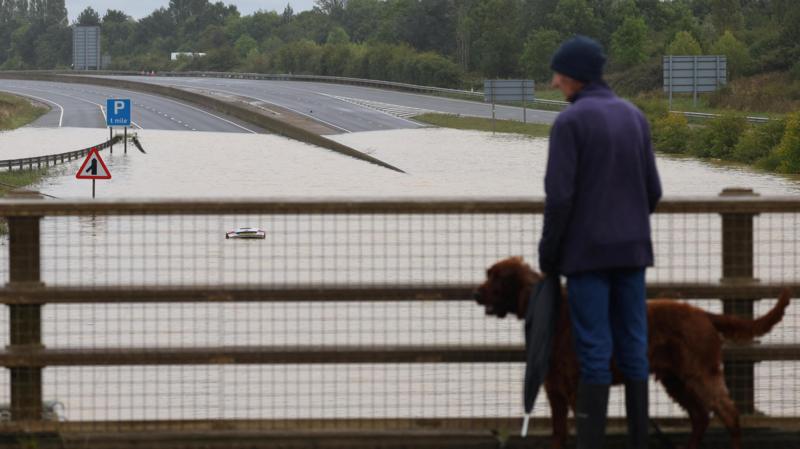
The UK government will start a public campaign to help people prepare for emergencies like cyber-attacks or severe weather. They will also run a large national exercise next year to test the country’s readiness for serious emergencies, including digital and physical threats.
Key Facts
The government plans a public awareness campaign on preparing for food or water shortages triggered by cyber-attacks or bad weather.
A large UK home defense exercise, called Operation Albiston Shadow, will take place next year to test emergency preparedness.
The UK’s national risk register now includes seven new risks such as cyber-attacks on water supplies and failures in digital systems.
The risk of disruption to Russian gas supplies has been removed from the risk register due to reduced UK reliance on Russian gas.
The register lists 95 risks in total, highlighting threats like pandemics, extreme weather, AI developments, and geopolitical conflicts.
The government is updating classified crisis plans, known as 'war books', for the first time since 2004.
Cabinet Office Minister Darren Jones said everyone can help keep themselves safe by preparing for emergencies.
The campaign will build on existing government resources available on its website.
Read the Original
Want the full story? Tap a source to open the original
article.
President Donald Trump welcomed Iraq’s new Prime Minister Ali al-Zaidi to the White House. Trump aims to help American companies get special access to Iraq’s large oil reserves and supported al-Zaidi’s appointment after Iraq’s recent elections.
Key Facts
President Trump officially welcomed Iraq’s new Prime Minister Ali al-Zaidi at the White House.
Trump wants U.S. companies to have priority access to Iraq’s oil resources.
Trump advocated for al-Zaidi’s appointment after Iraq’s last parliamentary elections.
Al-Zaidi is newly elected as Iraq’s prime minister.
The focus is on strengthening U.S.-Iraq ties, especially in the energy sector.
The article mentions Trump opposed the initial front-runner before al-Zaidi was chosen.
Iraq holds significant oil reserves that attract international interest.
Read the Original
Want the full story? Tap a source to open the original
article.
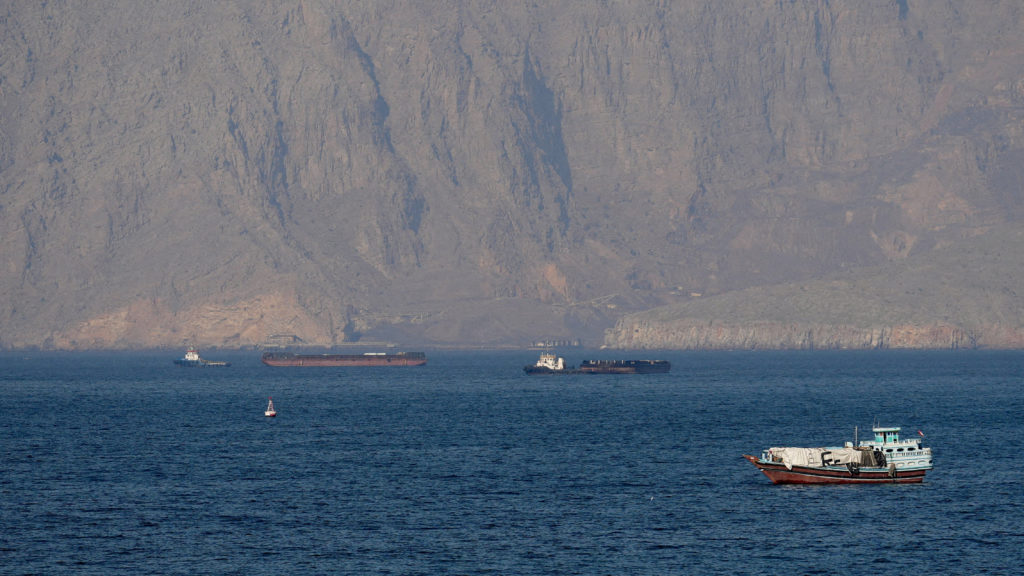
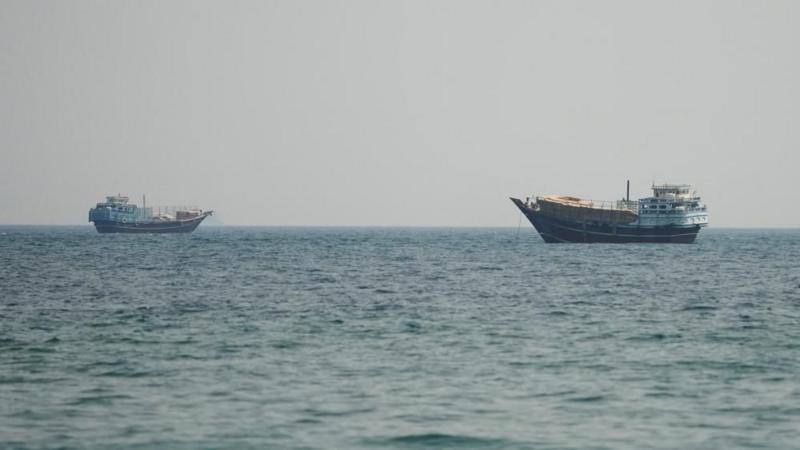
President Donald Trump is using military pressure and negotiations to reopen the Strait of Hormuz, a key oil shipping route controlled by Iran. Experts say fully securing the strait likely requires a large U.S. military presence, including ground troops, because Iran has strong defenses and can disrupt traffic with missiles and drones.
Key Facts
The Strait of Hormuz is a narrow waterway where 20% of the world’s oil passes through.
Iran controls the strait and has hidden weapons like drones and missiles to target ships.
President Trump has used airstrikes, naval blockades, negotiations, and threats against Iran.
Experts say reopening the strait safely would need tens of thousands of U.S. troops on Iranian soil.
Iran’s military is decentralized and prepared for asymmetric warfare, making airstrikes less effective.
U.S. ground forces would face high costs and risks, including possible insurgent attacks.
There have been recent clashes between U.S. and Iranian forces, increasing tensions.
Rising oil prices and disrupted shipping are political issues for President Trump ahead of midterm elections.
Read the Original
Want the full story? Tap a source to open the original
article.
Sudan is facing a serious hunger crisis caused by ongoing fighting, cuts in aid funding, and higher costs due to global disruptions linked to the Iran war. Over 19 million people in Sudan are suffering from severe food shortages, and the World Food Programme warns that the situation is worsening.
Key Facts
More than 100,000 people in Sudan are in famine-like conditions, the most severe level of hunger.
Around 19.5 million people in Sudan face high levels of food insecurity.
Fighting around the city of el-Obeid has raised fears of a siege similar to what happened in el-Fasher, where civilians faced violence and blocked aid.
Violence has recently eased near el-Obeid, allowing hopes to increase food aid to 250,000 people there.
Renewed conflict in Darfur has forced the closure of a key border crossing, threatening aid delivery.
The World Food Programme has cut food aid from 5 million to 3.5 million people due to a $646 million funding shortfall.
Rising diesel prices and fertilizer shortages linked to the Gulf conflict and the closure of the Strait of Hormuz are making farming and irrigation more costly and difficult in Sudan.
The ongoing war between Sudan’s Armed Forces and the Rapid Support Forces is in its fourth year and has displaced millions while damaging the country’s agriculture and food access.
Read the Original
Want the full story? Tap a source to open the original
article.
A wildfire has burned about 2,050 hectares of the Fontainebleau forest near Paris, forcing around 1,000 people to leave their homes. Firefighters are working to control the fire, which was started intentionally, while locals express shock at the loss of their beloved forest.
Key Facts
The fire began on Sunday and has affected 2,050 hectares of the Fontainebleau forest southeast of Paris.
About 1,000 people were evacuated due to the wildfire.
Around 850 firefighters, along with planes and helicopters, are fighting the fire.
Officials expect to control the fire by Tuesday, but heat, wind, and dry weather have made it difficult.
Two people, including an 18-year-old with no criminal history, were arrested on suspicion of arson (starting the fire on purpose).
The area is popular with hikers and climbers and attracts millions of visitors worldwide.
Local residents described anxiety and uncertainty about what to save in case they must leave their homes.
The fire occurs during France’s third major heatwave in under two months.
Read the Original
Want the full story? Tap a source to open the original
article.
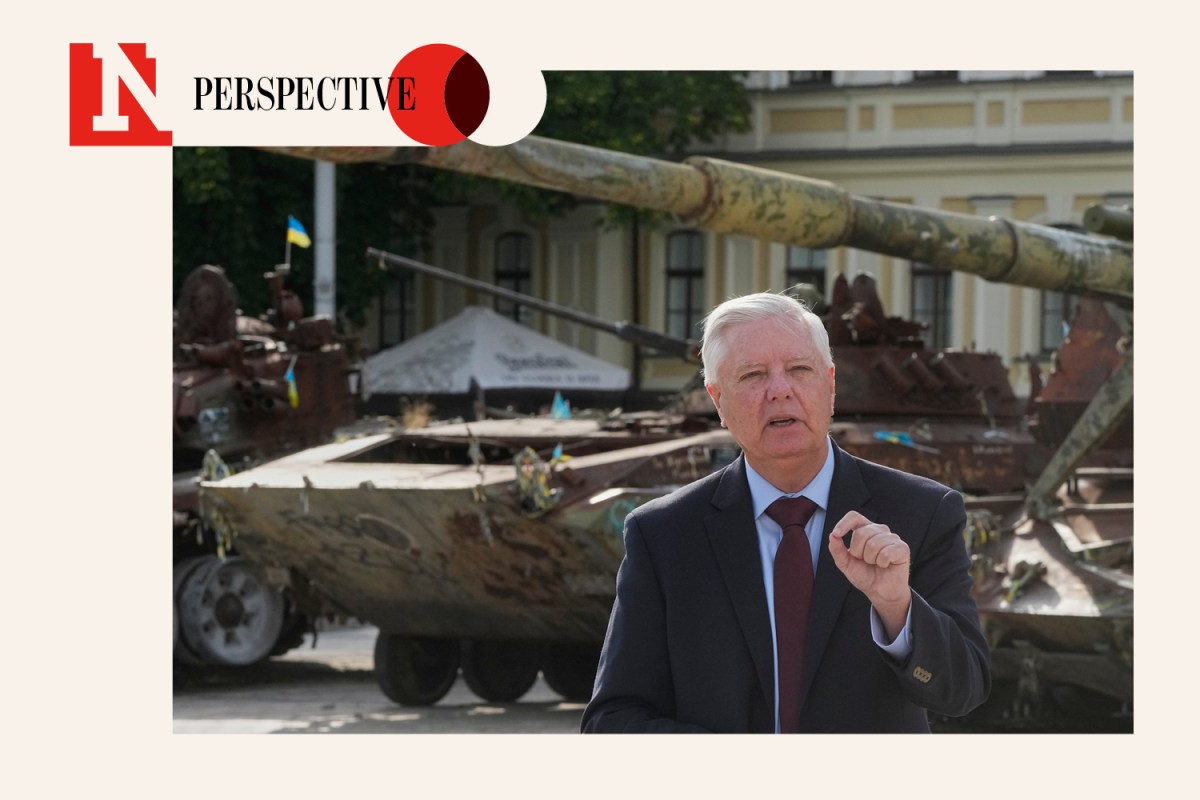
Senator Lindsey Graham, a strong supporter of Ukraine, died suddenly at age 71 shortly after visiting Kyiv. Before his death, he worked on a bill to impose heavy sanctions on countries buying Russian oil and gas, aiming to cut off funding for Russia’s war in Ukraine. President Trump plans to approve the bill, and lawmakers want to pass it in Graham’s name as a sign of continued support for Ukraine.
Key Facts
Lindsey Graham was a Republican senator and a vocal critic of Russia’s war against Ukraine.
He died suddenly at 71, two days after meeting Ukrainian President Zelensky in Kyiv.
Graham worked on a bill called the Sanctioning Russia Act to impose up to 500% tariffs on countries buying Russian oil, gas, and uranium.
The bill targets countries like China and India and also aims at tankers that hide the origin of Russian oil.
The bill had stalled multiple times but recently gained more support from the Trump administration.
President Trump intends to approve the legislation.
Lawmakers are pushing to pass the bill in Graham’s name as a show of commitment to pressuring Russia.
Graham was known for frequent visits to Ukraine, making ten trips since the war began in February 2022.
Read the Original
Want the full story? Tap a source to open the original
article.
Composer Andrew Lloyd Webber warned that Broadway is in serious trouble after his musical Cats: The Jellicle Ball closed early despite winning awards. He said high costs and low profits are making it hard for new shows and artists to survive on Broadway.
Key Facts
Cats: The Jellicle Ball closed after five months on Broadway, with its last show on August 8.
The musical cost $18 million to produce but struggled to make enough money to cover costs.
Broadway is facing big financial challenges, with many new musicals closing quickly after opening.
Creators like writers and directors often earn very little money, making it hard to sustain a career.
Investors also face risks, with many not getting all their money back.
Despite problems, Broadway still had a record $1.91 billion in ticket sales for the 2025-2026 season.
Webber says Broadway’s future depends on creating new and daring shows, not just relying on old hits.
He called for theatre owners, unions, and producers to work together to save Broadway.
Read the Original
Want the full story? Tap a source to open the original
article.
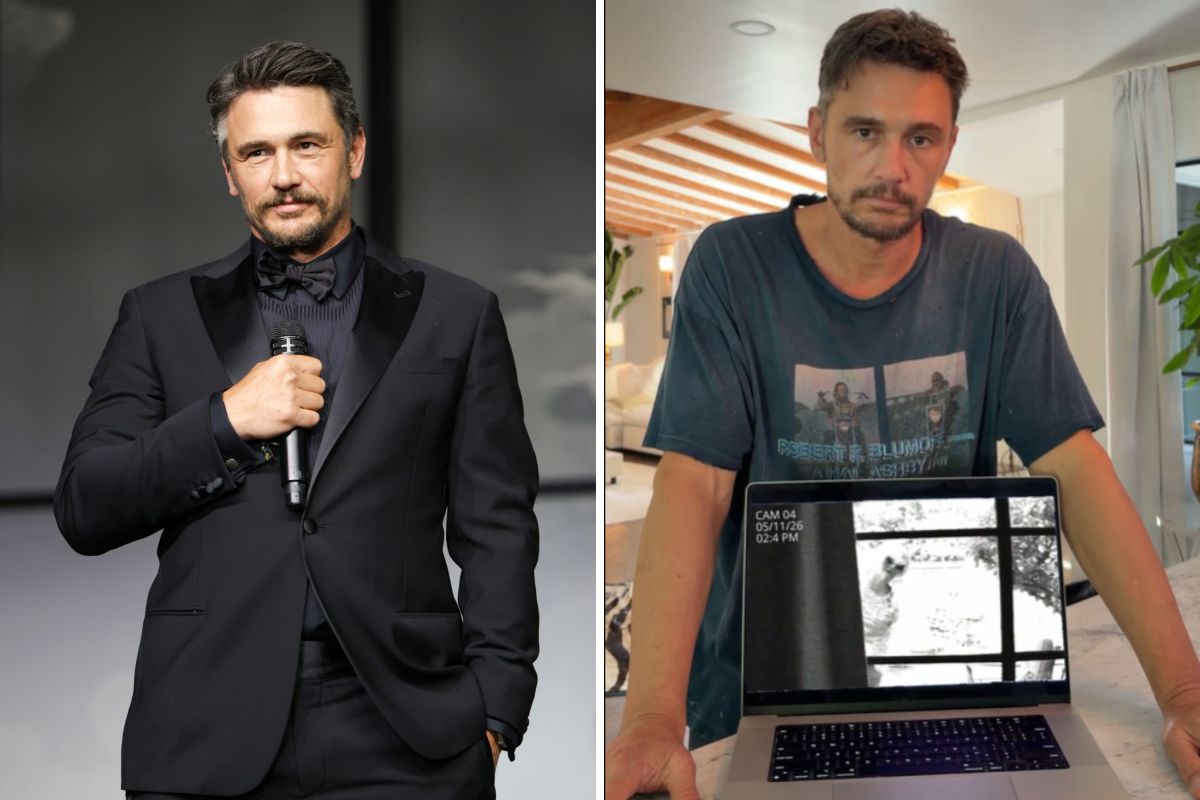
Actor James Franco posted several strange TikTok videos claiming to have encountered an alien near his home and showed supposed footage of the visitor. Some viewers think it might be a movie promotion, but the film’s director denies this theory.
Key Facts
James Franco shared unusual TikTok videos about seeing an alien at his home.
He promised a big reveal on July 13 and showed grainy footage of an alien-like figure.
Franco said his account was hacked twice and that he wanted to share the truth.
Many social media users suspected the videos were a marketing stunt for a movie.
The TikTok account follows a film called "Love Meets in the Sunshine" and its director.
The movie’s director, Christian Guiton, said the videos are not connected to promoting the film.
The director asked people not to blame the filmmakers for the viral videos.
The film is not a science fiction or conspiracy movie, according to the director.
Read the Original
Want the full story? Tap a source to open the original
article.
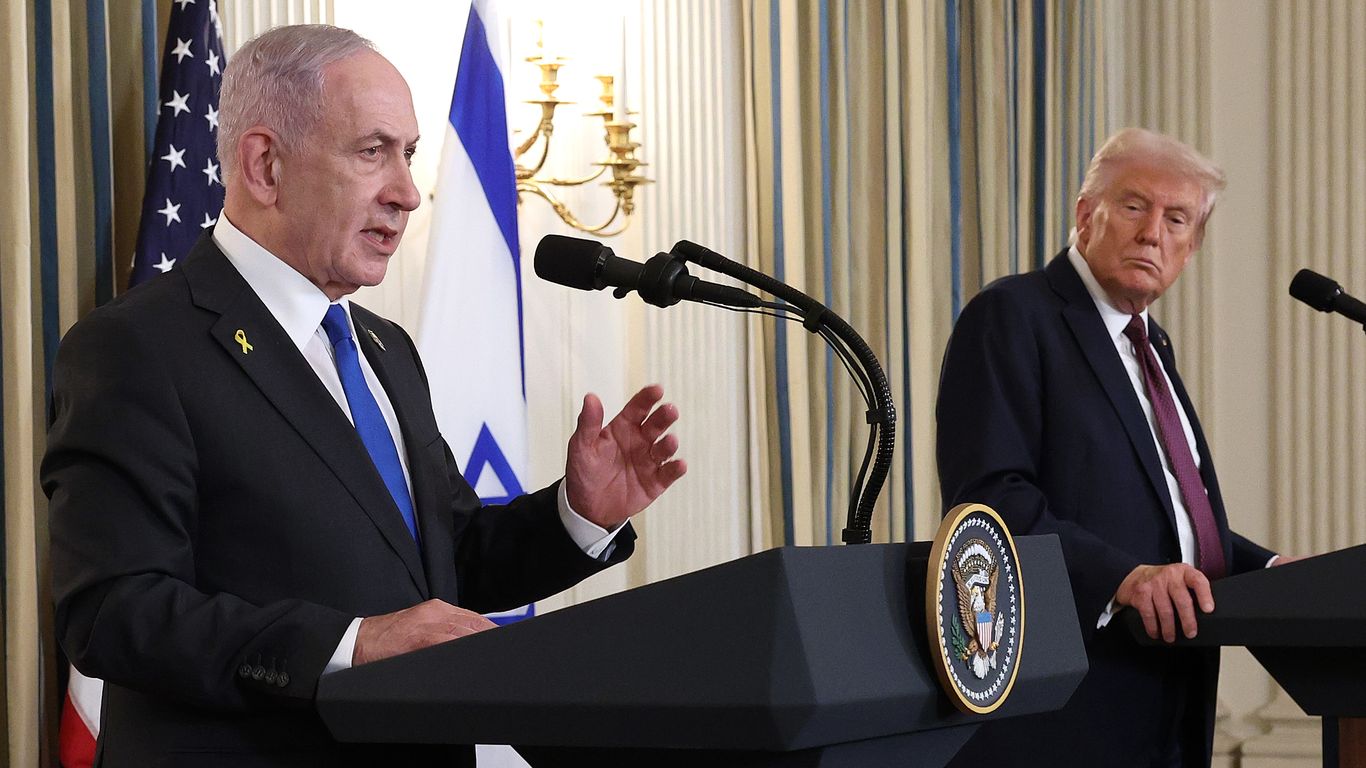
President Trump told Israeli Prime Minister Benjamin Netanyahu to start moving Israeli military forces out of parts of Syria and Lebanon. This request comes amid ongoing talks and tensions over Israel’s presence in these areas near its borders.
Key Facts
President Trump urged Netanyahu to redeploy Israeli forces from southern Syria and Lebanon.
Israel’s military currently controls parts of southern Syria and southern Lebanon to prevent attacks like the one on October 7.
Netanyahu has not agreed to major withdrawals ahead of his upcoming election.
The Trump administration wants a new security agreement between Israel and Syria.
There were protests and clashes in southern Syria over Israel’s military presence.
A recent agreement asks Israel to pull back from two zones in southern Lebanon to let Lebanese forces take over.
Israel wants to ensure these areas are free of Hezbollah weapons before withdrawing further.
The U.S. military is proposed as the neutral party to verify disarmament in Lebanon.
Read the Original
Want the full story? Tap a source to open the original
article.
A recent trip to Brussels and Strasbourg revealed concerns about the United States' weakened position in Europe, especially regarding energy and climate policies. Meetings with European leaders showed the need to improve U.S.-European relations.
Key Facts
The visit included meetings with European government officials and business leaders.
The main topics were energy and climate policy.
The United States’ reputation and influence in Europe have decreased.
European leaders expressed concerns about U.S. unilateral actions, meaning the U.S. acting alone without consulting allies.
There is a recognized need to restore stronger cooperation between the U.S. and Europe.
The trip was described as mostly positive and constructive despite concerns.
Energy and climate remain central issues facing both sides.
Read the Original
Want the full story? Tap a source to open the original
article.
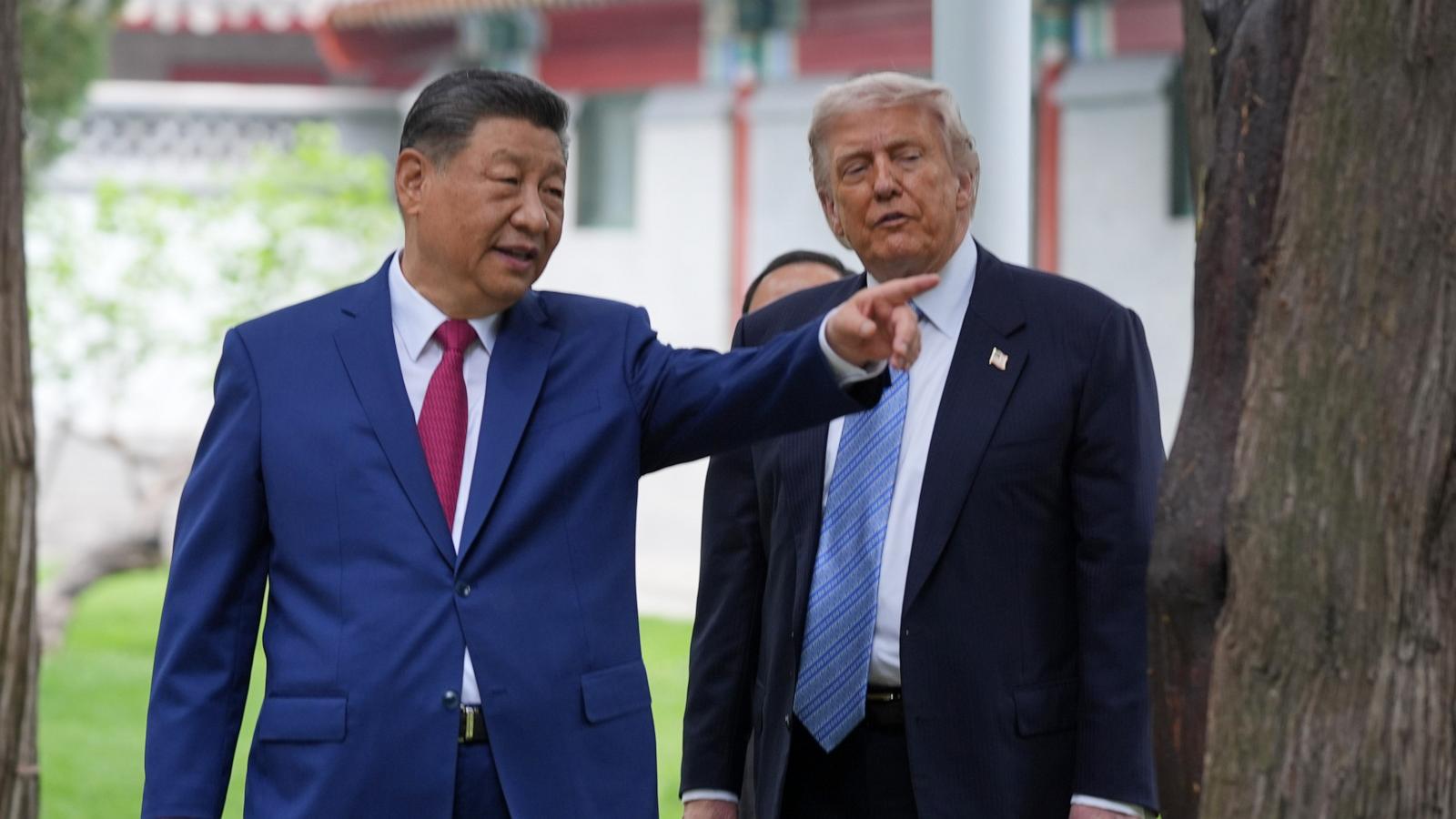
Youlin Chen, a U.S. citizen and seismologist born in China, has been held in China without trial for almost two years. His family and a nonprofit group say he was arrested on espionage charges during a visit to Beijing and that President Donald Trump has been involved in efforts to secure his release.
Key Facts
Youlin Chen is a China-born American seismologist living in Boston.
He was detained by Chinese state security agents in November 2024 while visiting his parents in Beijing.
Chen has been charged with espionage, accused of sharing sensitive information on detecting nuclear tests.
He has worked for the U.S. government, including the State Department and the Air Force Research Lab.
The U.S. government, including President Trump, is trying to bring him home.
The State Department has officially labeled Chen as wrongfully detained.
U.S. Embassy staff have visited him but cannot discuss his case directly with him.
Chen’s family spoke out because they see no action from China to release him despite diplomatic talks.
Read the Original
Want the full story? Tap a source to open the original
article.
President Donald Trump has canceled his plan to charge a 20% fee on all cargo passing through the Strait of Hormuz. Instead, he will seek large trade and investment deals with Gulf countries as the US prepares to restart a naval blockade of Iranian ports amid ongoing conflicts with Iran.
Key Facts
President Trump announced he will not impose a 20% fee on cargo shipping through the Strait of Hormuz.
The fee will be replaced by trade and investment agreements with Gulf states.
The US is resuming a naval blockade of Iranian ports starting Tuesday evening (Eastern Time).
Recent US and Iranian military strikes have caused oil prices to rise and reduced tanker traffic through the Strait.
Iran claims the US is interfering with the management of the Strait of Hormuz, a vital global oil shipping route.
Trump described the US as the "guardian" of the Strait and said it remains open to all ships except those from Iran.
Shipping data shows a sharp slowdown in traffic through the Strait, the lowest in two months.
Israel’s Prime Minister warned Iran against attacking Israel, promising a stronger response if attacked first.
Read the Original
Want the full story? Tap a source to open the original
article.
Police are investigating the murder of Ann Widdecombe to see if political motives, such as opposition to her views or her party, played a role. Counter-terrorism officers are leading the inquiry after arresting a suspect linked to possible extremist beliefs, while also examining his mental health history.
Key Facts
Ann Widdecombe was killed in her home near Dartmoor.
A 28-year-old man from Rotherham was arrested on suspicion of her murder.
Police are looking into whether hatred of her views on homosexuality or opposition to the Reform UK party motivated the attack.
Counter-terrorism police took over the investigation because of possible political motives.
Investigators are considering links to leftwing, anarchist, or single-issue terrorism but have not ruled out other causes.
The suspect drove about 270 miles to commit the crime and then returned home.
The suspect was not known to local police or listed on the government’s counter-terror Prevent program.
The killing has not yet been officially labeled a terrorist attack.
Read the Original
Want the full story? Tap a source to open the original
article.
Ann Widdecombe, a British politician, was killed in an attack that police now say was planned and targeted. Counterterrorism police are investigating the case to understand the attacker’s motivation and possible links to terrorism.
Key Facts
Ann Widdecombe was found dead with serious injuries at her home in Devon, England.
Police arrested a white British man on suspicion of her murder and later rearrested him on terrorism-related charges.
The investigation is complex, and police have not confirmed the attacker’s motive or ideology.
Widdecombe was a member of the Reform UK party and had previously been a Conservative MP.
Initial police statements said there was no terrorism link, but new information changed that view.
The suspect was not known to the UK's counterterrorism program called Prevent.
Widdecombe’s murder has raised concerns about politician safety, following similar killings of UK MPs Jo Cox and David Amess.
Counterterrorism police are leading the investigation alongside regular police forces.
Read the Original
Want the full story? Tap a source to open the original
article.
Thousands of university jobs in humanities and social sciences have been cut in the UK, causing fewer options for students in subjects like languages, classics, and theology. These cuts are happening mostly at less selective universities but are spreading to other important subjects and top universities, raising concerns about social mobility and education quality.
Key Facts
Nearly 4,000 academic jobs in social sciences, humanities, and arts were cut in the year leading to December 2024.
Most job losses occurred at non-Russell Group universities, reducing course availability outside top-tier schools.
Subjects such as social work, English, classics, anthropology, and linguistics saw significant staff cuts.
Business-related courses lost the highest number of jobs, with 930 cuts in one year.
Some subjects are becoming nearly impossible to study at less selective universities, limiting access based on student grades and location.
More than 1,000 additional job cuts are planned at prestigious Russell Group universities.
These reductions increase educational inequality and reduce opportunities, especially for students from poorer backgrounds.
Experts warn that the financial crisis in universities threatens the future of research, student careers, and regional growth goals.
Read the Original
Want the full story? Tap a source to open the original
article.