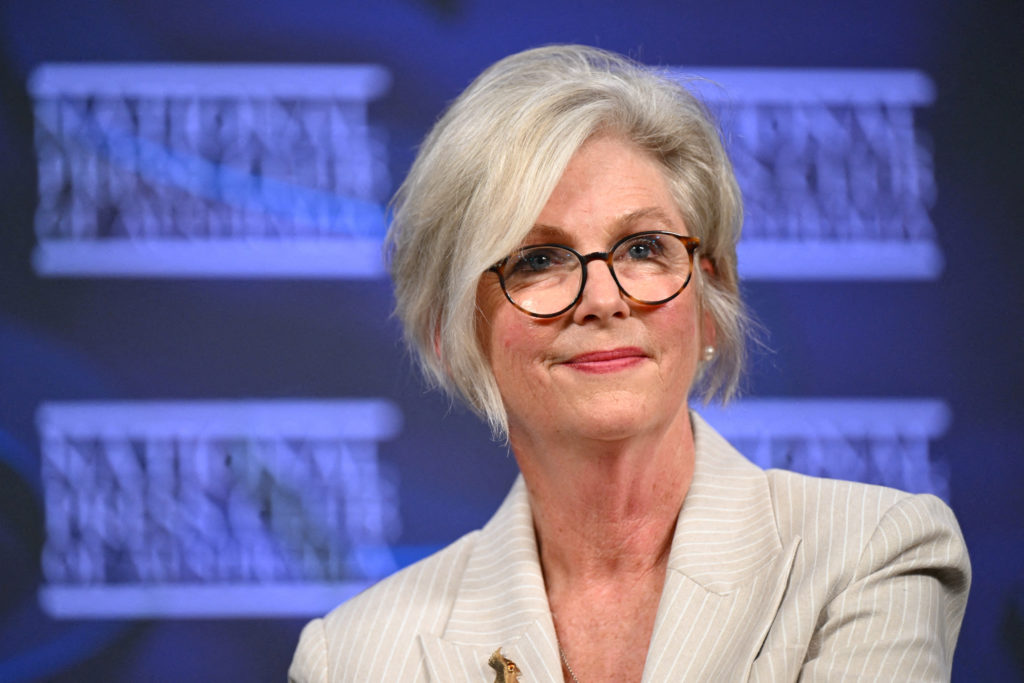
An Australian independent lawmaker, Helen Haines, was hit by a car in an attack outside her office. She was seriously hurt, and the driver was arrested. The government’s counterterrorism team is investigating the incident.
Key Facts
Helen Haines is a 65-year-old federal independent lawmaker in Australia.
She was hit by a Toyota Land Cruiser SUV in Wangaratta, Victoria state.
The attack happened outside her electoral district office in the afternoon.
The driver of the vehicle was arrested by police.
Prime Minister Anthony Albanese said the crash was likely deliberate.
Australia’s counterterrorism team, including police and intelligence, is investigating.
The incident is being treated as a serious and intentional act.
Read the Original
Want the full story? Tap a source to open the original
article.
Brazil’s two presidential candidates, left-wing Luiz Inácio Lula da Silva and right-wing Senator Flávio Bolsonaro, held a debate one week before the run-off election. The debate featured personal attacks and few discussions on policies, with polls showing the candidates very close in support.
Key Facts
Lula and Flávio Bolsonaro are competing in a run-off vote scheduled for Sunday.
In the first round on 4 October, Bolsonaro narrowly led with 47% of votes, Lula received 45.2%.
Neither candidate reached the 50% needed to avoid the second-round vote.
Flávio Bolsonaro is running for the Liberal Party; his father, Jair Bolsonaro, was president from 2018 to 2022 and is now jailed.
The debate focused more on personal attacks than policy discussions.
Lula offered to open his and his family’s financial and phone records for legal review.
Bolsonaro accused Lula’s Workers' Party of corruption and increased crime rates.
The debate format was described as chaotic, with candidates interrupting and pacing the studio.
Read the Original
Want the full story? Tap a source to open the original
article.
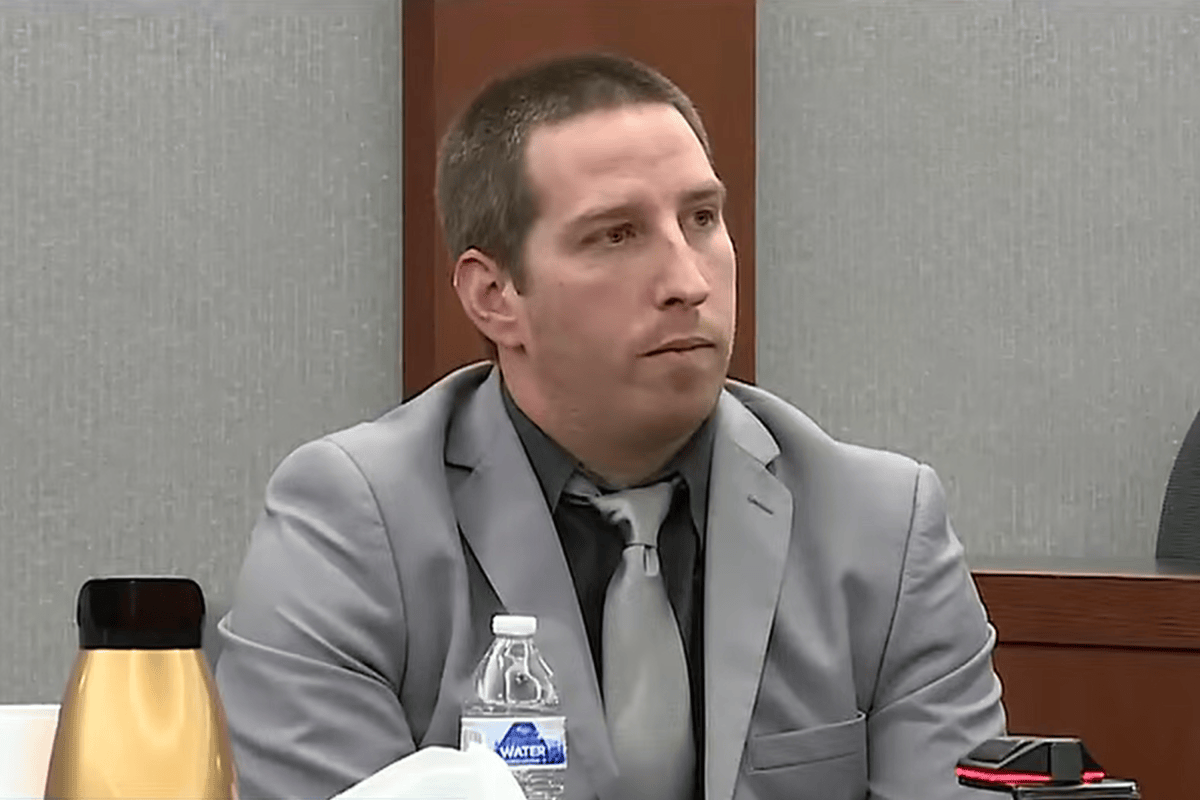
Mitchell Fairbairn, a Canadian businessman, is on trial in Las Vegas for allegedly taking a flamingo named Peachy from the Flamingo Hotel’s wildlife area. Fairbairn said he was drunk and meant it as a joke, but authorities say the bird was hurt and he faces serious charges.
Key Facts
Mitchell Fairbairn is 34 years old, from Ontario, Canada, married with three children.
The incident happened on March 3 at the Flamingo Hotel and Casino in Las Vegas.
Fairbairn admitted drinking 30 to 40 beers and said he was drunk when he took Peachy.
He described the act as a "silly prank" and said he planned to return the flamingo shortly.
Police showed videos of Fairbairn handling the bird roughly and reported the flamingo was injured.
Animal experts said Peachy needed stitches for a wing injury caused by being pulled.
Fairbairn faces four felony charges including trespassing and animal cruelty.
Closing arguments are expected before the case goes to the jury.
Read the Original
Want the full story? Tap a source to open the original
article.
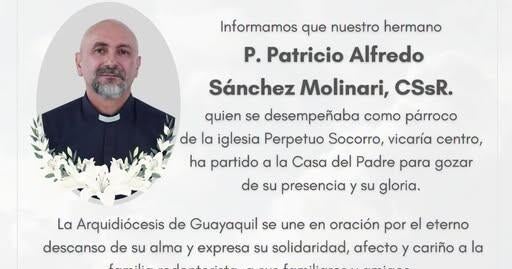
A Catholic priest in Guayaquil, Ecuador, died when a wooden crucifix fell on him during a livestreamed Mass. The incident happened at Our Lady of Perpetual Help church and was broadcast on the priest’s Facebook page.
Key Facts
The priest’s name was Rev. Patricio Alfredo Sánchez Molinari.
The crucifix fell from a wall and hit the back of his head while he was leading Mass.
The accident was livestreamed on Facebook, where the priest had over 4,600 followers.
People at the church called for an ambulance immediately after the fall.
The livestream video abruptly ended when the crucifix fell.
The Archdiocese of Guayaquil confirmed the priest’s death and expressed condolences to his family.
The video of the accident was widely shared on social media and covered by news outlets.
The Archdiocese said the priest has “departed to the House of the Father,” a religious way of saying he passed away.
Read the Original
Want the full story? Tap a source to open the original
article.
Israel launched a military attack on Iran with the United States in February, gaining public support. Opposition parties in Israel criticize Prime Minister Benjamin Netanyahu’s handling of Iran, arguing for stronger measures before upcoming elections. Meanwhile, U.S. President Donald Trump announced a pause in the conflict between Iran and Israel.
Key Facts
In February, Israel and the U.S. carried out a major military strike against Iran.
Most Jewish Israelis supported the attack initially.
In June, President Donald Trump said Iran and Israel agreed to stop attacking each other.
About 65-70% of Jewish Israelis disagreed with stopping the conflict, feeling it harmed Israel’s security.
Opposition leaders, including Gadi Eisenkot and Yair Lapid, say Netanyahu failed to stop Iran’s nuclear program effectively.
Former leaders want stronger military actions, like bombing Iranian energy facilities, to pressure Iran’s government.
Some opposition figures also want to confront other regional countries like Qatar and Turkey (Turkiye).
Netanyahu warned Israel’s enemies might attack before the October 27 elections but said he does not plan military action against Iran before then.
Read the Original
Want the full story? Tap a source to open the original
article.
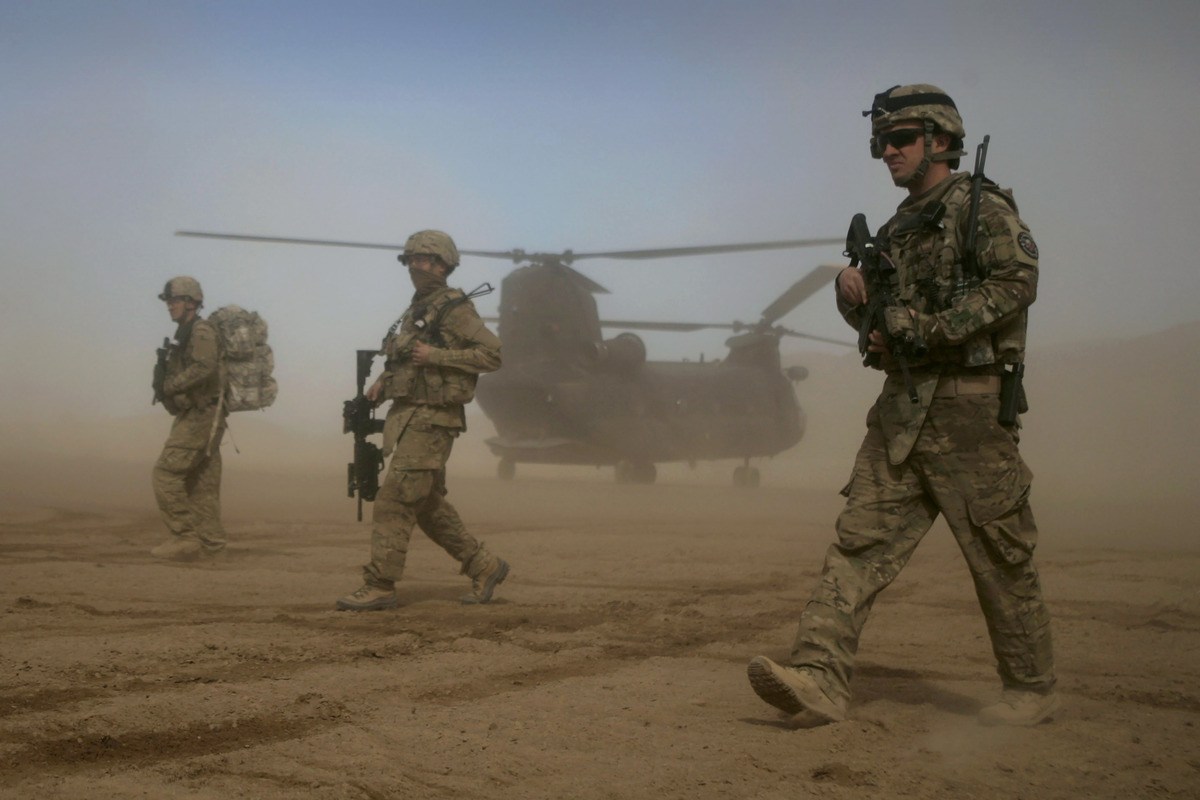
U.S. Defense Secretary Pete Hegseth said only a few allied countries fought actively in Afghanistan, which caused criticism from veterans and European politicians. Many NATO and allied countries contributed troops, with over 1,000 non-American soldiers dying during the nearly 20-year conflict.
Key Facts
Pete Hegseth claimed only about one or two allied countries were involved in direct combat in Afghanistan toward the war’s end.
Over 50 NATO and U.S.-aligned countries sent troops to Afghanistan after 2001 as part of international missions.
More than 2,400 U.S. service members and over 1,000 allied soldiers, including from Canada, France, the Netherlands, Denmark, Poland, and the UK, died during the war.
Retired U.S. General Ben Hodges called Hegseth’s comments "shameful" for downplaying allies' sacrifices.
President Trump also faced criticism earlier for questioning the frontline fighting roles of non-U.S. troops in Afghanistan.
NATO’s mutual defense clause was activated for the first time after the 9/11 attacks, showing alliance solidarity.
Poland’s deputy prime minister asked Hegseth to consider the families of fallen Polish soldiers.
The conflict saw troops from countries far from Afghanistan, such as Mongolia, South Korea, and New Zealand, providing help.
Read the Original
Want the full story? Tap a source to open the original
article.
Italy’s Prime Minister Giorgia Meloni will hold an emergency security meeting after violent protests over rising living costs in Milan. More than 5,000 people gathered, and clashes with police led to over 200 arrests, mostly minors, with damage reported in Milan and other northern cities.
Key Facts
Over 5,000 people protested in Milan about the high cost of living.
Police used tear gas and water cannons after some protesters threw stones, bins, and chairs.
More than 200 people were arrested, and 80% of them were minors.
Five adults face prison requests for looting, vandalism, and resisting arrest.
Violence also spread to other northern Italian cities like Turin and Bologna.
The mayor of Milan said the violence seems linked to a wider international trend.
Prime Minister Meloni called for all political leaders to clearly condemn the riots.
The protests followed student anti-government demonstrations across Italy and are similar to unrest in France and other countries.
Read the Original
Want the full story? Tap a source to open the original
article.
The US ambassador to Israel condemned an attack by masked Israeli settlers on American journalist Heidi Levine, calling it a terror act. Levine, seriously injured, is recovering after the attack while Israeli Prime Minister Netanyahu gave a vague response. Separately, protests and unrest continue in France and other European countries over economic issues, and Ukraine’s president said the US did not warn them about a Russian attack.
Key Facts
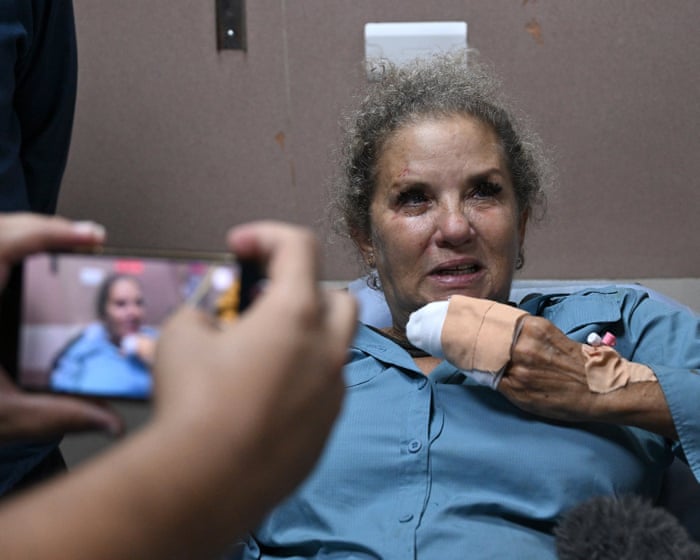
Heidi Levine, an American photojournalist in Israel, was attacked and badly hurt by masked Israeli settlers using clubs.
The US ambassador to Israel called the attack a "despicable act of terror" and demanded a full investigation and arrests.
Levine said the attackers beat her for over 10 minutes and she needed surgery for broken ribs and hand injuries.
Israeli Prime Minister Netanyahu condemned violence generally but was unclear about this specific attack.
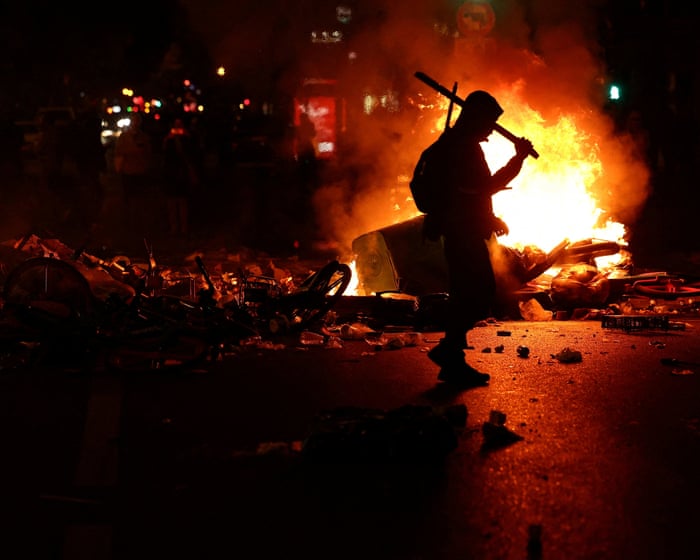
Protests in France have led to fires, looting, and more than 2,400 arrests.
French President Macron condemned violence and refused to accept the interior minister’s resignation amid unrest over economic issues.
Protests are also happening in other European countries due to high living costs, poor schooling, and government dissatisfaction.
Ukrainian President Zelenskyy said the US did not warn Ukraine about a recent Russian missile attack and criticized delays in defense missile supplies.
Read the Original
Want the full story? Tap a source to open the original
article.
France experienced violent protests over the weekend, with police losing control in some cities. Interior Minister Laurent Nuñez admitted preparation mistakes and offered his resignation, which President Emmanuel Macron rejected while demanding a full security review and new ways to handle the unrest.
Key Facts
More than 500,000 people protested nationwide, although police expected around 200,000.
Riots included attacks on public buildings and looting of about 2,000 shops.
Nearly 2,400 people were arrested, and around 1,000 police officers were injured.
About 60,000 security forces were deployed but were not enough to control violent groups.
Interior Minister Nuñez said police lost control and took responsibility but pointed to violent rioters and extremists.
Justice Minister Gérald Darmanin noted poor intelligence made police work harder; about 80% of arrested rioters face prosecution.
Rioting continued the day after, and protests blocked the Louvre Museum, preventing it from opening.
Mayors of Paris and Marseille criticized the government’s response and warned of ongoing social unrest.
Read the Original
Want the full story? Tap a source to open the original
article.
Indonesia is facing its worst forest fires and toxic haze in 11 years, mainly in Central Kalimantan. Many people blame the government for not handling the situation well enough to stop the fires and reduce the smoke.
Key Facts
The forest fires are located primarily in Central Kalimantan, Indonesia.
These fires have caused large amounts of toxic haze, which affects air quality.
The current fires and haze are the worst the area has seen in 11 years.
Critics say Indonesian authorities have not done enough to control the fires.
The haze can harm people's health and disrupt daily life.
Forest fires in Indonesia often happen during dry seasons and can be caused by land clearing methods.
The government and local agencies have been working to manage the fires, but challenges remain.
Read the Original
Want the full story? Tap a source to open the original
article.
Saudi Arabia made large investments in the United States after President Donald Trump took office in 2025, expecting the US to defend the kingdom if attacked. However, when Yemen’s Houthi rebels, backed by Iran, attacked Saudi territory, Trump chose not to launch US airstrikes, signaling that the US might not come to Saudi Arabia’s defense despite the investment and deals made.
Key Facts
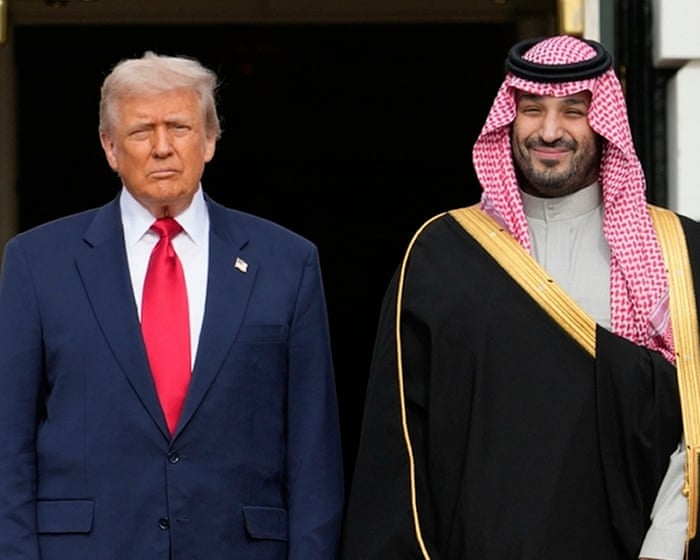
Saudi Arabia's Crown Prince Mohammed bin Salman built strong ties with President Trump and Trump’s adviser Jared Kushner.
The prince promised up to $1 trillion in investments and trade with the US over several years.
Saudi Arabia signed a defense deal and agreed to buy advanced F-35 fighter jets from the US.
Saudi Arabia expected US military support if attacked, based on past US policy.
The Houthis in Yemen launched attacks on Saudi land, killing at least 13 people in a missile strike on Riyadh airport.
Prince Mohammed asked President Trump to order US airstrikes against the Houthis, but Trump declined.
The conflict between Saudi Arabia and the Houthis worsened due to Trump’s actions against Iran.
Trump’s decision to avoid new military conflicts reflects concerns over public opinion, inflation, and upcoming US elections.
Read the Original
Want the full story? Tap a source to open the original
article.
France is experiencing growing protests related to rising living costs and concerns about the future, especially among young people. President Emmanuel Macron’s recent speech was seen as distant and did not fully address the deep problems behind the unrest.
Key Facts
France is facing large protests connected to higher living costs and youth worries about their future.
President Emmanuel Macron gave a speech that some see as detached from the protesters’ concerns.
Experts compare the current unrest to past events like the May 1968 protests and the Yellow Vest movement.
Violence during protests might overshadow peaceful demonstrators and their legitimate demands.
The ongoing protests are raising questions about France’s history of social unrest and politics ahead of elections.
Many protesters want long-term changes, not just quick fixes, especially in areas like education.
The unrest highlights a growing gap between political leaders and public frustrations in France.
Read the Original
Want the full story? Tap a source to open the original
article.
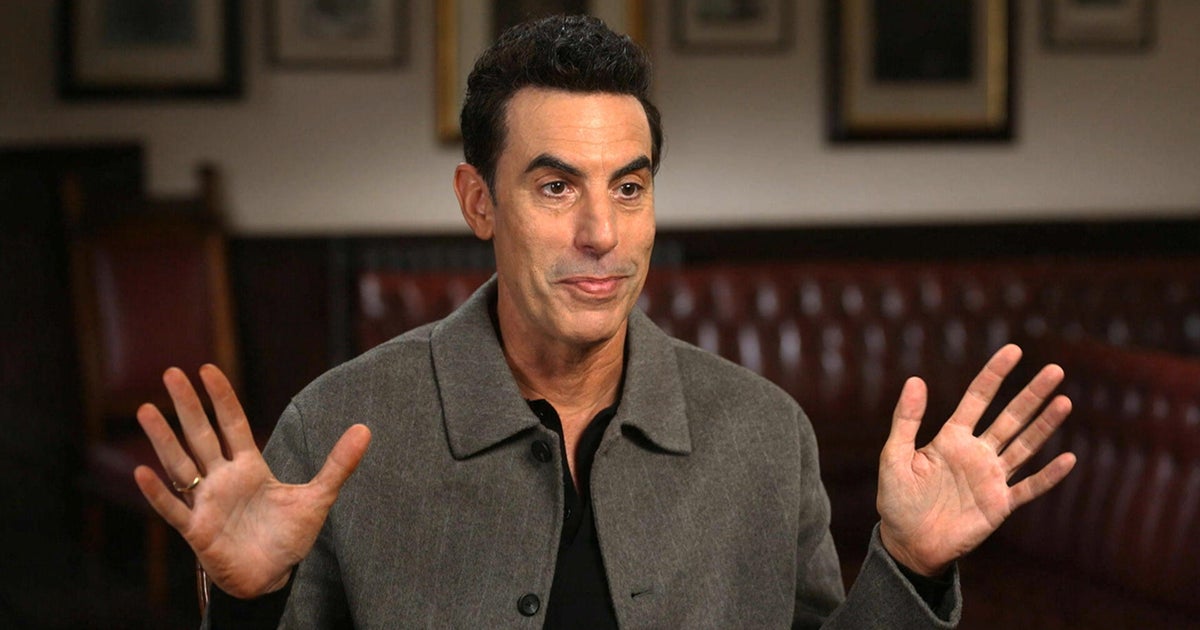
Sacha Baron Cohen gave a long interview to 60 Minutes. In it, he talked about what influenced him early in life, how he created his famous characters, and why he decided to bring back the character Ali G.
Key Facts
The interview is an extended conversation with actor and comedian Sacha Baron Cohen.
Cohen discusses his early life influences.
He explains the creation process of his well-known characters.
He talks about the return of his character Ali G.
The interview aired on 60 Minutes, a CBS News program.
The content is part of a series of interviews featured on 60 Minutes.
The interview length is about 27 minutes and 38 seconds.
Read the Original
Want the full story? Tap a source to open the original
article.
After protests against rising living costs and cuts to public services turned violent, the city of Marseille is cleaning up damage caused by looting and vandalism. Protesters broke into Marseille's city hall and other public buildings were attacked in different French cities.
Key Facts
Protests occurred in Marseille and other cities in France.
The demonstrations were about increasing living costs and worsening public services.
Some protests became violent with looting and vandalism.
Protesters in Marseille entered and spray-painted the city hall.
Public buildings in other French cities also faced attacks.
Police admitted to losing control over parts of the protests.
Authorities have started a large clean-up operation after the unrest.
The unrest is among the worst France has seen in decades.
Read the Original
Want the full story? Tap a source to open the original
article.
Police in Bogota used tear gas and water cannon to break up protests near Colombia’s National Museum. The protests started after the Culture Ministry ordered the removal of 30 items related to LGBTQ rights, feminist movements, and political leaders who were killed.
Key Facts
The protests happened outside Colombia’s National Museum in Bogota.
Police responded with tear gas and water cannon to disperse the crowd.
The Culture Ministry ordered the removal of 30 exhibition pieces.
The removed items highlighted LGBTQ rights and feminist struggles.
Some pieces focused on political leaders who were assassinated.
Protesters believe this removal is erasing important parts of history.
Authorities say the removal was an official decision by the government.
Read the Original
Want the full story? Tap a source to open the original
article.
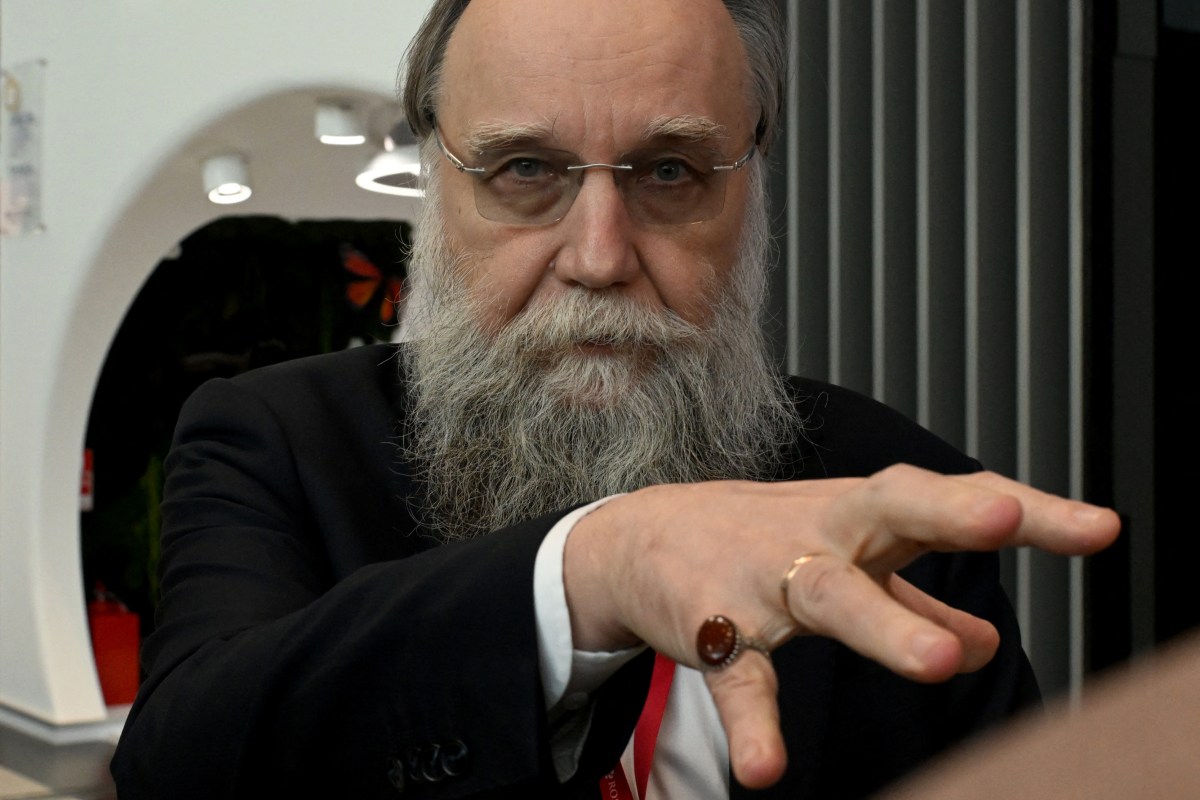
Russian philosopher Aleksandr Dugin offered Russia’s military help to bring order to Europe, amid rising unrest in France and Italy. On the same day, President Donald Trump defended his decision to ease sanctions on Russia and criticized Ukraine’s position in the war against Russia.
Key Facts
Aleksandr Dugin, a Russian ultranationalist thinker, said on social media that Russia could restore order in France and Germany.
Dugin called for European countries to invite Russia to stop chaos instead of opposing it.
President Trump defended waiving new sanctions on Russia and a diesel trade deal with Russian President Vladimir Putin.
Trump said Ukraine’s ability to negotiate worsens because many Ukrainian men are killed, wounded, or fighting.
UNESCO recognized Ukrainian borscht, a traditional soup, as a heritage needing protection due to the war with Russia.
Dugin promotes a vision of Russia as a powerful empire restoring order across Europe based on ethnic and religious identity.
Trump’s National Security Strategy warned Europe faces threats from migration and European Union institutions.
Trump cited domestic issues, including American fuel prices affected by the conflict, as reasons for his approach toward Russia and Ukraine.
Read the Original
Want the full story? Tap a source to open the original
article.
French President Emmanuel Macron refused to accept the resignation of his Interior Minister, Laurent Nunez, after weekend protests across France. These protests led to nearly 2,400 arrests and injured almost 1,000 police officers.
Key Facts
Large protests took place across France on the weekend.
About 2,400 people were arrested during the protests.
Nearly 1,000 police and gendarmes were injured.
Interior Minister Laurent Nunez offered to resign but President Macron declined.
The protests caused damage including demolished shops.
The unrest is linked to broader social issues like education funding and economic problems.
President Macron described himself as a "lame-duck president," implying limited power or influence amid the situation.
The unrest reflects tensions in French society involving students, workers, and other groups demanding change.
Read the Original
Want the full story? Tap a source to open the original
article.
MSP Amanda Bland has left the Reform UK Scotland party and will now sit as an independent member in the Scottish Parliament. Her departure reduces Reform to the third-largest group at Holyrood, behind Labour and the SNP.
Key Facts
Amanda Bland represents Central Scotland and Lothians West as a list MSP.
Bland resigned from Reform UK Scotland but has not publicly explained why.
Reform UK Scotland now has one fewer member than the Labour party.
Reform UK Scotland started with 17 MSPs after the May election.
If Bland resigns fully, her seat would go to the next Reform candidate on the party list.
Bland’s background includes working as a primary school teacher and police officer.
Scottish Labour deputy leader criticized Reform’s performance in parliament.
Reform UK Scotland finished second in the election behind the SNP, tied with Labour.
Read the Original
Want the full story? Tap a source to open the original
article.
Reports say Iran's Islamic Revolutionary Guard Corps (IRGC) has helped Yemen's Houthis with training, intelligence, and weapons for attacks on Saudi Arabia. This support has enabled the Houthis to seize key areas in Yemen and launch more powerful drone and missile strikes on Saudi targets.
Key Facts
Iran’s IRGC reportedly provided the Houthis with training, intelligence, tactical advice, and targeting help.
The Houthis attacked Saudi Arabia, hitting places like King Khalid International Airport, killing 13 people.
The Houthis took control of Yemen’s Red Sea coast and the Bab al-Mandeb strait in a September offensive.
Iranian flights transported IRGC officers, drone parts, missile guidance systems, and detonators to Yemen.
IRGC officers were said to be directing Houthi attacks on the ground.
Saudi officials confirmed an external state is supporting the Houthis, but did not name Iran directly.
The Houthis have used advanced weapons including ballistic missiles, suicide drones, and explosive boats.
Iran and the Houthis deny direct collaboration, but analysts, including Yemen specialists, see clear links.
Read the Original
Want the full story? Tap a source to open the original
article.
Israeli police arrested 10 Israeli suspects linked to settler attacks in the occupied West Bank, including violence against a U.S. photojournalist and European diplomats. These arrests come amid a rise in settler violence during the Palestinian olive harvest season.
Key Facts
Ten Israeli suspects were arrested on suspicion of violence, breaking military zone rules, and illegal building.
The arrests relate to attacks on a U.S. photojournalist and diplomats from France, Belgium, and Poland.
U.S. photojournalist Heidi Levine was severely injured after being beaten by settlers.
European diplomats were attacked while visiting the Christian village of Taybeh.
Israeli authorities blamed “Israeli rioters” for the attacks and noted a lack of coordination by the diplomats in visiting sensitive areas.
Prime Minister Netanyahu described the situation vaguely and questioned some facts about Levine’s attack.
The U.K. condemned settler violence as “ethnic cleansing” and has imposed sanctions on products from illegal settlements.
Rights groups say settler violence in the West Bank has increased and that punishments for attackers are rare.
Read the Original
Want the full story? Tap a source to open the original
article.