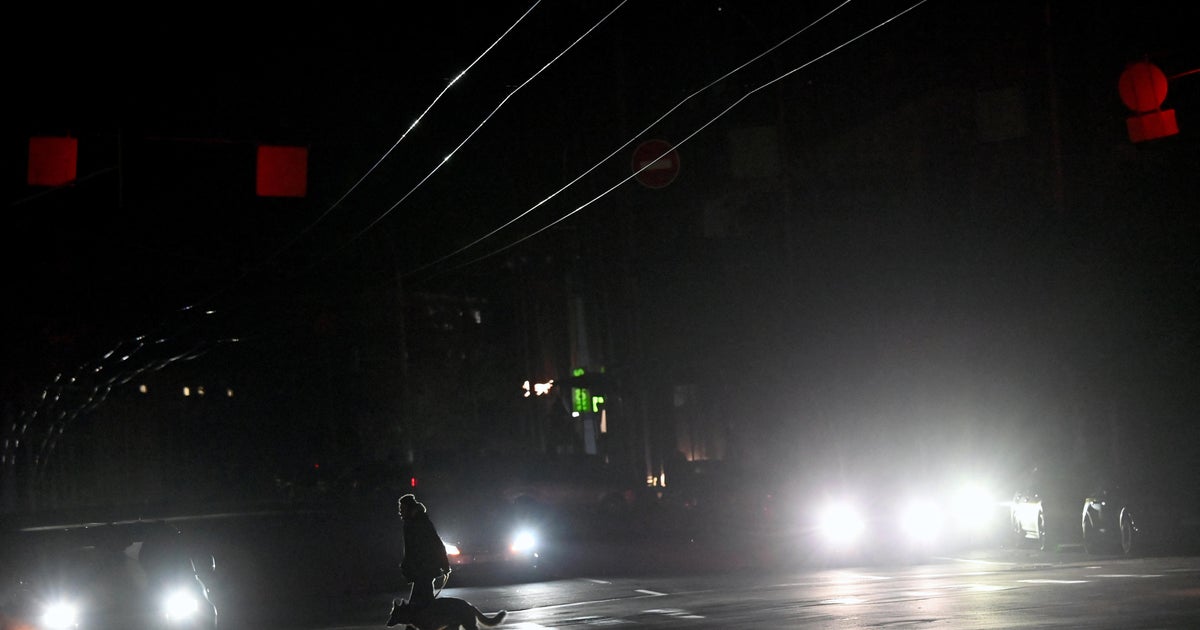
Russian overnight strikes on energy facilities left more than 600,000 people without electricity in Ukraine’s Dnipropetrovsk region and another 250,000 without power in the Kharkiv region. Repair crews are working, but the timing of electricity restoration is unclear in Kharkiv, and repeated attacks are complicating repairs in Dnipropetrovsk.
Key Facts
Ukraine’s energy provider DTEK reported outages across several districts in Dnipropetrovsk region, including the city of Dnipro.
DTEK said engineers were trying to repair the damaged facility, but repeated attacks were making the work harder.
A strike on infrastructure in Kharkiv region left about 250,000 people without power.
Zlatopil Mayor Mykola Baksheyev said no casualties had been reported there and that officials could not yet estimate when power would return.
Ukraine’s Energy Ministry said the previous day’s attack affected energy facilities in five regions and disrupted electricity transmission in Kyiv.
President Volodymyr Zelenskyy accused Russia of escalating attacks ahead of U.S.-brokered talks scheduled in Abu Dhabi for Tuesday and Wednesday.
Russia’s Ministry of Defence said its forces would continue strikes on Ukrainian fuel and energy infrastructure that it says supports the Ukrainian military.
Read the Original
Want the full story? Tap a source to open the original
article.
South Africa’s African National Congress (ANC) won the largest share of votes in municipal elections but fell to about 31 percent, roughly 14 percentage points below its 2021 result. It failed to win a majority in any of the eight major metropolitan areas, so coalition negotiations will shape local governments.
Key Facts
With 99 percent of votes counted, the ANC had about 31 percent nationally and the Democratic Alliance (DA) had about 25 percent.
Former President Jacob Zuma’s uMkhonto weSizwe party received about 10 percent, placing third.
The ANC did not win an outright majority in any of the eight major metro areas, including Johannesburg and Pretoria.
In Johannesburg, the DA led with about 35 percent, compared with 20 percent for the ANC.
Parties have 14 days to negotiate before city councils are formed.
ANC Secretary-General Fikile Mbalula called the result “catastrophic” for the party and said it would not seek positions at any cost.
The article links the ANC’s declining support to voter frustration over corruption, unemployment above 34 percent, and problems with basic services such as water and electricity.
Read the Original
Want the full story? Tap a source to open the original
article.
King Charles led the annual Remembrance Sunday ceremony at the Cenotaph in central London. Members of the Royal Family, senior politicians and veterans joined him.
Key Facts
King Charles laid a wreath at the Cenotaph on Whitehall.
The ceremony marked Remembrance Sunday.
Other members of the Royal Family attended.
Senior politicians and veterans joined the commemoration.
The ceremony took place in central London.
Read the Original
Want the full story? Tap a source to open the original
article.
A couple staying at Hotel Aperto in Tokyo found what appeared to be a hidden camera attached beneath their television. The hotel manager confirmed it was a camera, and police examined its empty SD card and searched the room; the couple left the next day because they no longer felt safe.
Key Facts
Sedef Demir said she noticed a small lens beneath the television in the hotel room.
Demir and her husband found an SD card inside the device after removing it.
The hotel manager confirmed that the device was a hidden camera and apologized.
Police examined the SD card, which they said was empty, and searched the room for other cameras.
Demir said police told the couple they could not pursue criminal charges based on what they found.
The hotel manager suggested the camera might have been left by a previous guest; Demir said they did not know who installed it.
The couple declined an offer of a free extra night and checked out the following day.
Booking.com said hidden recording devices are prohibited in private spaces and that properties can face warnings, suspension, or removal from its platform.
Read the Original
Want the full story? Tap a source to open the original
article.
See My World will hold a film festival at Manchester’s Contact theatre on 21 November, showcasing independent creators from the African diaspora in northern England. Its organisers say the programme draws on pan-African philosophies and the legacy of the 1945 Pan-African Congress, while aiming to make films and festival activities more accessible.
Key Facts
See My World is part of a year-round programme of pan-African arts, culture and events.
The festival will feature films of up to 30 minutes from across genres, and it will not charge screening fees.
CEO and artistic director Tunde Adekoya said the festival takes inspiration from Kenyan writers John Mbiti and Ngũgĩ wa Thiong’o.
Mbiti’s concept of Sasa na Zamani describes how the past informs what happens next.
The festival will screen See My World documentaries, including Homage, about dance, and Poetic Justice, about pan-African thought and Manchester’s poetry scene.
The programme will include exhibitions, performances, discussions, question-and-answer sessions and workshops.
Organisers say they want to challenge festival structures they see as excluding communities and improve access to films and stories.
Read the Original
Want the full story? Tap a source to open the original
article.
French activists and health workers are calling for limits or a ban on tear gas at protests, citing reports of severe period pain and increased bleeding after exposure. Police used 22,000 canisters on October 17, as concerns grow about injuries, health risks and weak regulation of the weapon.
Key Facts
Protests have taken place across France since September, amid concerns about school conditions and the cost of living.
A tear gas canister fired at close range shattered the jaw of a 14-year-old student in a Paris suburb.
Activists and health workers say reports of painful periods and increased bleeding after tear gas exposure deserve more attention.
The article says tear gas commonly causes burning, watery eyes, coughing, chest tightness, breathing difficulty and skin irritation.
The article notes that children, pregnant people, older adults, and people with certain health conditions may be more vulnerable to tear gas.
UN human rights guidance warns that large doses can cause severe damage, including tissue death in the respiratory and digestive tracts, lung swelling and internal bleeding.
French police fired 22,000 tear gas canisters on October 17, according to the article.
Amnesty International says it has documented more than 500 cases of tear gas misuse worldwide since 2018.
Read the Original
Want the full story? Tap a source to open the original
article.
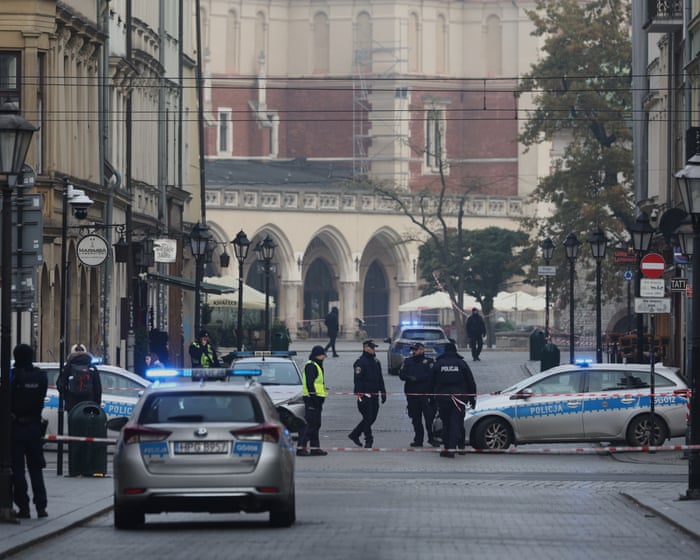
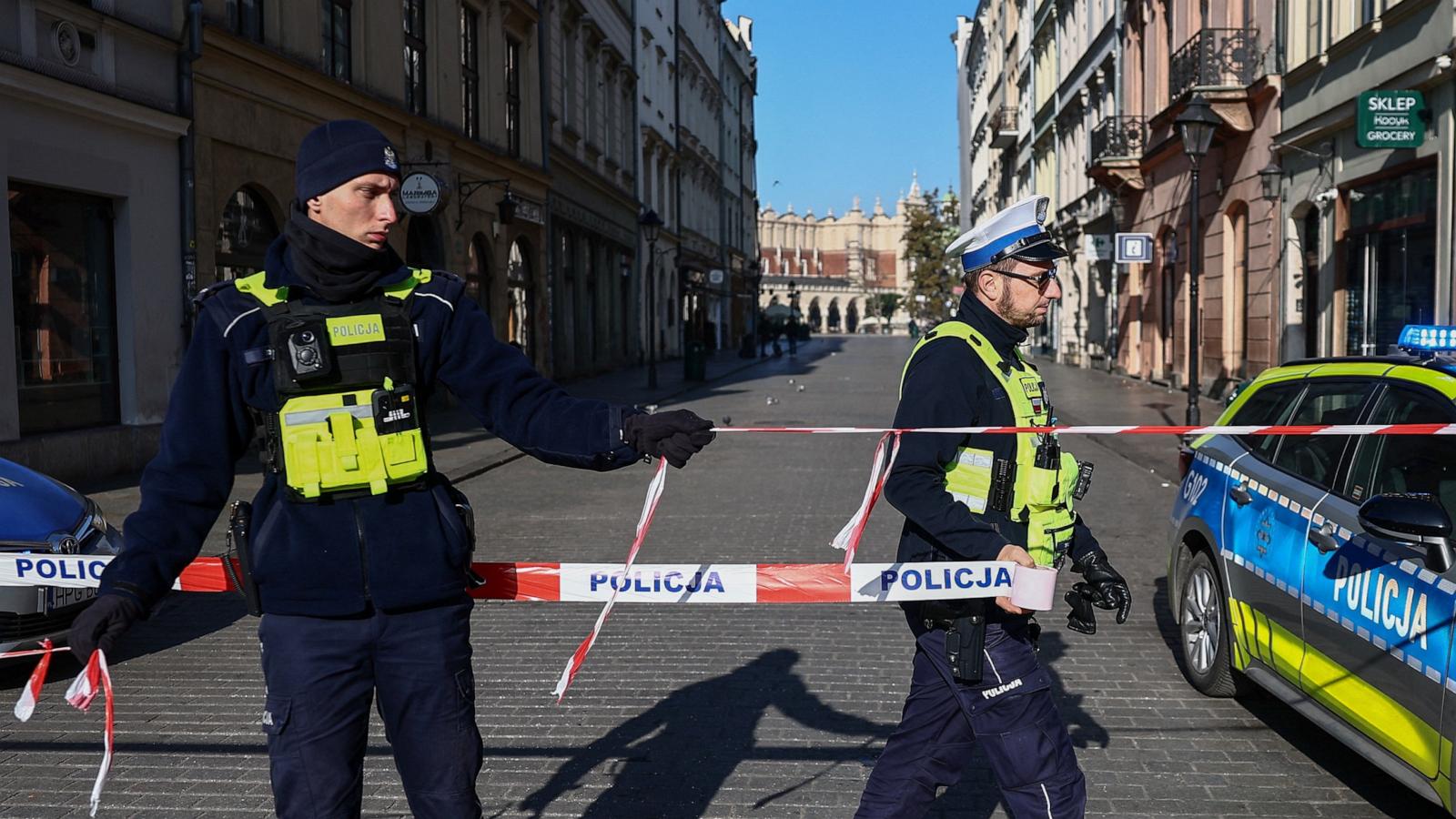
Polish prosecutors opened a terrorism investigation after a 24-year-old man opened fire in Kraków’s main square on Saturday, killing six people and injuring 17. Authorities said the suspect held far-right, ultra-nationalist views; police also found his parents and sister dead at his home.
Key Facts
The shooting took place in Kraków’s main square at about 3 p.m. on Saturday.
Six people, including a British citizen, were killed, and 17 were injured.
Two police officers were among the injured; one was in serious condition.
Police wounded and apprehended the suspect, who was taken to hospital and underwent surgery.
Polish officials said the suspect was fascinated by far-right ideologies and held radical, ultra-nationalist views.
Police found the suspect’s parents and sister dead at the family home in Ostrowiec Świętokrzyski; they probably died from gunshot wounds.
Poland began two days of national mourning, and flags were lowered to half-mast.
Read the Original
Want the full story? Tap a source to open the original
article.
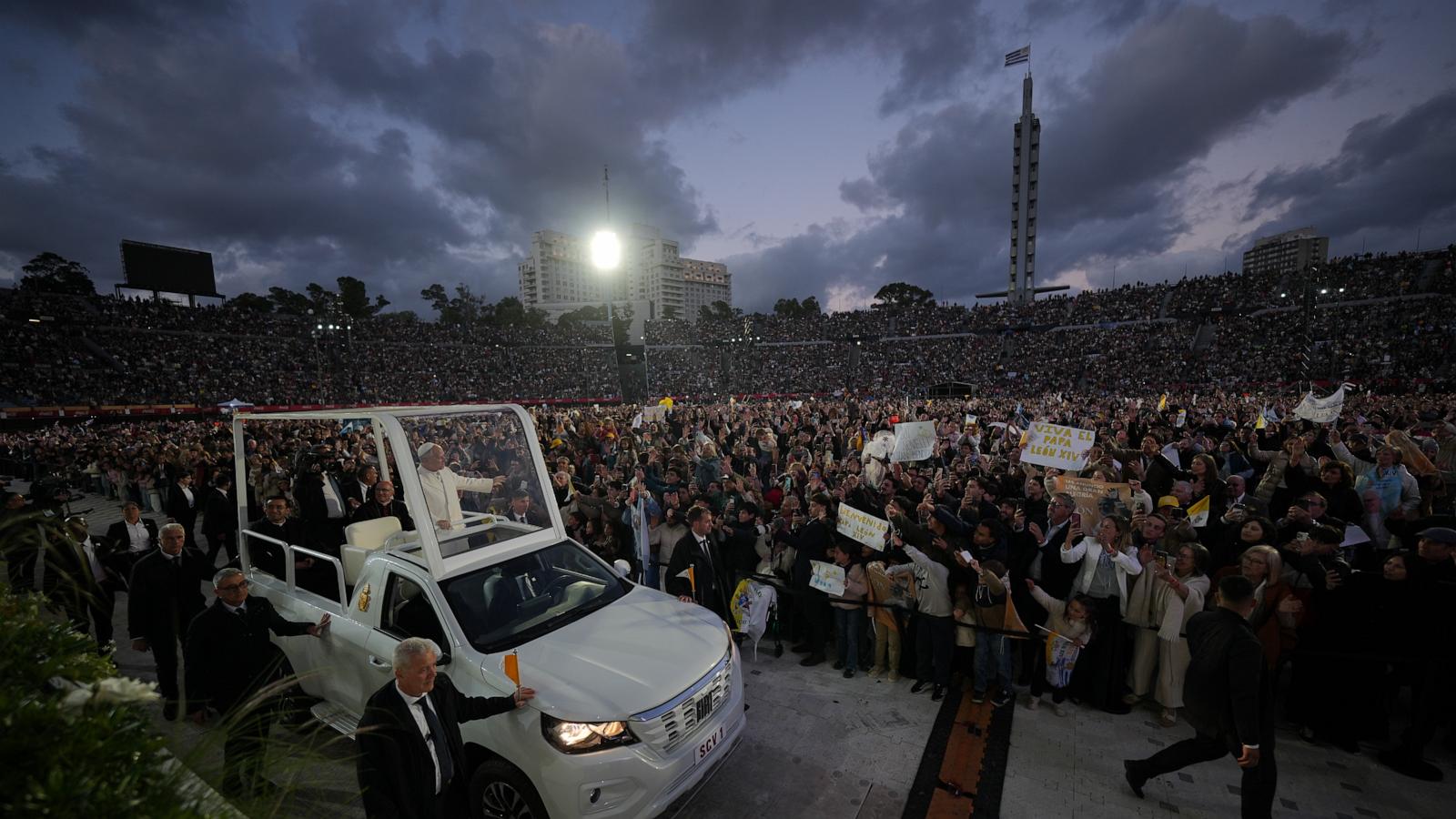
Pope Leo XIV is concluding his visit to Uruguay with a celebration honoring the Virgin of the Thirty-three, a Catholic feast linked by tradition to the country’s independence. He then travels to Argentina, where his meeting with President Javier Milei comes amid tensions over the government’s spending cuts and criticism from church leaders.
Key Facts
Leo is the first pope to visit Uruguay in nearly four decades.
The pope’s final Uruguay event is in Florida, where pilgrims gather to honor the Virgin of the Thirty-three.
Tradition holds that 33 independence patriots carried the Virgin Mary statue when Uruguay declared independence from the Brazilian empire in 1825.
Leo is on a 12-day tour of South America, with Argentina as the second stop and Peru as the final stop.
Milei is scheduled to meet Leo at the Buenos Aires airport before they attend a welcome ceremony and exchange speeches.
Argentine church leaders have criticized Milei’s austerity measures, saying they put economic goals ahead of poor people’s needs.
The article reports that Argentina’s health care budget fell 48% in real terms under Milei’s government.
The article says planned cuts to public universities prompted student protests.
Read the Original
Want the full story? Tap a source to open the original
article.
UK Culture Secretary Lisa Nandy warned that sexual abuse in the media industry may still be happening, saying people in the industry had contacted her with allegations. She called on media organisations to improve protections for people who report abuse, after comedian Russell Brand was found guilty of rape and sexual assault.
Key Facts
Nandy said she could not assure the public that abuse in the media industry had stopped and believed it was likely continuing.
She said people from the media industry, including the BBC, had contacted her to allege that abuse had occurred.
Nandy said people who report abuse can face little protection and significant personal costs, including because of power imbalances and short-term contracts.
She urged media organisations to join the Creative Industries Independent Standards Authority, an industry body intended to protect whistleblowers.
A jury found Brand guilty of one count of rape and three counts of sexual assault after a four-week trial.
The allegations at Brand's trial involved six women and covered the period from 1999 to 2009.
The BBC said abuse of power had no place in the industry and renewed its apology to staff who felt unable to raise concerns about Brand while he worked there from 2006 to 2008.
Read the Original
Want the full story? Tap a source to open the original
article.
Polish prosecutors opened an investigation into the Krakow shooting as a suspected terrorist act after at least six people were killed in a market square on Saturday. The 24-year-old suspected shooter remains in critical condition under police guard; investigators have not found evidence that anyone else was involved.
Key Facts
At least six people were killed in the shooting in Krakow, according to regional police.
Police shot and wounded the suspected attacker during a chase.
Authorities found the suspected attacker’s father, mother and sister dead in his apartment in Ostrowiec Swietokrzyski.
Prosecutors are preparing six murder charges and said the total could rise to nine if investigators link the attacker to his family members’ deaths.
The suspected attacker has undergone several operations and has not yet been formally detained or questioned.
Police said two injured officers survived; one was brought out of a medically induced coma, while the other remained in one.
Police reported that injured people included 11 Polish nationals and five foreign nationals.
A 32-year-old British man was among those killed; one woman who died has not yet been identified.
Read the Original
Want the full story? Tap a source to open the original
article.
President Isaac Herzog asked opposition leader Gadi Eisenkot to try to form Israel’s next government after Prime Minister Benjamin Netanyahu’s coalition lost its parliamentary majority in October’s election. Eisenkot’s four-party bloc holds 48 of the Knesset’s 120 seats, and he has ruled out bringing Arab-led parties into his government despite their support for his effort.
Key Facts
Eisenkot has 28 days to form a government and may request a 14-day extension.
Netanyahu’s coalition holds 53 seats, down from 64 in 2022 and eight short of a majority.
Eisenkot’s Yashar party won 21 seats, while Likud, led by Netanyahu, won 27.
Ra’am and the Joint List together hold 19 seats and endorsed Eisenkot’s attempt to form a government.
With the Arab-led parties’ support, the broader anti-Netanyahu camp could reach 67 seats.
Eisenkot and Avigdor Lieberman have rejected relying on Arab-led parties’ support, while Yair Golan has expressed more openness to working with them.
United Torah Judaism did not endorse a candidate during consultations with Herzog but could still support Netanyahu in coalition talks.
A minority government could hold office without a Knesset majority if lawmakers outside the cabinet support it.
Read the Original
Want the full story? Tap a source to open the original
article.
Russian strikes on Ukraine’s energy infrastructure left hundreds of thousands of people without power, authorities said on Sunday. President Volodymyr Zelenskyy also reported heating outages and a new drone attack near a site where rescue teams were searching for victims of an earlier strike.
Key Facts
DTEK said more than 600,000 people lost power in the Dnipropetrovsk region after strikes damaged energy facilities.
Zlatopil’s mayor said a Russian drone hit critical infrastructure in the Kharkiv region, leaving nearly 250,000 customers without power.
Zelenskyy said the strikes caused widespread power outages across Ukraine.
In the Zhytomyr region, 140 apartment buildings lost heating after a Russian strike, Zelenskyy said.
Zelenskyy said Russia launched an FPV drone at Komyshuvakha while rescue operations continued at an aid distribution center hit earlier.
Zelenskyy said the death toll from the earlier attack in Komyshuvakha had risen to 55, up from an earlier emergency-services count of 50.
Ukraine’s energy ministry said a major strike the previous day had plunged five regions into darkness and disrupted electricity transmission in Kyiv.
Read the Original
Want the full story? Tap a source to open the original
article.
Louise “Lise” Cansot, a Paris artists’ model whose 1949 murder went unsolved, is the subject of two books published on the same day. Philippe Jaenada’s novel won France’s Prix Goncourt, while Luc Corlouër’s book draws on decades of research and materials he shared with Jaenada.
Key Facts
Cansot was born in Tréguier in north-west France and moved to Paris in 1937, aged 16.
Paris artists made portraits of Cansot, who became known as “the girl of 100 portraits.”
During the war, she worked as a film extra, waiter and dancer, and had a daughter named Nathalie.
Police found Cansot’s body on the Quai du Javel on 7 September 1949.
Investigators considered four possible suspects but closed the case as unsolved after about four months.
Corlouër began researching Cansot after hearing about her murder in 1981 and later gave his research notes to Jaenada.
Corlouër’s book and Jaenada’s novel were published on 19 August; Jaenada’s novel won this year’s Prix Goncourt.
Read the Original
Want the full story? Tap a source to open the original
article.
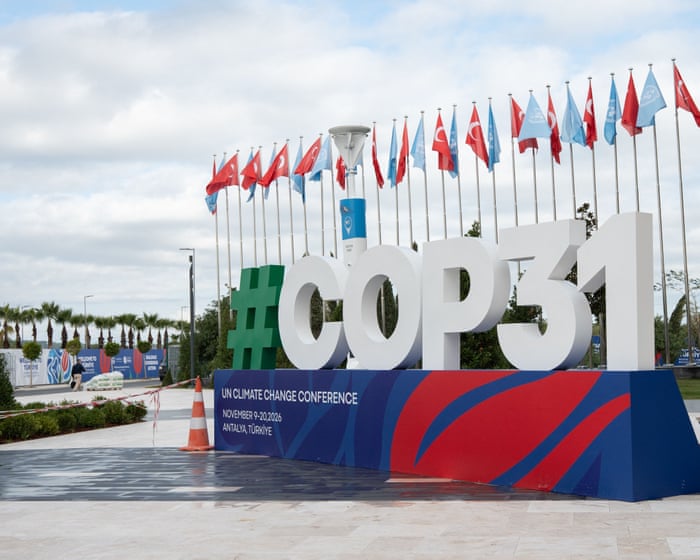
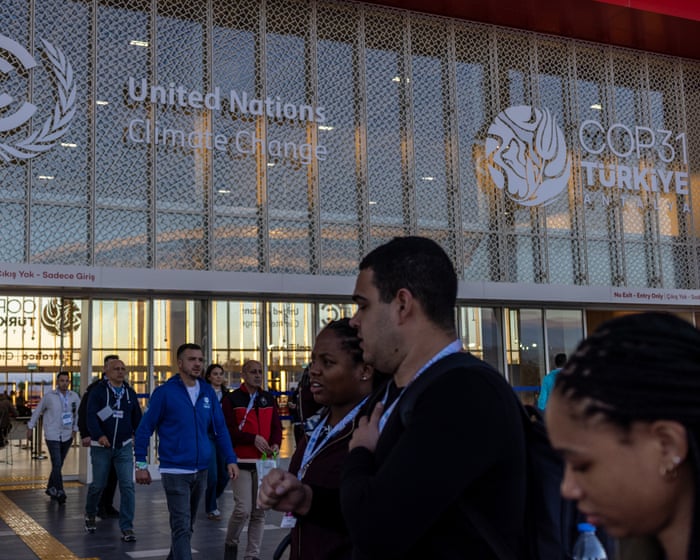
COP31 is scheduled for 9–20 November in Antalya, Turkey, with Australia leading formal negotiations under a compromise arrangement. Talks are expected to focus on climate finance, the transition away from fossil fuels, emissions cuts and support for countries facing climate disasters; the article says the United States will not attend after President Donald Trump withdrew from the Paris Agreement.
Key Facts
Turkey will host COP31, while Australia will preside over the formal negotiations.
Representatives from more than 190 countries are expected to attend.
Australia will lead negotiations on issues including climate finance and a just transition to a low-carbon economy.
Turkey will oversee a voluntary action agenda covering methane, food security, waste and electrification.
The article says the Paris Agreement’s goal of limiting warming to 1.5C has been breached, and says faster emissions cuts could limit the overshoot.
A non-binding roadmap on transitioning away from fossil fuels is expected to address the issue at the summit.
Developing countries are seeking more financial support for climate disasters and adaptation; the article says rich countries have cut overseas aid and higher interest rates have increased poorer countries’ debt.
Read the Original
Want the full story? Tap a source to open the original
article.
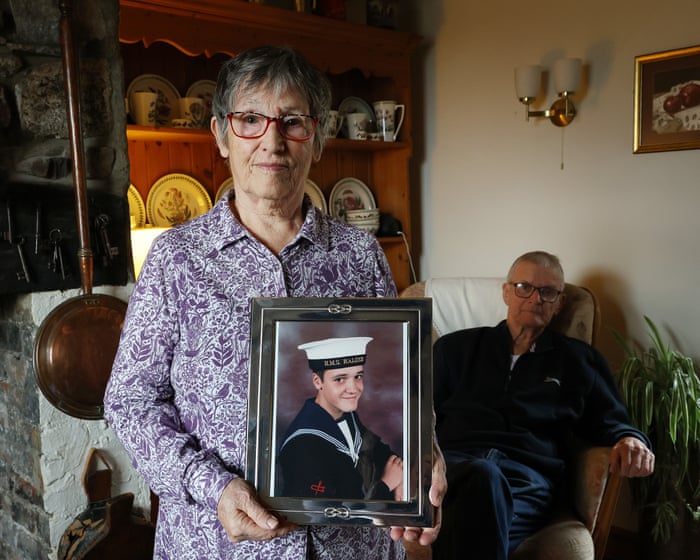
Margaret Parkes has urged Allan Grimson to disclose where her son Simon’s body is, 40 years after the teenage Royal Navy sailor disappeared in Gibraltar. Grimson, who denies killing Simon, was recently sentenced to 22 years for sexual offences against four boys and men; he is already serving a life sentence for two murders.
Key Facts
Simon Parkes disappeared in Gibraltar on 12 December 1986, when his ship docked there.
Simon was 18, nearly 19, and served on the same vessel as Grimson.
Simon’s body has never been found, and Grimson has long been suspected of killing him.
Margaret Parkes, 80, said she and her 84-year-old husband still hope to learn what happened to their son.
Grimson was convicted in July of sexual offences against four boys and men, the youngest of whom was 14.
A judge sentenced Grimson to 22 years for those offences and said he remained dangerous and posed a significant risk to the public.
Grimson is serving a life sentence for murdering Nicholas Wright, 18, and Sion Jenkins, 20, in the late 1990s.
The judge said Grimson would not be eligible for parole consideration until shortly before his 80th birthday; his life sentence means he may never be released.
Read the Original
Want the full story? Tap a source to open the original
article.
COP31 will take place in Antalya, Turkey, with Australia leading the negotiations and Turkey overseeing a voluntary action agenda. The article highlights the roles of Australia, Turkey, Brazil and China, including their plans, energy policies and influence on climate discussions.
Key Facts
Australia and Turkey agreed that Australia would lead COP31 negotiations in Antalya after a dispute over hosting.
Australian Prime Minister Anthony Albanese is expected to speak at the opening of the leaders’ segment but is unlikely to stay long.
Australian Climate and Energy Minister Chris Bowen will manage the negotiations while balancing energy security and the transition to clean energy.
Australia remains a major fossil fuel exporter but has invested heavily in renewable energy, and widespread solar power sometimes leads to free electricity for consumers.
Turkey’s environment minister, Murat Kurum, oversees the summit’s voluntary action agenda, while President Recep Tayyip Erdoğan’s wife, Emine Erdoğan, has promoted recycling and reducing waste.
International Energy Agency head Fatih Birol is described as an adviser behind the summit’s emphasis on electrification, or replacing fossil fuel use with electricity.
Brazilian President Luiz Inácio Lula da Silva plans to bring non-binding roadmaps for a transition away from fossil fuels and for ending deforestation.
Chinese President Xi Jinping will not attend, but China’s emissions and rapid growth in renewable energy make the country influential in global climate efforts.
Read the Original
Want the full story? Tap a source to open the original
article.
Diwali celebrations began on Sunday, November 8, with people in India and around the world marking the Hindu festival. In Ayodhya, events included Ramayana performances, light shows, music, fireworks and drone displays.
Key Facts
The article says more than one billion people mark Diwali.
Celebrations began on Sunday, November 8, 2026.
People across India and the global diaspora gathered for the festival.
Diwali is one of the most important festivals in the Hindu tradition.
The festival celebrates Lord Rama, who features in the Hindu epic Ramayana.
Ayodhya is believed to be Lord Rama’s birthplace.
Ayodhya festivities included performances, laser and light shows, live music, fireworks and drone displays.
Read the Original
Want the full story? Tap a source to open the original
article.
UK Culture Secretary Lisa Nandy said the government is seriously considering adding Vinted and eBay to a planned ban on social media access for children under 16. The ban is due to start in March, and the government has not released the full list of affected platforms.
Key Facts
Nandy said the government is considering restricting under-16s from using Vinted and eBay to help keep children safe.
The Sunday Times reported that the proposed expansion may also cover Depop and Facebook Marketplace.
The report cited concerns that messaging features could let strangers groom children.
eBay and Vinted say users must be at least 18 years old.
Vinted has 17 million users in the UK, according to the article.
The planned UK ban is set to cover platforms that enable social interaction and allow users to post material.
YouTube is expected to be included, while YouTube Kids will not be.
Roblox is not expected to be banned outright, but features such as chat may be restricted.
Read the Original
Want the full story? Tap a source to open the original
article.
Paraguay’s Senate impeached President Santiago Peña instead of accepting his offer to resign, according to the headline. Peña has been charged in connection with the collapse of Ueno Bank and denies wrongdoing; customers remain unable to access some of their money as repayments begin and protests continue.
Key Facts
The Senate impeached Santiago Peña rather than accept his offer to resign.
Authorities charged Peña over the collapse of Ueno Bank.
Peña was initially placed under house arrest and later moved to a military facility for his safety.
Nearly three million customers lost access to their accounts after regulators took control of the online bank.
Repayments have begun, but customers continue to protest and demand access to their money.
Peña denies wrongdoing.
Read the Original
Want the full story? Tap a source to open the original
article.
The article reports that evidence and analyst assessments point to Chinese-made weapons or components appearing in missile programs linked to both Saudi Arabia and Yemen’s Houthi movement. Saudi Arabia’s alleged use of a DF-15A missile and the Houthis’ reported effort to obtain Chinese components remain unconfirmed, while China denies fueling regional conflicts.
Key Facts
Images circulating online in September purportedly showed debris from a Chinese-made DF-15A missile in Yemen.
The missile was reportedly fired by Saudi Arabia, but neither Saudi Arabia nor China has confirmed Saudi possession or use of the DF-15A.
Conflict Armament Research reported that four containers seized in July contained items suggesting the Houthis tried to acquire Chinese components.
The report said the components may have been intended for a Houthi missile modeled on Iran’s Kheibar Shekan medium-range ballistic missile.
Analyst Jeffrey Lewis said Chinese technology likely features in both Saudi and Houthi missile programs, but the source of any Chinese technology reaching the Houthis is unclear.
Saudi Arabia’s history of acquiring Chinese missiles includes DF-3A missiles assessed by the CIA to have been obtained in 1987 and a reported DF-21 deal in 2007.
The article says researchers identified what appeared to be expanded infrastructure at Saudi Arabia’s Al-Duwadimi motor plant, possibly linked to domestic solid-fuel missile production.
Read the Original
Want the full story? Tap a source to open the original
article.