Italy says civilian infrastructure across Europe is under attack after a wave of suspected hybrid incidents. Recent disruptions include apparent hoax bomb threats that grounded flights and cyberattacks on supermarket freezer systems that spoiled food; the article raises questions about who is responsible and whether the incidents are linked.
Key Facts
Bomb threats this week grounded flights and prompted heightened security at airports across Europe.
Authorities found no explosives, and the threats appear to have been false.
Hackers targeted supermarket freezer systems in several countries, causing temperatures to rise and food to spoil.
The incidents have raised concerns about a broader campaign of hybrid attacks, which can combine cyber and other forms of disruption.
The article does not identify who carried out the threats or establish that the incidents are connected.
The discussion features security specialists Eric Schouten, Dennis-Kenji Kipker and Patrick Bury.
Read the Original
Want the full story? Tap a source to open the original
article.
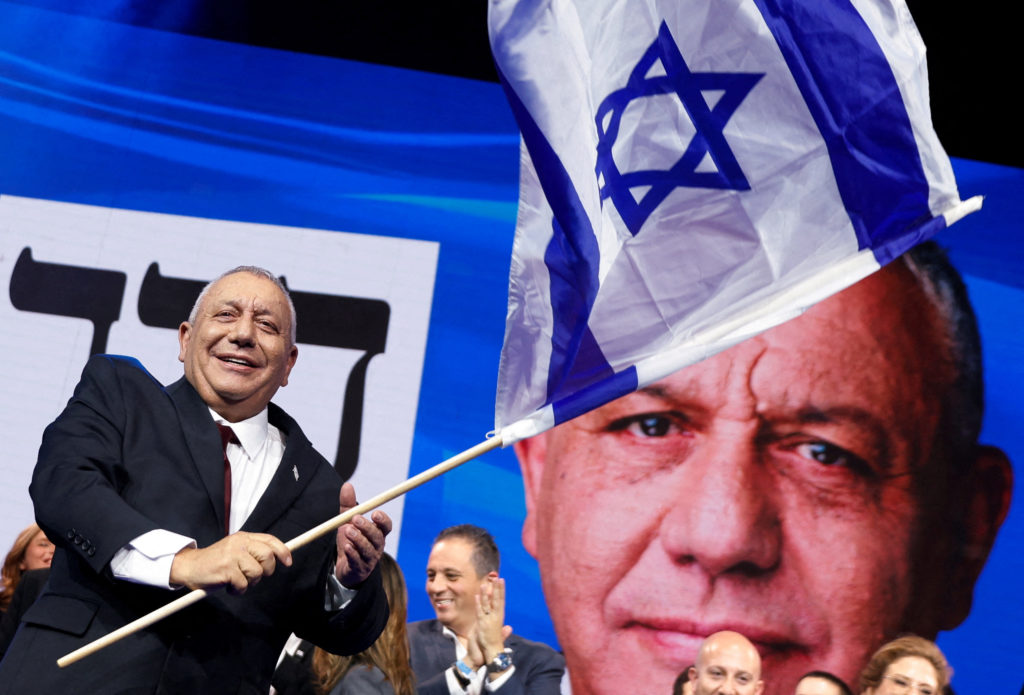
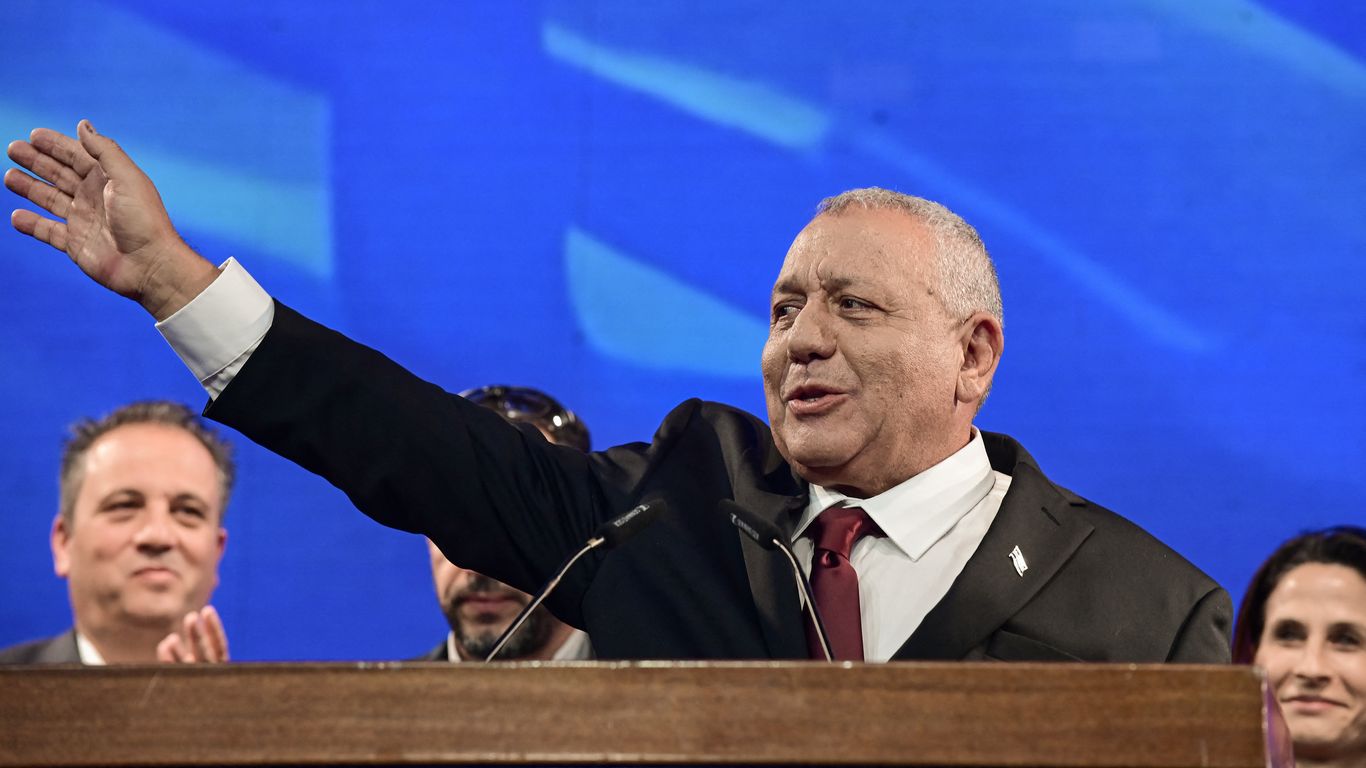
Israeli President Isaac Herzog gave opposition leader Gadi Eisenkot the first chance to form a government after the Oct. 27 election. Eisenkot has up to six weeks, but neither his bloc nor Prime Minister Benjamin Netanyahu’s allies won a parliamentary majority, leaving coalition talks uncertain.
Key Facts
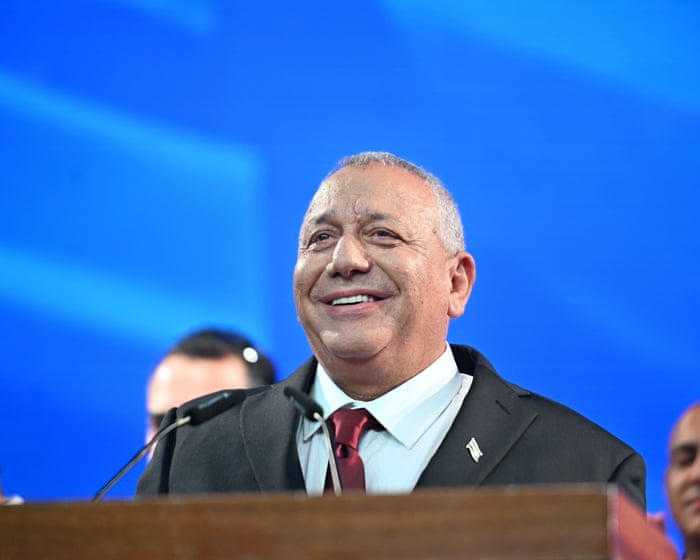
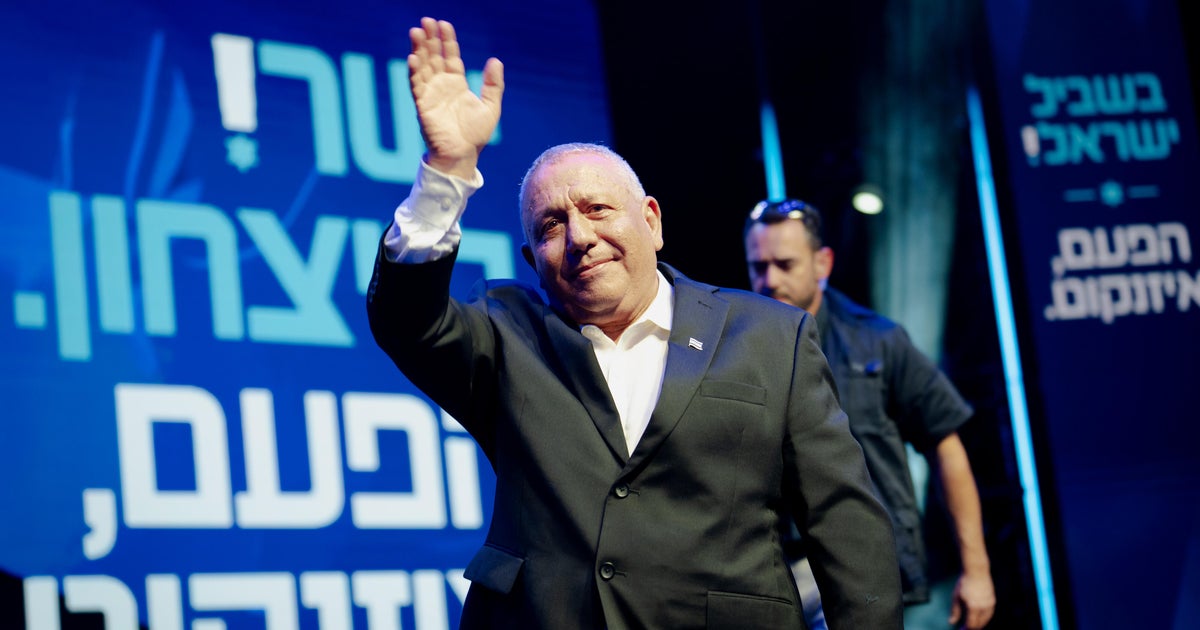
Eisenkot is a former military chief and leads the Yashar party.
Representatives from most major parties recommended that Herzog task Eisenkot with forming a government.
Netanyahu’s Likud is the largest party in parliament, but Netanyahu’s allies lost their majority.
Arab-led parties made historic gains and could help Eisenkot secure a parliamentary majority.
Eisenkot has indicated he may work with Arab-led parties under conditions, including that they support destroying Hamas.
Netanyahu called for a national unity government and warned against a government backed by Arab-led parties.
Eisenkot could also pursue a unity government with major Jewish parties, though he and Netanyahu differ on key issues.
Disagreements include exemptions from military service for ultra-Orthodox men and whether to investigate failures surrounding the Oct. 7, 2023, attacks.
Read the Original
Want the full story? Tap a source to open the original
article.
Israeli President Isaac Herzog selected former army chief and Yashar party leader Gadi Eisenkot to try to form the next government, rather than Prime Minister Benjamin Netanyahu. Eisenkot has 28 days, with a possible 14-day extension, to assemble a coalition with at least 61 seats in the 120-seat Knesset.
Key Facts
Herzog informed Eisenkot of his decision on Saturday and planned to formally give him the mandate on Sunday.
Parties representing 67 lawmakers recommended Eisenkot, compared with 46 who recommended Netanyahu, according to Herzog’s spokesperson.
Eisenkot’s four-party alliance won 48 seats in the October 27 election, while Netanyahu’s right-wing and religious bloc won 53.
Arab-led parties representing Palestinian citizens of Israel won 19 seats, a record number.
Eisenkot has ruled out forming a government with Arab-led parties.
The ultra-Orthodox parties United Torah Judaism and Shas could give Eisenkot a 61-seat majority if they join his coalition.
Netanyahu warned that an opposition government backed by Arab-led parties would lead to Israel’s collapse.
Read the Original
Want the full story? Tap a source to open the original
article.
About 146,000 people, according to France’s Interior Ministry, protested across France on Saturday against rising living costs; unions estimated the turnout at 250,000. The demonstrations, which began in September over conditions in high schools, have broadened to include concerns about living standards and came amid clashes in Paris and Lyon.
Key Facts
The Interior Ministry counted about 146,000 protesters nationwide, including 46,000 in Paris.
Unions estimated that 250,000 people demonstrated nationwide, including 75,000 in Paris.
The protests took place for a fourth consecutive weekend and followed a union-organised rally that drew an estimated 575,000 people.
About 70,000 security personnel were deployed across France.
Police used tear gas in Paris and Lyon, and footage showed police charging protesters in Paris.
Police said about 200 people attacked officers during an arrest in Paris.
The demonstrations began in September over conditions and limited resources at French high schools, then expanded to address broader grievances.
Far-right candidate Marine Le Pen and far-left candidate Jean-Luc Melenchon were leading polls ahead of France’s presidential election, scheduled for April.
Read the Original
Want the full story? Tap a source to open the original
article.
Zaporizhzhia, a Ukrainian city that once sheltered people fleeing the war, faces growing danger as Russian drones reach its outskirts. The frontline is less than 20 kilometers away, and the city is working to protect its streets.
Key Facts
Zaporizhzhia is in Ukraine.
The city previously served as a refuge for people fleeing the war.
Russian drones have reached the outskirts of Zaporizhzhia.
The frontline is less than 20 kilometers from the city.
The city is working to protect its streets.
Al Jazeera reporter Audrey MacAlpine reported on the threat.
Read the Original
Want the full story? Tap a source to open the original
article.
Former Paraguayan President Santiago Peña appeared before prosecutors after being detained following his impeachment. The article links the alleged misconduct behind the impeachment to a digital bank that collapsed.
Key Facts
Santiago Peña is identified as a former president of Paraguay.
Peña appeared before prosecutors.
Authorities detained Peña before his appearance.
Peña was impeached.
The impeachment followed allegations of misconduct.
The alleged misconduct was linked to a digital bank that collapsed.
Read the Original
Want the full story? Tap a source to open the original
article.
Israeli President Isaac Herzog said he will ask opposition leader Gadi Eisenkot to form a government after Prime Minister Benjamin Netanyahu’s coalition lost its parliamentary majority. Eisenkot has 28 days to build a coalition, but divisions among potential partners could prevent him from succeeding.
Key Facts
Netanyahu’s Likud party won the most seats in the Oct. 27 election.
Netanyahu’s coalition won 53 of the Knesset’s 120 seats, leaving it short of a majority.
Eisenkot’s bloc won 48 seats.
Two Arab parties, which won 19 seats combined, backed Eisenkot’s bid.
Sixty-seven Knesset members recommended Eisenkot to form a government, compared with 46 who recommended Netanyahu.
United Torah Judaism, an ultra-Orthodox party allied with Netanyahu, did not endorse him and indicated it might join an Eisenkot-led coalition.
Eisenkot has 28 days to form a government.
Read the Original
Want the full story? Tap a source to open the original
article.
Jean-Luc Mélenchon presented his “A Shared Future” manifesto at Le Bourget, near Paris, ahead of France’s 2027 presidential election. The France Unbowed leader is making his fourth bid for the presidency and proposed higher wages, price controls and reversing pension reform.
Key Facts
Mélenchon unveiled the manifesto on November 7, 2026.
The event took place at Le Bourget, north of Paris.
The venue hosted a major campaign rally by François Hollande in 2012.
The manifesto includes proposals for higher wages and price controls.
Mélenchon’s platform calls for reversing pension reform.
France Unbowed lawmaker Antoine Léaument, a Mélenchon ally, appeared in an interview about the campaign.
The article describes continuing cost-of-living protests and a polarized French political landscape.
Read the Original
Want the full story? Tap a source to open the original
article.
Israeli President Isaac Herzog said he would ask Yashar party leader Gadi Eisenkot to form a government after an election left neither Eisenkot’s bloc nor Benjamin Netanyahu’s camp with a majority. Herzog’s office said the formal appointment ceremony would take place Sunday in Jerusalem; it remains unclear whether Eisenkot can secure enough support to govern.
Key Facts
Eisenkot’s opposition bloc won 48 of the 120 seats in parliament in the October 27 election.
Netanyahu’s camp won 53 seats, leaving both blocs short of a majority.
Both Arab-majority lists endorsed Eisenkot during consultations with Herzog, but it is unclear whether his bloc would accept their support in a government.
Netanyahu’s religious-nationalist coalition lost its parliamentary majority but remained the largest bloc.
Eisenkot served as Israel’s military chief of staff from 2015 to 2019.
Eisenkot opposes creating a Palestinian state and has pledged to end Hamas rule in Gaza.
Eisenkot has criticized attacks by extremist West Bank settlers against Palestinians and promised to crack down on them.
Read the Original
Want the full story? Tap a source to open the original
article.
Israeli President Isaac Herzog gave opposition candidate Gadi Eisenkot the first chance to form a governing coalition after the Oct. 27 election. Neither Eisenkot’s bloc nor Prime Minister Benjamin Netanyahu’s party won a clear majority, and representatives from most major parties recommended Eisenkot for the task.
Key Facts
Herzog announced his decision Saturday night.
Eisenkot is a former military chief and led the main bloc opposing Netanyahu.
The election took place on Oct. 27.
Neither Eisenkot nor Netanyahu’s party won a clear majority.
Representatives from most of Israel’s main parties recommended Eisenkot during talks with Herzog.
Netanyahu alleged that Arab countries interfered in the election.
The acting director-general of the Central Elections Committee said there was no basis for claims of systematic compromise of election integrity.
Read the Original
Want the full story? Tap a source to open the original
article.
Masked protesters in Tirana set off firecrackers and blocked roads as anti-government demonstrations entered their third week. Police used water cannons to disperse them amid anger over alleged government corruption and poor education, creating a challenge for Prime Minister Edi Rama.
Key Facts
The demonstrations took place in Tirana, Albania’s capital.
The protests had entered their third week.
Masked protesters set off firecrackers and blocked roads.
Police used water cannons to disperse protesters.
Anger over alleged government corruption and poor education fueled the unrest.
The protests posed a challenge to Prime Minister Edi Rama.
Read the Original
Want the full story? Tap a source to open the original
article.
Israeli President Isaac Herzog selected Gadi Eisenkot to try to form a government after the October 27 election produced no clear majority. Prime Minister Benjamin Netanyahu’s coalition lost its majority but remained the largest parliamentary bloc, while Eisenkot’s opposition bloc has not agreed to work with Arab parties that could help it secure a majority.
Key Facts
Herzog announced Eisenkot’s appointment on Saturday, November 7, 2026.
Eisenkot leads the Yashar party and is a former military chief.
The October 27 parliamentary election left both Eisenkot and Netanyahu without a clear path to a majority.
Netanyahu’s religious-nationalist coalition lost its majority but remained the largest bloc in parliament.
Eisenkot’s anti-Netanyahu bloc has refused to join with Arab parties.
Arab leaders nominated Eisenkot during talks with Herzog.
Read the Original
Want the full story? Tap a source to open the original
article.
Malaysia’s King Sultan Ibrahim said his order allowing former Prime Minister Najib Razak to serve the remainder of his first prison sentence under house arrest was clear and should be implemented. The attorney general said the government was seeking legal clarification, while the prime minister’s office said a court could resolve remaining legal questions.
Key Facts
Najib was jailed for his role in the 1Malaysia Development Berhad scandal.
The king granted Najib a conditional pardon in September, allowing house arrest after he paid a $12 million fine.
Authorities delayed Najib’s transfer to house arrest after the fine was paid.
The king said the pardon order was clear, its conditions had been met, and it applied only to Najib’s first conviction.
Najib’s lawyers urged authorities to transfer him to his residence immediately.
The Attorney General’s Office said its step was not intended to delay or deny the pardon order, but to avoid unlawful implementation of sentences.
Najib faces an additional 15-year prison term in a separate 1MDB-linked case; he is appealing that verdict.
Read the Original
Want the full story? Tap a source to open the original
article.
Latvian farmers are protesting the transit of Russian grain through Latvia. They argue that the trade helps fund Russia’s war in Ukraine and conflicts with Latvia’s support for Kyiv.
Key Facts
Latvian farmers are protesting Russian grain transit.
The protest concerns grain trade with Russia.
Farmers argue that the trade helps fund Moscow’s war in Ukraine.
Farmers say Latvia should not facilitate trade with Russia while supporting Kyiv.
Read the Original
Want the full story? Tap a source to open the original
article.
Yemeni government forces said they repelled Houthi attacks in Marib and advanced into Houthi-held parts of al-Jawf, while the Houthis reported that strikes in Sanaa province killed at least 27 people. The sides blamed each other for civilian deaths, and the reported casualty figures and military claims could not be independently verified by Al Jazeera.
Key Facts
Yemeni government forces said troops, supported by aircraft and drones, fought Houthi forces in Marib province on Saturday.
The government said its forces were also advancing in al-Jawf province as part of an operation called “Dawn of Yemen.”
A government military spokesman claimed the army carried out 875 attacks and killed or incapacitated about 130 Houthi commanders and fighters; Al Jazeera could not independently verify the claim.
The Houthi-run Saba news agency reported that strikes on al-Shariya village in Sanaa province killed at least 27 people and wounded about 30.
A Houthi health ministry spokesman said most of the reported casualties were women and children.
The Houthis blamed the Saudi-led coalition for the Sanaa province strikes. Saudi Arabia and Yemen’s government had not commented, according to the article.
The Houthis also claimed to have launched six missile and drone attacks on Saudi targets, including an airport and oil facilities, without specifying when the attacks occurred.
A Saudi-led coalition spokesman said the coalition shot down a Houthi ballistic missile over the Riyadh region on Saturday.
Read the Original
Want the full story? Tap a source to open the original
article.
Hundreds of protesters marched in Berlin to mark 109 years since the Balfour Declaration. They called for an end to the war, a halt to German arms exports to Israel, and the release of Palestinian prisoners.
Key Facts
Hundreds of protesters took part in the march.
The demonstration took place in Berlin.
The march marked 109 years since the Balfour Declaration.
Protesters called for an end to the war.
They called for Germany to halt arms exports to Israel.
They called for the release of Palestinian prisoners.
Read the Original
Want the full story? Tap a source to open the original
article.
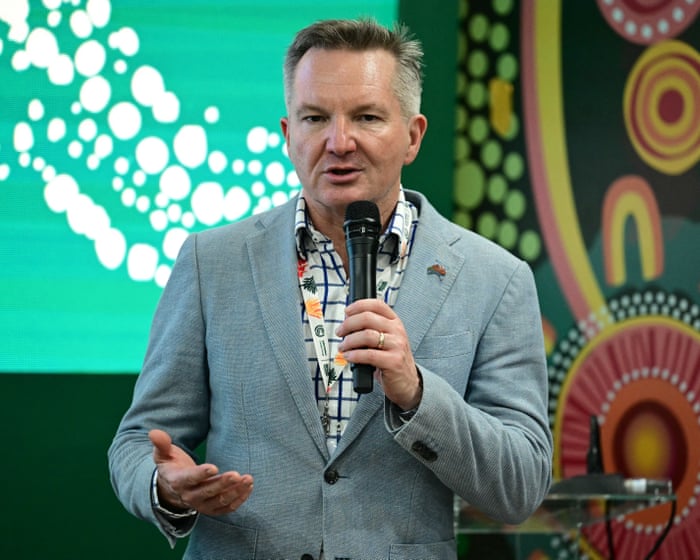
Australia’s climate minister, Chris Bowen, will lead negotiations at the UN’s Cop31 climate talks in Antalya, Turkey, amid calls for countries to move away from fossil fuels. The talks will focus on limiting warming beyond the Paris Agreement’s 1.5C goal, climate finance for poorer countries and a proposed global target to increase electrification, but fossil fuel transition plans are not on the official agenda.
Key Facts
The two-week Cop31 talks will bring together nearly 200 countries.
Turkey will serve as conference president, while Australia will lead the negotiations under a compromise over hosting rights.
Australia is the world’s second-largest exporter of coal used for power and the largest exporter of coal used in steelmaking.
Australia supplies about one fifth of global liquefied natural gas exports, and its government forecasts fossil fuel export value of $141bn this financial year.
Turkey and Australia support a proposed 2035 goal for electricity to make up 35% of global final energy use.
Bowen identified climate finance, limiting overshoot of the 1.5C temperature goal and electrification as priorities; ocean protection is also expected to feature.
Detailed country plans to transition away from fossil fuels are not on the official Cop31 agenda.
Climate scientist Bill Hare urged Australia to keep developing a global roadmap for a transition away from fossil fuels.
Read the Original
Want the full story? Tap a source to open the original
article.
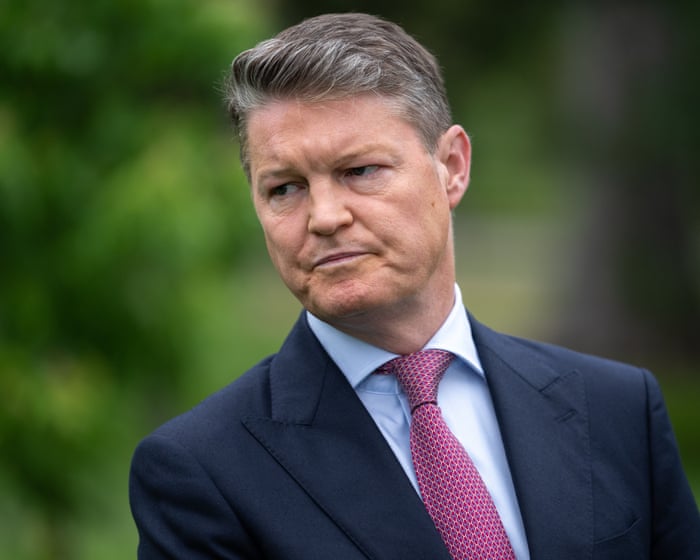
Victoria’s royal commission into the Big Build will begin public hearings during the state election campaign, putting scrutiny of Labor’s infrastructure projects at the center of the contest. Premier Ben Carroll called the inquiry after his predecessor declined to do so, but its hearings could bring politically damaging allegations about project oversight and the CFMEU back into focus.
Key Facts
The Royal Commission into the Integrity of Major Public and Civil Infrastructure Construction Projects is scheduled to begin two weeks of public hearings on Monday.
The hearings will take place during Victoria’s state election campaign.
Ben Carroll called the royal commission after becoming premier.
Carroll’s predecessor, Jacinta Allan, declined to establish a royal commission despite acknowledging criminal infiltration of construction projects.
Former Victorian ombudsman Deborah Glass said the inquiry was necessary and praised Carroll for setting it up.
Planning expert William McDougall alleged in a submission that Labor advisers may have influenced major projects without transparency or accountability.
The government denies the claims in McDougall’s submission, which the royal commission will examine.
The commission said its initial focus would include the CFMEU’s conduct on rail projects in Sunbury.
Read the Original
Want the full story? Tap a source to open the original
article.
Paraguay’s former president Santiago Peña was charged over the collapse of digital bank Ueno, which left nearly three million people unable to access their savings or use bank cards. Prosecutors accuse Peña of directing public funds to the bank and shielding it from oversight; he denies wrongdoing. The collapse has sparked protests and a political crisis.
Key Facts
Peña was impeached and removed from office a day before he was charged.
Reuters reported that Peña faces charges of breach of trust and administration for personal gain.
Prosecutors allege Peña used political influence to direct public money to Ueno and protect it from regulatory scrutiny.
Peña held a stake in Ueno’s parent company until March 2025.
The state pension fund allegedly deposited $355 million at Ueno, above legal limits.
Former central bank head Carlos Carvallo was charged with breach of trust, producing false public documents, and administration for personal gain.
Paraguay’s central bank said 1.2 million customers had received partial or full reimbursement of insured deposits by Saturday.
Prosecutors are seeking pretrial detention for Peña and Carvallo.
Read the Original
Want the full story? Tap a source to open the original
article.
A gunman opened fire in Krakow’s Main Market Square shortly before 15:00 local time on 7 November, killing six people and injuring at least 15. Police shot and arrested the suspect, a Polish man; authorities have not publicly established a motive.
Key Facts
Police said the attacker drove into the square and fired at people from his car.
The six people killed were four women and two men.
At least 15 people were injured, including two police officers.
One officer was described by a government minister as being in very critical condition and was undergoing surgery.
The suspect was shot by police, survived, and was arrested.
Police identified the suspect as a Polish male citizen but released no further identity details.
A police spokesperson said the suspect wore military-style clothing and had a military-grade weapon; weapons and ammunition were found in his vehicle.
Polish Prime Minister Donald Tusk said he was being kept informed and was travelling to Krakow.
Read the Original
Want the full story? Tap a source to open the original
article.