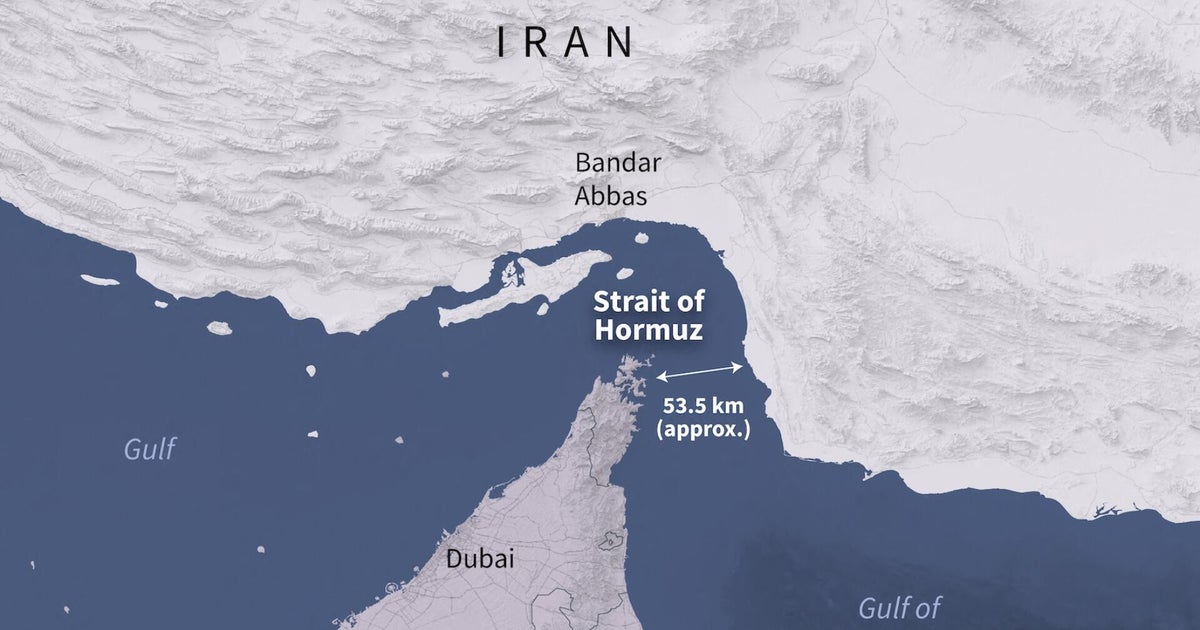
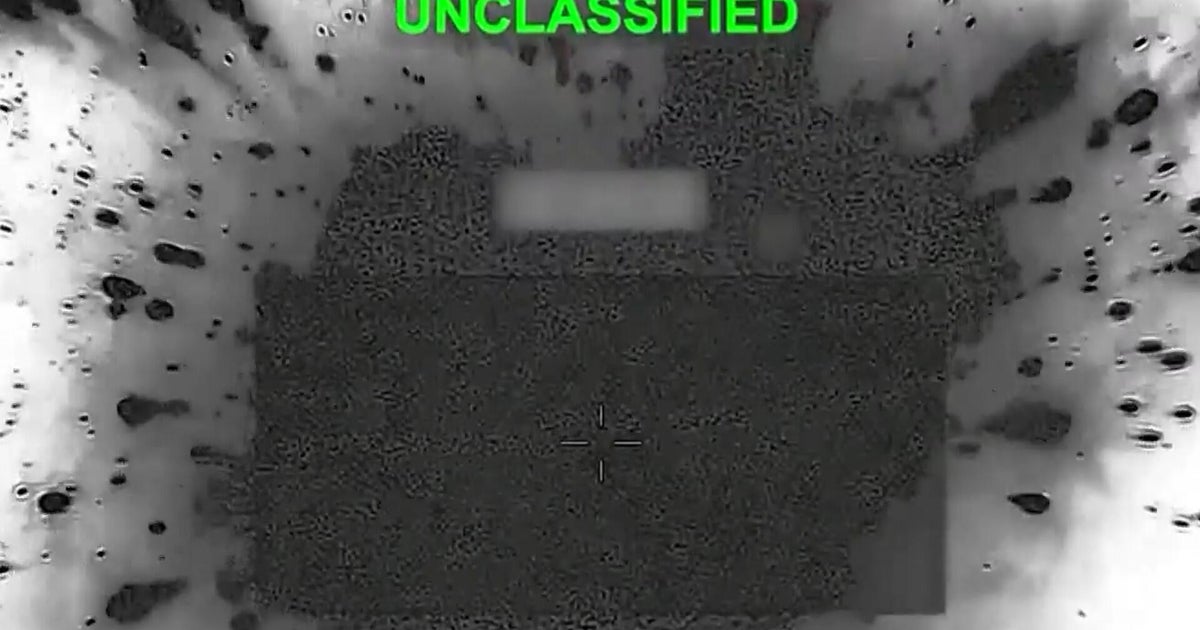
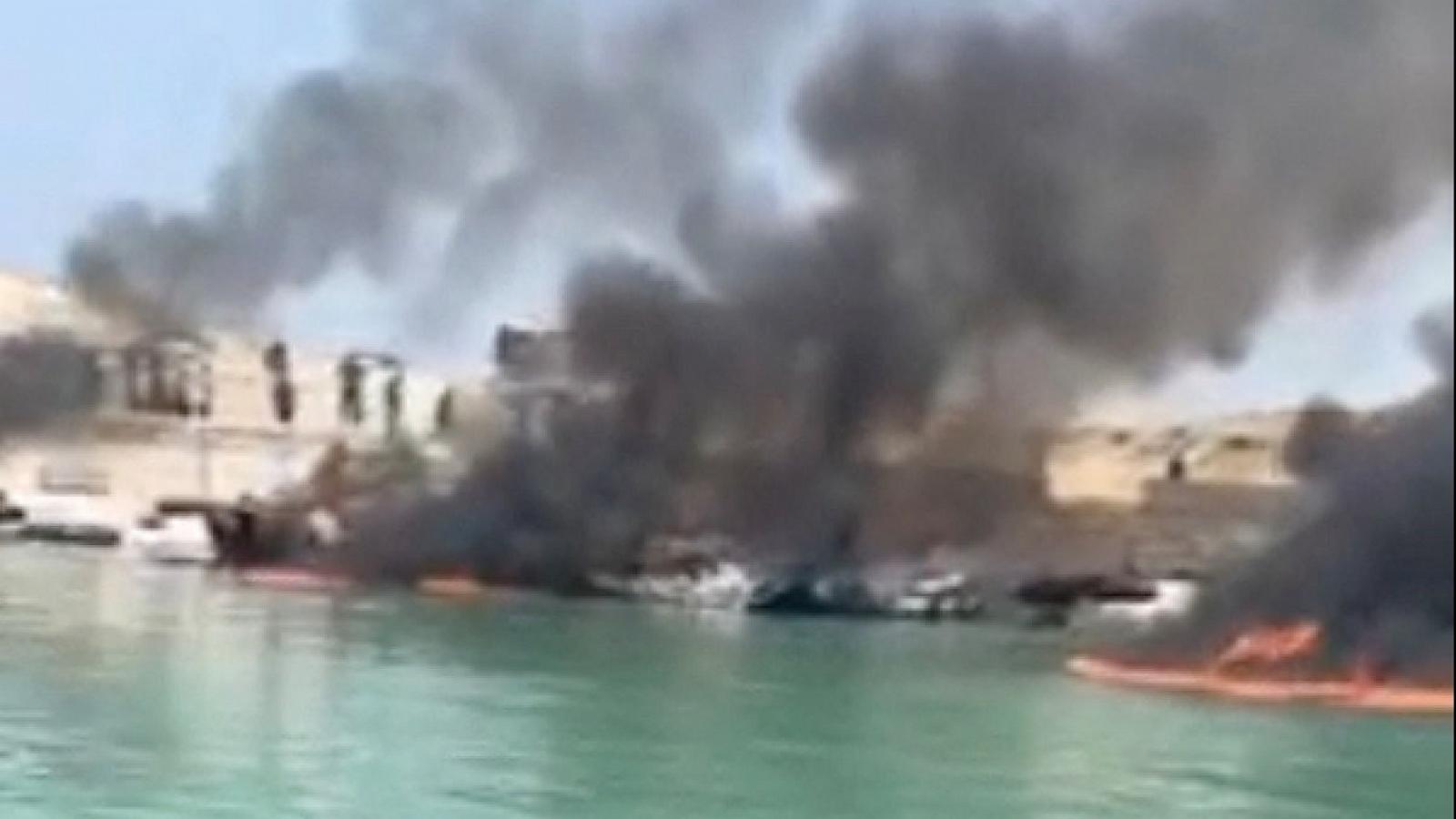
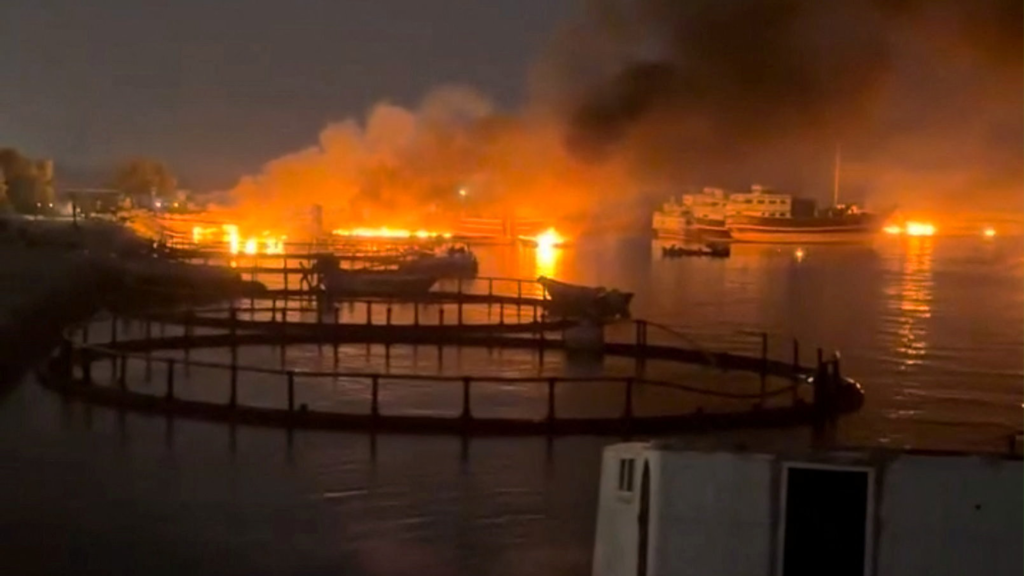
The United States and Iran have recently engaged in their strongest military strikes near the Strait of Hormuz since agreeing to a ceasefire a little over three weeks ago. This area is a key waterway for global oil shipments, making the conflict there particularly significant.
Key Facts
The U.S. and Iran exchanged heavy strikes near the Strait of Hormuz this week.
The strikes are the strongest since a fragile ceasefire was signed about three weeks ago.
The Strait of Hormuz is an important passage for oil transportation worldwide.
Increased military activity raises concerns about regional stability and global energy supplies.
CBS News national security analyst Aaron MacLean provided analysis of the situation.
The conflict shows ongoing tension despite the recent ceasefire agreement.
Read the Original
Want the full story? Tap a source to open the original
article.
A wildfire in southern Spain's Almeria region killed 12 people, with some found inside vehicles. Firefighters are working to control the fire, which has also injured several people and caused evacuations.
Key Facts
The wildfire occurred in the hamlet of Bedar, near Los Gallardos in Andalusia, southern Spain.
Twelve people died, with six victims found after initial reports.
About 150 firefighters are battling the fire.
At least six people were injured, including a woman with burns and a person with smoke inhalation.
Witnesses said the fire may have started when a power line fell and ignited dry plants.
Roads were closed and residents evacuated, with around 50 people staying in a cultural center.
Spain is experiencing a heatwave with high temperatures, increasing wildfire risks.
Spain's Military Emergency Unit (UME) is scheduled to assist in firefighting efforts.
Read the Original
Want the full story? Tap a source to open the original
article.
Andy Burnham, expected to be the next Prime Minister of the United Kingdom, apologized for his party's earlier response to Israel's actions in Gaza. He now wants the Israeli government, led by Prime Minister Netanyahu, to be held responsible for the situation.
Key Facts
Andy Burnham is likely to become the UK’s next Prime Minister.
He publicly apologized for the Labour Party’s original reaction to Israeli attacks in Gaza.
Burnham used social media to make his apology.
He is calling for accountability from the Israeli government.
The Israeli government is led by Prime Minister Benjamin Netanyahu.
The issue concerns the conflict and suffering in Gaza.
Burnham’s stance represents a change from his party’s initial position.
Read the Original
Want the full story? Tap a source to open the original
article.
A student pilot had to land a plane by himself after the instructor unexpectedly jumped out of the aircraft midair. The instructor’s family said he had seen a psychiatrist the week before the incident.
Key Facts
The plane instructor jumped to his death while flying with a student pilot.
The student pilot managed to land the plane alone safely.
A school official shared this information about the incident.
The instructor’s family revealed he visited a psychiatrist recently.
The event happened suddenly and required quick action from the student pilot.
No further details about the exact location or cause have been provided.
Read the Original
Want the full story? Tap a source to open the original
article.
Investigators in the Bahamas disagree with Brian Hooker's version of the events surrounding his wife Lynette Hooker's disappearance. Lynette's family says that Brian's story does not match what the authorities believe happened that night.
Key Facts
Lynette Hooker went missing in the Bahamas.
Her husband, Brian Hooker, provided an account of the events that night.
Investigators have doubts about the accuracy of Brian Hooker's story.
Lynette Hooker's family has spoken out, saying Brian's version differs from the investigation's findings.
Authorities in the Bahamas are leading the investigation.
The exact circumstances of Lynette Hooker's disappearance remain unclear.
Read the Original
Want the full story? Tap a source to open the original
article.
Iran buried its former supreme leader, Ayatollah Ali Khamenei, more than four months after he was killed in an airstrike. Meanwhile, fighting between the U.S. and Iran resumed with new attacks, raising concerns about a broader conflict in the Middle East.
Key Facts
Ayatollah Ali Khamenei, Iran’s late supreme leader, was buried in Mashhad on July 9, 2026.
He was killed in an airstrike more than four months before his burial.
The burial took place at the Imam Reza shrine, with many people attending.
Iran and the U.S. exchanged attacks over two days, increasing fears of full-scale war.
President Donald Trump informed Israeli Prime Minister Benjamin Netanyahu about U.S. military actions in the Gulf.
Explosions were reported in southern Iran near important sites, including a nuclear plant in Bushehr.
The U.S. is overseeing Israeli military withdrawals from certain southern areas in Lebanon.
Tensions involve multiple countries in the region, including Israel, Lebanon, Bahrain, and Kuwait.
Read the Original
Want the full story? Tap a source to open the original
article.
Pastor Ezra Jin was released from a Chinese prison after spending more than 250 days there. He had been detained for running a church that the Chinese government said was not registered. Pastor Jin has now safely returned to the United States, where he was reunited with his daughter Grace Jin Drexel, a human rights activist.
Key Facts
Pastor Ezra Jin was imprisoned in China for over 250 days.
The reason for his detention was running a church without government registration.
He has now returned safely to the United States.
Pastor Jin’s daughter, Grace Jin Drexel, is a human rights activist.
Grace shared the story of her father’s detention and reunion on CBS News.
The case highlights issues of religious freedom and government control in China.
Read the Original
Want the full story? Tap a source to open the original
article.
The U.S. and Iran have increased their military attacks, causing the most intense fighting since President Trump made a deal to start talks three weeks ago. The U.S. hit about 90 targets in Iran, and Iran responded by launching ballistic missiles and drones at U.S. bases in the area. This conflict has helped push gas prices higher.
Key Facts
The U.S. carried out strikes on around 90 targets inside Iran.
Iran responded with ballistic missile and drone attacks against U.S. military bases nearby.
This is the strongest fighting between the two since President Trump arranged talks three weeks ago.
The ongoing conflict is affecting global gas prices, making them rise.
The military actions involve key strategic sites in the region.
Both sides have escalated their attacks rather than moving toward peace talks recently.
Read the Original
Want the full story? Tap a source to open the original
article.
The U.S. and Iran entered a ceasefire in April 2026 after months of conflict but the agreement broke down in July. President Donald Trump ended the ceasefire following renewed attacks and ordered large-scale U.S. strikes on Iran, escalating the conflict.
Key Facts
The war between the U.S. and Iran began on February 28, 2026, after Israel killed Iran’s Supreme Leader with U.S. help.
A ceasefire was first announced by President Trump on April 7, 2026, and was extended several times.
On June 17, 2026, the U.S. and Iran signed a 14-point Memorandum of Understanding (MOU) formalizing the ceasefire and reopening the Strait of Hormuz.
The MOU included ending the U.S. naval blockade and offering Iran economic incentives, including easing oil sanctions.
The ceasefire was set for 60 days while talks aimed to resolve issues like Iran’s nuclear program and shipping security.
In early July, the ceasefire began to fail as Iran attacked commercial ships and U.S. retaliated with strikes on Iran.
President Trump declared the ceasefire “over” at the NATO summit on July 8, 2026.
The U.S. launched a second round of offensive strikes hitting 90 targets, including bridges, broadening the air campaign inside Iran.
Read the Original
Want the full story? Tap a source to open the original
article.
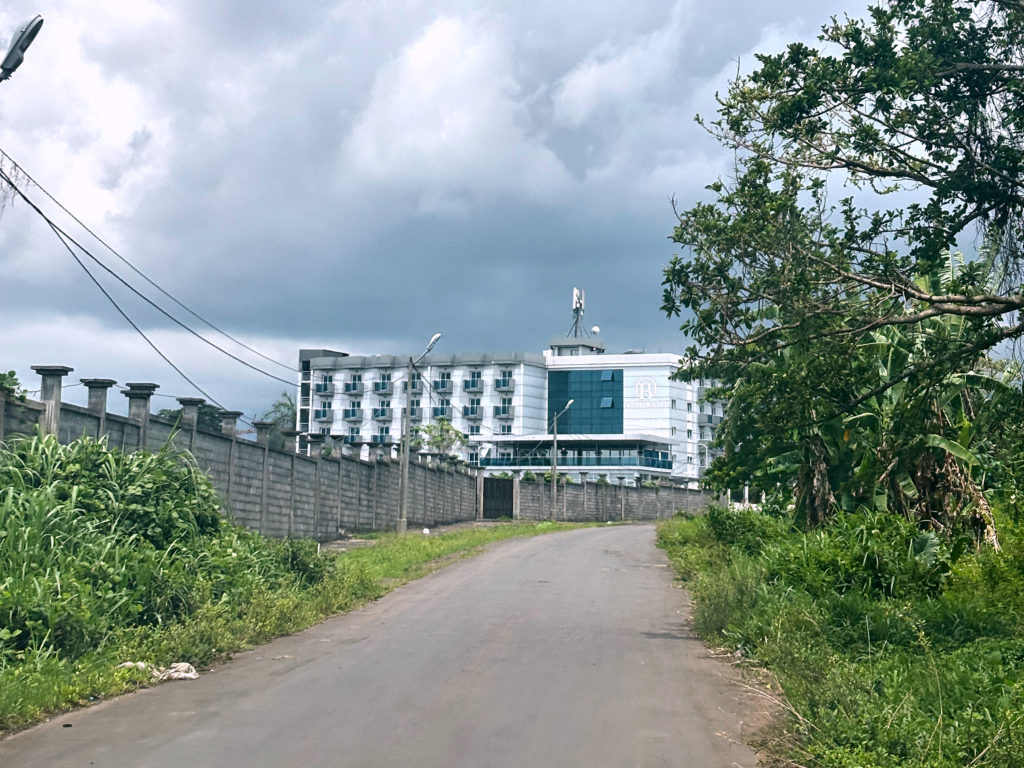
Migrants deported from the U.S. are being held in a hotel in Equatorial Guinea where authorities have also quarantined at least one person suspected of having Ebola. The hotel is owned by Equatorial Guinea’s President Teodoro Obiang Nguema Mbasogo and holds 17 migrants from several African countries under a deportation agreement with the U.S. government.
Key Facts
Migrants deported from the U.S. are detained in a hotel in Equatorial Guinea.
At least one suspected Ebola patient has been quarantined in the same hotel.
The hotel is located on a tropical island off Equatorial Guinea’s coast.
The hotel is owned by President Teodoro Obiang Nguema Mbasogo of Equatorial Guinea.
Seventeen migrants from Angola, Mauritania, Ethiopia, and other countries are housed there.
This arrangement is part of a third-country deportation deal involving the U.S. government.
Ebola cases and deaths are increasing in Congo, affecting even new provinces.
Read the Original
Want the full story? Tap a source to open the original
article.
The death toll from two earthquakes in Venezuela last month has risen to 3,889. Health groups warn that many displaced people face a higher risk of diseases due to poor water, sanitation, and medical services.
Key Facts
At least 3,889 people have died from the earthquakes.
About 16,740 people were injured and 17,907 were forced to leave their homes.
The northern coast of Venezuela was the most affected by the earthquakes.
The Pan American Health Organization (PAHO) said disease risks are rising due to overcrowded shelters and lack of clean water.
PAHO works with Venezuela’s health ministry to improve vaccination and track illnesses.
The United Nations asked for nearly $300 million to help 1.3 million Venezuelans in urgent need.
PAHO called for $15 million in emergency aid to fix hospitals and keep shelters sanitary.
Health risks include injuries and problems from disrupted medical care and poor hygiene.
Read the Original
Want the full story? Tap a source to open the original
article.
Supporters of former Prime Minister Viktor Orbán protested in Budapest against plans by the new Hungarian prime minister, Péter Magyar, to remove President Tamás Sulyok from office. Magyar's government aims to change the constitution to end Sulyok’s term, set term limits for parliament members, and reform the judiciary.
Key Facts
Thousands protested outside the presidential offices in Budapest defending President Tamás Sulyok.
New Prime Minister Péter Magyar defeated Orbán in April, ending Orbán's 16-year rule.
Magyar wants to remove Sulyok by amending the constitution, citing Sulyok's failure to block antidemocratic acts under Orbán.
The amendment would also set term limits for parliament, reform courts, and create a body to investigate alleged financial abuses by Orbán’s government.
Orbán’s Fidesz party claims these moves threaten democratic rules and accuse the new government of moving toward dictatorship.
Hungary’s president has mainly ceremonial powers but can send laws to the constitutional court for review.
Magyar’s government has taken steps to dismantle Orbán-era institutions, including suspending public broadcaster services seen as biased.
The new government unlocked about 16.4 billion euros in EU funds by promising democratic reforms.
Read the Original
Want the full story? Tap a source to open the original
article.
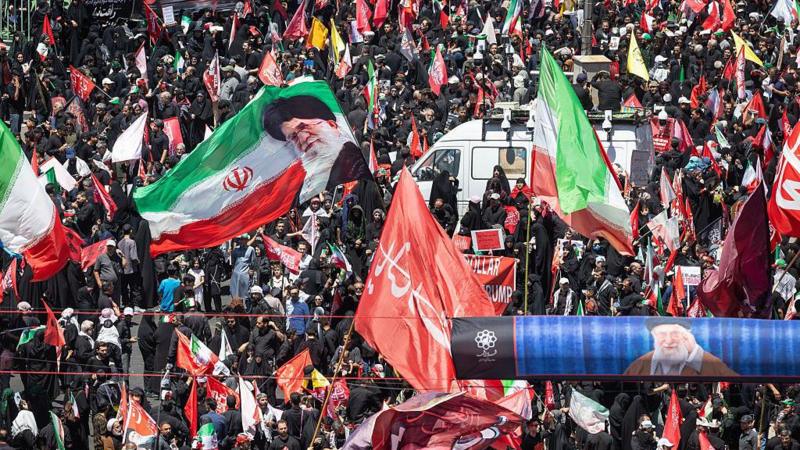
Large crowds gathered in Mashhad, Iran, to bury the country’s late supreme leader, Ayatollah Ali Khamenei, at the Imam Reza shrine. His burial followed six days of mourning and came amid ongoing tensions and recent strikes between Iran, the US, and Israel.
Key Facts
Ayatollah Ali Khamenei was buried at the Imam Reza shrine in Mashhad, Iran’s holiest Shia Muslim site.
The funeral marked the end of six days of public mourning across Iran and Iraq.
Khamenei and several family members died in an Israeli strike on his Tehran residence on 28 February.
His son Mojtaba succeeded him as supreme leader but has not been seen publicly and reportedly was seriously wounded in the attack.
Iran's Revolutionary Guards accused the US of bombing railway bridges to disrupt the funeral.
Thousands of mourners in Mashhad held flags, banners, and photos, some calling for the death of US President Donald Trump.
The funeral ceremonies aimed to show unity and strength after a war and internal protests that caused many deaths in Iran.
Imam Reza’s shrine is a historic religious site visited by millions each year and is significant to Shia Muslims.
Read the Original
Want the full story? Tap a source to open the original
article.
The UK is experiencing a heatwave with temperatures reaching up to 35.5°C, marking the eighth day this year with temperatures above 34°C, a new record. This heatwave is expected to continue into next week before cooler weather arrives, but some regions will get brief relief from cooler sea breezes.
Key Facts
UK temperatures hit 35.5°C on Thursday in Wisley, Surrey.
This year has had eight days above 34°C, breaking the previous record of seven days set in 1976 and 2020.
The current heatwave is the third this year and may last into next week.
Cooler air is expected to reduce temperatures slightly in some areas over the weekend, especially near the North Sea.
Amber and yellow heat health warnings cover much of England until Sunday evening.
High temperatures affect vulnerable groups like the elderly, young children, and people with health problems.
Pollen levels are high due to the heat and dry weather, worsening allergies for some people.
The UK’s highest temperature record is 40.3°C, set in 2022 in Lincolnshire.
Read the Original
Want the full story? Tap a source to open the original
article.
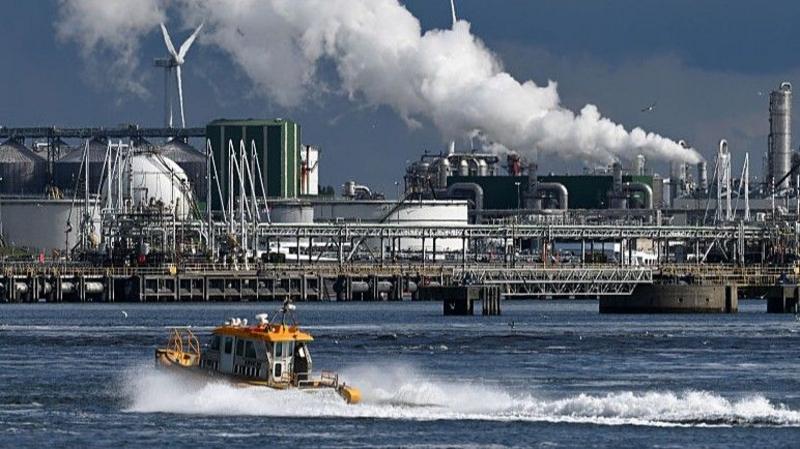
The Port of Rotterdam in the Netherlands is Europe’s largest freight port and a major center for oil refining and chemical production. It faces pressure from environmental groups to reduce its large carbon emissions and transition away from fossil fuels toward greener energy sources.
Key Facts
Rotterdam is Europe’s biggest freight port and handles nearly as much cargo as all UK ports combined.
Five oil refineries, including Shell's largest in Europe, operate at the port, processing hundreds of thousands of barrels of crude oil daily.
The fossil fuels passing through the port are linked to about 600 megatonnes of CO2 emissions annually, far exceeding the emissions of the Netherlands' biggest airport.
Rotterdam’s industrial cluster emits around 29 million tonnes of CO2 each year, about half of the Netherlands’ total domestic emissions.
Environmental group Advocates for the Future filed a lawsuit claiming the port authority is not doing enough to reduce fossil fuel dependency.
The Port Authority plans to cut its own emissions by 90% by 2030 and is investing in hydrogen fuel, onshore electric power for ships, and alternative fuels.
The port is focusing on carbon capture and storage (CCS) to reduce CO2 emissions by storing it underground.
Many major companies operating at the port are controlled by boardrooms abroad, making emission regulations challenging.
Read the Original
Want the full story? Tap a source to open the original
article.
Syrian authorities say they arrested a group linked to Islamic State for bombings in Damascus during French President Emmanuel Macron’s visit. The attacks happened near the hotel where Macron stayed but did not harm him. The arrests followed raids across different neighborhoods in and around the city.
Key Facts
Bombings occurred in central Damascus during President Macron’s visit in early July 2026.
One person died and dozens were wounded in the attacks.
The Interior Ministry said the suspects belonged to a cell linked to the Islamic State group.
Syrian security forces conducted coordinated raids in four neighborhoods to capture the suspects.
The blasts happened near the hotel where Macron stayed, but after he had left the building.
Macron was the first EU leader to visit Syria since President Bashar al-Assad’s fall in 2024.
Syria joined the US-led coalition against Islamic State in 2025.
Officials said they will provide more details after investigations are complete.
Read the Original
Want the full story? Tap a source to open the original
article.
Many young men from African countries like Cameroon are joining Russian forces in the war in Ukraine. Some are experienced soldiers, while others are students or unemployed, hoping for better opportunities but end up fighting far from home.
Key Facts
Around 3,000 Africans from 35 countries are reported to be fighting with Russian forces in Ukraine.
Ukrainian officials say Russia actively recruits these fighters in Africa, but a former Russian officer denies organized recruitment.
Many recruits from Cameroon have connections to Russia due to past Soviet-era student exchange programs.
Some Africans join because of economic hardship and the hope to support their families.
Experienced soldiers from African conflicts, as well as students and unemployed young men, travel to Russia and sometimes end up signing military contracts.
Experts describe this movement as a new type of migration linked to the war, taking away skilled workers and soldiers from African countries.
Families of those who died, like Moses’s mother in Cameroon, wait for news or the return of their loved ones' bodies.
This migration adds to existing movements of Africans seeking better opportunities abroad.
Read the Original
Want the full story? Tap a source to open the original
article.
The ceasefire between the U.S. and Iran is close to ending after recent attacks. The U.S. military carried out new strikes against Iran, and neither side is ready to resume talks or ease tensions around the Strait of Hormuz, a key shipping route.
Key Facts
The U.S. Central Command said it conducted a new series of strikes against Iran on Wednesday night.
There was another exchange of fire between the U.S. and Iran, raising the risk of renewed conflict.
Neither the U.S. nor Iran is prepared to return to peace talks at this time.
Iran has not agreed to allow free passage of ships through the Strait of Hormuz.
The Strait of Hormuz is a vital waterway for global shipping and oil transport.
Rising tensions threaten the safety of shipping in the region.
The current situation damages hopes of ending the ongoing conflict between the two countries.
Read the Original
Want the full story? Tap a source to open the original
article.
The United States and Iran increased their military attacks against each other this week. The U.S. carried out more strikes on Thursday than at any time since a recent ceasefire began.
Key Facts
The U.S. and Iran have a fragile ceasefire in place.
Despite the ceasefire, fighting between the two countries escalated this week.
On Thursday, the U.S. military conducted the highest number of strikes since the ceasefire started.
The situation shows increasing tension between the U.S. and Iran.
CBS News senior national security correspondent Charlie D'Agata reported on the events.
The ceasefire has not stopped military actions completely.
The exchange of attacks occurred over a short period within the same week.
Read the Original
Want the full story? Tap a source to open the original
article.