The Ebola outbreak in the Democratic Republic of Congo (DRC) has caused 600 confirmed deaths among 1,759 cases since mid-May 2026. The outbreak is expanding, mainly affecting Ituri province, and is caused by the Bundibugyo species of the virus, which currently has no approved vaccines or treatments.
Key Facts
There have been 600 confirmed deaths and 1,759 confirmed Ebola cases in the DRC since the outbreak started in mid-May 2026.
The case fatality rate is about 34%, meaning roughly one in three infected people have died.
Two deaths and 20 cases (with 17 recoveries) have been reported in neighboring Uganda.
The outbreak affects four provinces in northeastern DRC, with a focus on Ituri province.
The virus spreading is the Bundibugyo strain, for which no official vaccine or treatment exists yet.
Clinical trials began July 2 in the DRC testing two possible treatments: a monoclonal antibody (MBP134) and an antiviral drug (remdesivir).
Fighting the outbreak is difficult due to population movement, armed conflicts, and weak health systems.
There are about 700 hospital beds in 22 treatment centers, with plans to add 300 more to handle patients.
Read the Original
Want the full story? Tap a source to open the original
article.
Eswatini has received 11 people deported from the United States under an agreement to host migrants who cannot return to their home countries. The government says these individuals will stay temporarily and have their rights protected according to Eswatini’s laws and international rules.
Key Facts
Eswatini accepted a fourth group of deportees from the US, mostly from other African countries.
These migrants are called "third-country nationals" because they are not from either the US or Eswatini.
The deportees are expected to stay at Matsapha Maximum Security Prison during their time in Eswatini.
The agreement is part of a larger US crackdown on immigration under President Donald Trump’s administration.
Eswatini has also received similar groups from the US before, making it a key partner in this program in Africa.
Human rights groups and local civic organizations have criticized the arrangement for lack of transparency and legal concerns.
The deportees may be held in Eswatini for up to a year before returning to their home countries.
The Eswatini government defends the deal, saying it honors humanitarian values and respects the country’s laws.
Read the Original
Want the full story? Tap a source to open the original
article.
The Organization for the Prohibition of Chemical Weapons (OPCW) has restored Syria’s voting rights after Syria showed cooperation and agreed to destroy hidden chemical weapon stockpiles. This change comes after President Donald Trump removed Syria from the U.S. list of state sponsors of terrorism, and reflects new efforts by Syria’s government to improve relations with the West.
Key Facts
Syria’s voting rights in the OPCW were suspended five years ago due to repeated use of toxic gas.
The OPCW praised Syria’s constructive cooperation and willingness to declare and destroy chemical weapons.
Newly discovered chemical bombs and rockets from the Assad era were found at previously undeclared sites.
Plans were approved to destroy some chemical weapons near Damascus, including nerve agent materials.
Syria’s current president, Ahmed al-Sharaa, aims to rebuild Syria and eliminate remaining chemical weapons from the previous regime.
Syria joined the OPCW in 2013 after pressure over alleged poison gas attacks during Assad’s rule.
The OPCW suspects Syria had about 100 chemical weapons sites, but Assad’s government only admitted to 26 locations.
The U.S. recently removed Syria from its list of state sponsors of terrorism, signaling a shift in U.S.-Syria relations.
Read the Original
Want the full story? Tap a source to open the original
article.
This summer features a variety of TV shows for all tastes, including Netflix’s reboot of "Little House on the Prairie" and the crime thriller "Lucky" starring Anya Taylor-Joy. Popular series like "Ted Lasso" return with new seasons, alongside shows like "GIGN," about an elite French police unit, and Will Ferrell’s new series "The Hawk."
Key Facts
Netflix is rebooting the classic show "Little House on the Prairie."
"Lucky" is a new crime thriller starring Anya Taylor-Joy.
"GIGN" is a French action series about an elite police force.
The popular comedy "Ted Lasso" is returning with a new season.
Will Ferrell stars in "The Hawk" as an older golf champion.
The article lists a diverse lineup of summer TV series.
Fans of different genres will find shows to enjoy this summer.
Read the Original
Want the full story? Tap a source to open the original
article.
Europe is experiencing very hot weather caused by heat domes, which shows that the European Union (EU) faces challenges in managing extreme heat. Despite declaring a climate emergency in 2019, the EU may not have done enough to protect people from the effects of these severe heatwaves.
Key Facts
The European Parliament declared a climate emergency in 2019.
Europe is currently facing record-breaking high temperatures caused by heat domes.
Heat domes are large areas of high pressure that trap hot air and raise temperatures dramatically.
Millions of Europeans are affected by the severe heat this summer.
The EU appears to lack short-term plans to help people endure extreme heat events.
The article includes viewpoints from members of the European Parliament.
Climate resilience means being able to handle and recover from severe climate events like heatwaves.
The EU’s climate challenges raise questions about its preparedness for a hotter future.
Read the Original
Want the full story? Tap a source to open the original
article.
European Commissioner Apostolos Tzitzikostas said sustainable transport is key for Europe’s independence. He mentioned recent rail problems during Europe’s heatwave but confirmed progress in improving railways and air passenger rights. The Commissioner also highlighted Europe’s efforts to reduce reliance on foreign energy due to geopolitical conflicts like the Iran war.
Key Facts
Europe’s rail system faces challenges like cancellations and delays but is gradually improving.
The Commission has assessed which railway areas need updates to handle extreme weather better.
Sustainable transport helps Europe reduce dependence on other countries for energy and fuels.
The conflict involving Iran and the Strait of Hormuz affected jet fuel prices and air travel costs.
Europe produces 70% of its jet fuel and has diversified imports to handle supply disruptions.
New EU rules for air passengers will improve rights, such as free seating next to children and including hand luggage costs in tickets.
These new passenger rules will start next summer to allow companies time to adjust.
The main goal of the new rules is to make passenger rights clear and easy to understand.
Read the Original
Want the full story? Tap a source to open the original
article.
NASA satellite images show the damage caused by Utah’s Cottonwood fire, which has burned over 96,000 acres and destroyed many buildings as of early July 2024. Firefighters have contained 58 percent of the fire, but dry, windy weather continues to make firefighting difficult in the region and across the western U.S.
Key Facts
The Cottonwood fire in Utah has burned more than 96,000 acres (about 150 square miles).
As of July 7, the fire was 58 percent contained by firefighters.
The fire has destroyed up to 150 structures, including over 100 condos and 30 cabins at Eagle Point Ski Resort.
NASA used satellite images in special colors to show the area before and after the fire, highlighting burned land in contrast to green vegetation.
The fire spread quickly in late June, tripling in size over 12 hours on June 23.
Drier than usual winter snow and warm, dry weather helped make conditions easy for fires to start and grow.
Nearly 3 dozen large wildfires were active in the western U.S. by early July 2024.
Nationwide, more than 37,000 fires have burned over 3.4 million acres this year, which is higher than the 10-year average.
Read the Original
Want the full story? Tap a source to open the original
article.
The article argues that selling F-35 fighter jets to Turkey under President Erdogan would seriously damage U.S. security. It suggests that allowing Turkey to have these advanced planes could create risks for American defense.
Key Facts
The F-35 is a modern fighter jet used by the U.S. and allies.
Turkey is led by President Erdogan.
Selling F-35 jets requires strong trust between the U.S. and the buyer.
The article claims that giving F-35 jets to Turkey would harm U.S. security.
It implies that Turkey may not be a reliable partner for this technology.
Read the Original
Want the full story? Tap a source to open the original
article.
Loyalists in Northern Ireland have put a model of a mosque on top of a bonfire that will be lit before annual parades. This bonfire display is linked to pro-UK loyalist groups in the region.
Key Facts
The bonfire is located in Northern Ireland.
A replica of a mosque was placed at the top of the bonfire.
The bonfire is set to be lit before annual parades.
The groups involved identify as pro-UK loyalists.
These parades and bonfires are part of a yearly tradition.
The placement of the mosque replica is a recent development.
The action has attracted public and media attention.
Read the Original
Want the full story? Tap a source to open the original
article.
Ukraine launched drone attacks on several Russian oil facilities and tankers in the Sea of Azov, causing fires and a fuel shortage in Russia. President Zelenskyy said these strikes are a form of long-range sanctions against Russia amid the ongoing war.
Key Facts
Ukrainian drones hit oil depots in the Tver and Stavropol regions of Russia.
Two Russian oil tankers were set on fire in the Sea of Azov, with crews evacuated.
Attacks also targeted a fuel storage facility 800 km from the front line and an oil terminal in the Rostov region.
These strikes have caused fuel shortages and rationing in over 90% of Russian regions.
Russia’s air defence reported shooting down 73 Ukrainian drones; Ukraine said Russian drones and missiles caused damage at 13 locations.
President Trump met President Zelenskyy at a NATO summit and pledged to let Ukraine produce the Patriot air defense system.
The Kremlin warned that Ukraine’s attacks would not lead to peace and threatened to expand military actions in eastern Ukraine.
Read the Original
Want the full story? Tap a source to open the original
article.
More than half of French households have at least one pet, with a total of around 75 million pets in France, which is more than the human population. The strong affection for pets supports a growing pet care industry, but some pets are abandoned, especially during summer.
Key Facts
Over 50% of households in France own a pet.
There are about 75 million pets across France, outnumbering people.
French people love many types of pets, including furry, feathered, and scaly animals.
The pet care industry in France is growing due to high pet ownership.
Some pets are abandoned, particularly during the summer months.
Pet ownership is compared to France’s well-known passions like wine, cheese, and fashion.
The article focuses on cultural aspects and challenges of pet ownership in France.
Read the Original
Want the full story? Tap a source to open the original
article.
The United States carried out military strikes in Iran for a second night after President Donald Trump said the ceasefire between the two countries was over. In response, Iran attacked U.S. allies in the Middle East.
Key Facts
President Donald Trump announced that the ceasefire between the U.S. and Iran had ended.
Following this announcement, the U.S. hit targets in Iran for the second consecutive night.
Iran responded by attacking countries allied with the U.S. in the Middle East.
The conflict represents a recent escalation in tensions between the U.S. and Iran.
CBS News reporters Weijia Jiang and Aaron MacLean provided coverage of the events.
Read the Original
Want the full story? Tap a source to open the original
article.
The latest red list from the International Union for Conservation of Nature (IUCN) shows that many species with unique survival skills are at risk due to human activities like deep-sea mining and habitat destruction. However, some animals, like the Australian numbat, have improved in numbers thanks to conservation efforts.
Key Facts
Many molluscs living on deep-sea hydrothermal vents face extinction mainly because of deep-sea mining.
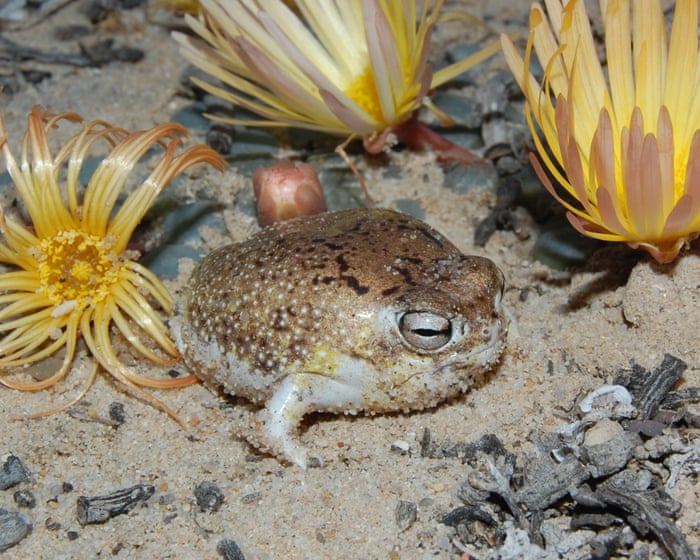
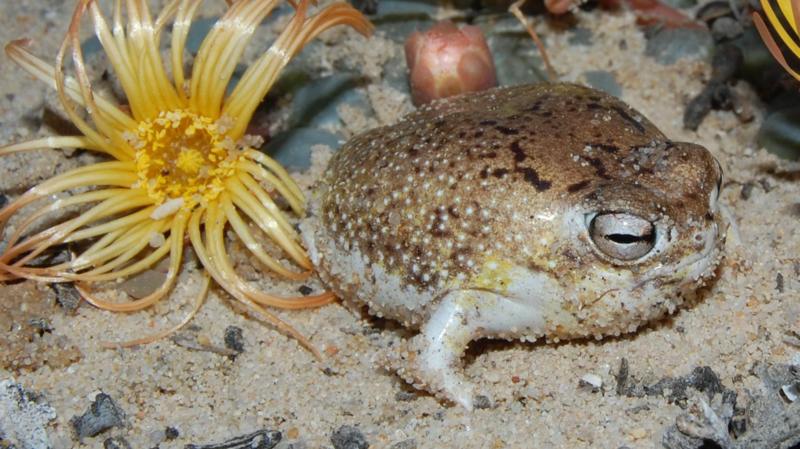
The desert rain frog, which lives in southern Africa and uses little water, is vulnerable because of diamond mining and habitat loss.
Conservation work has helped the numbat population increase from about 300 in the 1970s to 2,000-3,000 today.
Over 200 mollusc species are found only on hydrothermal vents, making them very vulnerable to mining activities.
Sediment from deep-sea mining harms marine animals by covering their habitats.
Some species like the Provanna exquisita snail are safe because they live in protected marine areas where mining is banned.
The IUCN supports a moratorium (temporary ban) on deep-sea mining to protect marine life.
Emperor penguins are officially endangered due to sea ice loss caused by climate change.
Read the Original
Want the full story? Tap a source to open the original
article.
Prince Harry visited Birmingham Children's Hospital in the UK to support the WellChild charity, which helps children with complex medical needs. His visit followed a difficult start to his UK trip, which included a court case loss and disagreement over accommodation at Buckingham Palace.
Key Facts
Prince Harry visited Birmingham Children's Hospital and met young patients, families, and staff.
He praised the WellChild charity, where he has been a patron since 2007.
WellChild nurses help coordinate care for children between home and hospital.
This year marks 20 years of WellChild nurses, supported partly by Prince Harry.
His earlier UK visit was affected by losing a court case against a newspaper.
Buckingham Palace said Prince Harry would not stay there during this trip.
Prince Harry did not bring Meghan Markle or their children to London events due to security issues.
An Invictus Games-themed train named Spirit of Invictus was unveiled in London, linking to Birmingham hosting the games next year.
Read the Original
Want the full story? Tap a source to open the original
article.
The US military carried out strikes on Iran for a second day after President Donald Trump said a temporary agreement to end the conflict was over. The strikes targeted several locations in southern Iran, including near Iran’s nuclear power plant, following attacks on cargo ships in the nearby Strait of Hormuz. These actions have led to increased tensions and economic impacts, such as rising oil prices and lowered global economic growth forecasts.
Key Facts
The US conducted air strikes on Iran cities Bandar Abbas, Sirik, and Bushehr, confirmed by US Central Command.
President Donald Trump said the interim war-ending agreement with Iran is “over” and accused Iran of attacking US shipping with drones and missiles.
Three cargo ships in the Strait of Hormuz were attacked, triggering the most serious fighting since the agreement was signed last month.
Oil prices rose over 5%, reaching above $80 per barrel, due to the conflict and disrupted tanker traffic.
The International Monetary Fund reduced its global growth forecast to 3%, citing Middle East tensions.
Tanker traffic through the vital Strait of Hormuz has almost stopped because of fears about safety.
President Trump said the US strikes would not lead to long-term military engagement.
The situation has raised concerns about instability in the Middle East and its wider economic effects.
Read the Original
Want the full story? Tap a source to open the original
article.
The desert rain frog, known for its high-pitched squeaky call, is now considered at high risk of extinction. It lives only in a small area of sand dunes in southern Africa, where mining and development threaten its survival.
Key Facts
The desert rain frog lives only in a narrow strip of coastal sand dunes in Namibia and South Africa.
It burrows into sand to escape heat and surface only to feed and breathe.
Diamond mining and planned energy projects threaten its habitat, risking a 20% population decline over 20 years.
The frog’s unique look makes it attractive to pet collectors, adding to its risks.
Conservationists want mining areas restored to support the frog’s habitat after mining ends.
The International Union for Conservation of Nature (IUCN) lists the frog as highly endangered and tracks many species at risk globally.
Deep-sea mining of minerals important for green technologies may threaten other rare marine species.
Other rare species, like a tree near Bristol and deep-sea snails, also face extinction threats from human activities.
Read the Original
Want the full story? Tap a source to open the original
article.
A loyalist bonfire in Northern Ireland included a model of a mosque, which many groups and politicians condemned as promoting hatred against Muslims. Police arrested a man connected to the display and are investigating it as a possible hate crime. The bonfire is part of an annual event, but this year’s display included messages against immigration and radical Islam.
Key Facts
The bonfire in Moygashel, County Tyrone, featured an effigy of a mosque on top of a wood pile to be burned.
Placards with slogans like “secure our borders” and “end the threat of radical Islam” were part of the display.
Amnesty International and political leaders called for police action, describing the display as inciting hatred.
A 56-year-old man was arrested for showing material intended to stir up hatred and remains in custody.
The Moygashel Bonfire Association said the display was political protest against immigration and government policy, not targeting individuals.
The bonfire is linked to the yearly celebration of King William III’s victory in 1690, with an estimated 300 similar bonfires across Northern Ireland.
Anti-immigrant and anti-Muslim themes have been appearing more often in these bonfire displays in recent years.
Similar hate-related incidents, including threatening banners and a mosque attack plot in Ireland, have heightened concerns about racism and violence.
Read the Original
Want the full story? Tap a source to open the original
article.
Jordanian military forces intercepted at least eight Iranian missiles in the skies over Jordan. Sirens sounded in multiple Jordanian cities as the missiles were detected and stopped.
Key Facts
Jordan’s air defense systems detected Iranian missiles flying into the country’s airspace.
At least eight missiles were intercepted by Jordanian forces.
Sirens were sounded in several cities to warn residents of the incoming missiles.
The interceptions took place over Jordan, protecting cities from the missile threat.
The incident involved missiles launched by Iran, according to reports.
Read the Original
Want the full story? Tap a source to open the original
article.
Vets in the UK warn that animals are suffering heatstroke during the recent hot weather, even when resting at home or in gardens. Extreme temperatures, part of a European heatwave, have caused more cases of heatstroke in pets like dogs, cats, rabbits, and guinea pigs.
Key Facts
Heatwaves in the UK and Europe have brought temperatures over 40°C, the hottest June on record in western Europe.
Heatstroke in pets usually happened during walks or when left in hot cars, but now pets resting at home or in gardens are affected.
Vets report more cases of heatstroke, including pets stressed during travel or trapped in hot spaces like greenhouses.
Dogs with flat faces, thick fur, breathing or heart problems are more at risk.
Some pets, even those stable on medicine, get worse due to heat, with cases seen in guinea pigs too.
Signs of heatstroke in pets include heavy panting, confusion, low energy, and vomiting.
Owners are advised to keep homes cool and limit outdoor exercise, replacing it with indoor activities.
Awareness campaigns have helped reduce known risks like leaving dogs in hot cars, but new heat dangers are emerging.
Read the Original
Want the full story? Tap a source to open the original
article.
Researchers have tested a new vaccine to treat a type of brain tumor called glioma. The vaccine trains the immune system to attack tumor cells with a specific genetic mutation, showing promising results in a clinical trial with long-term patient survival.
Key Facts
Gliomas are brain tumors that are usually hard to cure with chemotherapy, radiation, or surgery.
The vaccine targets a common mutation in the IDH1 enzyme found in glioma cells.
It activates the immune system’s T cells and B cells to attack the tumor.
In a clinical trial of 33 patients, 66% were alive eight years after vaccination.
42% of patients had no tumor progression during the study period.
Patients with surgically removed tumors had higher survival rates.
The vaccine’s immune response was linked to better long-term outcomes.
The study suggests vaccine booster shots might maintain immune defense without extra side effects.
Read the Original
Want the full story? Tap a source to open the original
article.