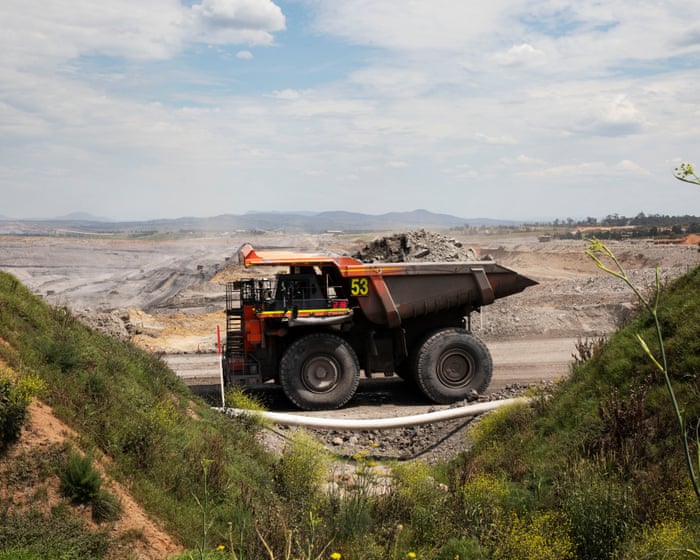
Australia’s highest court ruled in favor of a community group against a coal company’s plan to expand a mine in New South Wales. The court said the state planning body must consider how to reduce greenhouse gas emissions caused by burning the coal overseas.
Key Facts
The High Court of Australia upheld a decision blocking MACH Energy’s Mount Pleasant coal mine expansion.
The expansion would double coal output to 21 million tonnes per year until 2048.
Most emissions related to the mine (98%) are from Scope 3 emissions, meaning pollution from burning the coal abroad.
The court ruled the state planning commission did not properly consider or try to limit these emissions.
The community group Denman Aberdeen Muswellbrook Scone Healthy Environment Group (DAMSHEG) brought the case.
This is Australia’s first High Court case involving climate change impacts on fossil fuel projects.
The ruling sets a national precedent requiring full consideration of climate impacts in mine approvals.
The case has been ongoing for more than four years, beginning in lower courts.
Read the Original
Want the full story? Tap a source to open the original
article.
Over one million people in South Sudan may lose access to food aid by October because supplies are running very low. This problem worsened due to the war in Sudan, which caused many people to cross into South Sudan and made food prices go up.
Key Facts
About 3,000 refugees and returnees cross into South Sudan from Sudan each week.
Food stocks in key South Sudan locations have dropped sharply, from 10,000 metric tonnes last year to under 300 tonnes now.
The World Food Programme warns that over one million vulnerable people may lose access to food and nutrition aid soon.
The war in Sudan since April 2023 has pushed many people into South Sudan, increasing demand for food and aid.
Food prices have risen because importing goods has become more difficult due to the conflict.
Humanitarian groups have fewer resources while more people need help.
Local insecurity and a lack of access to farmland prevent people from supporting themselves.
Government checkpoints and political issues make it harder to deliver aid to all areas needing help.
Read the Original
Want the full story? Tap a source to open the original
article.
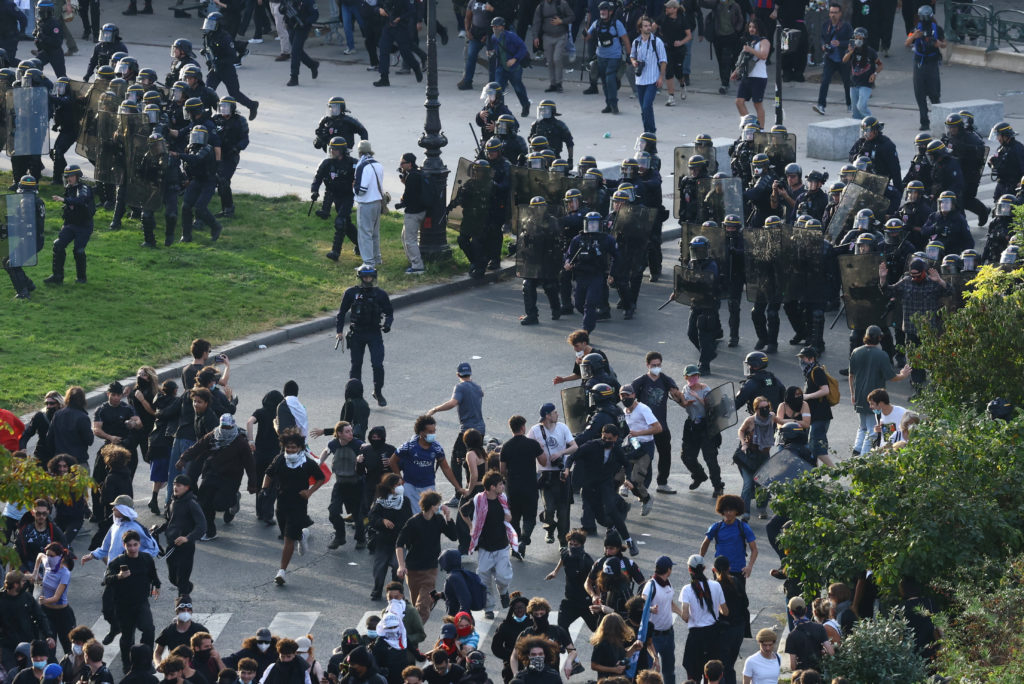
Saint-Denis Mayor Bally Bagayoko was tear-gassed while protecting student protesters from riot police. Police used tear gas and water cannons against demonstrators in Paris and Lyon, where tens of thousands of people protested for more funding for French high schools.
Key Facts
Mayor Bally Bagayoko was tear-gassed while shielding students from police.
Protests took place in Paris and Lyon.
Police used water cannons and tear gas to stop the protests.
Tens of thousands of people took part in the demonstrations.
Protesters demanded better funding for France's high schools.
Read the Original
Want the full story? Tap a source to open the original
article.
A laboratory worker in Russia who studied the plague died shortly after being hospitalized, raising concerns because of similarities to early COVID-19 pandemic conditions. The incident has drawn attention both inside Russia and internationally.
Key Facts
The worker died at the Irkutsk Anti-Plague Research Institute in Siberia.
The institute focuses on plague research.
The death was reported last week after the worker was hospitalized.
Some observers have compared the situation to early stages of the COVID-19 pandemic.
The event has caused concern about potential health risks related to plague research.
Authorities are likely investigating the circumstances around the death.
The plague is a serious infectious disease caused by bacteria, historically linked to large outbreaks.
Read the Original
Want the full story? Tap a source to open the original
article.
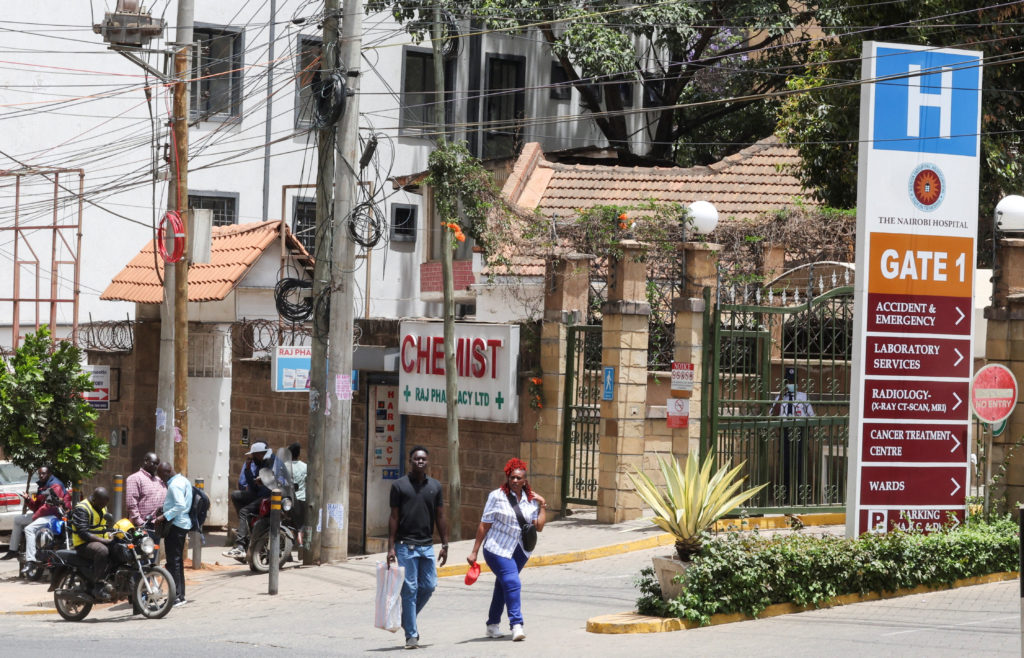
Kenya has reported its first confirmed case and death from Ebola during the current outbreak linked to Congo. A Kenyan man who lived in Congo for seven years returned to Nairobi and tested positive for Ebola before dying in hospital, prompting efforts to track and isolate people he contacted.
Key Facts
The man had been living in Congo for seven years and became sick about a month ago.
He traveled by road to Uganda and then flew to Nairobi, Kenya, arriving Saturday.
Kenya’s health authorities isolated him at Nairobi Hospital, where he tested positive and died Monday.
Ebola spreads through contact with bodily fluids like blood or vomit and contaminated objects.
The current outbreak began in mid-May in eastern Congo and has resulted in over 8,400 cases and 4,000 deaths.
Kenya is tracing 28 close contacts of the patient, including family and health workers, and 27 people from the flight.
Contacts will be quarantined for 21 days and released after negative tests.
WHO and Africa CDC are supporting Kenya with tests, protective equipment, and expert teams.
Read the Original
Want the full story? Tap a source to open the original
article.
Wanying "Heather" Zhang, a California realtor, was arrested for allegedly spying on Taiwan's president’s son in the U.S. at the direction of Chinese officials. The FBI claims Zhang communicated with Chinese intelligence to secretly record the family and found video evidence supporting the surveillance.
Key Facts
Zhang was arrested for allegedly spying on Lai Ting-yu, the son of Taiwan's president, while living in the Seattle area.
FBI says Zhang had contact with Chinese intelligence officials and planned the surveillance through text messages.
Security camera footage reportedly captured Zhang during her spying activities.
Zhang attended the University of International Relations in Beijing, linked to China’s intelligence agency.
Zhang moved to the U.S., studied at the University of Southern California, and became a realtor in California.
She was involved in pro-China groups, including the All American Chinese Association, which has ties to Chinese government influence efforts.
Zhang appeared in public events supporting China’s government, including a celebration for President Xi Jinping’s visit to San Francisco.
Zhang’s path and activities resemble those of a previous accused Chinese spy, Fang "Christine" Fang.
Read the Original
Want the full story? Tap a source to open the original
article.
British police have arrested a seventh person linked to a security incident at a military base in England run by the United States. The latest arrest is a 22-year-old man suspected of planning terrorist acts.
Key Facts
The arrest happened in the UK related to a U.S.-operated military base.
Seven people have now been arrested in connection with this incident.
The newest person arrested is a 22-year-old man.
Police suspect this man was plotting terrorist activities.
The military base involved is managed by the United States in England.
British authorities are leading the investigation.
The case is connected to national security concerns.
No further details about the suspects or the exact nature of the plot have been released.
Read the Original
Want the full story? Tap a source to open the original
article.
Eva Marie Saint, an Oscar-winning actress known for her roles in "On the Waterfront" and "North by Northwest," died at age 102 in Los Angeles from natural causes. She was a significant figure connecting Hollywood’s golden age, early television, and modern film, with a career spanning over 70 years.
Key Facts
Eva Marie Saint was born on July 4, 1924, in Newark, New Jersey, and grew up in New York.
She won the Academy Award for Best Supporting Actress in 1955 for her first film role in "On the Waterfront."
Saint played Eve Kendall in Alfred Hitchcock’s 1959 film "North by Northwest," a role widely celebrated in her career.
She appeared in a range of films from the 1950s to the 2010s but limited her work to focus on family life.
Saint was married to director and producer Jeffrey Hayden for 65 years, and they had two children.
Before movies, she gained recognition through live television dramas and received early Emmy nominations.
She won a Primetime Emmy Award in 1990 for the TV miniseries "People Like Us."
At the time of her death, she was known as the oldest living Oscar winner.
Read the Original
Want the full story? Tap a source to open the original
article.
The UK will experience its coldest autumn night so far by Wednesday night, with temperatures dropping near freezing in some places due to colder Arctic air. Along with the chill, parts of England and Wales will get much-needed rain, which may help with ongoing drought conditions.
Key Facts
Wednesday night will bring the first frost of the season in some UK areas.
Minimum temperatures could be just 1-2 degrees above freezing, especially in northern and eastern England and eastern Scotland.
Afternoon highs on Wednesday will range from 12°C to 16°C depending on the region.
The jet stream is shifting south, bringing colder northern winds to the UK.
Some parts of southern and eastern England may receive 20 to 30mm of rain, about half a month’s usual rainfall, helping drought-stricken areas.
Nearly 75% of England and all of Wales remain in drought, needing 20% more rain than usual for several months to end the drought.
The cold spell will ease by Friday, with temperatures rising and no frost expected then.
Afternoon temperatures could reach about 20°C in some eastern parts by Friday.
Read the Original
Want the full story? Tap a source to open the original
article.
Hang-xiety is a term for feeling anxious the day after drinking alcohol. This anxiety happens because alcohol changes brain chemicals and can cause both physical and mental effects that increase nervousness and worry.
Key Facts
Hang-xiety means anxiety that happens with a hangover.
Alcohol affects brain chemicals called GABA and glutamate, which control relaxation and alertness.
When alcohol leaves the body, the brain overcompensates, causing increased alertness and anxiety.
A study found 18.3% of students felt anxious during hangovers.
People who are naturally shy may feel more anxiety after drinking.
Anxiety after drinking is not just about how much alcohol was consumed but also involves individual traits and possibly genetics.
Alcohol affects sleep quality, making people feel tired but not rested, which can worsen anxiety.
Psychological effects cause people to replay past events and imagine they acted badly, increasing worry.
Read the Original
Want the full story? Tap a source to open the original
article.
About 250,000 people protested in France against budget cuts in public schools. The protests became violent and led to thousands of arrests, mostly of teenagers.
Key Facts
The protests were in response to funding cuts in French public schools.
Complaints included problems like leaks, rats, and lack of enough desks in schools.
Around 250,000 people joined the protests across France.
The demonstrations turned violent in some places.
Thousands of people, mostly teenagers, were arrested during the protests.
Read the Original
Want the full story? Tap a source to open the original
article.
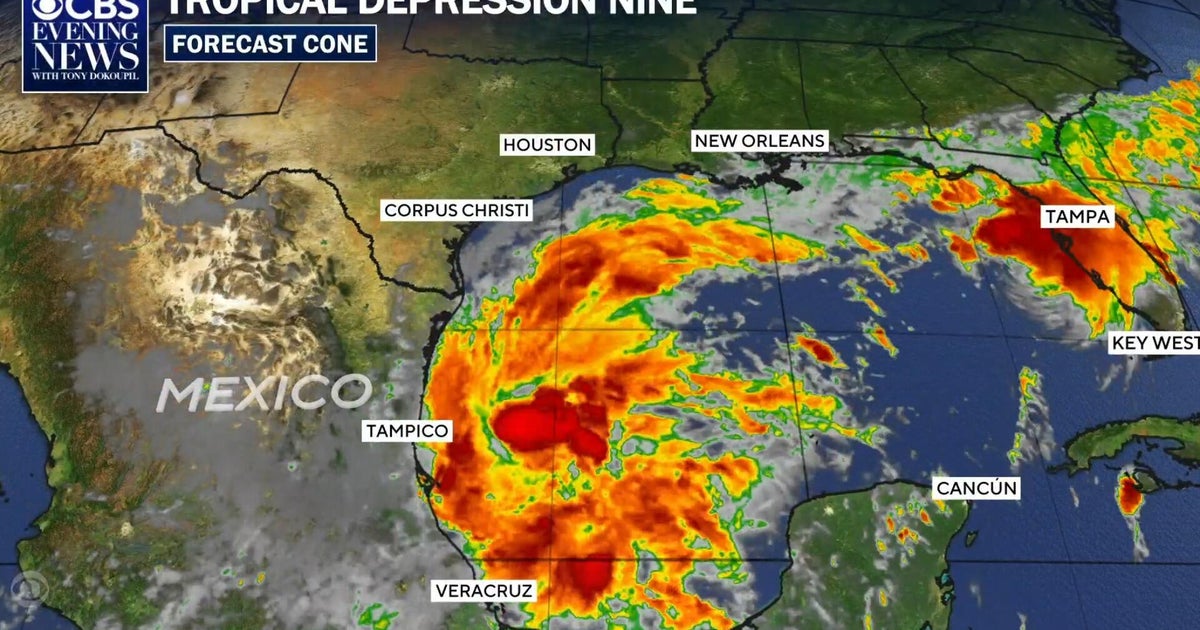
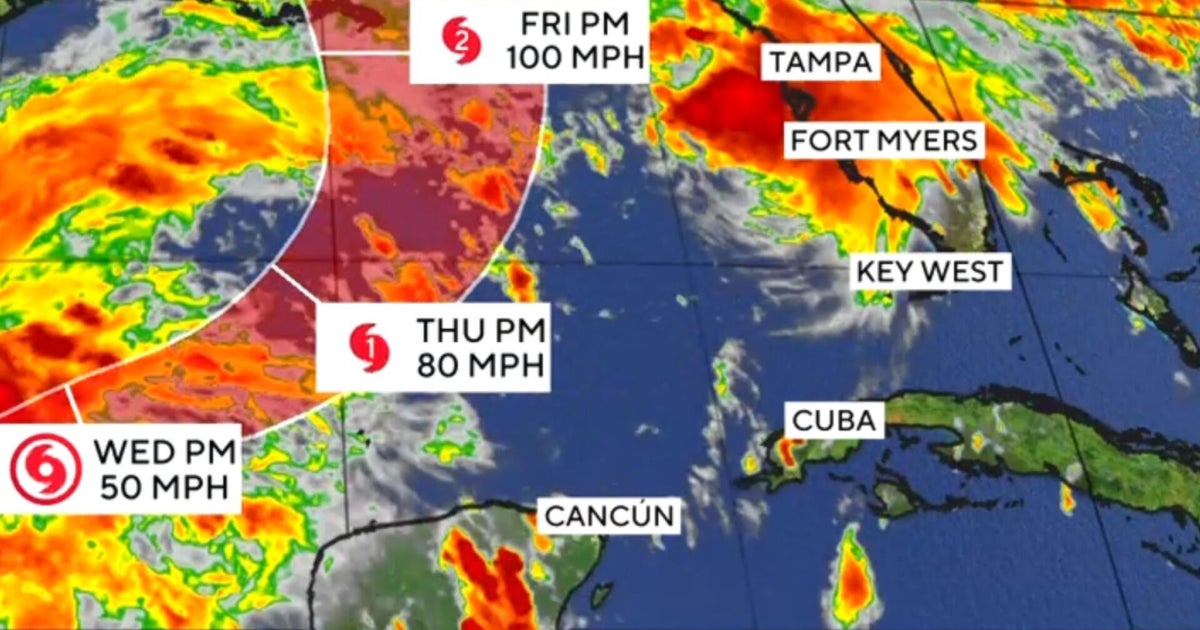
A large area of the Gulf Coast, from Louisiana to the Florida Panhandle, is at risk of a tropical storm. Weather experts warn that this storm could grow stronger and become the first hurricane of the Atlantic season.
Key Facts
The storm threat covers about 700 miles along the Gulf Coast.
It stretches from Louisiana to the Florida Panhandle.
Forecasters are watching the storm closely for possible strengthening.
The storm could develop into a hurricane.
This would be the first hurricane of the Atlantic season if it happens.
Tropical storms bring heavy rain and strong winds, which can cause damage.
Officials and residents in the area are likely preparing for possible impacts.
Read the Original
Want the full story? Tap a source to open the original
article.
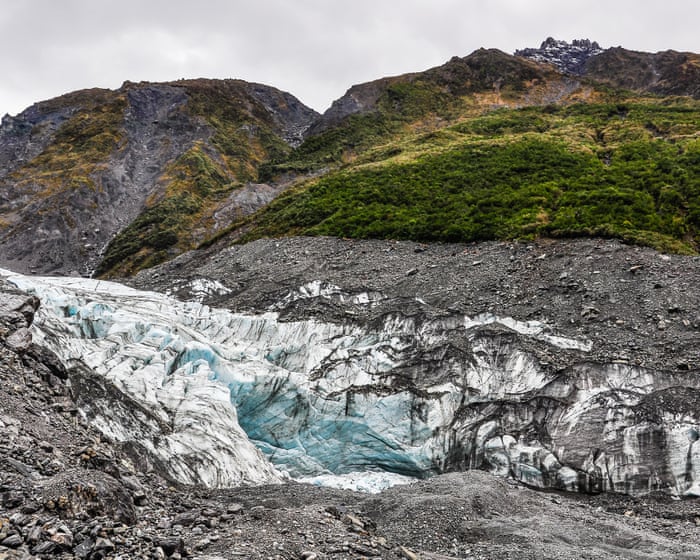
New Zealand’s greenhouse gas levels have reached record highs, causing the country to warm and glaciers to shrink. This climate change is expected to bring more heatwaves, severe storms, rising sea levels, and damage to nature and communities.
Key Facts
New Zealand's average temperature has risen by 1.36°C since 1909.
Seven of the ten warmest years have happened in the past decade.
The volume of New Zealand’s glaciers dropped from 56 to 30 cubic kilometers between 1997 and 2023.
By 2100, glaciers may lose between 14% and 100% of their volume depending on emissions levels.
Greenhouse gases in New Zealand’s atmosphere rose 30% since monitoring began in 1972.
Methane levels reached their highest ever concentration in 2025.
More frequent and strong heatwaves and marine heatwaves are expected, risking people’s health and native species.
Severe storms like Cyclone Gabrielle have recently caused deaths, destruction, and high economic costs.
Read the Original
Want the full story? Tap a source to open the original
article.
Researchers in India have found that the Himalayan monal bird is changing its way of living and communicating due to more human activity and noise in its habitat. The bird is moving higher up the mountains and changing its voice pitch to be heard over human noise, which shows changes in the fragile mountain ecosystem.
Key Facts
The Himalayan monal is a colorful bird native to mountain forests in the Himalayas.
It is the state bird of Uttarakhand (India) and the national bird of Nepal.
Two studies over five years show that human development and tourism are shrinking its habitat.
The birds are relocating to higher mountain areas as their usual alpine meadows become crowded.
The monal is changing the pitch of its call to be heard despite increasing noise from humans.
These changes could signal broader ecological problems affecting other sensitive species.
Climate change is expected to further reduce and disrupt the bird’s habitat by 2100.
Rapid infrastructure growth and unregulated tourism increase pressure on the Himalayan ecosystem.
Read the Original
Want the full story? Tap a source to open the original
article.
Venezuela is facing frequent and long power outages that are affecting homes, businesses, and medical treatments, such as kidney dialysis. These blackouts have caused public anger, leading to protests, and raised questions about how the government is managing the country's oil resources.
Key Facts
Power cuts in parts of Venezuela now occur daily and can last around seven hours.
The outages disrupt essential medical treatments, including dialysis, harming patients' health.
Backup generators and emergency batteries in some clinics have stopped working.
The government, led by interim President Delcy Rodriguez, is rationing electricity in some areas.
People have protested by banging pots and pans and blocking roads with fires.
Many citizens feel frustrated because Venezuela has large oil reserves but still faces power shortages.
The electricity problems also cause discomfort at home, including heat and mosquito issues.
The crisis highlights concerns about the government's management of the country’s main income source, oil.
Read the Original
Want the full story? Tap a source to open the original
article.
The winner of the 2026 Nobel Prize in Chemistry will be announced on Wednesday, October 7, starting at 5:45 a.m. EDT. Last year's winners developed molecules that can help with tasks like capturing carbon dioxide and harvesting water from the air.
Key Facts
The 2026 Nobel Prize in Chemistry announcement is scheduled for October 7 at 5:45 a.m. EDT.
Live coverage of the announcement is available to watch online.
The 2025 Nobel Prize in Chemistry went to Susumu Kitagawa, Richard Robson, and Omar M. Yaghi.
Their work involved creating molecular structures that have practical uses such as capturing carbon dioxide and harvesting water from desert air.
The Nobel Prizes recognize major scientific achievements each year.
Other recent Nobel Prizes mentioned include the 2026 Physics Prize and Medicine Prize winners.
Read the Original
Want the full story? Tap a source to open the original
article.
A tropical storm is forming in the Gulf of Mexico and could reach the United States this weekend. Weather officials are monitoring the storm to assess its strength and possible path.
Key Facts
A potential tropical storm is developing over the Gulf of Mexico.
The storm might hit the U.S. coast sometime this weekend.
Authorities are tracking the storm closely.
Storms like this can bring heavy rain and strong winds.
Residents in coastal areas are advised to stay updated on weather alerts.
No specific landfall location has been confirmed yet.
Emergency services may prepare to respond if the storm strengthens.
Read the Original
Want the full story? Tap a source to open the original
article.
There are no ads, so there is no reason to bait you. Readers who chip in keep it that way. Most choose $3.99/month, and get the daily digest every morning.
More than 250,000 people protested across France on Tuesday against education policies. The protests started with students at one high school and grew larger, leading to some clashes between police and protesters.
Key Facts
Over 250,000 people took part in protests across many French cities.
The protests began at a single high school and then spread.
Police and protesters clashed in some locations.
French officials criticized the violence during the protests.
The demonstrations focus on changes to education policies in France.
Read the Original
Want the full story? Tap a source to open the original
article.
President Donald Trump said he will soon speak with Russian President Vladimir Putin about the reported death of a laboratory worker in Siberia, possibly linked to the plague. U.S. officials and the World Health Organization have asked Russia for clear and transparent information, but Russian authorities say the cause of death is not confirmed and deny any plague outbreak.
Key Facts
A laboratory technician named Darya Shipilova died in Siberia’s Irkutsk region under unclear circumstances.
Some reports suggested she may have caught pneumonic plague from a broken test tube at an anti-plague institute.
Russian authorities deny causing any plague outbreak and say the death cause is still "undetermined."
Up to 200 people who might have contacted the woman were reportedly quarantined.
The Russian health watchdog Rospotrebnadzor stated the reports of anti-plague measures and special actions are false.
The U.S. State Department sent a confidential warning to Russia, urging it to share more information.
WHO confirmed no plague cases have been recorded in Irkutsk and called for transparent information sharing.
President Trump confirmed he will soon have a phone call with President Putin to discuss the incident.
Read the Original
Want the full story? Tap a source to open the original
article.