The CBS News Almanac for October 4 reviews historical events that happened on this date. The program covers a variety of current news topics, including conflicts, health incidents, political campaigning, and social events from around the world.
Key Facts
CBS News Almanac looks back at events from October 4 in history.
Recent footage shows a fight for control of a FlyDubai plane.
New details have emerged in an alleged gang rape case at Cornell.
Israeli Prime Minister Netanyahu gave an extended interview about an alleged stabbing incident involving a pilot.
A coach from Arizona State University is on leave after a player health incident.
Oil exports in the Middle East have risen while prices stay high.
The U.S. Supreme Court approved the execution of Christa Pike.
President Donald Trump is campaigning in states that usually vote Republican.
Read the Original
Want the full story? Tap a source to open the original
article.
Brazilians began voting in a presidential election where the current president, Luiz Inacio Lula da Silva, is running for a fourth term. His main opponent is right-wing Senator Flavio Bolsonaro, son of former president Jair Bolsonaro. The election also includes votes for lawmakers, senators, and governors.
Key Facts
Luiz Inacio Lula da Silva is the current president of Brazil and is 80 years old.
Lula is seeking a fourth term in office.
His main rival is Flavio Bolsonaro, a right-wing senator and son of former president Jair Bolsonaro.
Nearly 160 million Brazilians are eligible to vote in this election.
Voters will also choose lawmakers, senators, and governors.
The election results will influence whether Brazil continues left-wing policies or moves in a more right-wing direction.
This election is important for Latin America and may be affected by the political influence of U.S. President Donald Trump.
The voting is taking place amid a closely contested and highly watched campaign.
Read the Original
Want the full story? Tap a source to open the original
article.
A Flydubai flight experienced an emergency landing in Saudi Arabia after the copilot attacked the pilot with a crash axe. Passengers helped subdue the copilot, and investigators are looking into why the copilot was allowed to fly despite past security concerns.
Key Facts
The incident occurred about two and a half hours after Flight FZ1073 took off from Dubai.
The copilot attacked Captain Smit Machchhar with the cockpit’s crash axe.
Passengers overpowered the copilot after the captain managed to open the cockpit door.
The copilot, Hamam al-Hammami, is an Omani national with reported past security concerns.
Omani authorities had previously blocked or removed al-Hammami from flights due to his ideological views.
Flight FZ1073 rapidly descended 5,180 meters (17,000 feet) within two minutes before safely landing.
A passenger described as a plumber helped control the plane using knowledge from an aviation TV show.
Israel is investigating how an Omani national was allowed to fly routes involving Israeli airspace.
Read the Original
Want the full story? Tap a source to open the original
article.
This episode of Deja Vu explores the history of al-Andalus, where Muslim rule shaped parts of Europe like Spain and Sicily for centuries. It looks at how the fall of al-Andalus affected European history and politics, including the loss of shared cultural heritage.
Key Facts
Al-Andalus was a region in Europe under Muslim rule for many centuries.
It covered areas such as Spain and Sicily.
Muslims contributed significantly to European culture during this period.
The fall of al-Andalus involved destruction, including the burning of books.
This event led to the loss of shared historical memories between cultures.
The history of al-Andalus still influences European politics today.
Tariq Ali, an author and editor, discusses these themes in the episode.
The episode was produced by a team including Mohamed Hassan, Marcos Bartolome, and Sonia Bhagat.
Read the Original
Want the full story? Tap a source to open the original
article.
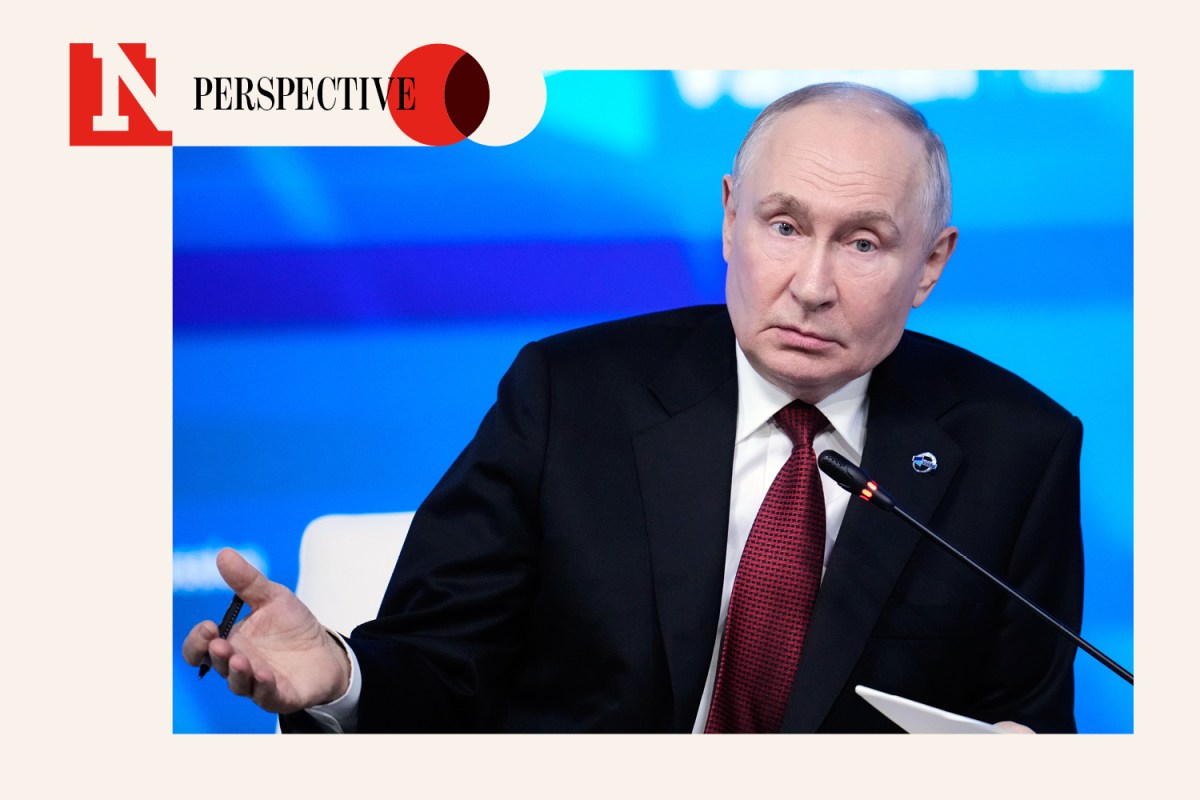
The U.S. government is using a mix of pressure and talks to try to influence Russia amid the war in Ukraine. While continuing sanctions and military support to Ukraine, officials have held discussions with Russian representatives about potential peace deals and future economic cooperation if the conflict ends.
Key Facts
Russia has been fighting in Ukraine for over four years and has tried to operate without Western support.
The U.S. held talks with Russian envoy Kirill Dmitriev about ending the war and possible future energy and economic partnerships.
President Donald Trump met with Russian leaders earlier in September during a visit to Moscow.
Ukrainian President Volodymyr Zelensky opposes any concessions to Russia while the war continues.
The U.S. expanded sanctions in September, targeting Russian officials, banks, and energy exports.
Sanctions include bans on new investments in Russia and high tariffs on goods from countries buying Russian oil.
U.S. officials say no economic cooperation with Russia is possible until the war ends.
Russia continues to attack Ukrainian cities with drones, causing civilian casualties and destruction.
Read the Original
Want the full story? Tap a source to open the original
article.
Yemen's government, backed by Saudi Arabia, has launched a new military operation to regain areas controlled by the Iran-backed Houthi fighters. The Houthis have recently cut off a key supply route to the city of Taiz, which remains under government control but is surrounded by Houthi forces.
Key Facts
Yemen's leader Rashad al-Alimi announced a major offensive to retake all territory held by the Houthis.
The Iran-backed Houthi group has cut the main supply road to the city of Taiz, effectively encircling it.
Taiz is a key front in Yemen's civil war and is currently held by government forces though under siege.
The Houthis have seized large parts of the Red Sea coastline recently, including strategic areas near Taiz.
Fighting continues in the al-Safiya area where Houthis now control a police station and a major road.
Saudi forces have conducted airstrikes against Houthi targets, including in northern Yemen.
Since 2015, Saudi Arabia leads a coalition supporting the Yemeni government mainly through airstrikes.
The conflict has worsened with the ongoing wider Middle East tensions, contributing to a serious humanitarian crisis in Yemen.
Read the Original
Want the full story? Tap a source to open the original
article.
The 20th Asian Games in Japan ended after two weeks of sports competitions involving 17,000 athletes in 469 events. Despite organizational problems with housing and transport, many young athletes performed very well, setting new records and winning multiple medals. The Games were officially closed, and the next event will be held in Doha, Qatar, in 2030.
Key Facts
The Asian Games took place in multiple Japanese cities from Tokyo to Osaka.
More than 17,000 athletes and officials participated, more than the number at the recent Paris Olympics.
Organizers planned a low-cost event using hotels, container units, and a cruise ship instead of building an athletes’ village.
Many athletes faced long waits for registration, double-booked rooms, and transportation failures.
China’s 13-year-old swimmer Yu Zidi won three gold medals and was named female MVP.
Japan’s 17-year-old Shin Ohashi set a world record in the 200m breaststroke.
Thailand’s 20-year-old sprinter Puripol Boonson won two gold medals and a silver while setting two Asian Games records.
There were some diplomatic mistakes, including playing the wrong national anthems during ceremonies.
The next Asian Games will be hosted by Doha, Qatar, in 2030.
Read the Original
Want the full story? Tap a source to open the original
article.
Up to 500 high schools in France will be partly or fully closed on Monday due to ongoing student protests. The protests started over problems like teacher shortages and poor school conditions, and some violence has occurred, including damage to schools and attacks on staff.
Key Facts
France’s Education Minister said 400 to 500 high schools will have suspended classes on Monday.
Since the protests began, 24 schools have been burned or damaged.
Students are protesting teacher absences, long school days, and bad school buildings.
The protests began on September 17 at a Paris school and have spread nationwide.
There have been violent clashes between students and police, including the use of tear gas and batons.
The minister claimed some far-left activists have joined the protests and caused violence.
So far, 78 education staff have been injured in the protests.
Over 5,000 people, mostly minors, have been arrested since the protests started.
Read the Original
Want the full story? Tap a source to open the original
article.
Yemen’s Presidential Leadership Council, led by Rashad al-Alimi and supported by Saudi Arabia, has started a military operation to take back all areas controlled by the Houthi armed group. This effort aims to restore the government’s control over the whole country after heavy fighting and recent Houthi advances.
Key Facts
Rashad al-Alimi, head of Yemen’s government council, announced a plan to retake all Houthi-held areas.
The operation involves Yemen’s armed forces, security, and military groups working under an official plan.
Yemeni forces reportedly carried out 257 attacks against Houthi targets, killing around 700 fighters.
The Saudi-led coalition, supporting Yemen’s government, conducted 97 precise attacks using planes, drones, missiles, and snipers.
The Houthis are backed by Iran and have controlled parts of Yemen, including the capital Sanaa since 2014.
Fighting intensified after a 2022 truce collapsed in July, causing many people to lose their homes.
Houthis recently captured the port city of Mocha and key islands near a major global oil shipping route.
The government forces have been trying to stabilize front lines after these Houthi advances.
Read the Original
Want the full story? Tap a source to open the original
article.
Dafroza Gauthier, who spent nearly 30 years tracking down suspects of the 1994 genocide against the Tutsi in Rwanda living in France, died at 72 in Reims. She and her husband worked to bring those accused of the massacre of over 800,000 people to justice.
Key Facts
Dafroza Gauthier died at the age of 72 in Reims, France.
She spent almost 30 years pursuing Rwandan genocide suspects residing in France.
The genocide against the Tutsi happened in 1994 and killed more than 800,000 people.
Dafroza worked closely with her husband, Alain Gauthier.
Their goal was to identify and bring justice to those responsible for the genocide.
The couple focused on suspects who had taken refuge in France after the massacre.
Dafroza’s death was announced by her husband the day after she passed away.
The article is connected to ongoing efforts to address justice for the Rwandan genocide.
Read the Original
Want the full story? Tap a source to open the original
article.
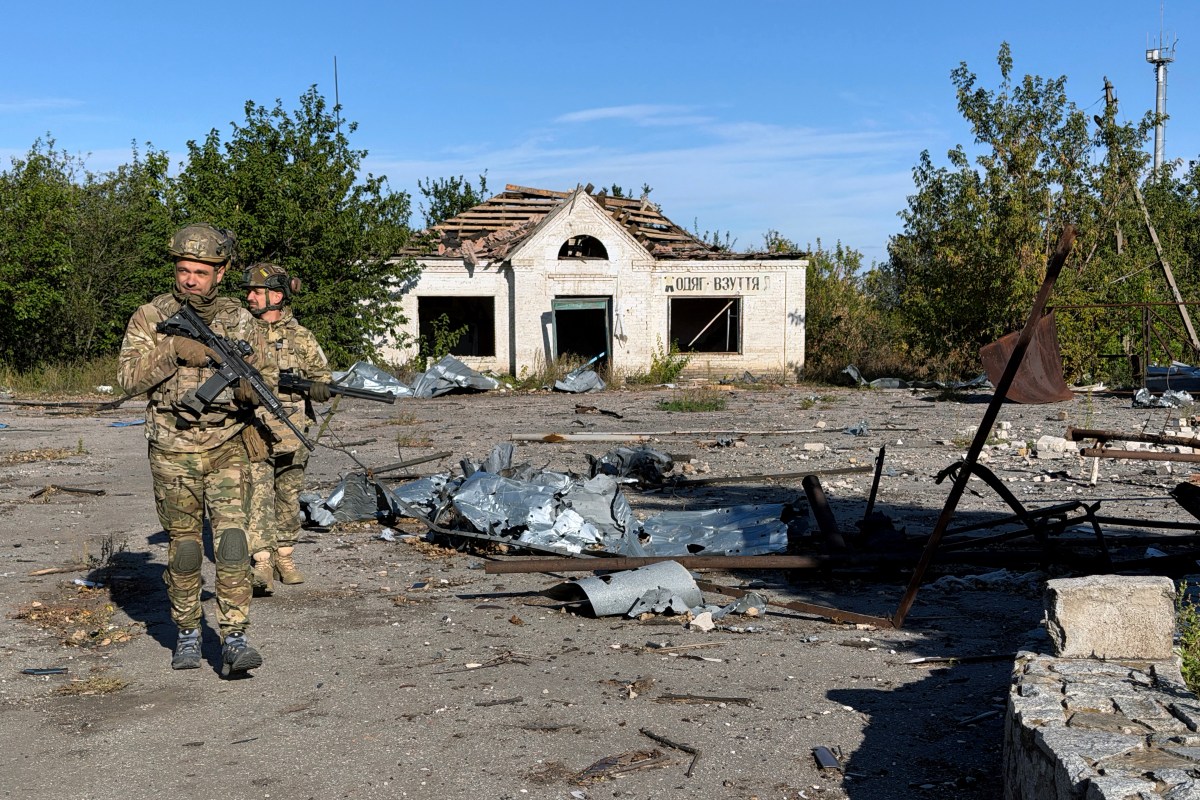
Ukraine has made territorial gains in its counteroffensive against Russia in the Donetsk region using bomber drones and remote-controlled robots. However, there are concerns that Russia will increase attacks on Ukraine’s energy systems during the upcoming harsh winter.
Key Facts
Ukraine’s Third Army Corps used bomber drones and robotic systems in "Operation Vivaldi" to prevent Russian encirclement in Donbas.
Ukrainian forces retook about 68 square miles of land largely using ground robotic systems.
Operation Vivaldi helped improve Ukraine’s position north of Lyman and secured important supply routes.
Russia has suffered heavy troop losses recently but is likely to intensify long-range strikes, especially targeting energy infrastructure in Kyiv.
Germany’s Chancellor Friedrich Merz visited Kyiv and highlighted the coming “decisive weeks” for Ukraine.
Recent Russian attacks have damaged bridges and energy facilities, complicating Ukraine’s winter preparations.
Ukraine’s economy minister warned this could be the toughest winter since Russia’s full invasion began in 2022.
Russian jet-powered drones are harder for Ukraine to stop, increasing the threat to critical infrastructure.
Read the Original
Want the full story? Tap a source to open the original
article.
Settlers in the West Bank are increasingly using drones to watch, intimidate, and disturb Palestinian residents. These drones are given to settlers by the government and are flown over homes and farms, causing daily problems for Palestinians.
Key Facts
Israeli settlers in the occupied West Bank have been given drones by the government.
These drones are used to monitor, intimidate, and harass Palestinians.
The settlers’ use of drones includes flying them over Palestinian homes, fields, and activist gatherings.
A settler group called Frontline Hills Administration said they delivered drones to four settlements.
One member of this group, Elisha Yered, is linked to past violence and is under European sanctions.
Palestinians report drones flying at different times of the day and night to scare them.
Some Palestinians had to leave their villages because of attacks and drone harassment continued in new areas.
Activists say settlers use drones to spot them and then inform the Israeli army.
Read the Original
Want the full story? Tap a source to open the original
article.
Staying informed here is free for everyone. If it's worth something to you, pay what you want. Supporters also get the daily digest by email every morning.
Two men were arrested in New York for entering the city’s sewers to look for valuables like gold. This is part of a pattern where people explore the sewers hoping to find lost treasure, but there is little proof that such searches find anything valuable.
Key Facts
Samuel Reveron and Kevin Rodriguez were caught after police used video footage to track them entering sewers in Queens.
They claimed they go underground to search for valuables trapped in drains, such as gold.
Similar arrests have happened before, including three men in Brooklyn last year with the same goal.
Experienced urban explorers say sewer foraging rarely finds anything valuable; one said the best find was an expired credit card.
Recently, more people have been seen entering sewers in New York, sometimes recorded on video.
The idea of sewer-dwelling “mole people” has drawn comparisons to the fictional Ninja Turtles who live and fight crime underground.
Authorities have expressed confusion and concern about why people risk going into sewers to look for treasure.
Despite the risks, sewer exploration continues to happen occasionally in New York.
Read the Original
Want the full story? Tap a source to open the original
article.
The daughter of MP Sir David Amess, who was murdered five years ago, says politicians continue to face serious threats. A government-led review is underway to find ways to improve the safety of members of parliament.
Key Facts
Sir David Amess, a Conservative MP, was stabbed to death during a public meeting in October 2021.
His daughter, Katie Amess, says threats against politicians have increased since his death.
A review, led by former justice secretary Sir Robert Buckland, was started by the government to improve MPs’ safety.
Other politicians, like former MP Ann Widdecombe and current MPs, have also faced threats or attacks.
The man accused of killing Widdecombe was charged with planning terror acts against political figures.
Conservative leader Kemi Badenoch confirmed she and her family received threatening messages from a convicted man.
Reform UK’s deputy leader Richard Tice says politicians need protection but must remain accessible to the public.
Katie Amess says her father valued meeting people and would not want politicians to stop these meetings despite the risks.
Read the Original
Want the full story? Tap a source to open the original
article.
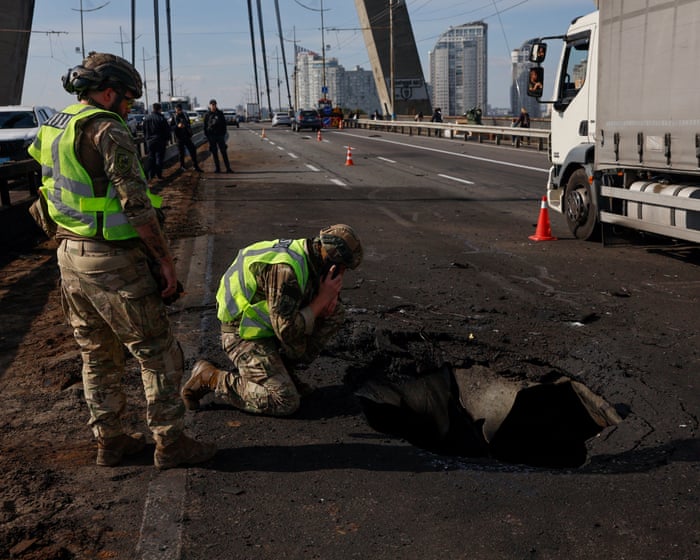
Russia attacked a key bridge in Kyiv just as German Chancellor Friedrich Merz arrived in the city to meet President Volodymyr Zelenskyy. The visit showed Germany’s support for Ukraine amid ongoing Russian attacks, and both leaders discussed closer military cooperation and new aid packages.
Key Facts
Russia struck the Northern Bridge in Kyiv during Merz’s unannounced visit.
Merz met President Zelenskyy to express Germany’s support for Ukraine.
The meeting took place at the National Academy of Sciences, previously hit by a Russian drone.
German officials and company leaders accompanied Merz to discuss military and economic aid.
Germany and Ukraine plan to build drones and weapons able to travel over 600 miles.
A $1.1 billion military aid package and $394 million for energy repairs were announced.
Russia warned foreign diplomats to leave Kyiv due to increasing attacks.
The conflict between Russia and Ukraine is in its fifth year with rising drone and missile strikes.
Read the Original
Want the full story? Tap a source to open the original
article.
Brazil's presidential race focuses on two main candidates: current President Luiz Inacio Lula da Silva and Flavio Bolsonaro. Lula wants a fourth term and warns about foreign pressure on Brazil, while Bolsonaro emphasizes his connection to the US and hopes to strengthen trade, especially around Brazil's rare minerals.
Key Facts
Twelve candidates are running in Brazil's presidential election.
The main competition is between President Lula and Flavio Bolsonaro.
Lula is seeking a fourth and final term as president.
Lula raised concerns about Brazil’s independence being threatened by external forces, including the US under President Trump.
Bolsonaro stresses his close ties to the White House.
Bolsonaro wants Brazil to make better trade deals with the US.
Rare minerals in Brazil are a key focus in the election discussions.
The election campaign has drawn international attention.
Read the Original
Want the full story? Tap a source to open the original
article.
Russia attacked a major bridge in Kyiv while German Chancellor Friedrich Merz visited the city to show support for Ukraine. The strike is part of ongoing Russian attacks targeting Ukraine’s infrastructure amid increasing military aid from Germany.
Key Facts
A Russian drone hit Kyiv’s Northern Bridge over the Dnipro River, injuring two people.
This was the fourth day in a row that Russia targeted bridges connecting Kyiv’s two banks.
German Chancellor Friedrich Merz made an unannounced visit to Kyiv to support Ukraine.
Since May 2025, Germany has become Ukraine’s biggest provider of military aid, surpassing the US.
Kyiv faces ongoing drone attacks disrupting daily life and threatening power supplies.
Ukrainian President Volodymyr Zelenskyy described the attacks as causing terrible suffering.
Russia’s attacks also target logistics centers, railways, data centers, medical facilities, and energy systems.
Russia’s foreign ministry warned foreigners and diplomats against staying in or traveling to Ukraine, but many diplomats plan to remain.
Read the Original
Want the full story? Tap a source to open the original
article.
Brazilians started voting in a close presidential election between current President Luiz Inacio Lula da Silva and right-wing Senator Flavio Bolsonaro, son of former President Jair Bolsonaro. If no candidate wins more than half the votes, the top two will compete again in a runoff on October 25.
Key Facts
Nearly 160 million Brazilians are eligible to vote in this election.
Lula is the current president, 80 years old, running for his seventh presidential election.
Flavio Bolsonaro, 45, is a right-wing senator and son of the far-right former president Jair Bolsonaro.
Lula has closer ties with China and criticizes US policies, while Flavio Bolsonaro supports stronger relations with the US under President Trump.
Brazil’s election also includes votes for state governors, federal congress members, and senators.
Flavio Bolsonaro campaigns to free his father from a 27-year prison sentence for attempting a coup.
If no candidate gets over 50% of the votes, a runoff election will be held on October 25.
There are ten other presidential candidates expected to get smaller vote shares.
Read the Original
Want the full story? Tap a source to open the original
article.
There are no ads, so there is no reason to bait you. Readers who chip in keep it that way. Most choose $3.99/month, and get the daily digest every morning.
Brazil is holding a presidential election with incumbent Luiz Inacio Lula da Silva facing Senator Flavio Bolsonaro, the son of former President Jair Bolsonaro. Voters are also choosing lawmakers, governors, and senators, and if no candidate wins over 50% of votes, a second-round runoff will happen on October 25.
Key Facts
About 160 million people are registered to vote in Brazil’s election.
Lula, from the Workers’ Party, seeks a fourth nonconsecutive term and supports social programs to reduce inequality.
Flavio Bolsonaro, from the Liberal Party, promises tough action on crime and closer ties with the US under President Donald Trump.
Jair Bolsonaro is serving a 27-year prison sentence for his role in a coup plot after narrowly losing to Lula in 2022.
The election focuses on crime, high living costs, corruption, and fears of US interference.
A recent survey found violence is the top concern for voters, followed by corruption, economy, and healthcare.
If no candidate passes 50% of valid votes, the top two will compete in a runoff election on October 25.
Political experts note the election represents a deep divide in Brazil’s view of its democracy and recent history.
Read the Original
Want the full story? Tap a source to open the original
article.
Iran says it will keep the Strait of Hormuz closed until the United States accepts its seven conditions for reopening the waterway. Iran’s leaders say they are ready to defend themselves and will continue both to negotiate and to fight if needed.
Key Facts
Iran’s top negotiator said the Strait of Hormuz will stay closed until the US meets seven conditions based on the Islamabad memorandum.
The US made some proposals through a mediator after Iran’s diplomatic plan was presented.
President Donald Trump rejected Iran’s proposal to reopen the strait last week.
The Strait of Hormuz is a key route where about one-fifth of the world’s oil and natural gas moves during normal times.
Iran said it is serious about diplomacy but ready to defend itself if the US takes military action.
The strait has been mostly closed or disrupted for more than seven months due to US and Israeli strikes on Iran starting in February.
Iran’s Foreign Minister urged the US to choose diplomacy and accept Iran’s plan.
Iran’s Ministry of Foreign Affairs said reopening the strait is Iran’s main goal, separate from nuclear talks.
Read the Original
Want the full story? Tap a source to open the original
article.